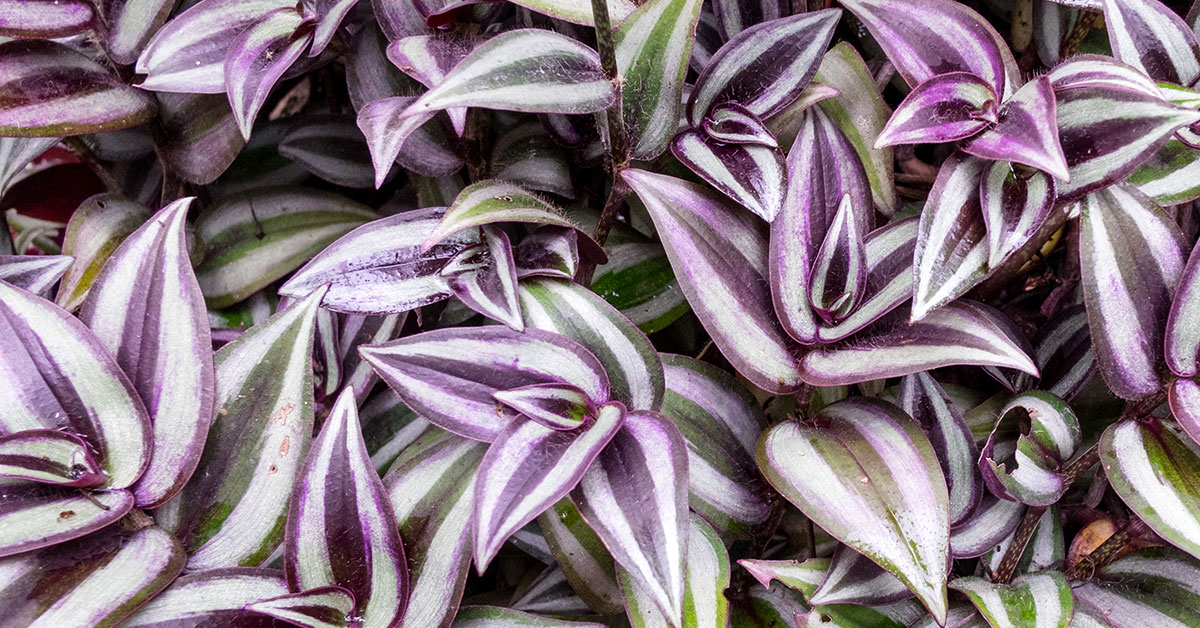

Wandering Jew (Tradescantia spp.) is one of my go-to houseplants when I want instant color and carefree growth. Native to tropical regions of Central and South America, these trailing beauties offer vibrant, striped foliage that practically dances over the edges of pots and hanging baskets. While some species, like Tradescantia fluminensis, can become invasive outdoors in warm climates, growing them in containers lets you enjoy their charm without worrying about runaway roots!
I know how frustrating it is to see leggy, sparse vines instead of the lush cascade you envisioned. Over the years, I’ve learned ten simple tricks—from the lighting they thrive under to how to tame their spreading habits—that will keep your Wandering Jew vigorous, colorful, and pest-free. Whether you’re a newbie or a seasoned plant parent, these tips will have your Tradescantia looking like it belongs on a glossy magazine cover!
Propagate with a Snap—Literally!

One of my favorite things about Wandering Jew is how effortlessly it propagates. Simply pinch or snip a 4–6 inch stem, strip a few lower leaves, and nestle the cutting in water or directly into moist potting mix. In just days, roots unfurl, eager to anchor new plants.
Because Tradescantia species naturally spread across forest floors in their native habitats, they evolved to throw out runners aggressively. By taking advantage of this behavior, you can multiply your collection—just be sure to contain young plants in pots to prevent them from escaping into garden beds where they could crowd out other plants!
Choose the Right Soil Mix
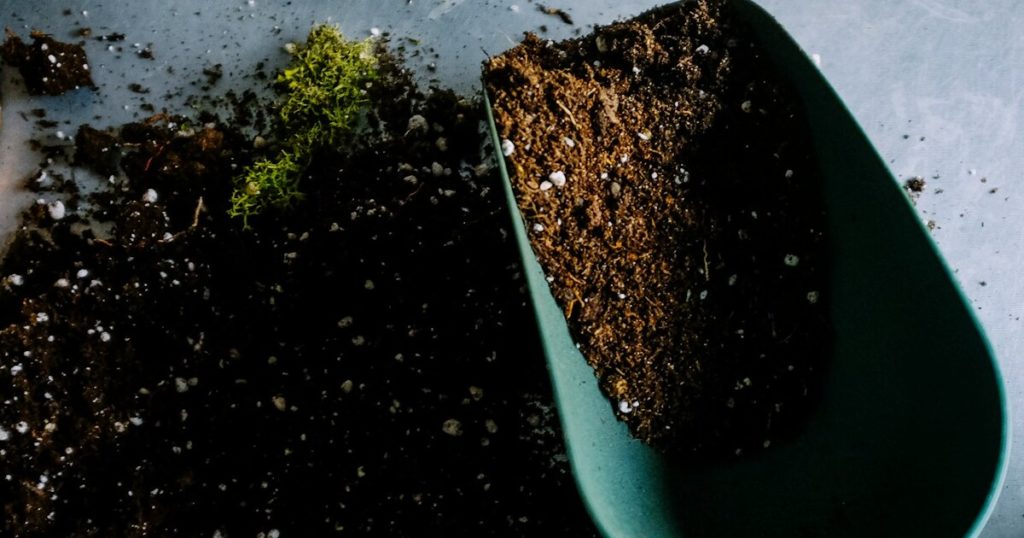
Tradescantia craves a light, well-draining medium that mimics the airy leaf litter of tropical understories. I mix equal parts peat-based potting soil, perlite, and orchid bark for perfect drainage and aeration—roots remain moist but never waterlogged!
Using dense, moisture-retentive soil can invite root rot, a risk for plants native to fast-draining forest floors. Your Wandering Jew will thank you with stronger, more vibrant foliage and fewer run-down days.
Keep Humidity Levels Happy
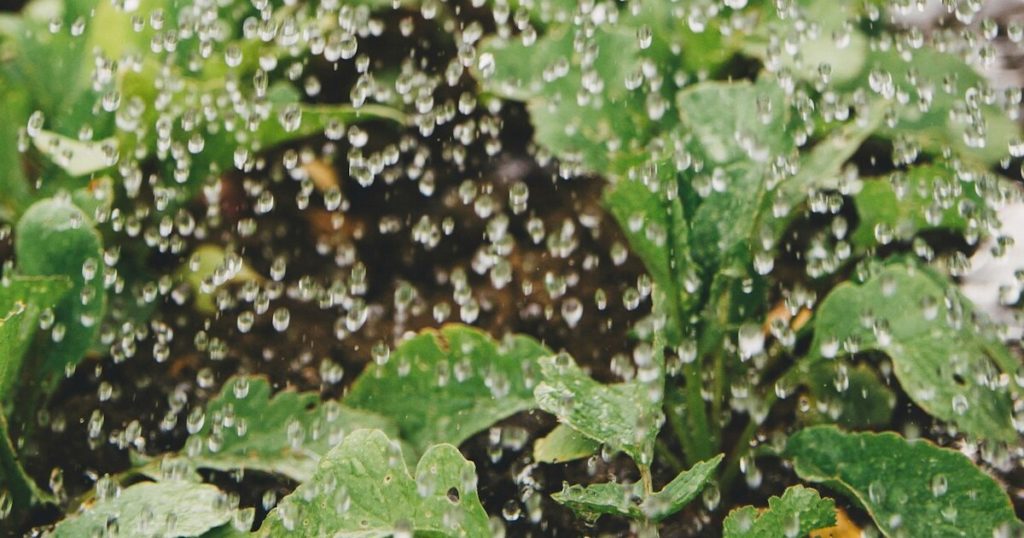
In the wild, Wandering Jew thrives under humid canopies, so indoor air can leave its glossy leaves looking parched. I place mine on a pebble tray or mist lightly a few times a week, replicating that tropical moisture bath!
High humidity also deters spider mites, which nest in overly dry conditions and can turn your leaves dusty and stippled. A simple humidity boost keeps both plant and beneficial insects—like predatory mites—comfortable in your makeshift indoor rainforest.
Stay Vigilant Against Pests

While generally hardy, Tradescantia can attract mealybugs, aphids, and spider mites—tiny nuisances that nest in leaf axils and along stems. I inspect new growth weekly, looking for cotton-like fluff or fine webbing, and treat early with insecticidal soap or neem oil before outbreaks escalate!
Because Wandering Jew evolved alongside a variety of forest insects, it’s also a haven for lacewings and lady beetles if grown outdoors. In containers, fostering good air circulation and clean foliage is your best defense against unwanted guests.
Prune for Compact, Bushy Growth
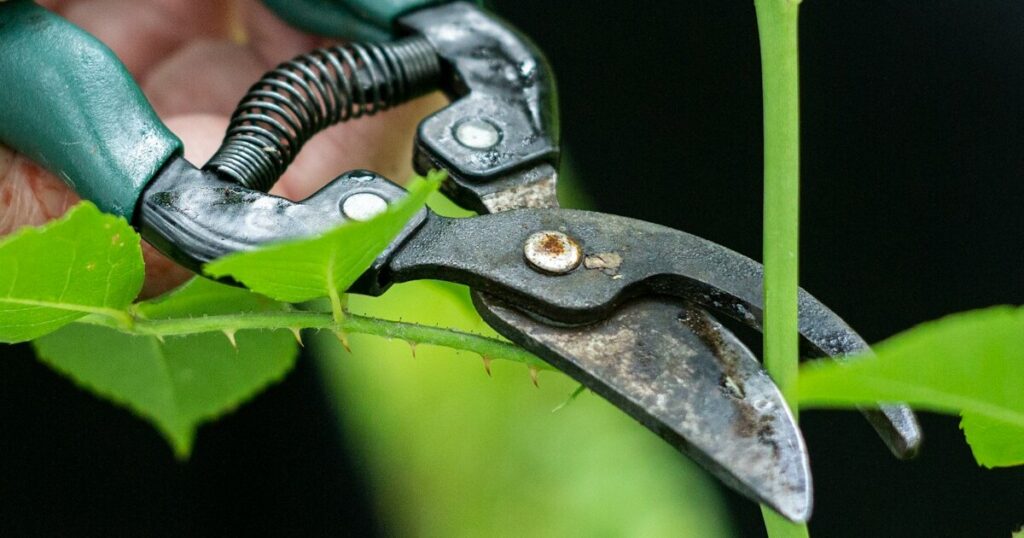
Left unchecked, Wandering Jew vines can become leggy and sparse. I prune regularly—snipping back two-thirds of each stem—to encourage branching and create a fuller appearance. After a good trim, bursts of side shoots emerge, transforming straggly vines into lush carpets of color!
Pruning also prevents overcrowding in the pot, ensuring each stem has room to nestle and photosynthesize. Plus, your cuttings make perfect gifts or new additions to your own plant family. Win-win!
Control Outdoor Spread
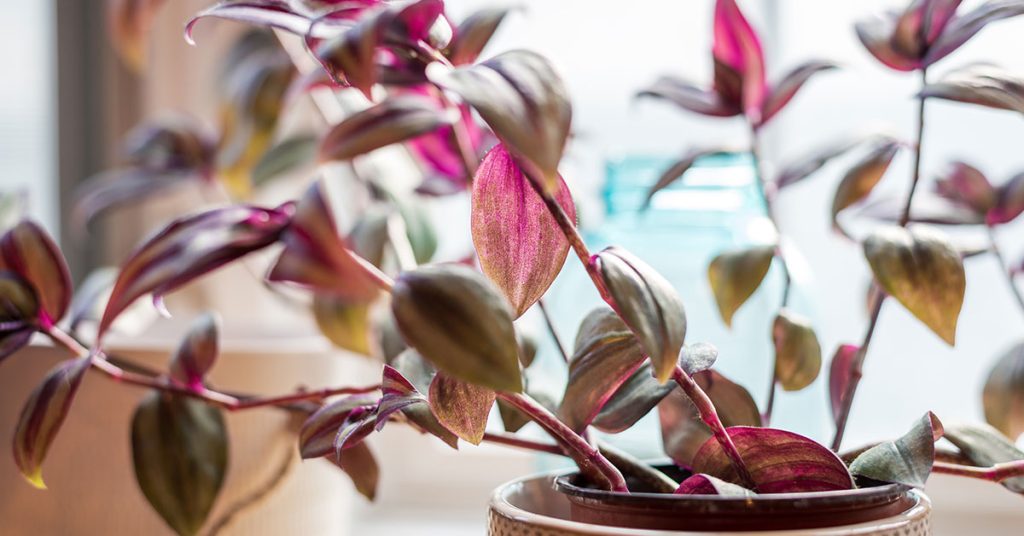
If you live in a frost-free zone, be mindful: Tradescantia fluminensis can naturalize in shaded borders, smothering native understory plants. I always keep mine confined to patio planters or hanging baskets, cutting back runners that attempt escape!
Understanding its invasive potential is key. By growing Wandering Jew in containers rather than directly in the ground, you protect both your garden’s balance and local ecosystems—while still enjoying its vibrant display.
Offer Bright, Indirect Light

In its native forests, Wandering Jew basks in dappled sunlight rather than blazing midday rays. Indoors, a bright spot near an east or north-facing window keeps its leaves crisp and colorful. Direct afternoon sun can scorch foliage; too little light turns stripes dull and vines floppy.
I rotate my pots weekly so all sides receive equal illumination, preventing one-sided growth. This simple habit ensures evenly distributed nesting of new shoots and a symmetric, showy plant.
Rotate for Even Growth
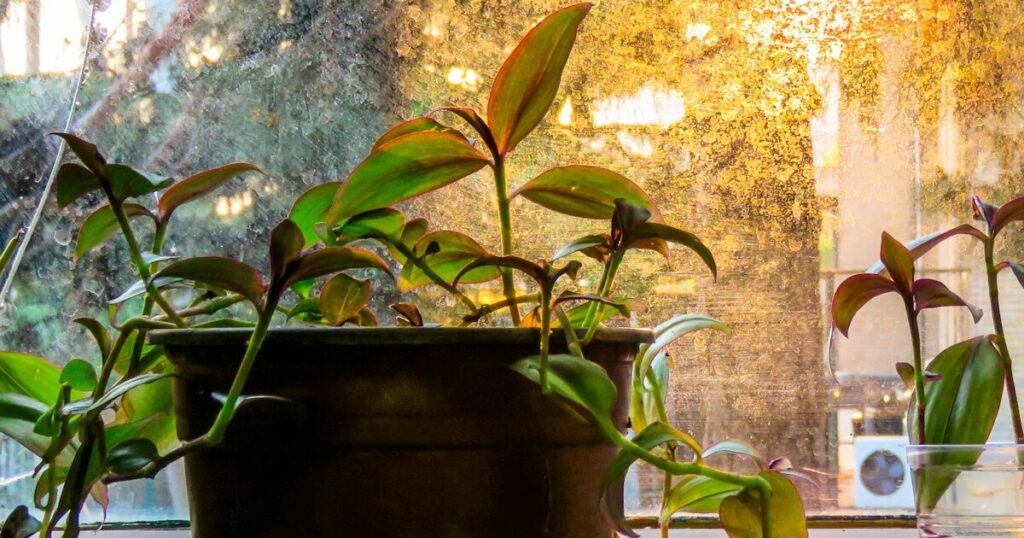
Speaking of rotation, one of my secret weapons is spinning containers just a quarter turn every few days. This avoids vines leaning toward the light source and creates a balanced, radial “mop” of foliage that spills beautifully over the pot’s edge.
Uneven growth not only looks lopsided, but it can stress one side of the plant, making it more susceptible to pests. By rotating, you encourage uniform branching and a healthier overall structure.
Feed with a Balanced Houseplant Fertilizer

During the growing season (spring through early fall), I feed my Wandering Jew every four to six weeks with a half-strength, balanced houseplant fertilizer. This steady diet of nitrogen for foliage, phosphorus for roots, and potassium for overall vigor keeps leaves lush and runners abundant!
Avoid high-nitrogen boosts late in the season—too much fresh growth entering winter can suffer cold damage or stem collapse. Mimicking its tropical nutrient cycles ensures year-round wellness without overstimulating those trailing habits.
Water Moderately, Never Let It Swim

Overwatering is the top mistake—soggy soil drowns roots, inviting rot. I water thoroughly only when the top inch of soil feels dry, letting excess drain freely. Any water remaining in the saucer I always discard after a few minutes—no plant likes “wet feet”!
Tradescantia evolved in climates with intermittent rains, so a little drought between waterings mimics their natural rhythm. Moderate watering keeps roots happily nesting in moist but aerated soil, leading to fewer wilted days and more vibrant foliage.