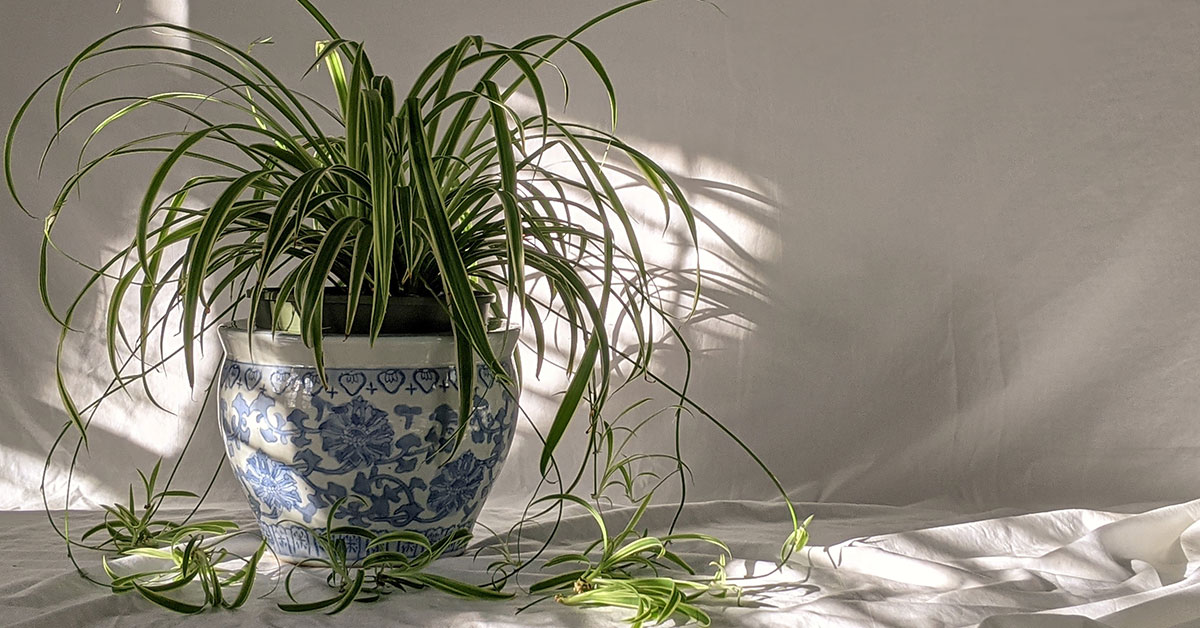

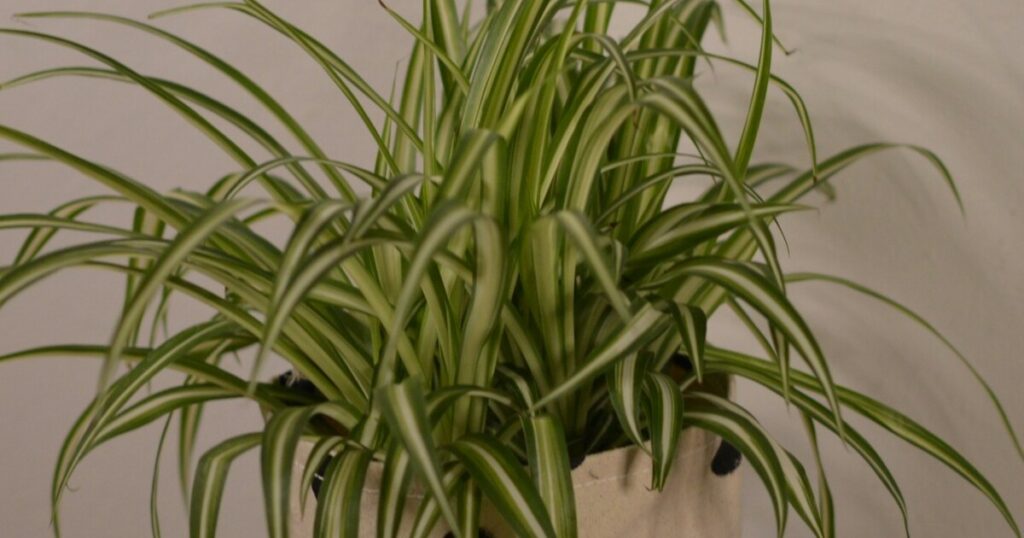
Spider plants (Chlorophytum comosum) are beloved for their arching green-and-white foliage and cascading spiderettes—like a living chandelier! Native to tropical and southern Africa, they thrive in well-draining soil and bright, indirect light. But when their roots sit in soggy conditions, those cheerful leaves can quickly turn limp, yellow, or brown, signaling the dreaded root rot. I know how disheartening it is to spot your favorite houseplant struggling, so let’s dive into ten clear signs to catch root rot early and nurse your spider plant back to health!
Root rot doesn’t just stunt growth; it invites pests like fungus gnats whose larvae nest in damp soil, and it can lead to a foul, musty smell that takes over the room. In this guide, I’ll share each symptom in detail—where spider plants are native, how they naturally offset and “nest” new babies, and what to look for underground. Armed with this knowledge, you’ll feel confident rescuing your spider plant before it’s too late!
Mushy, Brown Roots
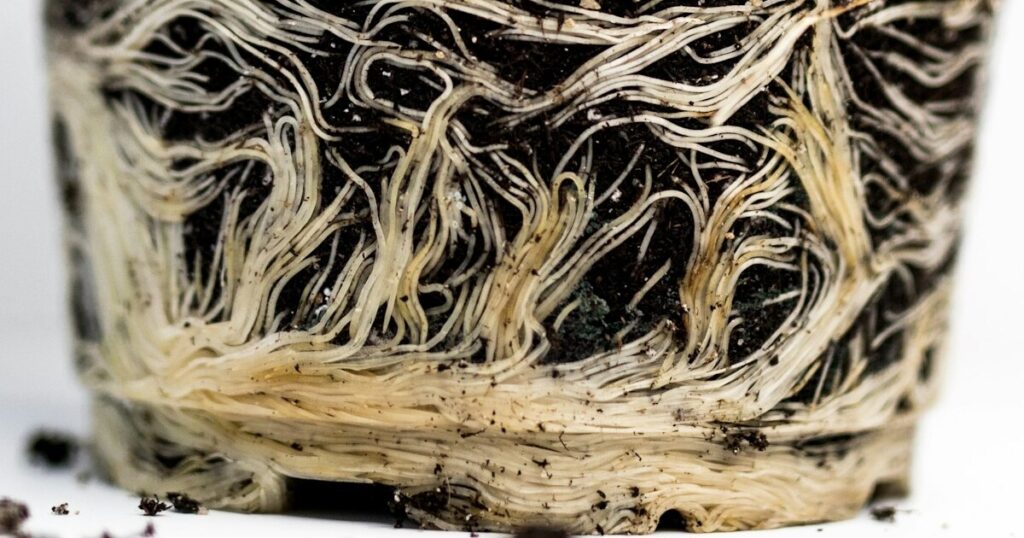
When you gently lift your spider plant from its pot and notice roots that are soft, slimy, or dark brown, that’s a core warning sign. Healthy roots of Chlorophytum comosum are firm and white or pale tan, reflecting their origin in well-draining African soils. I once discovered nearly half my root mass had turned to mush—ugh!—and knew immediate action was critical.
These decaying roots can no longer transport water and nutrients, leading to wilting foliage above. Removing the plant from its soil and trimming away all rotten roots with sterile scissors is the first step; then repot in fresh, airy mix to revive healthy growth.
Yellowing Lower Leaves

Spider plants naturally shed older, inner leaves over time, but widespread yellowing—especially at the base—often indicates root stress. I used to shrug off a few yellow tips, only to find entire lower leaves drooping and discoloring days later! When roots can’t absorb nutrients properly, the plant redirects resources, and those bottom leaves turn yellow and limp.
Keep an eye on how quickly yellowing progresses. If it’s rapid and paired with soggy soil, root rot is a likely culprit. Pruning affected leaves not only improves appearance but reduces demand on your ailing root system.
Foul, Musty Odor

One of the most alarming signs is a sour, musty smell emanating from the potting mix—almost like damp basement mildew. That odor comes from anaerobic bacteria thriving in waterlogged conditions, breaking down organic matter and rotten roots. I remember sniffing my plant’s pot one morning and thinking, “That can’t be my spider plant!”
If you detect this smell, act quickly: remove the plant, rinse roots gently, trim away soft tissues, and repot in a clean container with fresh, well-draining soil. Eliminating stagnant water and improving aeration stops the bacterial party in its tracks.
Stunted Growth and Few Offsets
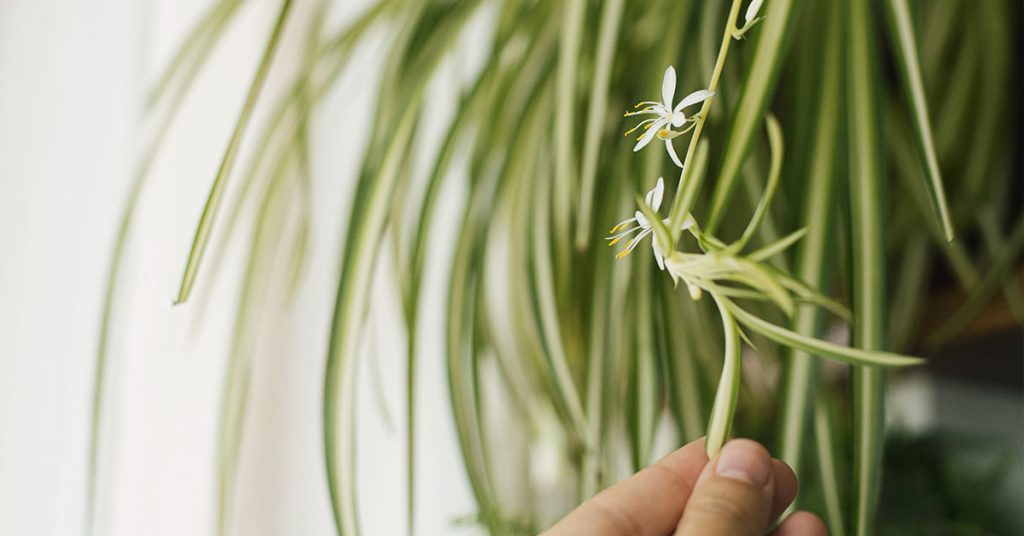
Healthy spider plants readily produce “spiderettes”—small plantlets on arching stems, Nesting like little families along their stolons. When root rot sets in, new growth slows or stops altogether, and those charming offsets may fail to form. I once went an entire season without a single new plantlet—very unlike my usual enthusiastic nesters!
A lack of offsets signals that the plant is diverting energy to mere survival rather than reproduction. Restoring proper root function by repotting and adjusting watering habits often brings back that prolific offsetting.
Wilted, Drooping Foliage
Even with moist soil, a root-rotted spider plant can wilt and droop, as if thirsting in a drought. Roots unable to uptake water cause leaves to flop dramatically—a frustrating sight when overhead conditions seem perfectly humid! I’ve rescued droopy spider plants by correcting overwatering, and within weeks they perked up again.
Check soil moisture with your finger: if it’s constantly wet yet the plant still wilts, suspect root issues. Let the soil dry slightly between waterings and ensure the pot has drainage holes to prevent future sogginess.
Brown, Crispy Leaf Tips

While brown tips on spider plant leaves can stem from fluoride or salt build-up, sudden browning—especially when paired with soft, rotting roots—often points to root rot stress. The plant can’t regulate water to its leaf margins, leading to dry, crispy tips. I’ve learned to interpret those brown edges as a cry for help from below!
Trimming affected tips tidies the look, but addressing root health and flushing salts from the soil ensures new leaves emerge clean and crisp.
Presence of Fungus Gnats

Fungus gnats thrive in damp, organic-rich soil and lay eggs that hatch into root-munching larvae. If you’re seeing tiny black flies dancing above your spider plant, or noticing larvae when you disturb the soil, it’s a red flag for overwatering and possible root rot. I once battled a fungus gnat infestation that vanished only after I repotted to eliminate their nesting grounds.
Use yellow sticky traps to catch adults and consider a soil drench of beneficial nematodes or Bacillus thuringiensis israelensis (Bti) to target larvae—while simultaneously fixing your watering routine to keep the soil pleasantly moist, not soggy.
Blackened Crown or Rhizomes
Inspect the base of your spider plant where the stems meet the roots. If you spot dark, water-soaked patches on the crown or rhizomes, that tissue is decaying. In Chlorophytum comosum’s natural habitat, a firm crown protects the plant during wet spells, but prolonged saturation indoors can overwhelm these defenses.
Carefully trim away any blackened segments, ensuring you don’t spread pathogens with your tools. Sterilize blades between cuts, and repot in fresh medium to give the remaining healthy crown space to regenerate new roots.
Soil That Never Dries Out

Spider plants prefer soil that dries slightly between waterings—reflecting the periodic rainfall of their African origins. If your potting mix stays perpetually moist days after watering, roots are likely suffocating. I once found my plant’s root ball so wet that the soil sloughed off when I lifted it—definitely a recipe for rot!
Improve drainage by mixing in perlite or coarse orchid bark, and switch to a pot with ample drainage holes. Monitoring topsoil dryness before each watering can restore the moisture cycle your spider plant craves.
General Decline in Vigor

Beyond specific symptoms, a spider plant with root rot often looks generally unhappy: small leaves, sparse stems, and a lackluster appearance compared to its usually vigorous self. I noticed mine shrinking in overall size, despite consistent care—an unmistakable sign that something was wrong underground.
When multiple warning signs converge—yellowing leaves, soggy soil, and slowed offsetting—the plant is signaling distress. Acting swiftly to rescue the roots can restore its former lushness and cascading elegance.