
Creating a garden that whispers sweet nothings with every bloom is a dream for any romantically inclined gardener. Imagine strolling past petals that tell stories of love, devotion, and passion—each flower a fragrant declaration of the heart! Whether you’re designing a secret kiss corner or a welcoming path to your front door, these fifteen romance-symbolizing blooms will turn your garden into a living love letter.
I know how it feels to long for that perfect floral backdrop—after all, I’ve spent many dawns tweaking my own beds to coax more fragrance and color into each corner. From delicate anemones that speak of anticipation to bold gladiolus that shout “strength of character,” every choice here reflects both centuries of meaning and real-world garden wisdom. Let’s dive in—your love garden awaits!
Ranunculus (Buttercup)
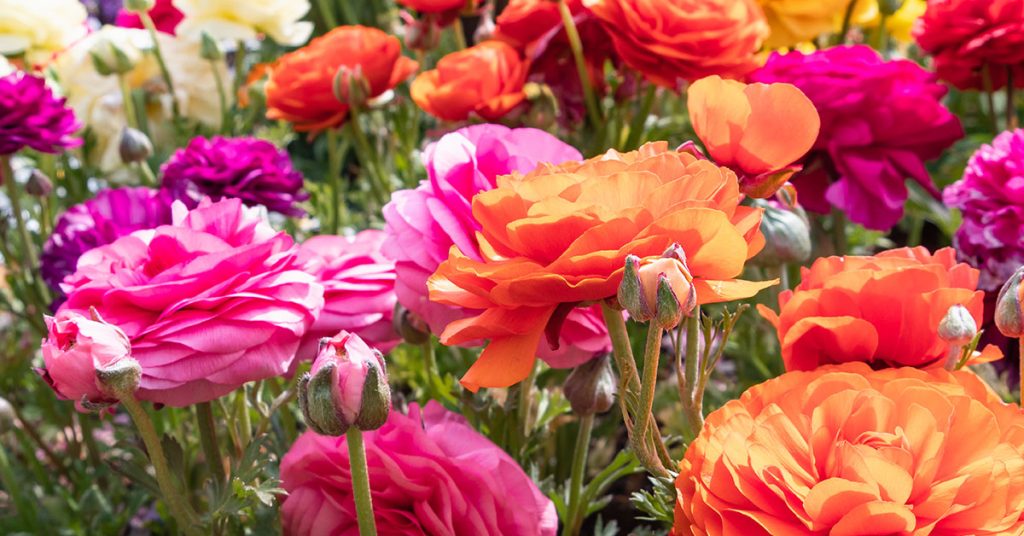
Ranunculus, native to the Mediterranean and Asia, charms with layers of papery petals in roses’ silhouette. One of my favorite blooms for bouquets, these spring ephemerals symbolize radiant charm, making them perfect for a romantic bed near a garden bench. They attract hoverflies and solitary bees, whose nesting behaviors help pollinate neighboring blossoms—nature’s own matchmaking service!
Although they naturalize well in temperate climates, keep an eye out for self-seeding in milder zones. I once let them scatter too freely, and by midsummer I had baby ranunculus popping up where I least expected—but a light thinning in early summer keeps them from becoming invasive show-offs!
Gardenia
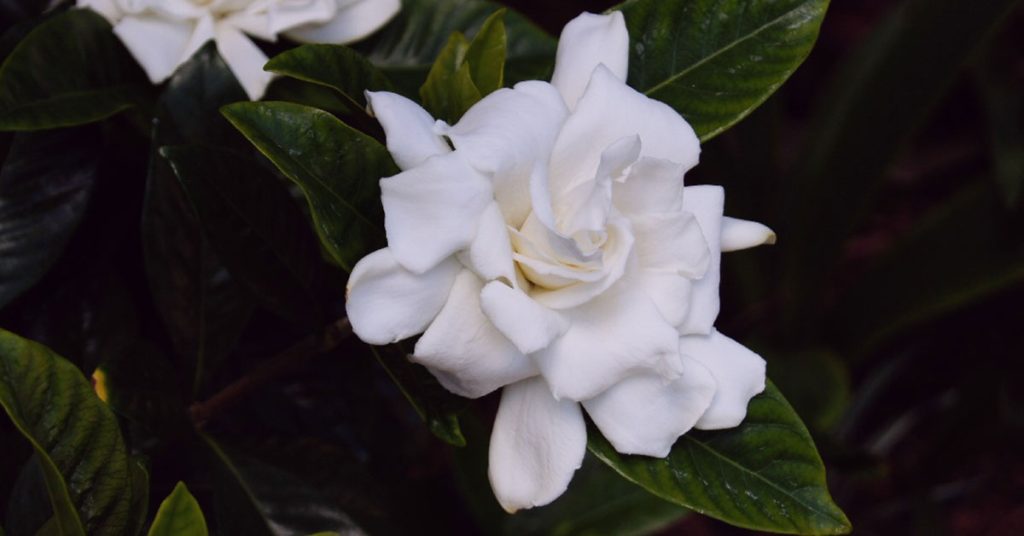
Gardenias hail from tropical and subtropical Asia and Africa, celebrated for their creamy white blooms and intoxicating scent. Each flower is like an elegant cameo by your doorstep, offering nightly fragrance that wafts through open windows—pure romance in the air! These shrubs also provide shelter for beneficial lacewings, whose larvae nest beneath the foliage and prey on aphids.
Because gardenias prefer acidic, well-drained soil, I mix in plenty of compost and mulch with pine needles to mimic their native woodland floors. They can be fussy about cold snaps, so in cooler regions a container near the door allows you to wheel them into a protected spot when frost threatens.
Tulips

Tulips, native to the mountains of Central Asia, burst forth in early spring as vibrant declarations of perfect love. Plant a varied palette of reds, pinks, and whites along your garden path, and you’ll hear visitors gasp at the romantic display! Early-blooming bees also sip nectar from their goblets, often nesting nearby in bare soil—an invitation to more pollination action.
Though many cultivated tulips don’t naturalize aggressively, species tulips can spread if conditions suit them. I once neglected to deadhead ’Emperor’s Robes,’ only to discover baby bulbs sprouting years later; now I remove spent flowers promptly to keep the display elegant rather than weedy.
Anemones
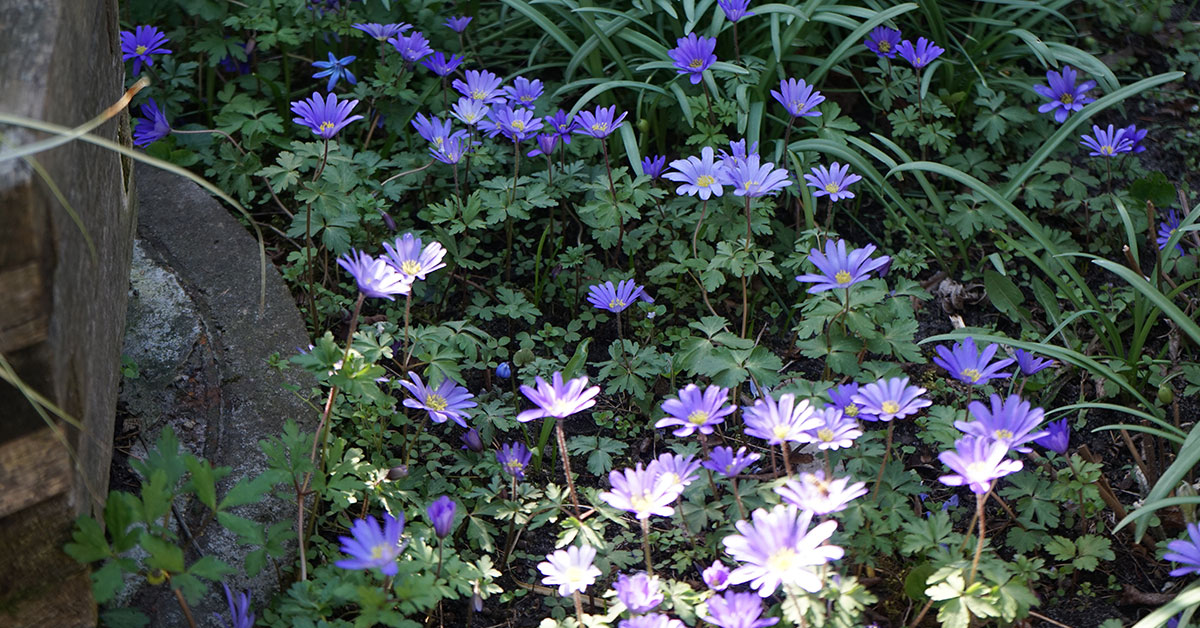
Anemone coronaria, native to the Mediterranean, embodies anticipation—perfect for gardens where love is just budding! Their silky petals in jewel tones catch the sun and beckon pollinators like small solitary bees, which often nest in nearby crevices and return season after season.
These tuberous perennials can spread if planted in rich, well-drained beds. I recommend lifting and dividing every few years, not only to prevent invasiveness but also to refresh clumps. Regular division ensures your love garden stays dynamic, never overrun.
Jasmine

Jasmine’s delicate white star-shaped flowers bring tropical allure and a honeyed fragrance that blooms best at dusk. Native from Asia to Australia, many jasmine species symbolize love and beauty—ideal for planting by a trellis near your entrance. Night-flying moths, drawn by its scent, nest in nearby shrubs, ensuring gentle pollination under moonlight.
Some vigorous jasmine varieties can scramble beyond their bounds, so I train them carefully on supports and prune annually. In my garden, I tie new shoots gently to bamboo stakes, guiding them into elegant frames rather than letting them run wild.
Peonies
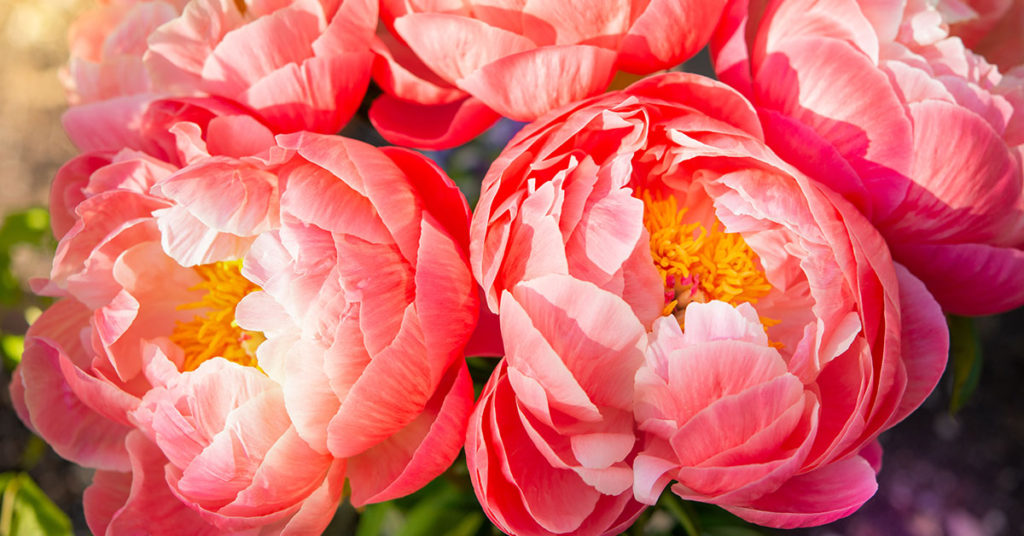
Peonies (Paeonia spp.), native to China and Europe, have adorned bridal bouquets for centuries, symbolizing happy marriage and prosperity. Their lush, ruffled blooms—ranging from blush pink to deep crimson—beckon bumblebees and honeybees, which nest in hollow stems of nearby grasses.
Low-maintenance and long-lived, peonies can naturalize if left undisturbed, forming impressive clumps over decades. I once inherited a seventy-year-old planting that had become a veritable fortress; now I divide and share clumps every five to seven years to keep them vigorous and to gift friends a piece of romance!
Violets
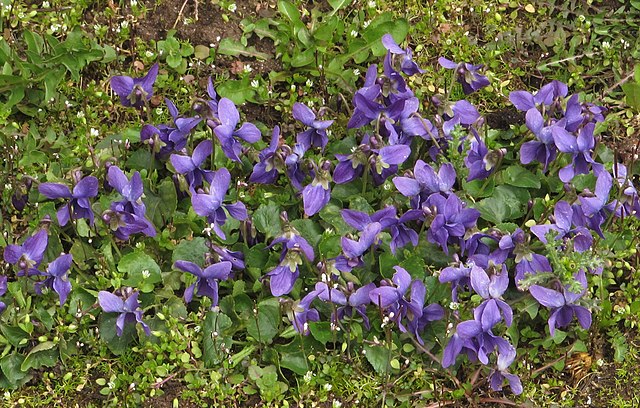
Sweet violets (Viola odorata), native to Europe and Asia, offer petite heart-shaped leaves and fragrant purple blooms that symbolize faithfulness. I love planting them along shaded walkways—their scent punches above their size, and they attract ground-nesting bees seeking cool refuges.
They do spread by stolons under favorable conditions, so I edge their bed with metal or stone to contain the patches. Every spring, I snip flowers for salads or candied treats, and thinning old runners gives new shoots room to flourish.
Lily of the Valley
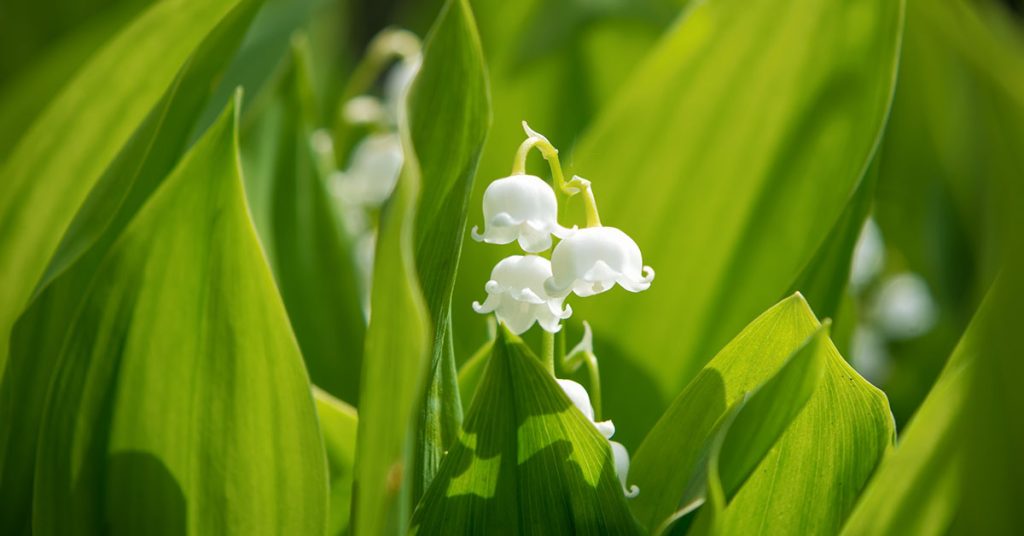
Lily of the Valley (Convallaria majalis), native to Europe and parts of Asia, speaks of return and sweetness. Its delicate, bell-shaped white flowers nod gracefully on arching stems, filling the air with a heady perfume that attracts tiny solitary bees nesting in mossy cracks.
This plant can form dense colonies underground via rhizomes. I once let it claim a shady corner of my front garden, and only by dividing its clumps every few years did I stop it from smothering ferns and hostas nearby!
Carnations
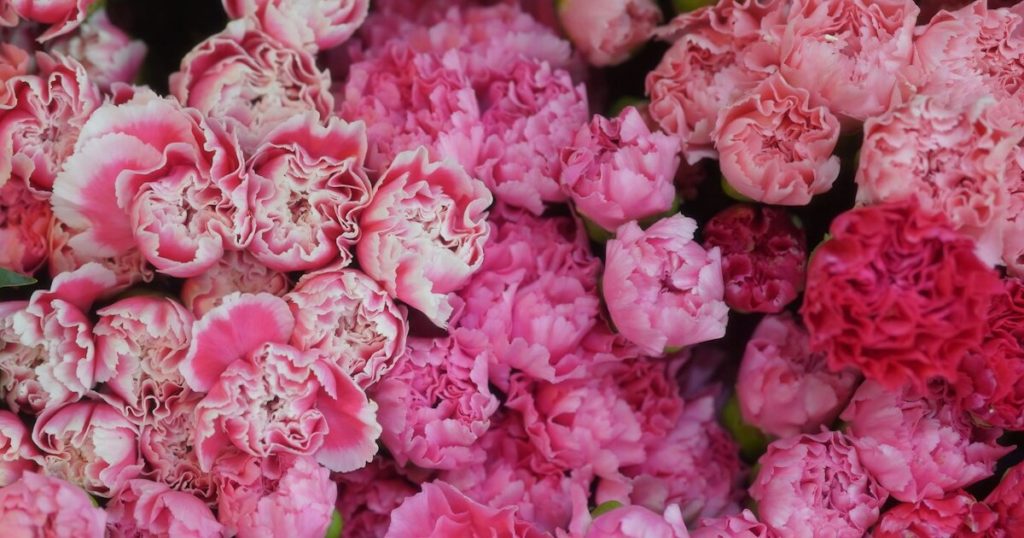
Carnations (Dianthus caryophyllus), with origins in the Mediterranean region, symbolize fascination and youthful love. Their frilled petals in soft pinks, reds, and whites are magnets for small hoverflies, whose larvae nest in leaf litter and devour aphids.
While carnations aren’t typically invasive, they appreciate well-drained, alkaline soil. I add crushed oyster shell to my mix, mimicking their native limestone habitats. Deadheading spent blooms encourages continuous flowering, so the love story never fades!
Gladiolus

Gladiolus (Gladiolus spp.), native to Africa and Eurasia, stand tall as symbols of strength and moral integrity in devotion. Their spear-like spikes of trumpet-shaped flowers draw hummingbirds in warmer climates and support nesting of ground-dwelling bees at the base of the stems.
These cormous plants can naturalize in favorable conditions, producing offsets that crowd the bed over time. I lift and store corms in winter in colder zones, replanting only the healthiest in spring to maintain neat rows of romantic spires.
Lavender

Lavender (Lavandula angustifolia), native to the Mediterranean, is the very essence of devotion and serenity. Its silvery foliage and purple flower spikes perfume the air, attracting nesting mason bees that use hollow stems to raise their young. I adore how a gentle breeze turns my love garden into a buzzing, fragrant haven!
Lavender prefers lean, well-drained soil and full sun. In heavier soils, I add grit or sand to improve drainage. Pruning after flowering keeps plants compact, preventing straggly growth that can invite fungal issues in wetter climates.
Roses

Roses (Rosa spp.) need no introduction when it comes to love—native across Asia, Europe, and North America, these iconic blooms embody romance in every petal. From tea roses to climbers, they attract a host of pollinators, including bumblebees that nest in bare soil patches at the garden’s edge.
Some species roses can spread vigorously by suckers, so planting grafted varieties in containers or using root barriers helps contain their energy. Regular deadheading and feeding ensure your rose arches remain a season-long testament to affection!
Sweet Pea
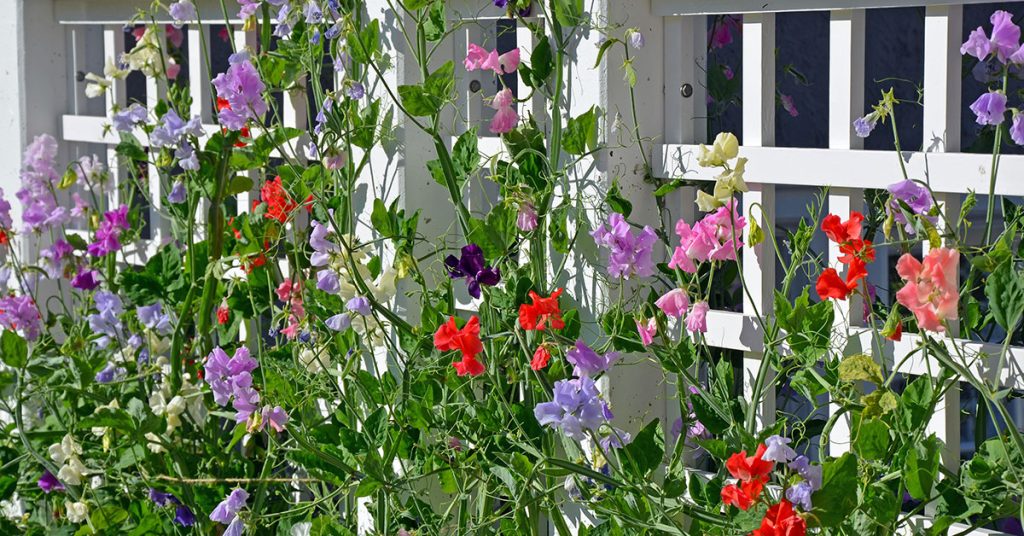
Sweet peas (Lathyrus odoratus), native to Sicily and southern Italy, are the very picture of blissful pleasure. Their ruffled blossoms in pastel hues release a strong, delightful scent—especially in the cool of morning—luring nesting butterflies that lay eggs on nearby nettles.
These annual climbers can self-seed readily if left unchecked. I recommend collecting pods before they split or sowing directly in neat rows. Providing a lightweight trellis near your doorway lets these lovers’ tendrils climb in welcoming arches!
Orchids

Orchids—particularly Cymbidium and Phalaenopsis—are symbols of refined beauty and love. Native to tropical Asia, America, and Australia, their exotic blooms draw in specialized bees and wasps whose nesting and pollination rituals are as intricate as the flowers themselves.
While most garden orchids aren’t invasive, they do require careful humidity and temperature control. I nurture mine in hanging baskets by a shaded porch, misting daily and ensuring good air circulation to mimic their native rainforest canopies.
Camellias

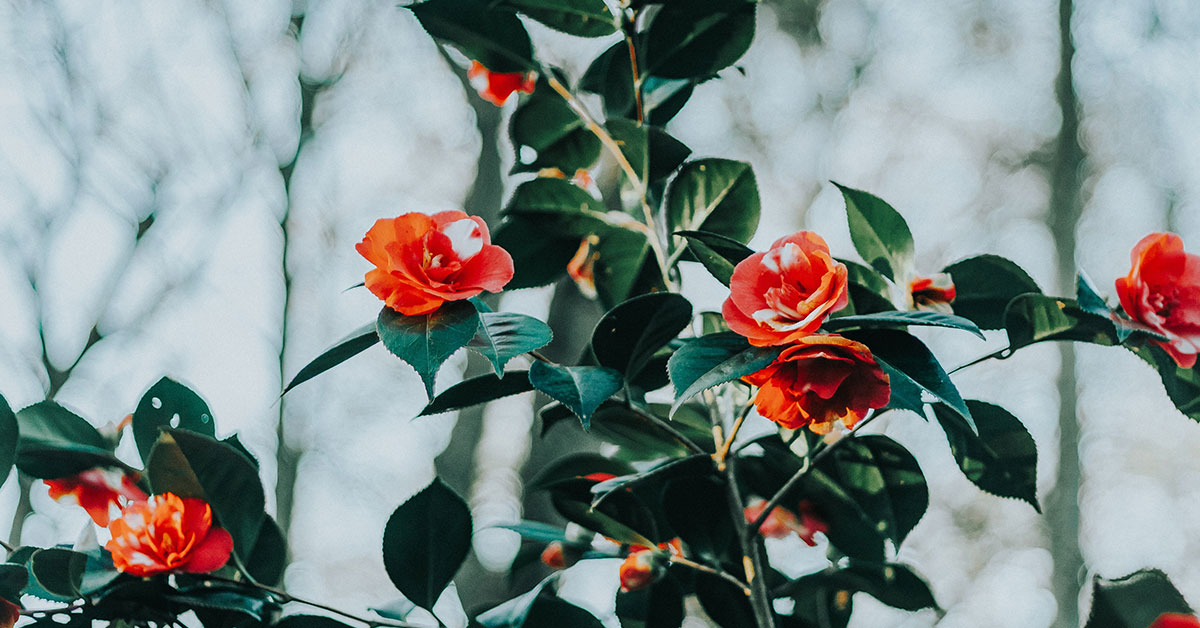
Camellia japonica, native to East Asia, presents lush, rose-like blooms in winter to early spring—offering a promise of love even in the coldest months. These broadleaf evergreens provide shelter for nesting beneficial insects like lacewings, whose larvae patrol for aphids.
Camellias prefer acidic, well-drained soil and partial shade. I mulch mine with shredded pine bark and leaf mold to recreate their native woodland floor. Annual pruning after flowering keeps them shapely, preventing leggy growth that could flop under heavy blooms.