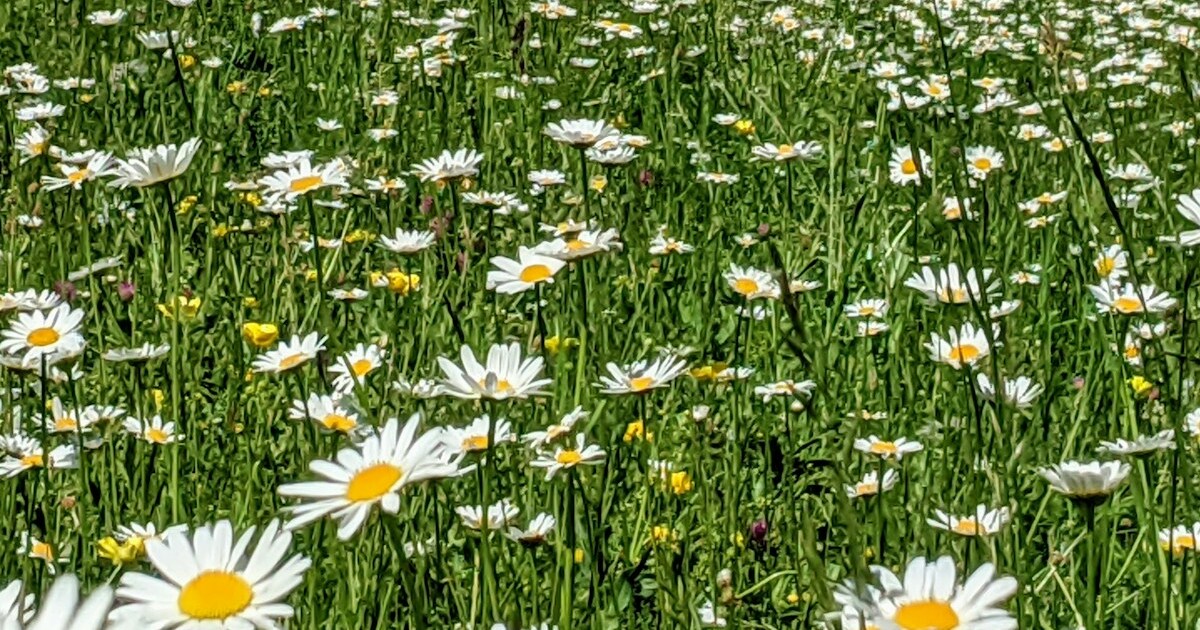

Growing chamomille (Matricaria chamomilla or Roman chamomile, Chamaemelum nobile) by your front door is like extending a warm, aromatic invitation to every guest—human and insect alike! Picture greeting visitors with delicate, daisy-like flowers that release a soothing, honeyed scent at the slightest brush. Beyond its charming curb appeal, chamomille offers a wealth of benefits, from natural pest control to a ready stash of tea-worthy blooms. I know how it feels to crave both beauty and function in a petal-packed package, and chamomille delivers on both fronts with minimal fuss!
As someone who’s tucked countless herbaceous wonders into entryway planters, I understand the frustration of choosing a plant that either looks pretty or serves a purpose—rarely both. Chamomille, however, bridges that gap: native to Europe and Western Asia, it’s been naturalized worldwide and, in the right spot, behaves beautifully without becoming invasive. Let’s explore eleven compelling reasons to welcome this gentle garden ally right at your doorstep!
Natural Pest Deterrent

Chamomille’s fragrance doesn’t just please our senses—it repels harmful pests like aphids and whiteflies. By planting it front and center, you create a scented barrier that nudges these sap-suckers away before they can settle on more delicate houseplants or porch containers. I’ve watched aphid populations plummet when chamomille’s camphor-like oils waft through the air!
Moreover, chamomille is native to ruderal areas—spots that get disturbed—so it’s evolved to withstand nibbling and nibblers. It won’t shy away from a bit of rabbit curiosity, and its tiny blooms deter many common garden critters from establishing nesting sites nearby.
Aromatic Welcome Mat

Every time the breeze rolls past your entryway, chamomille releases a soft, apple-like aroma that instantly soothes frazzled nerves. Guests comment on the “fresh-baked” scent before they even see the blossoms! It’s such a delight on crisp mornings when the dew enhances its honeyed perfume.
This sensory greeting is reminiscent of chamomille’s native meadows in Europe, where it thrived under open skies. By placing it by your door, you recreate that idyllic habitat on your own doorstep—no travel necessary!
Companion for Other Herbs

Chamomille plays well with neighbors like lavender, mint, and basil, enhancing their growth and essential-oil profiles. I often pair it in my front-door herb garden, and the synergy of their fragrances turns my stoop into a miniature apothecary. Those nesting hoverflies you’ll attract help keep mites in check on all your herbs!
While German chamomille can act mildly invasive in loose soils, spacing it sensibly among your herbs prevents it from overtaking the bed. Roman chamomille, native to Western Europe, remains more restrained—ideal if you prefer neat, low-growing mats.
Medicinal Benefits at Your Doorstep

Nothing beats stepping outside to snip fresh chamomille flowers for a homemade tincture or soothing salve. Its anti-inflammatory and calming properties make it a go-to for tension headaches or minor skin irritations. One of my favorite routines is brewing a quick chamomille steam for sinus relief right before heading out!
Having it by the door means you don’t have to trek to the back garden mid-ailment. Its medicinal heritage stretches back to ancient Greece and Rome, where physicians prized it for soothing upset tummies and calming frayed nerves.
Supports Pollinators and Predators
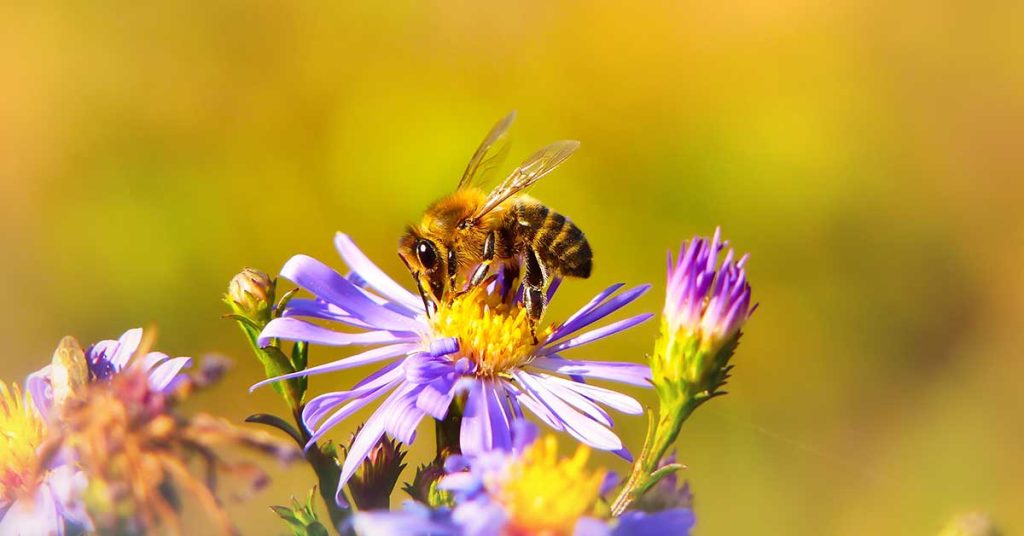
Chamomille’s open, nectar-rich blooms are a buffet for bees, hoverflies, and small lady beetles nesting nearby. I love watching delicate solitary bees tuck into its centers, pollinating not only chamomille but nearby container-grown tomatoes and peppers.
By mimicking its native meadow ecosystems, you foster a balanced micro-habitat. Predatory larvae of hoverflies lay eggs on chamomille leaves, eager to feast on any stray aphids—nature’s tidy pest control!
Calming Tea Within Reach

Imagine stepping out at dusk to pluck a handful of blossoms for a cup of fresh, sleep-inducing chamomille tea. The gentle apigenin content helps ease you into a restful night, and having it by the door means you won’t miss that perfect steeping window.
I’ve found that the convenience of a front-door patch encourages me to harvest more regularly than if those same flowers hid deeper in the garden. Regular picking also prevents the plant from self-seeding too vigorously!
Low Maintenance Marvel

Chamomille thrives in poorer soils where other plants might sulk, needing only full sun to part shade and moderate moisture. I once planted it in a neglected corner by my porch, and it flourished without extra fertilizer or fuss—just the occasional trim to keep it tidy.
Because it’s adapted to disturbed ground in its native range, chamomille bounces back from light foot traffic. That makes it perfect for front-door planters where you might accidentally brush past its feathery foliage.
Enhances Soil Quality

As chamomille grows, its feathery roots help break up compacted soil, boosting aeration and water infiltration. I’ve seen clay-heavy beds transform into looser, more friable textures after a season of chamomille cover cropping.
When stems and leaves eventually decompose, they add organic matter to the soil. Just be mindful in small containers: trim dying foliage to your compost pile rather than letting it rot against planter walls.
Decorative and Charming Blooms
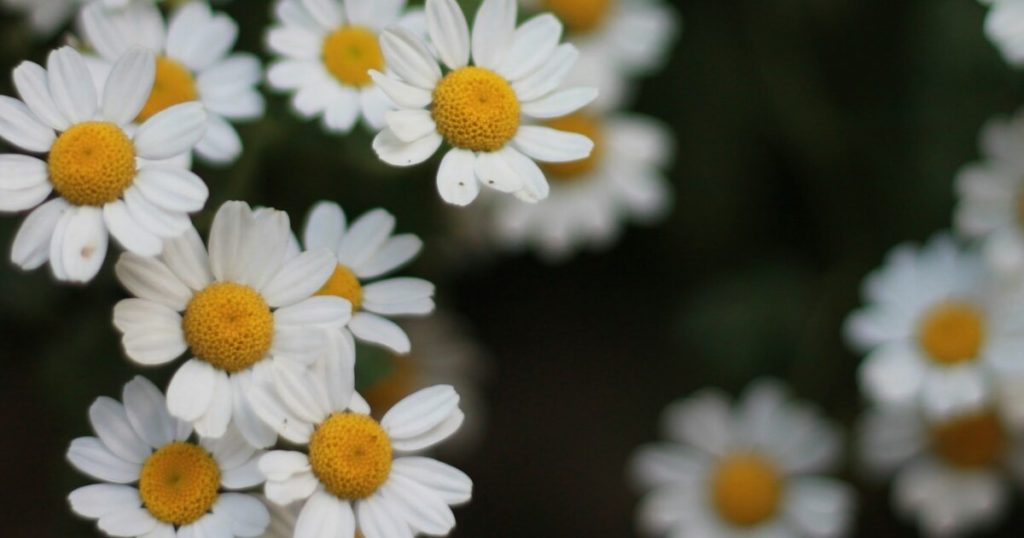
Those pint-sized, daisy-like flowers—white rays surrounding a golden center—bring a nostalgic cottage-garden charm to any doorway. I often call them “mini suns,” and they’re impossible to ignore when in full bloom!
Unlike some flashy tropicals, chamomille’s simplicity evokes relaxation and calm. It’s native to temperate regions and adapts beautifully to our front-door environments, providing consistent color from spring through early autumn.
Versatile Container Friend

Whether in a rustic wood crate, a sleek ceramic pot, or a hanging basket, chamomille fills any container with cascading foliage and blooms. I love mixing it in wide, shallow planters so its branches trail gently over the edge, greeting visitors at eye level!
Roman chamomille, with its creeping habit, works especially well in pots. German chamomille can be pinched back to maintain shape, preventing it from becoming invasive in confined spaces.
Stress-Relief Aroma Therapy
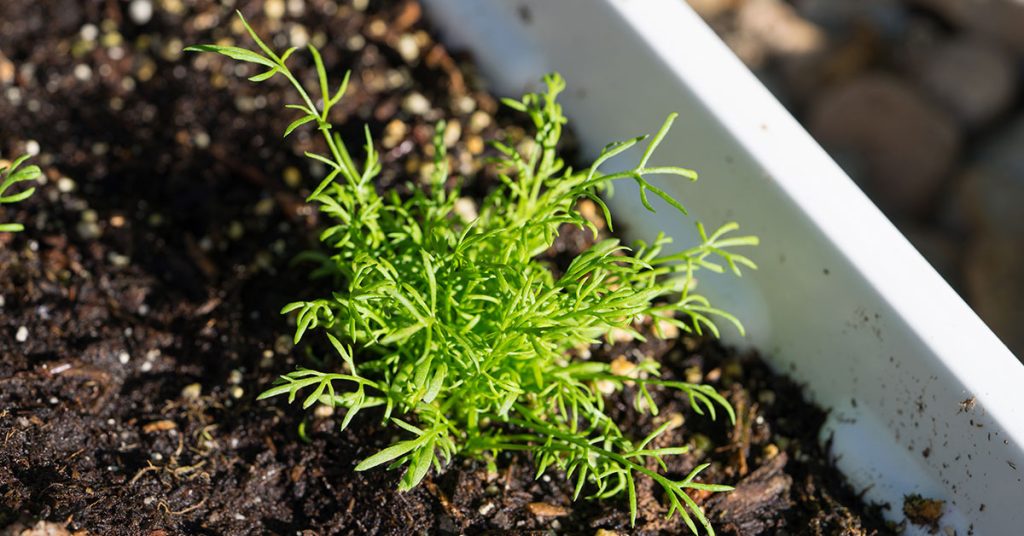
Finally, leaning over your front door to inhale chamomille’s calming scent can wash away day-to-day stresses in an instant. I’ve made it a habit to pause, breathe deep, and let those gentle floral notes reset my mood—no candle required!
This practice echoes chamomille’s long-standing role in herbal medicine as a nervine tonic, used by folk healers across Europe and Asia. Having it at your threshold means that moment of calm is never more than a few steps away!