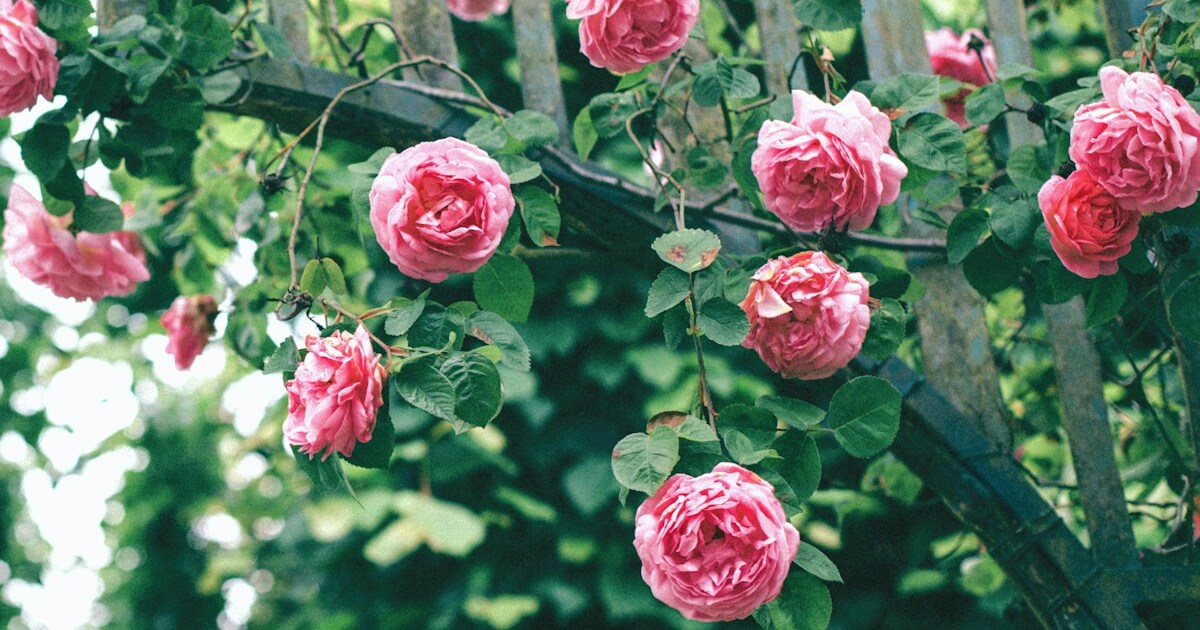

There’s nothing quite like the sight of roses greeting you—and your guests—at the front door! Roses (genus Rosa) have enchanted gardeners for millennia, prized for their stunning blooms, intoxicating fragrance, and rich symbolism. Whether you choose heritage species roses native to Europe and Asia or modern hybrids, planting them by your entryway turns an everyday arrival into a moment of delight. But I know how daunting roses can seem—with thorny canes, disease concerns, and garden pests lurking. Fear not! With the right varieties and a little care, your front-door rose display will thrive and charm every passerby.
Beyond beauty, roses offer practical benefits that extend far beyond their petals. From attracting pollinators that nest in the nearby soil to offering edible petals and therapeutic oils, these iconic shrubs are far more than just a pretty face. Let’s explore ten compelling reasons to cultivate roses at your doorstep—each backed by gardening wisdom, empathetic insights, and a dash of rose-lover enthusiasm!
Fragrant Greeting

Imagine unlocking your door and being enveloped by the heady scent of Rosa damascena or a spicy English rose! Roses native to the Middle East and Europe have evolved potent fragrances to lure pollinators—honeybees, bumblebees, and hoverflies—who nest in mulch and bare patches of soil at the base of the shrub.
A fragrant entry not only delights your senses but also signals a healthy garden ecosystem. Pollinators visiting rose blooms often move on to nearby fruit trees and vegetables, boosting overall productivity. I know how frustrating it is to miss out on those sweet scents in a busy world—roses bring a natural perfumery right to your porch!
Pollinator Magnet
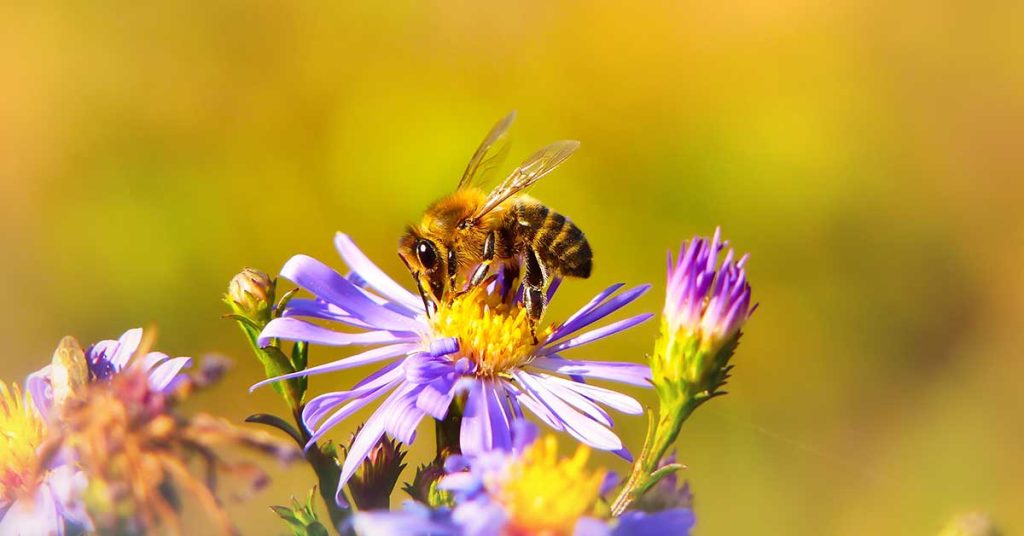
Roses may seem like cut-flower classics, but their nectary-rich petals are buzzing with life. Many wild roses, such as Rosa woodsii (native to North America), produce simple single blooms that are irresistible to native bees and butterflies who nest in cracks and loose soil near your foundation.
By planting pollinator-friendly rose varieties, you support local bee populations—essential for garden health. Watching a horde of hoverflies or a solitary mason bee burrow beside your front steps is one of my favorite garden joys. Those tiny pollinators are hard at work, not just on your roses but across your whole yard!
Curb Appeal Boost

Few plants rival roses for sheer visual impact. A flourishing rose bush—whether a climbing rose arching over your doorway or a neat shrub framing your steps—instantly elevates curb appeal and can even raise property values. Heritage roses like Rosa gallica lend an old-world charm, while modern floribundas provide bold, long-lasting color.
First impressions matter, and roses are a gardener’s secret weapon. I’ve seen neighbors slow down their cars just to admire my crimson climbers! With strategic pruning and seasonal deadheading, you’ll enjoy a polished, welcoming facade all summer long.
Endless Variety
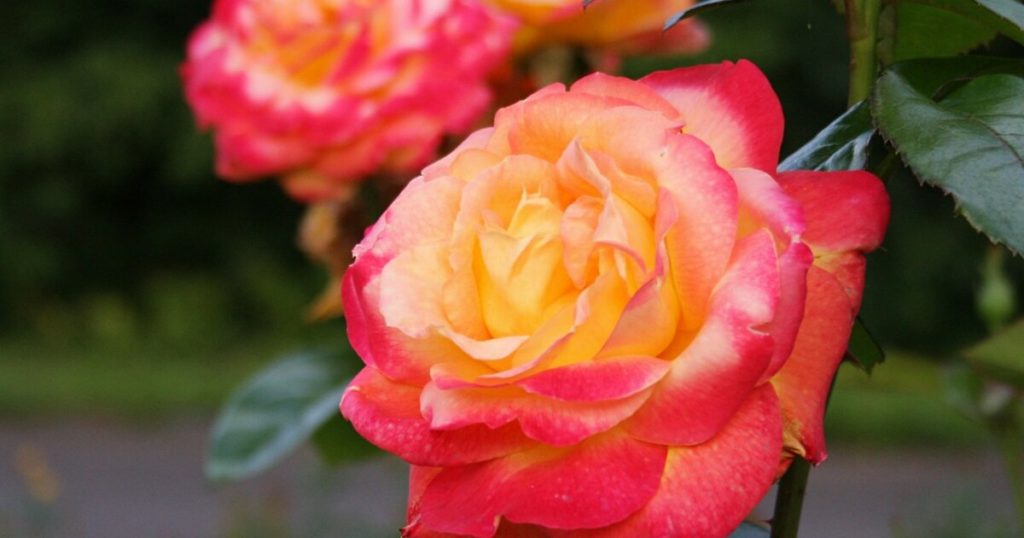
From single-petaled species roses native to Asia—often naturalized and sometimes mildly invasive, like Rosa multiflora—to blousy hybrid teas bred in the 19th century, there’s a rose for every taste and site. Want a compact floribunda in a container? Check. Prefer a rambling old rose spilling over a trellis? Done.
Experimenting with different classes keeps rose-growing endlessly exciting. I love trying a new David Austin variety each year, tracking how it fares for fragrance, disease resistance, and bloom form. Your front porch can host a miniature rose collection showcasing petals in every hue and perfume profile!
Seasonal Interest

Roses aren’t just spring-blooming stars; many repeat-flowering modern types keep the color coming through summer and into fall. Species roses bloom once, creating a spectacular initial flush, while hybrids like shrub roses offer continuous displays of buds, blossoms, and hips.
That succession means your front door remains lively for months. Plus, rose hips—particularly from wild or heritage types—add winter interest with bright red fruits that persist through frost. I’ve found these hips are a hit with nesting birds too, providing food when insects are scarce!
Privacy and Screening

A well-placed rose hedge can double as a living privacy screen or boundary marker. Dense, thorny canes—think Rosa rugosa, native to East Asia and considered invasive in some coastal regions—form a formidable barrier against pets, pests, and prying eyes.
Integrate your roses with evergreens or other shrubs to soften their form and create layered surveillance. Not only do you boost security, but the mass of blooms also makes a dramatic statement. Trust me, passersby will hesitate before stepping onto your porch when faced with a fragrant, flowering rosewall!
Edible and Medicinal Benefits

Rose petals and hips have been used in cuisines and remedies for centuries. Moroccan Rosa damascena petals are crystallized for confections, while rose hips—from species like Rosa canina, native to Europe—are packed with vitamin C for teas and jams.
Harvest petals for salads or distill them into soothing oils and hydrosols to ease skin irritations. I love infusing vinegar with rose petals for dressing, and watching guests’ delight when they taste that subtle floral note. Growing roses at your entry makes these culinary and wellness treasures easily accessible!
Symbol of Hospitality

Roses have symbolized welcome and love since ancient times—think the rose garlands of Roman banquets or the Victorian language of flowers. A rose-flanked doorway sends a clear message: “You’re valued here.”
Whether you favor pure white roses for purity and warmth or golden yellow for friendship, your chosen hue communicates your intent. One of my favorite memories is seeing how quickly friends gravitate toward my front-door rose bushes, snapping stems to craft spontaneous bouquets. It’s a tradition that never grows old!
Therapeutic Gardening
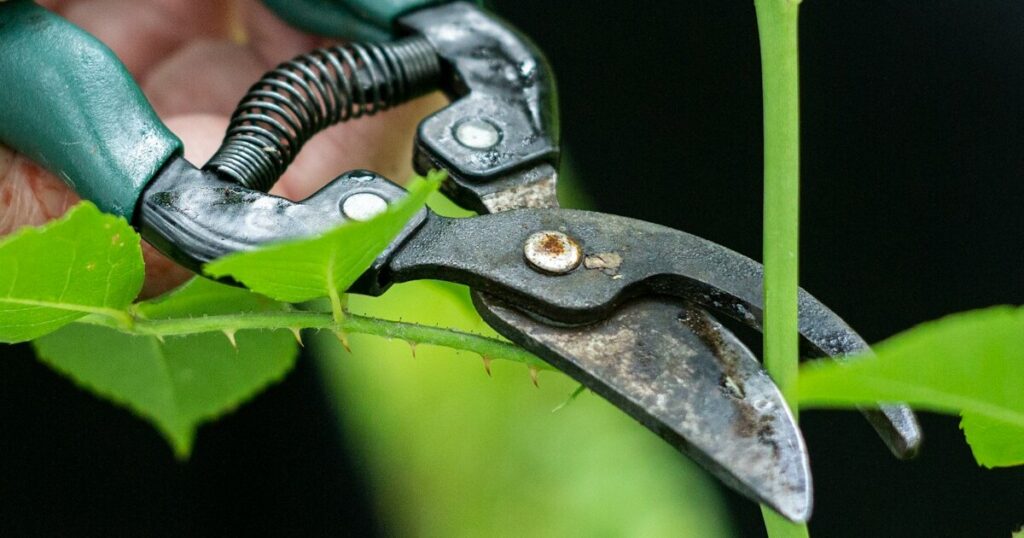
Tending roses can be surprisingly meditative. Pruning spent canes, deadheading spent blooms, and monitoring for pests—each task demands focus, yielding a calming, almost zen-like rhythm. Even the gentle act of brushing past a fragrant rose blossom can lift one’s mood!
I empathize with the stress many of us carry; rose gardening provides an instant portal to nature’s beauty and the satisfaction of nurturing life. Watching bees pollinate your blooms and seeing buds unfurl bring daily reminders of resilience and renewal.
Native Plant Connection

Incorporating native rose species—like North America’s Rosa arkansana or Rosa palustris—reinforces local ecosystems. These natives aren’t invasive, adapt to regional climates, and support indigenous pollinators better than many exotics.
By mixing natives with selected hybrids, you create a front-door garden that’s both enchanting and ecologically responsible. I’ve noticed my native roses attract a broader variety of solitary bees and even some rare butterfly species. It’s such a thrill to witness that biodiversity right at my doorstep!