

Growing radishes is one of my favorite quick-win pleasures in the garden—their crisp, peppery crunch fresh from the soil is unbeatable! Radishes (Raphanus sativus) were first domesticated in Southeast Asia but now brighten gardens worldwide. While cultivated radishes aren’t invasive, their wild cousins (R. raphanistrum) can become weedy if you let them bolt. I know how frustrating it is to sow seeds eagerly, only to see sparse roots or stringy, pithy radishes at harvest—the promise of a speedy crop dashed by common missteps.
That’s why I’ve rounded up twelve frequent mistakes to dodge when growing radishes, so you’ll get plump, flavorful roots every time. From soil prep and sowing depth to watering and pest scouting—even how to time your succession plantings and harvests—these tips will have you feeling like a radish-growing pro in no time!
Allowing Premature Bolting
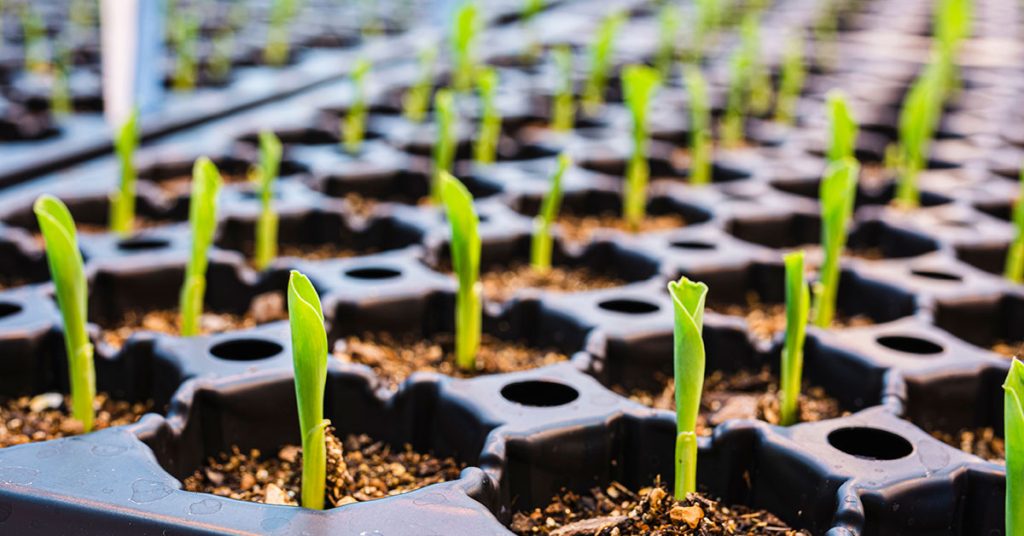
Radishes naturally bolt and flower when temperatures spike or days lengthen, sending energy into seed production instead of root development. I once watched my nice round radishes turn woody and split open as soon as a heatwave hit—such a bummer! To avoid this, sow radishes in early spring and again in late summer when temperatures stay below 70°F, mimicking their cool-season origins.
If you spot the first flower stalk (a slender stem topped with yellow blooms), pull that plant immediately and harvest any small roots—this prevents it from self-seeding excessively. Thoughtful timing ensures your roots stay tender rather than rushing into bloom!
Sowing Seeds Too Deep or Too Shallow
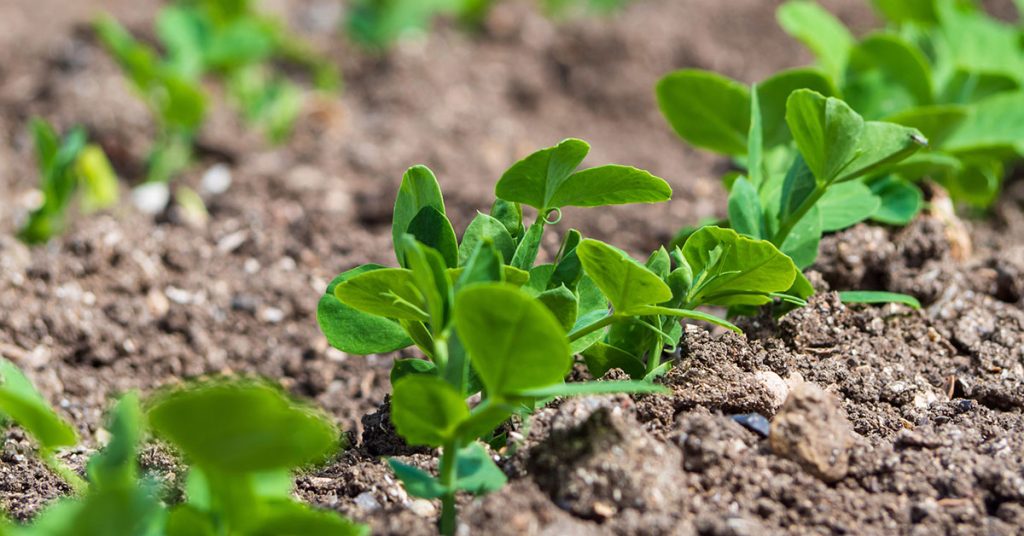
Getting seed depth right is crucial. I’ve seen gardeners bury radish seeds an inch or more only to have seedlings struggle to emerge, while those left barely covered bake in the sun and never sprout! Aim for a ¼–½ inch sowing depth, covering seeds with fine, loose soil.
This balance holds moisture around the seed without drowning it, emulating the light leaf-litter cover of its wild habitat. Proper depth means swift, uniform germination—and a delight to see those little radish tops popping up!
Harvesting Too Late or Too Early

Timing your harvest is part art, part science. Pull radishes too early and you get tiny knobs; wait too long and they become woody or pithy. I set a reminder for roughly three weeks after sowing and start checking daily once roots push up against the soil surface—nothing deflates a gardener faster than missing peak ripeness!
When roots reach about one inch in diameter, gently tug one to test. If it’s crisp and snappy, harvest the rest. Prompt picking encourages any stragglers to mature quickly and prevents overcrowding as seedlings thin themselves out.
Failing to Thin Seedlings
After sowing, radish rows often look like a dense green carpet, but thinning is essential. I pinch out extras when seedlings reach an inch tall, choosing the healthiest and giving them about two inches of elbow room. Neglecting this leads to stunted, misshapen roots fighting for nutrients!
Thinning not only boosts root size but also improves airflow, reducing fungal risks. It’s a small chore that pays off with perfectly plump radishes rather than a bunch of overcrowded strugglers.
Neglecting Crop Rotation

Planting radishes in the same spot season after season invites soil-borne diseases and pests. I rotate them to a new bed each spring, waiting at least two years before revisiting. In between, I grow legumes or brassicas to help break pest cycles.
This practice mirrors natural ecosystems where diversity keeps soil healthy. Rotated beds yield radishes that are less prone to root maggot infestations and fungal trouble—so you’ll spend less time battling problems and more time enjoying harvests!
Ignoring Pest Scouting
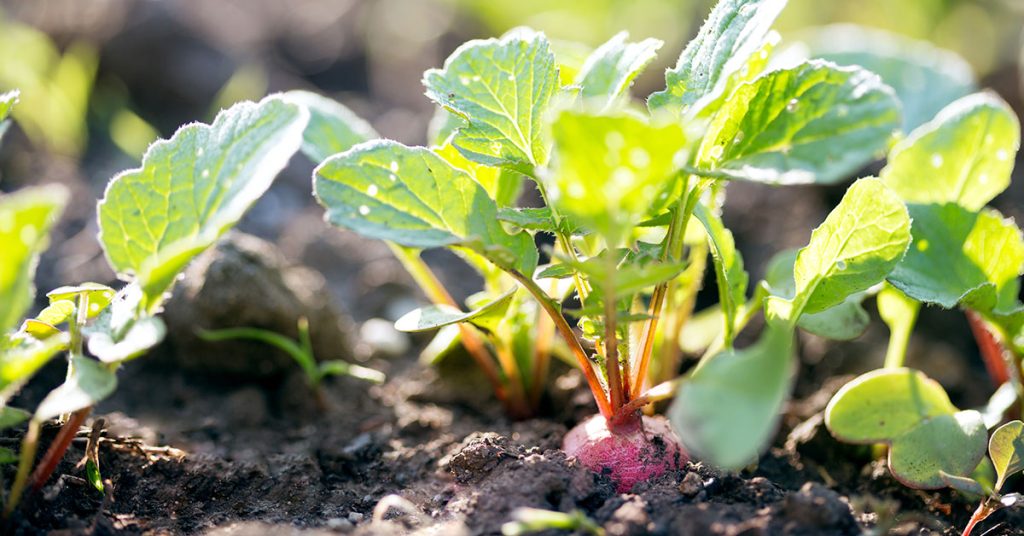
While radishes mature quickly, they aren’t immune to pests like flea beetles or root maggots. Early-morning checks help me spot tiny beetles or wilting seedlings—blast flea beetles off with a water spray and cover young rows with floating row cover to deter root maggots.
Proactive scouting prevents outbreaks before they decimate your crop. I’ve found that addressing half a dozen flea beetles is far less heartbreaking than losing an entire row to voracious nibblers!
Neglecting Proper Soil Preparation

Radishes need loose, crumbly soil so their roots can expand without resistance. I once planted directly into compacted clay and ended up with forked, stunted roots—it was such a bummer! Before sowing, I dig in plenty of aged compost and a handful of coarse sand to mimic their native loamy soils.
Well-amended soil also drains freely, preventing waterlogging that can rot young roots. By creating a fine tilth, you’re giving each radish seed the freedom to push down and swell into that lovely globe shape we all crave!
Watering Inconsistently
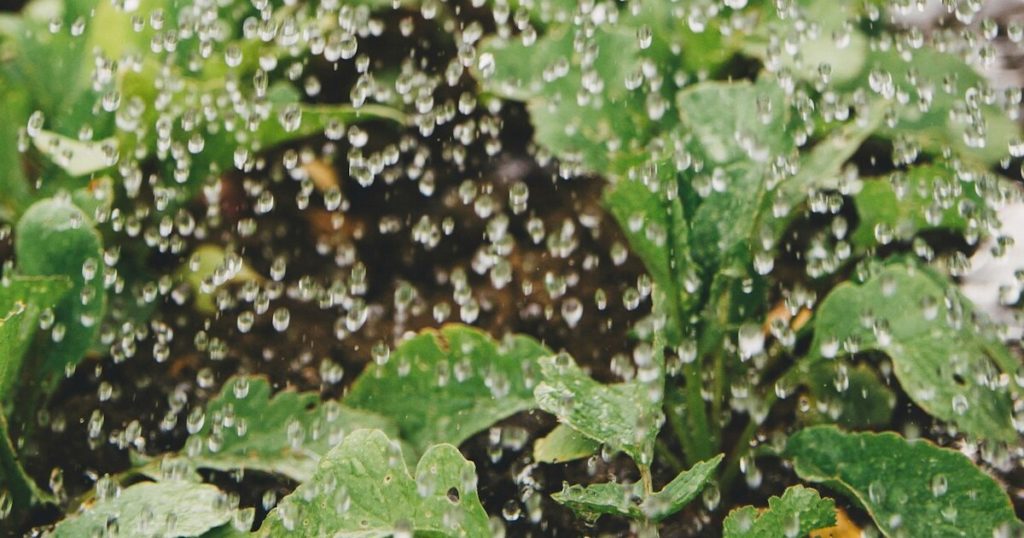
Radishes thrive on steady moisture. Letting soil dry between waterings leads to woody, pithy roots, while waterlogging invites rot. I water deeply once or twice a week—enough to keep the top three inches of soil consistently damp.
Mulching between rows with shredded leaves or straw helps lock in that even moisture, reducing big swings. Consistent hydration lets your radishes develop tender flesh and vibrant flavor!
Skipping Succession Sowing

One sowing won’t carry you through the entire season—radishes mature in just three to four weeks and then bolt. I sow small batches every two weeks to ensure a continuous supply. Trying to stretch one planting often means runs on nothing but pithy leftovers!
Succession sowing mirrors the plant’s natural inclination to reseed gently across the season. It guarantees you always have a fresh crop ready for salads, snacks, or pickling, rather than facing a barren patch come midsummer.
Overlooking Soil pH and Nutrients
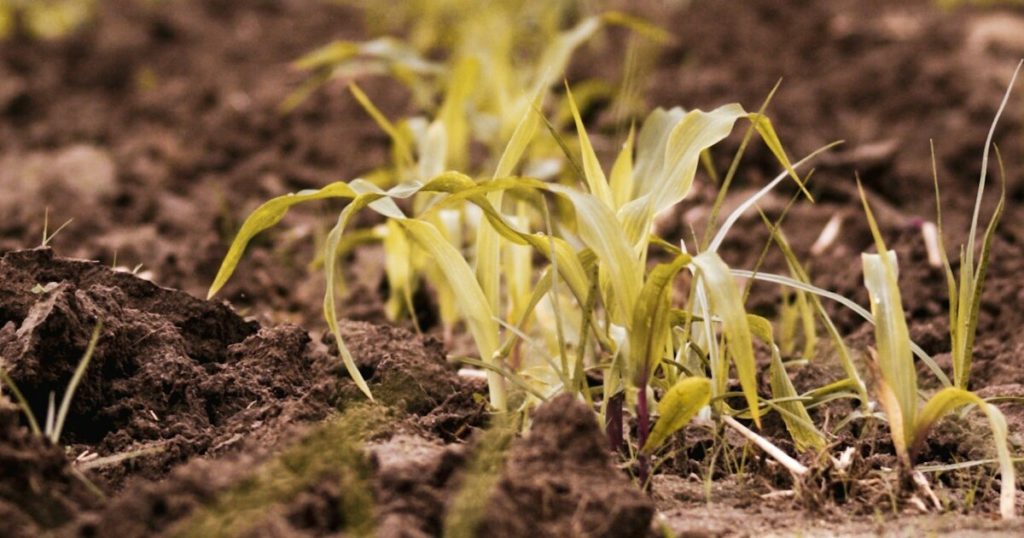
Radishes prefer slightly acidic to neutral soil (pH 6.0–7.0). Ignoring pH can lead to nutrient lockout: your plants demand calcium and phosphorus to develop firm roots, but only if the soil chemistry cooperates! I test my beds each year and amend with lime or sulfur as needed.
A balanced organic fertilizer mixed into the soil before planting supplies the micronutrients radishes crave, preventing poor growth. Healthy soil chemistry is the hidden ingredient behind those crisp, brightly flavored roots!
Planting in Too Much Shade

Although radishes can tolerate light shade, they bulk up fastest under at least four to six hours of sunlight daily. I once tucked seedlings under a porch overhang, hoping for a cooler site, only to see six weeks of leggy greens and no real roots.
Bright morning sun and gentle afternoon shade (in hot climates) produce the best results. Adequate light accelerates photosynthesis, fueling quick root growth and shortening days-to-harvest—just what every impatient gardener needs!