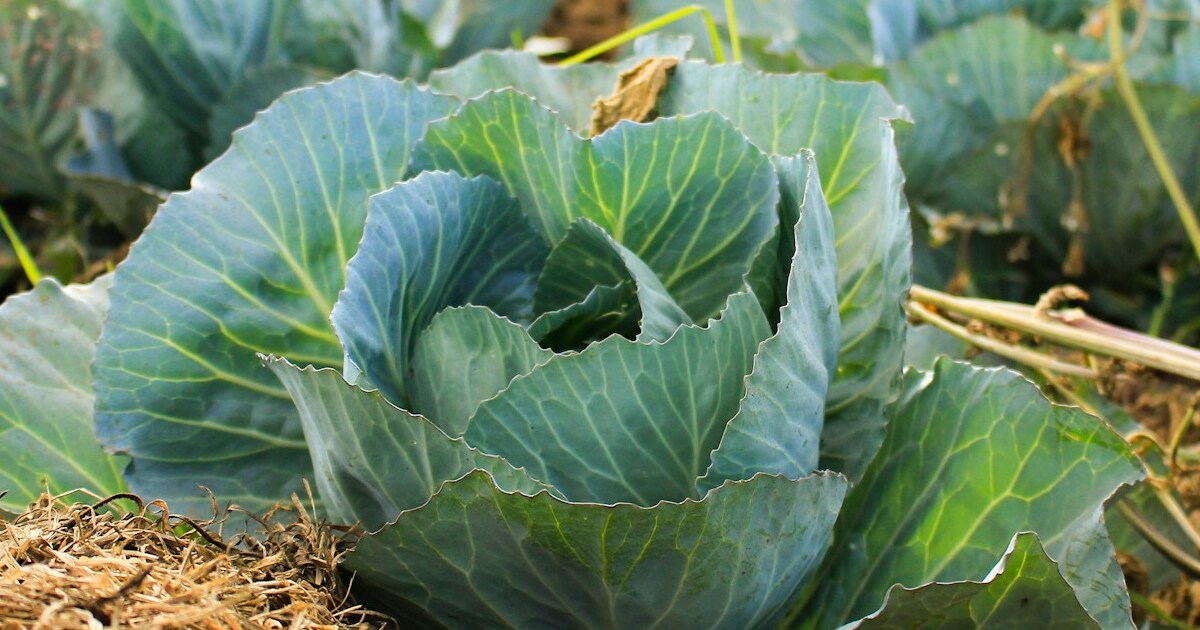

I’m so excited you’re diving into the world of companion planting with cabbage (Brassica oleracea)! Native to coastal southern and western Europe, cabbage has been cultivated for over 4,000 years and is prized for its versatility in the kitchen. Its broad leaves form wonderful shelters for ground-nesting beneficial insects like solitary bees and soldier beetles, which in turn keep aphids and caterpillars at bay. While certain wild brassicas can naturalize in disturbed soils, most garden cabbage varieties stay neatly within their beds—making them reliable bedfellows for a variety of herbs, flowers, and veggies.
I know how frustrating it is when ravenous cabbage worms decimate your heads or when your plot feels lonely after early spring crops are cleared. That’s why pairing cabbage with the right companions can transform your patch into a thriving ecosystem! Below are fourteen of my must-grow companions—presented in a fresh, randomized order—complete with origins, invasiveness notes, and the delightful nesting or pest-patrol behaviors they encourage. Let’s cultivate harmony (and harvests!) together.
Borage

Borage (Borago officinalis) hails from the Mediterranean, where its star-shaped, cobalt-blue flowers attract honeybees and hoverflies in droves. Those hoverfly larvae are voracious aphid predators, making borage a superstar defender for your cabbage. Beneath the airy blooms, leafcutter bees often excavate tiny nests in bare soil, boosting pollinator diversity.
Though borage self-seeds enthusiastically if you let spent blooms go to seed, it rarely becomes invasive in well-tended beds. I love the sensation of having those vivid blossoms dancing among cabbage heads—it’s like nature’s confetti signaling that good things are happening!
Sage
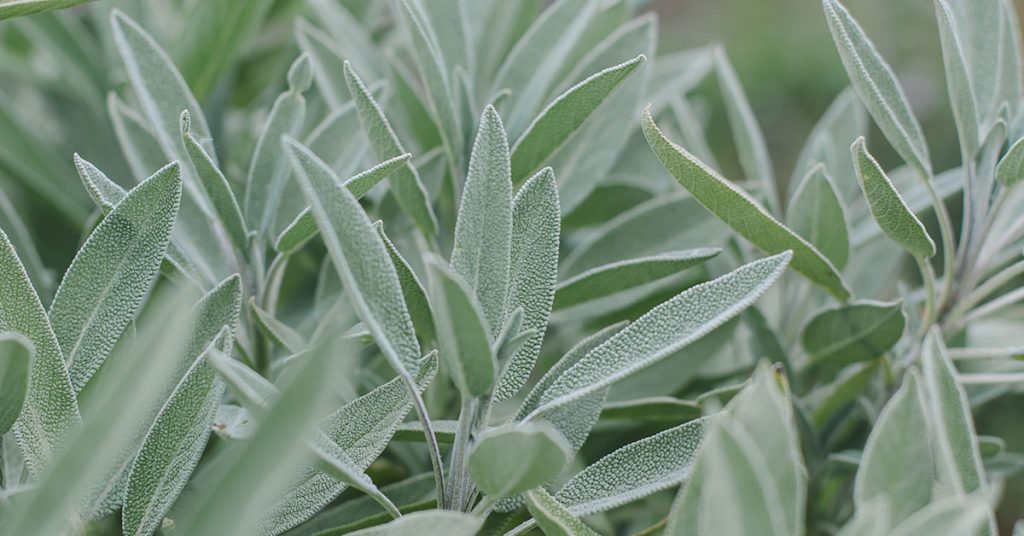
Sage (Salvia officinalis) originated in the Mediterranean basin and brings silvery foliage and aromatic oils that repel cabbage moths. Its tubular flowers draw bumblebees, which sometimes nest in crevices at the plant’s base, then venture out to pollinate other garden blooms. Plant sage on the sunnier edge of your cabbage patch to maximize its protective scent barrier.
Sage stays well-mannered in most gardens but can form woody clumps over time. I always feel a thrill when I brush past its leaves and catch that warm, earthy aroma—like a secret handshake between me and my cabbage!
Chives
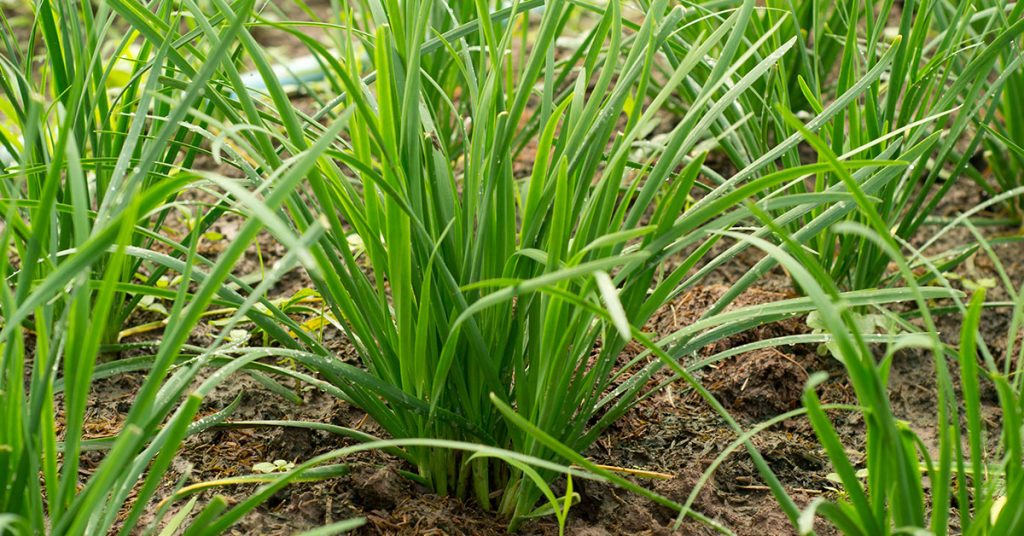
Chives (Allium schoenoprasum) are native to Europe and Asia and emit sulfurous compounds that deter aphids and cabbage loopers. Their purple flower heads are magnets for lacewings, whose larvae crawl among cabbage leaves hunting pests. I’ve even spotted tiny sweat bees nesting in the leaf litter under chive clusters!
Chives rarely stray beyond their clumps, making them tidy interplantings. One of my favorite morning rituals is snipping fresh, oniony blossoms for salads—while knowing I’m also giving my cabbage a built-in pest patrol!
Marigold
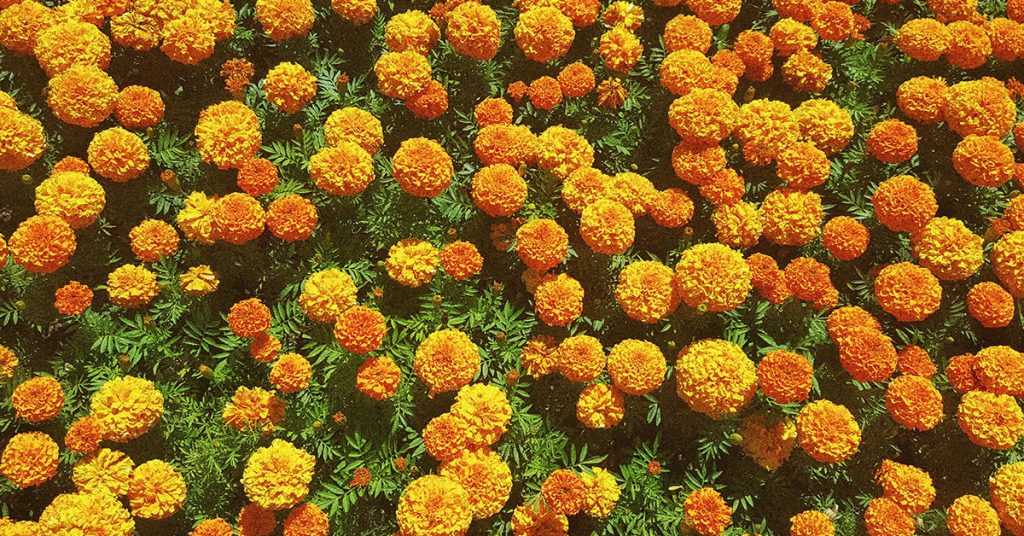
French and African marigolds (Tagetes spp.) come from Mexico and offer bold, sunny blooms that confuse nematodes in the soil. Their pungent foliage repels many soil-dwelling pests, protecting cabbage roots. Meanwhile, the flowers draw predatory minute pirate bugs, which patrol cabbage leaves for thrips and aphids.
Marigolds can self-seed if you allow seed heads to mature, but they seldom become a garden headache. I get such joy seeing those cheerful faces waving up at me—like little golden guardians of my cabbage patch!
Garlic
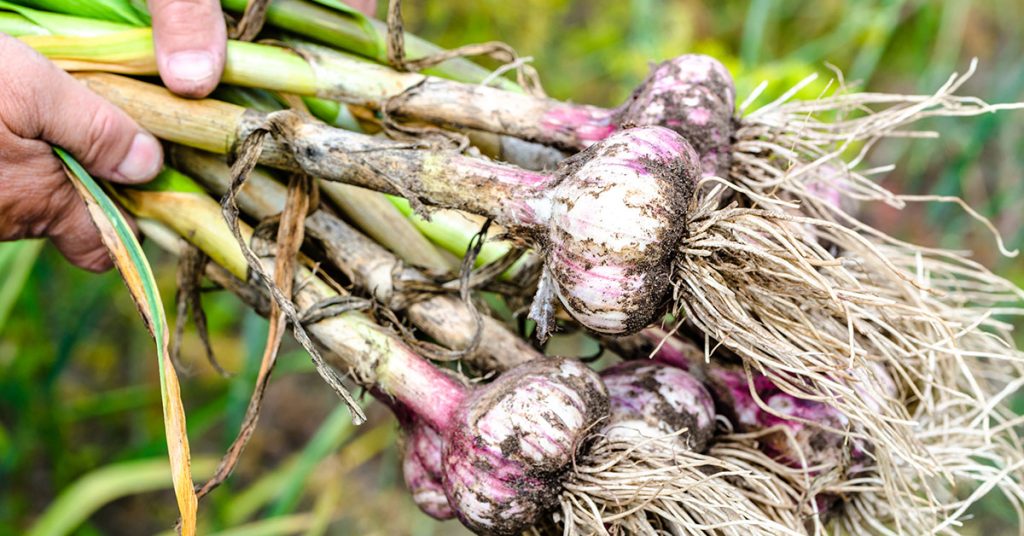
Garlic (Allium sativum), cultivated for millennia in Central Asia, releases sulfur compounds that ward off aphids, cabbage maggots, and even some fungal pathogens. As its green scapes emerge in early summer, carpenter bees occasionally hollow out old scape bases for nests before migrating to your cabbage blooms.
Garlic won’t naturalize unwieldily, but volunteer bulbs can sprout if cloves are left in the soil. Harvesting garlic before your cabbage peak frees up space and enriches the soil—dual wins!
Dill
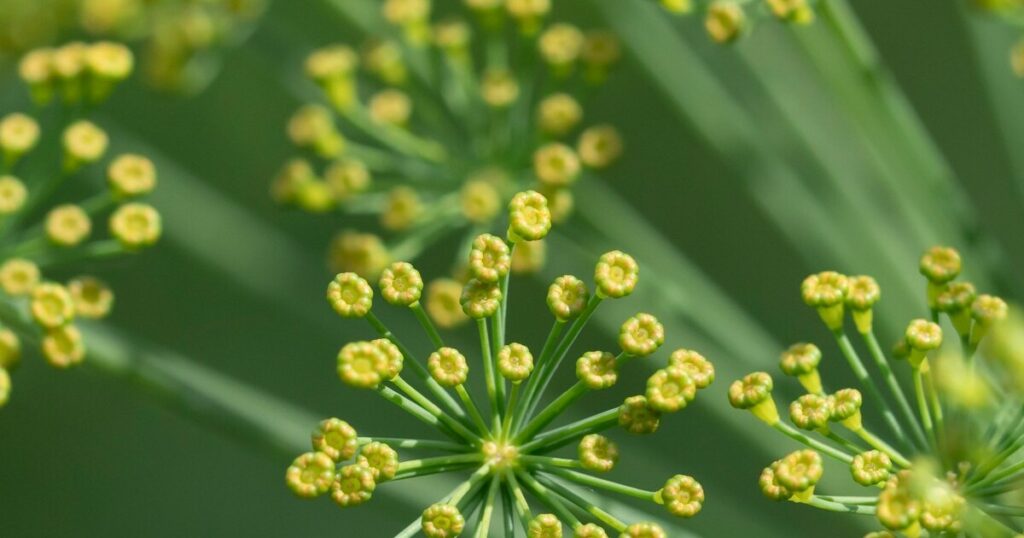
Dill (Anethum graveolens) is native to Europe and western Asia and attracts parasitic wasps that seek out cabbage loopers and cabbage worms to lay eggs in. Those wasp larvae then devour the pests from within—nature’s own pest control! Beneath the dill’s feathery fronds, hoverfly larvae often nest, further bolstering defenses.
While dill can self-seed enthusiastically, it rarely overcomes well-maintained borders. I love how its lacy foliage softens the cabbage’s bold leaf texture—plus, fresh dill fronds in slaw are a tasty bonus!
Rosemary

Rosemary (Salvia rosmarinus) hails from the Mediterranean and offers needle-like leaves rich in volatile oils that deter whiteflies and aphids. Small mason bees prefer burrowing in dry, sandy soil near rosemary bases, then fly off to pollinate early-spring crops. Plant rosemary on the south side of your cabbage patch to catch full sun and radiate warmth.
Rosemary stays put, though it benefits from occasional pruning to maintain a neat shape. I adore the way its fragrant silhouette contrasts with round cabbage heads—like a shrub and a rosette in perfect harmony!
Beets
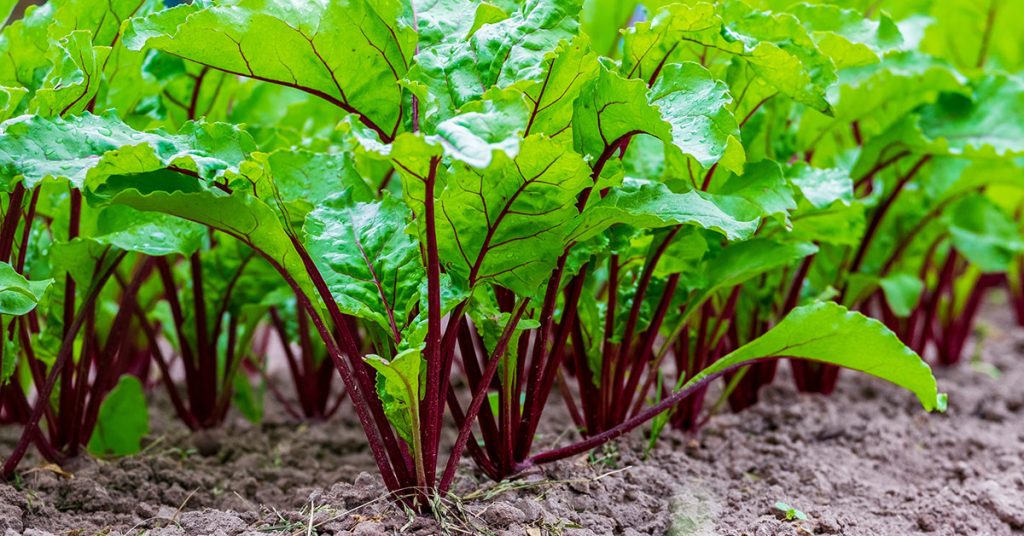
Beets (Beta vulgaris), native to Mediterranean wetlands, enrich soil with deep taproots that break up compaction around cabbage roots. Their red or gold foliage provides striking contrast, and as emerging sprouts, they create micro-sites where ground-nesting sweat bees often burrow.
Beets rarely escape cultivation unless seed pods are left to dry. One of my favorite garden victories is harvesting crisp beet greens before swapping in a new cabbage crop—leveraging every inch of the bed!
Thyme
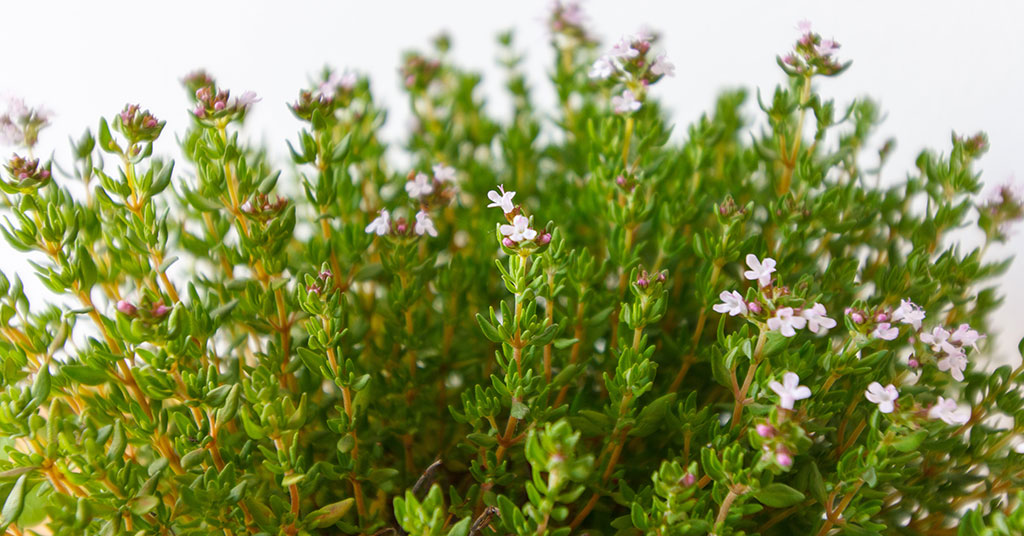
Thyme (Thymus vulgaris) originates in southern Europe and exudes an aroma that confuses cabbage moths. Its tiny flowers lure honeybees, and I’ve noticed leafcutter bees neatly clipping thyme leaves to line brood cells in nearby soil cavities. Parsimonious in habit, thyme forms a low mat at the cabbage patch’s edge.
This herb rarely self-seeds in most soils, making it a tidy groundcover. Stepping on a patch releases that warm, minty-earth scent—one of my favorite sensory treats after a morning harvest!
Onions
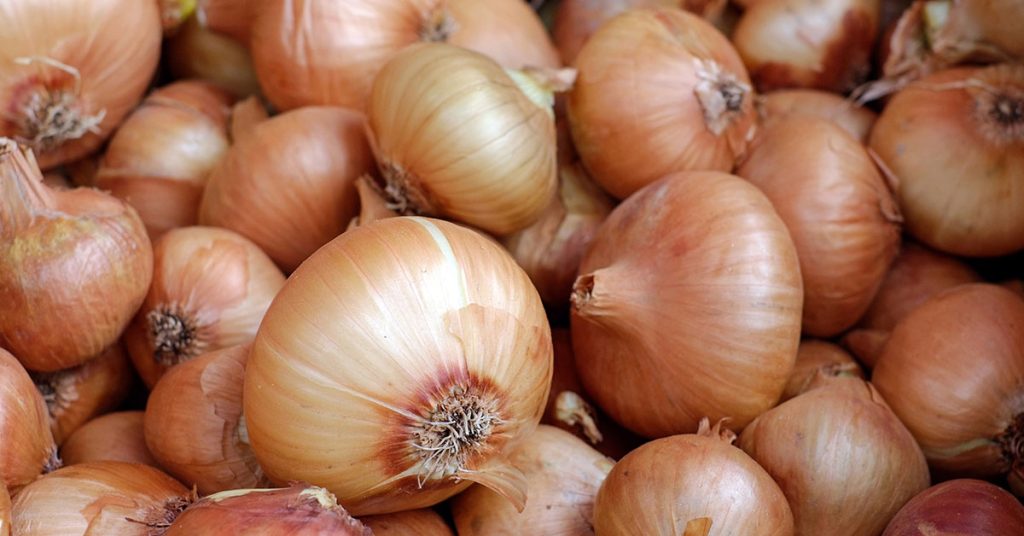
Bulb onions (Allium cepa), domesticated in Central Asia, release compounds that repel aphids, cabbage moths, and root maggots. As their tall hollow leaves sway, they create a microhabitat where minute pirate bugs patrol for thrips, and ladybugs often hide beneath the foliage.
Onions seldom naturalize beyond their planting rows. I never tire of the ritual of pulling a ribbon of fresh green onion into my morning omelet—knowing I’ve also bolstered my cabbage defense line!
Nasturtium

Nasturtium (Tropaeolum majus) comes from South America and acts as both trap crop and living mulch. Its peppery leaves lure aphids away from cabbage, and predatory lacewings nest on the underside of its broad foliage. Those bright blooms also attract hummingbirds, adding a touch of color and motion.
Though nasturtiums self-seed when soils stay warm, they rarely overtake beds if you deadhead spent flowers. Watching tiny hummingbirds flit among those pop-of-color flowers is enough to make any gardener grin!
Mint
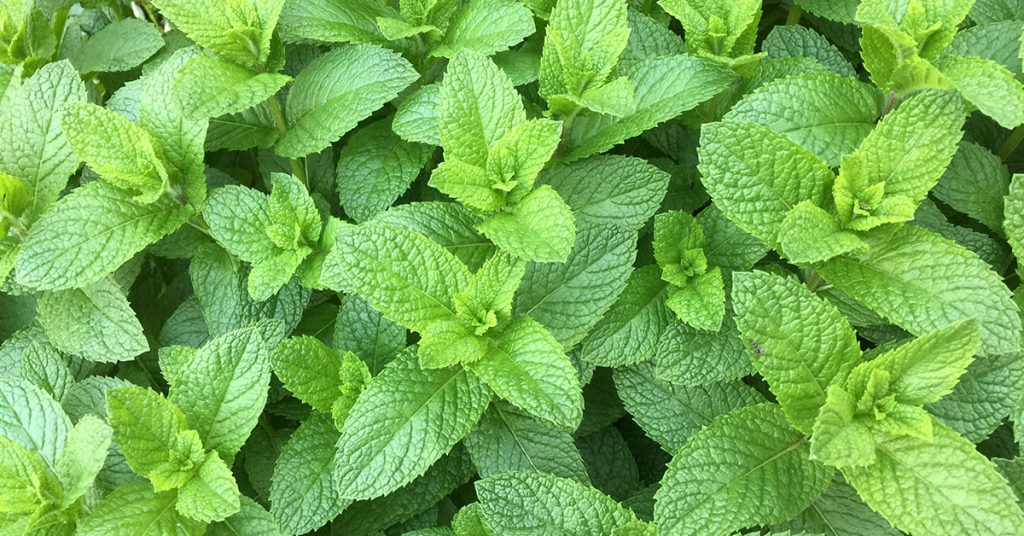
Mint (Mentha spp.) is native to Europe and Asia and exudes powerful oils that confuse cabbage moths and aphids. Beneath its vigorous runners, ground beetles often excavate tunnels, emerging to patrol adjacent cabbage leaves. However, mint can be invasive if planted directly in the ground—so I always grow it in a container set inside the bed.
I know how frustrating it is to see mint take over your patch, so this container trick gives me all the benefits without the runaway growth. Plus, a whiff of mint in the breeze—right by the cabbage—is utterly refreshing!
Spinach
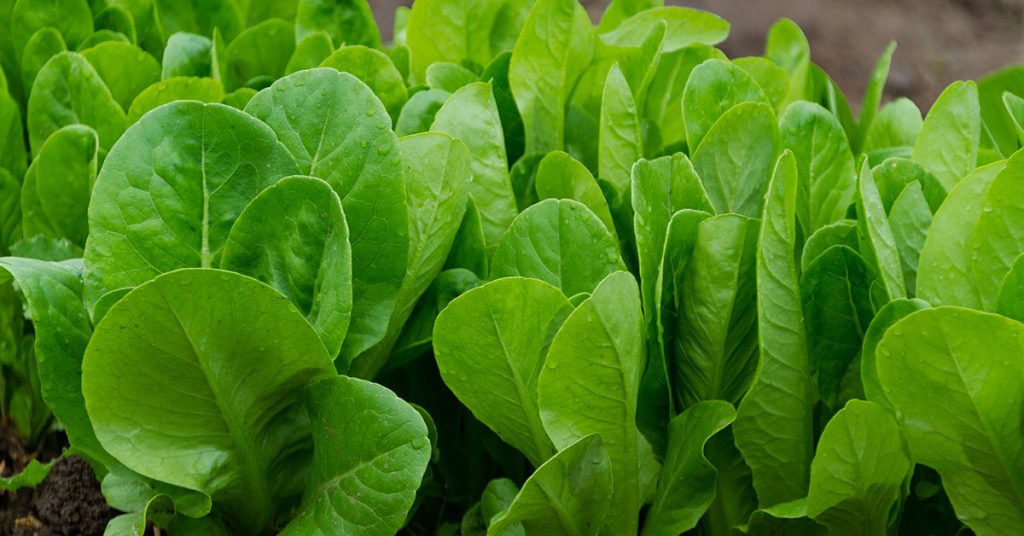
Spinach (Spinacia oleracea), originating in Persia, thrives in the cool early-spring shoulder of cabbage beds. Its succulent leaves offer a low canopy, shading soil and reducing weeds around cabbage crowns. Solitary bees often nest in bare patches next to spinach clumps, then cross-pollinate any early-flowering brassicas.
Spinach volunteers only if you allow seed pods to mature, so a quick succession planting keeps things neat. I love snipping tender spinach shoots for salads before my cabbage bolts—making every planting slot work twice as hard!