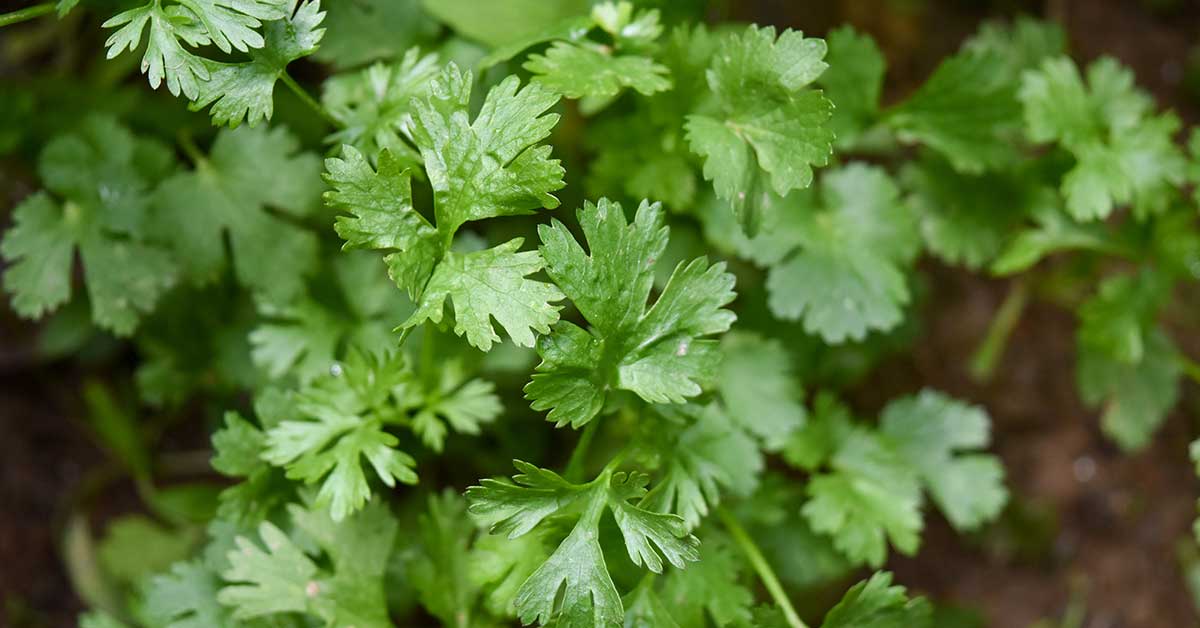

I’m so excited you’re considering parsley (Petroselinum crispum) for that prime spot by your front door! Native to the central Mediterranean region, parsley has been cultivated for millennia, cherished not just for its bright flavor but also for its ability to attract beneficial insects like ladybugs and hoverflies—those little garden heroes that feast on aphids and other pests. Its lush, emerald-green foliage provides a welcoming backdrop, while the delicate umbels of tiny yellow-green flowers offer nectar to syrphid flies, which often nest in the soil beneath.
I know how frustrating it can be to hike to the back of the garden every time you need a sprig for dinner, or how disheartening it is when a shady spot near the house seems too dull for anything to thrive. Parsley solves both problems: it’s shade-tolerant yet vigorous, giving you fresh herbs at your fingertips and a little ecosystem hotspot right by the door. Let’s explore ten compelling reasons why parsley belongs on your doorstep!
Instant Culinary Access
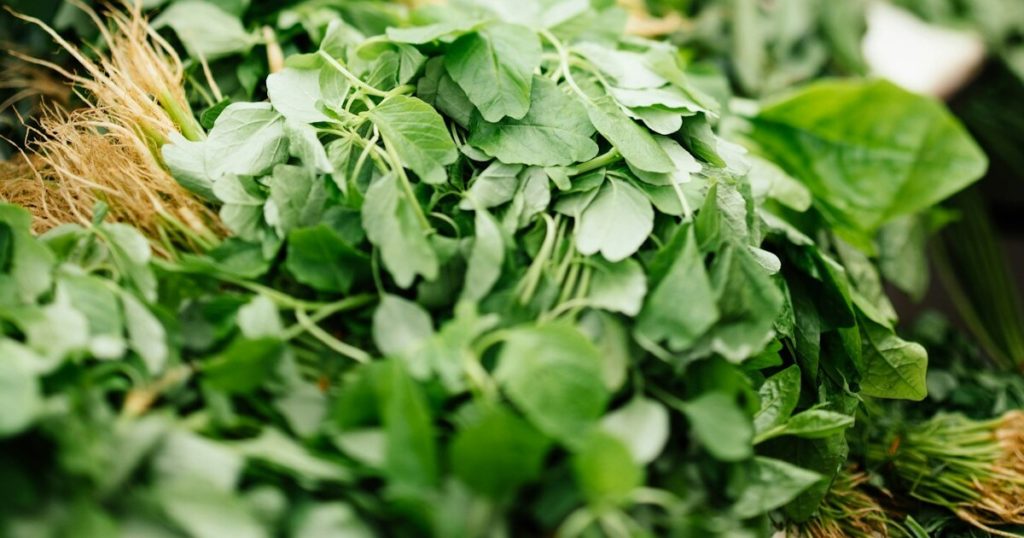
Having parsley planted at your doorstep means you’re never more than a few steps away from a fresh garnish or flavor boost. I love how, in the middle of cooking, I can dash outside and snip a handful of flat- or curly-leaf parsley without missing a beat. This herb’s crisp, slightly peppery taste elevates everything from soups and stews to salads and marinades.
Because parsley is biennial in most climates, it reliably returns for a second year if left undisturbed, providing consistent harvests. Just be mindful that seeds can self-sow nearby—if you prefer a tidier border, deadhead spent flower stalks. But the trade-off of always having fresh greens at arm’s length? Totally worth it!
Pollinator Magnet
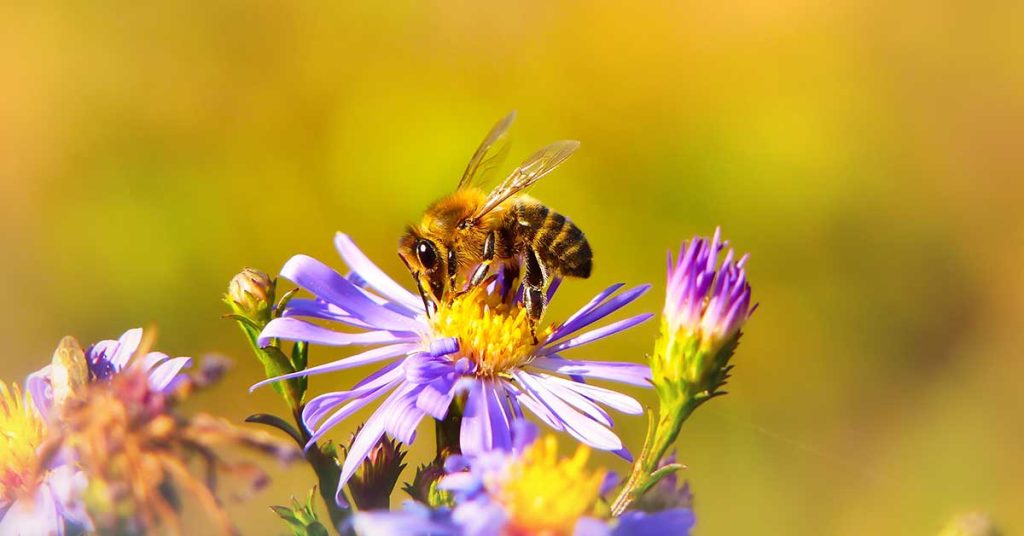
Parsley’s second-year blooms are a magnet for beneficial pollinators and predators alike. The umbel-shaped clusters of tiny yellow-green flowers provide easy landing platforms for pollinating bees, and the nectar-rich blooms attract syrphid flies whose larvae feast on aphids lurking on nearby plants.
These little visitors often choose the protected, undisturbed soil at your doorstep to nest in, creating a mini insectary right outside your door. Watching them hover and flit among the blossoms is such a delight, and knowing they’re working for you—keeping pests in check—is icing on the cake!
Shade Tolerance

Front-door areas often suffer from dappled shade or morning sun only, but parsley thrives in partial shade. Native to the Mediterranean under shaded understory conditions, it excels where many sun-loving herbs falter. Its frilly leaves remain lush and green even when light levels dip.
I remember one summer when my shady porch garden felt lifeless until I planted parsley—suddenly, each pot was filled with vibrant foliage. It’s such a mood-lifter to see that fresh greenery greeting you every time you walk out the door!
Year-Round Interest
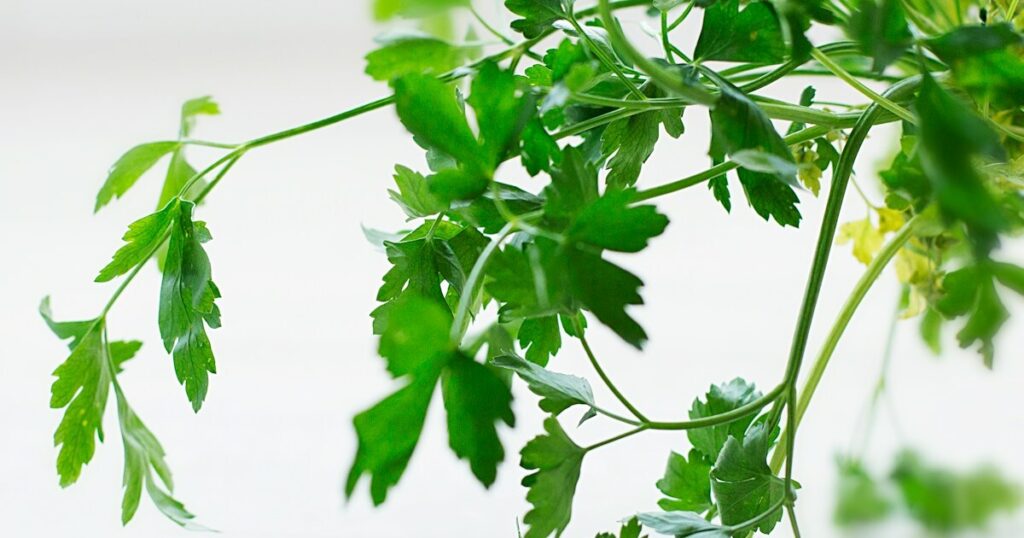
In many regions, parsley is hardy through winter if protected from harsh freezes, offering visual interest even in cooler months. Even when growth slows, the deep green rosettes persist, serving as a living wreath that brightens drab porches.
If you live in milder zones where parsley can behave like a short-lived perennial, you’ll enjoy multi-season greenery. I love how the leaves catch frost’s sparkle on chilly mornings—a simple pleasure before my first cup of coffee!
Natural Pest Controller
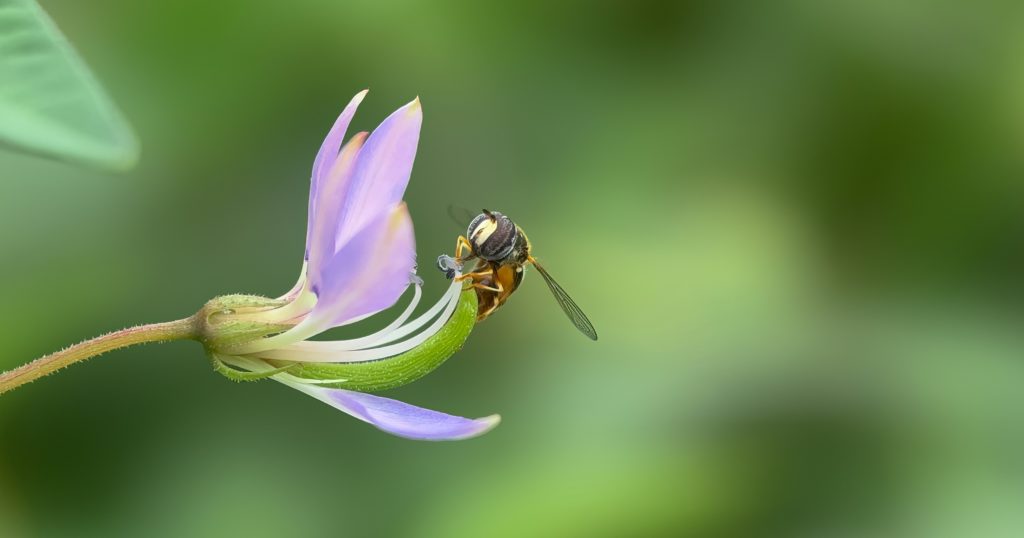
Beyond attracting predators, parsley itself can deter some garden pests. The volatile oils in its leaves—and especially in those second-year flower stalks—confuse pests like carrot flies and cabbage moths when planted near susceptible vegetables.
It’s such a bummer when pests invade your prized edibles, but positioning parsley by the door helps establish a protective buffer. I’ve seen cabbage worms shy away from rows when parsley is interplanted—it’s like having a fragrant, leafy bodyguard!
Visual Appeal and Texture
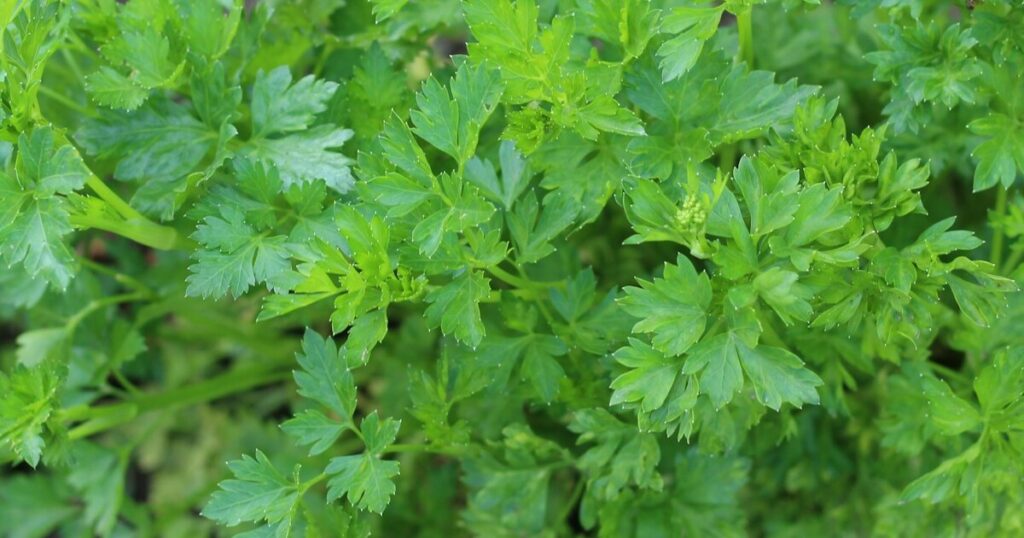
The finely cut leaves of curly parsley add architectural interest to any planter or border. Whether you choose the classic curly variety or the flatter Italian type, the rich texture complements broader-leafed ornamentals and structural pots alike.
I often mix parsley with impatiens or ferns on my porch, creating a tapestry of shapes and shades. The result? A dynamic vignette that welcomes guests with vibrant layers instead of flat, uniform greenery.
Low Maintenance
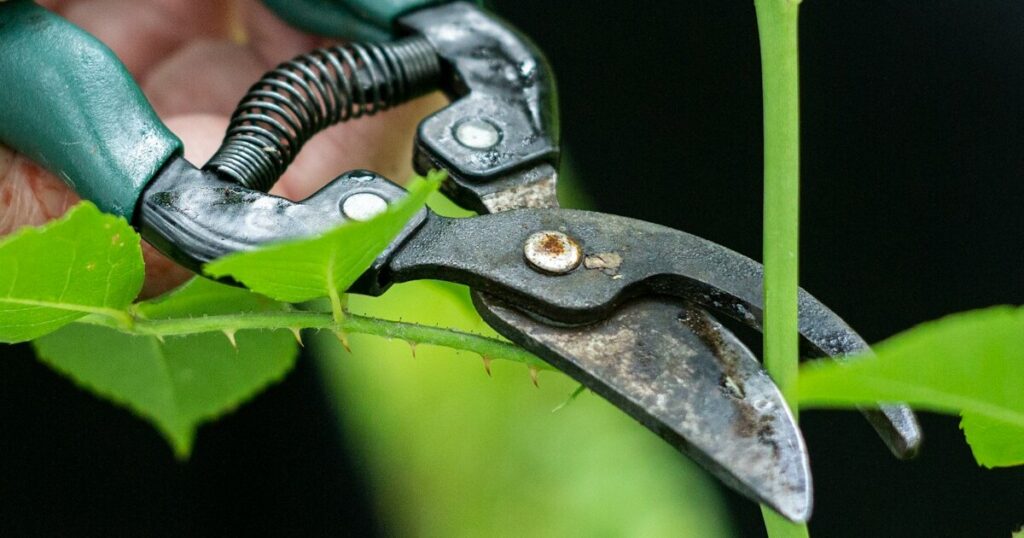
Parsley is remarkably forgiving: once established, it thrives with moderate watering and occasional feeding. Its deep root system endures brief dry spells, so even if you miss a watering here and there, it bounces back.
As someone who’s juggled busy weeks, I appreciate a plant that doesn’t demand daily fuss. Parsley by the door is a reliable green friend—no constant pruning or deadheading needed to keep it looking its best.
Medicinal and Nutritional Benefits

Beyond culinary uses, parsley is packed with vitamins A, C, and K, and has been used traditionally as a digestive aid and breath freshener. Chewing a few leaves after meals can soothe minor tummy troubles and neutralize odors.
I love knowing that the herbs at my doorstep are not just pretty and tasty but also nourishing. It’s like having a mini apothecary pot at arm’s reach—perfect for an impromptu herbal tonic or garnish!
Companion for Other Plants

Parsley plays nicely as a companion plant, improving the health of nearby neighbors such as tomatoes, asparagus, and roses. Its attraction of predatory insects helps control aphids and other sap-suckers that plague those favorites.
When I planted parsley alongside my potted tomatoes by the front step, I noticed fewer whiteflies and better overall vigor. It’s such a thrill to see that positive garden synergy right where I live!
Charming Green Welcome
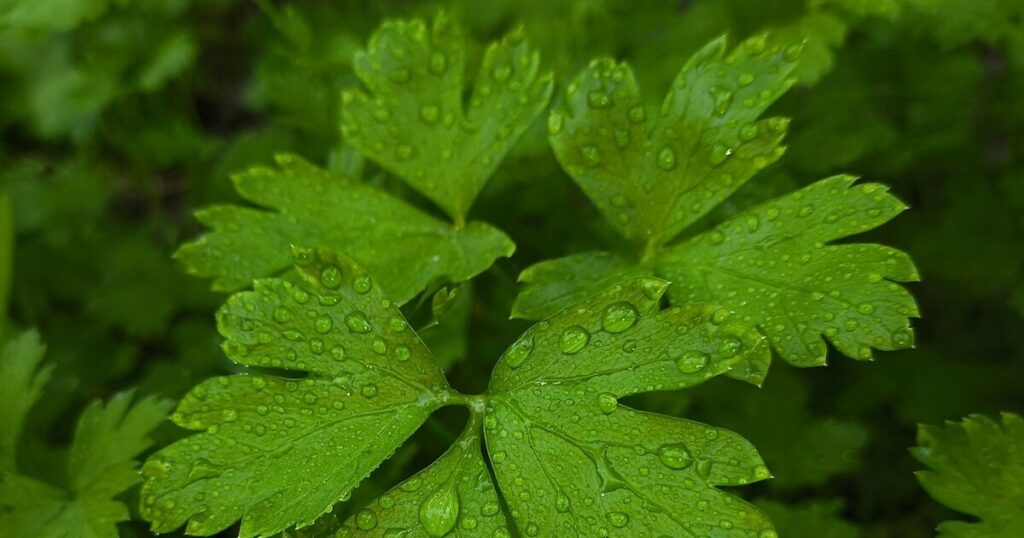
Finally, parsley’s bright, cheerful foliage sends a message of hospitality and green-thumb pride to anyone arriving at your home. There’s something inherently inviting about a lush, herb-filled threshold—it says, “Come on in, stay awhile.”
I know sometimes a front porch can feel sterile, but with parsley framing the door, every visitor—and you—are greeted with a burst of life and fragrance. It’s a small gesture that makes a big impression!