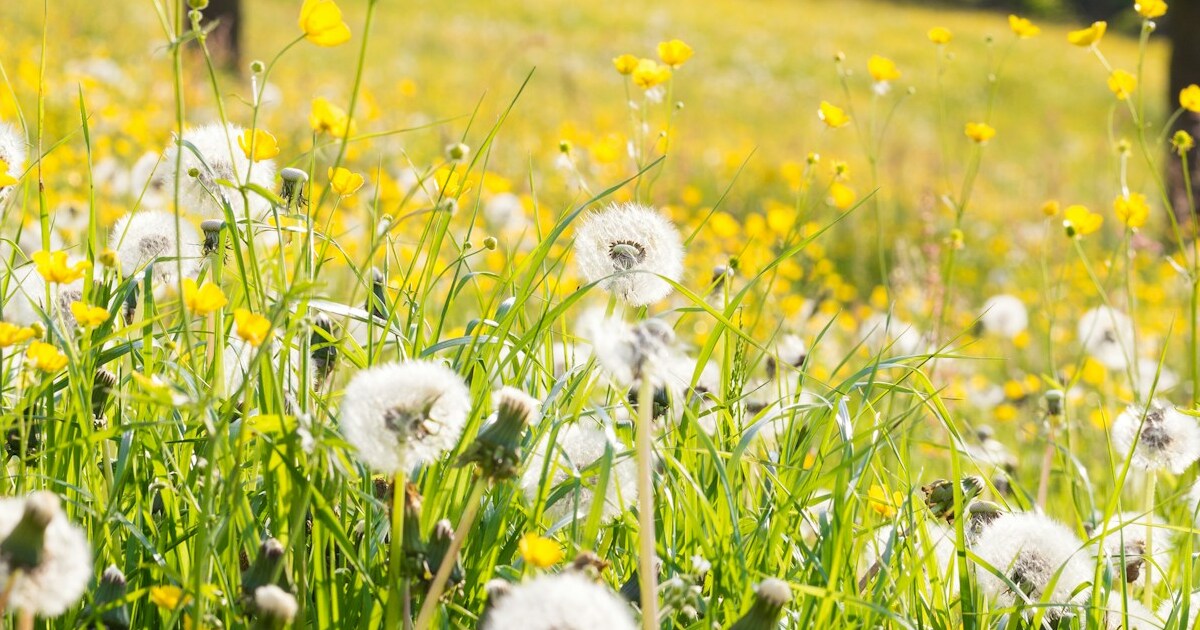

Dandelions (Taraxacum officinale) often get a bad rap as stubborn weeds, but these cheerful, golden blooms are actually powerhouse plants with a lot to offer! Native to Eurasia, they’ve naturalized across North America and beyond, sometimes earning the “invasive” label—yet their resilience and versatility make them invaluable allies in the garden. I’ve grown to appreciate their tenacity and the ways they enrich my beds, and I’m excited to share why you might welcome them too.
Whether you’re a seasoned gardener or new to nurturing green spaces, I know how demoralizing it feels to pull up plant after plant, only to see dandelions pop right back up! Instead of fighting them, let’s celebrate their benefits—from nourishing pollinators to improving soil structure. Here are ten compelling reasons to embrace dandelions in your garden paradise.
Pollinator Powerhouses

Dandelions are among the earliest bloomers in spring, offering vital nectar and pollen when few other flowers are out. I love seeing vibrant honeybees and native mason bees buzzing around those bright yellow heads—it’s like watching a miniature festival! These insects rely on early sources of food to kickstart their colonies and nesting cycles.
By allowing dandelions to flourish, you’re essentially planting a natural banquet for pollinators. Solitary bees often nest in bare soil patches near dandelion clusters, and the constant supply of nectar encourages repeat visits. Your garden will hum with life as beneficial insects establish nests and help pollinate your other plants!
Soil Aeration Experts

The long, sturdy taproots of dandelions penetrate deep into compacted soils, breaking up hardpan and improving drainage. I once struggled with a clay-heavy bed that waterlogged every spring—dandelion roots pried open the soil, letting moisture drain more freely. Over time, the soil texture lightened and root growth for all my plants improved!
Those deep roots also bring minerals like calcium and potassium closer to the surface. As the leaves die back and decompose, these nutrients become available to surrounding plants. Plus, earthworms and springtails are drawn to the loosened earth, tunneling and further aerating the ground for stronger root systems across your garden.
Natural Soil Indicator
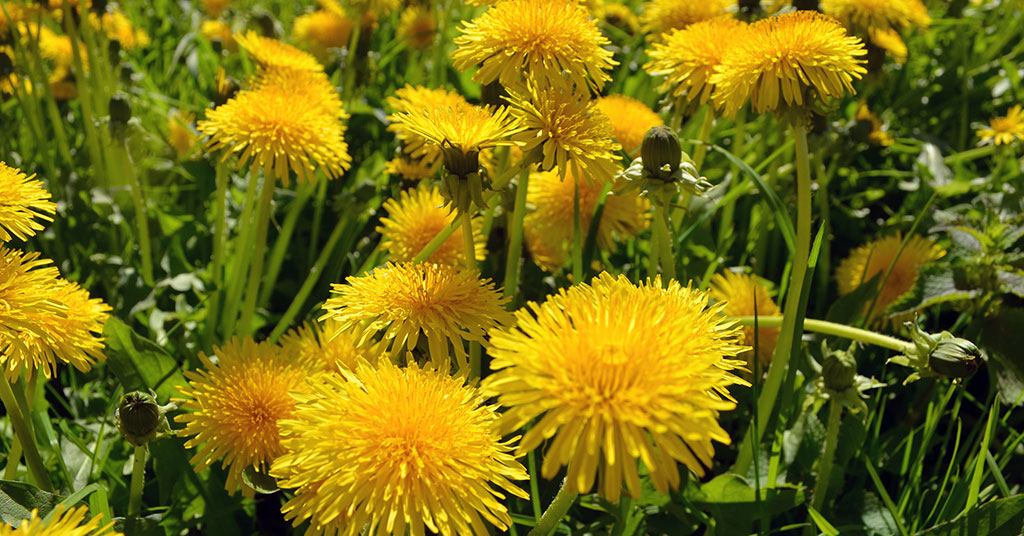
Dandelions thrive in nutrient-poor or disturbed soils, signaling areas that might need attention. When I saw them dominating one corner of my plot, I realized that spot was low in nutrients. It prompted me to add organic matter and adjust my composting routine. Since then, dandelion presence has helped me pinpoint where to bolster soil health.
Rather than pulling every yellow flower, monitor their locations seasonally. Patchy concentrations often indicate compaction, low nitrogen, or pH imbalances. Armed with this insight, you can tailor soil amendments—such as lime or manure—more precisely, improving conditions for all your desired plants without guesswork!
Edible and Nutrient-Rich
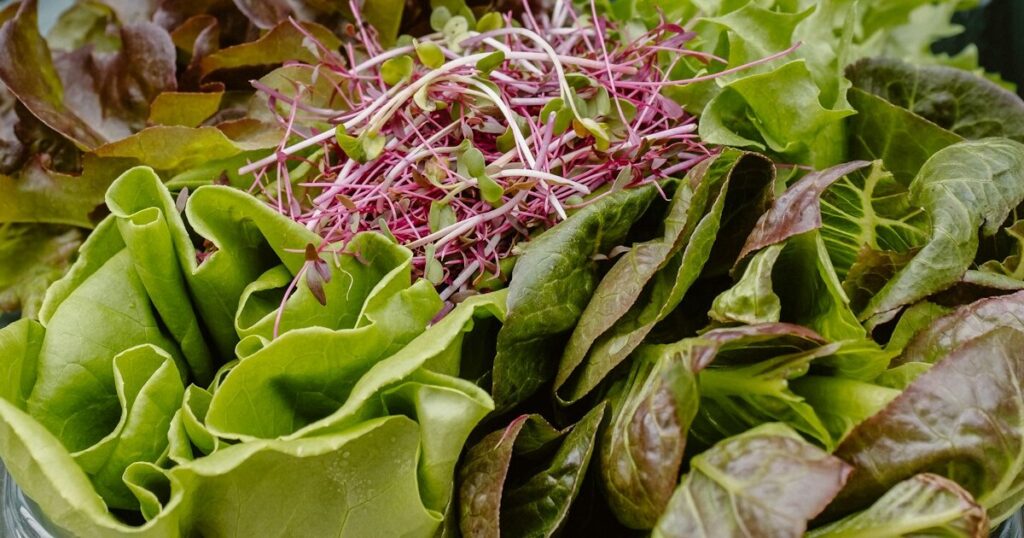
Every part of the dandelion is edible: young leaves mingle beautifully in salads with a peppery bite, the flowers steep into fragrant fritters or teas, and the roots roast into a caffeine-free coffee alternative. I’ve served dandelion leaf pesto to guests, and they were amazed by its zesty flavor and nutrient punch!
These wild greens pack vitamins A, C, K, and minerals like iron and calcium. Foragers and herbalists have valued dandelions for centuries. By leaving some to grow, you create your own free, organic pantry—plus the act of harvesting teaches you about sustainable gathering and gives you a deeper connection to your garden’s ecosystem.
Medicinal Marvels

Traditional herbal medicine uses dandelion for liver support, digestion aid, and anti-inflammatory properties. I once brewed a simple dandelion root decoction for a friend with sluggish digestion, and she swore by its gentle relief! The bioactive compounds in dandelions can also support immune health when used responsibly.
Maintaining a patch of these plants in your garden ensures easy access to fresh botanicals. Beeswax salves infused with dandelion petals soothe skin irritation, and dandelion tea can become a comforting ritual. As you learn to identify and prepare these remedies, you gain natural alternatives to commercial products—right at your fingertips.
Excellent Companion Plant

Dandelions can be fantastic companions for shallow-rooted vegetables like lettuces and onions, helping to draw up nutrients from deeper layers without competing aggressively. I noticed that my leeks next to dandelions grew plumper and taller, likely benefiting from the minerals brought up by those taproots.
Additionally, the early spring blooms help attract beneficial hoverflies and predatory wasps that lay eggs on aphid-infested plants. These larvae devour soft-bodied pests, protecting your veggies. By letting dandelions intermingle with your crops, you’re creating a balanced habitat where helpful insects find food and nesting sites close to their hunting grounds!
Low-Maintenance Groundcover

Once established, dandelions require almost no care: they tolerate drought, poor soils, and varying light conditions. I’ve left them to flourish in neglected corners, where they formed a cheerful groundcover that suppressed weeds and prevented soil erosion over wet winters.
Their deep roots hold soil in place on slopes, and their speedy growth fills gaps that weeds might otherwise exploit. Instead of spritzing herbicides or hand-pulling, I let dandelions shade out invasive grass seedlings, conserving my time for more intentional gardening tasks—while still enjoying those vibrant yellow blooms!
Early Spring Color Boost
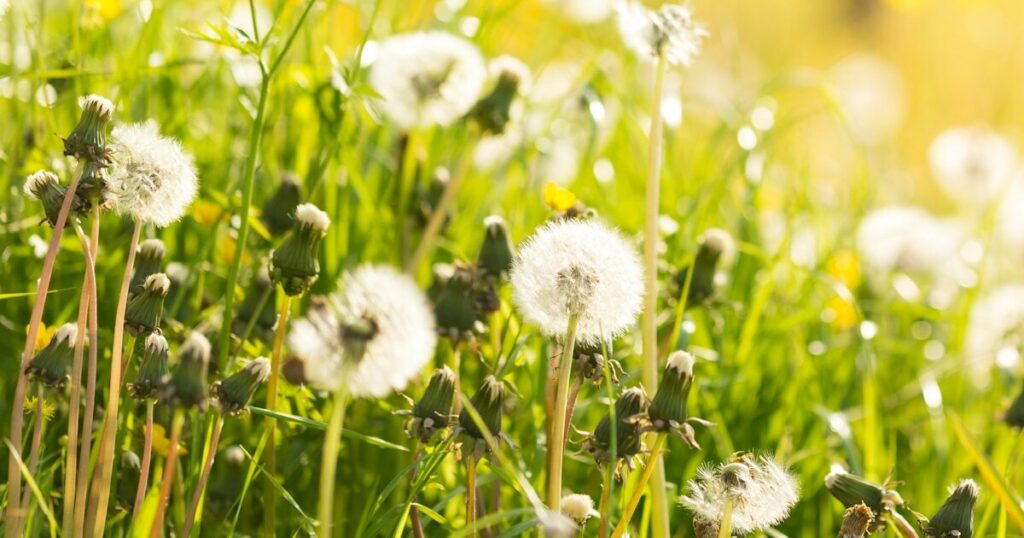
After a long winter, the sudden eruption of dandelion flowers feels like nature’s confetti, heralding the return of warmer days. Their sunny golden heads lift both my spirits and the visual appeal of the garden before tulips and daffodils appear.
This early color also attracts a wider range of bees and butterflies emerging from hibernation. As these pollinators feast on dandelion nectar, they become more active and ready to pollinate later-blooming perennials. It’s a natural way to jumpstart the season’s ecological interactions!
Support for Wildlife

Beyond pollinators, dandelion seeds feed birds such as goldfinches, whose flocks I love watching descend on my garden lawn. They nest in nearby shrubs and use the soft down from dandelion seedheads to line their nests. It’s a symbiotic spectacle: seeds offer nourishment, and birds help disperse dandelion offspring further afield!
Small mammals like rabbits and ground squirrels also nibble the leaves, integrating dandelions into the garden food web. Observing these interactions in your yard fosters a richer understanding of local wildlife and underscores the value of even the humblest plants in supporting biodiversity.
Encourages Seed Saving
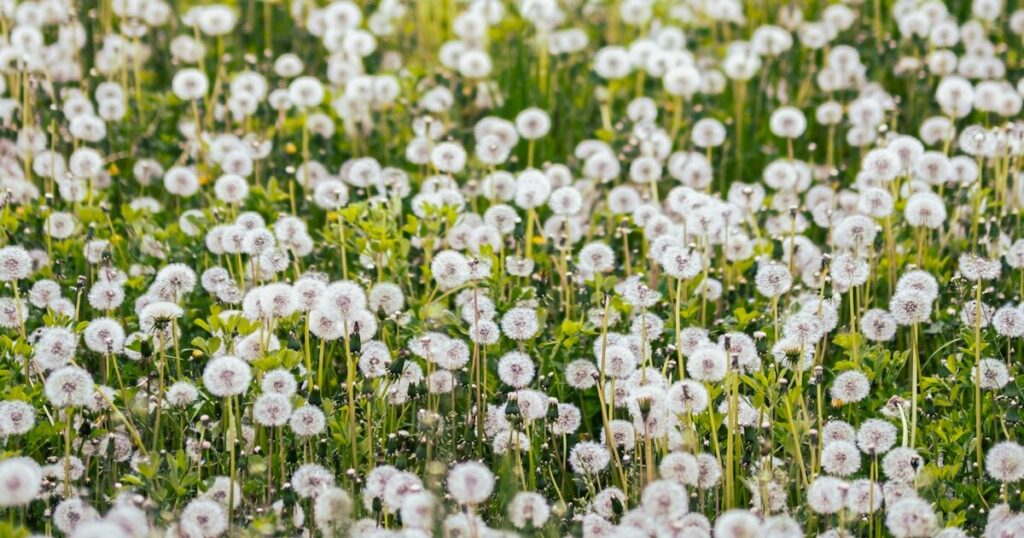
Watching dandelions transform from bright flowers into fluffy seedheads is almost magical—just one puff and hundreds of seeds drift away on the breeze! I find it delightful to collect a few seedheads on calm mornings and gently disperse them in areas where I want more pollinator-friendly blooms.
This simple ritual reminds us of nature’s generosity and teaches seed-saving basics. By curating which plants you let seed, you can manage dandelion density and maintain a balance that benefits your garden’s ecosystem without letting them overrun every space!