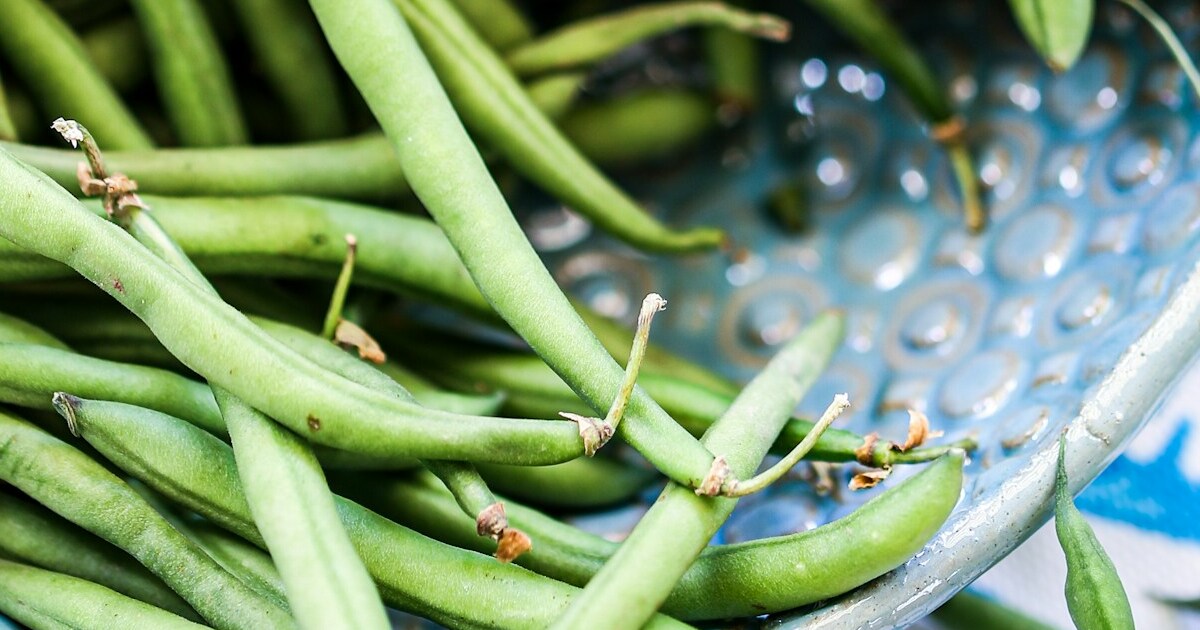

Green beans (Phaseolus vulgaris), cherished for their crisp pods and vibrant flavor, trace their origins to Central and South America, where indigenous peoples cultivated them for centuries. In most home gardens they’re not invasive, though self-seeding volunteers can pop up if you leave spent pods on the soil. Beyond delighting our taste buds, green beans also attract beneficial insects—hoverflies, solitary bees, even predatory wasps nest in nearby hollow stems—making them a valuable asset to any ecosystem.
I know how frustrating it is to tend your bean patch all season only to end up with sparse yields or diseased vines. It’s such a bummer when you see yellowing leaves or empty bean cages after weeks of diligent care! To help you sidestep common pitfalls, here are twelve gardening mistakes to avoid for a flourishing green bean harvest.
Ignoring Pest Management
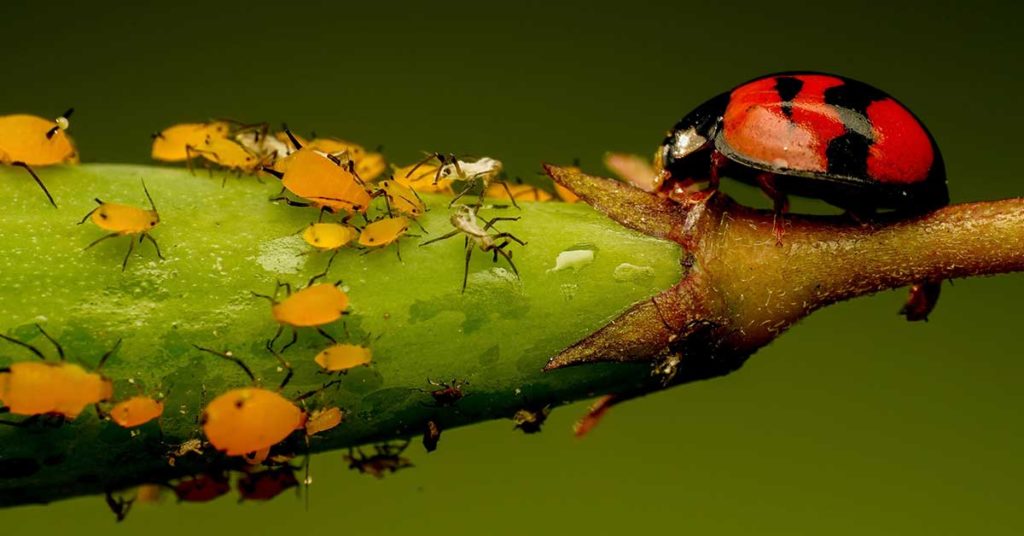
Bean aphids, Mexican bean beetles, and leaf miners can quickly decimate foliage and stunt pod production. I once skipped regular scouting, only to discover entire leaf veins skeletonized by beetles—heartbreaking after weeks of careful watering! Aphid colonies also excrete honeydew, which encourages sooty mold and disrupts photosynthesis.
Combat these pests early with gentle sprays of insecticidal soap, encourage ladybugs and lacewings for biological control, and remove heavily infested leaves by hand. Maintaining healthy plant vigor through proper nutrition and spacing also helps plants resist infestations, while leaving some bare ground encourages ground-nesting predatory insects to set up shop!
Neglecting to Inoculate Seeds

Green beans form symbiotic relationships with Rhizobium bacteria to fix nitrogen, but in soils where beans haven’t grown before, beneficial bacteria populations may be low. I learned this after planting in new beds without inoculant and watching my vines languish with pale foliage and scant pod set.
Before sowing, coat your seeds with a commercial Rhizobium inoculant specific to beans to kick-start those nitrogen-fixing nodules. Stronger nitrogen availability translates to vigorous growth, lush foliage, and fuller blooms of tiny bean flowers, which in turn draw in pollinators like tiny native bees that nest in decomposing plant matter!
Overwatering or Underwatering
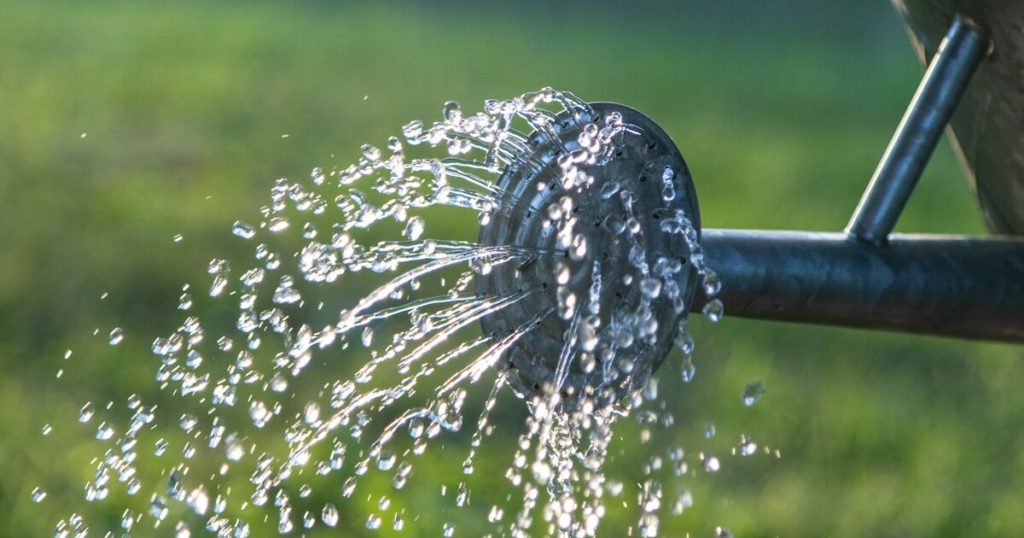
Beans prefer consistently moist—but never waterlogged—soil. Overwatering leads to root rot and fungal diseases like Fusarium wilt, while underwatering can cause blossoms to drop, reducing yields. I once stuck to a rigid watering schedule during an early drought and ended up with wilted vines by midday.
Aim for about 1 inch of water per week, delivered deeply so roots grow resilient and reach downward. Mulch around the plants to preserve moisture and regulate soil temperature. This balance not only supports robust bean pods but keeps soil-dwelling springtails and earthworms healthy, which naturally aerate and enrich the ground!
Crowding the Plants

When beans are planted too closely—say, 2 inches apart instead of the recommended 4–6 inches—vines compete fiercely for nutrients and light, and poor air circulation fosters mildew and rust. My first garden I jammed rows together and ended up with a tangled, disease-prone mess that yielded almost nothing.
Space bush beans about 4–6 inches apart, and pole beans 6–8 inches with rows at least 24–30 inches apart. Proper spacing gives each plant room to breathe, directs more sunlight to every leaf, and provides open soil for ground-nesting predatory beetles and wasps that help keep pests in check.
Failing to Provide Support
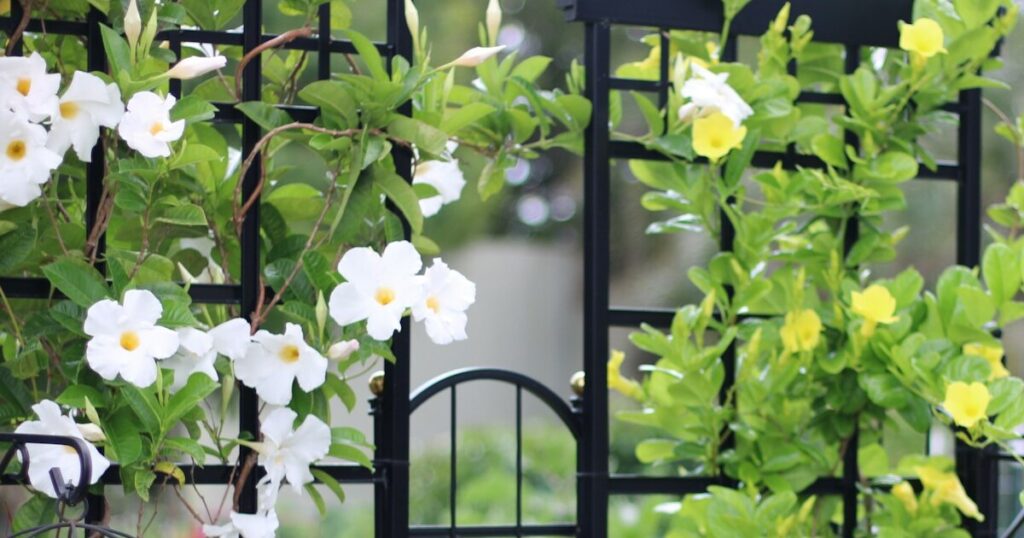
Pole bean varieties need sturdy trellises, poles, or teepees to climb. Leaving them unsupported results in sprawling vines that smother neighboring plants and make harvesting a headache. I once let my pole beans flop after a storm and spent hours untangling vines from my peppers!
Erect strong netting or stakes before planting and guide young vines onto them early. Upright growth improves air flow—reducing fungal issues—and presents flowers and pods in an accessible vertical display for both you and visiting pollinators like bumblebees seeking nectar!
Planting Too Early

Green beans hate cold soil; planting before soil consistently warms above 60°F often leads to seed rot or slow germination. In my eagerness, I sowed seeds in early April and watched them crumble in chilly evenings.
Wait until at least two weeks after the last frost date, and consider using row covers to extend the season later into fall. Warm soil accelerates germination, promotes uniform stands, and keeps soil-dwelling beneficial insects, like predatory ground beetles, active and hunting beneath the vines!
Insufficient Sunlight

Beans need full sun—at least 6 to 8 hours of direct light daily—to fuel photosynthesis and pod production. I tucked mine under a pear tree’s dappled shade, thinking it would be sheltered, only to get spindly, flower-starved vines.
Choose the sunniest spot in your garden, or trim back overhangs that cast shadows. Sun-warmed leaves support more blossoms, and the bright environment deters slug and snail activity—those slimy pests often nest in cool, damp corners rather than sun-soaked soil!
Skipping Crop Rotation
Planting beans in the same bed year after year invites soil-borne diseases like bacterial blight and depletes micronutrients. After three seasons of continuous beans, I battled root rot so severe I had to uproot entire rows.
Rotate beans with unrelated vegetables—brassicas or alliums, for example—to interrupt disease cycles and restore soil balance. This practice also encourages a wider diversity of soil organisms, from earthworms to predatory mites, enhancing overall garden resilience!
Poor Soil Preparation

Beans thrive in loose, well-draining soil with plenty of organic matter. My first attempt in compacted clay resulted in waterlogged roots and minimal blooms. Dense soil impedes root penetration and discourages beneficial root-nesting bees from excavating their tunnels.
Before planting, work in 2–3 inches of aged compost or well-rotted manure to feed plants and improve structure. Light, friable soil boosts microbial activity, supports root growth, and promotes that healthy root-soil interface where nitrogen-fixing nodules form!
Planting at the Wrong Depth
Sowing seeds too shallow leads to drying out and poor germination, while planting them too deep can delay sprouting. I once dropped seeds an inch too deep and waited impatiently for weeks until some finally surfaced.
Aim to plant seeds about 1 inch deep, cover lightly, and firm the soil gently overhead. This sweet spot ensures good soil-to-seed contact, optimal moisture retention, and quicker, stronger emergence—setting you up for a full canopy that attracts hoverflies and other beneficial insects!
Delaying Harvest

Letting beans over-mature on the vine reduces yield, as plants shift energy into seed development rather than new pods. One year I got busy and returned to find brittle beans full of seeds—not the tender snap beans I’d hoped for.
Harvest every few days once pods reach 4–5 inches, and the plant will respond by producing more blossoms and pods. Frequent picking encourages continuous flowering, giving you a steady stream of sweet beans and keeping pollinators visiting daily!
Overlooking Companion Planting

Beans appreciate companions like radishes, carrots, or marigolds, which help deter pests and improve soil health. I once planted beans in isolation and suffered from persistent beetle damage—next year I interplanted with marigolds and saw far fewer pests.
Marigolds exude compounds that repel nematodes and attract predatory hoverflies, while carrots loosen soil with their taproots, benefiting bean root systems. Thoughtful companion planting creates a biodiverse habitat where beneficial insects thrive, ensuring your green bean patch stays productive and vibrant!