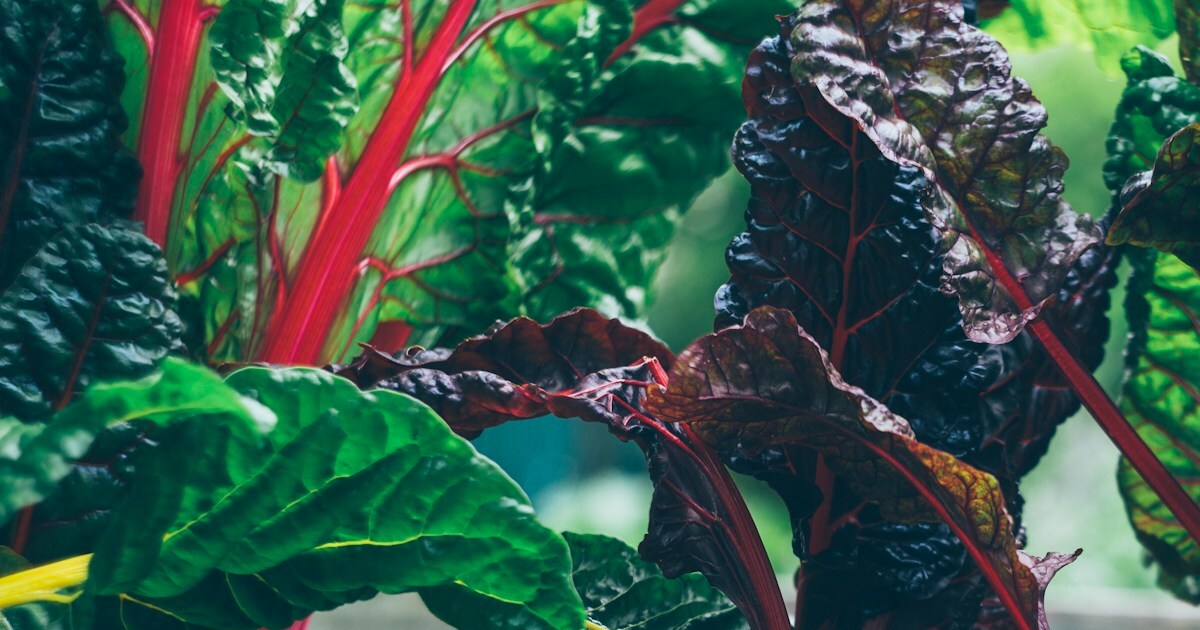

Growing Swiss chard (Beta vulgaris var. cicla), native to the Mediterranean, is one of my favorite ways to add lush greens—and a pop of color—to the vegetable patch. This hearty biennial, not considered invasive, will bounce back through multiple harvests if treated right. Yet it’s such a bummer when a few missteps leave your crop leggy, pest-ridden, or barely producing those tender, nutrient-packed leaves! Let’s dive into eleven common pitfalls and how to sidestep them for a thriving chard patch.
From soil prep to harvest technique—and everything in between—we’ll cover the mistakes that trip up even seasoned gardeners. I know how frustrating it is to tend seedlings through rain and shine only to watch them bolt too soon or succumb to leaf miners. Read on for practical tips, stories from my own garden experiments, and reminders of how chard can even boost beneficial insects by offering late-summer blooms that hoverflies adore!
Ignoring Soil Preparation

Chard thrives in rich, loamy soil with plenty of organic matter. Skipping a soil test or failing to amend heavy clay or sandy plots means your chard roots struggle to establish, resulting in stunted growth. I once planted straight into unamended ground and ended up with puny, yellow leaves despite sunny conditions!
Amending with compost or well-rotted manure before planting enriches the soil structure and fosters earthworms and beneficial microbes. These soil allies improve aeration and water retention—perfect for chard roots—and create tiny tunnels where ground-nesting bees may shelter, boosting pollination for any chard plants allowed to bolt!
Planting in Too Much Shade

Swiss chard appreciates at least six hours of direct sun; too much shade leads to leggy, pale leaves and poor flavor. I know how tempting it is to tuck greens under taller crops for “companion planting,” but insufficient light often invites mildew and spindly stems that flop under their own weight!
Choose the sunniest spot in your garden—or at least the sunniest window if you’re growing in containers. Better light ensures robust foliage and scraps of space for beneficial insects like ladybugs, which love the occasional aphid that hops onto weak, shaded leaves. Strong plants fend off pests more effectively!
Overcrowding Seedlings
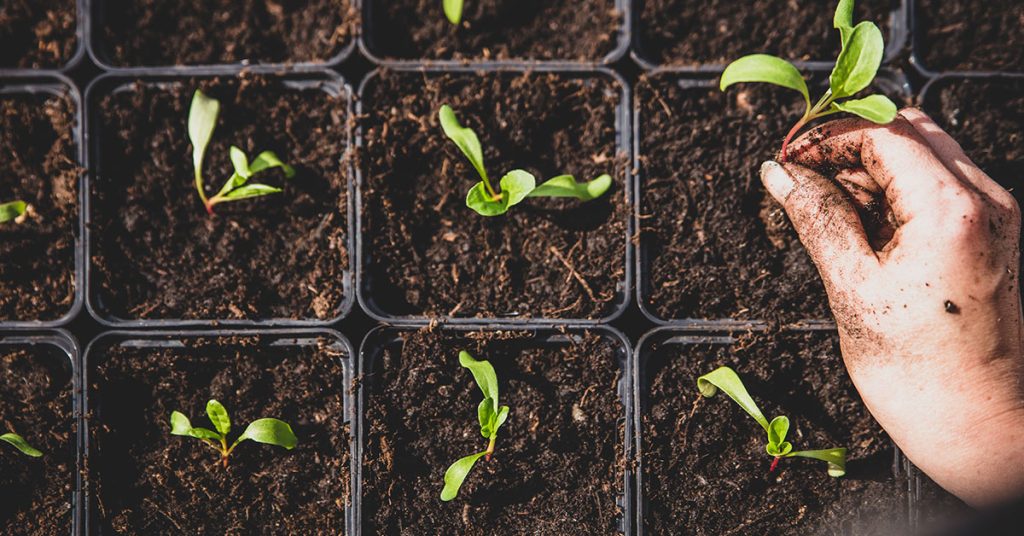
Sowing seeds too densely seems efficient, but crowded chard seedlings compete for nutrients, water, and air circulation. The result? Thin stems, pale leaves, and heightened disease risk. I’ve painfully thinned only to find seedlings uprooted, twisting in clumps because I let them get too cozy!
Give seedlings room—aim for about 6–8 inches between plants—to allow ample airflow and root expansion. Proper spacing helps chard build sturdy stems capable of supporting beneficial insect larvae, like lacewings, that patrol for soft-bodied pests.
Inconsistent Watering

Chard prefers consistent moisture; letting soil cycle between bone-dry and swampy stresses the plants, causing leaf curling and bolting. I’ve been guilty of weekend watering binges that left my chard either wilted by Monday or swimming in waterlogged soil by Tuesday!
Install a drip or soaker hose to maintain even moisture without wetting foliage—damp leaves can harbor leaf spot fungi. Mulching around the base conserves water and regulates temperature, creating a cozy microhabitat where ground beetles and other predators thrive.
Skipping Succession Plantings

Planting chard only once in spring may yield bountiful early harvests, but you’ll see a lull by midsummer. Failing to sow every three to four weeks means missing out on continuous young greens later in the season. I recall running out of tender leaves just when I needed them for salads!
By staggering plantings from spring through midsummer, you ensure fresh pickings well into fall. And as earlier plants bolt and bloom—offering tiny umbels of nectar-rich flowers—you’ll attract hoverflies and solitary bees that boost overall garden pollination!
Harvesting Incorrectly
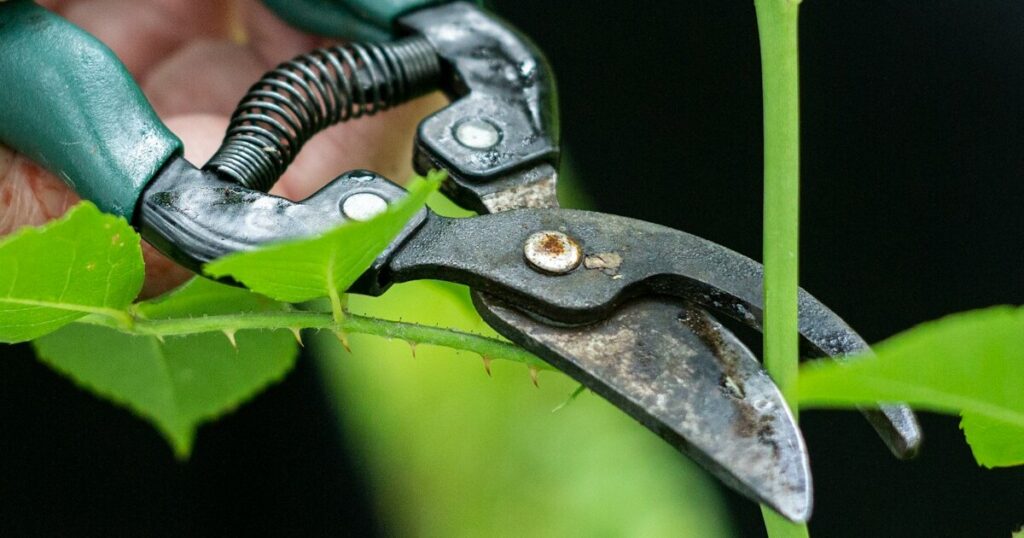
Cutting the entire plant instead of harvesting outer leaves encourages regrowth and extends productivity. I once yanked out whole chard clumps, thinking they were done, only to regret the empty rows afterward!
Instead, snip outer leaves about an inch above the crown, leaving inner shoots intact. This selective harvest supports continuous foliage production and provides hiding spots for beneficial insects like parasitic wasps, which help keep pests in check.
Neglecting Crop Rotation
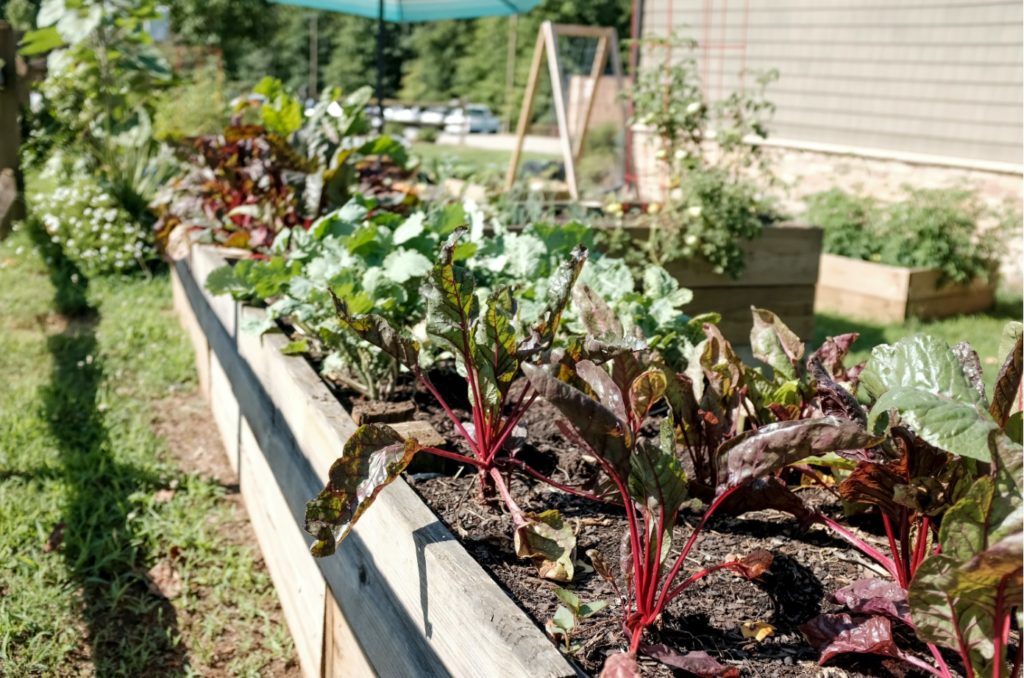
Growing chard repeatedly in the same bed invites soil-borne diseases and nutrient depletion. I watched a succession of chard plantings in one corner suffer root rot—turns out the soil needed a break!
Rotate chard with unrelated families—such as brassicas or legumes—to disrupt disease cycles and replenish nitrogen. Planting beans next season can even boost soil fertility for chard’s return, all while diversifying habitat for ground-nesting birds.
Failing to Monitor Pests

Leaf miners, aphids, and slugs can decimate chard if left unchecked. Ignoring the first sap-sucking leaf miner tunnels is a fast track to skeletonized foliage!
Inspect leaves regularly and remove affected ones immediately. Encourage natural predators—like lacewing larvae and ground beetles—by incorporating insectary plants nearby. This balanced ecosystem keeps chard healthier and reduces the need for sprays that might harm beneficials.
Overfertilizing with Nitrogen
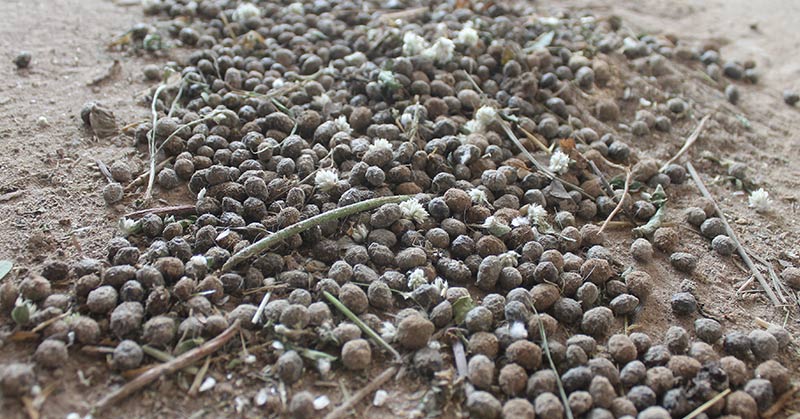
While chard loves rich soil, too much nitrogen fertilizer leads to luxuriant foliage that’s tempting to slugs and snails—and can delay flowering if you’re saving seeds. I once overdid the feed and ended up with a slug buffet under umbrella-sized leaves!
Apply balanced, organic fertilizer at planting and a light side-dress mid-season. This provides steady nutrients without goading excessive leaf growth—and prevents that wet, succulent foliage that pests adore.
Neglecting Mulch
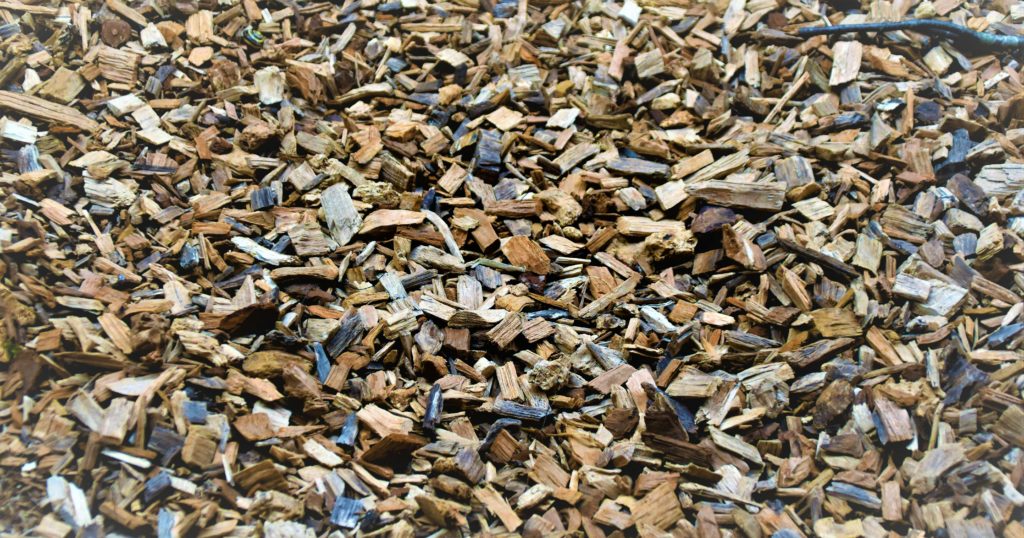
Bare soil around chard encourages weed competition, moisture loss, and temperature swings that stress young plants. I learned the hard way when unmulched rows baked in July sun, leading to bolting and bitter leaves!
A two-inch layer of straw or shredded leaves conserves moisture, suppresses weeds, and moderates soil temperature. Plus, mulch habitats ground beetles and spiders that patrol for pests, creating a natural defense network around your chard.
Ignoring Cool-Weather Protection

In hot climates, chard bolts quickly when temperatures soar; in cooler zones, light frosts can slow growth. Failing to shade young plants in summer and cover them in early fall can shorten harvests. I once lost half my crop to a sudden heatwave and then to early frost just weeks later!
Use shade cloth during heat spikes and row covers when night temperatures dip. These simple protections extend your chard season on both ends—helping you enjoy crisp, sweet leaves when others have given up for the year!