
There’s nothing more disheartening than spending hours tending to your plants only to find them looking lackluster. Even the hardiest perennials—from native coneflowers that support local butterflies to vigorous invasives like Japanese knotweed—rely on a balanced soil diet to thrive. When the soil’s nutrients are depleted, plants signal distress in a dozen subtle and not-so-subtle ways. I know how frustrating it is to baby a garden through sun and rain only to watch foliage yellow or blooms fail. Let’s explore eleven key signs your garden is crying out for more fertilizer!
By paying attention to these indicators—everything from spindly stems that can’t support nesting bees to poor flowering that leaves hummingbirds empty-billed—you can pinpoint what your soil is lacking. Whether you grow heirloom tomatoes native to Central America or non-native ornamentals, boosting fertility can restore vigor, attract beneficial wildlife, and keep invasives in check. Ready to give your green friends the nutrition they crave? Let’s dive in!
Yellowing Between Leaf Veins
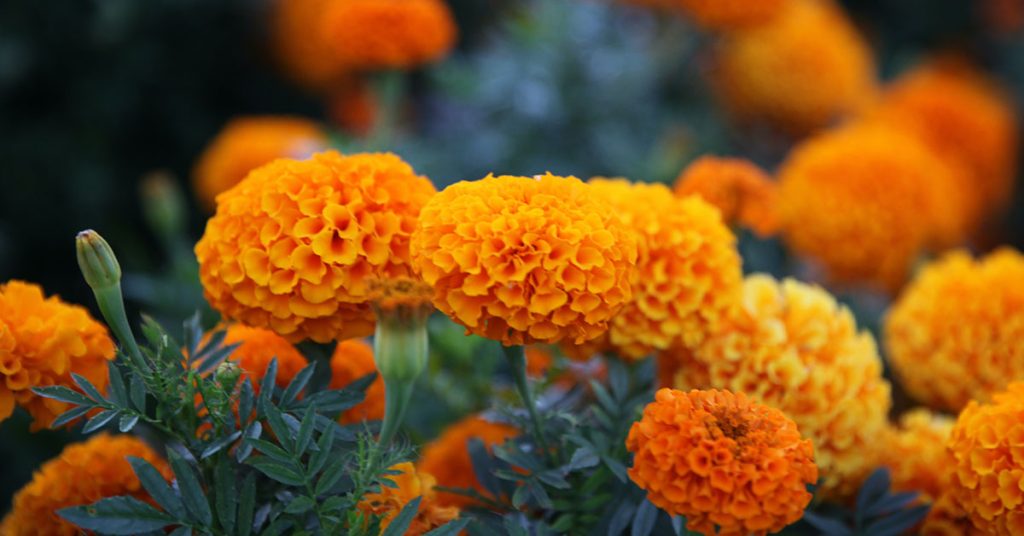
When the space between leaf veins turns pale while veins stay green—known as interveinal chlorosis—it often signals magnesium or iron deficiency. I once saw my beloved African marigolds (Tagetes erecta), native to Mexico, develop that tell-tale yellow patina because the soil lacked micronutrients!
Iron and magnesium are crucial for chlorophyll production. Without them, leaves look sickly, and photosynthesis falters. A balanced organic fertilizer or a targeted micronutrient blend can restore deep green hues, ensuring your plants—from native asters to non-native impatiens—produce lush growth and support pollinators as they flit about nesting in nearby shrubs.
Stunted Growth Despite Adequate Watering
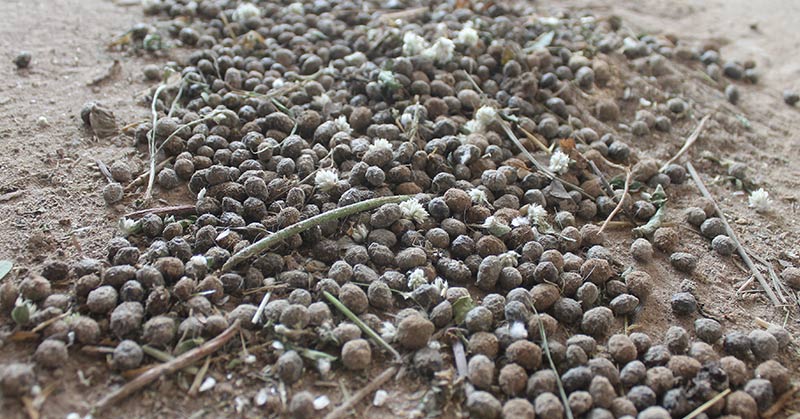
You might be watering diligently, but stunted shoots and undersized leaves point to nitrogen scarcity. I know how bumming it feels to see new growth come up in baby steps rather than leaps!
Nitrogen drives leaf and stem growth, so a shortage means plants simply can’t bulk up. Applying a nitrogen-rich amendment like composted manure or blood meal gives roots the building blocks they need. Soon, your native bee-friendly sunflowers and even aggressive vines will push out stronger shoots capable of supporting insect nests and offering richer habitat.
Poor Flower Production
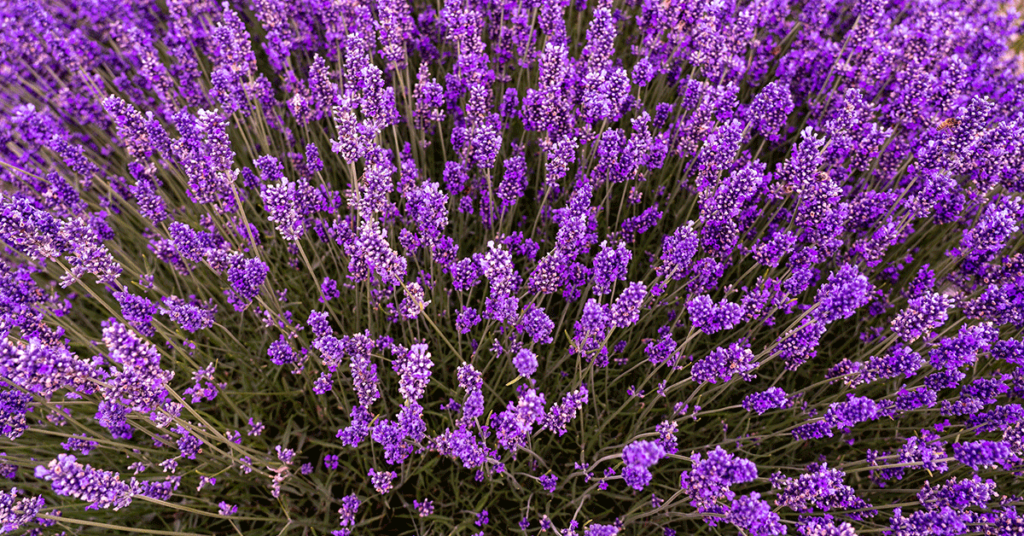
If your garden rarely blooms or flowers drop early, phosphorus may be running low. That’s exactly what happened to my lavender (Lavandula angustifolia), native to the Mediterranean—its flower spikes shriveled without enough P!
Phosphorus fuels bud formation and root development. A rock phosphate or bone meal application at planting and mid-season can coax prolific blooms. You’ll see more of those sunny daisies and fragrant lavenders that attract nesting bees and butterflies, transforming your bed into a buzzing oasis.
Leaf Drop or Premature Leaf Aging
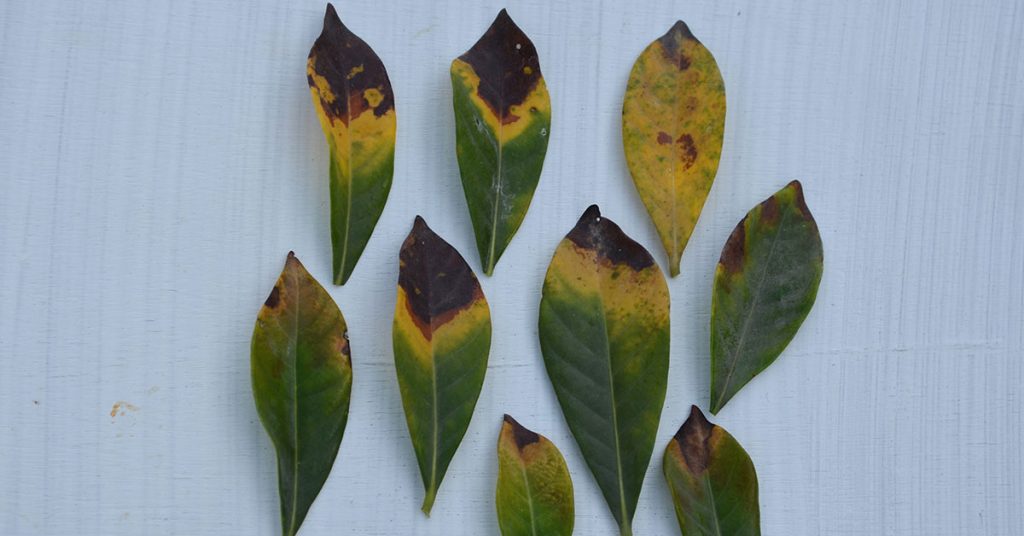
While seasonal leaf loss is normal, widespread early leaf drop often signifies nutrient imbalance. I felt so defeated when my gardenias (Gardenia jasminoides), originally from Asia, shed leaves in clusters—only to realize they were starving!
Balanced fertilizer restores trace elements that prolong leaf lifespan. As foliage remains on the plant longer, you’ll enjoy extended color and cover for beneficial insects like ladybugs seeking shelter, making your garden a cozy retreat rather than a barren patch.
Browning Leaf Margins

When leaf edges crisp to brown before the interior yellows, potassium deficiency is often at fault. I spotted this first on my pepper plants, native perennials in warm regions, and knew something was off!
Potassium regulates water movement and disease resistance. Incorporating a potash source—like greensand—helps stems stand firm and leaves remain turgid. That solidity invites cavity-nesting bees to forage confidently, knowing they won’t get lost in drooping foliage.
Spindly, Weak Stems
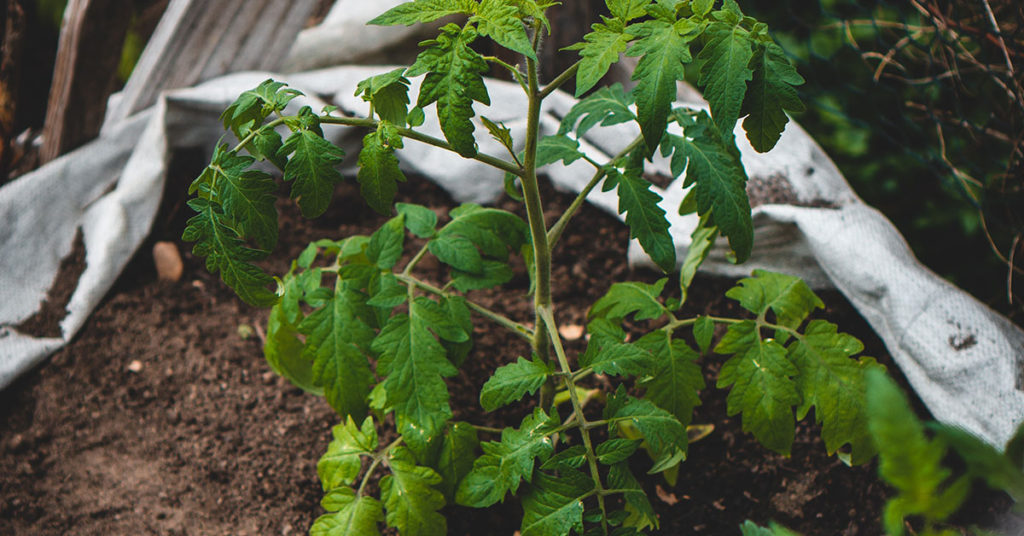
Leggy growth that can’t support flower heads or nesting insects suggests nitrogen and possibly calcium are in short supply. I’ve rescued many a spindly zinnia by boosting nutrients, watching stems go from floppy to firm!
A combination of calcium-rich lime and nitrogen feed encourages sturdy cell walls. Your plants will stand tall under sun and rain, giving hummingbirds and other tiny nest-builders a reliable perch.
Small or Sparse Fruits and Vegetables

Tiny tomatoes, underdeveloped squash, or sparse berry sets often scream for more potassium and phosphorus. I remember my blueberry bushes, native to North America, yielding just a handful of tart berries before I amended the soil!
A balanced 5-10-10 fertilizer at bloom time pushes energy into fruit set and growth. You’ll enjoy plump raspberries, robust figs, and more garden-fresh bounty—plus excited chipmunks finding shelter and food under lush canopies.
Soil That Becomes Hard or Crusty
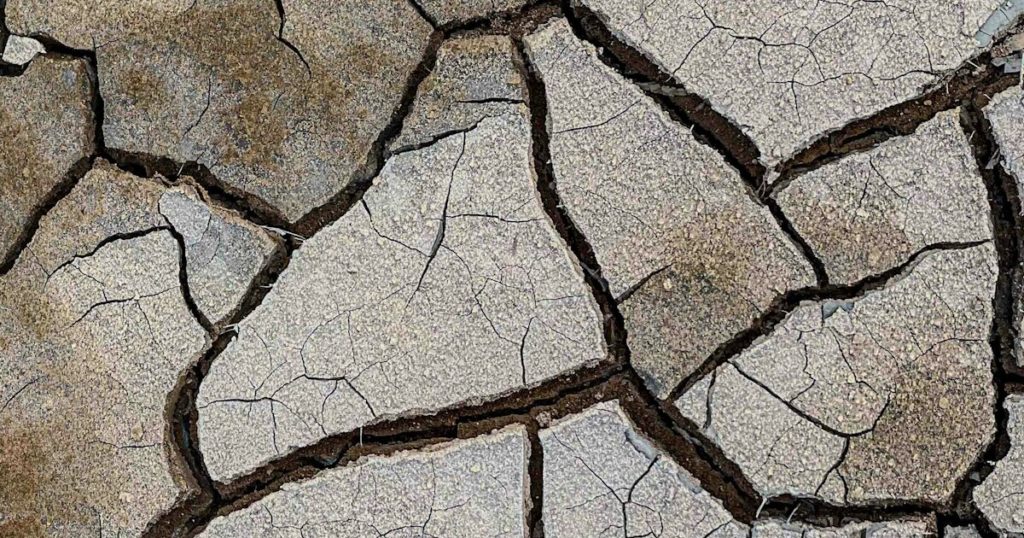
If the topsoil bakes into a hard crust after watering, it often means organic matter is depleted along with nutrients. I’ve broken out the hoe more than once only to realize the mix was so poor it refused to soften!
Incorporating compost or well-rotted manure improves texture, aeration, and fertility. Earthworms will move in to nest and tunnel, enhancing water infiltration and sustaining the nutrient cycle that your plants—and local wildlife—depend on.
Poor Root Development
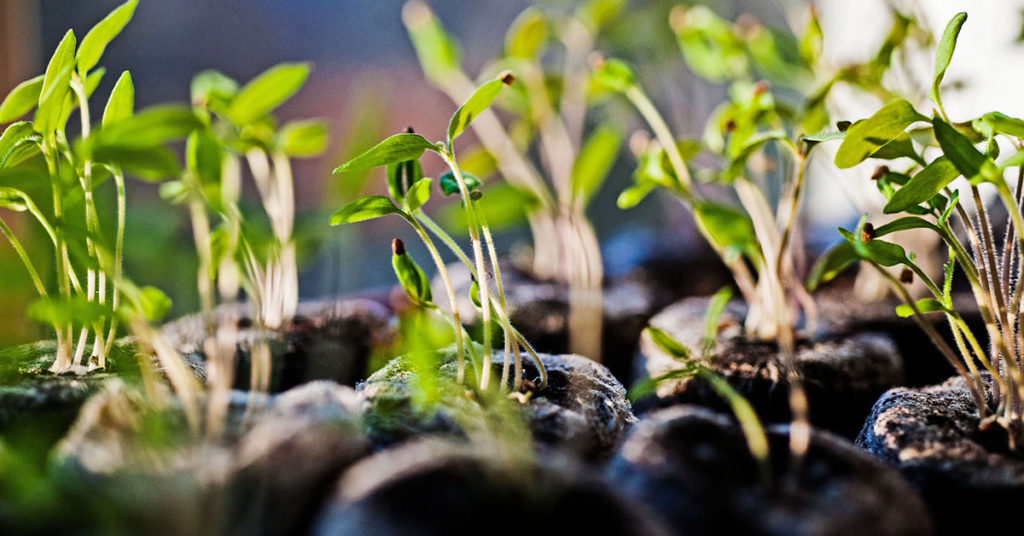
When you gently tug a plant and roots resist or come up in a clump, it indicates weak underground growth often tied to low phosphorus. I felt that snap of worry pulling a small basil volunteer, wondering why its roots had betrayed it!
Adding phosphate at planting gives roots the energy to explore deeply. Healthy roots anchor plants against wind, store reserves for bloom seasons, and foster soil microbial communities where beneficial fungi bundle around roots, supporting overall garden health.
Uneven or Patchy Growth Across the Bed

If neighboring plants of the same species show vastly different vigor, soil fertility may be uneven. I once had a perfectly green row of snapdragons next to pale, stunted ones—only to find one half of the bed was nutrient-depleted!
A uniform top-dress of organic fertilizer and thorough turning ensures nutrients are evenly distributed. You’ll end up with consistent growth, making the bed more inviting for nesting butterflies and shelter-seeking insects across every square foot.
Low Pollinator Activity
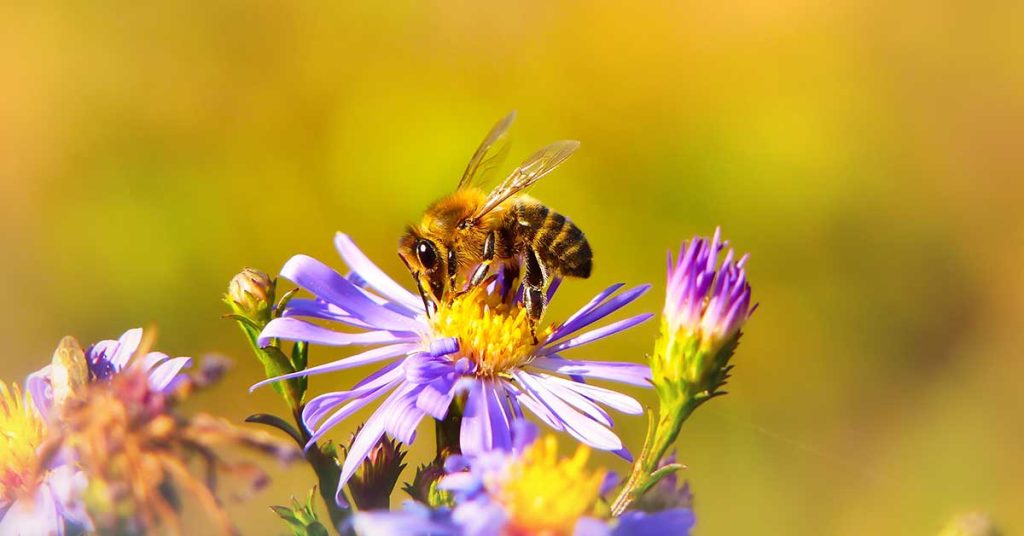
Pollinators are drawn to healthy, nectar-rich blooms. When bees and butterflies visit less often, it might be because flowers lack the energy to produce ample nectar—often due to nutrient deficits. I noticed fewer hummingbirds around my lantana before I realized they’d abandoned it for richer blooms elsewhere!
Boosting fertilizer, especially potassium and phosphorus, revives bloom quantity and nectar quality. As flower spikes thicken and reward levels rise, pollinators return in droves—nesting nearby and ensuring your garden’s ecosystem thrives!