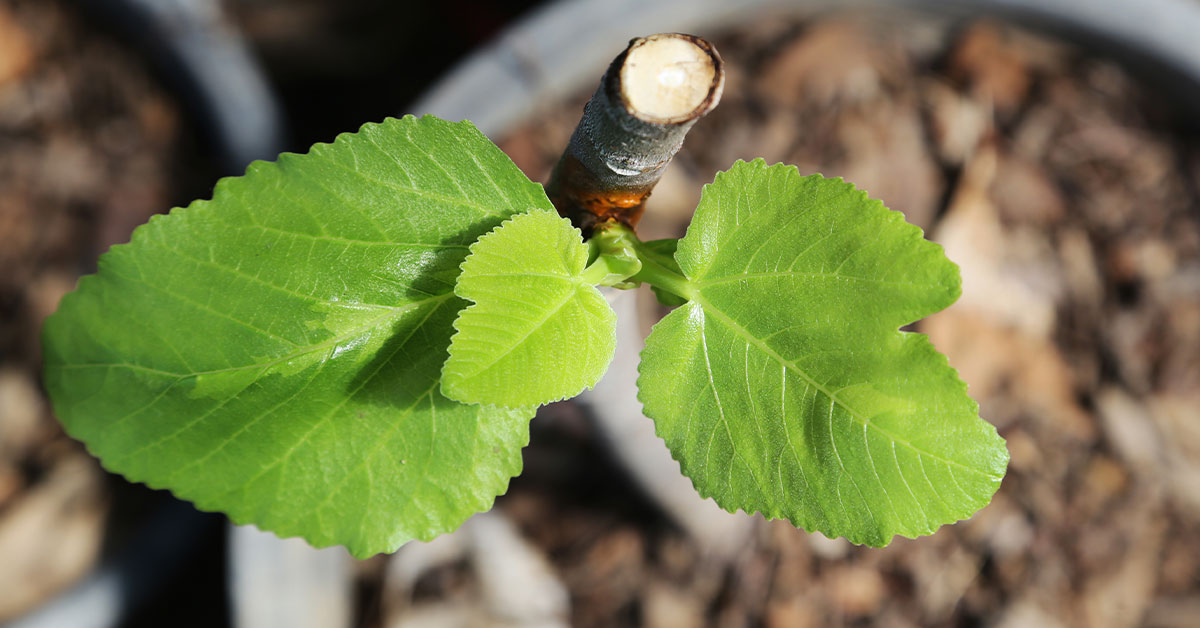

One of my favorite plants to grow is the fig tree (Ficus carica), native to the sun-drenched Mediterranean and cherished for centuries for its sweet, pulpy fruits. Growing in a pot is fantastic for getting started—especially if you live where winters dip below freezing—but eventually your fig will outgrow its container. When you start noticing telltale hints that your tree is craving more elbow room, it’s time to think about moving it into open garden soil, where roots can explore freely and your tree can truly flourish.
I know how frustrating it can be when you’re watering religiously, giving balanced fertilizer, and still seeing wilted leaves or puny fruit clusters. It’s such a bummer to put in all that effort only to watch your fig struggle in a cramped pot! Let’s dive into ten clear signs that your potted fig is ready for its garden debut—complete with richer soil, deeper roots, and the chance to become a bird-nesting, butterfly-magneting centerpiece of your landscape.
Warm Season Approaching for Planting

Timing is everything! Fig trees prefer to settle into the ground in early spring once soil temperatures consistently hover around 50°F (10°C). Planting too late in the year can stress roots before winter dormancy, while planting too early risks frost damage. I once delayed transplanting until late April and regretted it when a surprise cold snap nipped my tender roots!
By choosing the right window—typically after last frost but well before heat waves—you give your fig a full season to establish. The result? A sturdy root system that can weather both scorching summers and winter chill, and that supports heavier, sweeter crops year after year.
Salt or Mineral Build-Up on the Soil Surface

That pesky white crust on top of your potting mix means salts and minerals from fertilizers and tap water are concentrating around the roots. Left unchecked, these deposits can burn fresh root tips, leading to brown edges on leaves and slowed growth. I’ve had my own fig show alarming leaf scorch simply because I ignored the salt rings forming in its container!
By moving into garden soil—ideally enriched with compost and organic matter—rainwater naturally leaches excess salts downward. Plus, in-ground planting reduces reliance on synthetic feeds, letting your fig tap into a healthier, balanced mineral profile in the earth below.
Root-Bound Pot

Have you ever noticed roots crowding at the soil line or poking out of drainage holes? That’s your fig screaming for space! A root-bound tree struggles to access air and nutrients, and circling roots can eventually strangle themselves. I remember the day I lifted my fig from its pot and saw a dense mat of roots—an unmistakable sign it needed freedom.
When transplanted into a garden bed, roots radiate outward instead of coiling. This newfound space allows them to forage for water and nutrients more effectively, resulting in lush foliage, vigorous branch growth, and a tree that’s better equipped to handle stress and drought.
Poor Fruit Production
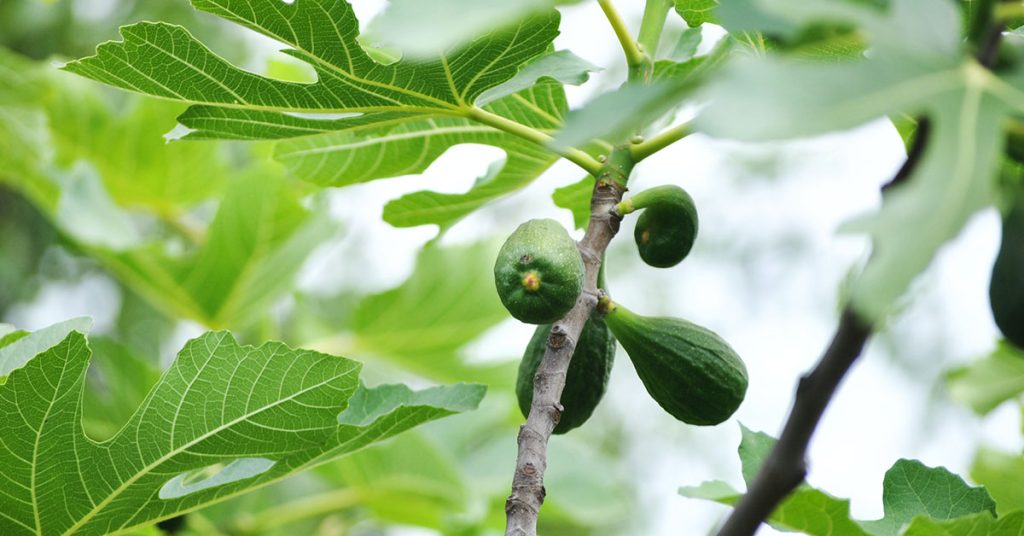
Few things are more disappointing than watching your fig bloom yet barely produce fruit. Potted figs often flower energetically but abort tiny figs early, simply because the roots can’t support developing crops. I know how defeating it feels after anticipating an autumn harvest, only to pick a handful of shriveled figs!
By giving your tree open-earth access, roots dive deep into moisture-retentive, nutrient-rich soil—fueling fruit set and development. You’ll soon find clusters of plump, honey-sweet figs gracing your branches, and plenty of chirping birds sharing in the bounty.
Pot Tipping Over Easily
A wind gust or the weight of ripening fruit can send a top-heavy potted fig crashing to the ground—ripping roots, bruising branches, and stressing the entire tree. If you’re propping your pot against walls or moving it daily to chase sun, you might be due for an upgrade!
In the garden, your fig’s roots become natural anchors, and you won’t worry about accidental knock-overs. Plus, planting in place means you can choose the sunniest, most protected spot once and avoid the back-breaking chore of lugging a heavy container around.
Stunted Growth Despite Feeding
No matter how much fertilizer you add, a root-bound fig simply can’t grow beyond the limits of its pot. You might see a flush of new leaves after feeding, only to have growth plateau again within weeks. I’ve been there—tossing more feed into a desperate pot, hoping for a miracle!
Transplanting into the garden removes that invisible lid. As roots explore fresh soil, your fig will resume its natural growth habit—sending up new shoots, thickening its trunk, and creating a majestic canopy that’s perfect for nesting songbirds and summer shade.
Yellowing or Dropping Leaves
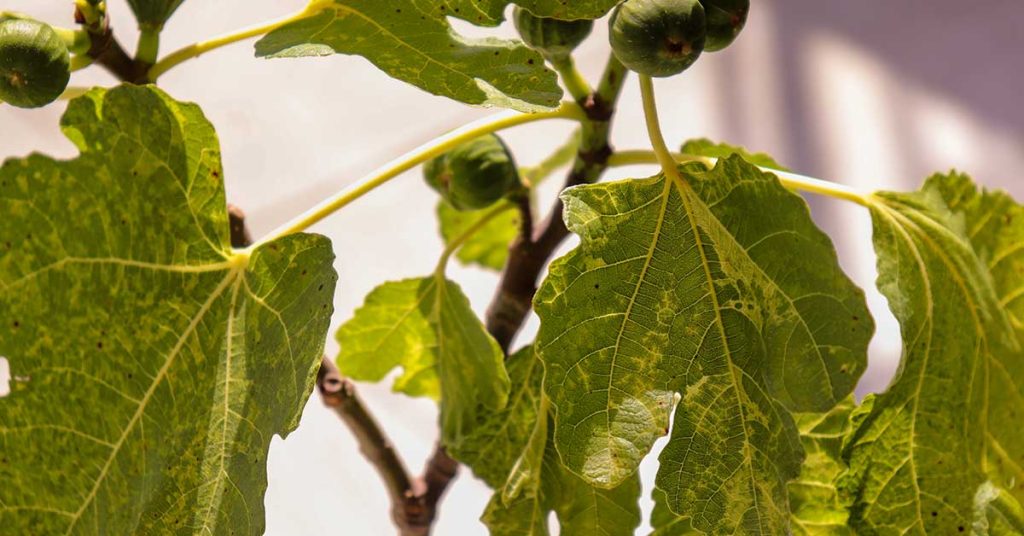
Sure, fig trees drop older leaves seasonally, but widespread yellowing and premature leaf drop often signals nutrient stress from confinement. Even the best-balanced potting mix can’t compare to living soil teeming with microbial life. I watched in dismay as my potted fig shed half its canopy, only to rebound beautifully once it hit the ground!
In-ground planting encourages a symbiotic soil ecosystem—earthworms, beneficial fungi, and bacteria all work to convert organic matter into plant-available nutrients. The result is evergreen summer foliage (or gentle fall color in milder zones) and far fewer leaf-stress symptoms.
Soil Drying Too Quickly

If you’re watering twice a day in midsummer, your potting soil is evaporating faster than the tree can absorb moisture. Rapid moisture loss not only stresses the tree, it also encourages shallow root growth as the fig searches for damp pockets. I used to dread my evening watering sessions, only to return the next morning to find drooping leaves again!
When planted in open ground—especially if you amend the bed with compost—soil holds water more evenly and deeply. That means fewer watering chores and a fig that remains happily hydrated, even during heat waves.
Increased Pest or Disease Susceptibility
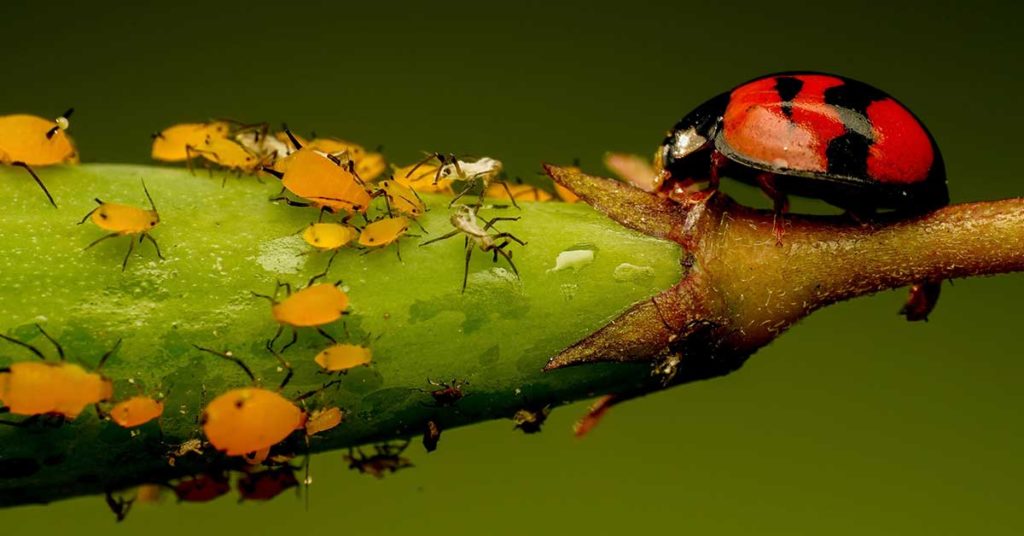
A stressed fig in a cramped pot is a magnet for aphids, scale, and fungal issues. Poor air circulation around container roots can trap humidity pockets, encouraging rot. I’ve spent frustrating afternoons treating sticky honeydew from aphids that seemed to thrive in my pot’s stagnant environment!
In-ground planting promotes better airflow through both canopy and root zone, reducing disease pressure. Plus, a healthy soil microbiome acts like a natural defense network—suppressing pathogens and helping your fig focus on growth and fruiting rather than constant self-defense.