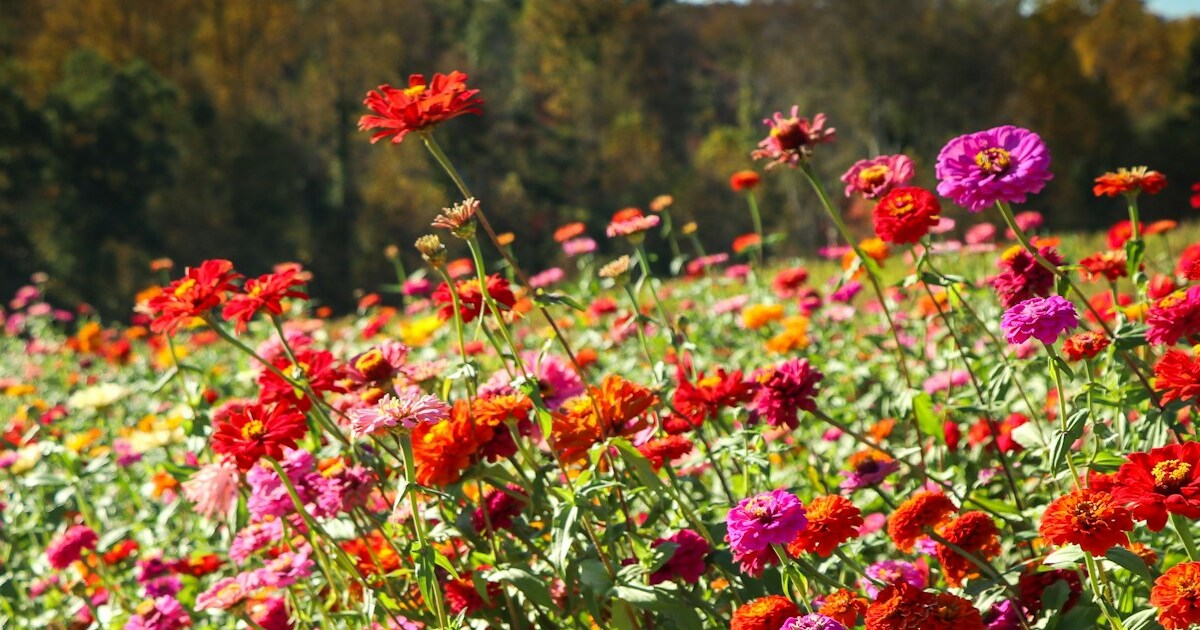

Zinnias are some of my favorite annuals—they burst into color with bold, daisy-like blooms that practically demand attention! Native to Mexico and Central America, these sun-loving beauties thrive in well-drained soil and full sun, and they’re remarkably low-maintenance. Yet, I know how frustrating it can be when your garden feels a little one-note, with zinnias standing alone. The secret to a vibrant, balanced border is pairing your zinnias with companions that share their growing needs and bring added benefits like pollinator appeal, pest control, or delightful textural contrast.
Over the years, I’ve tested countless pairings and discovered sixteen standout plants that flourish alongside zinnias. I’ve mixed up the order to keep you on your toes, and each section offers two in-depth paragraphs packed with practical tips, wildlife-friendly notes, and insights into each plant’s native origin and invasiveness (or lack thereof). Whether you’re aiming for a buzzing pollinator haven, a debris-free veggie patch, or a luxurious cottage-garden look, these companions will amp up your zinnias—and your entire garden—this season!
Sunflowers
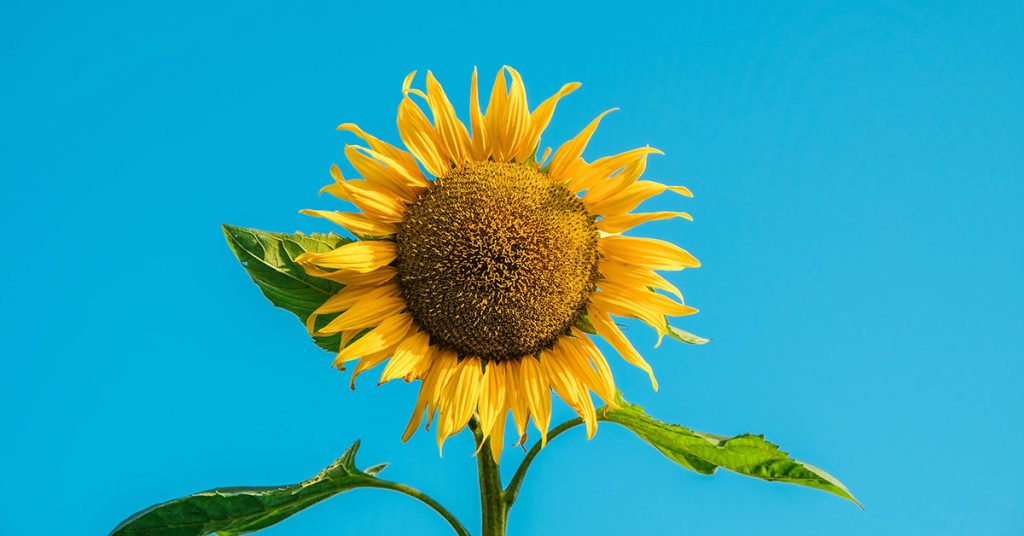
Sunflowers (Helianthus annuus), native to North America, tower above zinnias with their towering stalks and enormous flower faces, creating a dramatic backdrop for your colorful patch. They relish the same conditions—full sun and well-drained soil—and their tall form shades the soil, helping retain moisture around zinnia roots on scorching days. I love watching honeybees dance from sunflower bracts to zinnia petals, making my garden feel alive with buzzing activity!
When sunflowers finish blooming, their seed heads become magnets for finches and sparrows, adding an extra layer of wildlife interest. While sunflowers can self-seed vigorously in some locales, volunteers are easy to manage—just pull seedlings where you don’t want them, or transplant them to new spots for autumn color. This dynamic height contrast and wildlife draw make sunflowers a show-stopping zinnia companion.
Sweet Alyssum
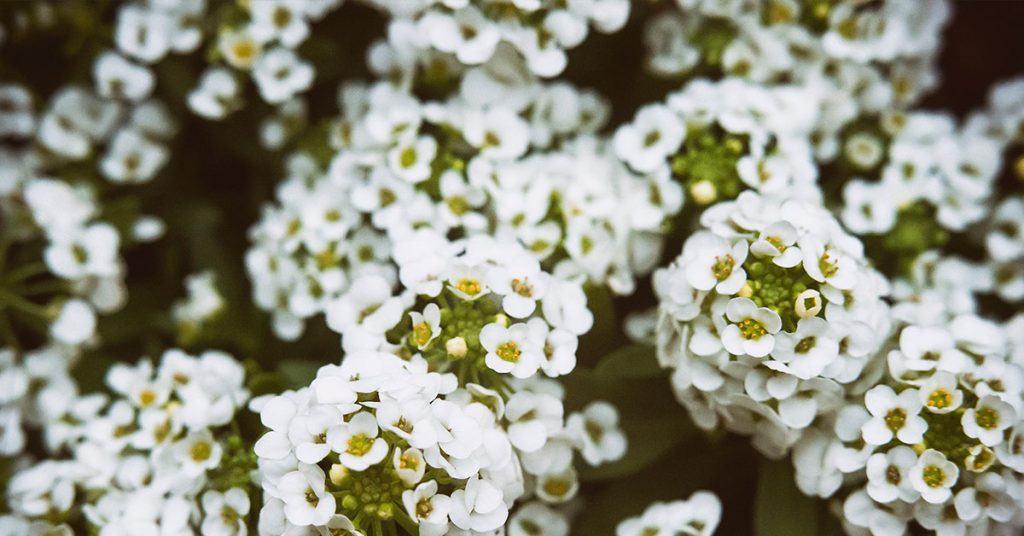
Sweet alyssum (Lobularia maritima), originating from the Mediterranean, forms a carpet of tiny white or purple-tinged blooms that spill elegantly around zinnia clumps. These low-growing annuals tolerate the same sun-filled spots and well-drained soils, and their gentle scent attracts hoverflies—beneficial predators of aphids that sometimes plague zinnias. I often tuck alyssum at the front of my zinnia beds, softening the transition to pathways and luring pollinators right into the heart of the show.
Because sweet alyssum rarely escapes cultivation outside its native range, you won’t wrestle with invasiveness—but you will enjoy early blooms (often starting in spring) and a long flowering season if you deadhead regularly. Their tiny, fragrant blooms create a living mulch that suppresses weeds and conserves soil moisture, boosting your zinnias’ vigor!
Cosmos
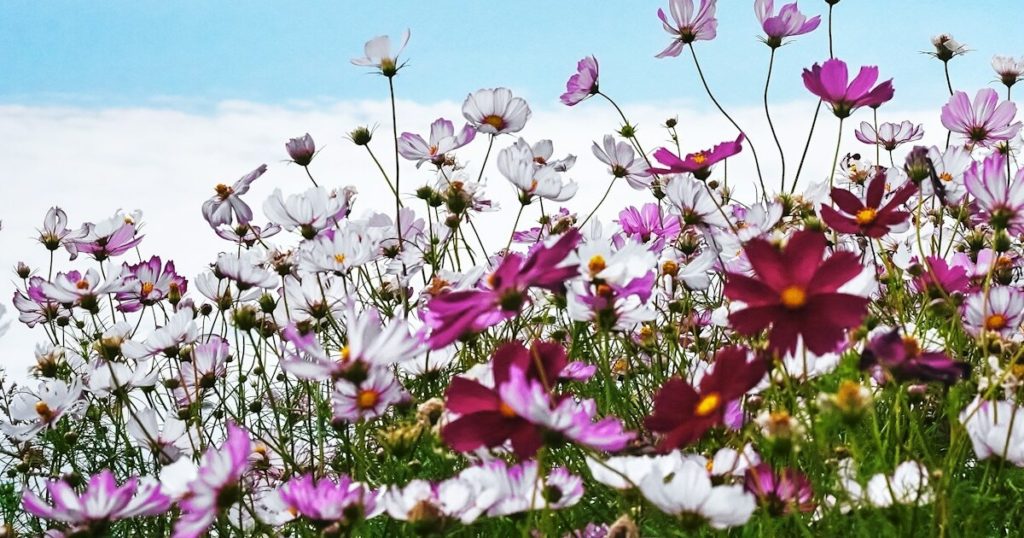
Cosmos (Cosmos bipinnatus), native to Mexico, sway on slender stems above and between zinnia clusters, their feathery foliage offering a delicate textural contrast to zinnias’ bold leaves. These airy annuals thrive in full sun and lean soils, making them perfect bedfellows. I adore the way butterflies and native bees float between cosmos and zinnias, creating an ever-changing tapestry of movement and color!
Cosmos self-seed readily in warm climates, but their volunteers are harmless and can be thinned or relocated for spontaneous autumn blooms. Parasitic wasps often nest in cosmos foliage, then patrol both plantings for caterpillars. By pairing cosmos with zinnias, you foster a mini-ecosystem where beauty and pest control go hand in hand!
Basil
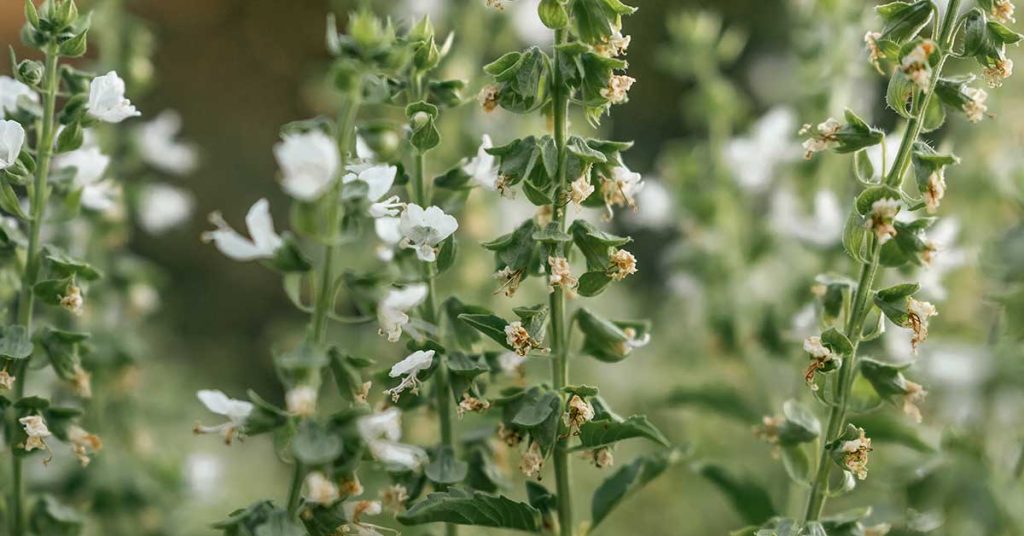
Basil (Ocimum basilicum), a Mediterranean native, brings lovely green-and-purple foliage and fragrant blooms that contrast wonderfully with zinnias’ daisylike heads. Beyond culinary use, basil repels thrips and tomato hornworms—common pests in mixed borders—helping protect your zinnias from nibblers. I often harvest basil flowers to garnish salads, then leave the foliage to perfume the air and deter unwanted visitors.
Basil thrives in the same sunny, well-drained conditions zinnias adore, and it rarely naturalizes outside garden beds. Its compact habit fits neatly between zinnia stems, filling gaps and boosting overall structure. Plus, the buzzing of bees around basil flowers only adds to the vibrant energy of your zinnia patch!
Marigolds
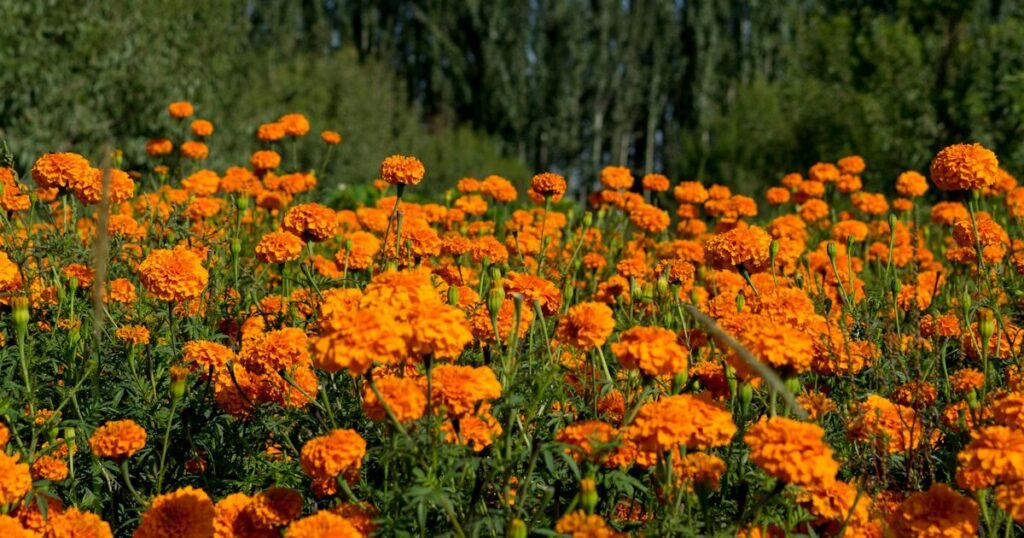
Marigolds (Tagetes spp.), native to the Americas, pair as perfectly with zinnias as butter does with toast. Their fiery orange and yellow blooms echo zinnias’ color palette while emitting a pungent scent that deters root-knot nematodes and certain beetles. Planted at the edges of zinnia beds, marigolds form a living fence that keeps pests at bay and invites predatory insects to patrol the border.
Some marigold species can self-sow exuberantly in warm regions, but their volunteers are easy to yank if they pop up in unwanted spots. Ladybugs often nest in the mulch beneath marigolds and zinnias, emerging to feast on aphids in both plantings. This pest-defense duo is a gardener’s delight—and a pollinator magnet!
Salvia
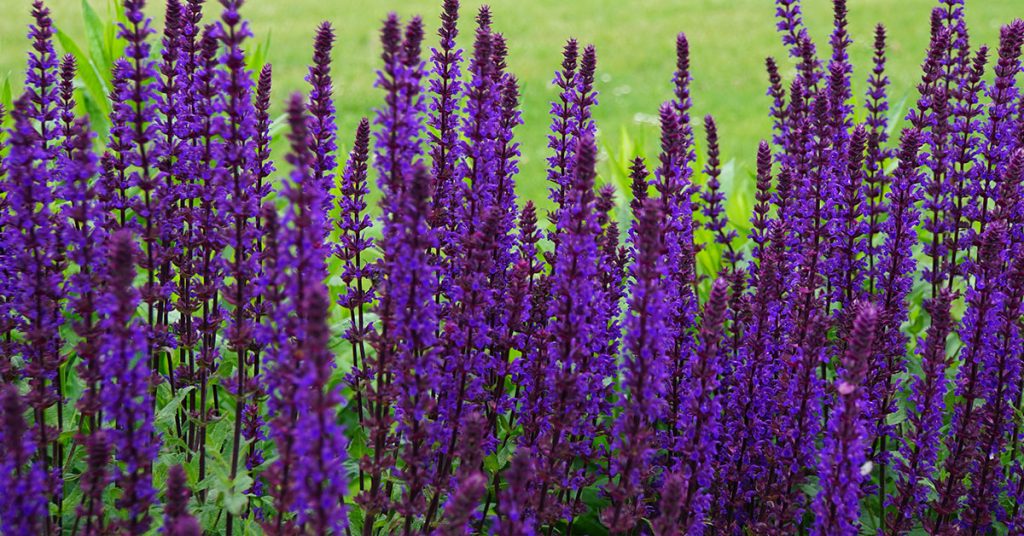
Salvia (Salvia splendens and other species), with vibrant spikes of red, purple, or pink flowers, brings vertical drama to zinnia gardens. Native to the Americas and Mediterranean regions, salvias share zinnias’ love of sun and well-drained soils. Their tubular blooms attract hummingbirds and long-tongued bees, who then flit down to drink from zinnia bracts, ensuring both species get buzz and flutter galore!
Because most salvias don’t self-seed aggressively, you can plant them liberally without fearing invasiveness. Their sturdy stems lend structure to mass plantings, and deadheading keeps blooms coming all summer. The combination of zinnia’s radiating petals and salvia’s upright candles creates a garden scene that’s as architecturally interesting as it is colorful.
Petunias
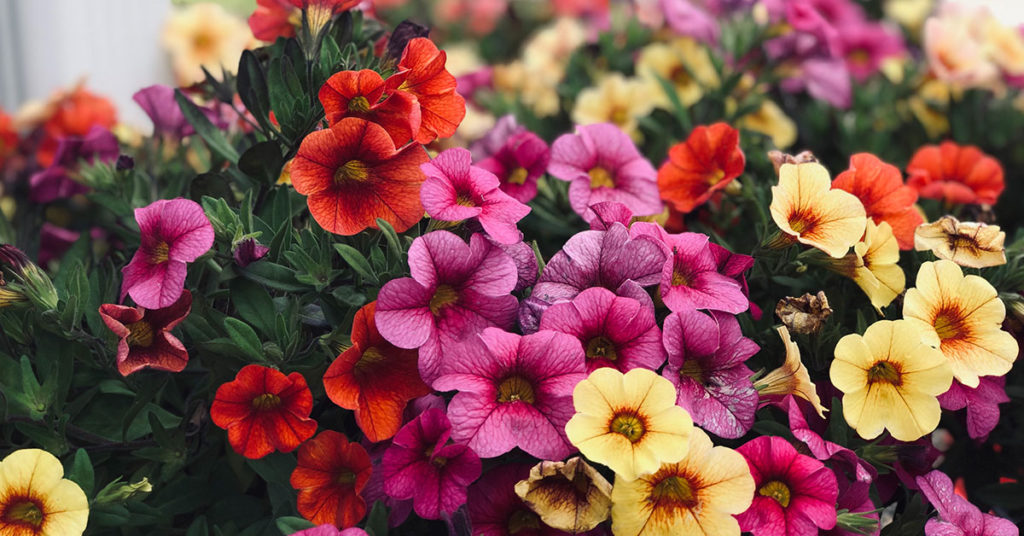
Petunias (Petunia × atkinsiana), native to South America, sprawl in fragrant waves around zinnia bases, softening the border and providing continuous color. I’ve had weeks of nonstop blooms by mixing deep-purple petunias with bright zinnias—when one fades, the other steps in to fill the spotlight. Petunias’ evening fragrance also invites nocturnal moths, adding a twilight buzz to your garden.
These popular annuals flourish in the same full-sun, well-drained conditions as zinnias and rarely naturalize outside cultivated beds. They suppress weeds by forming a dense groundcover, reducing competition for water and nutrients. Together, petunias and zinnias deliver a color-packed, pollinator-friendly feast for both eyes and wildlife!
Coreopsis
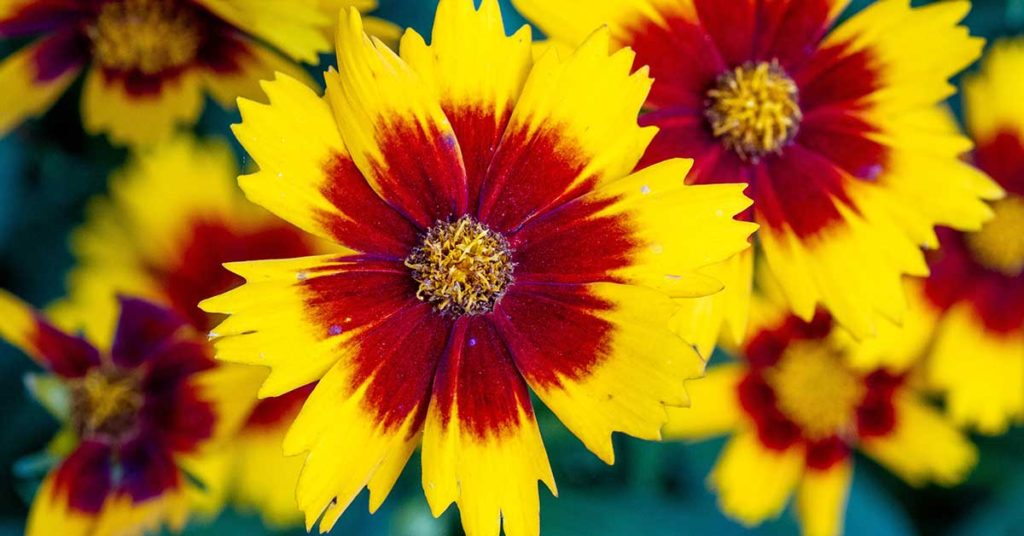
Coreopsis (Coreopsis grandiflora), native to North America, produces golden, daisy-like flowers that resonate with zinnias’ sunny disposition. Their fine, cut foliage creates a lacy backdrop for bold zinnia heads, and they bloom prolifically from early summer into fall. I love how native bees find both coreopsis and zinnias equally irresistible—one glance reveals petals dotted with pollen and the cheerful hum of activity!
Coreopsis grows in lean, well-drained soils and tolerates dry spells—just like zinnias—without a fuss. They self-seed moderately, allowing you to welcome new plants each year or pinch off seedheads to maintain neatness. The combination of coreopsis’ golden daisies and zinnias’ kaleidoscope of hues brightens any border with minimal effort.
Bee Balm

Bee balm (Monarda didyma), native to eastern North America, offers bold red, pink, or lavender flower clusters that attract hummingbirds and butterflies. Its aromatic foliage repels pests like cabbage moths and squash bugs, benefiting zinnias planted nearby. Interplanting bee balm among towering zinnia stalks creates a multi-layered display of color and fragrance that delights both gardeners and pollinators alike!
Because bee balm can spread via rhizomes, it’s wise to contain it in larger beds or divide every few years to prevent overexpansion. In return, you gain a long bloom season—often from mid-summer to early fall—and a lush habitat for bumblebees, honeybees, and hummingbird moths to nest and forage amongst your zinnia patch.
Yarrow
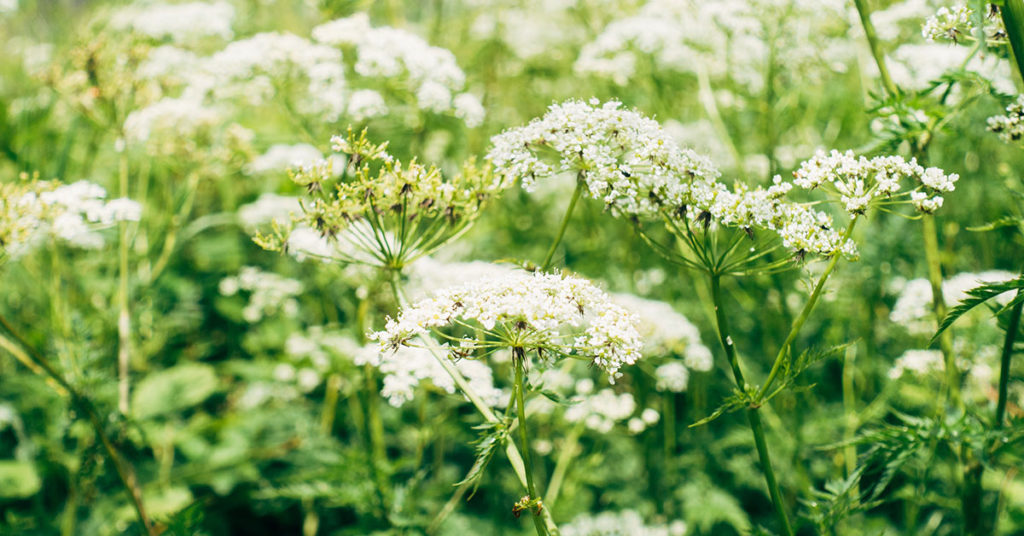
Yarrow (Achillea millefolium), native to temperate regions of Asia and Europe, features flat clusters of flowers in whites, pinks, and yellows that contrast beautifully with zinnias’ round forms. Its ferny, aromatic foliage tolerates dry, lean soils, just like zinnias, making it perfect for sun-baked borders. I often spot predatory wasps nesting under revitalized yarrow clumps, then venturing out to hunt aphids lurking on zinnia stems.
Yarrow can naturalize in some areas via aggressive rhizomes, so planting it in designated spots or containers helps keep it in check. The reward is a long bloom period—up to eight weeks or more—and an open flower habit that welcomes a broad spectrum of pollinators, from tiny solitary bees to ladybugs and lacewings.
Dill
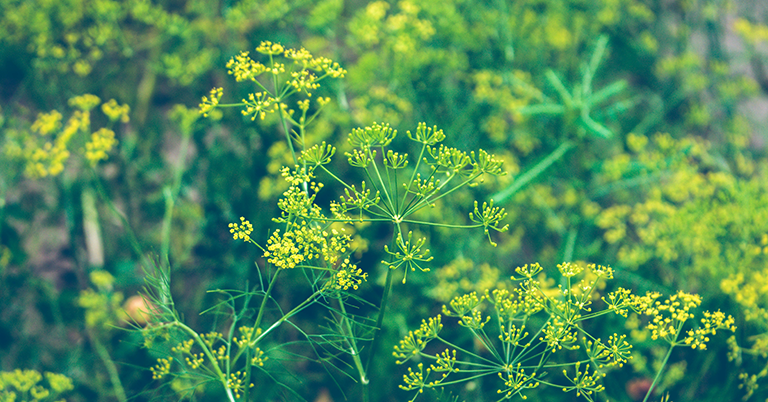
Dill (Anethum graveolens), native to Eurasia, and zinnias make a delightful duo in edible borders. Dill’s feathery foliage and yellow umbels blend nicely beside bold zinnia heads, and those umbrella-shaped flowers attract beneficial hoverflies and parasitic wasps. These insect allies then patrol your zinnias for aphids and caterpillars, offering a natural pest-control boost!
Dill can self-seed freely, but its volunteers are easy to spot and thin if you want to manage its spread. I let a few bloom to feed my lacewings—tiny green larvae—the next season, then scatter the rest of the dried seeds in my kitchen. This edible-ornamental pairing marries utility with beauty!
Ornamental Grasses
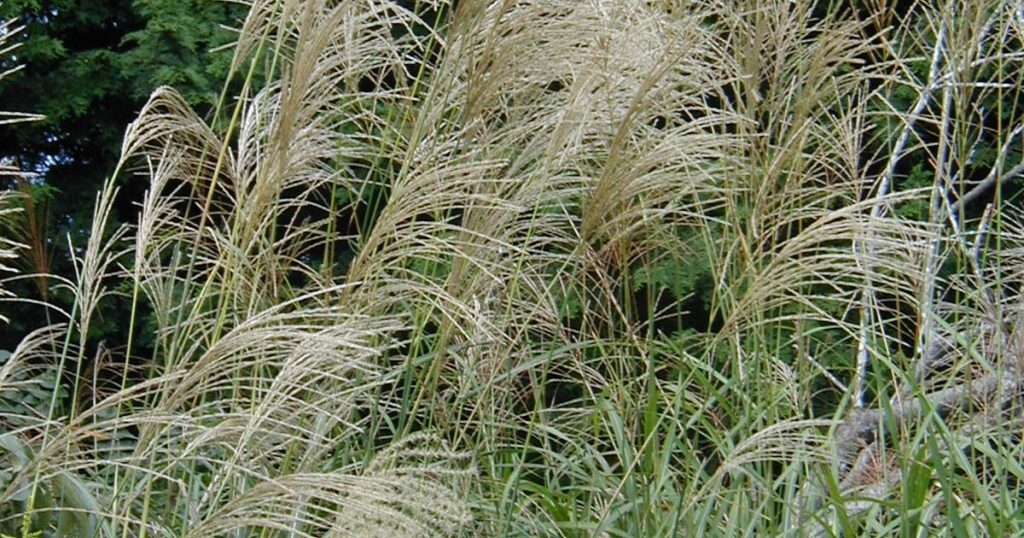
Ornamental grasses—like Pennisetum alopecuroides or Miscanthus sinensis—provide soft, swaying plumes that contrast elegantly with zinnias’ rigid stems and bright blooms. These grasses, native to Asia and Africa, thrive in full sun and well-drained soils, and their airy seedheads catch the breeze, creating kinetic energy in your zinnia beds. I often tuck tall grass clumps behind my zinnias, delighting in how the two textures play off each other on summer days!
Most ornamental grasses aren’t invasive when grown responsibly, though some varieties can spread via rhizomes. Containing them in rings or ornamental borders keeps them in check. Their seedheads also offer nesting material for small birds and attract seed-eating finches in late summer—another win for your wildlife-friendly garden!
Celosia

Celosia (Celosia cristata), native to tropical Africa, brings flamboyant, crested flower heads in fiery reds, oranges, and yellows that perfectly echo zinnias’ vibrant tones. Their unusual shapes—plumed or crested—add architectural intrigue and textural contrast. Pollinators like butterflies and bees visit celosia freely, then drift over to feast on zinnias, creating a constant hum of activity!
Celosia grows best in warm, sunny spots with good drainage, matching zinnias’ preferences exactly. These tender annuals rarely escape gardens except in very warm climates, so you can plant them liberally. Their striking forms and colors make them ideal focal points amid a sea of zinnias!
Lavender
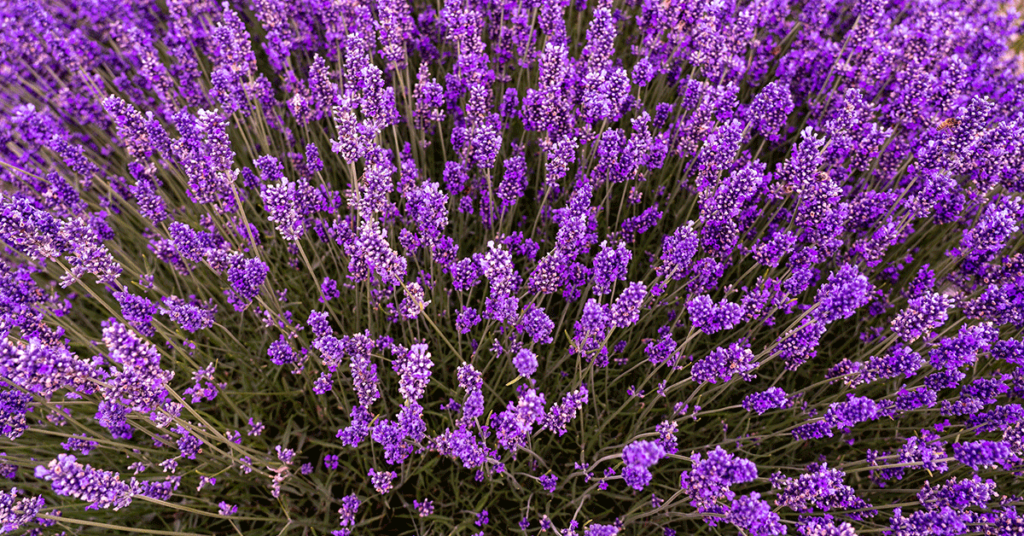
Lavender (Lavandula angustifolia), native to the Mediterranean, offers silvery foliage and spires of purple-blue flowers that contrast wonderfully with zinnias’ bold bracts. While lavender prefers slightly leaner soils, planting it at the edge of your zinnia patch ensures both plants get sun and good drainage. Bees flock to lavender blooms in early summer, then continue hunting through zinnias when lavender fades!
Lavender seldom naturalizes beyond its native range, making it a well-behaved garden citizen. Its fragrant oils also repel moths and certain beetles, creating a fragrant, pest-resistant border. I often harvest lavender for sachets, leaving behind clipped foliage that decomposes slowly, enriching the soil around my zinnias.
Nasturtiums

Nasturtiums (Tropaeolum majus), native to South America, scramble happily through zinnia beds with their trailing vines and bright, likenesses of small zinnia blooms in reds, oranges, and yellows. These edible flowers attract pollinators and serve as a sacrificial crop, drawing aphids away from your zinnias. I’ve even plucked a few nasturtium leaves for salads before turning back to admire my unharmed zinnia patch!
Nasturtiums thrive in the same sun-drenched, well-drained soils as zinnias and rarely become invasive. Their peppery leaves and flowers offer culinary flair, while their ability to trap pests ensures your zinnias shine at their very best!