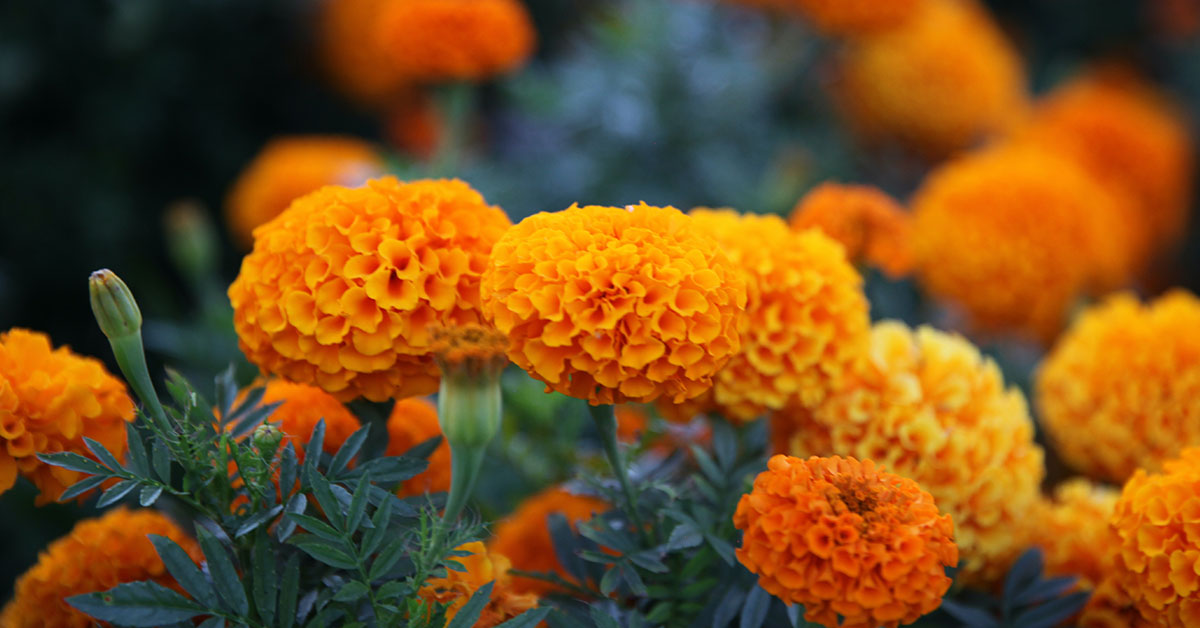

Marigolds are such cheerful companions for your entryway—those golden-orange pom-pom blooms practically sing “welcome!” each time you approach your front door. Yet, I know how tempting it can be to overlook these unassuming annuals in favor of flashier perennials. Over the years, I’ve discovered that marigolds (Tagetes spp.), native to the Americas and naturalized worldwide, are far more than pretty faces: they bring pest control, pollinator allure, and even cultural significance to your doorstep!
In this article, we’ll explore ten compelling reasons to stake a claim for marigolds by your front door. Each section offers two in-depth paragraphs—no skimping on the details—covering everything from soil prep and planting tips to how marigolds behave in your micro-ecosystem, including attracting nesting beneficial insects and the rare potential for volunteer seedlings in warm climates. I’ve mixed up the order so you stay curious, and I’ll sprinkle in personal gardener’s notes to keep things fun. Ready to make your entryway bloom with purpose? Let’s dive in!
Creating a Guard Against Nematodes

Marigolds are famous for suppressing harmful root-knot nematodes in garden beds. Their roots release compounds—like alpha-terthienyl—that deter nematodes from settling in the soil, reducing damage to neighboring plants. I’ve seen my squash and bean crops flourish after interplanting French marigolds nearby, with far fewer galls on their roots. Plant them in borders or containers near your foundation to extend this protective halo.
While marigolds aren’t invasive in most regions, in truly tropical climates volunteer seedlings can pop up from fallen seed heads. If you spot little marigold babies emerging where you don’t want them, simply snip them out or transplant them to a more strategic position. Otherwise, embrace this self-sowing habit as a free green manure patch that naturally detoxifies soil over time!
Attracting Pollinators and Beneficial Insects
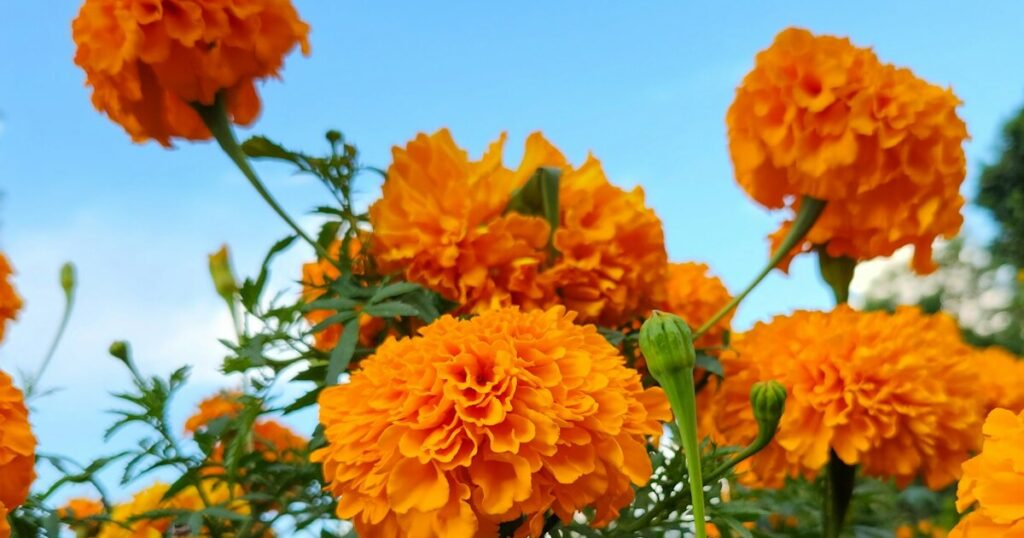
Those bright marigold blooms are irresistible to pollinators—honeybees, native solitary bees, and butterflies flock to the nectar-rich centers! I’ve planted marigolds by my front door specifically to invite these cheerful visitors, and within days I was watching elegant swallowtails and busy bumblebees exploring every blossom. Their presence boosts fruit set and yields in nearby garden plots and adds delightful movement to your entryway.
Beyond pollinators, marigolds also lure predatory insects—lacewings, ladybugs, and parasitic wasps—that patrol for aphids, whiteflies, and other sap-sucking pests. These beneficials often nest in the mulch beneath the flower heads. By providing both food and shelter, your marigold border becomes a living pest-control station, reducing the need for chemical interventions!
Brightening Curb Appeal Instantly

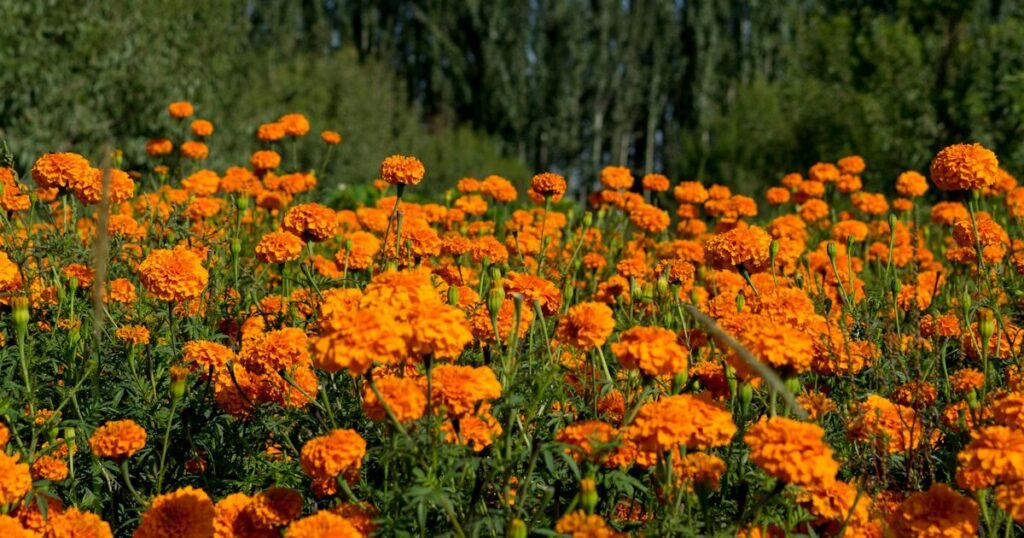
Nothing says “hello” quite like a swathe of golden and fiery red marigolds flanking your door. Their dense, low-growing habit and repeat-blooming nature ensure weeks of nonstop color. I love arriving home to the way these vibrant blooms frame my welcome mat—no landscape renovation required!
Plus, marigolds pair beautifully with other container plants and annuals—petunias, snapdragons, or ornamental grasses—to create lush, layered displays. Mix dwarf varieties like ‘Bonanza’ with taller ‘African’ types for dynamic height contrast. Your front door will look so inviting, visitors won’t be able to resist stopping for a closer look!
Deterring Unwanted Pests

That potent scent of marigold foliage doesn’t just charm beneficials—it also repels mosquitoes, squash bugs, and even some deer. I recall evenings on my porch when the nearby marigold pots made a noticeable difference in staving off mosquito buzz. Plant them in clusters at door corners to form fragrant barriers that keep biting insects at bay.
In regions where rabbits or small mammals nibble ornamentals, marigolds’ pungent oils can discourage grazing. While not foolproof against determined wildlife, they add one more line of defense alongside fencing or netting. Your front door becomes a more pleasant place to gather—without sharing snacks with critters!
Easy Care for Busy Gardeners
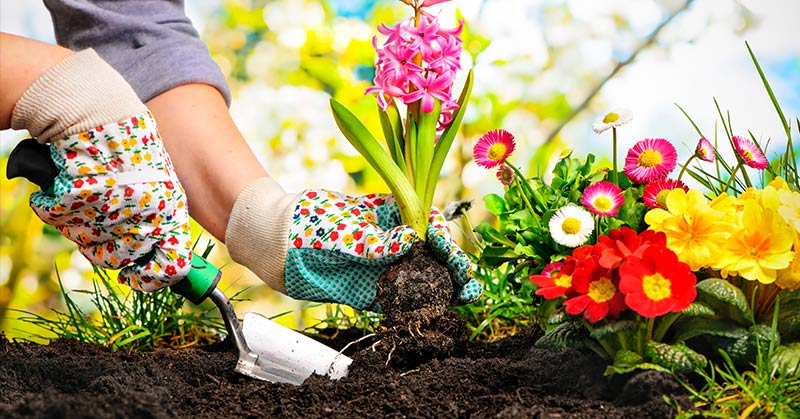
Marigolds thrive in average garden soil and full sun—no fuss required! I once neglected mine for weeks during a family vacation, yet they bounced back gloriously with just a few deep waterings. Deadhead spent blooms regularly to keep them pumping out fresh flowers all season long.
These sun-loving annuals resist common issues like powdery mildew if planted with good air circulation. Fertilize sparingly—a dose of balanced organic fertilizer at planting time is usually enough. Marigolds are perfect for gardeners craving big impact with minimal maintenance!
Enhancing Cultural and Medicinal Heritage

Marigolds have been woven into cultural rituals for centuries—their petals light up Day of the Dead altars in Mexico and feature in Hindu celebrations of Diwali. Growing them by your front door invites this rich tapestry of tradition onto your doorstep. I love gathering fresh marigold blooms to create garlands or offerings, linking my garden to global heritage.
Beyond symbolism, marigold petals contain lutein and other compounds with anti-inflammatory properties. While you wouldn’t self-diagnose using marigolds alone, adding petals to teas or salves—after proper research—speaks to their long-standing role in folk medicine. Your front door display doubles as a living apothecary reminder!
Natural Soil Improvement

When marigold plants finish blooming, you can simply cut them back and till the foliage into the soil. Their organic matter enriches garden beds, improving soil structure and feeding earthworms. Over time, this mulch layer mimics the leaf-litter environment of their Central American origins, fostering a vibrant soil ecosystem.
In areas prone to erosion around doorsteps—like sloped entry paths—mulching fallen marigold debris helps stabilize the ground. The added roots and organic content boost water infiltration, reducing runoff. Your marigold display not only beautifies but also sustains the very ground it stands on!
Versatile Varieties for Any Design
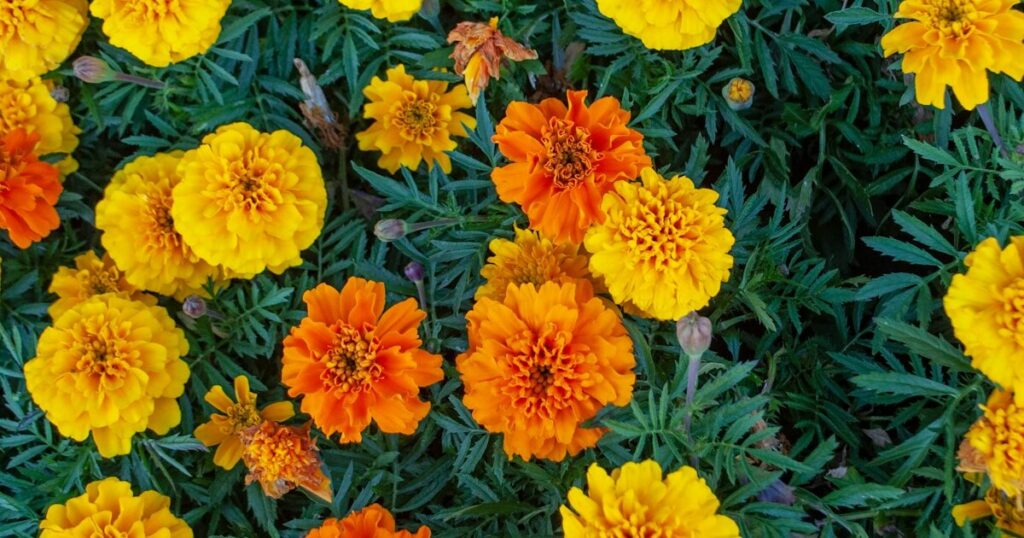
Marigolds come in a dazzling array of sizes and colors—from petite African marigolds just inches tall, to towering signet and French types boasting intricate petals. I’m often amazed at how a mix of ‘Inca Gold’ and ‘Safari Red’ can energize a neutral doorstep. Dwarf varieties work well in tight planters, while taller forms create a living screen alongside side lights.
Experiment with bi-colored cultivars like ‘Janie Deep Orange’ for added visual intrigue. Their long bloom season—from late spring until the first frost—ensures your front door always feels fresh. By choosing the right mix, you can customize your entryway scheme year after year!
Allergy-Friendly Fragrance
Unlike heavy floral scents that can trigger allergies, marigolds offer a light, citrusy aroma that most people find pleasant. I’ve had neighbors comment on how the subtle, clean scent around my door is more inviting than overpowering blooms elsewhere. This makes marigolds ideal for shared walls or apartment balconies where fragrance sensitivity is a concern.
The scent also masks less-pleasant odors from rain-splashed sidewalks or damp entrance mats. Planting a row of marigolds near the doorstep creates a small aromatherapy zone that lifts your mood every time you step outside. It’s garden design that engages both sight and scent!
Fast Germination and Quick Rewards

If you’re short on time, marigold seeds sprout in as little as four to seven days under warm conditions. I’ve started seeds indoors on a whim and by the time my spring bulbs are spent, lush marigold seedlings are ready for transplant. Their rapid growth means you’ll see full, flowering plants in just eight to ten weeks.
This speedy timeline is perfect for late-season gardeners or those testing new varieties without a long wait. Plant a few rounds of succession sowings to guarantee a continuous bloom display through midsummer into fall. With marigolds by your front door, you’ll enjoy nearly instant gratification and sustained beauty all season long!