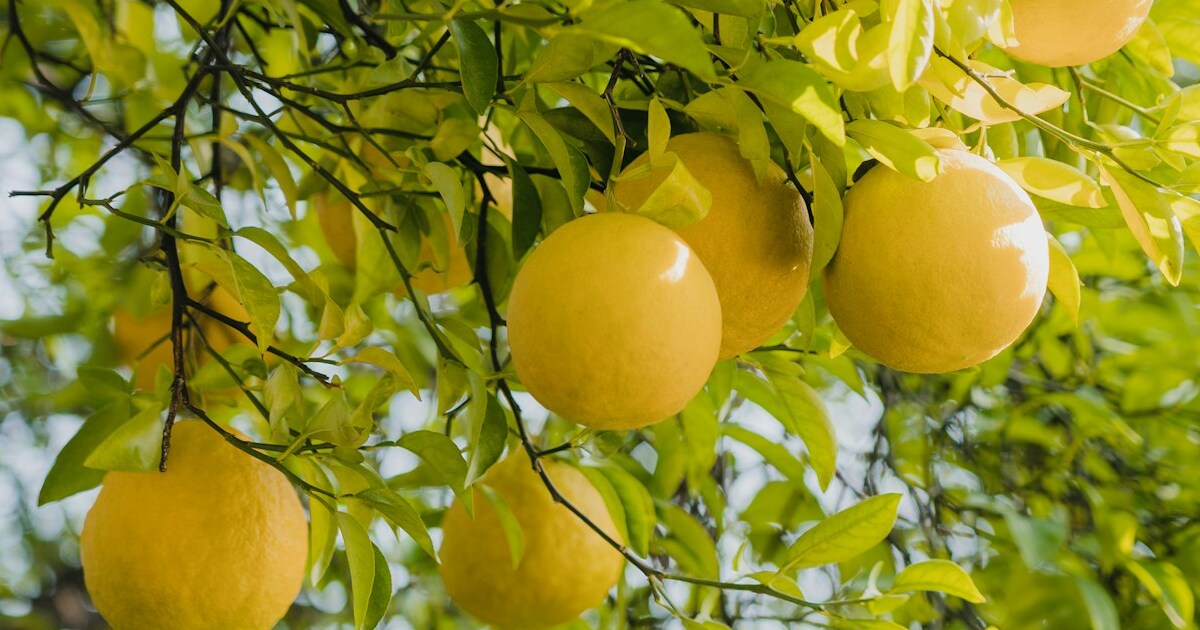

Grapefruits are such showstoppers in the citrus family—their bright, tangy flavor and impressive size feel like a gourmet treat straight from your own backyard! Yet, I know how deflating it is to watch blossoms set tiny fruit that never seem to swell, or to find half your crop dropped before ripening. Over the years, I’ve learned that coaxing those globes of citrus sunshine requires more than just sunshine and water; it’s about matching the right variety to your climate, feeding and watering strategically, and defending against pests and weather extremes. Let’s dive into ten essential tips—each in two full paragraphs—so you can look forward to harvesting perfectly plump, juicy grapefruits this season.
In this article, you’ll find guidance on everything from soil preparation to pollinator encouragement, pruned branch structure to frost protection—all randomized to keep you on your toes! We’ll touch on grapefruits’ tropical origins in 18th-century Barbados (likely a hybrid of pomelo and sweet orange), note their low invasive potential in most home gardens, and explore how to welcome nesting birds and beneficial insects into your grove. Buckle up, fellow citrus lover—your grapefruit journey is about to get a serious upgrade!
Protect from Temperature Extremes

Grapefruit trees thrive in subtropical climates where temperatures stay between 60°F and 85°F. I learned the hard way how spring frosts can blast tender blossoms—one unexpected April cold snap wiped out my entire bloom! Wrapping young trees in frost cloth when lows dip near freezing, or moving container specimens indoors, will safeguard those delicate flowers and young fruit.
Conversely, scorching heat above 95°F can stress foliage and cause fruit drop. Setting up temporary shade cloth during heatwaves or installing a fine misting system can cool leaves and developing grapefruits. By shielding your trees from temperature extremes—just as they’d experience in their native Barbados—you’ll protect both blooms and fruit, ensuring those globes swell to their full, juicy potential!
Encourage Pollinators and Beneficial Insects
Although grapefruit trees often set fruit parthenocarpically (without pollination), bee visits can improve fruit set and size! I love watching bumblebees and honeybees amble among the fragrant blossoms, dusting pollen on receptive stigmas. Planting pollinator-friendly companions—such as lavender, borage, or native wildflowers—around your citrus grove provides nectar and nesting habitat for these vital insects.
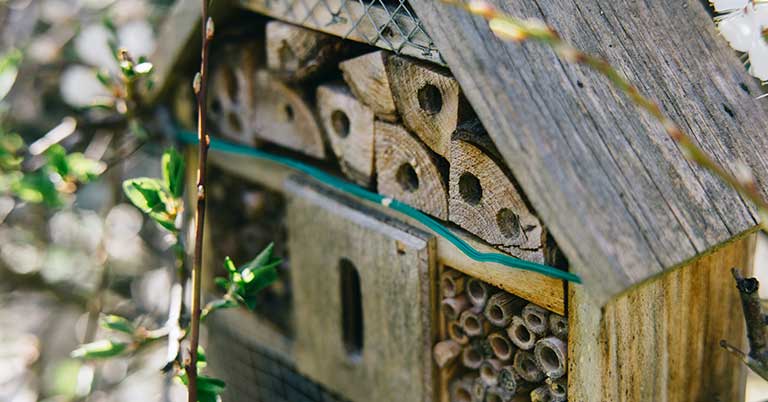
Beneficial predatory insects—lacewings, ladybugs, and parasitic wasps—also play a starring role by controlling aphids, scale, and mites that plague citrus. Offering small insect hotels or leaving patches of undisturbed ground invites these natural pest managers to take up residence. By fostering a diverse insect community, you’ll boost both fruit set and tree health, leading to larger, more robust grapefruits without heavy spraying!
Prune for Structure and Fruit Size
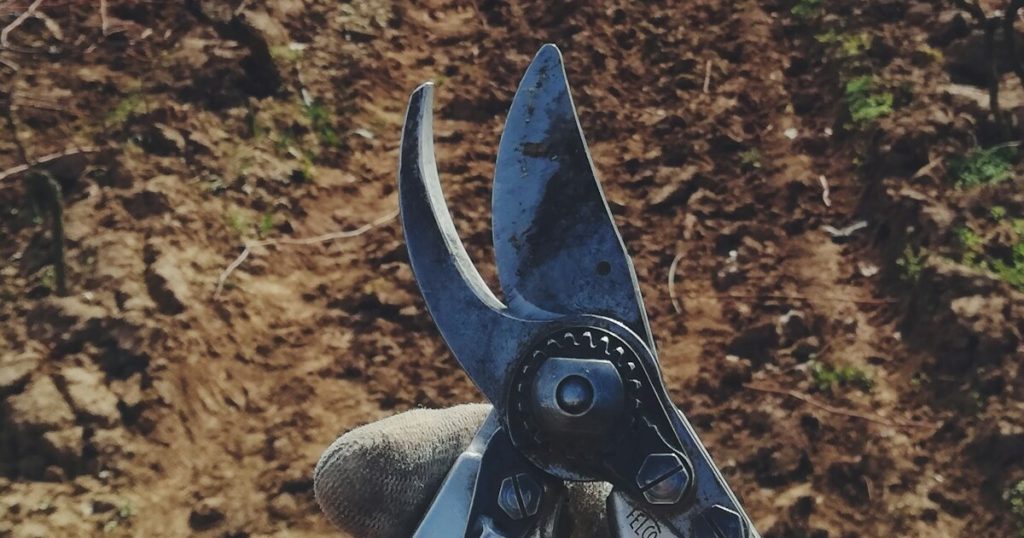
It can be tempting to let your grapefruit tree grow unchecked, but skipping annual pruning often results in a dense canopy where light and air can’t penetrate. I once inherited a thicket that produced only golf-ball–sized fruit until I thinned it out! Prune in late winter—remove dead or crossing branches, open up the center, and shorten vigorous shoots to direct energy into fruit-bearing wood.
Pruning also offers a chance to spot nesting birds—warblers and orioles often favor citrus canopies for raising young—so you can protect those sites while shaping your tree. A well-structured framework strengthens limbs to support heavy fruit loads and ensures every grapefruit basks in full sun, yielding those generously sized, sweetness-packed spheres we all crave!
Choose the Right Variety for Your Region
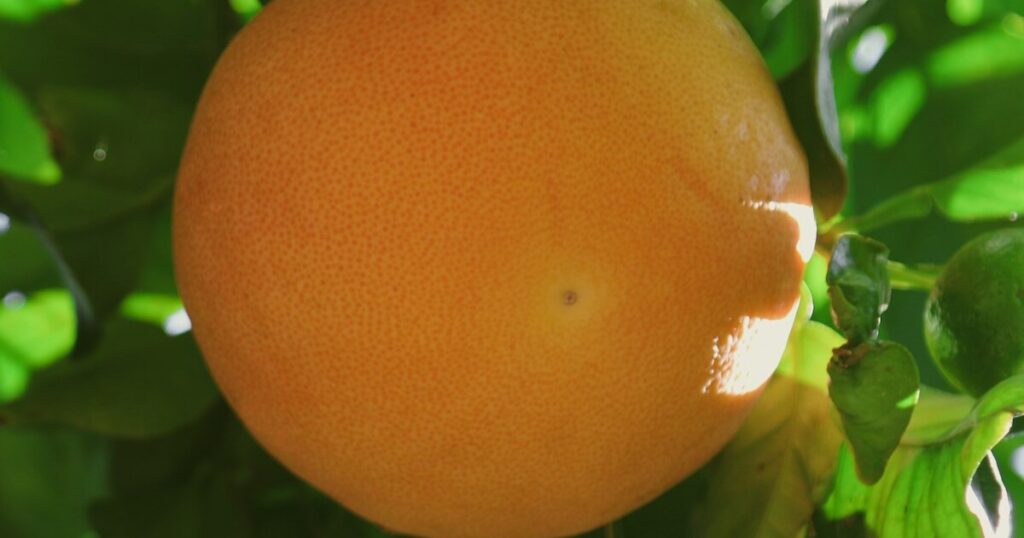
Not all grapefruits suit every climate. The classic ‘Marsh’ and ‘Ruby Red’ types thrive in zones 9–11, where winters stay mild. In cooler areas, container-grown dwarf varieties—like ‘Cocktail’ or ‘Oro Blanco’—offer a better chance of success, allowing you to move plants under cover when frost threatens. Matching variety to your zone prevents the heartache of bloom loss or poor fruit set due to inappropriate chill hours.
In tropical regions, grapefruits rarely naturalize and pose little invasive risk; in fact, you’re more likely to battle fruit flies than runaway seedlings! But in any area, choosing a cultivar with known disease resistance—particularly to citrus greening (HLB)—and suited to your local rainfall patterns sets you on the path to consistently big, flavorful grapefruits rather than bumper crops of small, sour fruit.
Monitor for Pests and Diseases
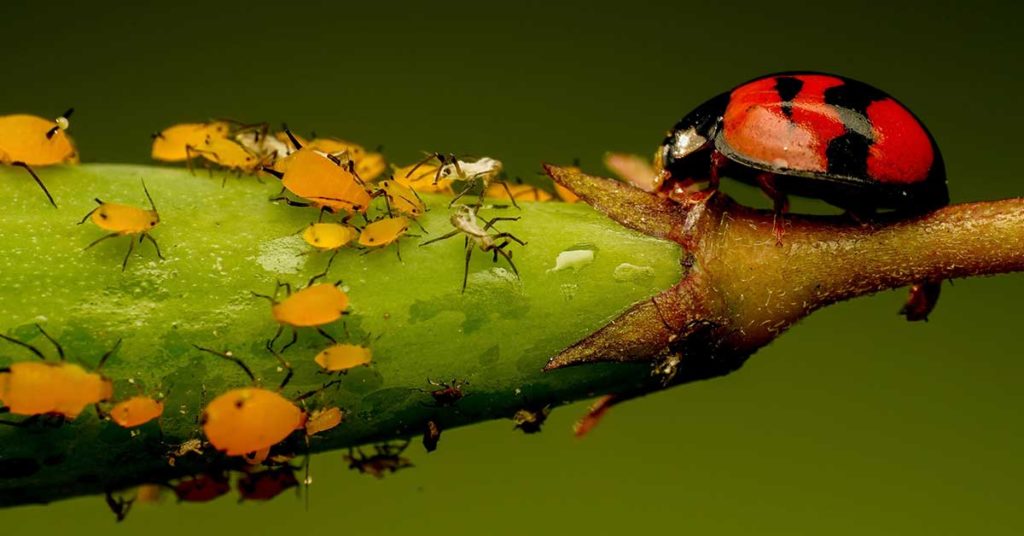
It’s such a bummer when sticky honeydew from aphids or sooty mold covers your glossy leaves—and any microscopic citrus greening pathogen can devastate yields. Weekly scouting—especially under leaves and along young shoots—allows you to spot scale, mites, or leaf miners early. Organic treatments like neem oil, horticultural oils, or insecticidal soap suppress pests without wiping out beneficial insects.
Because grapefruit trees lack natural defenses against some tropical pests, companion-planting aromatic herbs (like mint or basil) around the trunk can deter attackers. Fallen fruit and leaf litter can harbor disease spores and insect eggs, so keeping the ground clean reduces breeding sites. Vigilant pest and disease management protects both fruit quality and the wider garden ecosystem!
Amend and Test Soil Thoroughly

Healthy grapefruits start with well-drained, loamy soil at a pH of 6.0–7.0. Before planting, conduct a soil test to check nutrient levels and acidity—adding elemental sulfur to lower pH or lime to raise it as needed. I always mix in generous amounts of aged compost and well-rotted manure to mimic the rich, humus-laden soils of Barbados, where these trees first flourished.
Good drainage is vital—grafted citrus rootstocks hate “wet feet.” In clay soils, create raised beds or amend with coarse sand and organic matter to keep roots happy. A thriving soil community of earthworms, beneficial fungi, and bacteria unlocks nutrients naturally, helping your grapefruit tree develop a robust root system that supports those extra-large fruits!
Water Deeply and Consistently
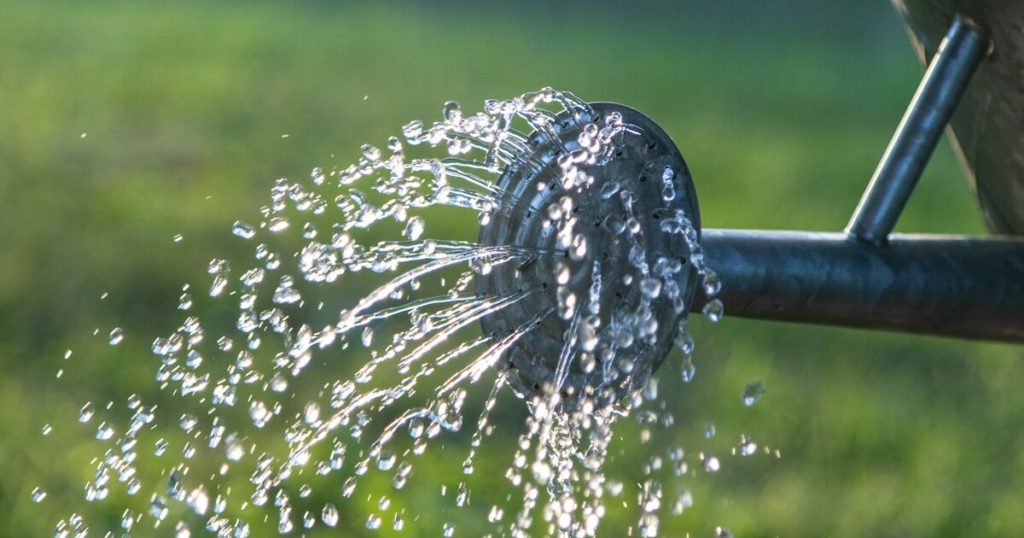
Grapefruit trees appreciate consistent moisture but resist sitting in waterlogged soils. Shallow, frequent watering leads to surface roots and drought stress, causing small, dry-textured fruit. Instead, aim for deep soaks—penetrating at least 12 inches—once or twice a week in dry spells, then allow the topsoil to dry slightly between waterings.
Mulching (see next tip) helps retain moisture, but always check soil before irrigating—overwatering invites root rot, while underwatering triggers fruit drop. In their tropical origin, grapefruit trees endured intermittent rain followed by drier periods; by mimicking this pattern, you’ll encourage deep rooting and optimal fruit swell, delivering those big, juicy grapefruits you’re aiming for!
Fertilize with Balanced Nutrients
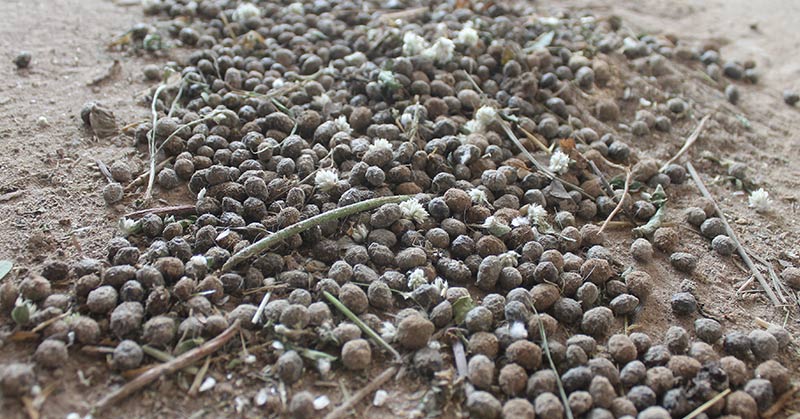
Grapefruit trees are heavy feeders requiring regular doses of nitrogen to fuel vigorous foliage, phosphorus for bloom initiation, and potassium for fruit development. I apply a citrus-specific, slow-release fertilizer every eight weeks from early spring through midsummer, making sure it includes micronutrients like magnesium, manganese, and zinc to ward off nutrient deficiencies.
Organic boosts—such as fish emulsion or seaweed extract—deliver a quick foliar feed and support beneficial soil life. These amendments mirror the tree’s native forest-floor conditions, where decaying matter gradually liberates nutrients. By combining granular feeding with foliar sprays, you maintain a steady nutrient supply that translates directly into larger, more flavorful grapefruits!
Mulch to Conserve Moisture and Suppress Weeds
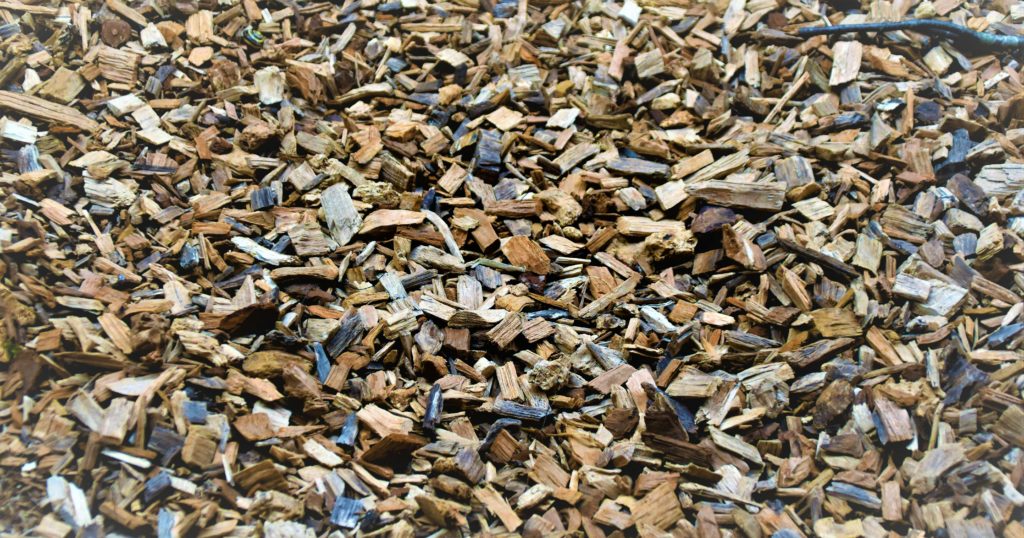
A generous layer of organic mulch—wood chips, straw, or shredded leaves—around the grapefruit’s drip line conserves water, regulates soil temperature, and stifles weed competition. I always leave a couple of inches of clearance at the trunk base to prevent collar rot, then extend the mulch outward to cover the root zone for maximum effectiveness.
As mulch breaks down, it enriches the soil and fosters earthworm activity—those wriggling allies further improve drainage and nutrient cycling. Ground-nesting bees often burrow beneath mulch, finding perfect conditions to nest and pollinate blossoms. A well-mulched grove supports both your tree’s moisture needs and a vibrant ecosystem, paving the way for those show-stopping, juicy grapefruits!
Maximize Sun Exposure

Grapefruit trees demand at least eight hours of direct sun each day to produce the largest, sweetest fruit. Planting in partial shade often leads to sparse blooms and undersized grapefruits that never quite hit their potential. I once had a tree languish under a large oak; relocating it to an open, south-facing bed transformed its bloom count and fruit size dramatically!
Good airflow reduces humidity around leaves, deterring fungal diseases like greasy spot. Even though grapefruits aren’t prone to invasiveness, in a prime sunny spot they can naturalize if dropped seeds sprout. For most home gardeners, choosing a bright, breezy location ensures maximum photosynthesis and consistent, robust fruit development—your ticket to big, juicy grapefruits all season long!