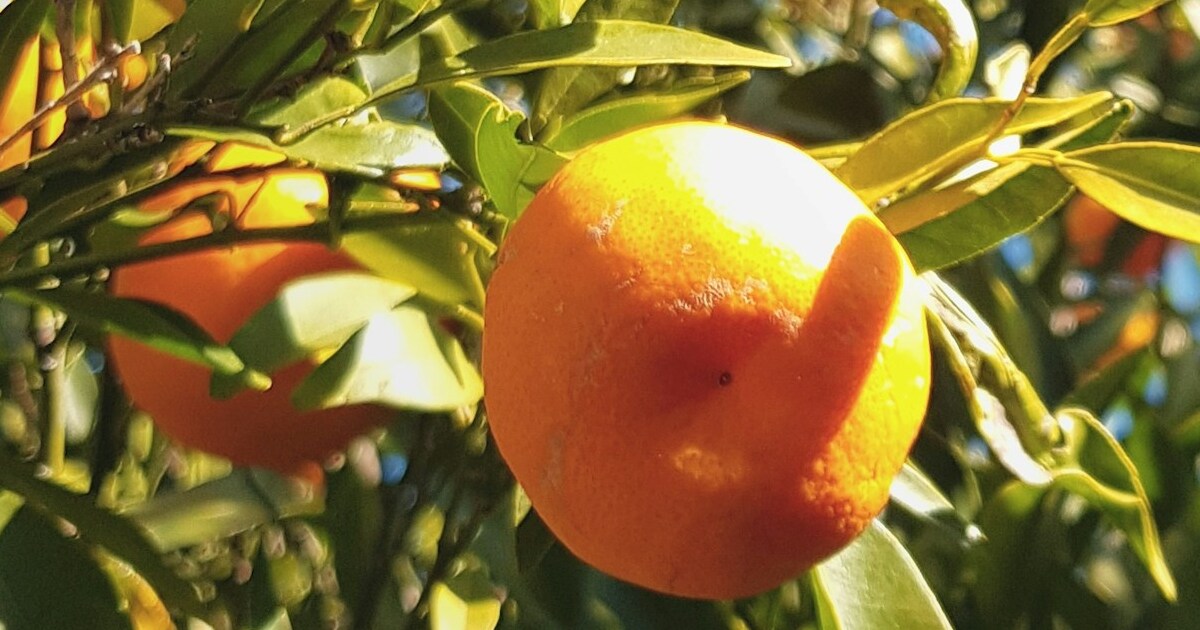

Orange trees are such a joy to cultivate—their glossy green leaves, fragrant white blossoms, and vibrant fruit bring a slice of sunshine to any garden! Yet I know how heartbreaking it can be when those promising buds never swell into juicy oranges or when pests turn your orchard into their personal buffet. Over the years, I’ve seen countless gardeners stumble over the same pitfalls: planting in the wrong spot, mismanaging water, or overlooking key care steps. Trust me, once you sidestep these mistakes, your citrus dreams will start to bear fruit in more ways than one!
In this article, we’ll dive into eleven common blunders that can derail your orange-growing success. Each section offers two in-depth paragraphs—no skimping on the details—covering everything from soil preparation to harvest timing. I’ve mixed up the order so you stay on your toes, and I’ll weave in notes about oranges’ origins in Southeast Asia, their potential to naturalize in tropical climates, and how to welcome nesting birds and pollinating bees into your grove. Let’s peel back these errors and set your orange trees on the path to bountiful harvests!
Ignoring Pests and Diseases
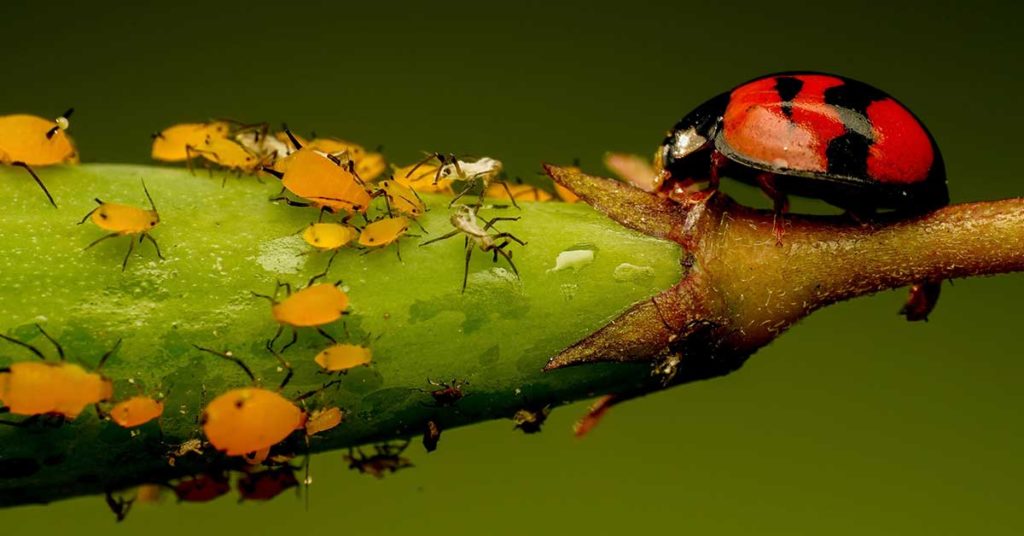
It’s such a bummer when you spot sticky honeydew or distorted leaves on your once-vibrant orange tree! Citrus pests like aphids, scale insects, and citrus leaf miners can sap your tree’s vigor, while diseases such as greening (HLB) and root rot can decimate yields. Regular scouting—inspecting new shoots, leaf undersides, and the trunk—lets you catch trouble before it spreads. Organic sprays like neem oil or insecticidal soap can control early infestations without disrupting beneficial insects.
Because sweet oranges (Citrus sinensis) hail from regions of Southeast Asia—including southern China and northeastern India—they lack natural defenses against some subtropical pathogens. In warm, humid climates they can sometimes naturalize, but more often they simply suffer under fungal pressures. Encouraging a balanced ecosystem—planting companion flowers to attract predatory wasps and lacewings—helps maintain harmony between pests and their foes, protecting both fruit size and tree health.
Harvesting at the Wrong Time
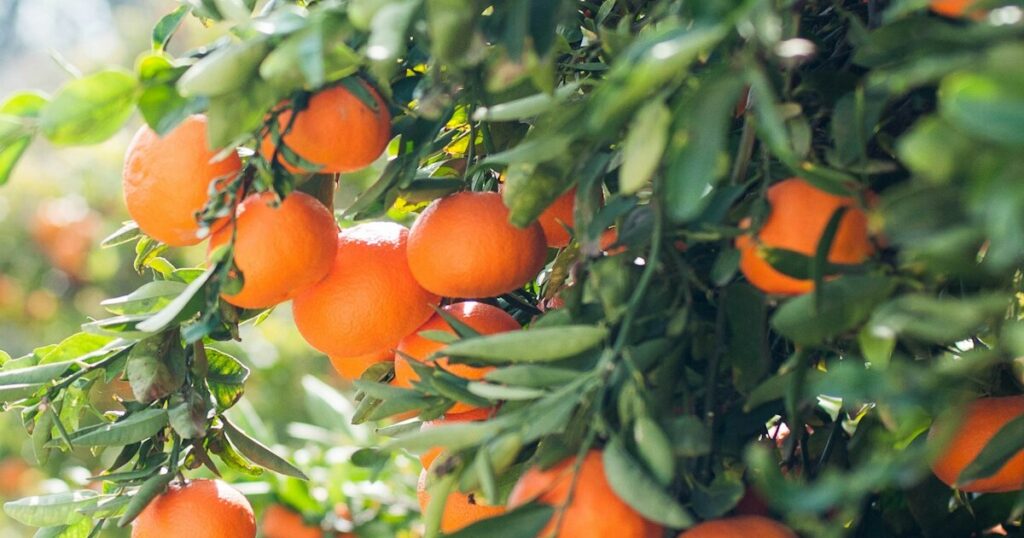
Nothing’s more disappointing than plucking pale, underripe oranges—or worse, letting them overripen on the branch and lose that perfect balance of sweet and tart! Unlike fruits that ripen fully off the tree, oranges need hang time to develop sugars. I once harvested early in my impatience, only to taste a sour disappointment. Generally, wait until your oranges reach their characteristic color and test a sample for sweetness before picking the rest.
On the flip side, leaving fruit on too long invites wildlife raids—birds, squirrels, and even raccoons love succulent citrus! Excessive hang time can also lead to fruit drop, where citrus trees shed mature fruit under stress. By timing your harvest correctly, you ensure large, flavorful oranges and minimize losses to feathered and furry foragers.
Planting in Inadequate Soil

Orange trees thrive in well-draining, loamy soils with a pH between 6.0 and 7.0; planting in heavy clay or waterlogged ground is a recipe for root rot! I’ve learned the hard way that sopping soils suffocate roots, leading to yellowing leaves and stunted fruit. Before planting, test your soil and amend with compost, coarse sand, or perlite to improve texture and drainage.
Healthy soil also supports the tree’s microbial community—earthworms, beneficial fungi, and bacteria that boost nutrient uptake. In their native Asian foothills, oranges grew in humus-rich forest soils that recycle organic matter naturally. By replicating this environment—mixing in aged compost or well-rotted manure—you’ll foster a living soil that sustains vigorous root growth and yields big, plump fruit.
Skipping Pruning and Canopy Management
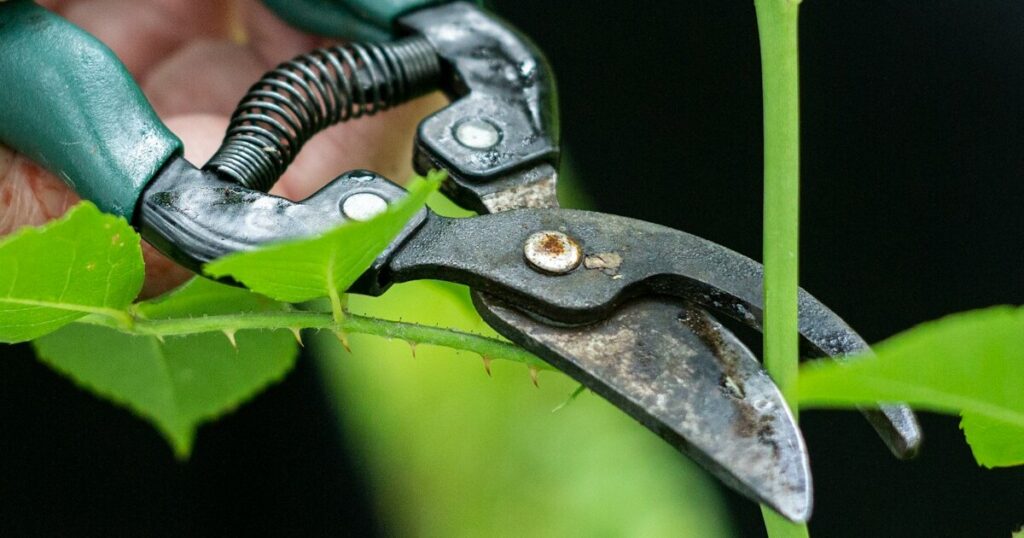
A tangled, overgrown canopy may look lush, but it hampers light penetration and air circulation, upping the risk of fungal disease and uneven fruit development. I once inherited an unpruned orange that yielded scant, undersized fruit. Annual pruning—removing dead or crossing branches and opening the center—encourages strong scaffold limbs and exposes more blossoms to pollinators’ visits.
Proper pruning also reduces “sucker” growth from the rootstock, which can sap energy from your desired variety. Because oranges aren’t typically invasive, you can prune freely without fear of runaway spread. Shape your tree into a balanced form, then step back and admire how much healthier and more productive it looks—and how much easier it is to harvest!
Selecting the Wrong Variety for Your Climate
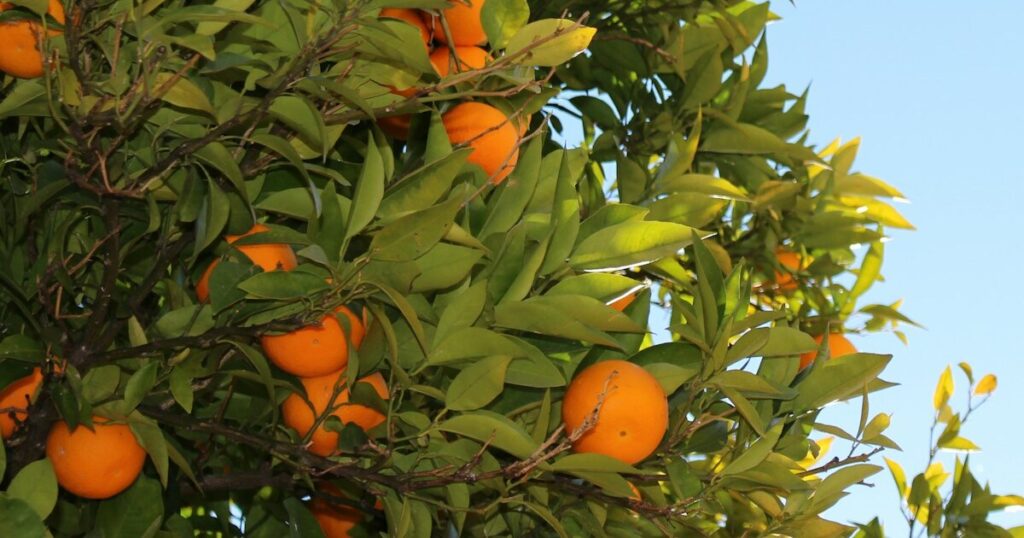
Not every orange cultivar suits every region. Sweet oranges trace back to Southeast Asia’s humid tropics, so varieties like ‘Valencia’ and ‘Washington Navel’ prefer warm, frost-free zones. In cooler areas, cold-hardy selections or container-grown dwarf types offer better success. I’ve seen gardeners in mild climates choose classic navels only to face blossom drop during early spring chills.
In truly tropical locales, some sweet oranges can naturalize if dropped seeds germinate, albeit rarely. Even so, matching cultivar choice to local chill hours and humidity levels is key. By researching your region’s microclimate and selecting accordingly, you’ll avoid the heartbreak of zero fruit set or frost-damaged blooms and enjoy a steady supply of large, juicy oranges.
Overwatering or Underwatering
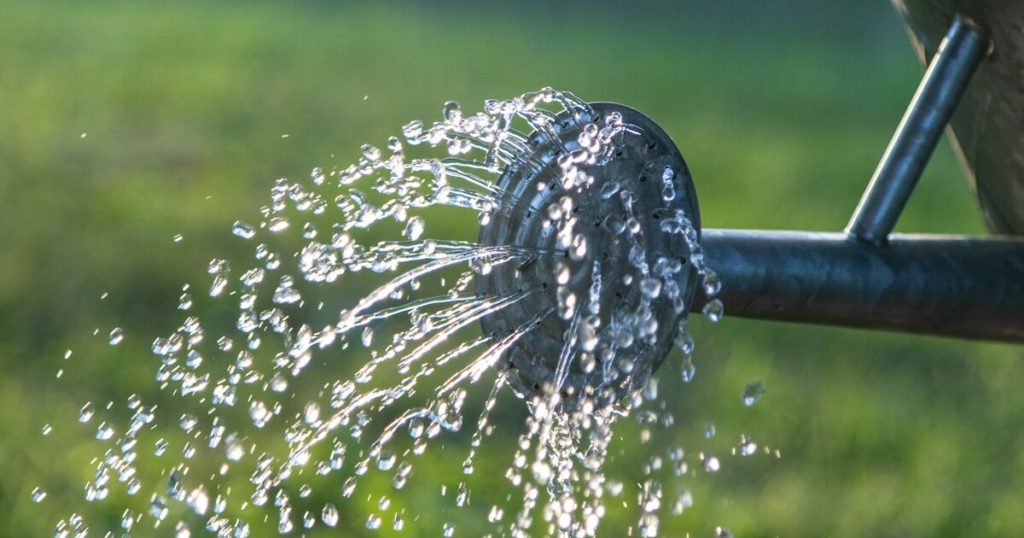
Water stress shows up quickly in citrus: too little, and leaves wilt and fruit remain small; too much, and roots suffocate, leading to yellowing foliage and root rot. One season, I watered daily in high heat and ended up with soggy soil that killed half my young orchard! Instead, deep, infrequent watering—soaking the root zone to 12–18 inches—encourages roots to dive deep and buffer against dry spells.
Implement mulch around the drip line to retain moisture, but leave a clearance around the trunk to prevent collar rot. In their native forests, oranges experienced seasonal rains followed by drying periods. Mimicking that pattern—adjusting irrigation for rainfall and temperature—promotes optimal fruit swell and prevents the cracking that occurs when water fluctuates erratically.
Not Encouraging Pollinators and Beneficial Insects
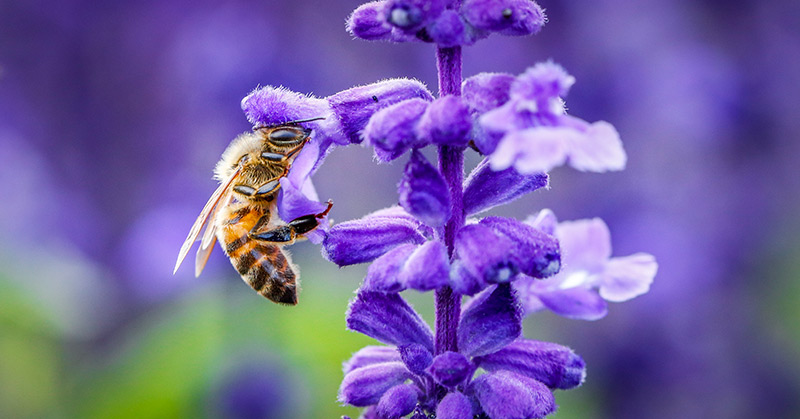
It’s surprising how many gardeners expect oranges to fruit well without pollinator support! While most sweet oranges set parthenocarpically, bee visits improve fruit set and size. I adore watching honeybees and native solitary bees dart among blossoms, their bodies dusted with pollen. Planting pollinator-friendly companions—lavender, borage, or wildflowers—around your orchard ensures hungry pollinators stick around.
Beneficial insects like ladybugs and lacewings prey on aphids and mites that plague citrus. By providing undisturbed ground for ground-nesting bees and installing insect hotels, you create a thriving mini-ecosystem. Less chemical spraying means more pollinators and predators, leading to bigger, healthier oranges—and a garden alive with buzzing activity!
Ignoring Sun Requirements

Orange trees need at least six to eight hours of direct sun daily to produce large, sweet fruit. Planting in partial shade often results in sparse blossoms and undersized oranges. I once tucked a tree beside a shady fence, only to watch its canopy thin and fruit wither. Relocating it to a sunny spot against a south-facing wall transformed its growth within months!
Sunlight also deters fungal issues—good airflow and bright light keep leaves dry and discourage pathogens. While oranges aren’t typically invasive, in full sun and warmth they can naturalize along fence lines in subtropical zones. For home gardeners, choosing the sunniest site ensures maximum photosynthesis, leading straight to plump, flavorful harvests!
Failing to Protect from Cold or Heat Extremes
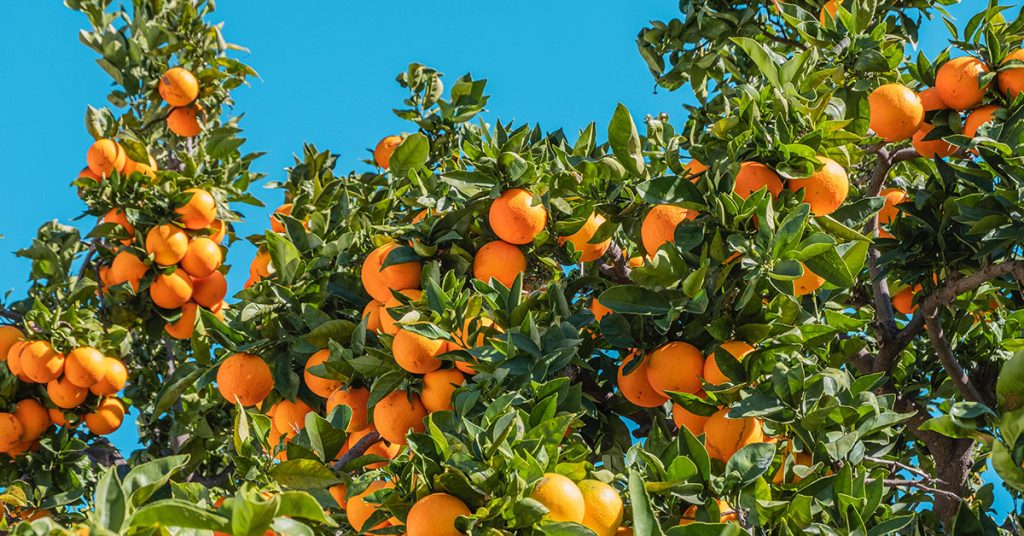
Oranges evolved in Southeast Asia’s subtropical climates, so sudden frosts or heatwaves can stun blossoms and scorch fruit. I’ve lost entire crops to unexpected freezes dipping below 28°F. Wrapping young trees in frost cloth, applying thick mulch, or using portable greenhouse covers during cold snaps preserves buds and branches.
Conversely, extreme heat above 100°F can sunburn fruit and stress foliage. Erecting temporary shade cloths during heatwaves or misting the canopy midday helps regulate temperature. By tuning into local extremes and offering timely protection, you safeguard both fruit set and quality, ensuring your oranges grow big and blemish-free!
Neglecting Proper Fertilization

Oranges are hungry trees, demanding regular feeding to produce oversized fruit. A common mistake is relying solely on synthetic N-P-K blends without micronutrients—leading to lush leaves but poor fruiting. I learned that a citrus-specific fertilizer, rich in nitrogen plus magnesium, iron, and zinc, applied three times per year, yields the best results.
Organic supplements—like composted manure or fish emulsion—support the living soil that citrus roots adore. These amendments release nutrients slowly, mimicking the leaf-litter layer of their native forests. By balancing soil fertility and avoiding nutrient spikes, you encourage steady fruit growth and avoid the hollow, pithy oranges that come from overfertilization.