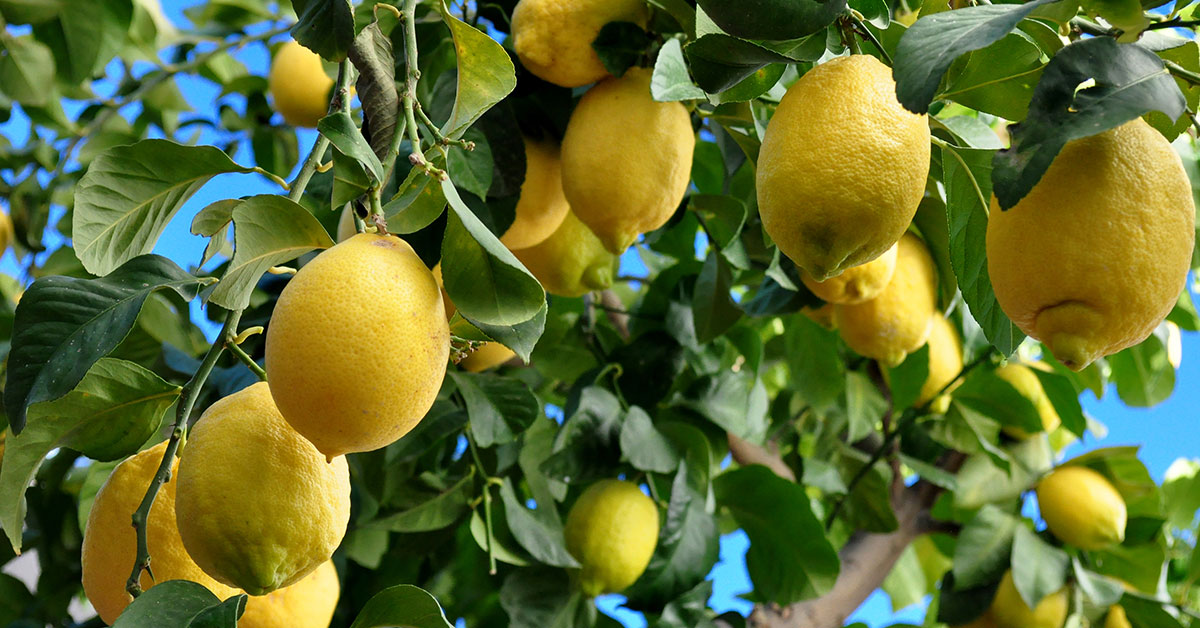

Lemons bring instant sunshine to the garden with their glossy leaves and bright fruit, and nothing beats slicing open a homegrown lemon for fresh juice or zest! Yet, I know how frustrating it can be when your lemons stay small or drop prematurely. Over the years, I’ve watched fellow gardeners wonder if their trees will ever fulfill their citrus dreams—yellowing leaves, sparse blooms, or tiny, underwhelming fruit. That’s why I’m so excited to share these twelve tips, packed with my best lessons from seasons of trial and triumph.
In this article, you’ll get two in-depth paragraphs for each tip—no skimping on the details—covering everything from soil prep to pest control, pollinator encouragement, and strategic pruning. I’ve mixed up the order so you stay curious and engaged! Along the way, we’ll touch on lemons’ native origins in the Assam region of India and Myanmar, note any invasive tendencies in warm climates, and even talk about inviting nesting bees and beneficial insects into your orchard. Let’s dive in and give your lemon tree the stellar care it deserves!
Fertilize with Balanced Nutrients
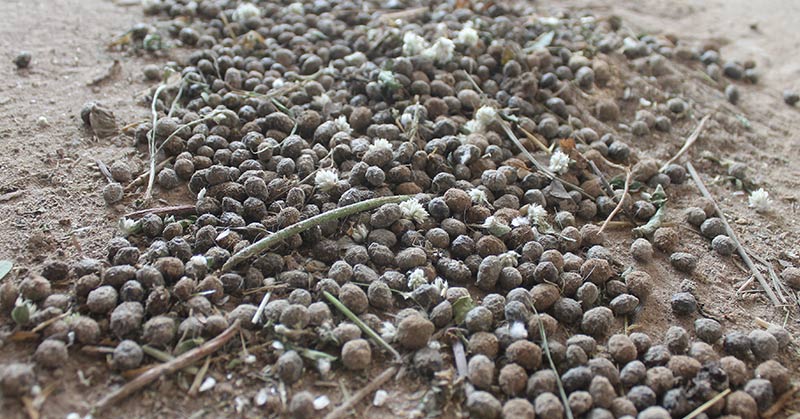
Lemon trees are heavy feeders, craving a steady supply of nitrogen, phosphorus, and potassium to fuel lush growth and large fruit. I’ve learned that applying a slow-release citrus fertilizer every six weeks from spring through summer creates the right rhythm—too little, and your tree struggles; too much, and you’ll get gangly growth with few lemons! A balanced formula (e.g., 6-6-6) supplemented with micronutrients like magnesium and iron helps prevent chlorosis and encourages those beautiful, plump lemons you’re after.
Organic amendments—such as composted manure, fish emulsion, or seaweed extract—mimic the nutrient cycles of the tree’s native forests in Assam, where decaying leaf litter enriches the soil gradually. This living approach feeds beneficial microbes that boost nutrient uptake and improve soil structure. By embracing both granular and foliar feeds, you’ll maintain vigorous growth and support your tree through its most demanding summer fruiting season!
Provide Full Sun Exposure

Lemons shine brightest under at least eight hours of direct sunlight daily—less than that, and you’ll notice sparse blooms and small fruit. I once planted a Meyer lemon in a partially shaded corner and struggled to coax even a handful of lemons. Moving it to a south-facing spot transformed its productivity within a season! Good airflow and sun also help reduce fungal issues, since citrus trees aren’t native to perpetually damp environments.
While lemons aren’t considered invasive in most gardens, in subtropical regions like Florida they can naturalize along hedgerows if given prime sun and heat. If you live in such an area, keep an eye on volunteer seedlings to prevent unwanted spread. For most home gardeners, choosing the sunniest location will not only maximize photosynthesis but also warm the skin of fruit, encouraging sugar development and larger size!
Thin Excess Fruit Early
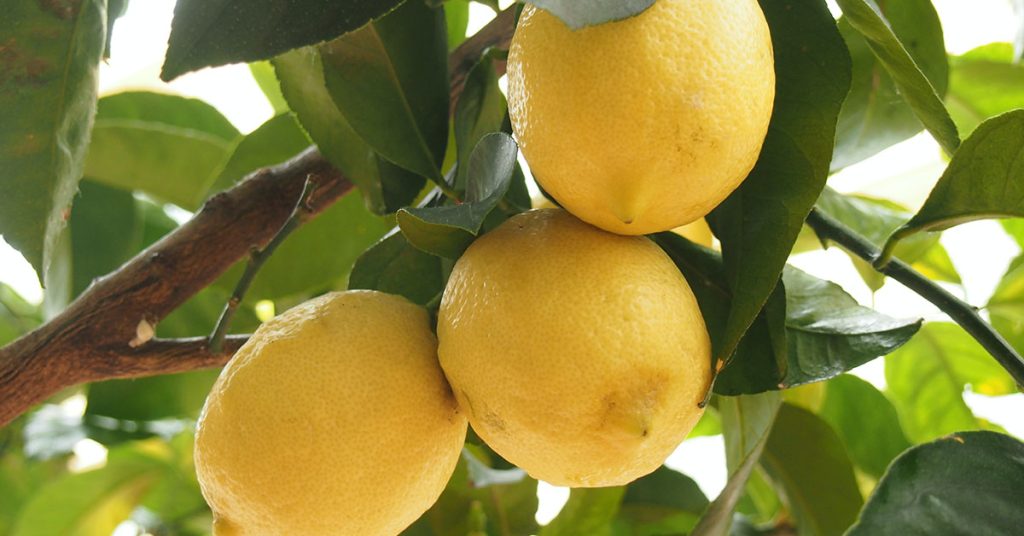
It might seem counterintuitive, but removing some young lemons can help the remaining fruit grow larger and prevent branch breakage. I used to let every bloom set fruit and ended up with dozens of marble-sized lemons that exhausted my tree! By thinning when fruits are about the size of marbles—leaving one fruit every 4–6 inches—you concentrate nutrients and water to fewer targets, resulting in show-stopping, golf-ball-sized lemons by harvest.
Thinning also reduces the temptation for wildlife raids. While birds love foraging in a bountiful citrus canopy, a slightly lighter crop means less waste on the ground and fewer tipsy rolls underfoot! Plus, encouraging beneficial insects—like parasitic wasps that prey on scale—becomes easier when you’re not chasing every last fruit. Your tree will thank you with deeper-colored, juicier lemons that pack a real zing!
Protect from Pests and Diseases
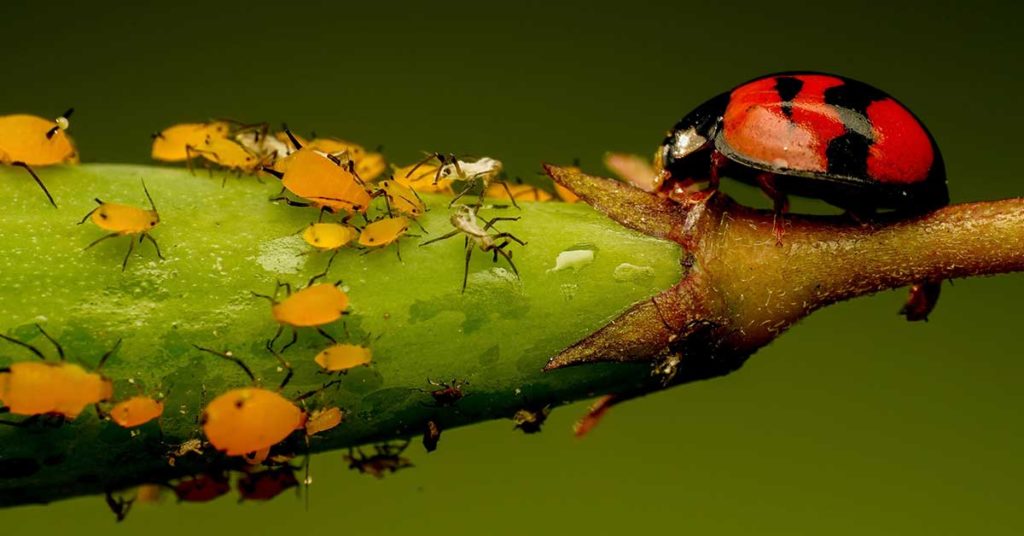
Lemons can attract pests such as aphids, scale insects, and citrus leaf miners, and diseases like greasy spot or root rot. It’s such a bummer when you spot distorted leaves or sticky honeydew, but early detection is your best friend! I make it a habit to inspect new growth weekly, gently rubbing a leaf under bright sunlight to spot tiny miners or crawlers. Organic controls—like horticultural oils, neem sprays, or insecticidal soaps—keep pest populations in check without harming beneficial visitors.
Since lemons originate from humid Assam foothills rather than the Mediterranean, they lack defenses against some fungal pathogens in cooler, moist climates. Ensuring proper spacing, pruning for airflow, and avoiding overhead irrigation can significantly reduce disease pressure. And remember, encouraging ladybugs and lacewings by planting companion flowers (like marigolds or alyssum) creates a self-regulating ecosystem that supports tall, healthy lemon trees!
Select the Right Variety for Your Climate

Not all lemons thrive in every region. True lemons (Citrus limon) trace back to the Assam region of India and Myanmar, where they savor warm, humid conditions. Varieties like ‘Eureka’ or ‘Lisbon’ suit temperate climates, forgiving light frosts, while ‘Meyer’—a cross with mandarin—is more cold-hardy and often the first choice for cooler gardens. Choosing a cultivar aligned with your chill hours prevents the heartbreak of bloom loss or frost-damaged fruit.
In tropical zones, consider varieties with thicker rinds that resist fungal infections during rainy seasons. And although lemons aren’t labeled invasive in most areas, in truly tropical conditions they can naturalize if dropped seeds germinate freely. Keeping your trees well-fed and contained—especially in containers—helps manage any unwanted volunteers while ensuring you get maximum fruit size and flavor!
Train and Support Branches for Heavy Fruit Loads
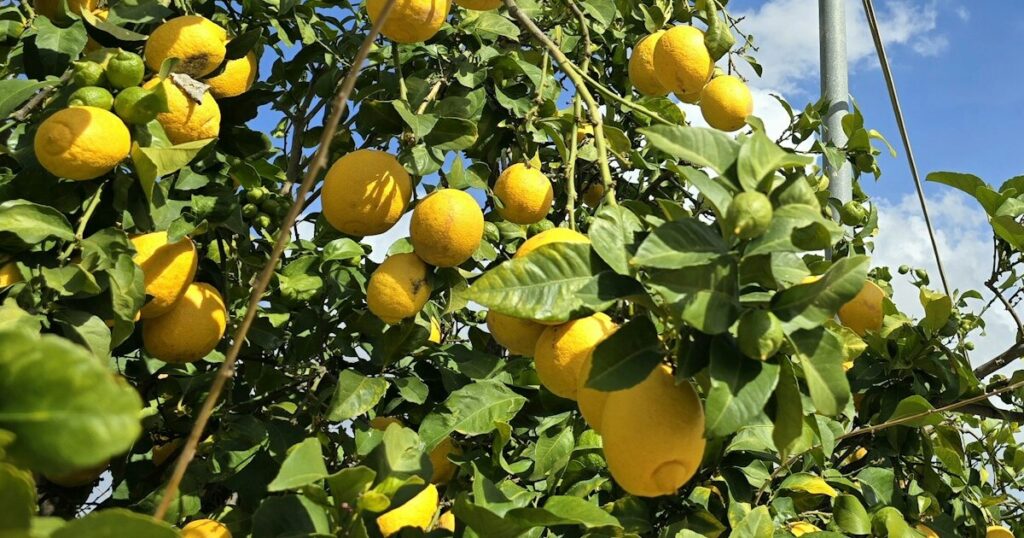
Lemon branches can bend or break under the weight of abundant, hefty fruit if left untrained. I once lost half my crop in a windstorm when a low-hanging limb snapped! Installing sturdy supports—like T-stakes beneath heavy limbs—or training branches against a sturdy fence distributes weight evenly. This not only preserves branch integrity but also exposes more fruit to sun, encouraging even ripening and larger size.
Training also optimizes pollinator access. Bees and hoverflies more easily navigate an open, well-supported canopy, visiting each blossom to set fruit. In nature, citrus gleans pollination from wandering native bees nesting in ground cavities. By replicating these conditions—through branch training and ground cover—you’ll invite those crucial pollinators to work their magic, ensuring bigger, juicier lemons.
Implement Regular and Deep Watering
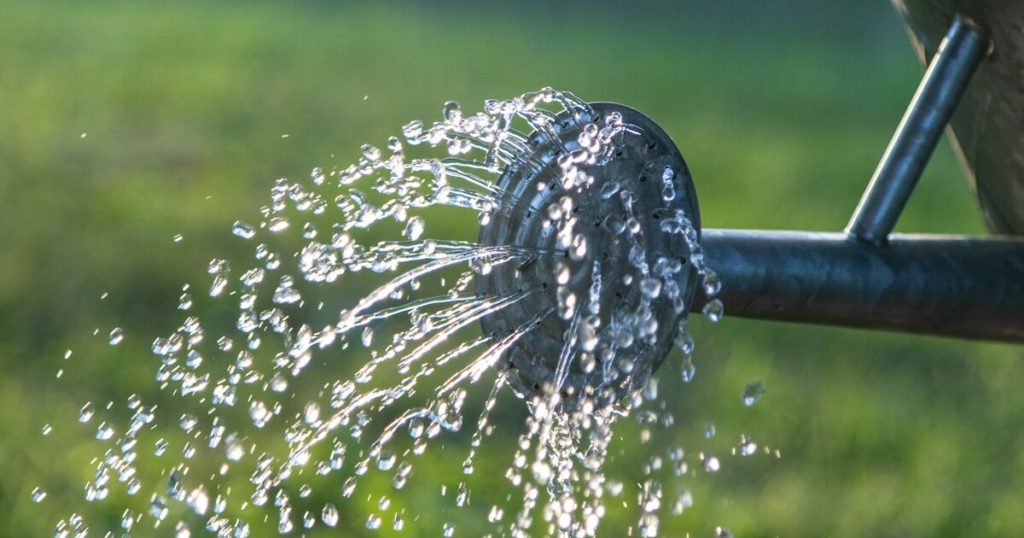
During summer’s heat, lemon trees need consistent moisture to swell fruit size without cracking or drop. Shallow, frequent watering can lead to surface roots and drought stress—tiny lemons that dry out and shrivel! I aim for a deep soak once or twice weekly (depending on rainfall), letting water penetrate at least 12–18 inches. This encourages roots to dive deep, stabilizing the tree and buffering against short dry spells.
Be mindful of overwatering, though: Assam-native citrus doesn’t fare well in waterlogged soils, which invite root rot. Installing a moisture meter or simply probing the soil before irrigation helps you strike the perfect balance. Mulching (see next tip) amplifies your efforts by retaining moisture and reducing evaporation, feeding both soil life and fruit development!
Mulch Generously Around the Base
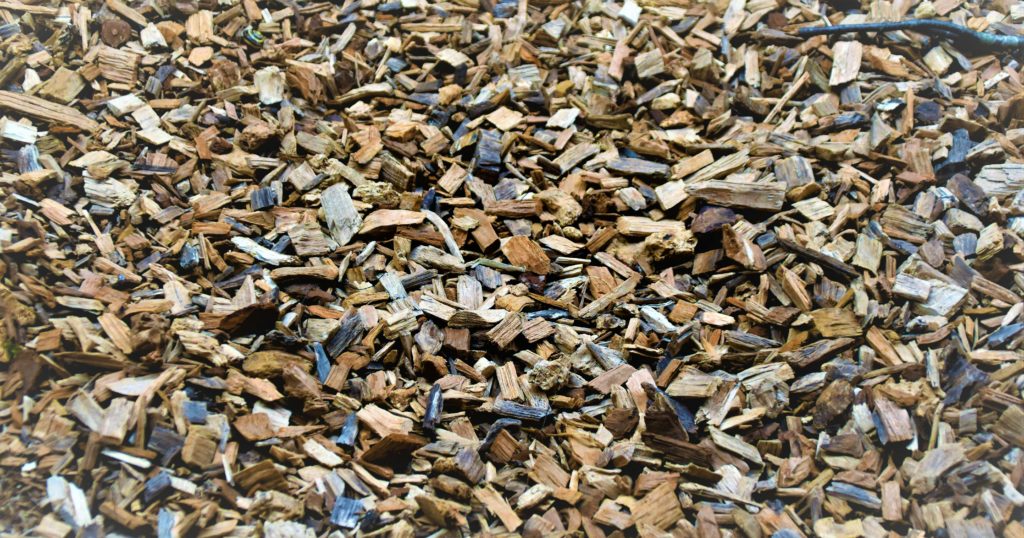
A two-to-four-inch layer of organic mulch—wood chips, straw, or well-rotted compost—around your lemon’s drip line works wonders. It suppresses weeds that compete for moisture, moderates soil temperature, and breaks down to nourish the tree gradually. I always leave a few inches of space at the trunk to avoid collar rot, then extend out to just beyond the canopy’s edge for maximum benefit.
In their native forests, lemon relatives thrive under a natural carpet of leaf litter and detritus. By mimicking this environment, you support the beneficial fungi and bacteria that unlock nutrients for your tree. Plus, mulch creates inviting habitat for ground-nesting bees and predatory insects, reinforcing a balanced ecosystem that boosts both fruit size and overall tree health!
Optimize Soil pH and Drainage

Lemon trees thrive in slightly acidic soils (pH 5.5–6.5) rich in organic matter—conditions mimicking their native Assam foothills. A simple soil test reveals whether you need to adjust pH: elemental sulfur lowers alkaline soils, while garden lime raises acidity if you’re too low. Ensuring optimal pH maximizes nutrient uptake, which directly influences fruit size and flavor concentration.
Good drainage is equally crucial—lemons despise “wet feet.” If your garden has heavy clay, amending with coarse sand and organic compost or planting on a raised berm can prevent waterlogging. In poorly drained settings, consider containers fitted with ample drainage holes. By creating the ideal soil environment, you set the stage for those big, vibrant lemons you’re dreaming of!
Encourage Pollinators and Beneficial Insects

Lemon blossoms are a magnet for bees, hoverflies, and even hummingbirds in warmer zones, all key players in pollination. I love watching tiny native bees dart in and out of blossoms, their fuzzy bodies dusted with pollen. Planting pollinator-friendly companions—lavender, borage, or wildflower mixes—around your tree provides forage and nesting sites for ground-nesting bees, ensuring every flower is visited.
Beneficial predatory insects, like lacewings and parasitic wasps, also help control common pests, reducing the need for sprays. Providing small insect hotels or undisturbed ground patches invites these allies to set up home. A healthy insect community not only boosts fruit set—translating into more and larger lemons—but also creates a vibrant, biodiverse garden you’ll adore!
Provide Summer Shade During Heat Waves
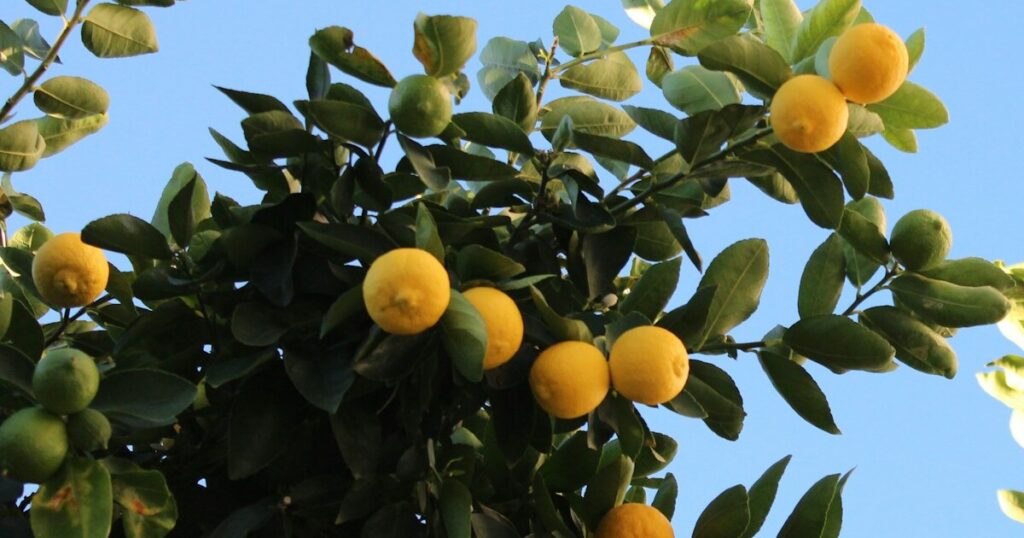
While lemons crave sun, extreme midday heat (above 95°F) can stress leaves and cause fruit scald or drop. I once watched bright-yellow lemons turn sunburned on a relentless August afternoon—it was heartbreaking! Erecting temporary shade cloths during heat waves or planting a companion tree for dappled shade can safeguard blossoms and developing fruit, maintaining steady growth.
Native to subtropical foothills rather than desert flats, lemon trees benefit from a little relief when temperatures spike. Shade also preserves soil moisture, reducing irrigation frequency and preventing root stress. By tuning into local heat patterns and offering timely shelter, you’ll protect both foliage and fruit, leading to uniform, large lemons come harvest time!
Prune Strategically for Airflow

Open canopies not only help light penetrate to lower fruit but also reduce humidity levels that foster fungal issues. I schedule light pruning after fruiting in early summer, removing dead or inward-growing branches. This clears the central zone, increases sunlight on developing lemons, and makes it easier to scout for pests and disease—no more peeking blindly into a jungle of leaves!
Because true lemons aren’t invasive by nature, you can prune freely without fearing runaway spread. Just be mindful to leave 3–4 strong scaffold branches for structure. Each cut redirects the tree’s energy into fruit production rather than excess foliage. Within a season, you’ll notice more robust lemons ripening uniformly—proof that good pruning is the secret behind show-stopping citrus!