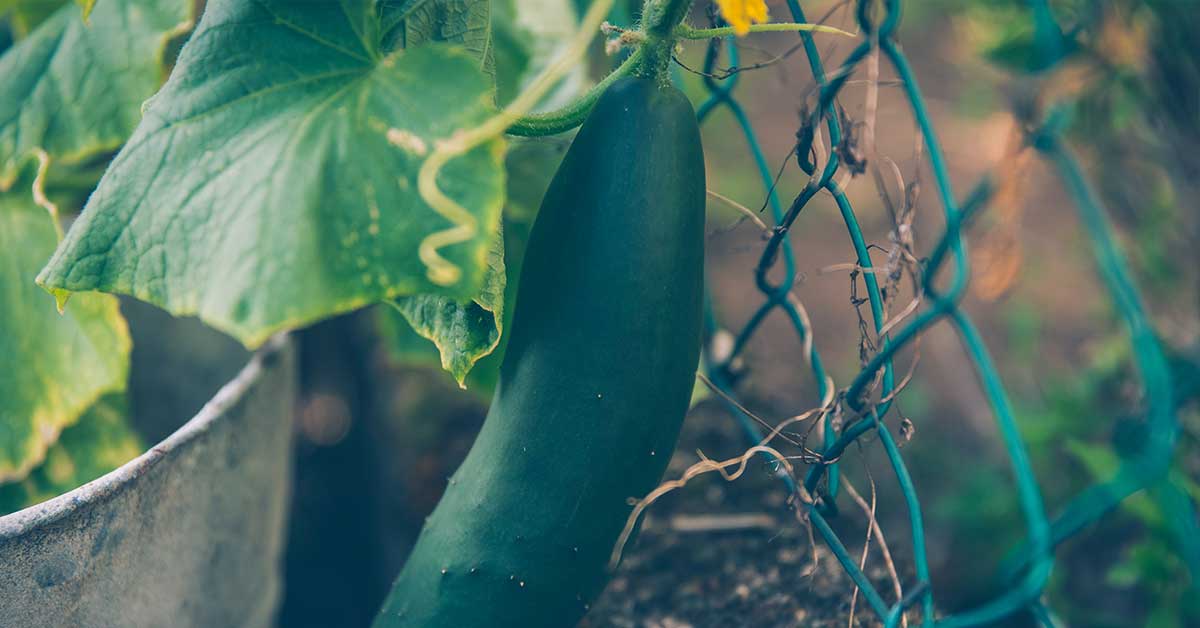

I’m so excited you’re on the quest for gigantic cucumbers this season! There’s nothing more thrilling than watching those vines unfurl and yield fruits so plump they almost bend the trellis. Cucumbers (Cucumis sativus) hail from the foothills of the Himalayas in India, where they’ve been cultivated for over 3,000 years. They’re not typically invasive—unless you let stray seedlings escape into wild areas—but they do thrive in warm, humid conditions and spread rapidly when happy. I know how disheartening it is to see tiny, stunted cukes after all your care, so let’s dive into these tips to help you coax out record-breakers!
From seed to harvest, every step matters. I’ve learned through trial and error—one season I overwatered and wound up with bitter, waterlogged fruit! But with the right combination of soil, light, and TLC, you’ll be marveling at cucumbers the size of your hand (or bigger!) in no time. Whether you’re battling powdery mildew or trying to entice those bee buddies into your garden, these twelve tips will guide you toward a bounty of big, crisp cukes this year.
Choose the Right Variety
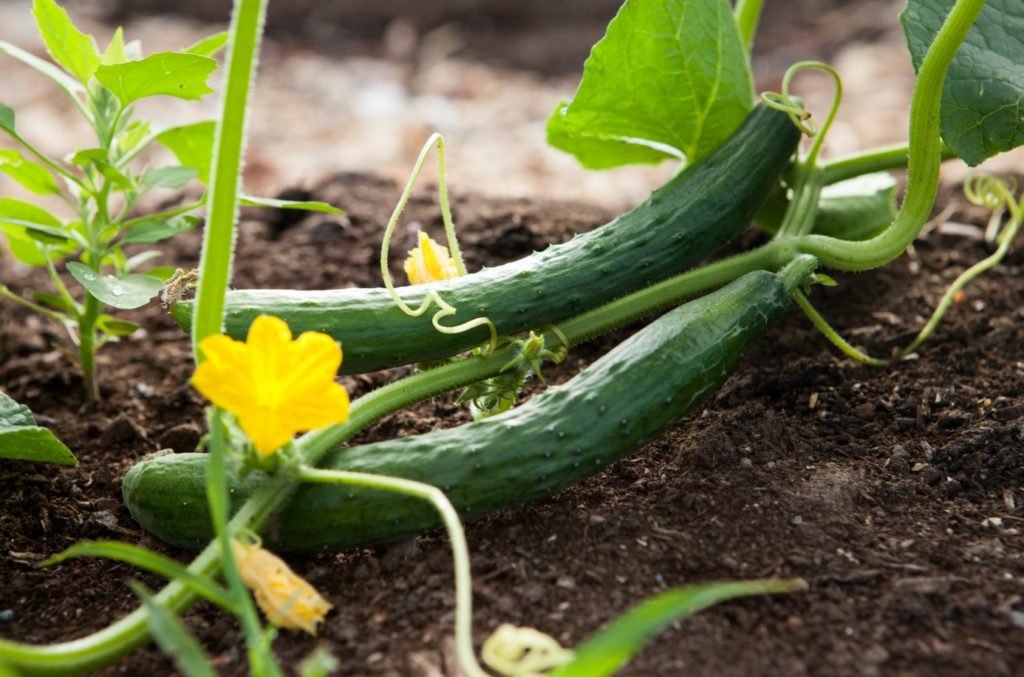
Picking a cucumber variety suited for size and your local climate is half the battle. Some heirlooms like ‘Marketmore 76’ or ‘Straight Eight’ are bred for long, uniform fruit, while slicer types such as ‘Burpless Tasty Green’ can reach impressive lengths without bitterness. If you’re in a cooler region, look for “short-season” varieties that mature quickly; in hotter zones, heat-tolerant types will thrive without bolting.
I always mark down the days-to-maturity on my seed packets—understanding each variety’s timeline helps me plan staggered plantings for continuous harvest. Plus, knowing where a variety originates gives insight into its behavior: those bred in humid regions often resist fungal diseases better, while desert-adapted types handle heat spikes without dropping flowers.
Build Rich, Loose Soil

Cucumbers love deep, friable soil full of organic matter. Before planting, I incorporate plenty of compost—ideally well-rotted kitchen scraps and leaf mold—into the bed to boost fertility and drainage. Loose soil allows roots to grow unimpeded, encouraging strong, vigorous vines that support larger fruit.
It’s such a bummer when heavy clay compacts around shallow roots, leading to stressed plants and undersized cukes. By maintaining a 2–3 inch layer of mulch on top, I shelter that loamy soil from crusting, retain moisture, and gradually feed the plants as the mulch breaks down.
Provide Sturdy Support
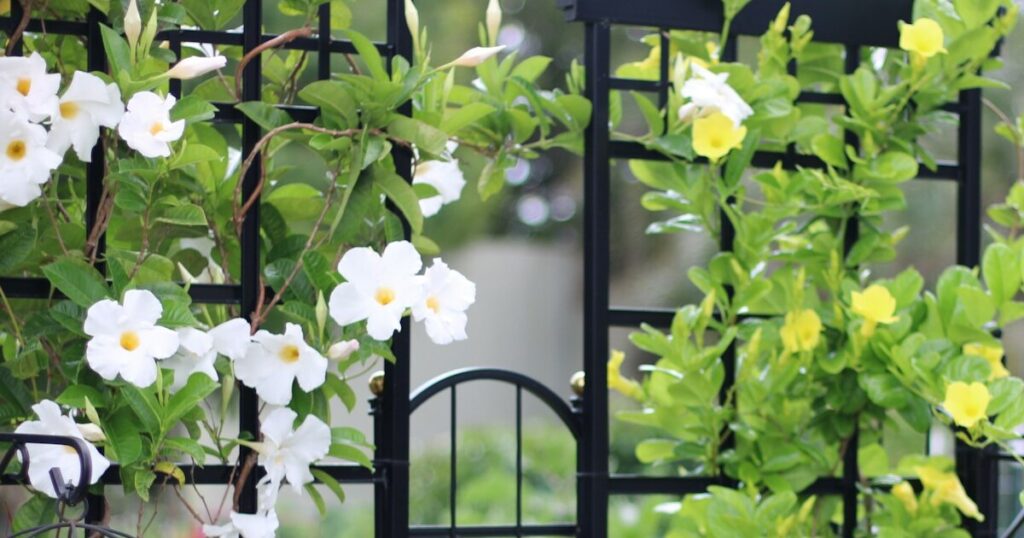
Let’s talk trellising—training cucumber vines vertically not only saves space but encourages cleaner, straighter fruit. I use robust A-frame trellises made from treated lumber and coated wire mesh. As vines climb, they get better air circulation, reducing rot and pest hotspots, and you can harvest without bending over into shaded foliage.
Cucumbers naturally climb via tendrils, which coil around anything nearby. I gently lift side shoots and guide them onto the trellis each week. It’s amazing to see how those tendrils will even wrap around thin strings or netting—nature’s little hooks doing the heavy lifting!
Keep Pollinators Happy

One of my favorite strategies is planting pollinator-magnet blooms—like borage, lavender, or native bee-friendly asters—around the cucumber patch. These flowers draw in honeybees, bumblebees, and solitary bees, which nest in bare soil or hollow stems nearby. Cucumbers are monoecious (separate male and female flowers), so having plenty of buzzing visitors ensures more flowers get fertilized, leading to plumper cukes!
I also leave small patches of undisturbed ground for ground-nesting bees. It’s a win-win: they get cozy nesting spots, and my cukes get pollinated early in the morning when temperatures are cool and pollen counts are high. Watching the tiny fuzzy pollinators zipping between blossoms is one of gardening’s greatest joys!
Water Consistently and Deeply

Cucumber vines crave steady moisture—fluctuations can trigger bitterness and poor fruit development. I aim for about an inch of water per week, delivered directly at the soil line via drip irrigation or soaker hoses. This prevents wet foliage, which can invite fungal diseases like powdery mildew.
It’s so frustrating when you see young cukes start to shrivel! Deep, infrequent watering encourages roots to grow deeper in search of moisture, improving drought resilience later in the season. On scorching days, I’ll give the mulch a light mist to keep humidity up without drenching leaves.
Fertilize at Key Stages
A balanced fertilizer regimen can make a world of difference. I side-dress with well-aged compost or a slow-release organic granular fertilizer when vines begin to trail, then again when the first flowers open. A boost of phosphorus and potassium at bloom time supports robust fruit set and sizing.
I avoid high-nitrogen formulas once flowering begins—too much leafy growth can sap energy away from fruit development. Instead, I swap to a bloom-boosting feed, ensuring those cucumbers swell to full girth.
Prune Selectively
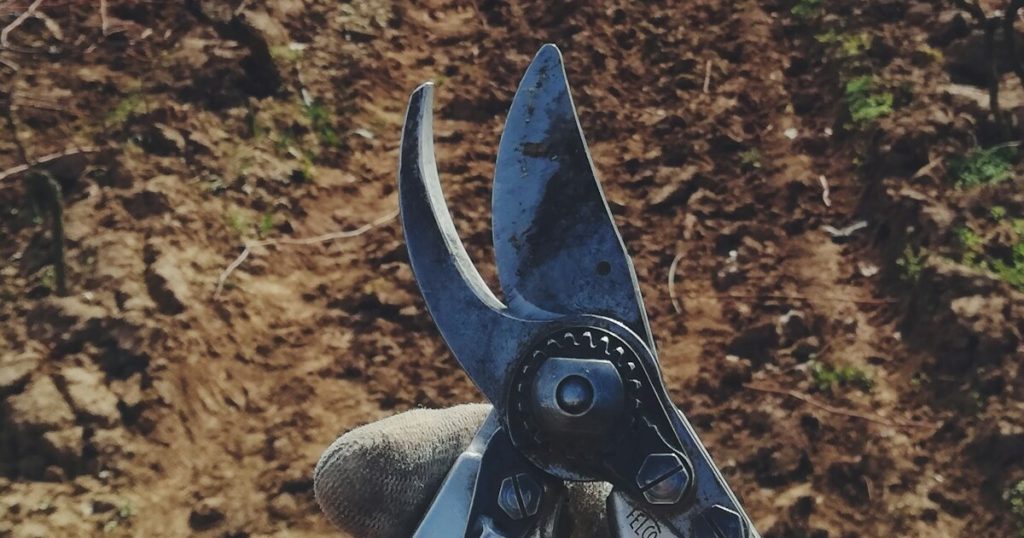
Though cucumbers are vigorous, careful pruning can channel energy into fewer, larger fruits. I pinch off the growing tips once vines reach the top of the trellis, and remove any yellowing or diseased leaves immediately. This opens up the canopy, letting sunshine ripen cukes evenly.
If you’ve got too many clusters forming, thinning to two or three fruits per node encourages the remaining ones to bulk up. I know it’s hard to snip away tiny cucumbers, but sacrificing a handful leads to bolder bounty overall!
Space Plants Properly

Crowding can stunt growth and foster disease. I space hills about two feet apart, with rows three feet apart, or set vines on staggered mounds along my trellis at one-foot intervals. This gives each plant enough root room and airflow.
In denser plantings I’ve tried, I noticed small, misshapen cukes and mildew creeping in. With adequate spacing, the sun warms early-morning dew off leaves, and pollinators can navigate freely.
Rotate Crops Annually

Planting cucumbers (and other cucurbits) in the same spot year after year invites soil-borne diseases like bacterial wilt and root-knot nematodes. I rotate my cucumber bed with legumes or brassicas on a three-year cycle to break pathogen build-up and replenish nitrogen naturally.
It’s tempting to put them where they grew best last year, but moving them helps both soil health and your plants’ vigor. My garden’s ecosystem thanks me for the change-up, and so do my hefty cukes!
Watch for Pests and Diseases
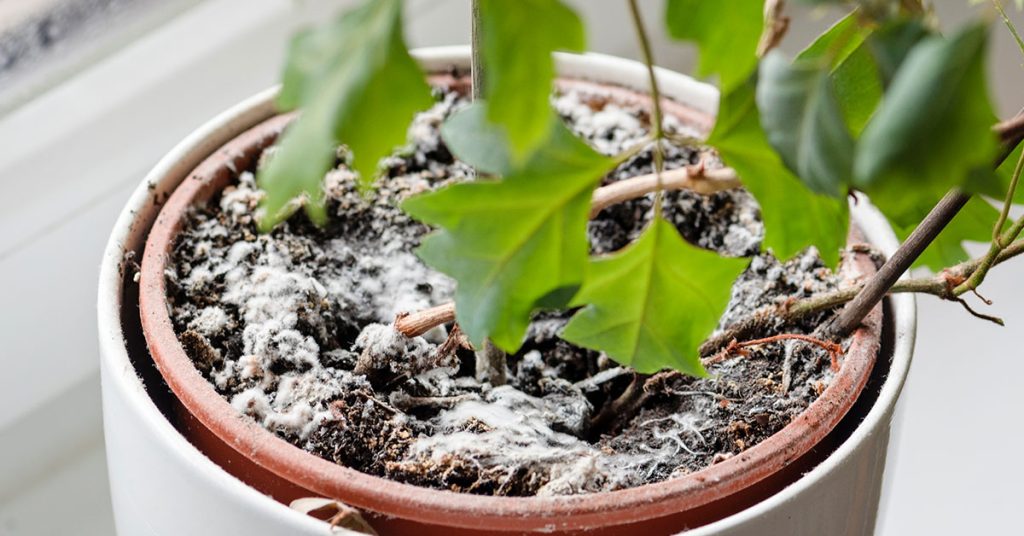
Cucumber beetles and squash bugs can decimate young vines, while powdery mildew chokes off leaves later on. I scout daily, hand-removing beetles into soapy water and using floating row covers until bloom time to keep pests at bay. For mildew, a milk-spray treatment (one part milk to nine parts water) applied weekly can help suppress fungal growth.
I know how heartbreaking it is to see those bright green leaves speckled with disease—catching issues early means you can take action before your fruit size suffers.
Harvest at Peak Ripeness
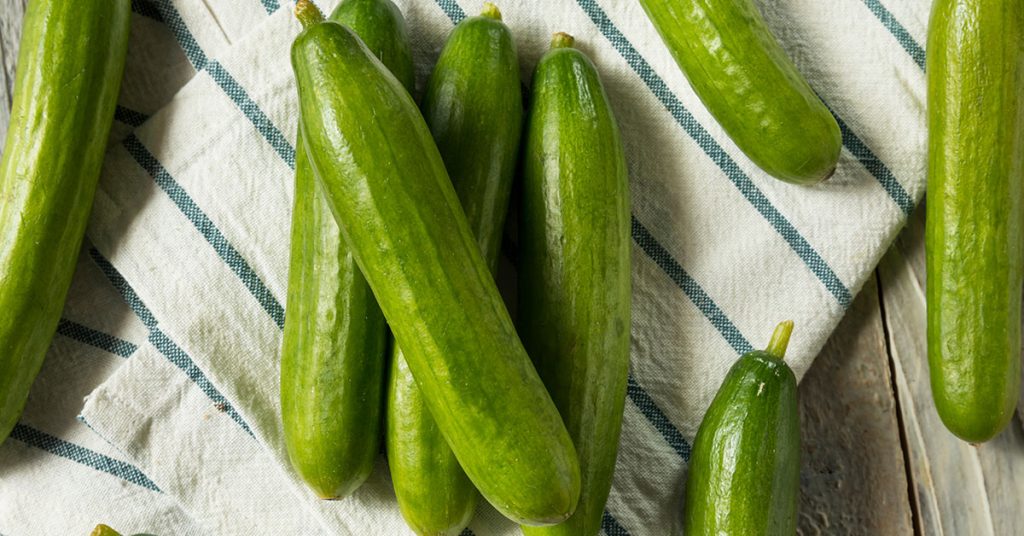
Believe it or not, picking cucumbers regularly encourages vines to keep producing. I check vines every other day and harvest when cukes reach their ideal length (usually 6–8 inches for slicers, 12–14 for pickling varieties). Leaving oversized, seedy cucumbers on the vine can signal the plant to slow fruit set.
When you twist the fruit off gently, you avoid damaging the vine’s nodes. Freshly picked cucumbers also taste sweeter and hold up better in storage—another reason to harvest big and often!