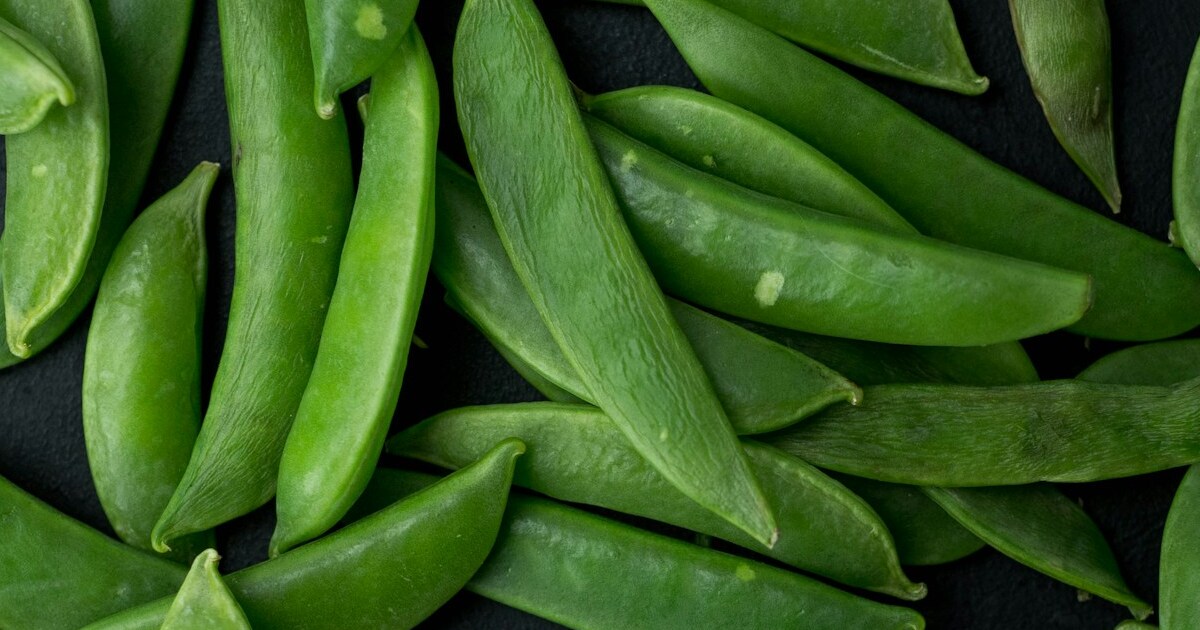

Peas are one of my favorite cool-season crops—those tender green pods and sweet, starchy peas are a joy to harvest straight from the vine! Native to the Mediterranean and Near East, garden peas (Pisum sativum) have been cultivated for millennia, and while they’re hardly invasive, they can volunteer enthusiastically if you let dried pods fall. I know how discouraging it can be to plant a patch that fizzles out or to spend hours tending vines only to end up with a handful of stunted pods. That’s why I’m excited to share these twelve common mistakes—randomized to keep you on your toes—that you’ll definitely want to avoid for a bumper pea crop!
Growing a flourishing pea patch is about more than scattering seed and crossing your fingers. It means matching planting times to cool-weather needs, preparing soil that supports those nitrogen-fixing roots, providing the right support for sprawling vines, and even attracting beneficial pollinators and nesting insects that help keep pests at bay. So let’s dig into these tips with empathy for your garden challenges, a few self-referential anecdotes, and plenty of cheer to help you grow peas like a pro!
Skipping Rhizobia Inoculation
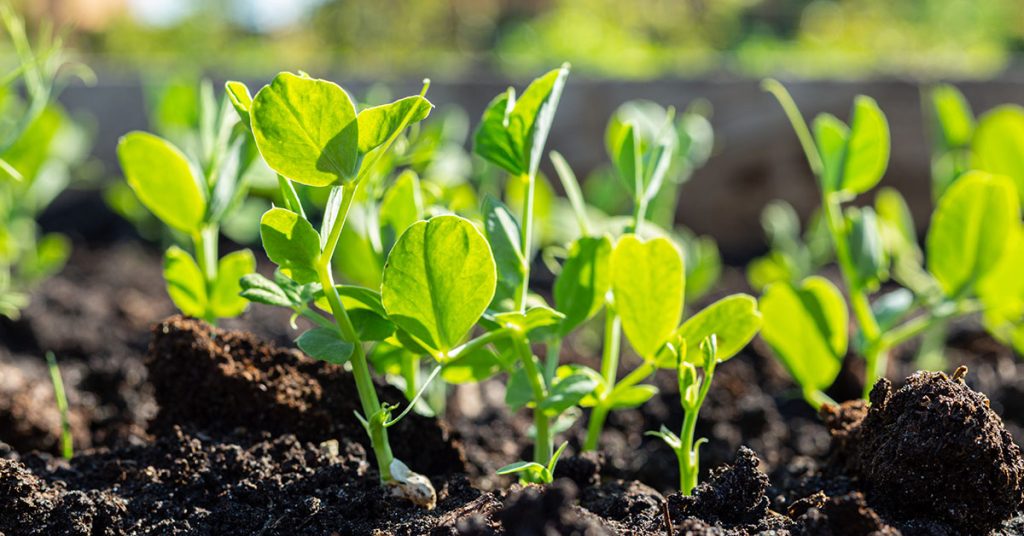
One of my earliest pea patches was disappointingly spindly until I learned about rhizobia bacteria—the little helpers that colonize pea roots and fix atmospheric nitrogen! Buying seed pre-inoculated or dusting seeds with peat-based inoculant ensures those nodules form, giving your plants their nutritional boost. Without them, peas may struggle in low-nitrogen soils or demand excessive fertilizer.
I recall feeling guilty for overlooking this step, thinking peas would “do their own thing.” But once I saw those round nodules on roots, it was like watching a masterclass in plant partnership! If you rotate crops or plant peas in new ground, fresh inoculation is essential to get that symbiotic relationship started.
Planting in Poorly Draining Soil
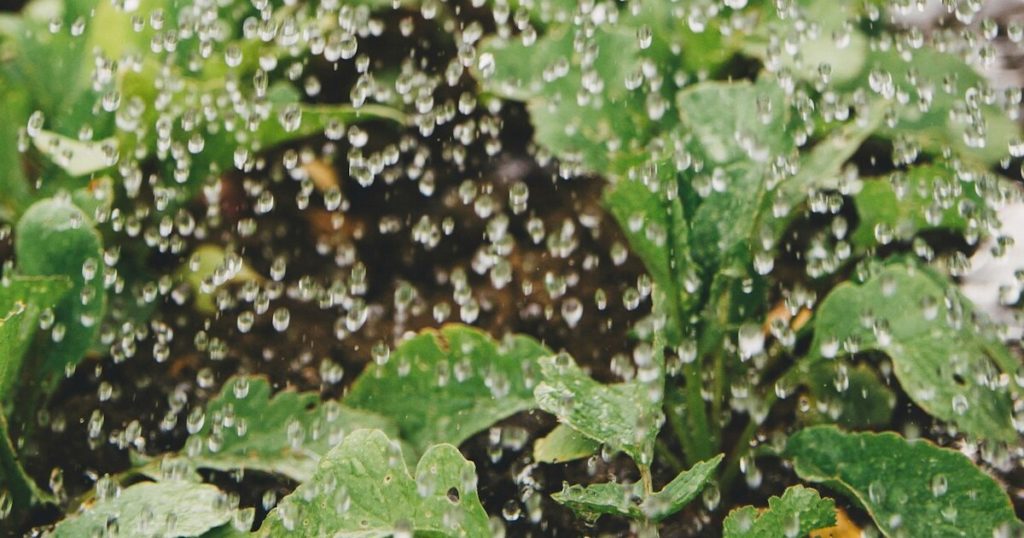
Peas love a cool, evenly moist loam, not soggy clay that suffocates their roots. I once tucked seed into a rain-soaked bed and woke to wilted seedlings the next morning—heartbreaking! Amend heavy soil with coarse sand and plenty of compost to create a crumbly mix that retains moisture without turning into a swamp after spring rains.
Raised beds or gently mounded rows also help water shed away from roots. Good drainage not only prevents root rot but keeps soil temperatures lower—ideal for those cool-season legumes to thrive!
Neglecting Support Structures
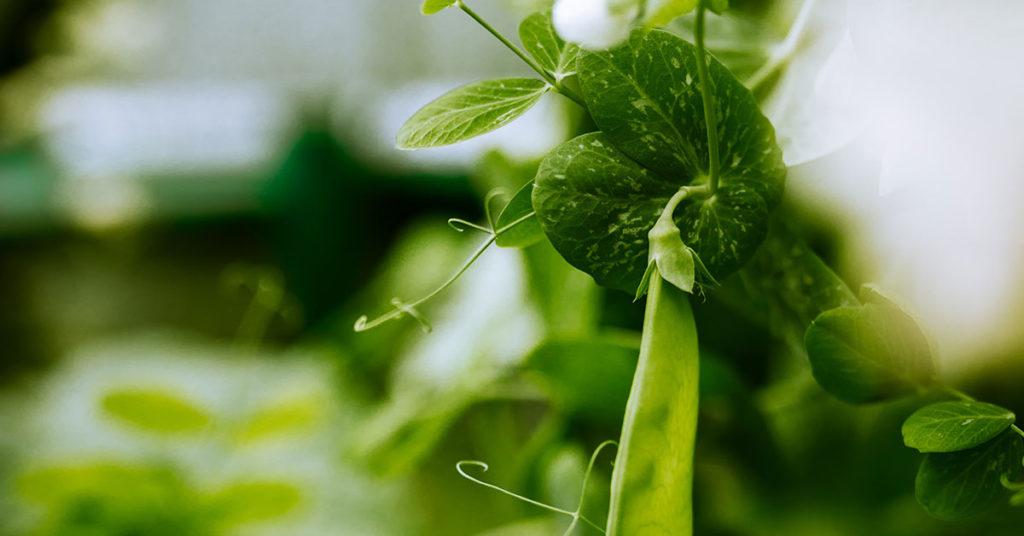
I used to let runner peas flail on the ground until I realized proper trellising is a total game-changer. Without support, vines tangle, pods get dirt-splashed, and airflow suffers—inviting mildew and making harvesting awkward. A simple teepee of bamboo canes or a sturdy net gives vines a vertical highway to climb!
Besides keeping pods clean, vertical growth encourages bees and tiny solitary wasps to patrol those flowers more efficiently. I’ve even seen mason bees nesting in a nearby bee hotel after exploring the pea blossoms—beautiful synergy!
Overcrowding Seeds
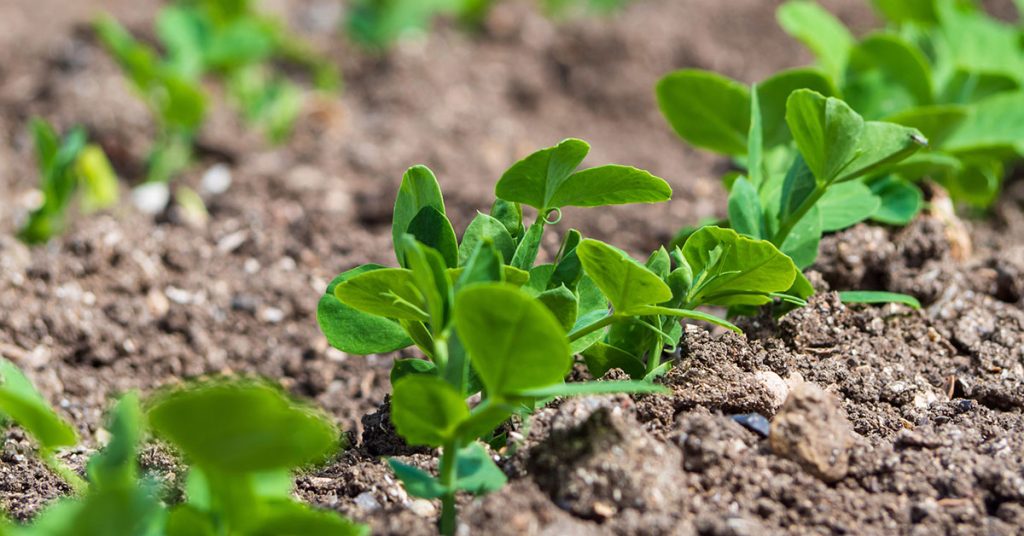
It’s tempting to sow peas thickly for quick coverage, but crowding stunts growth and blocks airflow. My first sowing looked lush—but few pods formed. Now, I space seeds 2 inches apart in rows 12–18 inches apart, thinning to 4–6 inches once seedlings show true leaves. Each plant then has room to build robust stems and nodulate roots.
Proper spacing also makes it easier to spot early aphid clusters or powdery mildew, so you can intervene before small issues balloon into major headaches!
Ignoring Planting Timing

Peas are true cool-season lovers. Planting after the ground warms above 70°F spells disaster: slow germination, poor pod set, and wilting vines. I learned this the hard way by sowing in mid-May—my peas sulked through the heat! Instead, plant as soon as soil reaches 40–45°F, often 4–6 weeks before last frost, and enjoy two harvests if you succession-sow.
In milder climates, a fall planting yields a winter crop; just aim for six weeks of growth before frost and a cover of straw to shield tender shoots. Timing is everything for sweet, crunchy peas!
Skipping Crop Rotation
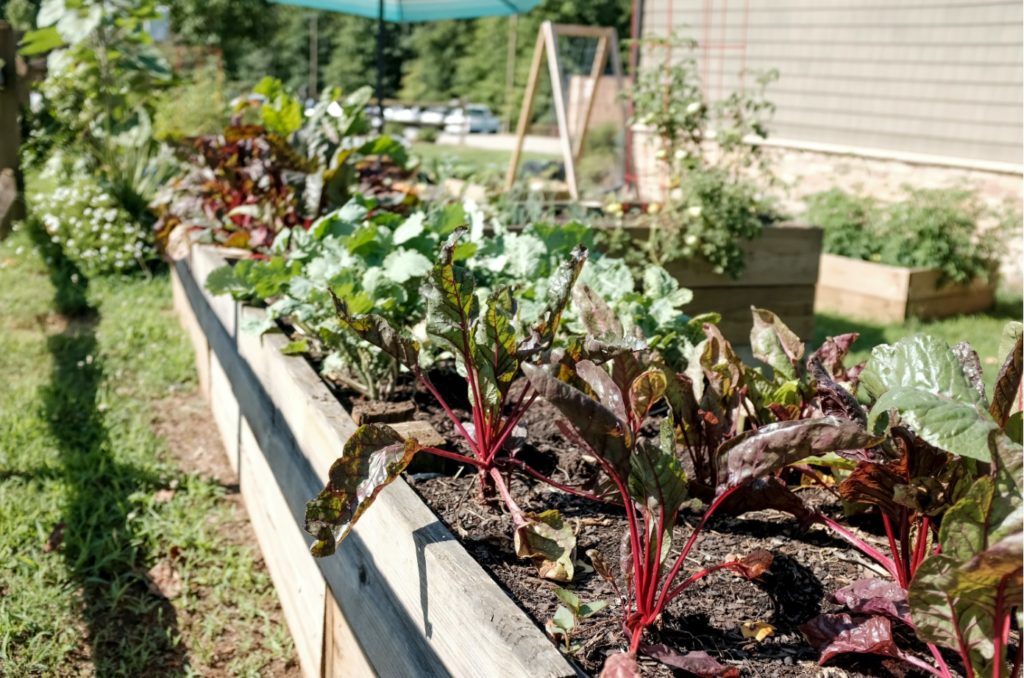
Replanting peas in the same spot invites soilborne diseases and depletes nutrients. My neighbor’s patch struggled until he rotated his beans, peas, and brassicas on a three-year cycle. After peas, follow with heavy feeders like tomatoes or peppers to take advantage of residual nitrogen—and then return to peas later.
A rotation plan also breaks pest cycles—root maggots and wilts that target legumes get starved out, giving your next pea patch a fresh start!
Over- or Under-Watering
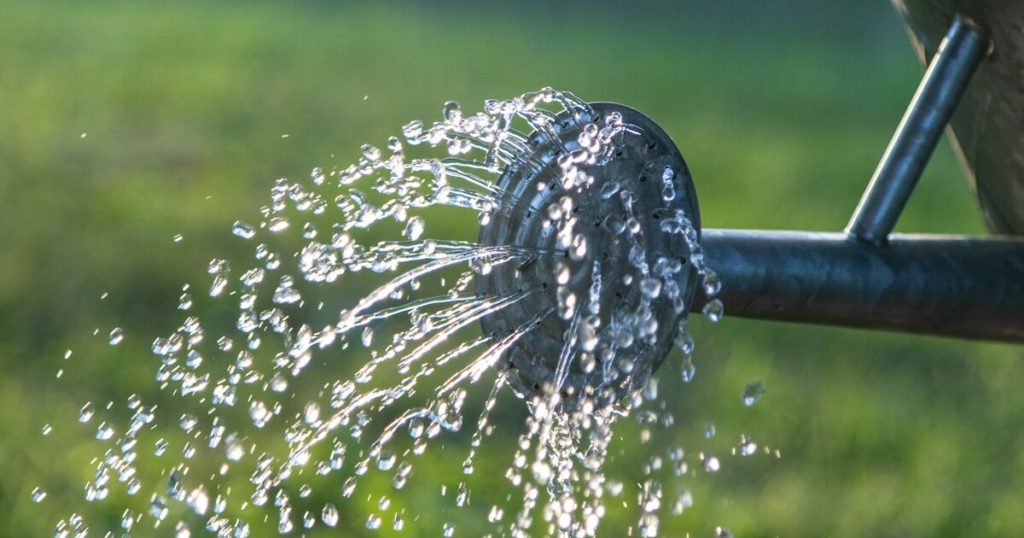
Pea seedlings need steady moisture to sprout, but once vines are established, overly wet soil can cause root rot. I set up a drip line that delivers about an inch of water per week—deep soaks that encourage roots to grow down. Too little water, and pods develop tough skins; too much, and your plants gasp for air.
Always water early in the day so foliage dries before night, reducing fungal risks. If leaves wilt despite moist soil, check drainage rather than simply adding more water!
Letting Pods Overmature
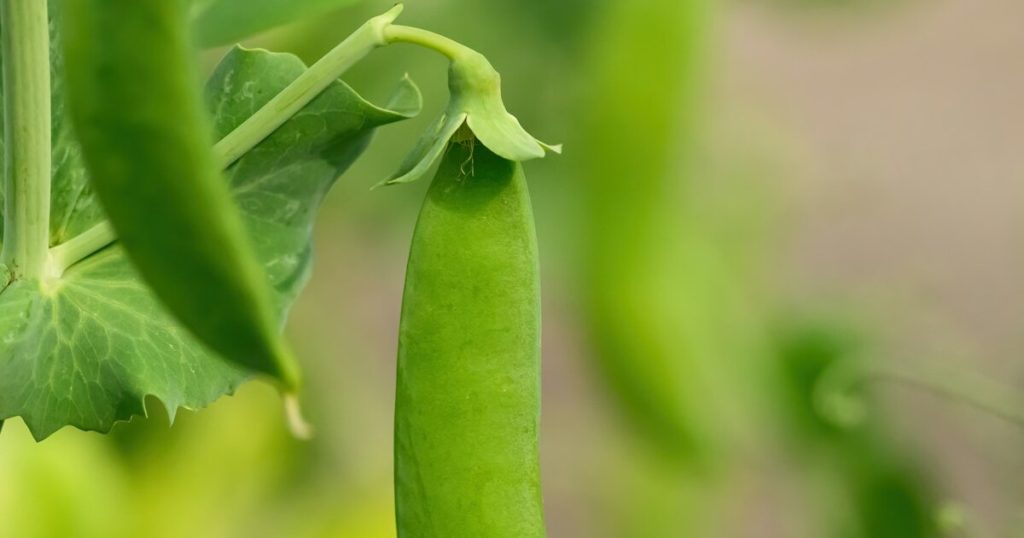
Nothing’s sadder than peas left too long on the vine—they turn starchy, pods toughen, and plants halt flower production. I harvest every 2–3 days once pods fill out, snapping them off gently to encourage new blossoms. It’s such a thrill to pop a crisp pod straight into my mouth—freshness you can’t beat!
If you’re saving seed, let just a few pods brown and dry on the vine. Otherwise, be diligent with pickup to keep vines busy setting new fruit!
Failing to Succession Sow

I once planted peas only once, and then found my hungry family craving fresh pods weeks later. Succession sowing—planting every two to three weeks—ensures a steady supply rather than one big glut. I drop a few seeds in every 10-foot row on a schedule, so as one flush ends, another begins!
Succession also spreads out your harvest labor and keeps those pollinators busy longer in your garden. Few things beat a continuous harvest for dinner salads or stir-fries!
Overlooking Pest and Disease Monitoring
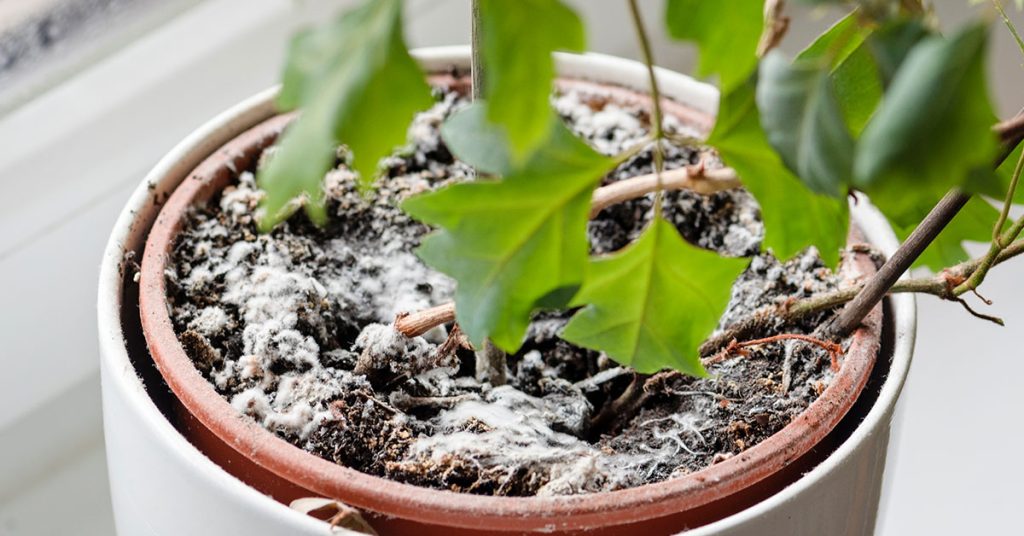
Aphids, pea weevils, and powdery mildew can all pick on vulnerable pea plants. I inspect under leaves and along stems weekly, looking for sticky residues or tiny chewers. If aphids appear, a strong water jet or insecticidal soap sends them packing without harming ladybugs.
For mildew, spacing (see Mistake 4) and early-morning watering work wonders. Removing any diseased leaves promptly prevents spread—and keeps your patch looking pristine!
Planting in Too Much Shade

While peas tolerate partial shade, too little sun yields lanky vines and few pods. My patio patch languished until I moved it to a spot with at least six hours of direct morning sun. That shift lit a fire under my plants—an explosion of flowers and the sweetest pods I’ve tasted!
If your garden is shady, consider snow peas or sugar snaps, which are more forgiving. But wherever you plant, aim for bright light to maximize those crunchy rewards!