
Summer container gardening is a fantastic way to enjoy homegrown produce even if you’re short on space. There’s nothing quite like stepping onto your patio to harvest sun-warmed cherry tomatoes or snipping fresh Swiss chard leaves for dinner! Yet, I know how challenging it can be to coax big harvests from pots and troughs—especially when heat, watering, and root space all compete. That’s why I’ve gathered these twelve top picks for summer vegetables that thrive in containers, along with tips to help you avoid common pitfalls and attract beneficial pollinators to your urban oasis.
These selections span sprawling vines to compact bushes, each suited to container life when given the right care. From the sunny origins of eggplants in South Asia to the tropical roots of Malabar spinach, we’ll explore where these veggies come from, whether they can self-sow, and how to support the bees and birds that help your plants flourish. Ready to transform your balcony or deck into a productive kitchen garden? Let’s dive into eleven of my favorite container veggies—in randomized order—to keep your growing season exciting!
Swiss Chard
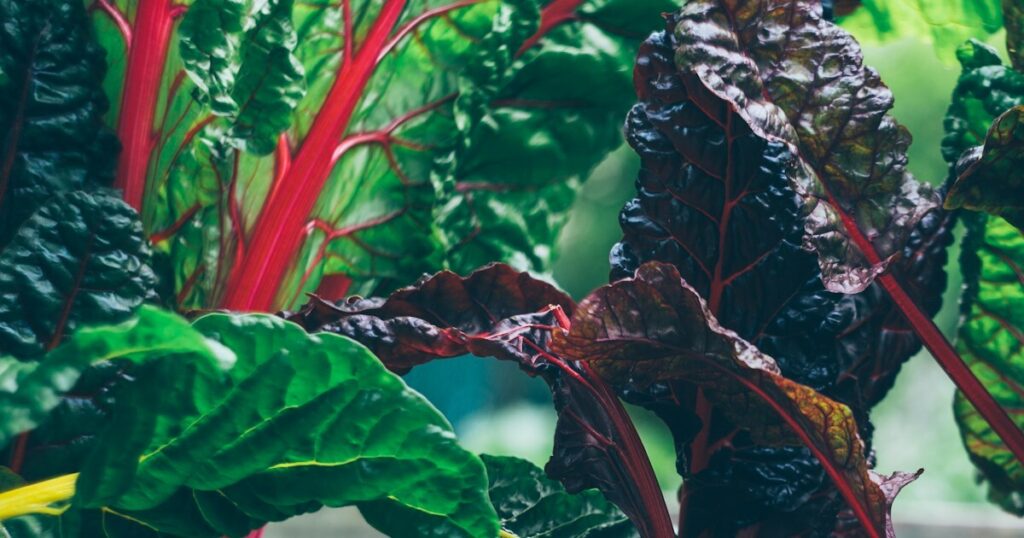
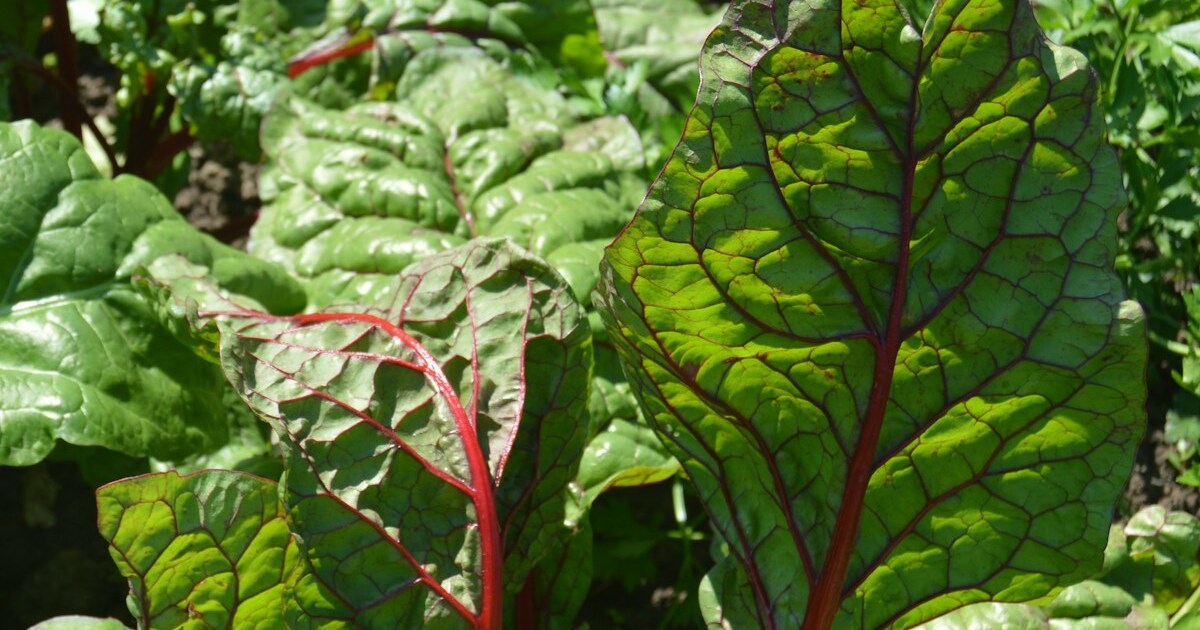
Originating in the Mediterranean, Swiss chard is a heat-tolerant leafy green that thrives in deep containers. Its vibrant stems—red, yellow, or white—add color to both your garden and your plate. I swear by a pot at least 12 inches deep, filled with a loamy blend of coco coir and compost. Even under blazing sun, chard tolerates warm soils without wilting, though afternoon shade can help in extreme heat.
Chard’s flowers aren’t showy, but the foliage provides shelter for beneficial insects like ladybugs and lacewings. These predators help keep aphids at bay, so you’ll spend less time battling pests! Harvest by cutting outer leaves, and the plant will keep producing right through late summer into early fall.
Cherry Tomatoes
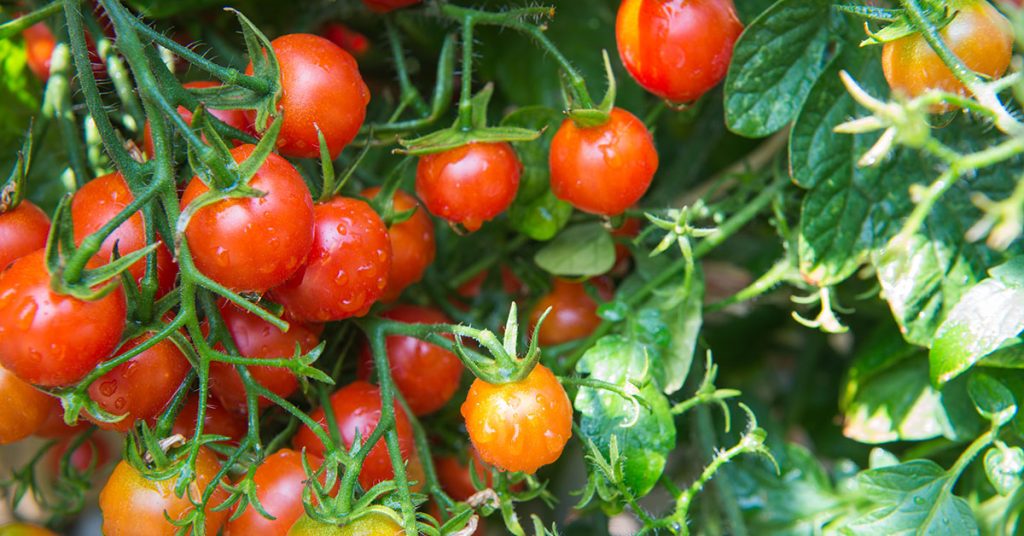
One of my favorite container champions, cherry tomatoes trace back to wild South American varieties that produced small, flavorful fruits. In a 5-gallon bucket or large planter, indeterminate cherry types like ‘Sweet Million’ ramble with minimal pruning—perfect for hanging baskets or tall cages. Be sure to fertilize with a potassium-rich feed every two weeks to support bountiful clusters!
The star-shaped yellow flowers are irresistible to honeybees and native solitary bees, which nest in cavities or bare soil patches. Provide a shallow water source nearby, and you’ll see pollinators buzzing from blossom to blossom. As fruits ripen, remove any leaves blocking sun to maximize flavor development.
Okra

Hailing from West Africa, okra is a sun-loving annual that rewards gardeners with both edible pods and striking hibiscus-like blooms. In containers at least 15 inches deep, plant one or two seedlings in well-amended soil rich in organic matter. During my first year, I was amazed at how quickly pods appeared—just 50–60 days after sowing!
Okra flowers open in the morning and close by midday, attracting bees and even hummingbirds. Their tubular shape is perfect for pollinator feeding, so I leave spent flowers on the plant to support late-season insects. Harvest pods frequently when they’re 2–3 inches long to prevent woody texture and encourage more production.
Bush Beans
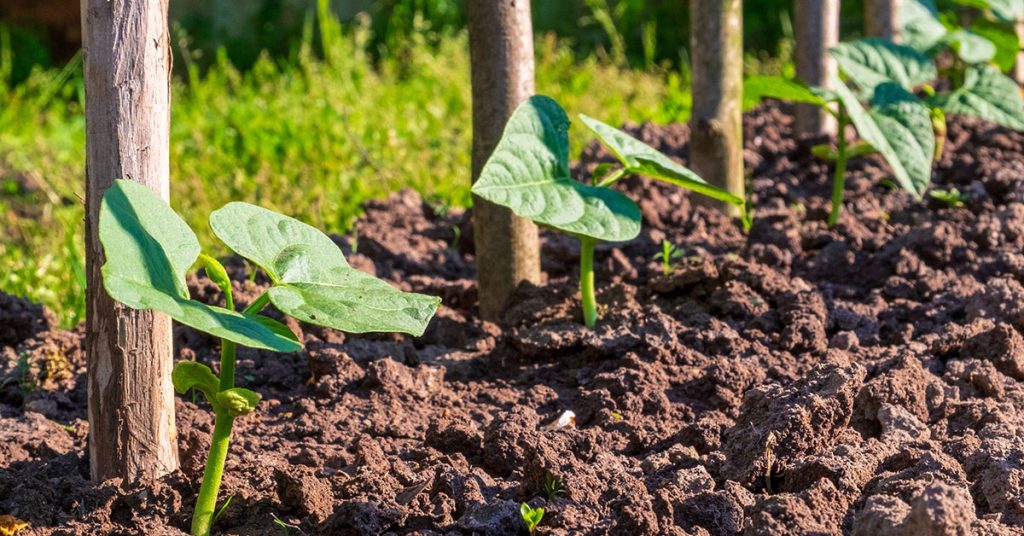
Bush beans, with origins in Central and South America, are compact and ideal for smaller containers. Varieties like ‘Provider’ or ‘Contender’ mature in around 55 days, offering quick gratification for impatient gardeners! I plant a dozen seeds in a 10-inch pot filled with a light potting mix and steady moisture; you’ll soon see pale white flowers followed by slender pods.
Although beans are self-pollinating, their delicate blooms still attract tiny sweat bees and hoverflies, which can help increase fruit set. The foliage also provides cover for beneficial ground beetles that patrol for slugs and snails. Regular harvesting prevents pods from becoming tough and keeps the plant producing well into summer’s end.
Eggplants
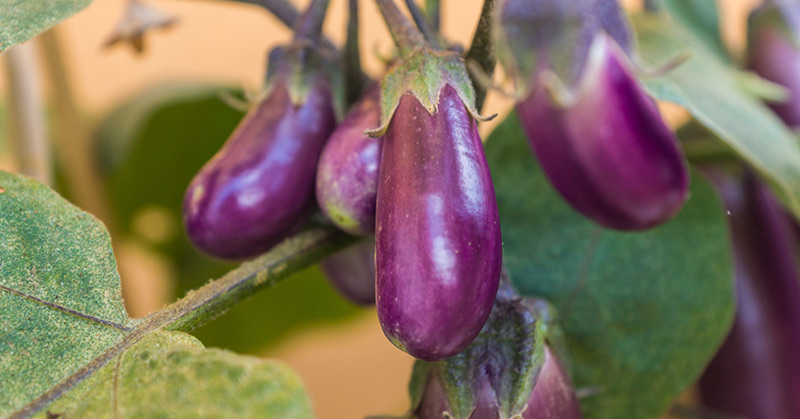
Eggplants originated in South and Southeast Asia, where gardeners have cultivated them for centuries. For container growth, choose compact varieties like ‘Fairy Tale’ or ‘Patio Baby’ and plant in a 15–20-inch pot of nutrient-rich, well-drained soil. These beauties need consistent moisture—my drip irrigation system ensures even watering without waterlogged roots.
Eggplant flowers are pale lavender and beckon bumblebees, which are strong enough to shake loose their heavy pollen. To promote nesting, leave small areas of undisturbed soil nearby or add a bee block. Watch for flea beetles—applying row cover early can protect young foliage until blooms appear and attract pollinators.
Malabar Spinach

Native to tropical Asia, Malabar spinach (Basella alba) is actually a vine, not a true spinach, and thrives in heat when other greens wilt. I grow it in a deep cylinder pot with a trellis, training its glossy vines upward. Rich in iron and vitamins, the lush leaves taste great in salads or lightly sautéed.
Its tiny white-pink flowers may seem insignificant, but they attract tiny carpenter bees and wasps that help keep pest populations in check. As the vine shades the soil, moisture retention improves—just one watering a week usually suffices. Harvest leaves regularly to encourage new growth and prevent the plant from becoming woody.
Cucumbers
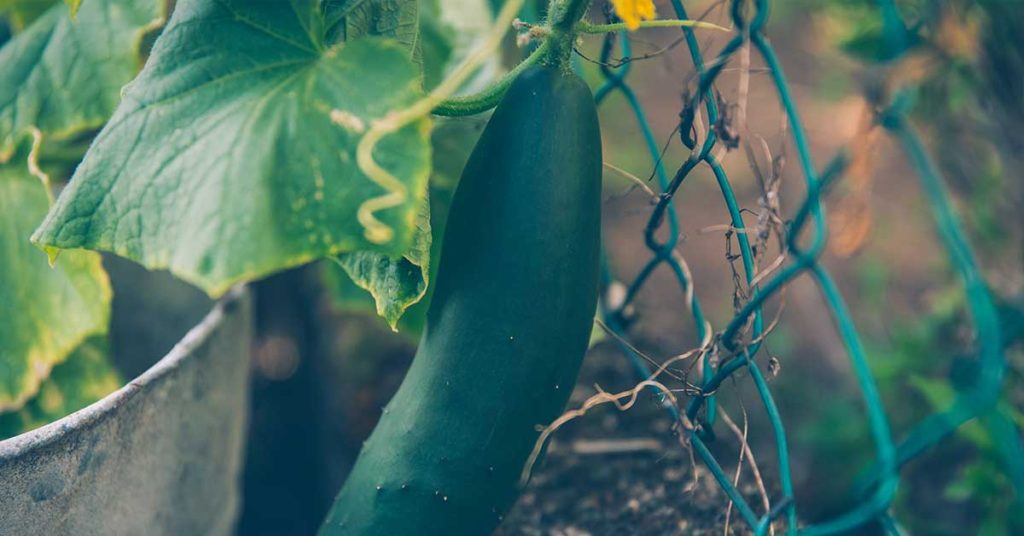
Cucumbers likely originated in India, where they’ve been cultivated for over 3,000 years. In containers, I opt for bush or “patio” varieties like ‘Spacemaster,’ which need only a 12-inch pot and a small support. Well-draining potting mix amended with compost ensures roots stay healthy, and consistent moisture yields crisp, tender cukes.
Cucumber blossoms are female and male; both produce nectar that lures bees, especially squash bees that specialize in cucurbit flowers. Providing a sandy patch for ground-nesting bees means better pollination and fuller fruits. Pick cukes frequently at 6–8 inches long to prevent seedy, bitter oversized specimens!
Zucchini
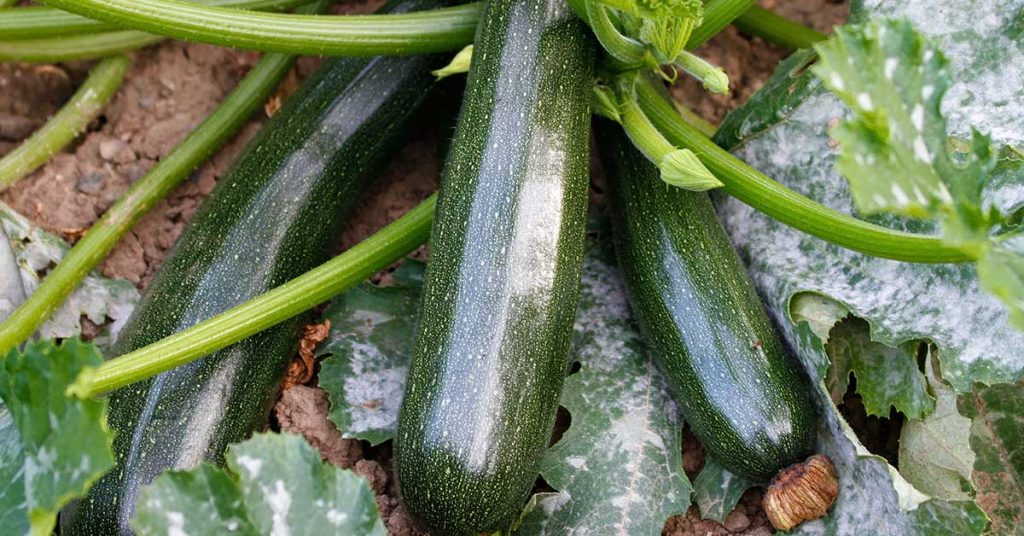
Zucchini is a New World squash first domesticated in Mexico. Although large vining types exist, bush zucchini varieties like ‘Black Beauty’ perform well in big containers—choose a 15-gallon pot and plant one seedling. Mix in aged manure or compost to feed that vigorous growth, and ensure decent drainage to avoid rot.
Zucchini’s bright yellow flowers are a lunchtime treat for bees and even some hummingbirds! If you see male blossoms outnumbering female ones, wait a day—fertile female blooms often appear slightly later. Harvest fruits when they’re 6–8 inches long for tender skin and fewer seeds.
Sweet Potatoes
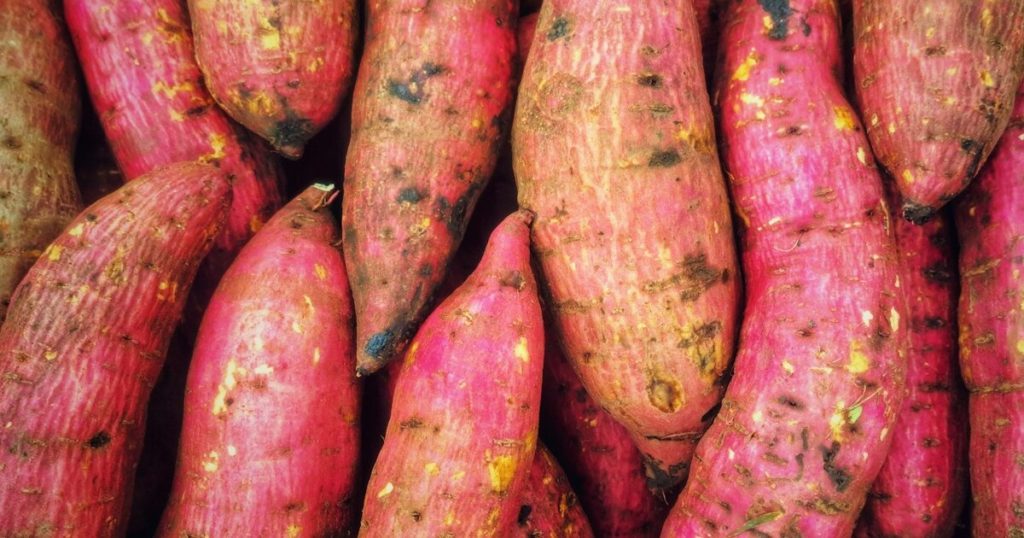
Sweet potatoes, native to Central and South America, offer both ornamental vines and delicious tubers in containers. I grow ‘Beauregard’ in a wide, shallow bin filled with light, sandy soil mixed with compost. Covering the soil with straw mulch keeps it cooler and preserves moisture during heat waves.
Their tiny, starry blooms attract sweat bees and tiny native bees that nest in bare soil—so leave a patch nearby unmulched. While tubers form underground, the vines create a lush canopy that also shelters beneficial insects. Dig carefully at season’s end to avoid damaging your sweet harvest!
New Zealand Spinach
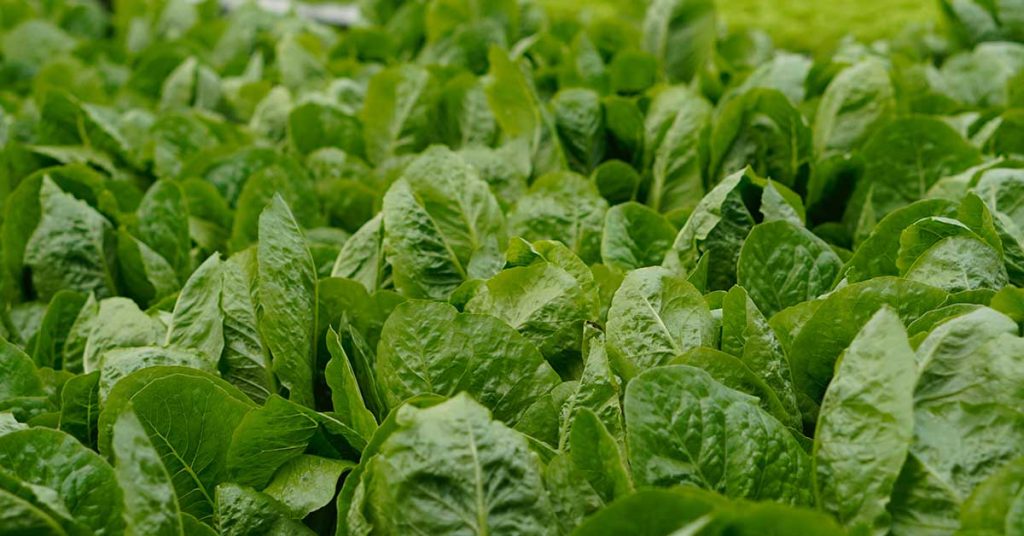
Though not a true spinach, New Zealand spinach (Tetragonia tetragonioides) hails from Australia and New Zealand and thrives in summer heat. Its succulent, triangular leaves require minimal care: I plant seeds or cuttings in a medium-depth container with a loamy mix and water twice weekly. Even during midsummer drought, this hardy green keeps producing.
Its inconspicuous yellow flowers attract small solitary bees that nest in cracks and crevices—ideal if you set up a bee hotel! Regular pruning of older leaves encourages tender new growth, and successive sowings ensure a continuous supply through the warm months.
Peppers
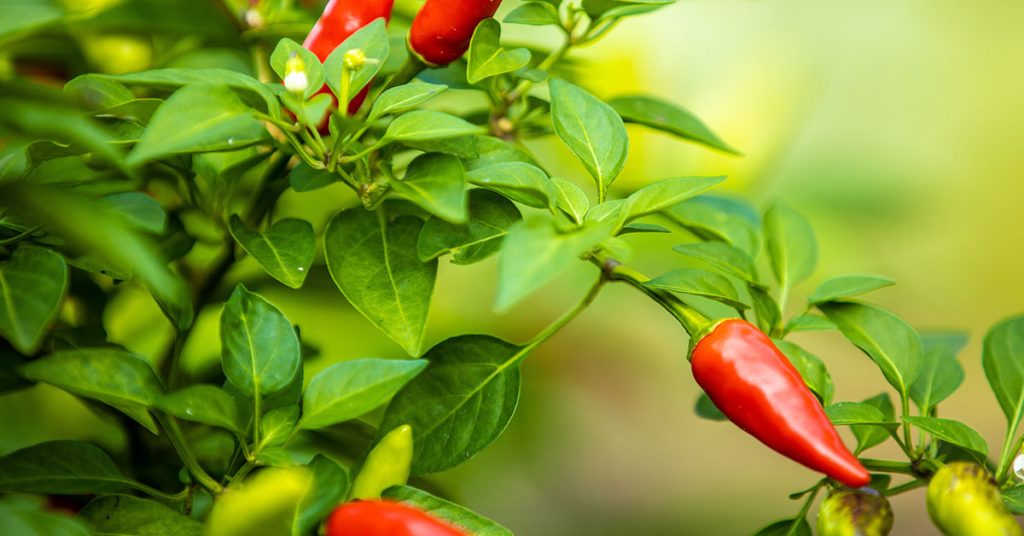
From the Americas—where peppers have been grown for millennia—bell and hot peppers flourish in containers when given warmth and sunlight. I choose compact varieties like ‘Jalapeño M’ or ‘Mini Bell,’ planting one per 5-gallon pot in well-draining, nutrient-rich soil. Steady moisture and occasional side-dressing with compost tea produce peppers packed with flavor.
Pepper blossoms are small but beloved by small native bees, which help transfer pollen even before self-pollination completes. To support these pollinators, avoid insecticide sprays and provide nearby flowering herbs like thyme or oregano. Regular harvesting of ripe pods stimulates ongoing fruit set, so pick peppers as soon as they reach color!