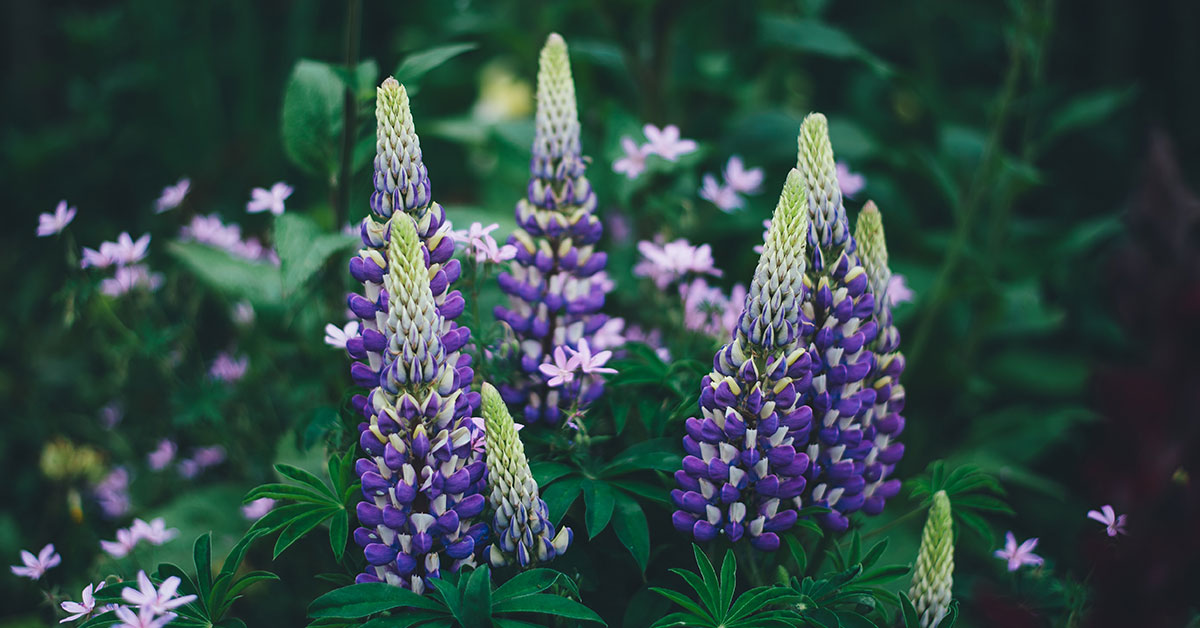

There’s nothing quite like the sight of a rolling carpet of lupines swaying in the breeze, their spiky blooms in shades of purple, pink, and white drawing the eye across your garden. I know how frustrating it is to sow seeds with high hopes only to end up with sparse stalks or leggy plants that flop over—trust me, I’ve been there! In this article, we’ll explore ten essential tips to help you cultivate a truly lush lupine field that bursts with color and life.
Lupines are native to regions as diverse as North America’s alpine meadows, the Mediterranean’s rocky slopes, and parts of South America. While many species are well-behaved in the garden, a few—like Lupinus polyphyllus in some European wildlands—can naturalize aggressively if left unchecked. By choosing the right species, preparing your soil thoughtfully, and tending your plants with care, you’ll enjoy a thriving lupine display that supports pollinators and lifts your spirits every time you step outside!
Space Plants Generously for Airflow

Cramming lupine seedlings too close together often leads to stunted growth and powdery mildew on crowded foliage. Aim for at least 12–18 inches between plants so each lupine can develop a strong basal rosette and tall, sturdy flower spike.
Well-spaced lupines also create corridors for bumblebees and solitary bees to weave between stalks, nesting in bare soil patches beneath the blooms. This free movement not only boosts pollination but makes your garden feel alive with buzzing activity!
Cold-Stratify Seeds Before Sowing

Many lupine species need a cold period to break seed dormancy. I learned this the hard way after scattering seeds in spring and waiting months for sprouting—only to realize I’d skipped refrigeration! Place seeds in a damp paper towel inside a sealed bag, refrigerate for 4–6 weeks, then sow directly outdoors for reliable germination.
This “winter simulation” aligns with the plant’s alpine origins, ensuring seedlings emerge uniformly. When those tiny green shoots break through the soil, you’ll know your patience paid off—and you’ll soon see bees beginning their first spring patrols among your young lupines!
Amend Soil with Organic Matter and Grit
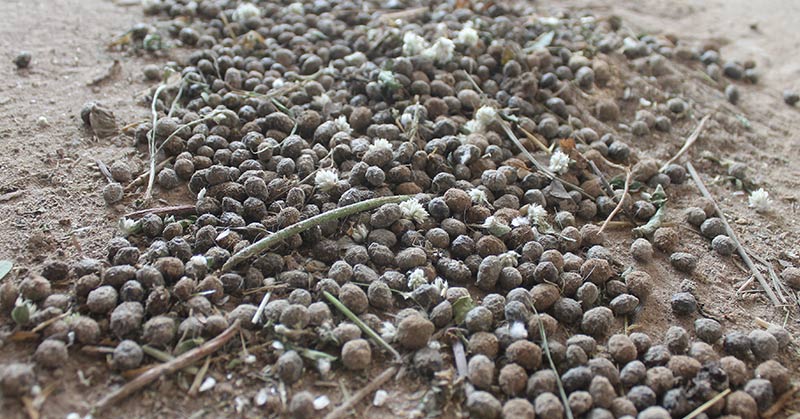
Lupines thrive in well-drained, slightly acidic to neutral soils (pH 6.0–7.0). Heavy clay can suffocate roots, while overly rich loam might encourage leafy growth at the expense of flowers. I always mix in aged compost plus a handful of coarse sand or horticultural grit to strike that perfect balance!
That gritty blend ensures rainwater drains swiftly—crucial for preventing root rot—and fosters a healthy community of soil organisms. Earthworms and springtails aerate the ground, making nutrients more available and giving lupine roots the freedom to spread out and establish robust, nitrogen-fixing nodules.
Inoculate Soil with Rhizobia for Nitrogen Fixation

One of lupines’ superpowers is their ability to fix atmospheric nitrogen, but only if the right soil bacteria (rhizobia) are present. To kickstart this partnership, dust seeds with a lupine-specific inoculant before planting or sprinkle granules into planting holes.
When rhizobia colonize the roots, they form nodules that convert air-borne nitrogen into a natural fertilizer for your lupines—and later, enrich the bed for subsequent plantings. This biological boost enhances bloom density and supports beneficial insects that feed on the richer foliar growth!
Choose Native or Non-Invasive Cultivars

While many lupines are garden-friendly, some species—particularly flat-topped Lupinus polyphyllus—have become invasive in certain regions. To avoid escapes, opt for native lupines like Lupinus perennis in eastern North America or sterile hybrid cultivars bred for tight garden containment.
Native selections not only behave better, but they also support local butterfly species like the Karner blue, which lays its eggs exclusively on L. perennis. By planting region-appropriate lupines, you encourage both ecological balance and an explosion of pollinator traffic!
Provide Full Sun for Robust Blooms

Lupines evolved in open, sunny habitats—think alpine meadows and coastal dunes—so they demand at least six to eight hours of direct sunlight daily. Planting them in part shade often results in thin stems and sparse flowers that flop under rain or wind.
A sun-soaked display powers photosynthesis and helps dry foliage quickly after morning dew, reducing fungal pressure. Plus, bright blooms under clear skies become vibrant landing platforms for hummingbird moths at dusk and honeybees by day!
Stake Tall Varieties Early
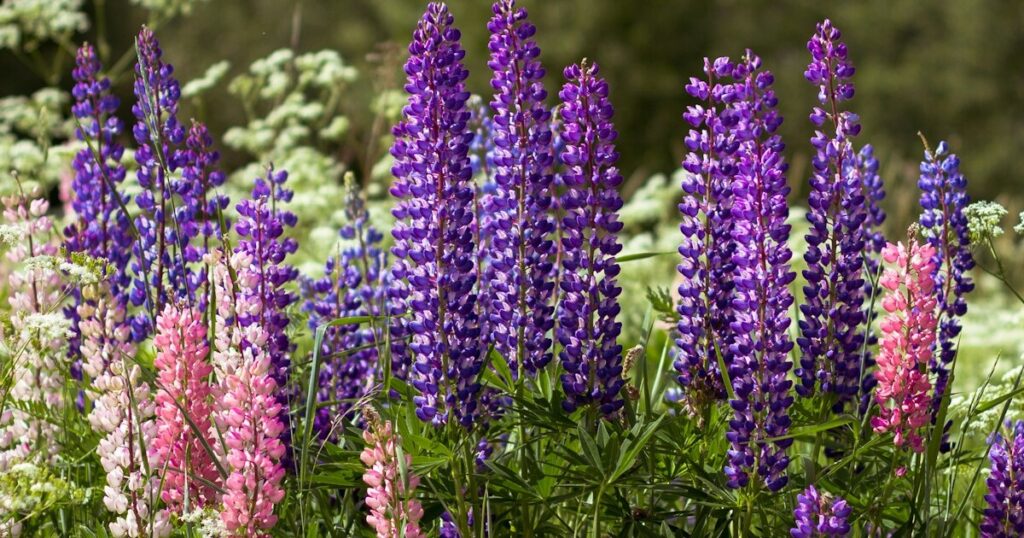
Some lupine cultivars can reach four feet or more, and their flower spikes may flop once heavy with blooms or after a storm. To prevent that disappointing topple, insert slender bamboo stakes or lightweight tomato cages at planting time and gently tie young shoots as they grow.
This early support guides the plant’s natural upward habit and ensures each flower cluster stays upright, showcasing every petal to passing pollinators—and to you, as you stroll through a field of perfectly poised lupine spires!
Water Consistently, Then Let Dry Slightly

During establishment, keep lupine seedlings evenly moist—but never soggy. After the first bloom flush, reduce watering frequency. Allow the top two inches of soil to dry between sessions. This encourages deep root growth and drought resilience, so your lupine field can withstand summer heat without wilting.
Infrequent, deep watering also avoids surface puddling that can lead to crown rot. Healthy roots and sturdy crowns produce more flower spikes, which then attract a wider variety of bees, butterflies, and bee flies to your summer meadow!
Deadhead Spent Blooms to Prolong Flowering
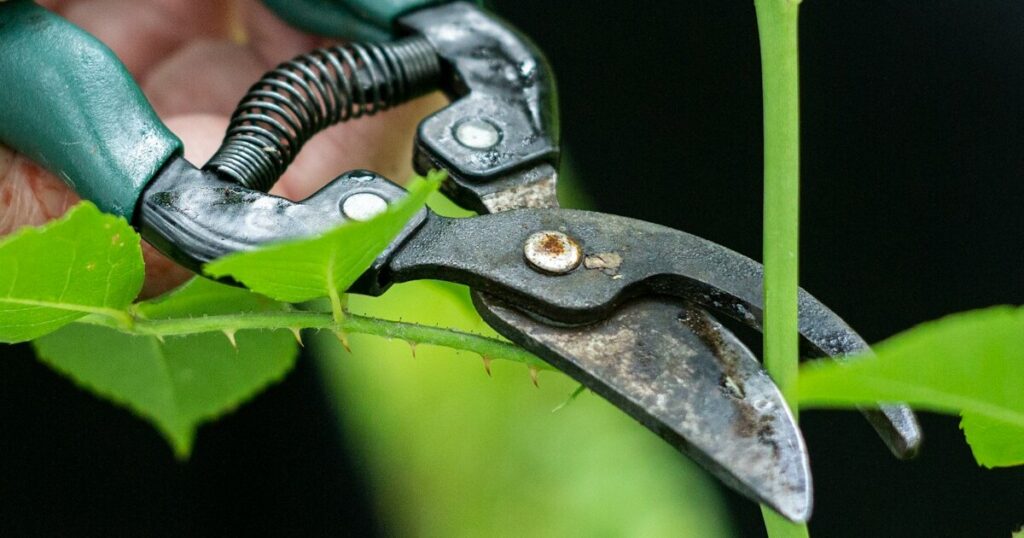
Once the first round of flowers fades, trim entire spikes down to the base. Removing spent blooms redirects the plant’s energy into new flower production rather than seed formation. I know how thrilling it is when lupines rebloom in late summer—deadheading makes that possible!
This maintenance also keeps your lupine field looking fresh and prevents self-seeding in unwanted areas. And every time you snip back a spent stalk, you create fresh landing spots for pollinators scouting for nectar.
Monitor for Pests and Diseases Early

Aphids, slugs, and powdery mildew can take hold quickly in a dense lupine planting. Regularly inspect leaves—especially on the undersides—and treat aphid colonies with a strong water spray or insecticidal soap at first sight. Place crushed eggshell mulch to deter slugs.
Early intervention prevents minor infestations from becoming full-blown troublespots. Healthy lupines not only flower more abundantly but also attract predatory insects like lacewings and parasitic wasps, which keep your garden’s ecosystem in balance!