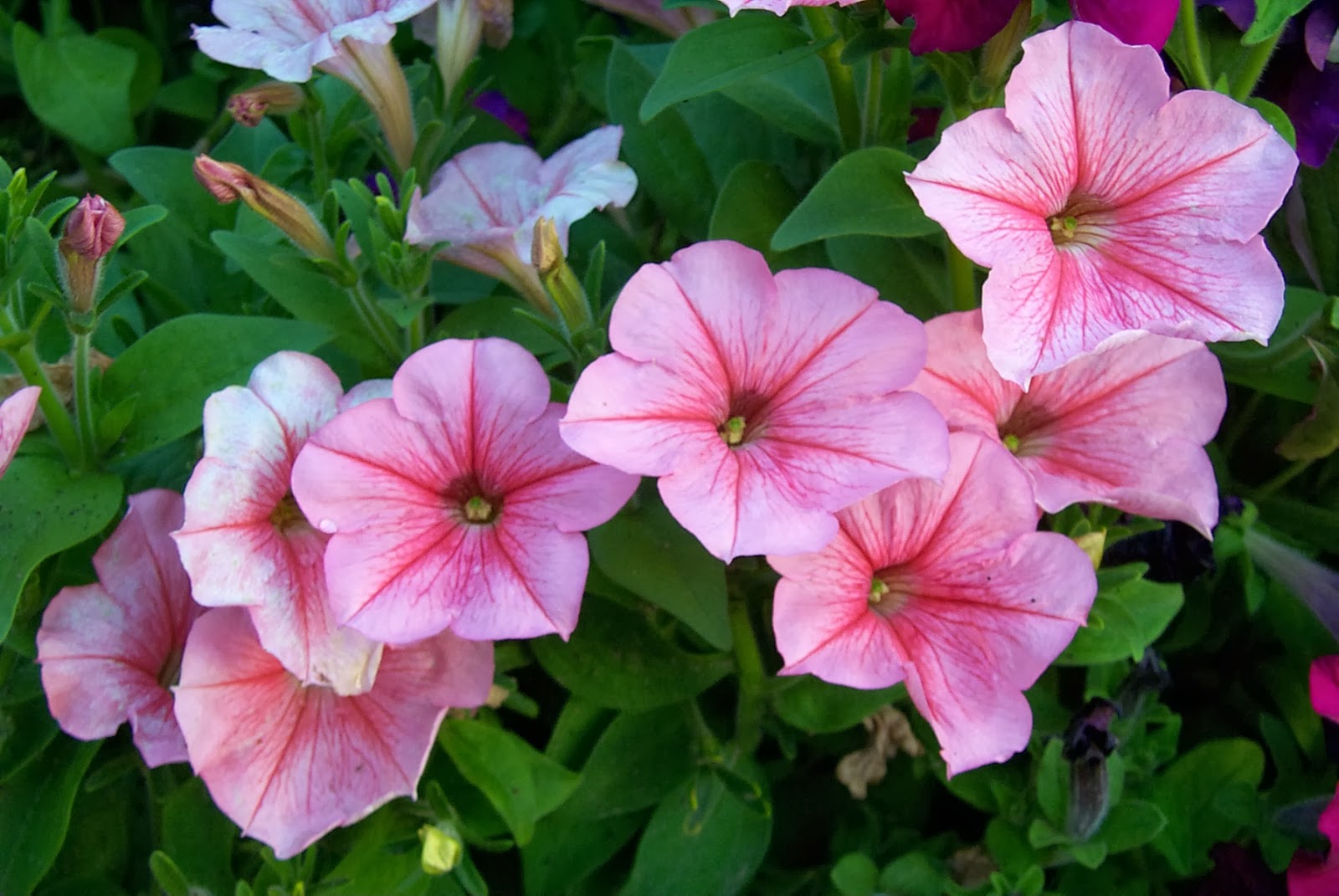

I still remember the first time I crafted a cascading wall of petunias—those trumpet-shaped blooms felt like a living fireworks display! Yet I also know how frustrating it is when your petunias sulk, become leggy, or fail to flower consistently. If you’ve ever sighed at drooping blooms in the midday heat or scratched your head over patchy growth, you’re not alone. In this guide, I’ll share ten of my best tips—gleaned from trial, error, and elbow grease—to help you cultivate a riot of color that thrills both you and your garden visitors.
Petunias (Petunia × atkinsiana) hail from the sunny plains of South America, where they evolved to tolerate heat, drought, and grazing wildlife. While they’re not considered invasive in most temperate gardens, their rapid self-sowing habits can surprise you if you let spent blooms go to seed! Let’s dive into these tips—presented in a random mix to keep things fresh—so you can plan, plant, and pamper your petunias for season-long magnificence.
Space Plants for Airflow

Petunias need room to breathe. Crowding them too tightly invites fungal diseases like powdery mildew and can stunt flowering. Aim for about 8–12 inches between plants so stems can fan out and air circulates freely!
Well-spaced petunias also provide ample landing room for pollinators. Hummingbirds love to hover by those tubular flowers, and small native bees often nest in the shelter of thick foliage. By giving your plants space, you’re creating a miniature wildlife habitat alongside your showstopping display!
Pinch and Prune for Bushiness
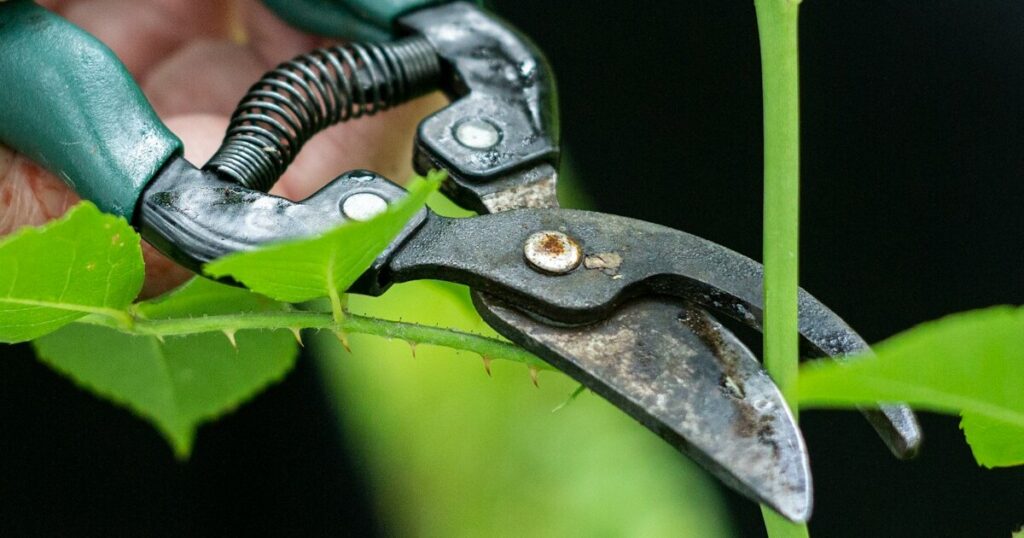
Left unchecked, petunias can grow leggy, with long bare stems and fewer flowers. Early in the season, pinch back the tips of young shoots to encourage branching. A mid-summer trim of spent stems revives plants and sparks a fresh flush of blooms!
Those extra branches also translate into more nectar-rich blossoms for butterflies and hoverflies. I’ve watched monarchs flit from one vibrant petunia to the next, and it’s always a delight to see my pruning efforts rewarded by an uptick in garden visitors.
Choose the Right Varieties
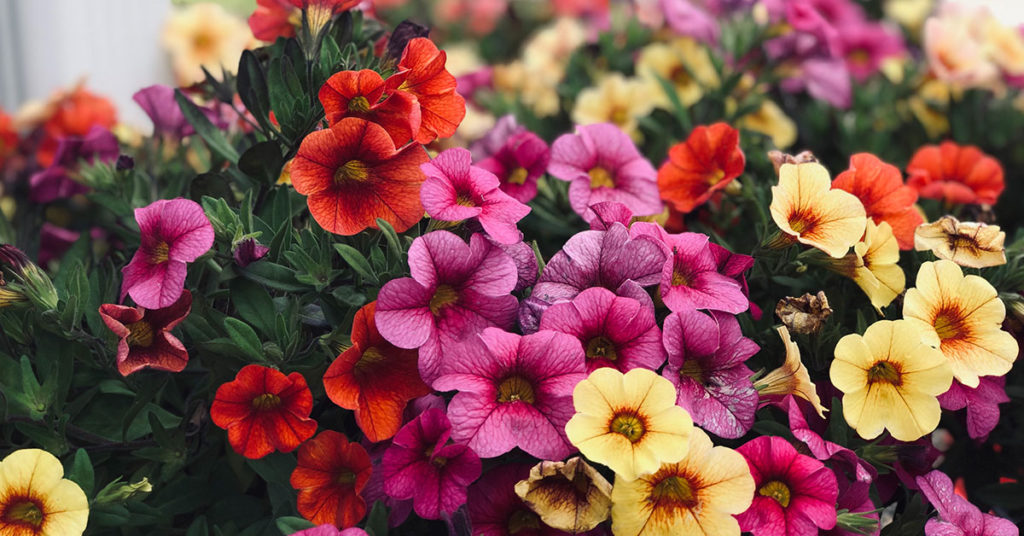
Not all petunias are created equal! For heat tolerance, look for “Wave” or “Tidal” series; for drama in hanging baskets, opt for trailing or wave types; for compact beds, mounded varieties like “Celebrity” excel. Matching the variety to its role ensures consistent performance!
Different cultivars also attract a variety of pollinators. Bright pinks and purples draw hummingbirds, while white and pale lavender are a beacon for nocturnal moths. Selecting a mix of colors and forms can turn your garden into a round-the-clock pollinator hotspot!
Amend Soil for Fertility and Drainage

Petunias flourish in rich, well-drained soils. Before planting, work in generous amounts of compost and a handful of horticultural grit or coarse sand. This mix retains moisture yet prevents “wet feet,” which can lead to root rot!
Healthy soil teems with earthworms and beneficial microbes that aerate and enrich the root zone. These underground allies make nutrients more available, ensuring each petunia bush can power those abundant blooms that bees and butterflies are drawn to like a beacon.
Deadhead Religiously
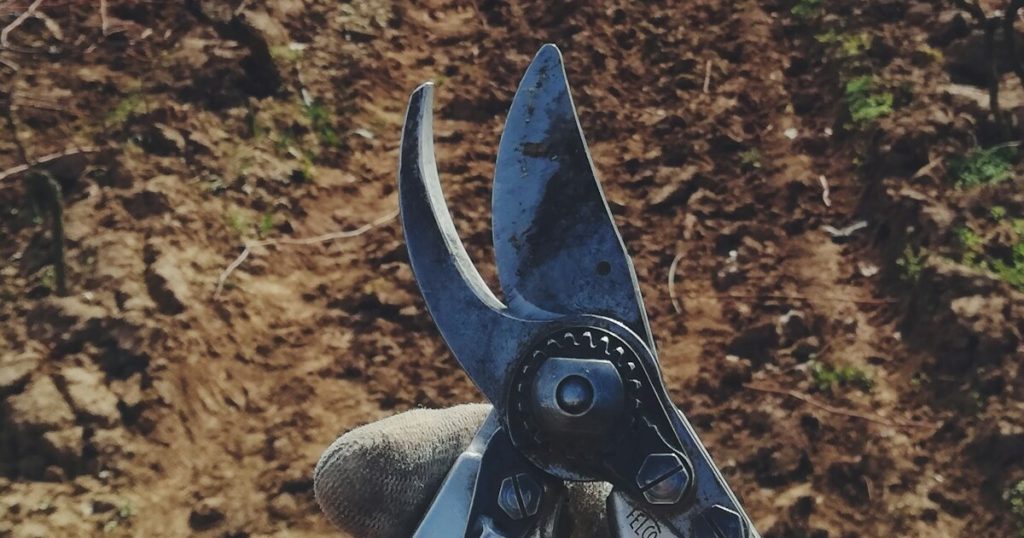
Allowing spent flowers to fade naturally is tempting, but deadheading is essential for prolonging bloom. Snip off wilted blossoms weekly to redirect energy into new flower production rather than seed formation!
Removing old blooms also clears hiding spots for slugs and snails that might nibble young shoots. And it keeps your display tidy, making each vibrant petunia an inviting landing pad for nectar-seeking insects.
Water Consistently but Wisely
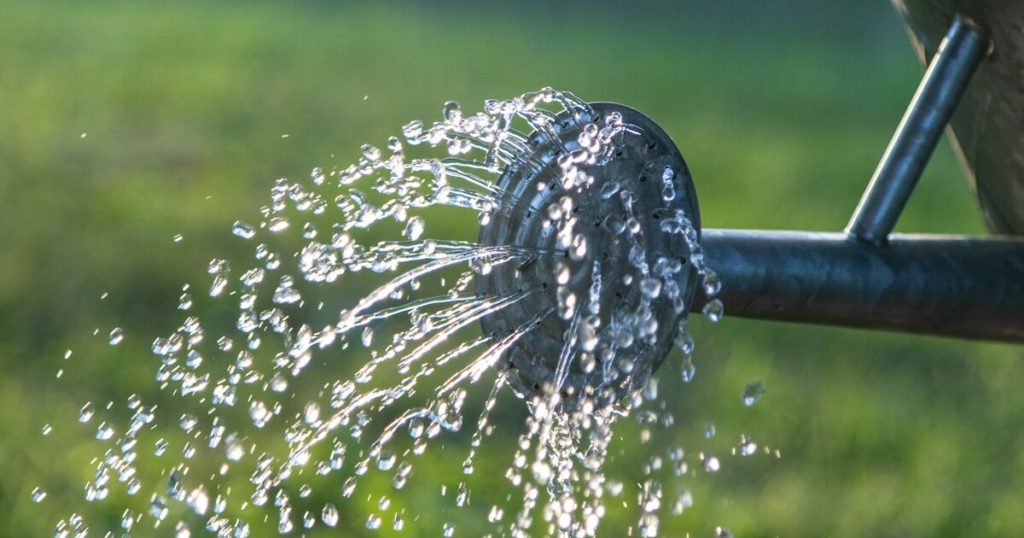
Petunias prefer steady moisture without sogginess. Water deeply when the top inch of soil feels dry, rather than giving daily shallow sprinkles. This encourages deep roots and drought resilience!
Consistent watering not only sustains those jewel-toned blossoms but also maintains nectar production for hummingbirds and native bees. A thirsty petunia produces less nectar and wilted blooms—so don’t let your pollinating friends go thirsty!
Fertilize Throughout the Season

Heavy feeders by nature, petunias benefit from regular fertilization. Apply a balanced, slow-release granular fertilizer at planting, then switch to a liquid feed every two to three weeks for nonstop color and vigor!
Well-nourished petunias hold more flowers per stem, which means long-tongued pollinators have abundant nectar sources. I’ve noticed that hummingbirds linger twice as long on a well-fed patch, and you’ll see more fluttering in your garden, too.
Provide Peak Sunlight

Petunias need at least six hours of sun daily to bloom profusely. In hotter regions, morning sun with afternoon shade keeps petals from scorching. I learned to tuck containers under an oak after lunchtime heat arrived—my blooms stayed bright and my plants perked up!
Sun-soaked flowers ripen nectar faster, drawing in a wider variety of bees, butterflies, and even hummingbird moths at dusk. Plant placement is key: observe your garden’s sun and shade patterns before deciding on container spots or bed layouts.
Protect Against Pests
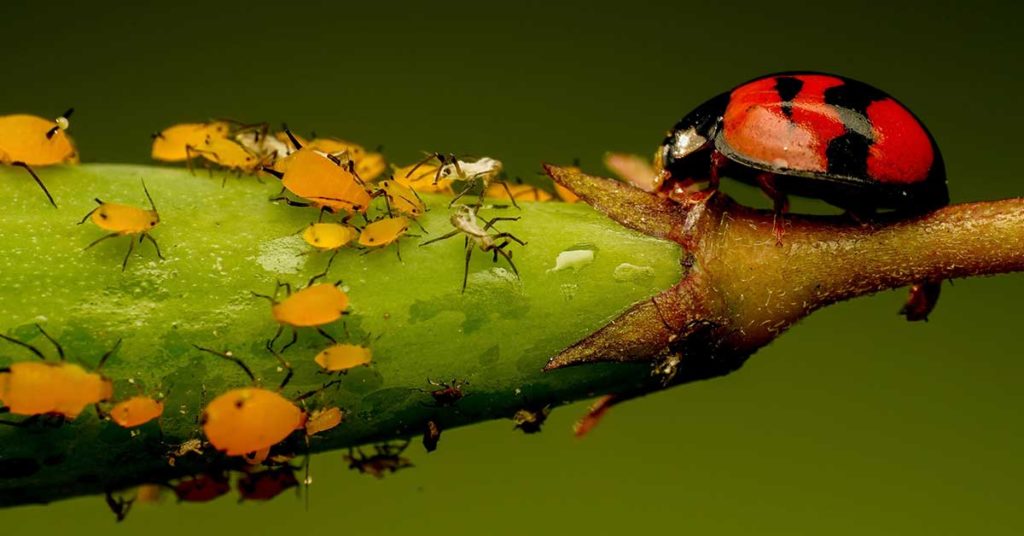
Thriving petunias can still attract aphids, caterpillars, and slugs. Scout foliage regularly and zap aphids with a strong water spray or insecticidal soap. Set out beer traps or crushed eggshell mulch to deter slugs before they feast!
Encouraging beneficials—ladybugs for aphids, parasitic wasps for caterpillars—adds natural pest control. By nurturing a balanced ecosystem, you protect your petunias and offer a safe haven for gardeners’ best allies.
Plan for Succession Planting

Petunias may fade by late summer heat, so plan a mid-season replanting of fresh seedlings or sow quick-growing annuals like calibrachoa among them. This keeps your garden from developing gaps as the season progresses!
Succession planting also extends habitat for pollinators longer into fall. I often slip in some early-blooming asters come August, providing a nectar bridge when petunias start to slow. Your garden remains a buzzing, fluttering party all season long!