

If you’re tired of battling brown patches, endless mowing, and chemical treatments on a standard turf lawn, you’re not alone. Over the years, I’ve experimented with everything from traditional Kentucky bluegrass to bold alternatives that require less water, less fertilizer, and fewer mowings—plus they often provide habitat for beneficial insects and birds. Many of these grasses are native to various regions around the world and have been selected or bred to thrive with minimal inputs, making them wonderful eco-friendly lawn substitutes.
I know how frustrating it is to watch your perfectly manicured lawn turn into a chore rather than a joy. Whether you’re battling drought, shade, pests, or soil compaction, there’s likely a grass variant suited to your conditions. Below are 10 worthy contenders—presented in a fresh, randomized order—to help you build a greener, easier, and more wildlife-friendly yard!
Bahia Grass (Paspalum notatum)
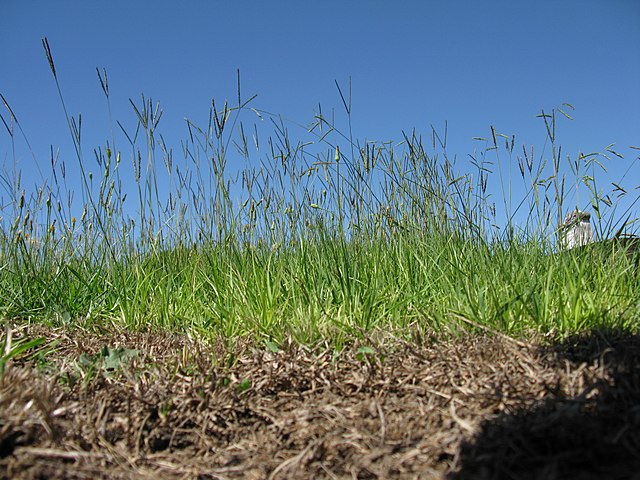
Bahia grass hails from South America and has become popular in warm-season regions for its deep roots and drought tolerance. It forms coarse, wiry blades that handle heat and heavy traffic remarkably well. I’ve noticed my yard stays green longer into droughts, and its tough stems create little nooks where beneficial ground beetles and earthworms like to nest!
While Bahia isn’t invasive in cooler climates, in frost-free zones it can spread aggressively via stolons. If you live in a warm region and want a tough, summer-active turf, Bahia is a top choice—just be prepared to edge it regularly or accept its free-wheeling habit.
Kikuyu Grass (Pennisetum clandestinum)
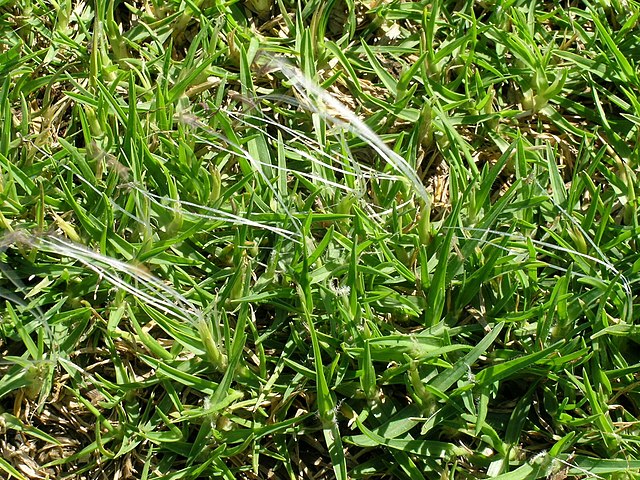
Native to East Africa, Kikuyu grass is a fast-growing, warm-season turf that thrives in sun and handles heavy use. Its vigorous stolons form dense mats that suppress weeds—ideal for active families and pet owners. I’ve seen small frogs and toads set up camp beneath its lush canopy, turning my lawn into a little amphibian haven!
However, Kikuyu can be invasive in mild climates, sending runners into garden beds and neighboring yards. If you choose it, plan on regular pruning and physical barriers to keep it in check—but the payoff is a nearly indestructible, emerald turf.
Creeping Red Fescue (Festuca rubra)
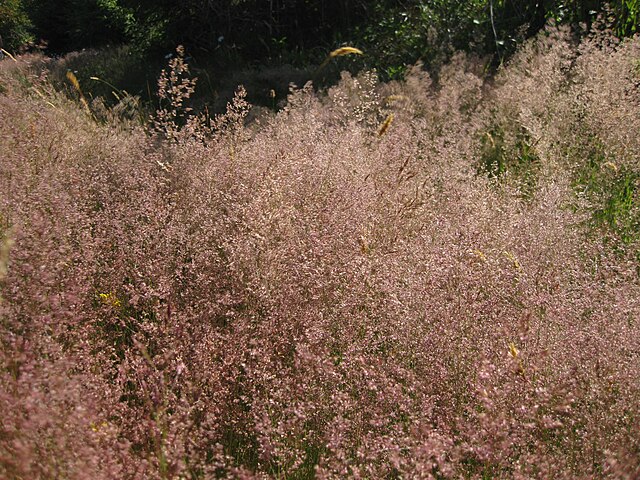
This fine-textured fescue, native to Europe and North America, excels in cool, shady spots where other grasses fail. Its slender, dark green blades form a soft, carpet-like lawn that birds love to flip over as they search for insects and worms. When I slipped creeping red fescue into my shady understory, the transformation was stunning!
Creeping red fescue spreads via slender rhizomes but isn’t aggressively invasive. It prefers well-drained soil and cool temperatures, making it ideal for northern climates or north-facing yards. Just be prepared to mow a bit less frequently—those thin blades stay neat at higher mowing heights!
Tall Fescue (Festuca arundinacea)
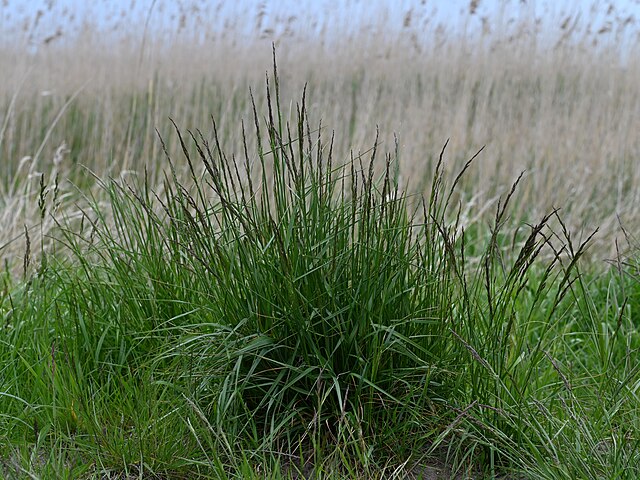
Tall fescue, native to Europe and Asia, has robust clumping roots that penetrate deeply, giving it excellent drought resistance and resilience in compacted soils. I’ve found it holds up beautifully under foot traffic, and its hollow leaves offer tiny hiding places for beneficial springtails and other soil-dwelling friends!
While some cultivars can look coarse, newer “turf-type” tall fescues boast finer blades and denser growth habits. They’re not invasive and are particularly well-suited to transitional zones where both heat and cold can stress other grasses. Less watering and fewer chemicals? Yes, please!
Buffalo Grass (Bouteloua dactyloides)

Buffalo grass is a North American native Prairie grass that brought me back to love of lawns. This warm-season beauty has soft, blue-green blades and spreads by stolons, forming a low-growing, drought-tolerant turf. When you step on it, the hollow stems create a pleasant, bouncy feel, and I’ve spotted tiny ants and even small beetles nesting in the thatch.
Because buffalo grass evolved on the dry prairies, it needs minimal irrigation and mowing just a couple times per season. It’s not invasive outside its native range, but it does prefer full sun—perfect if you have a broad, open yard and want a natural, low-care alternative.
Zoysia Grass (Zoysia japonica)
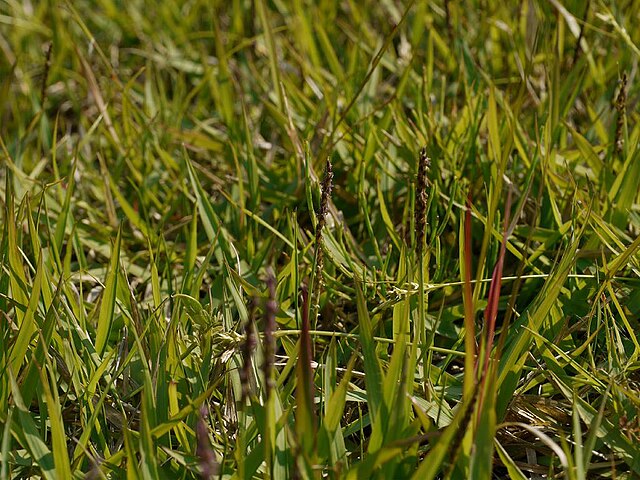
Originating in East Asia, Zoysia grass won me over with its luxurious, fine texture and ability to choke out weeds. It grows slowly via stolons and rhizomes, so mowing is a rare event. Plus, the thatch layer provides shelter for beneficial ground arthropods and spiders, which help keep pests in check!
Zoysia tolerates heat, moderate shade, and foot traffic, making it a versatile choice. While it spreads vigorously, it’s not classified as invasive in most areas. The only catch? It takes a season or two to fully establish—once it does, though, you’ll wonder why you waited so long!
Fine Fescue Mixes (Festuca spp.)
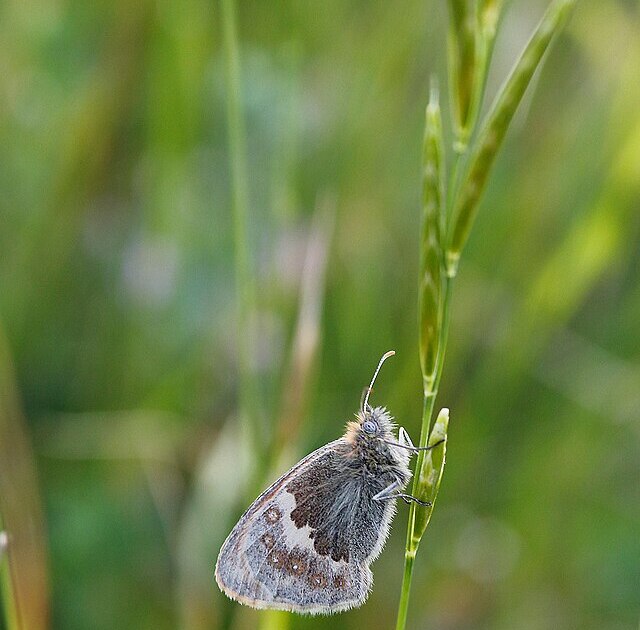
Fine fescue blends—often including chewings, sheep, and hard fescues—are native across much of Europe and North America, forming delicate, narrow blades that thrive in shade, poor soils, and cool climates. I sprinkled a fine fescue mix under my maples, and now birds and butterflies delight in the tiny flowers this grass produces!
These mixes aren’t invasive, and their low growing habit means you’ll mow less—often only once or twice a year. Their light footprint and minimal fertilizer needs have turned my shady slopes into vibrant, wildlife-friendly carpets.
Bermuda Grass (Cynodon dactylon)
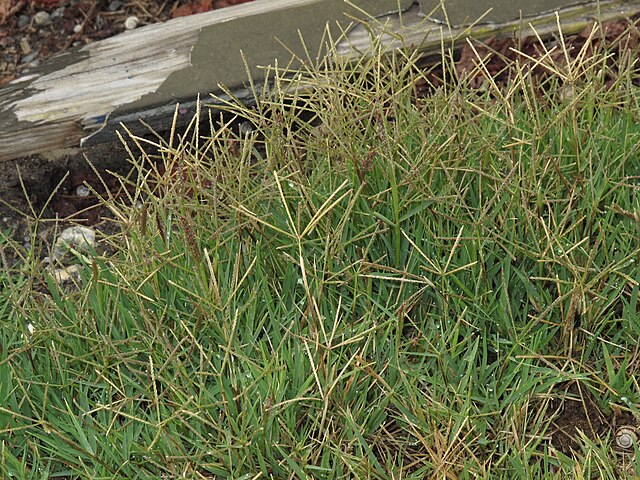
Bermuda grass hails from Africa and Asia and is famed for its toughness in hot, sunny areas. It spreads rapidly via stolons and rhizomes, forming a dense mat that weeds struggle to penetrate. When I planted Bermuda, my chew-and-spit soil turned into a resilient turf that welcomes barefoot play and pet romps with barely a complaint!
Though it can become invasive in cooler zones, in true warm-season regions it’s a go-to for low water needs and fast recovery from wear. Regular edging keeps runners at bay, but the payoff is a vibrant, near-weedless lawn.
Centipedegrass (Eremochloa ophiuroides)
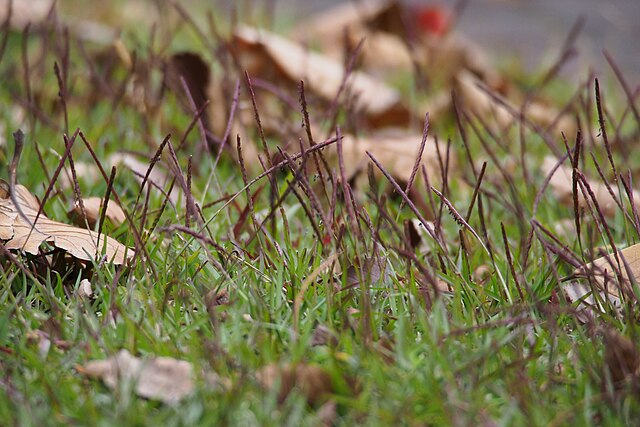
Native to southern China and Southeast Asia, centipedegrass boasts coarse, light-green blades and a slow growth rate that cuts down on mowing. It prefers acidic, sandy soils and moderate shade—conditions where many other grasses falter. I’ve watched it carve out tidy patches where nothing else would grow, offering refuge to tiny ground nesting bees!
While centipedegrass is not invasive, it isn’t the hardiest in traffic either. If your yard sees light use, though, it’s an easy-care, fertilizer-sipping alternative that gives you a soft, cushiony lawn with minimal fuss.
Hard Fescue (Festuca trachyphylla)
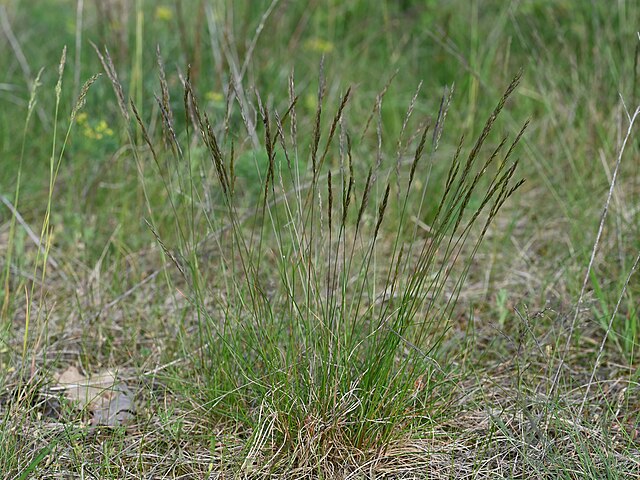
Hard fescue is another cool-season native grass—common in Europe’s meadows—that thrives in low-fertility, dry soils. Its stiff, blue-green blades form tufted clumps that hold together through heat and drought. In my garden, I’ve spotted ground-dwelling beetles and beneficial mites making their homes amid the dense tussocks!
This grass isn’t invasive and requires very little water or feeding. It tolerates shade surprisingly well, so I often interplant it beneath deciduous shrubs for a low-maintenance, wildlife-welcoming groundcover that looks great year-round.