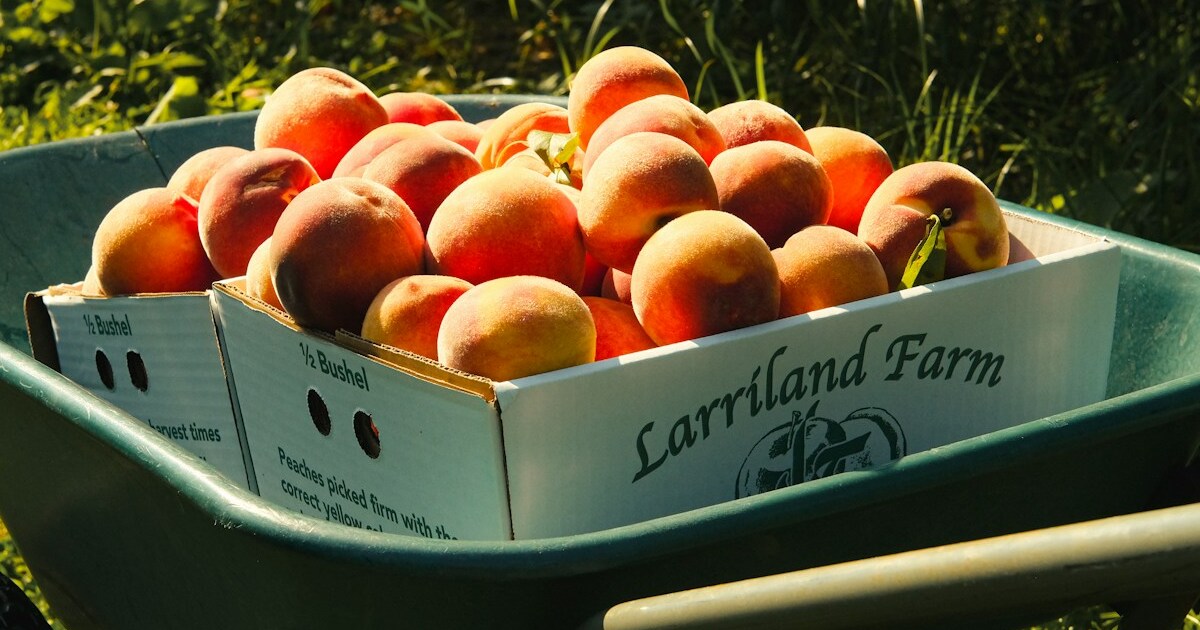

There’s something downright magical about harvesting peaches from your own tree. If you’ve been waiting all season, fussing over pests, battling birds, and keeping your peach tree watered just right, you know the anticipation can be overwhelming. But here’s the tricky part: peaches don’t ripen well after picking like some other fruits do. If you pluck them too early, you’ll end up with hard, flavorless fruit—such a letdown after all that work!
As a gardener who’s had my fair share of unripe or overripe disasters, I can tell you that spotting the perfect harvest moment is an art—and a bit of a science too. Peach trees, which hail originally from China and are widely grown in temperate climates, need careful timing to give you their best. They’re not invasive but do need regular care to stay productive. So let’s look at the clearest signs that your peaches are finally ready to harvest—and how to be sure you’re not picking them too soon or too late!
The Fruit Feels Slightly Soft When Gently Squeezed
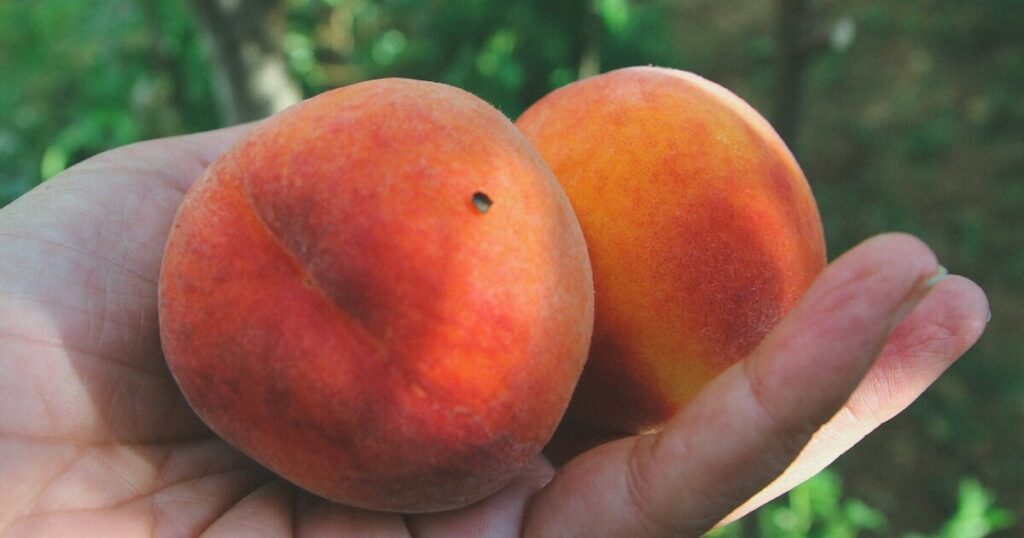
This is probably one of the most reliable signs I’ve come to trust. A ripe peach will give just a little when you gently squeeze it near the stem—not mushy, but definitely not rock hard either. If it still feels firm, give it a few more days on the tree. Peaches soften from the shoulders (near the stem) down to the base.
Be careful with this method—don’t squeeze too hard or you’ll bruise the fruit, especially if it is ripe! I’ve made that mistake more times than I’d like to admit. This sign works best early in the morning when the fruit is cool, so try testing a few peaches while you’re out watering or checking the trees for pests.
The Background Color Has Changed From Green to Yellow
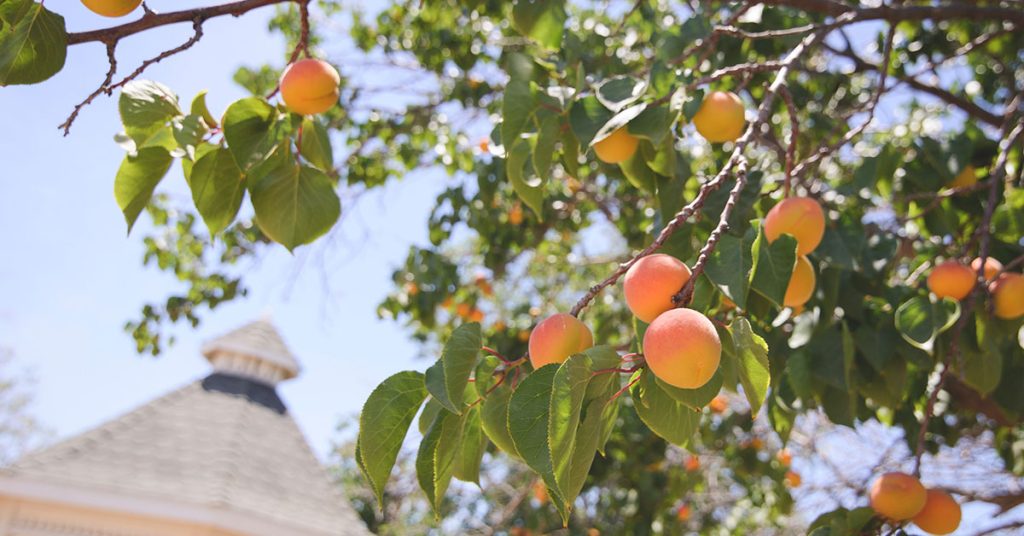
Peaches start off with a greenish cast under their surface color. As they ripen, that green fades into a creamy yellow or golden color, depending on the variety. This background color, found near the stem or under the blush, is one of the clearest indicators of readiness. If the base is still green, your peach needs more time.
Don’t be fooled by the red blush! That’s influenced more by sunlight than ripeness. I’ve picked a few peaches that looked beautifully red but were still hard as rocks inside—live and learn. Keep an eye on the color change across several fruit clusters to judge the overall ripening stage of your tree.
The Fruit Easily Twists Off the Branch
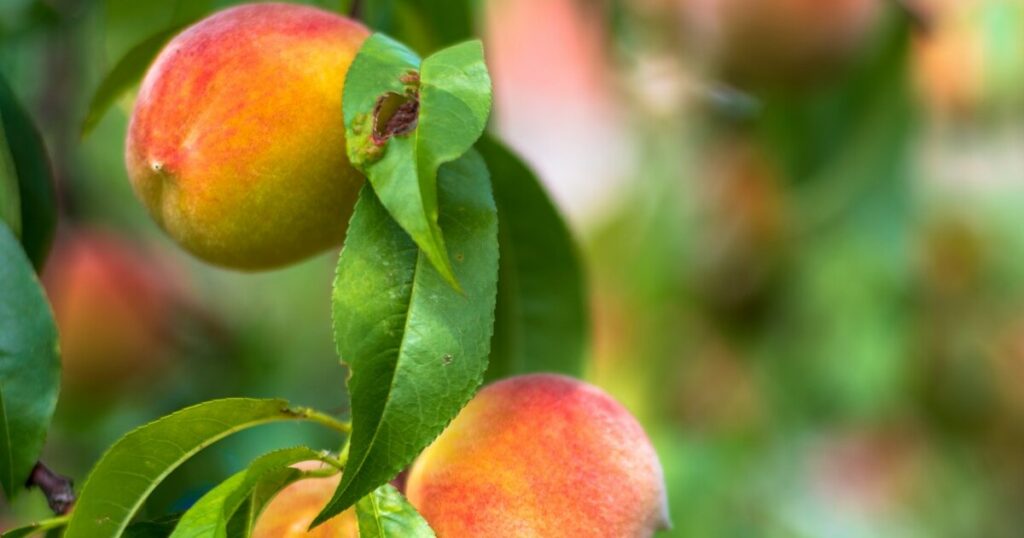
A ripe peach should come off the tree with very little effort. If you have to tug or twist hard, it’s not ready yet. I usually use a gentle upward motion while holding the peach close to the base—if it separates easily, it’s good to go. If not, I leave it for another day or two.
This is especially helpful if you’re trying to harvest just a few ripe ones at a time rather than stripping the whole tree. It’s such a satisfying feeling when the fruit slips off cleanly, and I always get a little jolt of excitement when I feel it come free that easily!
The Scent Is Sweet and Fragrant
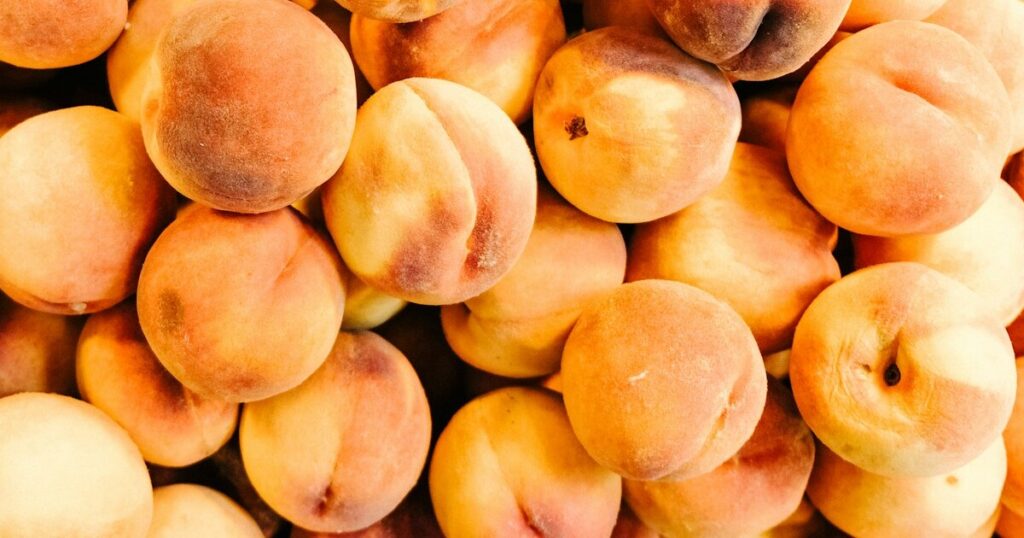
Peaches let you know they’re ripe by how they smell—and wow, do they smell good! A ripe peach will have that warm, honeyed scent we all associate with peach cobbler and sweet preserves. If you don’t catch much of an aroma near the fruit, it likely needs more time.
Stick your nose close to a few peaches in the early afternoon after the sun has warmed them up—this is when I find the fragrance is at its strongest. When a tree full of peaches is giving off that sweet scent as you walk by, it’s nature’s way of saying, “Harvest time!”
The Fruit Has a Full, Round Shape

One thing I’ve noticed over the years is that unripe peaches often look just slightly flat or dimpled near the stem. As they ripen, they fill out and become plump, round, and firm all the way around. This fullness is a great visual cue, especially when you’re scanning the tree from a distance.
You’ll get to know the “look” of ripe peaches on your specific tree after a few seasons, but generally speaking, when the shoulders (top portion) are no longer indented and the fruit looks well-rounded, it’s time to taste-test one. And yes—I always “sample” at least one before I pick the rest!
There’s a Noticeable “Seam” Along the Fruit
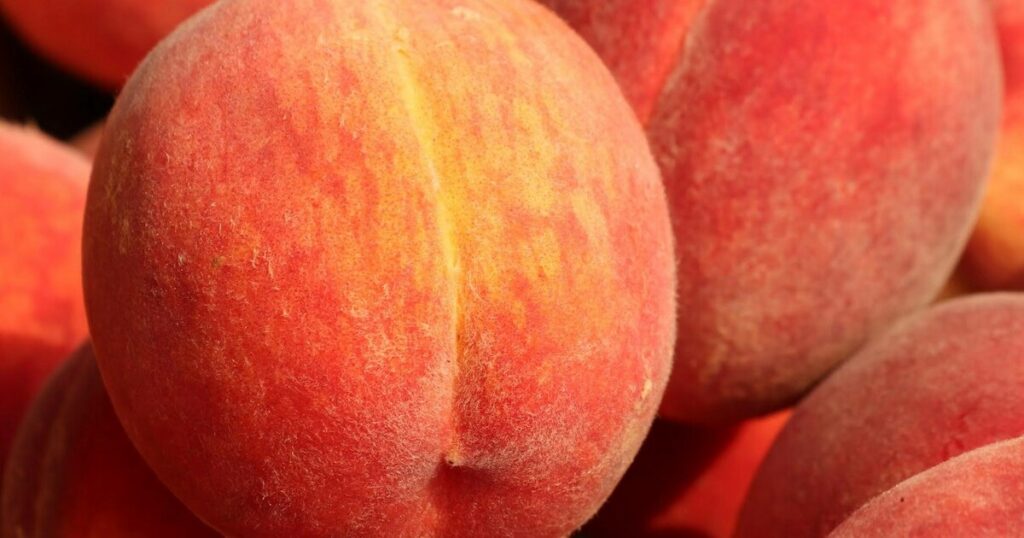
This is one of those signs that’s easy to overlook but actually really helpful. As peaches ripen, the central seam—that faint line running from top to bottom—becomes more pronounced and visible. On some varieties, it even darkens slightly, standing out more clearly against the fruit’s skin.
The more defined the seam looks, the more likely it is that the fruit is ripe or nearly there. I’ve learned to check this alongside color and softness as a three-part confirmation test. It’s not something you’ll read about in every gardening guide, but it’s made my peach-picking game way more reliable.
A Bit of Fruit May Have Fallen Naturally
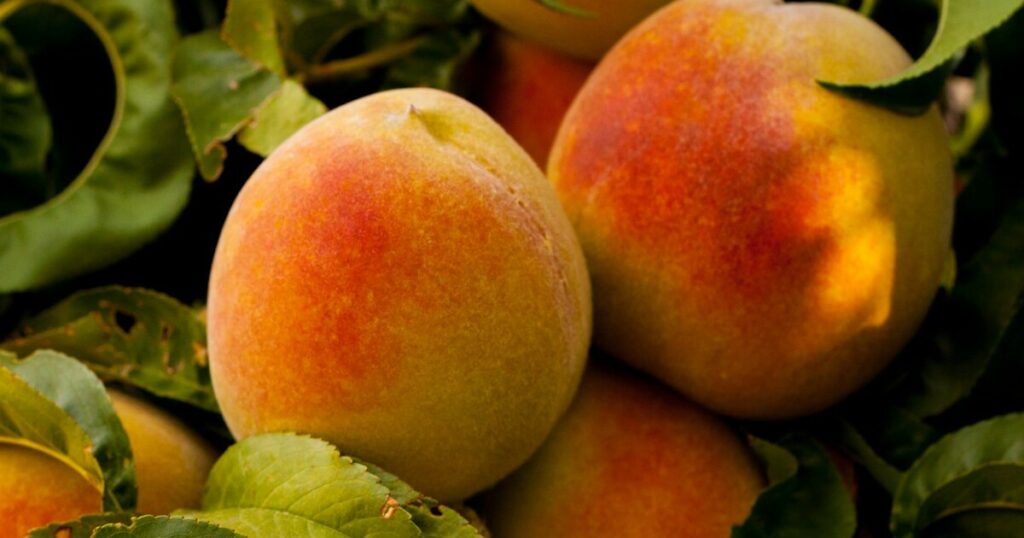
While you never want all your fruit falling to the ground (that’s a sign of over-ripeness or stress), a few peaches dropping naturally—especially with no pest damage—can be a clue that the tree is at peak ripeness. Trees will start to “let go” of the ripest fruit first, and it’s a sign the rest are nearly ready.
Check any fallen peaches carefully—if they’re soft, fragrant, and insect-free, odds are the others up in the tree are at the perfect stage for picking. I always feel a mix of excitement and urgency when I see those first clean drops—it’s like a signal to get out the basket and start harvesting!
The Skin Develops a Slight Fuzz Sheen
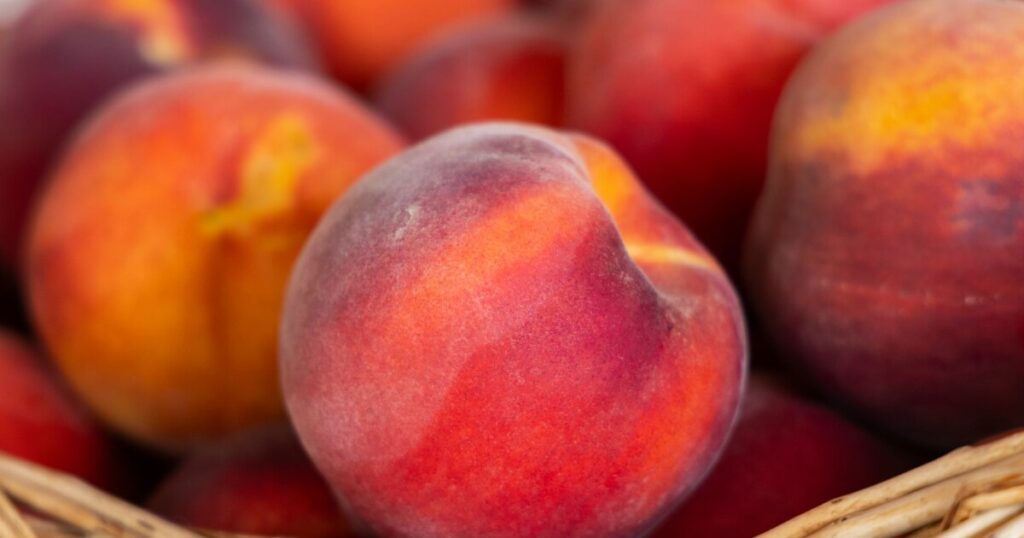
Ripe peaches tend to take on a more velvety appearance. You might notice that their natural fuzz starts to stand out more, almost like a matte finish. Unripe fruit often looks smooth and shiny, but as the sugars develop and the skin matures, that fuzz takes on a soft glow.
This is especially noticeable in varieties with heavier fuzz, like Elberta or Red Haven. I’ve started to use this visual cue as a backup when I’m uncertain—it’s surprisingly consistent! That fuzzy glow often coincides with the other big ripeness signs like scent, color, and softness.
The Fruit Has Some Weight to It
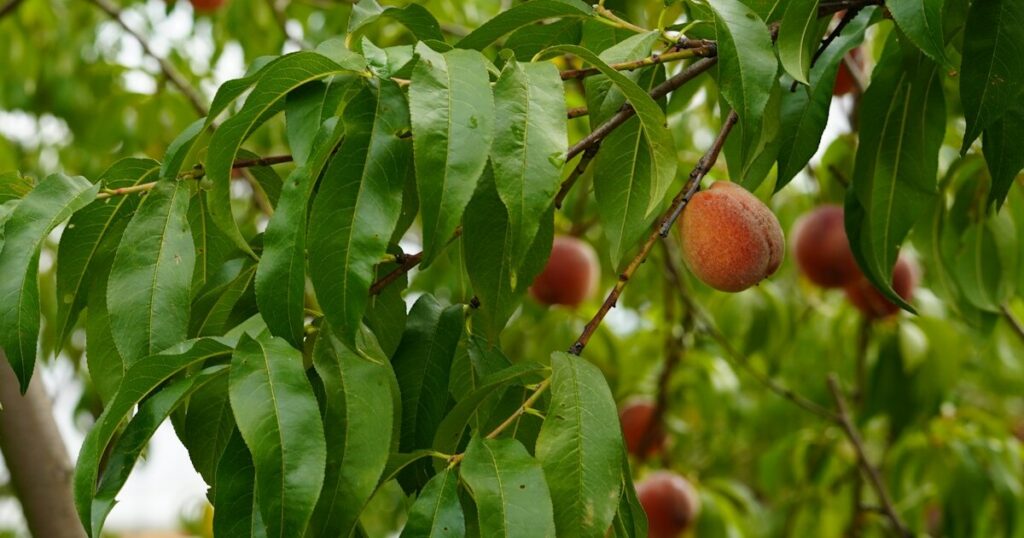
When you gently lift a peach in your hand and it feels heavy for its size, that’s a great sign! As it ripens, water and sugars accumulate, and the fruit takes on a denser, juicier feel. I find that lightweight peaches, even if they look good, usually need a little more time.
Try comparing two similar-looking peaches on the tree—one that feels heftier is more likely to be ripe. Once you get used to the weight difference, you’ll find it’s one of the best tactile signs for judging ripeness. I always trust my instincts here—if it feels just right, it probably is!
Birds and Bees Are Taking Notice
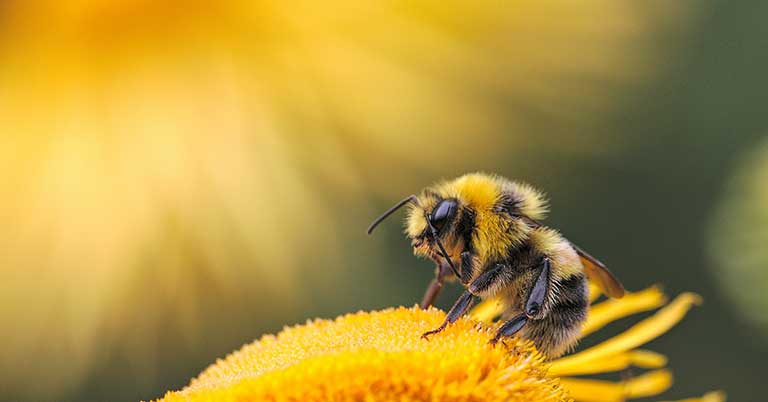
It’s not always convenient, but when the wildlife starts paying attention to your peaches, it usually means they’re reaching peak flavor. Bees may hover near the fruit for its aroma, and birds often go after the softest, ripest ones first. It’s such a bummer when they beat you to it, but it’s also a useful cue!
If you start seeing nibbles or increased bird activity, it’s time to act fast. I’ve learned to harvest daily during this window and keep netting on standby if the wildlife gets too bold. And hey, if a few peaches go to the birds, I try to think of it as sharing the joy of the harvest!