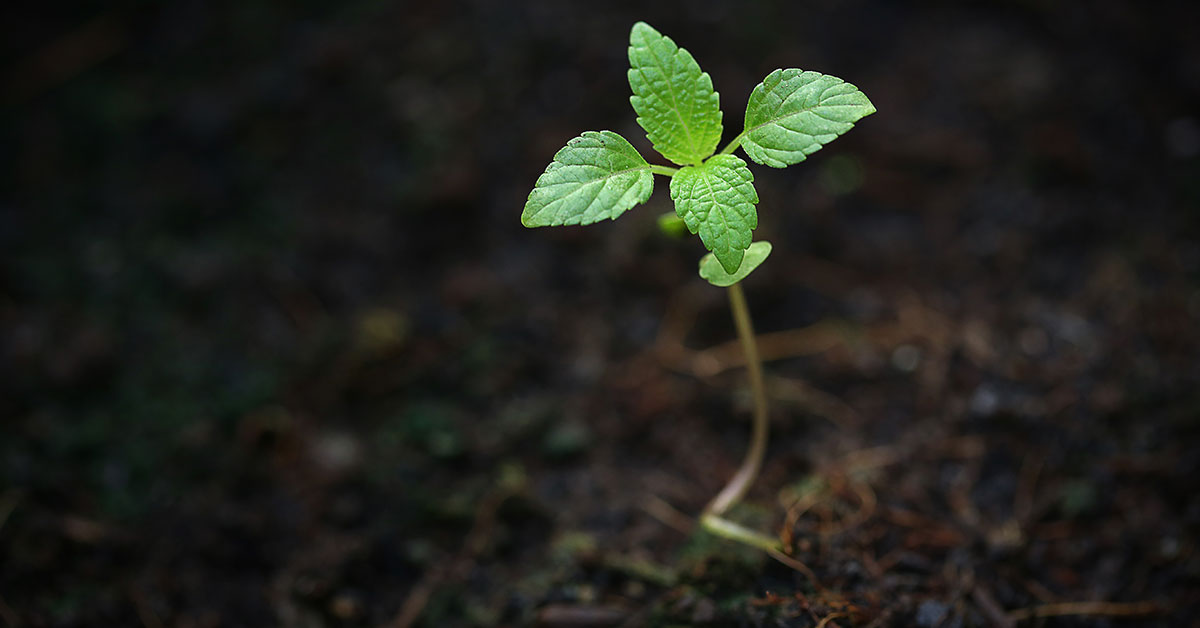

Mint is one of those plants that seems so easy to grow—until it’s not. I’ve seen new gardeners get frustrated because their mint suddenly goes wild, dies off, or refuses to thrive despite their best intentions. Whether you’re dreaming of mint tea, mojitos, or just a fragrant border to your herb garden, it helps to know what not to do. Mint may be tough, but that doesn’t mean it’s invincible—or manageable without a little strategy!
Native to Europe, Asia, and parts of Africa, mint is beloved for its fast-growing nature and its strong aromatic oils that repel certain pests and even attract beneficial ones like bees and hoverflies. But that fast growth also means it can become invasive if not handled properly. Let’s dive into the common mistakes gardeners make with mint, so you can grow a lush, flavorful patch without losing control of your space—or your sanity!
Planting Mint Directly in the Ground Without Containment
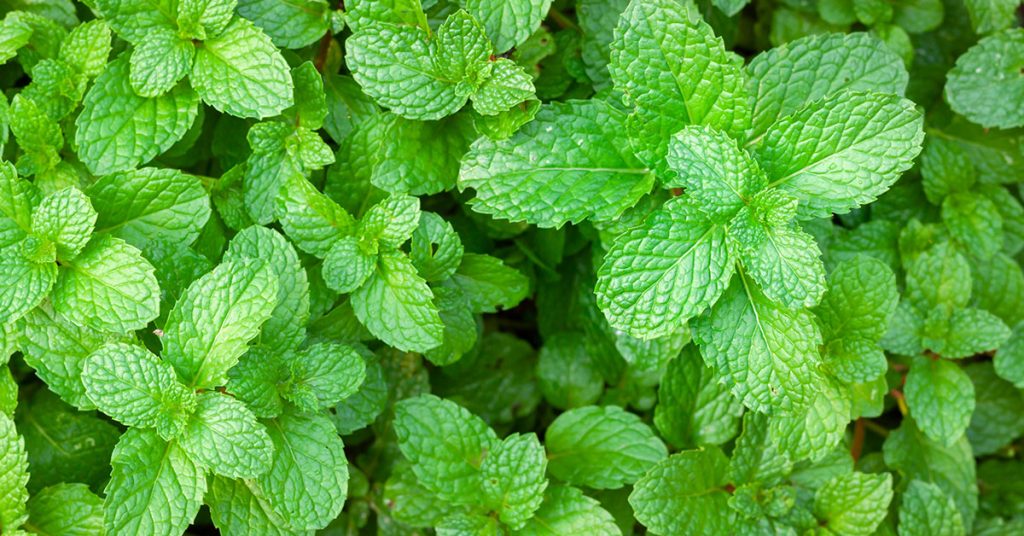
I get it—mint looks so innocent when it’s just a little starter plant in spring. But believe me, give it a couple months and it’ll try to take over your whole yard! Mint spreads aggressively through underground rhizomes, and once it establishes itself in open soil, it’s a real pain to dig out. I’ve seen it push up through mulch, crack between pavers, and even jump into neighboring raised beds.
To keep mint under control, plant it in containers—even if you plan to sink those containers into the ground. You need a physical barrier around the roots to stop its spreading behavior. If you’re growing it in-ground, choose a deep container like a bucket or pot with the bottom removed and bury it so the lip sticks out about an inch above the soil. That way, the roots can’t easily escape and wreak havoc on your garden layout.
Overcrowding Mint With Other Herbs
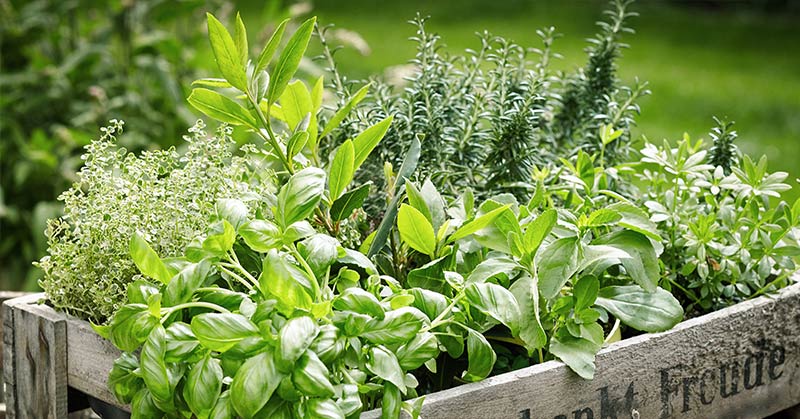
Mint might play nice in the kitchen, but it’s not a good roommate in the garden. I’ve made the mistake of planting mint alongside oregano and thyme in the same container, thinking they’d all get along. Nope! Mint’s vigorous root system will outcompete slower-growing herbs, stealing water, nutrients, and eventually smothering them entirely.
It’s especially risky to plant mint near herbs that prefer drier conditions or less fertility, like rosemary or sage. Mint likes rich, moist soil and will thrive in those conditions, while its neighbors may suffer. Instead, give mint its own pot or bed so it can sprawl freely without bullying other plants into submission. Your other herbs will thank you!
Ignoring Its Water Needs During Heat Waves
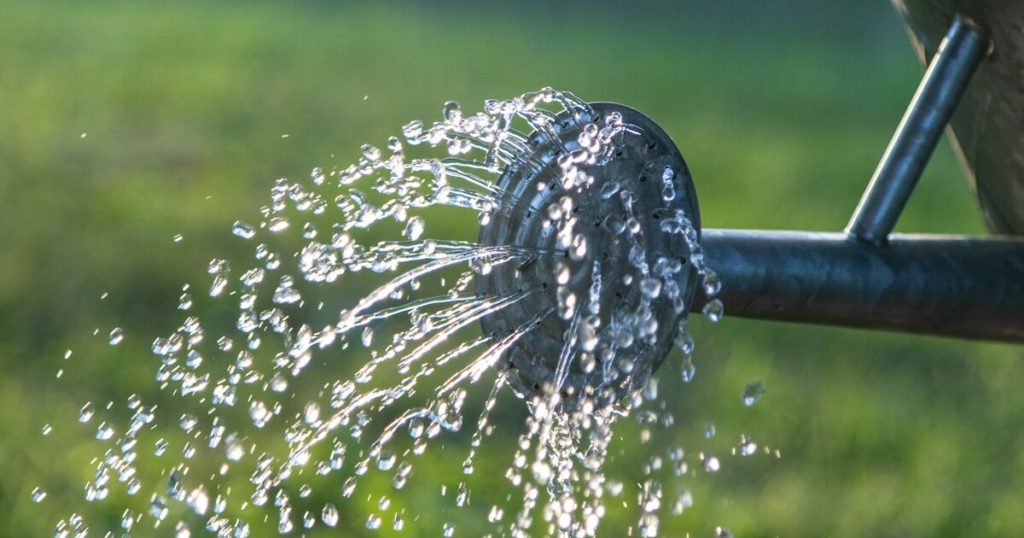
Mint is surprisingly thirsty during summer, especially if it’s planted in a container. I’ve lost beautiful, thriving plants in the middle of July because I underestimated how fast the soil was drying out. The signs are subtle at first—droopy leaves, a lack of that signature scent when you brush past—but it can quickly spiral into crispy brown stems.
To keep your mint lush and green, make sure it’s consistently moist, especially during hot spells. Container-grown mint may need water every day in peak summer, sometimes twice! Add mulch on top of the soil to help hold moisture, and check daily with your finger—if the top inch is dry, it’s time to water. Happy mint is hydrated mint!
Letting It Flower Without Regular Pruning
I know how tempting it is to let your mint bloom, especially when it sends up those sweet little purple or white flowers that attract bees and butterflies. And while pollinators love them (and I do too!), letting mint flower unchecked signals the plant to stop putting energy into leaf production. If you’re growing mint primarily for culinary use, that’s a problem.
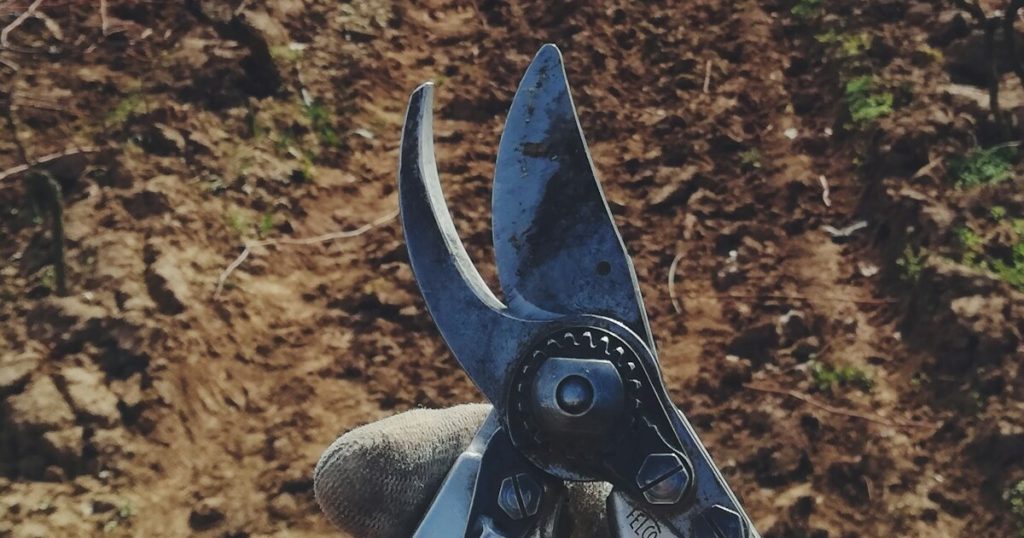
Pruning your mint regularly—before or just as it starts to flower—keeps it focused on growing new leaves. Pinch or snip off the top few inches regularly to encourage bushy, flavorful growth. If your goal is both aesthetics and harvest, you can let a small portion flower while keeping the rest of the plant in check with frequent trims. Don’t be shy—mint loves a haircut!
Forgetting to Refresh Container Soil Yearly
Even though mint is a hardy perennial, it’s still a heavy feeder, especially when confined to pots. If you reuse the same soil year after year without refreshing it, the mint starts to decline—fewer leaves, pale color, and stunted stems. I’ve learned this the hard way with sad-looking mint that barely resembled its springtime glory.
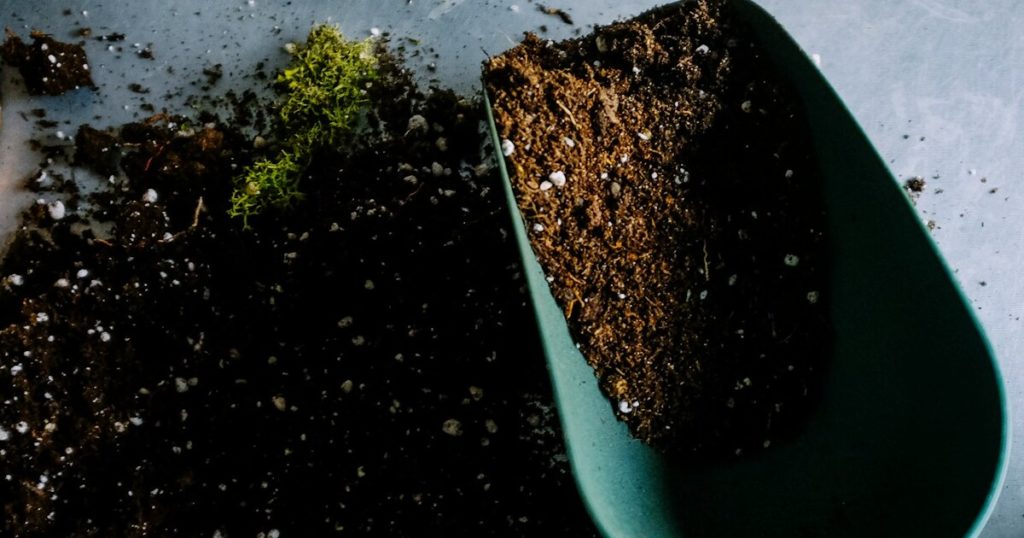
At the start of each growing season, give container mint a fresh start. Replace at least the top third of the soil with compost-rich potting mix, and consider re-potting entirely every two years to prevent compaction and root binding. While you’re at it, trim back the roots a bit and give the plant room to expand again. It’s amazing how fast mint will rebound with fresh nutrients!
Assuming Mint Doesn’t Need Sun

Mint can tolerate some shade, and that’s one of its charms, but don’t assume it’ll thrive in deep, dark corners of your garden. I once tried to grow it on the north side of my shed, thinking it would enjoy the cool dampness. Instead, it grew leggy and weak, with pale leaves and almost no aroma. Mint needs at least 4–6 hours of sun daily to really pack that flavor punch.
For best results, aim for morning sun and afternoon shade in hot climates, or full sun in cooler regions. If your mint is getting too much shade, it’ll signal by stretching toward the light and producing thin, floppy growth. Give it some sunshine, and you’ll be amazed how much more fragrant and robust it becomes.
Using Regular Garden Soil in Containers

If you’ve ever tried scooping up some backyard soil and plopping it into a pot with mint, you probably noticed things didn’t go so well. Garden soil is too heavy for containers—it compacts, drains poorly, and can lead to root rot or poor growth. Mint likes moisture, yes, but it also needs oxygen around the roots.
Use a high-quality, well-draining potting mix if you’re growing mint in containers. Look for a blend that includes perlite or coconut coir to retain moisture without getting soggy. And don’t forget drainage holes—mint hates having wet feet! A soggy pot is a breeding ground for fungal diseases that can really set your plant back.
Not Dividing Established Plants
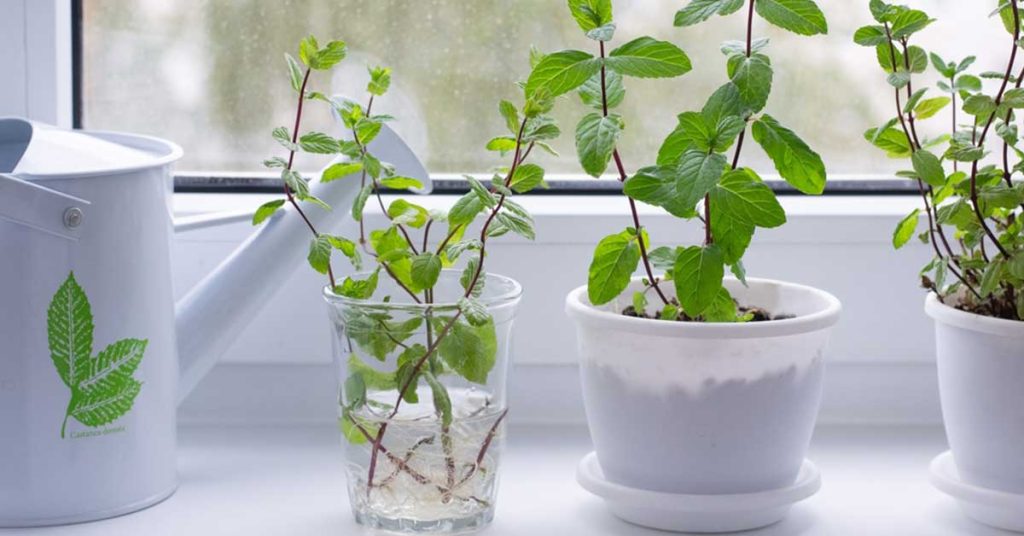
Mint grows fast, and that vigor is both a blessing and a curse. Left alone for too long, mint can become root-bound in containers or form dense, tangled mats in beds. You might notice fewer new shoots and a woody, overgrown center. That’s a sign it’s time to divide and conquer.
Every 2–3 years, dig up your mint (yes, even in pots!), cut it into smaller clumps, and replant the healthiest sections. It sounds dramatic, but it actually rejuvenates the plant and gives it more room to grow fresh, tender stems. I like to share the extra divisions with neighbors or tuck them into new containers around the garden—it’s an easy way to spread the minty love!
Leaving Dead or Diseased Growth Alone
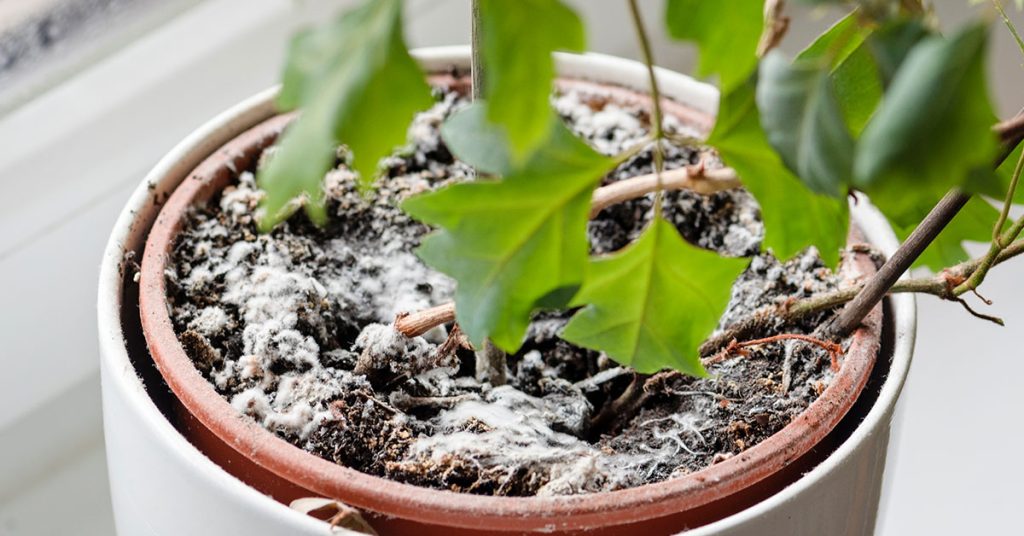
It’s such a bummer when mint gets powdery mildew or rust—it looks so healthy one week, then boom, the leaves are dusted white or blotchy with orange. These diseases are especially common when airflow is poor or humidity is high. The worst thing you can do is ignore it and hope it clears up on its own. Spoiler alert: it won’t.
If you see signs of disease, trim back the affected parts right away and dispose of them (don’t compost diseased material!). Improve air circulation by thinning out crowded stems, and water at the base instead of overhead. Mint is resilient, and it’ll bounce back quickly if you act fast. Waiting too long just allows the problem to spread and weaken the plant overall.
Expecting It to Be Low-Maintenance All Year
Mint has a reputation for being foolproof, but that doesn’t mean you can plant it and walk away forever. Like any perennial, it has seasonal needs. In colder zones, mint dies back in winter, and it’s easy to forget about it until spring. But that’s when roots can dry out or rot if containers aren’t drained, or if snowpacks smother the crowns in the garden.
Give your mint some seasonal care: mulch the base in fall, prune it back, and make sure pots aren’t sitting in water over winter. In early spring, remove old mulch, feed it with compost, and give it a trim to encourage healthy new growth. Mint rewards even a little attention with abundance—but without it, you might find your plant struggling to come back year after year.