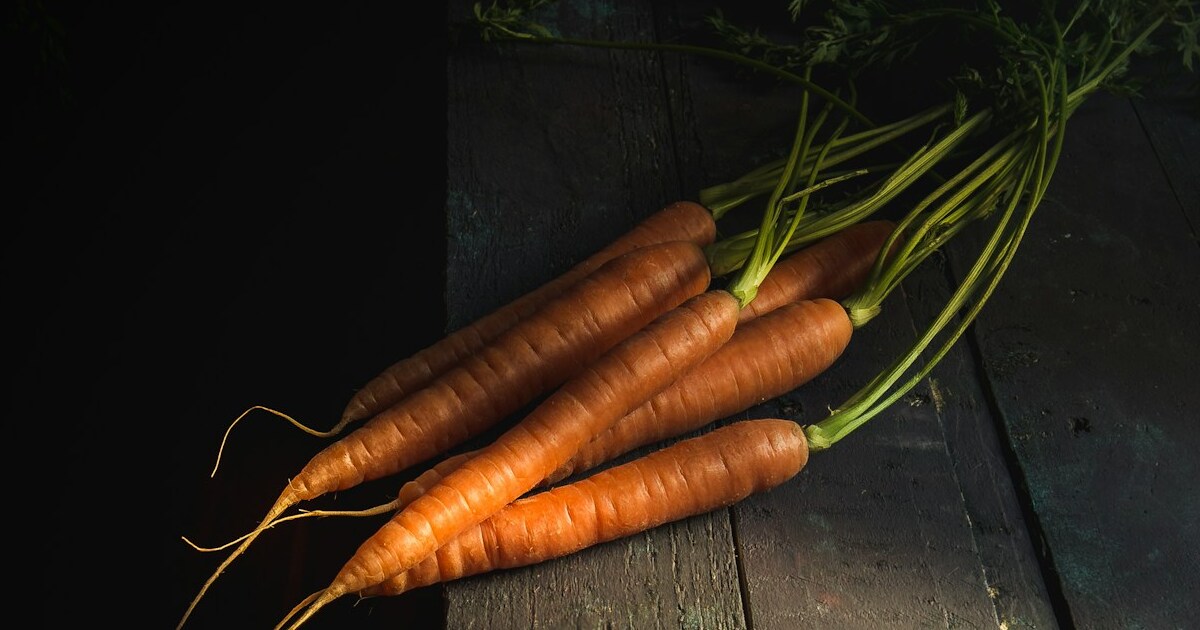

Carrots are one of those crops that seem simple on the surface but can be surprisingly tricky to grow well. If you’ve ever pulled up stubby roots, lost seedlings to weeds, or had your crop demolished by carrot rust flies, you know the struggle is real. That’s exactly why I rely on companion planting to give my carrots the best chance at thriving. With the right neighbors, they grow straighter, sweeter, and stronger—and you get to enjoy a more vibrant, resilient garden in the process.
Carrots (Daucus carota subsp. sativus) are a cultivated descendant of wild carrots native to Europe and southwestern Asia. They’re not invasive and are generally easy-going when it comes to planting partners, especially those that don’t compete heavily for space or nutrients. The 15 companion plants below are garden-tested allies that boost soil, repel pests, and make the whole bed more productive and beautiful. I’ve shuffled the order to keep things fresh—because your garden layout doesn’t have to be a perfect grid to work like magic!
Tomatoes

Tomatoes might seem like a bold companion for delicate carrots, but they work surprisingly well together. The carrots help break up the soil beneath tomato plants, improving root aeration and drainage. In return, tomatoes cast dappled shade that helps keep carrot roots cool and delay bolting in hotter weather. It’s a win-win if managed thoughtfully.
Native to western South America, tomatoes are not considered invasive and are heavy feeders that grow vertically. I like to tuck carrots around the base of staked tomato plants. The vertical growth habit of tomatoes means there’s room below for the carrots to thrive. And who doesn’t love harvesting the makings of a sauce and soup from the same patch?
Chives
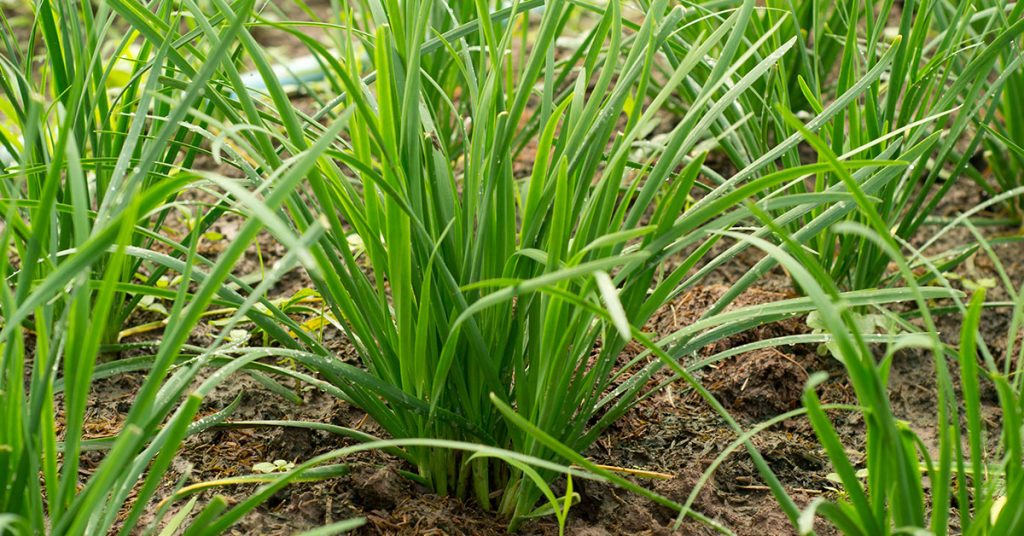
Chives (Allium schoenoprasum) are one of my favorite companions for carrots. Their strong onion-like scent confuses carrot rust flies and aphids, reducing pest pressure naturally. Plus, they attract pollinators when in bloom, bringing in bees and hoverflies that also feed on soft-bodied pests. Chives grow in neat clumps and don’t compete with carrots underground.
Native to Europe and North America, chives are not invasive and can be easily divided to plant in different areas of the garden. I plant them along the edges of carrot rows as a fragrant, flowering border. They’re lovely when they bloom, and their gentle presence adds a graceful line to the bed. Just be sure to keep them trimmed so they don’t cast too much shade.
Lettuce
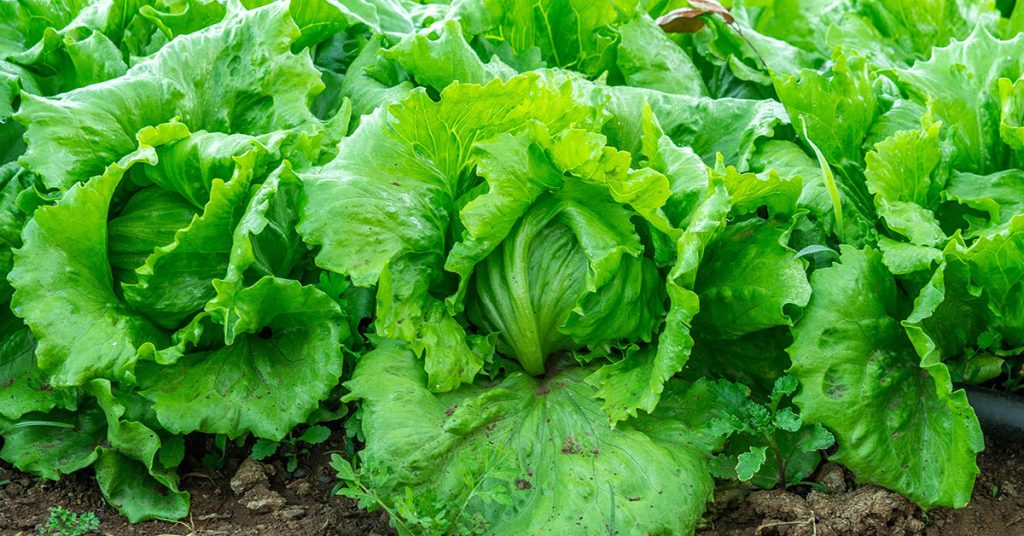
Lettuce and carrots make a fantastic team. Lettuce grows fast and shallow, providing some light shade to slow down evaporation and help carrots stay cool—especially in spring and early summer. Carrots, meanwhile, grow down and take their time, so they’re not competing for space. It’s a great example of using layers in a smart way.
Native to the Mediterranean, lettuce isn’t invasive and fits nicely into the small spaces between slower crops. I love scattering lettuce seed alongside carrots to keep the soil covered while the carrot tops are still tiny. You get an early leafy harvest while your carrots are just starting to root up. It’s a great way to use the space while maximizing flavor!
Radishes

Radishes are the secret weapon for improving carrot germination and early growth. Since they germinate much faster than carrots, they break up the soil surface and mark rows before carrots emerge. They also help deter flea beetles and leafhoppers, which can otherwise bother young carrots. And because they’re harvested so quickly, they don’t compete for resources.
Radishes are native to Europe and Asia and are not invasive. I like to plant them in the same row as carrots—literally right on top! They grow quickly and are out of the way long before the carrots get crowded. It’s a great method for keeping rows tidy and improving your odds of success with tricky carrot seeds.
Nasturtium

Nasturtiums (Tropaeolum majus) are beautiful, edible flowers that serve as sacrificial trap crops. They draw aphids and flea beetles away from your carrots and provide a colorful buffer between beds. Their peppery scent also confuses carrot rust flies, helping to reduce infestations before they start.
Native to South America, nasturtiums are not invasive, though they sprawl freely. I plant them at the ends of carrot beds or in hanging baskets nearby. Their cheerful blooms bring pollinators into the area, and the leaves and flowers are edible, too. Just keep an eye out—if aphids get too cozy, snip off infested leaves to keep the problem from spreading.
Leeks

Leeks (Allium ampeloprasum) make a surprisingly elegant companion for carrots. Like chives, their scent helps mask carrots from pests, and their narrow growth habit allows both crops to thrive in close quarters. They grow slowly and can share space without overshadowing carrots.
Leeks are native to the eastern Mediterranean and aren’t invasive, though they can self-seed if left to flower. I like planting alternating rows of carrots and leeks—it looks tidy, and the smell combination helps confuse rust flies and thrips. Plus, they pair so well together in soups and stews that it just makes sense to grow them side-by-side!
Sage
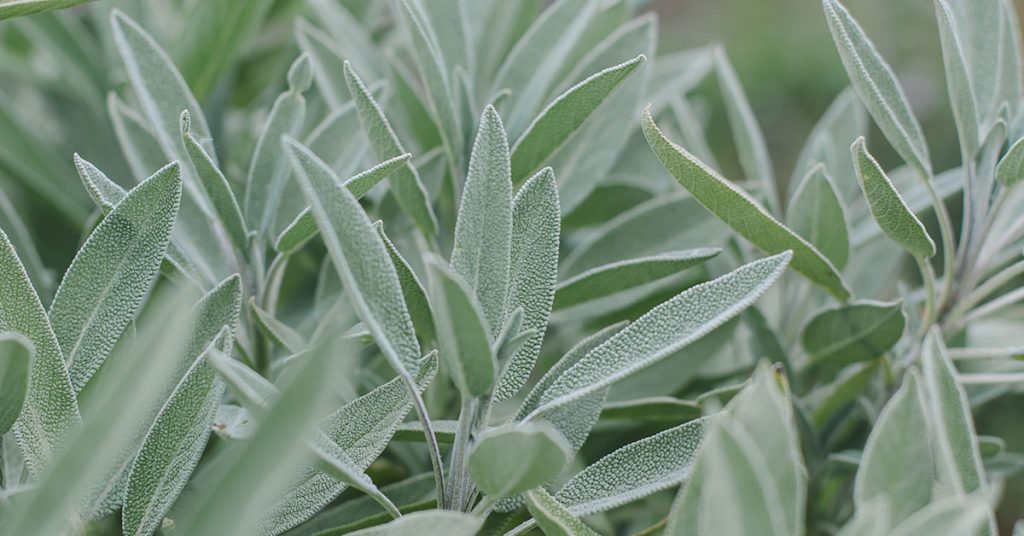
Sage (Salvia officinalis) is a strong-smelling herb that repels carrot rust flies, cabbage moths, and other destructive garden pests. Its fragrant leaves release oils that deter insects while attracting beneficial pollinators when in bloom. While it’s a woody perennial, sage is surprisingly well-mannered in the garden.
Native to the Mediterranean and not considered invasive, sage thrives in sunny, dry spots. I plant it just outside my carrot rows or in nearby containers. It doesn’t love wet soil, so keeping it in a slightly raised area works best. And it’s such a joy to brush against the silvery leaves as you walk by—it smells like summer and protection all in one!
Beans
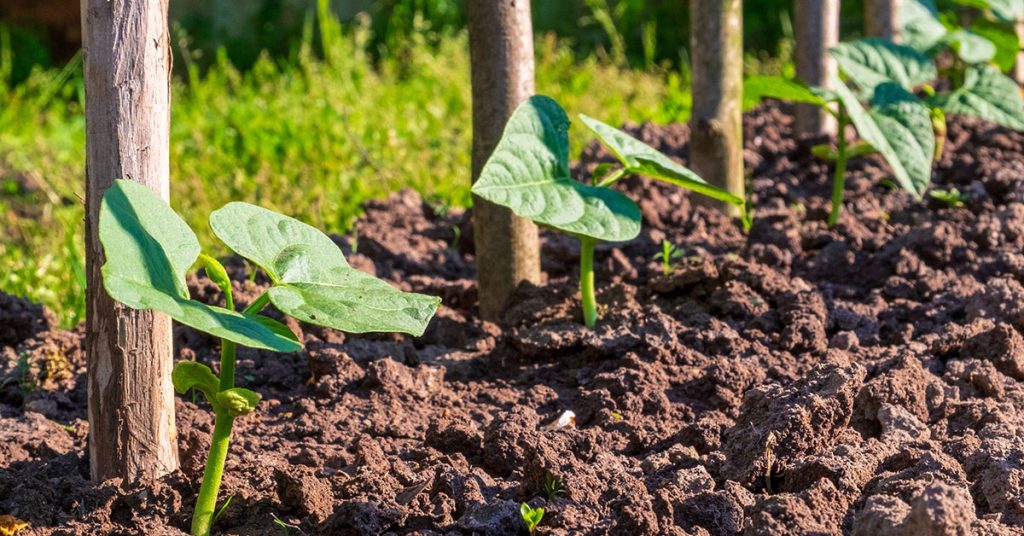
Beans (especially bush types) help improve the soil by fixing nitrogen—a nutrient carrots appreciate in moderation. Since carrots are moderate feeders, the slight nitrogen boost helps with leafy growth without overwhelming root development. Beans also grow upright, leaving light and airflow open for carrot tops.
Native to Central and South America, beans are not invasive and play nicely with most crops. I like to alternate bush bean rows with carrot beds or scatter a few plants between larger blocks. It creates a rich, diverse growing area where everything feels supported and interconnected—just the way a garden should feel!
Rosemary

Rosemary (Salvia rosmarinus) is another aromatic powerhouse that deters carrot pests with its intense scent. It’s especially effective against carrot rust flies, and like sage, its flowers bring in bees and hoverflies. It’s a bit more demanding than other herbs in terms of drainage, but when it’s happy, it’s such a sturdy, useful plant.
Native to the Mediterranean, rosemary isn’t invasive but grows large in ideal conditions. I plant it at the ends of carrot beds or in nearby containers, where it doesn’t shade anything out. It’s evergreen in warmer climates, so you get year-round benefits—and of course, it’s handy to have fresh sprigs for roasting carrots and potatoes!
Peas

Peas (Pisum sativum) make a gentle, supportive companion for carrots in early spring. They’re light feeders and grow upward, not outward, which means they don’t take up valuable root space. Their nitrogen-fixing abilities also enrich the soil slightly, benefiting nearby crops without overwhelming delicate roots.
Native to the Mediterranean and western Asia, peas are not invasive and thrive in cool conditions—perfect for planting alongside carrots in early spring. I like to plant carrots along the sunny side of my pea trellises. As the peas finish and get pulled out in early summer, the carrots take over, making this a space-efficient combo that cycles beautifully.
Calendula

Calendula (Calendula officinalis) is a gentle flower with sticky pollen that traps aphids and whiteflies while inviting pollinators into your garden. It’s a wonderful perimeter plant that supports carrots by keeping bad bugs out and good bugs nearby. Its bright blooms also help you spot the edges of a bed at a glance!
Native to southern Europe and the Mediterranean, calendula is not invasive but will reseed if allowed. I love letting calendula bloom at the margins of my carrot beds. When it’s in full flower, the entire space buzzes with beneficial insect activity. And its petals are edible—great for tossing into salads made with tender young carrots.
Basil
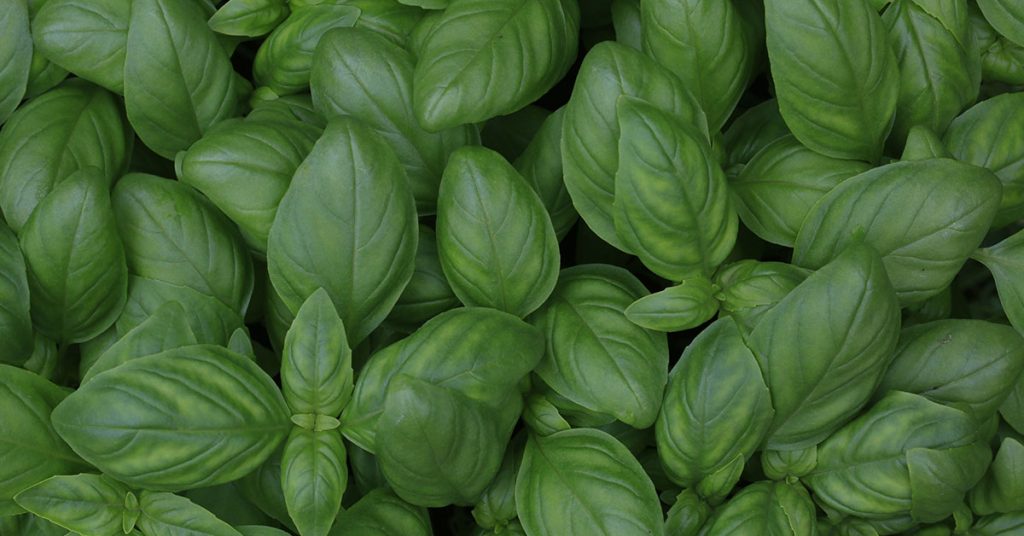
Basil (Ocimum basilicum) might not be the first plant you think to grow with carrots, but it’s a surprisingly useful ally. Its strong scent confuses pests and may reduce the incidence of aphids and rust flies near your root crops. And since it prefers full sun and warmth, planting it nearby can help create a slight microclimate that boosts late-season carrots.
Native to tropical Asia and Africa, basil is not invasive and grows beautifully in most summer gardens. I plant it in pots or along the sunnier side of carrot beds later in the season. The bold green leaves make a nice contrast to carrot tops, and you can harvest both for a lovely summer meal of roasted carrots and pesto!
Parsley
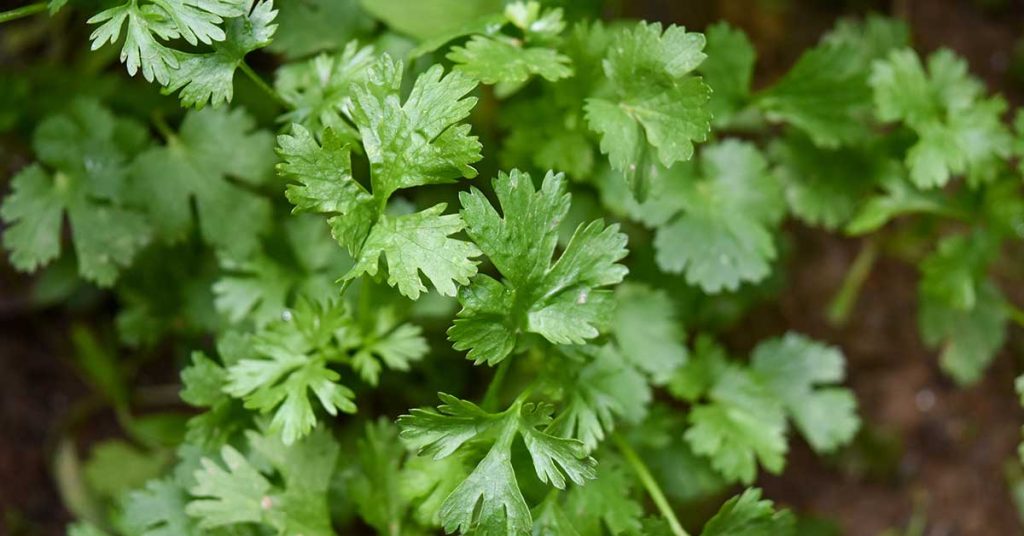
Parsley (Petroselinum crispum) is a natural relative of carrots, and they actually grow quite well together! Both have deep taproots and similar needs when it comes to water and soil. Parsley attracts hoverflies and predatory wasps that help keep aphid populations under control, which directly benefits carrots.
Parsley is native to the central Mediterranean and is not considered invasive. I like interplanting it in the same bed as carrots to maximize the harvest space. The ruffled leaves create a lush carpet under the taller carrot tops, and both are perfect for harvesting at the same time for fresh tabbouleh or herbaceous carrot-top chimichurri.
Oregano
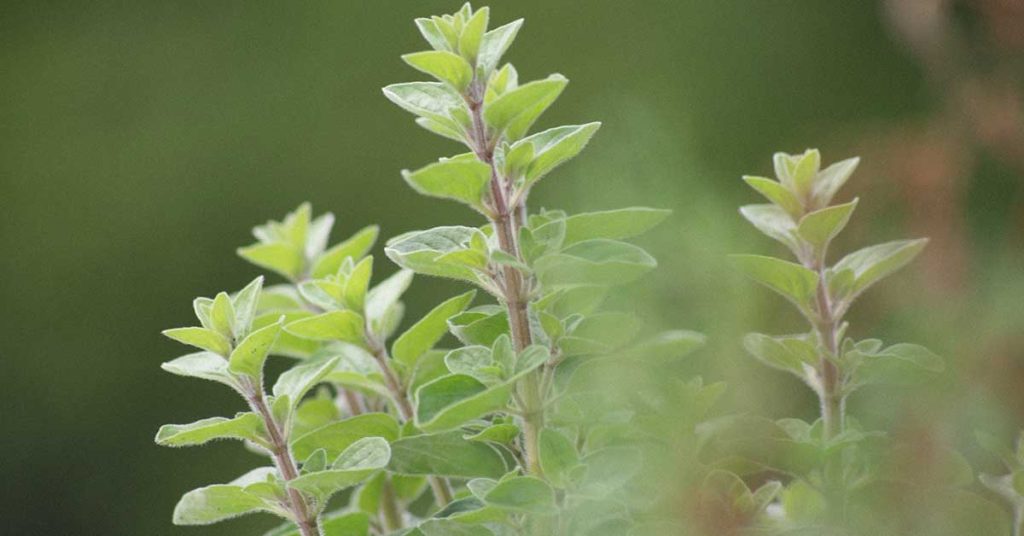
Oregano (Origanum vulgare) is another fragrant herb that helps shield carrots from harmful insects while attracting pollinators and beneficial bugs. It spreads gently as a ground cover, helping suppress weeds and hold soil moisture—a big benefit in raised beds and dry climates.
Native to the Mediterranean, oregano is not invasive but does like to sprawl. I use it as an edging plant along my carrot beds, where its tidy mat keeps everything anchored and its flowers keep the insect life buzzing. The scent when you brush past it is a wonderful bonus—and it’s always a treat to grab a few sprigs to use alongside roasted carrots and potatoes!