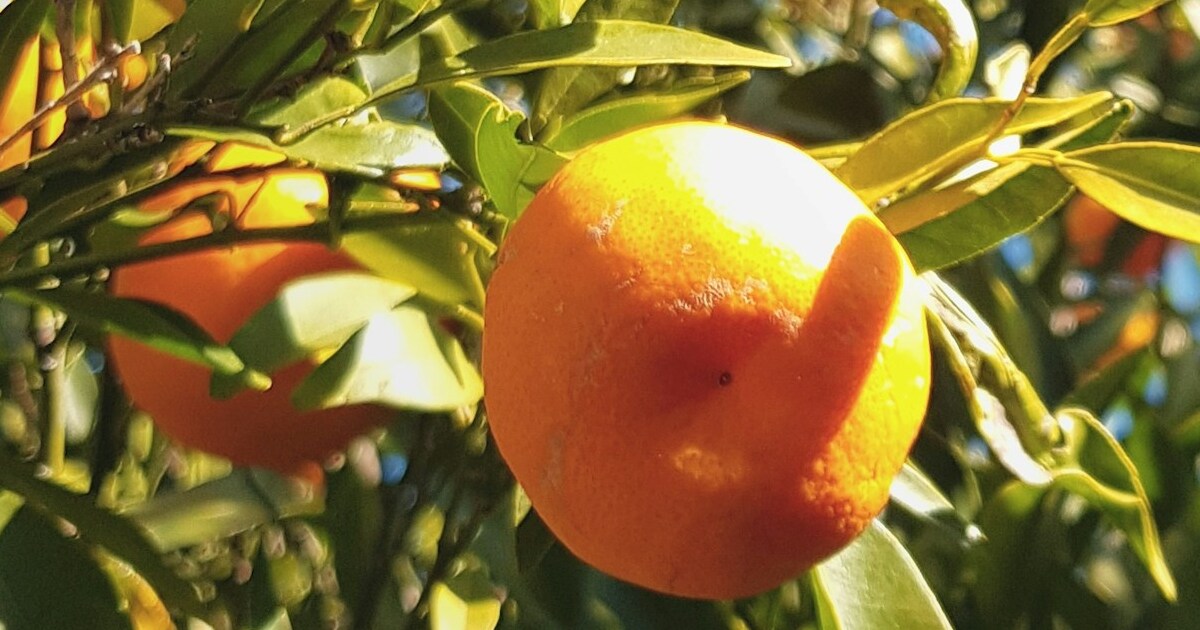

There’s nothing quite like the moment you pluck a perfectly ripe orange from your own tree—still warm from the sun, glowing golden, and brimming with juice. But let’s be honest, growing sweet, plump oranges can be a bit tricky if you’re not giving them exactly what they need. I’ve had years where my oranges were small and dry, and others where the branches bowed under the weight of juicy, fragrant fruit. With just a little extra care and attention, you can absolutely get a bumper crop of citrusy goodness this year!
Oranges (Citrus × sinensis) are native to southeastern Asia, particularly China and India, and they thrive in warm, sunny climates. While they’re not considered invasive, they do need space, consistent moisture, and rich nutrition to truly shine. If you’ve been frustrated by small fruit or lackluster flavor, I’ve got you covered. These tips are packed with practical advice, personal experience, and a whole lot of citrus-growing enthusiasm!
Prune for Sunlight and Airflow
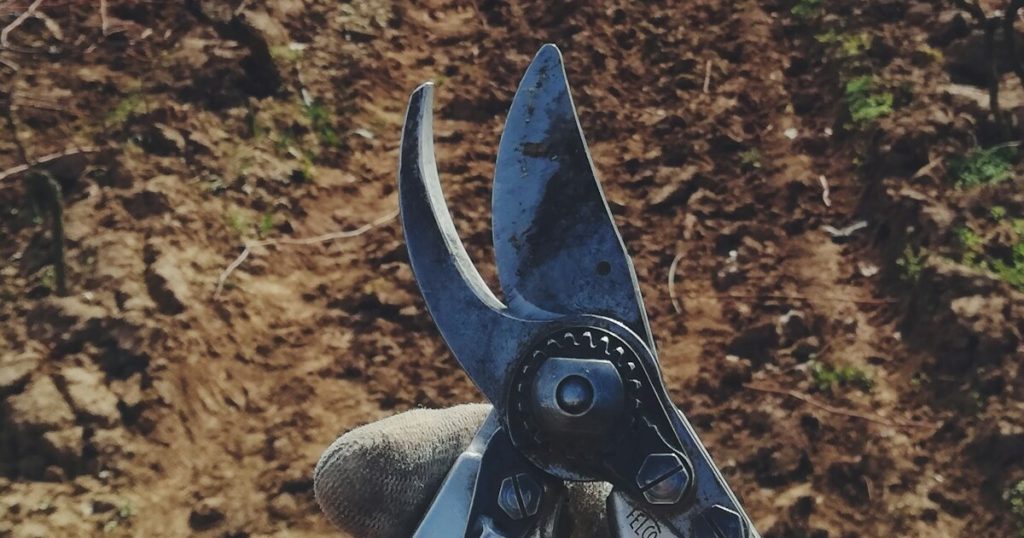
Pruning might feel scary if you’re new to citrus trees, but it’s one of the most important things you can do for your orange harvest. Orange trees need plenty of sunlight on their fruiting wood to produce large, flavorful oranges. If your tree’s interior is dark and overgrown, chances are it’s working harder than it needs to—and giving you smaller fruit in return. Regular pruning helps open the canopy, improving both airflow and light penetration.
I like to prune just after harvest in late winter or early spring. Focus on removing dead, damaged, or crossing branches, and try to shape the tree into an open vase or umbrella form. Better airflow also means fewer fungal issues, like sooty mold or powdery mildew, which can stress the tree and affect fruit development. Plus, it’s so much easier to pick oranges when the tree isn’t a tangled mess!
Deep Water Regularly, Not Frequently
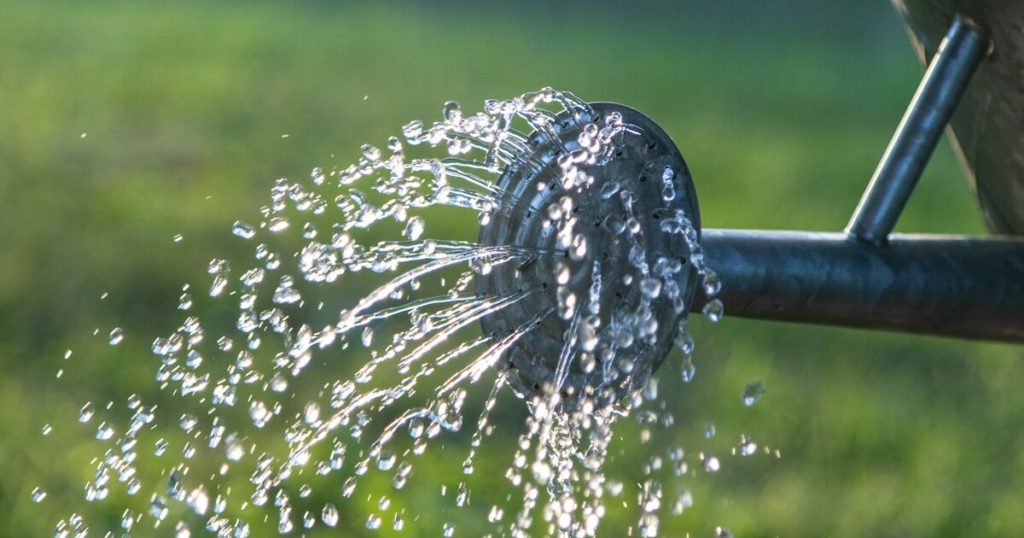
One of the biggest mistakes I’ve seen (and made myself!) is watering orange trees with shallow, frequent sprinkles. That encourages surface roots and stressed-out trees. Instead, give your tree a good, deep soak once or twice a week—depending on your climate and soil—so the water reaches deep into the root zone where it matters most. This helps the tree develop strong, drought-tolerant roots and supports healthy fruit development.
Oranges need consistent moisture while the fruit is forming, especially during the swelling stage. If the water supply is erratic—too dry, then too wet—it can lead to splitting fruit or smaller sizes. I like to use a simple soaker hose or a slow-drip method to let the water really soak in. Mulching helps too, keeping the soil moist longer and protecting those valuable roots from heat and evaporation.
Feed Your Tree With a Citrus-Specific Fertilizer

Oranges are hungry plants! A generic all-purpose fertilizer might not cut it. Citrus trees need a balance of nitrogen for leafy growth, phosphorus for root development, and potassium for fruit quality—but they also need micronutrients like magnesium, zinc, and iron. That’s why I always recommend a fertilizer specifically formulated for citrus.
Feed your tree regularly during its active growing season, typically from early spring through mid-fall, following label directions carefully. I like to break up feedings into smaller monthly doses so the tree gets a steady supply of nutrients instead of a single overwhelming spike. A well-fed tree produces more blossoms, sets more fruit, and grows bigger, juicier oranges. It really does make a difference!
Thin the Fruit When It’s Small
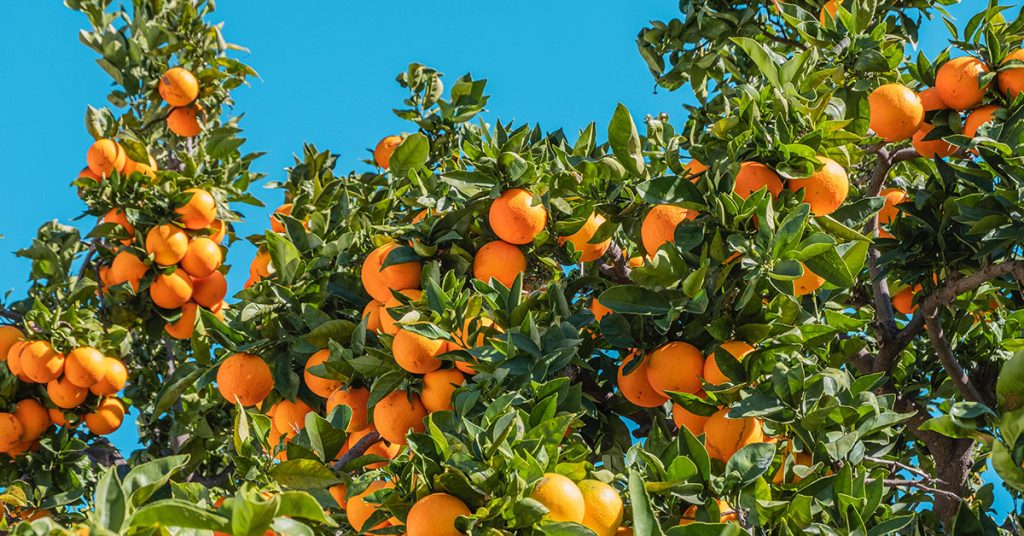
It can be tough to do, but thinning your oranges early in the season is one of the best things you can do for bigger fruit later. Orange trees often set more fruit than they can support, which results in a ton of small, underdeveloped oranges. Removing some of the immature fruit gives the tree a chance to put more energy into the remaining ones.
I usually wait until the tiny fruit has set and grown to the size of a marble or small walnut. Then I gently remove any that are crowded together, damaged, or growing on weak branches. It feels counterintuitive, but the reward—plumper, sweeter, market-worthy fruit—is absolutely worth it. It also helps prevent branch breakage from overbearing later in the season!
Watch for Pests Like Aphids and Scale
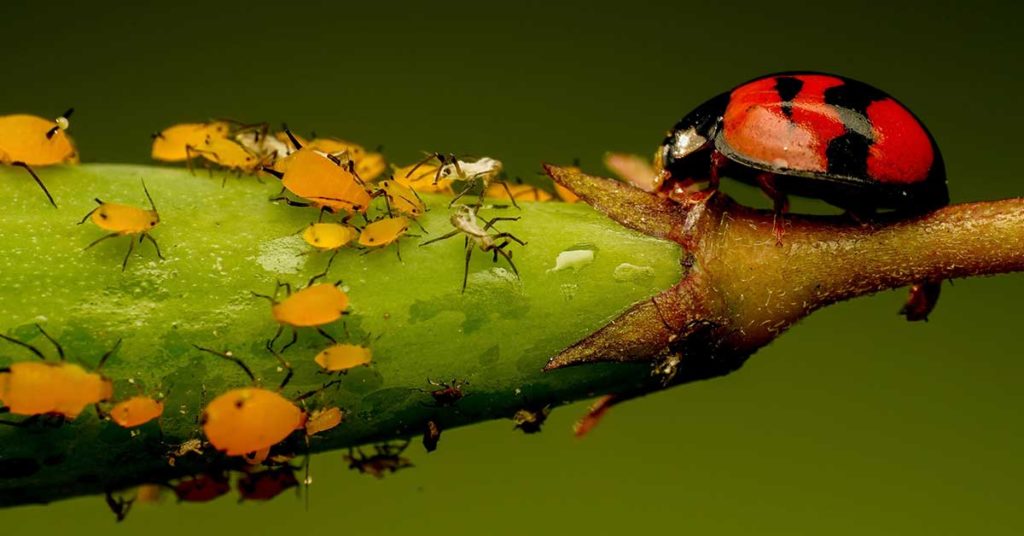
There’s nothing more frustrating than nurturing a healthy orange tree only to have it overtaken by aphids, scale insects, or citrus leaf miners. These pests can sap the strength of your tree, reduce photosynthesis, and even transmit disease. If you’re not checking regularly, they can sneak in fast—especially in warm, humid conditions.
I make it a habit to inspect the undersides of leaves weekly, especially in spring and early summer. Sticky leaves or black sooty mold often mean sap-sucking insects are present. For mild infestations, a strong blast of water can knock pests off. For persistent issues, neem oil or insecticidal soap can help. I’ve also found that planting beneficial insect-attracting flowers nearby (like alyssum or calendula) invites ladybugs and lacewings that love snacking on aphids!
Mulch Generously—but Not Against the Trunk
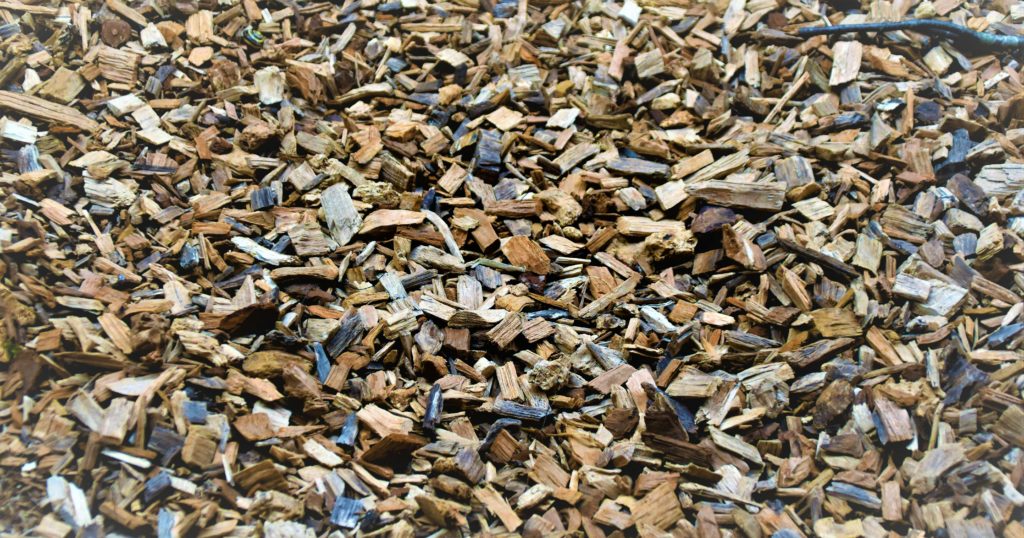
Mulch is such a simple way to help your orange tree stay hydrated, fed, and insulated—but it needs to be done properly. A 2–4 inch layer of organic mulch like wood chips, straw, or shredded bark helps retain moisture, prevent weeds, and gradually add nutrients to the soil. Just be sure not to pile it up around the trunk—that can trap moisture and lead to rot or fungal infections.
I create a wide mulch ring that starts a few inches from the trunk and extends out to the drip line. Over time, the mulch breaks down and improves the soil structure, which helps support a healthier, more productive tree. It also keeps those deep watering sessions more effective by minimizing evaporation, especially in the peak heat of summer!
Encourage Pollinators With Companion Plants
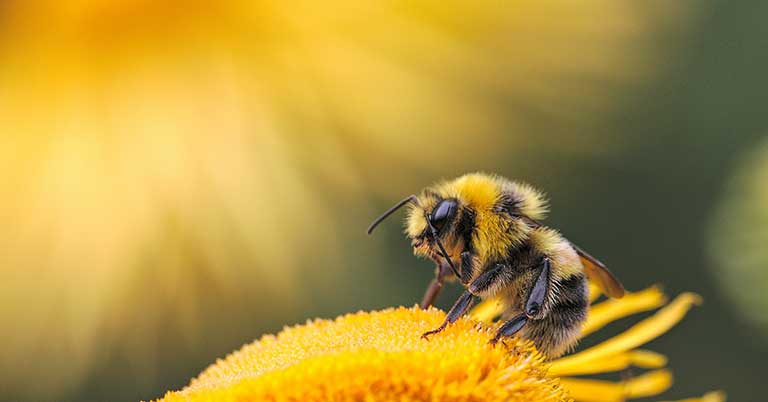
While many orange trees are self-pollinating, pollinator activity can still increase fruit yield and quality. I love planting a mix of pollinator-friendly flowers like lavender, borage, or alyssum around the base of my orange trees. These attract bees, butterflies, and even hoverflies, all of which help move pollen around and improve fruit set.
It’s also just a delight to walk by a tree buzzing with life! These plants create a vibrant little ecosystem right around your orange tree. Plus, many of them repel pests at the same time. Borage, in particular, has become one of my go-tos—its flowers are edible, its leaves break down into great mulch, and it brings in bees like no other.
Choose the Right Variety for Your Climate
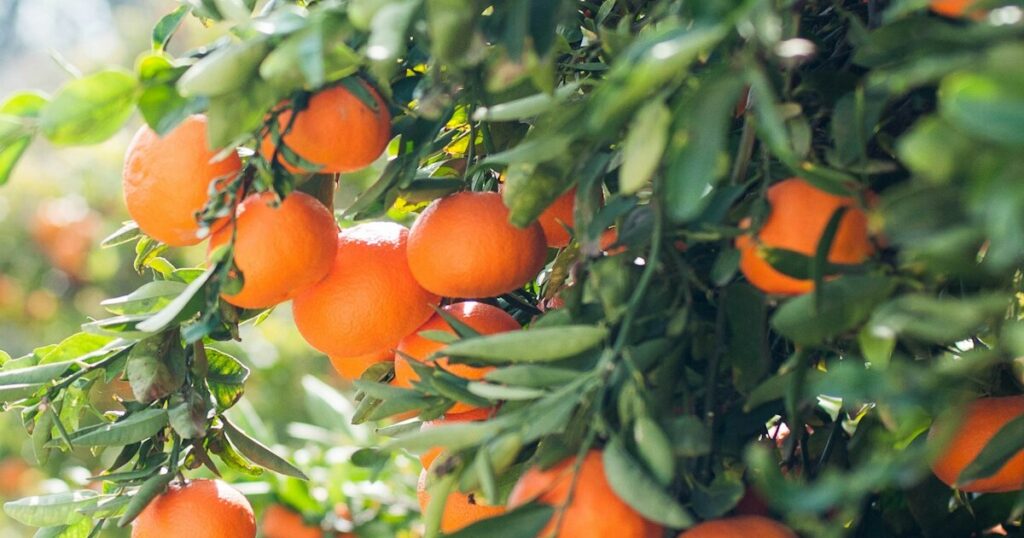
Not all oranges are created equal! Some varieties like ‘Valencia’ are better suited for warmer, frost-free areas, while others like ‘Washington Navel’ are more cold-tolerant. If you’re struggling to get fruit, it might be a mismatch between your tree and your growing zone. Be sure to select a variety that’s well-adapted to your region’s temperature and chill hours.
I always recommend checking with a local nursery or extension service for recommendations. If you’re in a marginal zone, consider growing your tree in a large container that can be moved or protected in winter. Getting the variety right makes a huge difference in whether you get a meager harvest or a tree full of sweet, juicy oranges come winter or spring!
Protect from Frost with Covers or Lighting
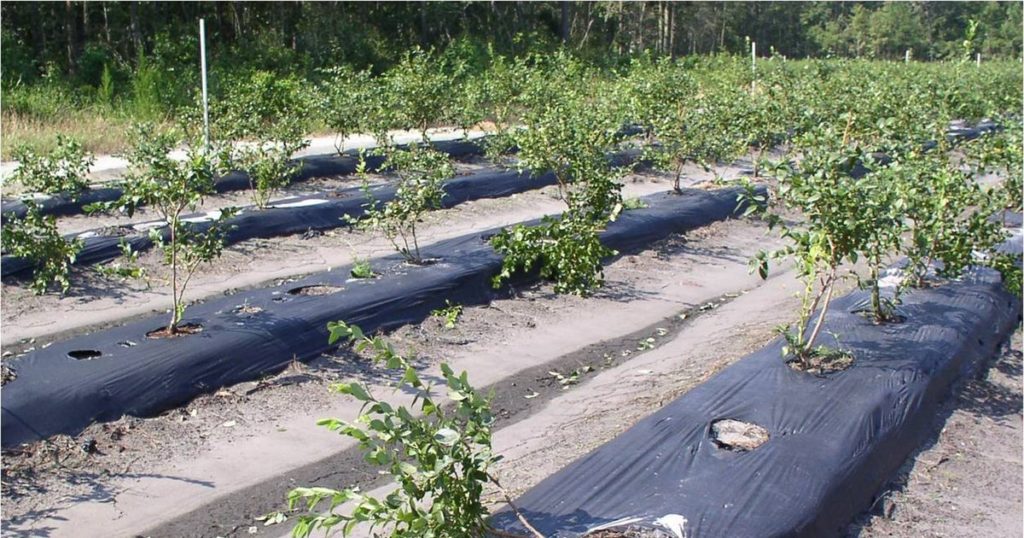
If you live in an area where winter frosts sneak in, even occasionally, it’s important to protect your orange tree during those cold snaps. A hard frost can damage blossoms, leaves, and even kill young trees. For in-ground trees, frost cloths or old sheets can be draped over the canopy overnight, and removed in the morning once the sun warms up the air.
For smaller or container-grown trees, I’ve even used strings of non-LED Christmas lights tucked into the branches. They give off just enough warmth to keep the air around the canopy above freezing! It’s such a bummer to lose an entire season’s fruit from one unexpected frost, so don’t be afraid to give your citrus a cozy blanket when the temperature dips.
Be Patient—Oranges Take Time to Ripen!
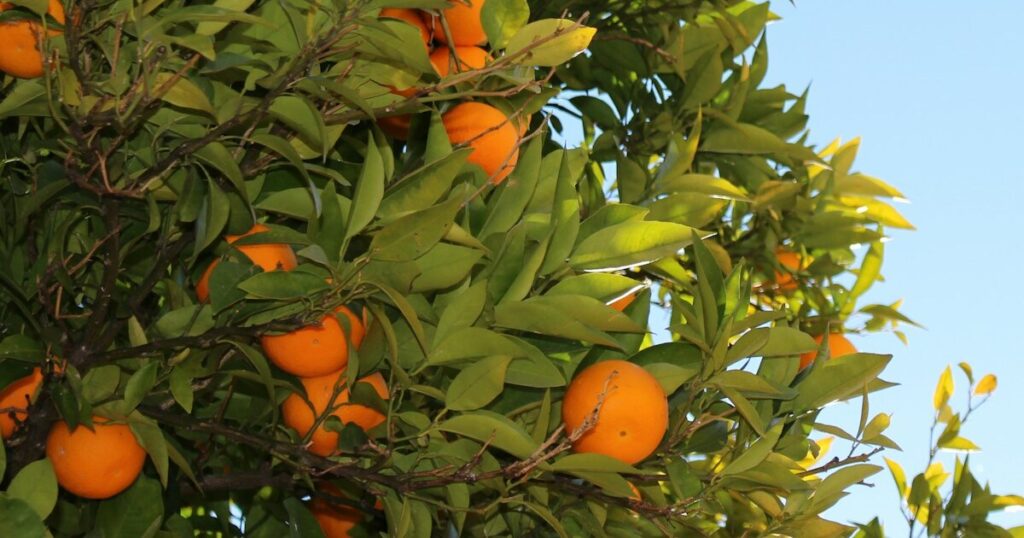
One of the quirks of oranges is that they often look ripe before they actually are ripe. Their skin can turn bright orange well before the inside is sweet and juicy. It’s tempting to pick them early, especially when they look picture-perfect, but holding off just a few more weeks can be the difference between sour and spectacular.
I’ve learned to taste-test one or two before picking the whole batch. Some varieties even get sweeter the longer they stay on the tree, especially in cooler fall and winter weather. Letting them ripen fully ensures maximum flavor and juiciness—and trust me, it’s worth the wait. Few things in gardening feel as triumphant as biting into an orange you’ve nurtured all season and tasting that perfect balance of tangy and sweet.