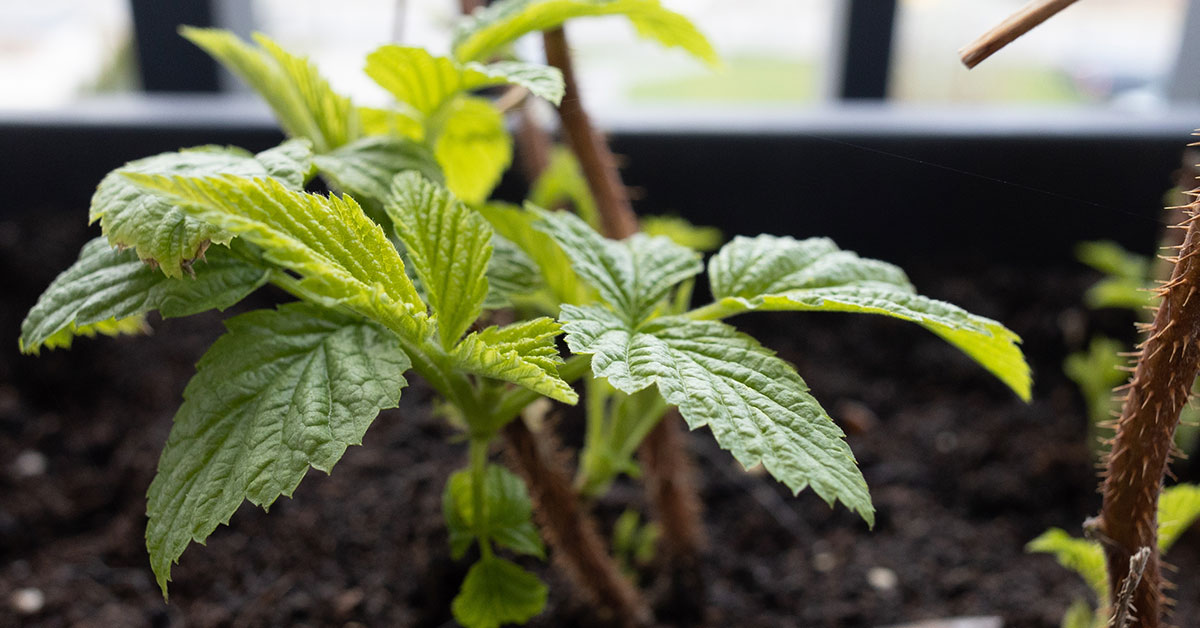

Raspberries are such a joy to grow, but like many plants, they really thrive when they’ve got the right companions. Whether you’re dealing with pest issues, hoping to boost pollination, or just looking to improve soil health, certain plants can make a world of difference. I remember when I first started growing raspberries—I thought sunlight and water were all they needed. Turns out, the company they keep matters just as much!
In this guide, I’m sharing 15 plants that are wonderful neighbors for raspberries. These aren’t just any companions—they’ve proven themselves in my own garden and in the gardens of many others. Some attract helpful insects, others ward off the bad guys, and a few do both while adding beauty or flavor to your space. I’ve randomized the order to keep things fun and surprising. Let’s dig in!
Yarrow
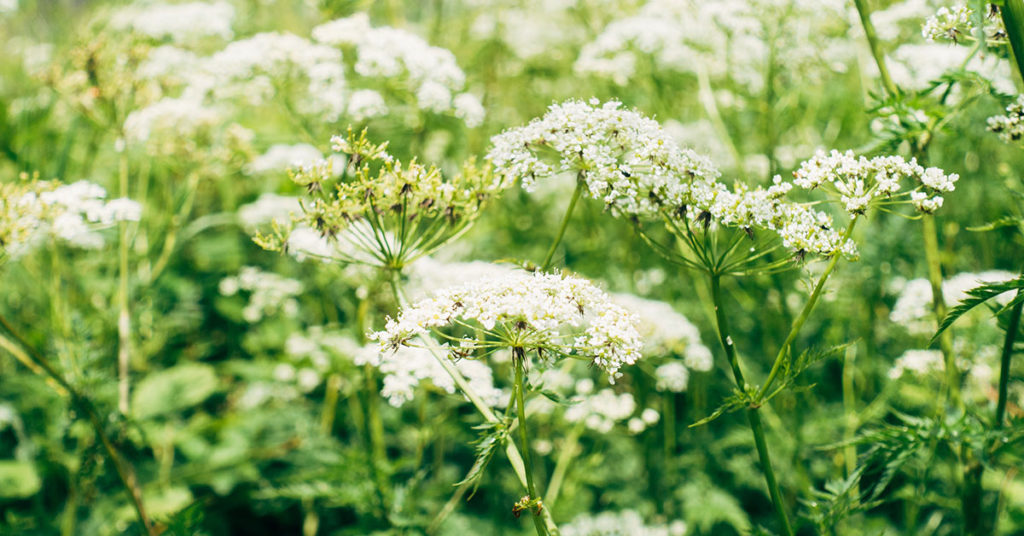
Yarrow (Achillea millefolium) is one of those plants that quietly does everything right. It brings in a wide array of beneficial insects, especially ladybugs and parasitic wasps that love to feast on aphids and other pests that raspberries are prone to. Its finely textured foliage looks gorgeous tucked between canes, and its tall clusters of tiny flowers offer excellent landing platforms for pollinators. Yarrow is native to temperate zones across the Northern Hemisphere and isn’t invasive, though it spreads steadily if left to its own devices.
What makes yarrow such a delight in a raspberry patch is its drought tolerance and ability to adapt to various soil types. It thrives in the same kind of open, sunny spaces that raspberries prefer, and while it doesn’t compete for nutrients aggressively, it definitely contributes to the overall health of the garden. I’ve noticed an uptick in hoverflies and bees whenever I let yarrow bloom freely, and that always leads to better fruit set.
Chives
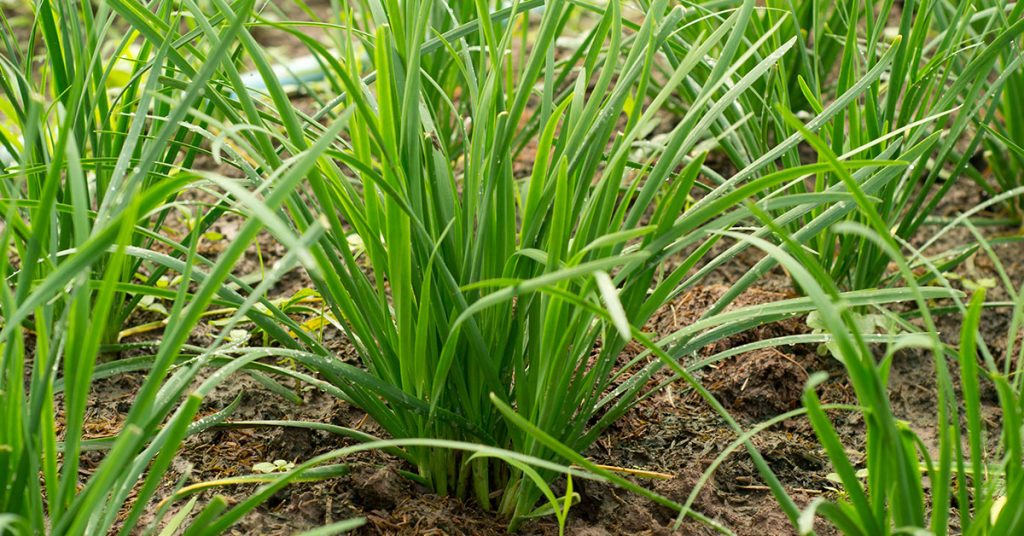
Chives (Allium schoenoprasum) may be small, but their presence makes a big impact. These hardy perennials deter common pests like aphids and Japanese beetles with their strong oniony scent. They’re native to Europe, Asia, and North America and aren’t invasive, but they do expand in tidy clumps that are easy to divide. The cheerful purple blooms that pop up in late spring are incredibly attractive to pollinators like bees, and those early season visits help kickstart raspberry pollination.
I like to plant chives around the base of my raspberry patch or even interspersed among the canes in pots. They don’t need much space and they’re easy to manage. Plus, chives are a great culinary bonus—you can snip a few stems whenever you need them, and the flowers are edible too! It’s one of those plants that works double duty in the garden and the kitchen.
Tansy
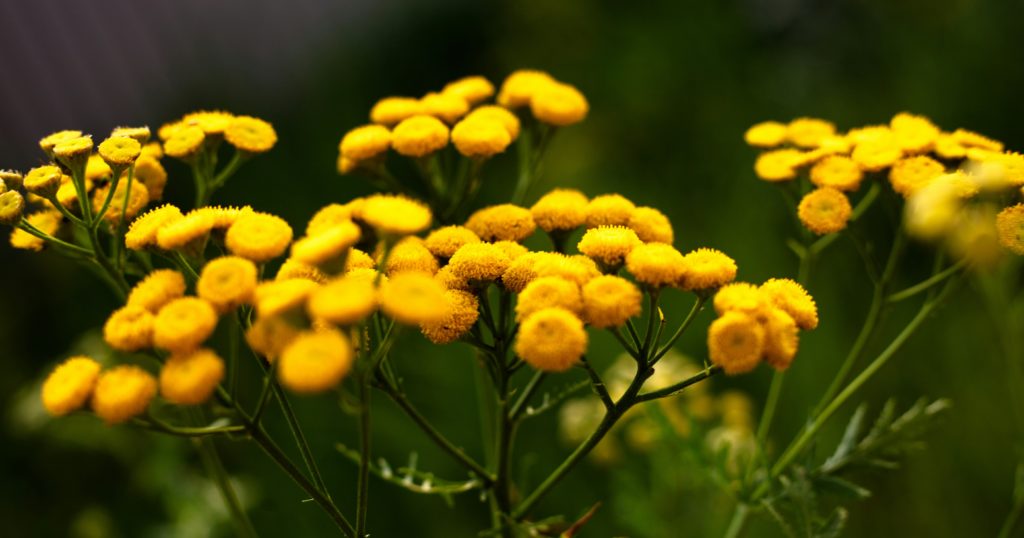
Tansy (Tanacetum vulgare) is a bold companion with some serious pest-repelling abilities. It’s known for keeping away beetles, ants, and even the dreaded raspberry cane borer. Tansy is native to Europe and Asia and has naturalized in many parts of North America. It can spread aggressively if not managed, so I always recommend growing it in containers or designated beds near—not in—the raspberry patch.
Despite its bad-boy reputation, I’ve had great results using tansy as a border plant around my raspberry rows. Its button-like yellow flowers bloom late in the season and bring in bees, while its strong aroma keeps the troublemakers at bay. You’ll want to cut it back after flowering to keep it from reseeding too freely, but in the meantime, it offers both charm and protection.
Borage

Borage (Borago officinalis) might just be one of the best-kept secrets in companion planting. This plant is native to the Mediterranean and self-seeds readily without becoming a nuisance—though once you grow it, you’ll probably want it everywhere! Borage’s star-shaped blue flowers are adored by bees, and its fuzzy stems and leaves deter grazing pests like rabbits and deer.
I’ve found that borage improves the health of just about everything nearby, including raspberries. Some gardeners even claim it enhances the flavor of nearby fruit! I let it sprawl near the edges of my raspberry beds where it fills gaps beautifully, adds texture, and invites all the right insects. Plus, the flowers are edible and make a fun garnish for summer drinks.
Marigold
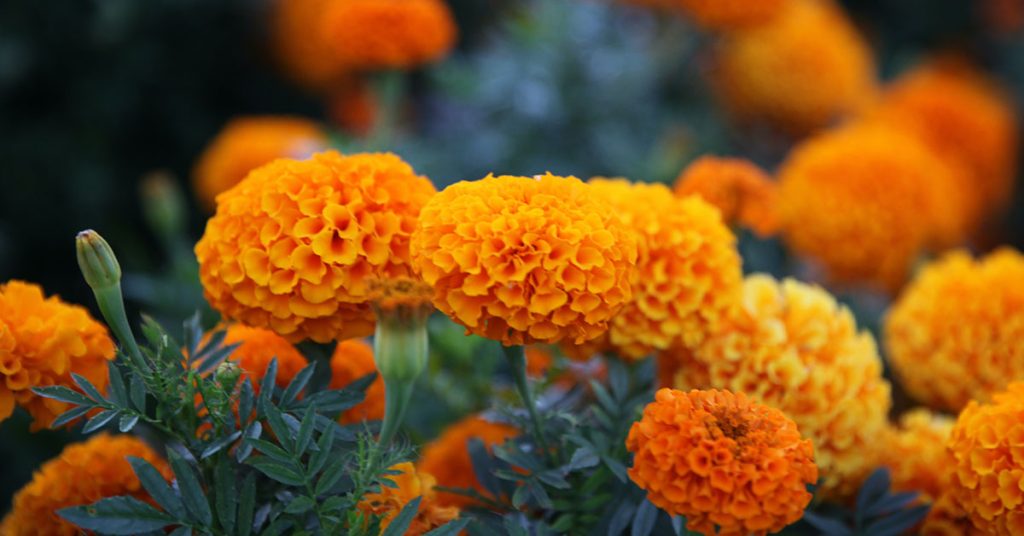
Marigolds (Tagetes spp.) are the cheerful little workhorses of the garden. These flowers exude compounds from their roots that help suppress nematodes and harmful fungi, creating a healthier soil environment for raspberries. They’re native to the Americas and aren’t invasive, though they do reseed if not deadheaded.
Marigolds also confuse flying pests with their pungent scent, which can help deter whiteflies and beetles. I plant them in little pockets along the raspberry row or even weave them into container plantings nearby. Their golden blooms add a vibrant burst of color and attract pollinators as well—there’s something undeniably joyful about seeing a raspberry cane surrounded by sunshine-yellow petals!
Nasturtium

Nasturtiums (Tropaeolum majus) are excellent “sacrificial” companions. They draw aphids, whiteflies, and other pests away from your raspberries—sort of like the decoy plant of the garden. Native to South America, nasturtiums aren’t invasive, but they do grow rapidly and sprawl if given room. Their round leaves and brilliant flowers are edible and peppery, giving them bonus points in the kitchen.
I’ve had success growing nasturtiums along the outer edge of my raspberry beds. They tumble gracefully and create a natural groundcover while inviting in bees and hoverflies. Just be sure to inspect them regularly—if pests get too cozy, you may need to trim or remove infested leaves to keep your garden balanced.
Crimson Clover
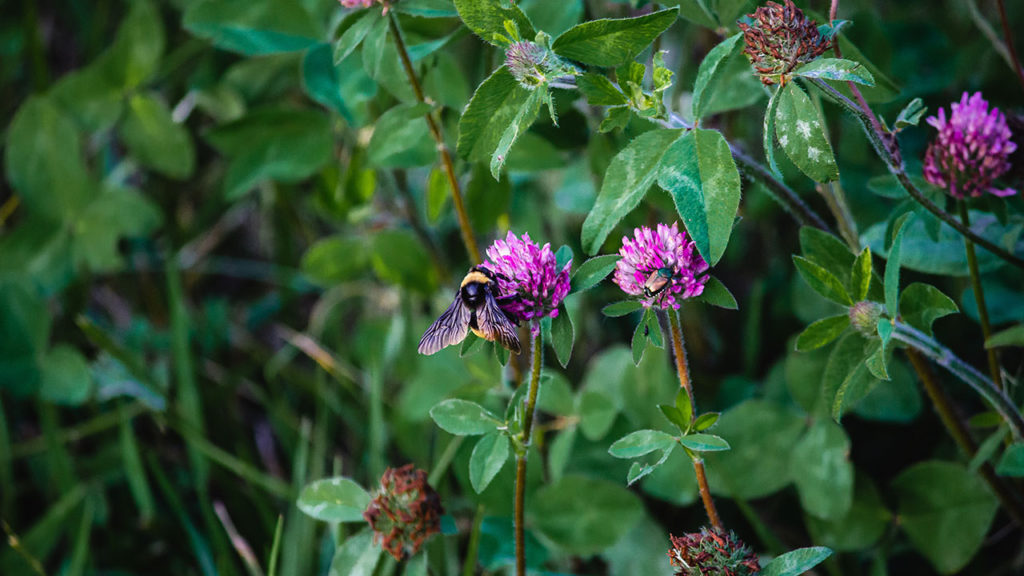
Crimson clover (Trifolium incarnatum) is a nitrogen-fixing champion that helps feed the soil—something raspberries appreciate, especially in leaner beds. This plant is native to southern Europe and is not invasive, although it can reseed if allowed to flower fully. Its vivid red flower spikes are a favorite of bees and other beneficial insects.
Crimson clover works well as a living mulch or groundcover beneath raspberry canes. It suppresses weeds, improves soil texture, and enhances moisture retention. I often sow it in late summer to overwinter and till in the spring, or let it flower for an early-season pollinator party before trimming it back.
Lemon Balm
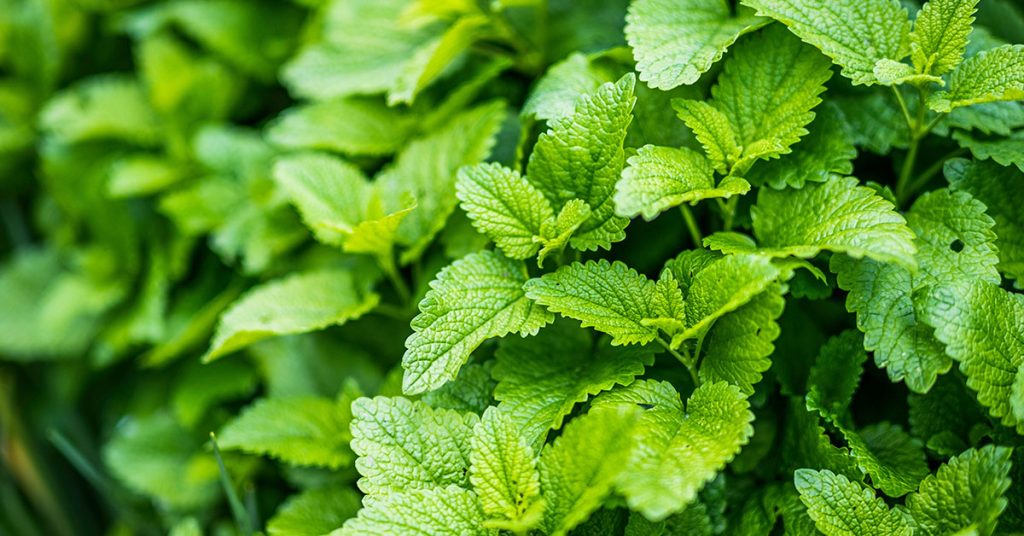
Lemon balm (Melissa officinalis) is a wonderfully fragrant herb that has the added benefit of repelling mosquitoes and other soft-bodied insects. Native to southern Europe and western Asia, it’s part of the mint family and spreads similarly—so you’ll want to plant it in containers or confined spaces to prevent it from taking over.
Even with its energetic nature, I keep lemon balm near my raspberries because of how many pollinators it brings in. Its small white blooms attract honeybees in droves, and the leaves make a refreshing tea. If you’re trying to create a serene, productive space near your berry patch, this herb brings a little calm and a lot of buzz.
Garlic
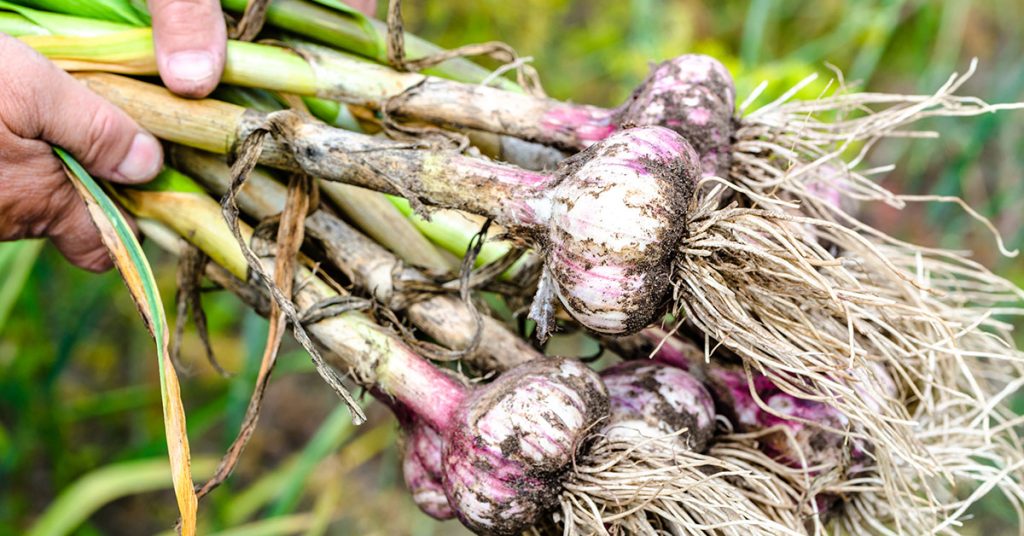
Garlic (Allium sativum) is one of the most reliable companions for just about anything in the garden. Its strong scent deters aphids, spider mites, and even fungal pathogens, which makes it perfect for protecting raspberries. Native to Central Asia, garlic is a widely cultivated crop that stays where it’s planted—definitely not invasive.
I love interplanting garlic between raspberry rows in fall for a summer harvest. By the time the berries are in full swing, the garlic is ready to be pulled. This creates a natural crop rotation that keeps pests guessing and the soil healthier. Plus, what’s not to love about growing your own garlic?
Chamomile

Chamomile (Matricaria chamomilla or Chamaemelum nobile) is more than just a soothing herbal tea—it’s also a subtle ally in the raspberry patch. It improves plant health, enhances disease resistance, and brings in a steady stream of pollinators. Native to Europe and Western Asia, chamomile is not invasive, though it will gently reseed if left alone.
I like tucking chamomile between rows or in nearby beds where it doesn’t compete for resources. Its little daisy-like flowers pop up in early summer, attracting bees and hoverflies. You can harvest them for tea or just let them bloom for the aesthetic and ecological benefits they bring.
Rue
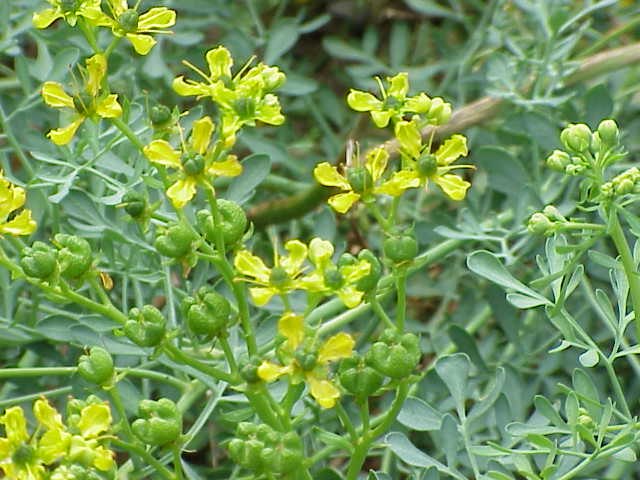
Rue (Ruta graveolens) is one of those companions that requires a bit of care but can be incredibly effective. Its strong, bitter scent keeps beetles and aphids away, and its blue-gray foliage adds an elegant contrast to raspberry canes. Rue is native to the Balkans and isn’t considered invasive, though it should be handled carefully due to its photosensitive sap.
Because of its potential to irritate skin, I plant rue just outside the raspberry zone rather than directly within it. When it blooms, the small yellow flowers attract some beneficial insects, but its real value lies in pest deterrence. If you’ve had beetle issues in your patch, it’s worth giving rue a try.
Lovage
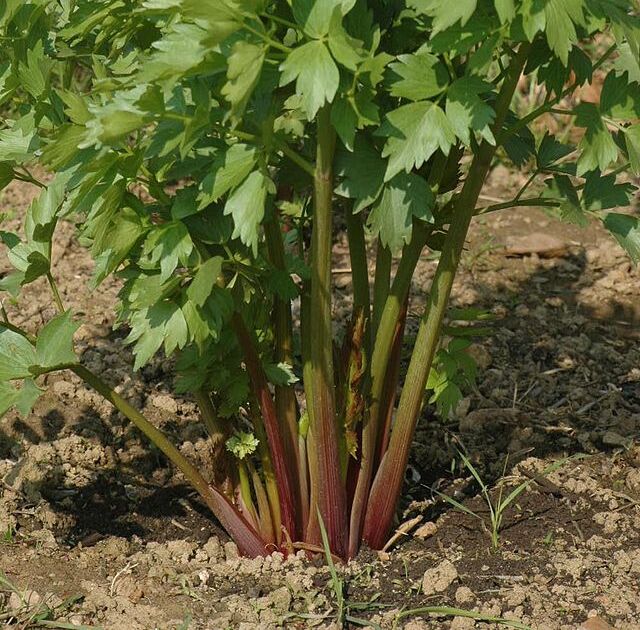
Lovage (Levisticum officinale) might not be in every gardener’s toolkit, but once you try it, it’s hard to go without. This tall, celery-like perennial improves the growth and flavor of nearby plants and brings in predatory insects that help with pest control. Native to the Mediterranean, it isn’t invasive, but it can get quite tall—up to 6 feet!
I place lovage a little ways from my raspberry patch to give it space to grow without overshadowing the canes. Its umbels of yellow-green flowers draw beneficial wasps and lacewings, and its strong scent seems to confuse pests. As a bonus, the leaves and stems are fantastic in stocks and stews.
Hyssop
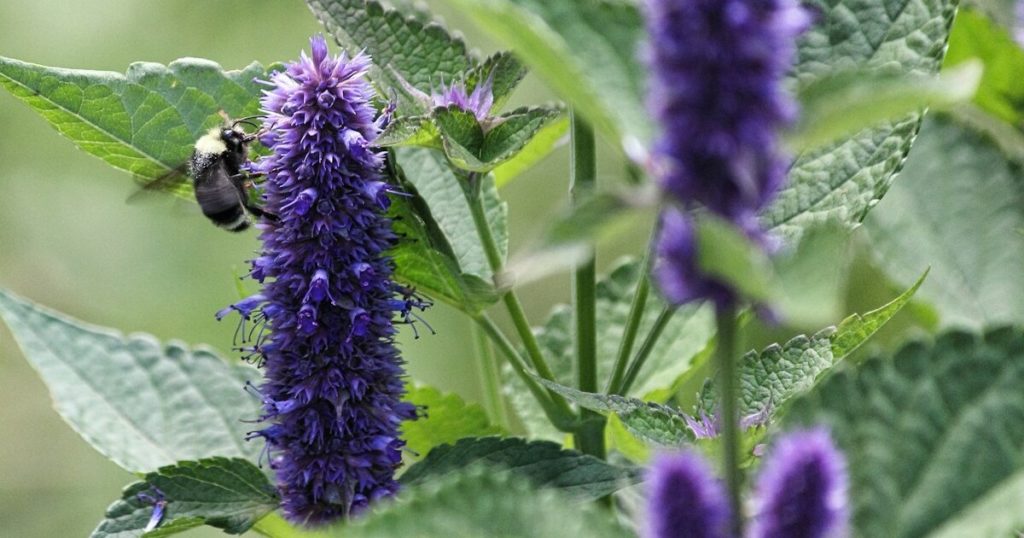
Hyssop (Hyssopus officinalis) is a sturdy, low-maintenance herb that’s brilliant for attracting pollinators and repelling unwanted insects. Native to southern Europe and the Middle East, hyssop isn’t invasive but benefits from a good pruning now and then to stay tidy. Its violet-blue flower spikes are some of the longest-lasting blooms in the herb garden.
I plant hyssop along the front edge of my raspberry beds, where it creates a soft, flowering border that buzzes with bees and butterflies. It’s also lightly aromatic, which helps deter pests like flea beetles and cabbage moths. And if you’re into herbal medicine, hyssop has a rich history of use for respiratory support.
Dill
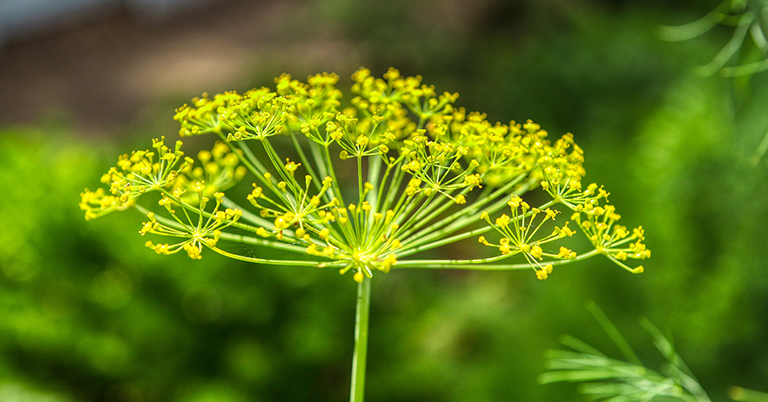
Dill (Anethum graveolens) rounds out this list as a tall, wispy herb that quietly attracts some of the most important helpers in the garden. Its umbrella-shaped flowers are magnets for parasitic wasps, lacewings, and ladybugs, which are all key players in controlling raspberry pests. Dill is native to the Mediterranean and southwest Asia and is not invasive, though it self-seeds easily.
I like letting dill grow wherever it pleases near my raspberry rows—it’s delicate enough not to cause crowding but effective enough to make a difference. Plus, dill heads are beautiful in flower arrangements, and of course, you can’t beat the flavor in pickles and fish dishes. It’s a graceful multitasker and one of the easiest herbs to grow.