

Switching to a no-till garden system can feel like a major leap—especially if you’ve always been taught that turning soil is the best way to prep for planting. I get it! I was hesitant at first, too. But after seeing the dramatic improvement in my soil health, plant resilience, and harvest yields, I can’t imagine going back. No-till gardening isn’t just about doing less work (though that’s a bonus); it’s about working with nature instead of constantly disrupting it.
A no-till approach means you’re leaving the soil structure intact and layering organic matter over the top instead of digging or tilling. This simple shift opens up a world of benefits, from attracting beneficial insects to retaining more moisture and feeding native soil microbes. Whether you’re gardening in raised beds, in-ground plots, or a tiny urban space, here are eight compelling reasons to give no-till gardening a serious look—and maybe even fall in love with it like I did!
It Protects Soil Structure and Microbial Life
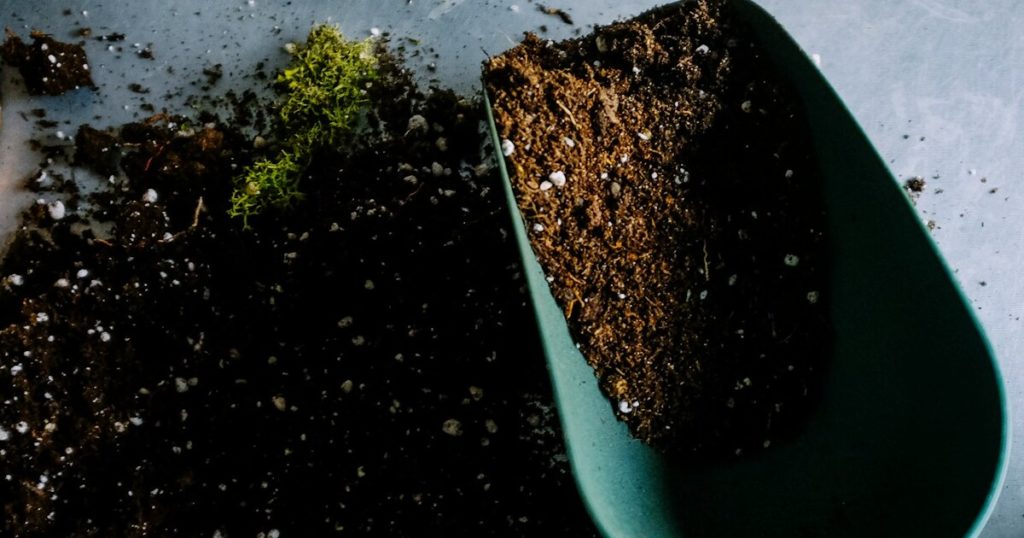
When we till the soil, we’re essentially chopping up the delicate networks that exist underground. Soil fungi, like mycorrhizae, form long filaments that connect plant roots, helping them absorb nutrients and communicate. These connections are vital to plant health—but they’re easily destroyed by rototillers and digging tools.
No-till gardening preserves this natural architecture. When you leave those structures intact, plants establish faster, grow stronger, and develop better resistance to drought and disease. I’ve seen my own beds become more resilient year after year simply by layering compost and mulch over undisturbed soil. Nature really knows what she’s doing!
It Reduces Weed Pressure Over Time
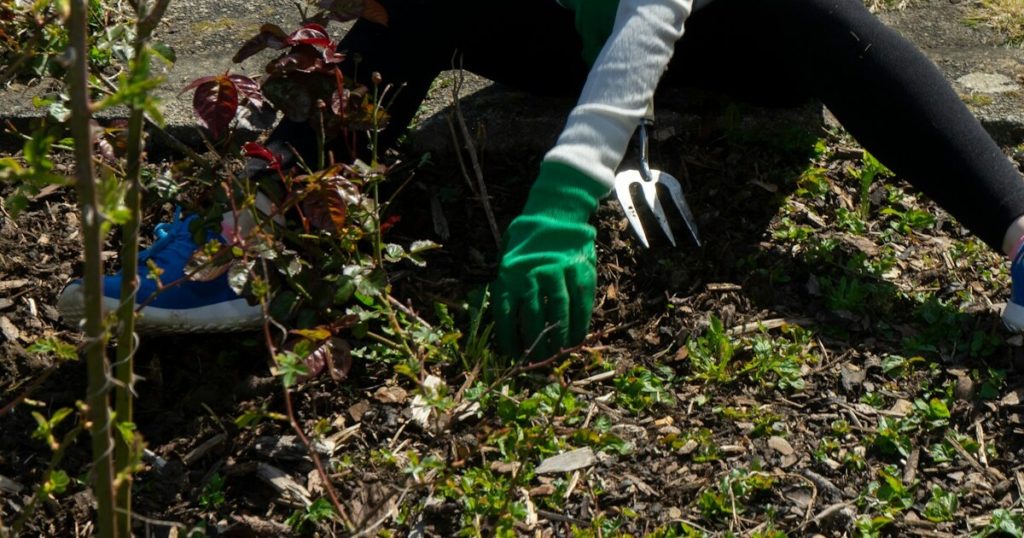
It might sound counterintuitive, but when you stop tilling, you actually reduce the number of weeds you have to battle. Tilling brings buried weed seeds to the surface, giving them light and air to germinate. No-till systems avoid disturbing that seed bank, keeping those troublemakers dormant underground.
Mulching heavily with organic matter smothers existing weeds and prevents new ones from taking hold. After a few seasons of sticking to this method, I noticed a huge drop in weed pressure—and pulling the occasional invader was a breeze. It’s such a relief not to spend hours yanking out aggressive weeds before planting!
It Attracts Earthworms and Beneficial Insects

When you stop turning the soil, all sorts of life comes rushing back in. Earthworms especially love a no-till environment, and their burrowing naturally aerates the soil, bringing oxygen to plant roots. These little decomposers are crucial for breaking down organic matter into rich, usable nutrients.
You’ll also notice an uptick in beneficial insects like ground beetles, rove beetles, and solitary bees. Many of these creatures nest in undisturbed soil or mulch layers, and their presence helps keep pests in check while boosting pollination. My garden started buzzing—literally!—with new life once I stopped disturbing the soil each spring.
It Builds Better Moisture Retention
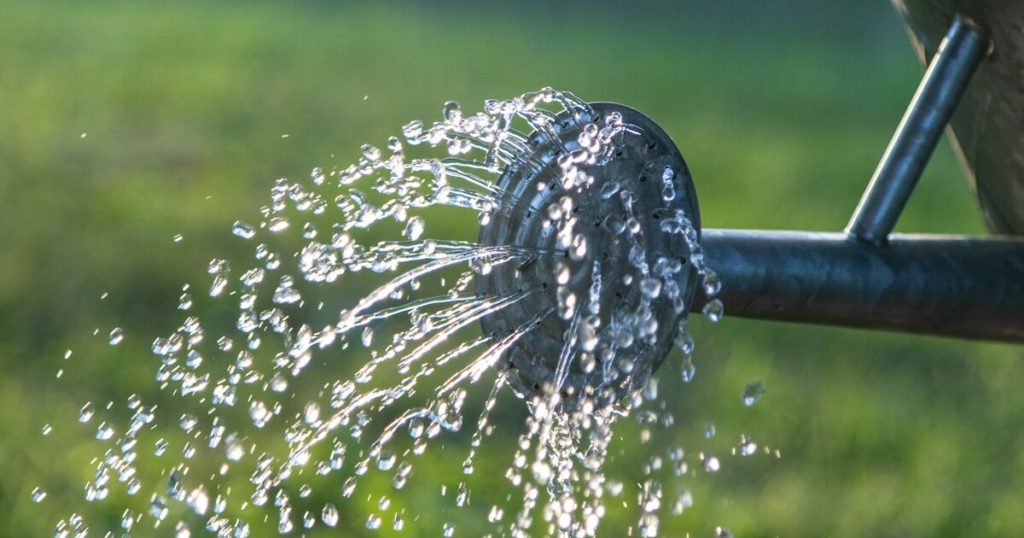
Tilled soil tends to dry out more quickly, especially in hot or windy conditions. That loose, broken-up texture might seem fluffy at first, but it actually causes water to drain too fast and evaporate too easily. No-till beds, on the other hand, develop a rich top layer of compost and mulch that holds moisture like a sponge.
This is a game-changer during dry spells. I’ve gone weeks without watering during midsummer heat thanks to the water-holding power of my no-till layers. Plus, the dense root systems and microbial networks help plants regulate water uptake more efficiently. It’s a low-maintenance approach that your plants—and your water bill—will appreciate!
It Reduces Erosion and Runoff

Tilling disrupts the natural “skin” of the soil, leaving it vulnerable to erosion from wind and rain. After a heavy storm, you might see soil washing away, nutrients leaching out, or muddy puddles forming in tilled beds. No-till systems solve this by keeping the soil covered and intact.
I mulch with straw, compost, or even living plants to protect the surface. This layer slows water down, allowing it to soak in instead of running off. The results are dramatic—less erosion, better water distribution, and no more nutrient runoff that pollutes nearby streams or ponds. It’s one of the most environmentally friendly ways to garden!
It Cuts Down on Labor and Fuel Use

This one’s a real perk—no more lugging around a heavy rototiller, fighting compacted soil, or spending hours breaking up beds each season! Once you’ve established your no-till garden, maintaining it becomes so much easier. Most of my prep now involves adding compost, laying mulch, and doing a bit of strategic planting.
And if you’ve ever felt guilty about using gas-powered equipment just to prep a small patch of soil, no-till is an eco-friendlier alternative. You’re lowering your carbon footprint and saving energy—all while building better soil. It’s a win-win that makes gardening more accessible, even for folks who can’t (or don’t want to) do heavy labor.
It Supports Carbon Sequestration

One of the lesser-known benefits of no-till gardening is its role in fighting climate change. Soil is one of the planet’s biggest carbon sinks, and tilling releases stored carbon into the atmosphere. By avoiding tillage and building up organic matter, you help lock that carbon back into the ground.
This is especially important if you’re gardening at scale or using cover crops, which can add even more biomass to the soil. Every bit counts, and even a backyard garden can make a difference. It’s a quiet way to give back to the Earth while you grow your own food—and that sense of stewardship makes the garden feel even more meaningful.
It Encourages Natural Nutrient Cycling
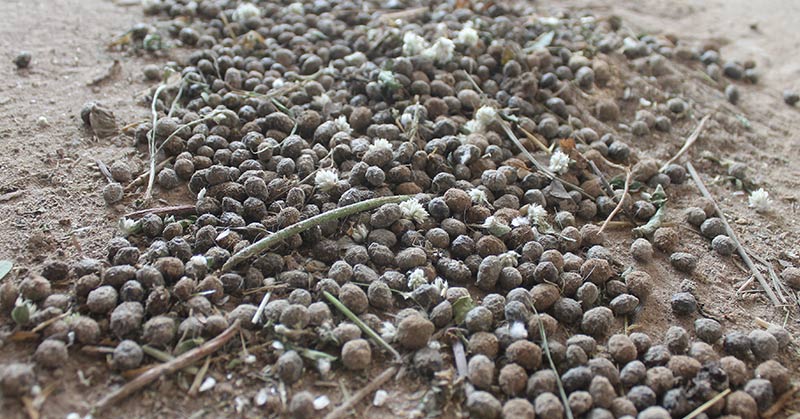
When you allow plant roots to decompose in place, layer organic matter on the surface, and let nature do its thing, something amazing happens: nutrients cycle naturally. Instead of depending on synthetic fertilizers, a no-till garden feeds itself from the bottom up. Compost, mulch, and plant residue break down slowly, feeding soil life and, in turn, feeding your plants.
I’ve been amazed at how little extra fertilizer I need now that my soil is alive and working in balance. My plants grow steadily, suffer fewer deficiencies, and are less prone to stress. Once you get the system going, it becomes self-sustaining—and that’s one of the most satisfying experiences a gardener can have.