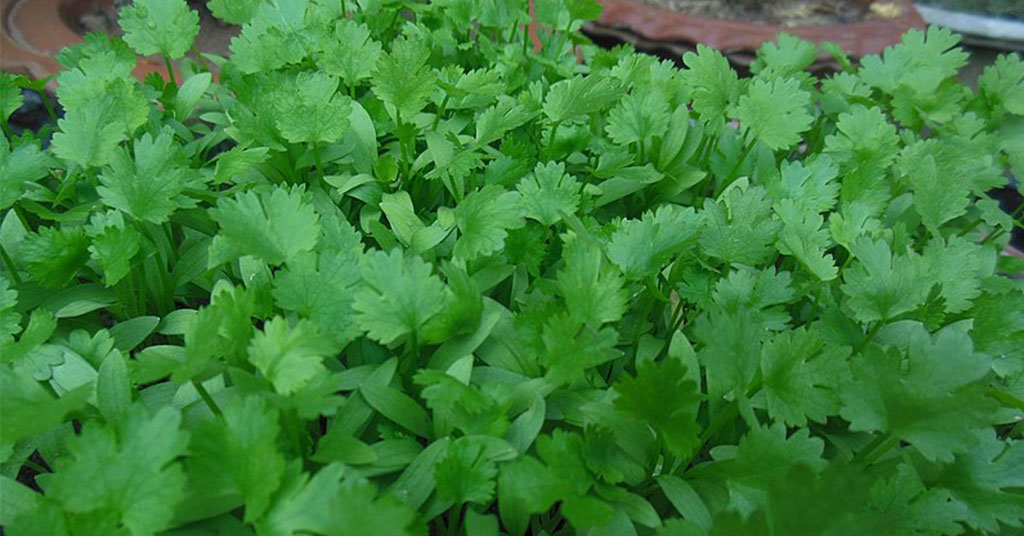

Cilantro is one of those herbs that stirs up strong opinions in the kitchen—but in the garden? It’s a universal winner. Whether you’re growing it for its fragrant leaves or its spicy coriander seeds, cilantro (Coriandrum sativum) pulls double duty as a companion plant. It doesn’t just quietly coexist—it actively improves its neighbors’ lives! I know how frustrating it is to watch your carefully tended plants struggle with pests or poor yields, but I’ve found cilantro can be the garden’s little hero in ways you might not expect.
Native to regions stretching from Southern Europe to Southwestern Asia, cilantro is not invasive and doesn’t aggressively spread. However, it does bolt quickly in warm weather, shooting up flowering stalks that are incredibly beneficial to pollinators and predatory insects. When it blooms, it becomes a hotspot for hoverflies, lacewings, and parasitic wasps—bugs that help guard your garden against aphids, mites, and other troublemakers. Let’s dig into the best companion plants to grow with cilantro to boost flavor, improve resilience, and build a more beautiful garden ecosystem!
Tomatoes

Tomatoes and cilantro pair up deliciously on the plate, and they make a surprisingly good duo in the garden too! Cilantro’s strong scent can help mask the aroma of tomato plants, making it harder for pests like aphids and whiteflies to locate them. Plus, when cilantro flowers, it draws in hoverflies and parasitic wasps that help control tomato hornworms and other pests.
Tomatoes are originally from South America and enjoy rich soil and plenty of sun. Cilantro prefers cooler weather, but if you tuck it in between tomato plants in early spring or fall—or even use it as a quick-growing filler between tomato seedlings—it plays nicely without stealing the show. And once cilantro bolts, those lacy flowers look lovely popping up beneath the tomato canopy!
Kale
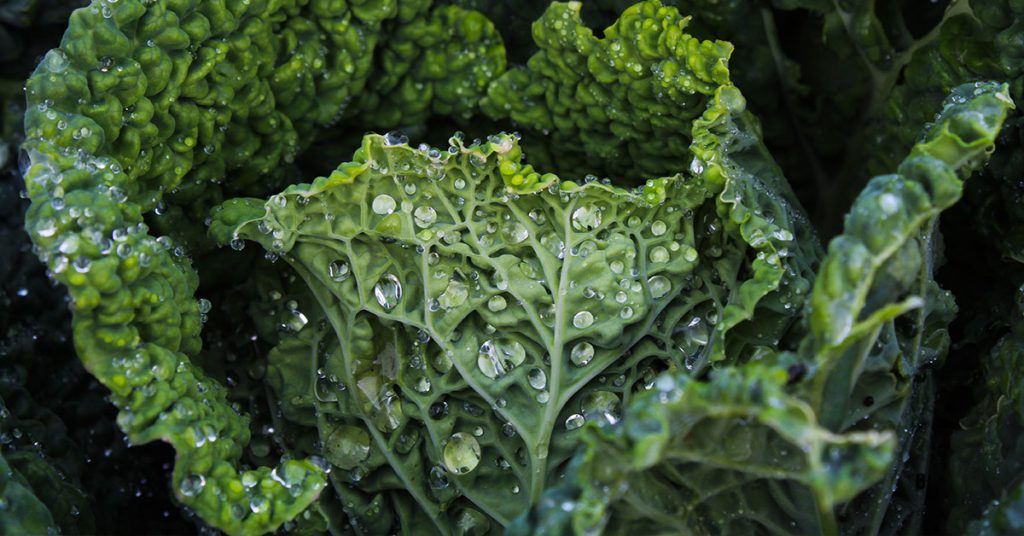
Kale is one of those garden mainstays that tends to attract aphids and flea beetles, especially when temperatures shift. That’s where cilantro can be a huge help. Its flowers attract hoverflies and ladybugs—both aphid eaters—and the scent can disrupt pests looking for your kale. It’s such a relief to see natural predators move in before a problem spirals out of control!
Kale, a member of the brassica family and native to the eastern Mediterranean and Asia Minor, grows best in cooler weather—just like cilantro. That shared preference makes them great companions during spring and fall, when they can thrive side by side in containers, raised beds, or garden rows without competing heavily for nutrients or space.
Spinach
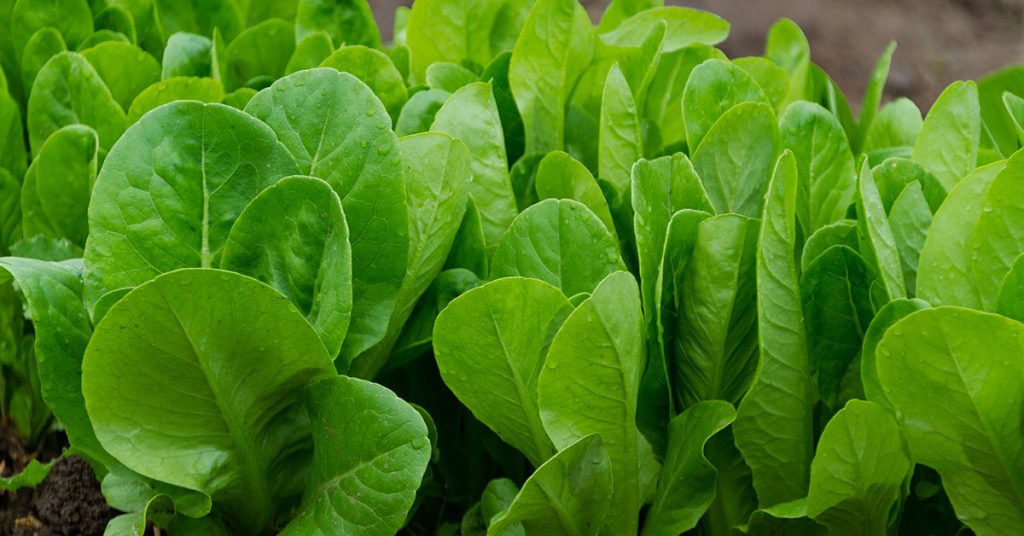
Spinach and cilantro are both cool-season champions that share a love for rich, well-drained soil and a dislike for intense summer heat. Growing them together helps maximize garden space early in the season, and because both are relatively shallow-rooted, they don’t fight each other underground.
I often interplant spinach and cilantro to make the most of those short spring and fall windows before the weather heats up. As cilantro starts to bolt, it sends up lovely white flower umbels that attract beneficial bugs to the garden, which can help protect your tender spinach leaves from aphids and leaf miners. It’s a gentle and productive pairing that gives back in more ways than one!
Beans
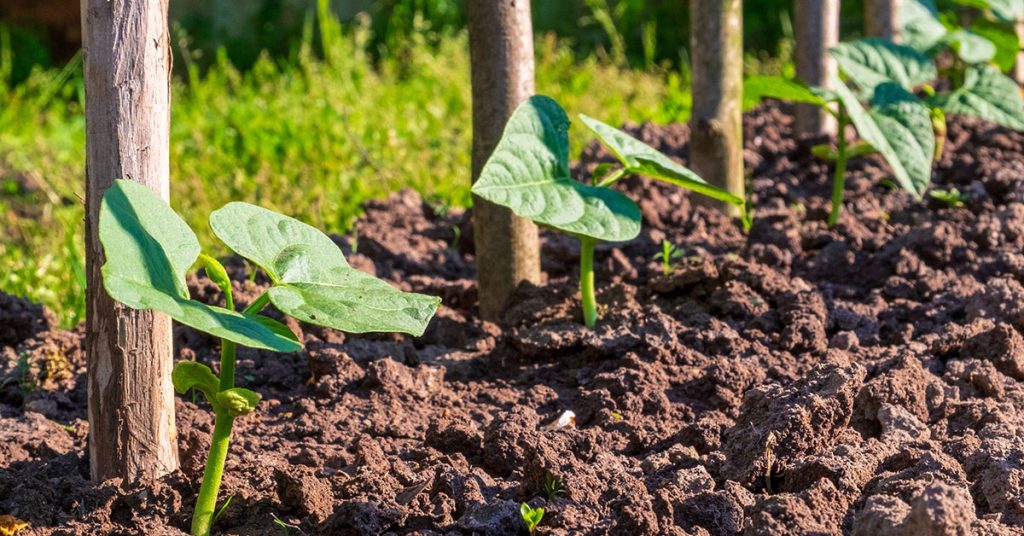
Beans, especially bush varieties, thrive when planted near cilantro. The two don’t compete for space, and cilantro’s blooming phase is especially valuable to bean patches—its tiny flowers attract parasitic wasps and hoverflies that keep aphid populations down. I love how the upright cilantro plants fill in the spaces between bean rows while working as pest patrol!
Beans are originally native to Central and South America and are known for fixing nitrogen in the soil, which benefits other nearby plants. Cilantro doesn’t need a ton of nitrogen, so it won’t take away from your bean yields. Plus, the cooling soil shade from cilantro can help moderate temperatures around young bean roots.
Broccoli
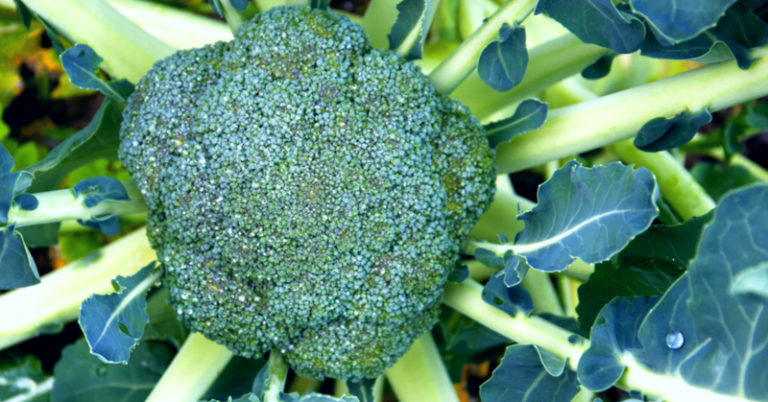
Broccoli is another brassica that benefits from cilantro’s knack for repelling pests. Aphids, cabbage worms, and whiteflies are common enemies of broccoli, and cilantro’s flowering stage brings in natural predators to help keep those populations in check. I’ve had fewer issues with cabbage loopers when cilantro is allowed to flower near broccoli patches!
The timing works out beautifully, too. Cilantro can be direct sown around your broccoli starts in early spring, and as the broccoli matures, the cilantro flowers begin drawing in beneficial insects. Broccoli, like cilantro, enjoys cooler weather and fertile, well-drained soil, so they grow well under similar conditions without crowding one another.
Potatoes
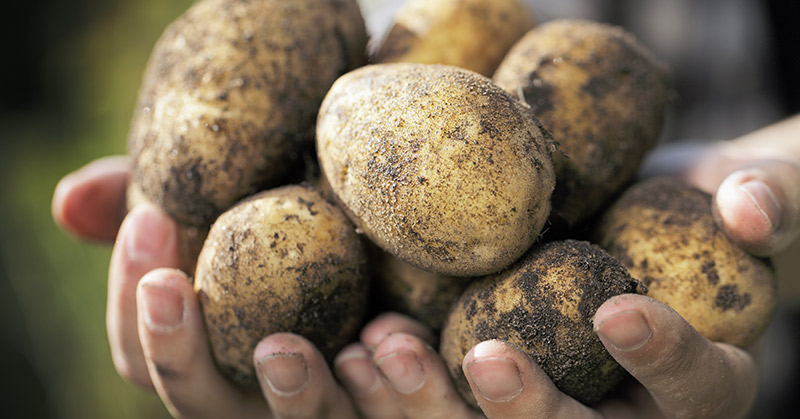
Potatoes aren’t usually thought of as companion planting stars, but cilantro can actually improve their growing environment in several key ways. Its flowering tops attract lacewings and parasitic wasps that prey on Colorado potato beetles, which are a huge nuisance if left unchecked.
Because potatoes grow underground and cilantro above, the two coexist nicely without competing for space. I like sowing cilantro around the edges of potato beds in early spring—the lacy leaves provide a soft, green border while subtly supporting pest defense. Once the potatoes need hilling, cilantro’s low growth doesn’t get in the way and often finishes its life cycle just as the potatoes are bulking up underground.
Beets
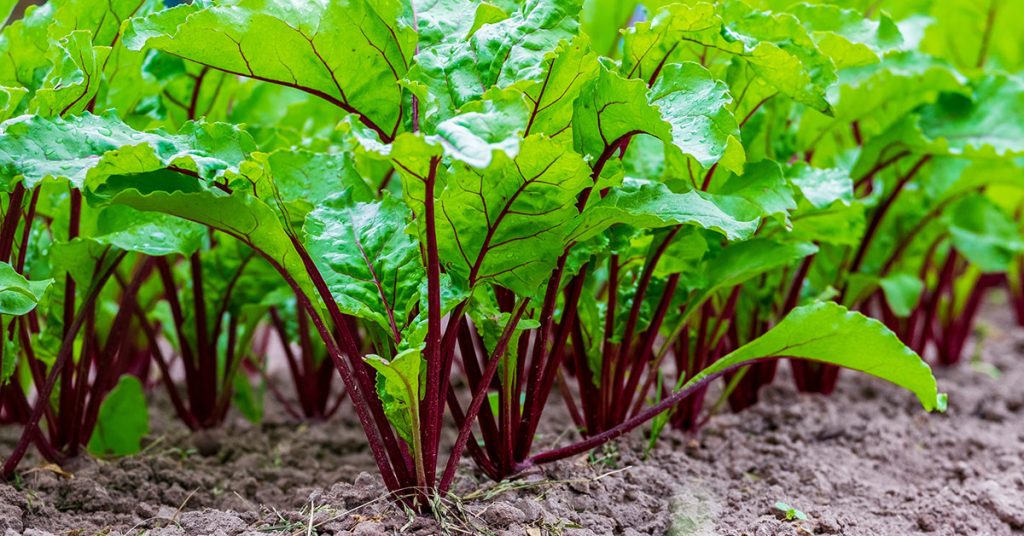
Cilantro and beets make a lovely pair in both the garden and the kitchen. Beets are root-focused, while cilantro stays aboveground, so they use different parts of the soil. Cilantro’s quick growth means it can act as a companion groundcover early in the beet’s life, helping suppress weeds and attract beneficial insects when it blooms.
I’ve noticed that when I let cilantro flower near beets, the hoverflies really zero in, which helps keep leaf miner populations low. Beets are native to the Mediterranean and favor similar soil and temperature conditions as cilantro, especially during the cooler seasons. Together, they create a productive and pest-resilient patch!
Lettuce
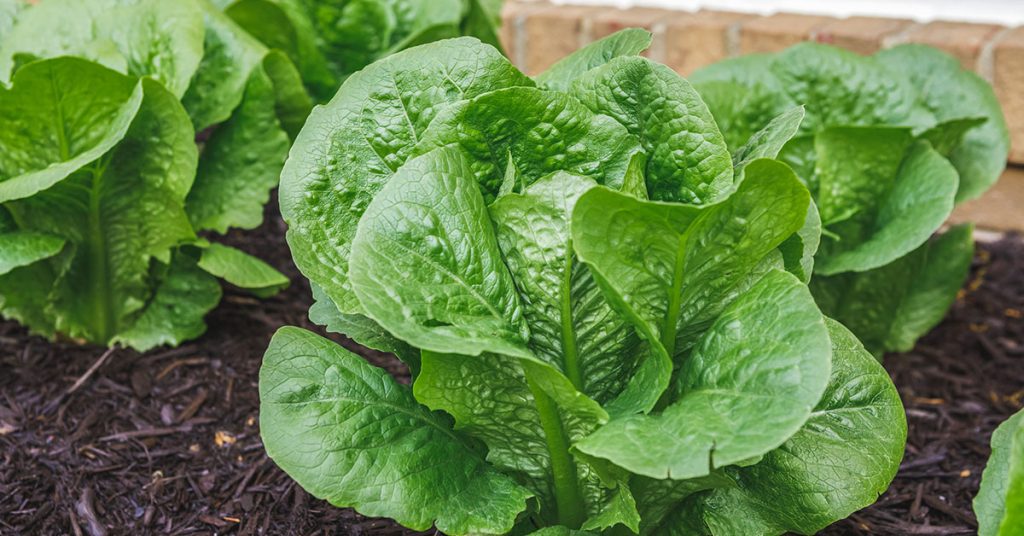
Lettuce is a perfect companion for cilantro thanks to their shared love for cool, moist soil. Both are quick growers that can be sown directly into early spring or late summer beds. Cilantro’s upright form doesn’t crowd lettuce, and when it bolts, it casts light shade that helps prevent your leafy greens from overheating.
Even better, cilantro draws in predatory insects that help keep aphids off your lettuce. In my own garden, I’ve found that sowing rows of cilantro alongside butterhead or romaine varieties helps keep the beds buzzing with beneficial insect life, which leads to healthier and less stressed crops overall. And it just looks beautiful together!
Peas

Peas and cilantro are both happy in cool weather, making them natural neighbors in the spring garden. Peas climb vertically while cilantro stays lower and bushier, so the two don’t compete for sunlight. The delicate blossoms of cilantro attract a variety of helpful insects, many of which help control aphids and beetles that like to munch on young pea shoots.
One of the things I enjoy most is watching tiny pollinators visit both the pea flowers and the cilantro umbels, creating a garden that hums with life. Peas, being legumes, also enrich the soil with nitrogen, which cilantro happily takes advantage of without being too demanding. It’s a peaceful and productive cohabitation.
Parsnips

Parsnips, like beets and carrots, do best when they aren’t competing with aggressive root neighbors. Cilantro fits the bill perfectly—it grows quickly, doesn’t sprawl underground, and finishes early, making room for your slow-growing parsnips to thrive. Once cilantro flowers, it boosts predatory insect activity, which can help manage parsnip pests like carrot rust flies.
Parsnips, native to Eurasia, also enjoy similar soil and temperature conditions as cilantro. I’ve used cilantro as a trap crop and living mulch around parsnip rows and was amazed by how much fewer pests I had that season. It’s one of those subtle combinations that pays off big by mid-season!
Cucumbers
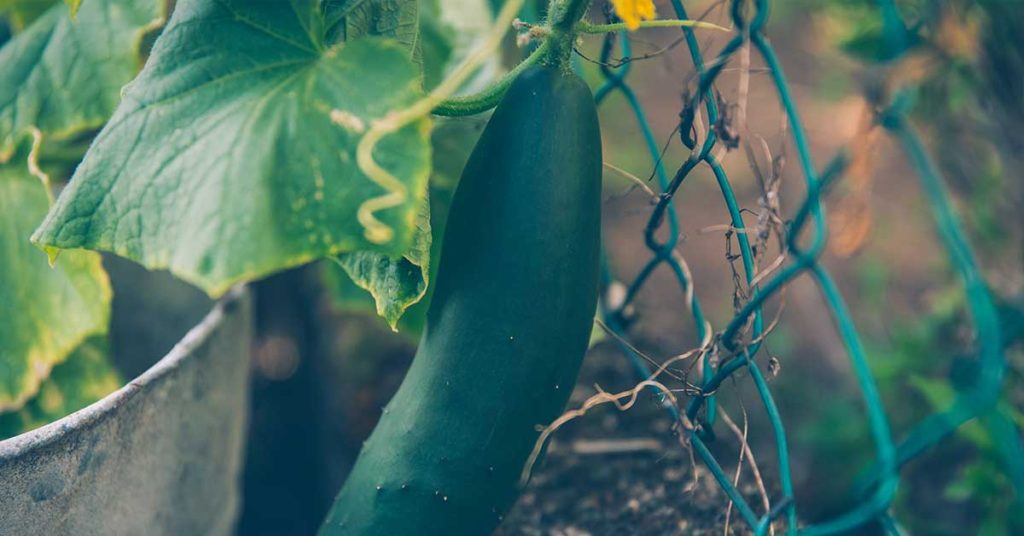
Cucumbers love full sun and warm soil, while cilantro prefers it a bit cooler—but they still make a helpful team, especially if you stagger your timing. Planting cilantro nearby early in the season brings in beneficial insects before cucumber vines are in full swing. As the cilantro bolts and sets seed, it pulls in lacewings and parasitic wasps that protect your cucumbers from pests like aphids and cucumber beetles.
I like growing cilantro along the edges of cucumber beds, where it doesn’t compete for climbing space and gets enough morning sun to thrive. The visual pairing is lovely too—airy cilantro flowers contrasting against the bold leaves of cucumbers. It adds diversity to your bed and supports a balanced ecosystem.
Swiss Chard
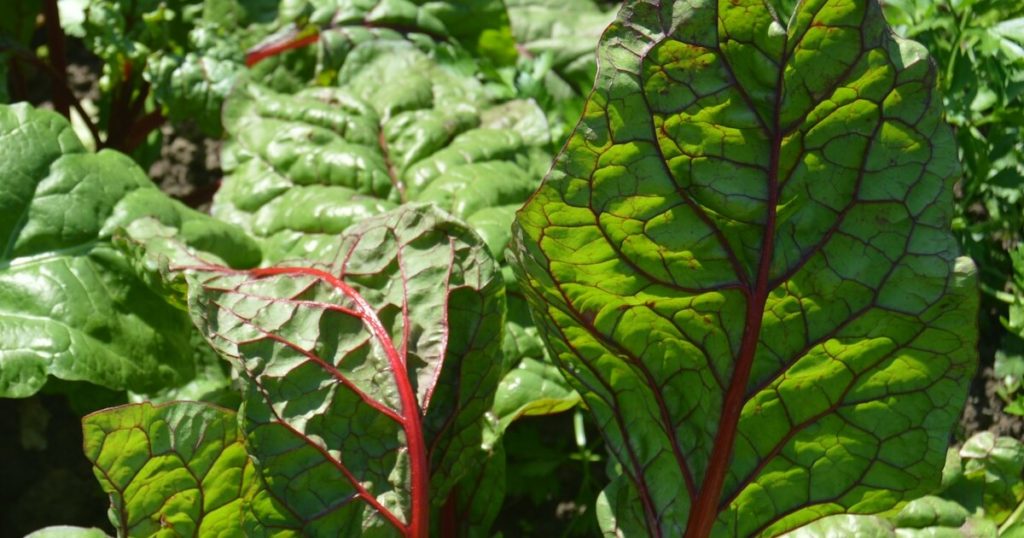
Swiss chard and cilantro are like rhythm and melody—they complement each other perfectly without stepping on one another. Cilantro can be direct sown in spring and fall around chard, helping protect young chard plants from leaf miners and aphids through its pest-attracting flowers. Chard’s bold leaves, in turn, give cilantro some needed afternoon shade.
Both plants are cool-season lovers, and they tolerate a little crowding, so you can grow them close together in raised beds or containers. Plus, when cilantro goes to flower, it turns into a feathery pollinator magnet while chard holds steady with beautiful rainbow stems—it’s a patch of the garden that’s always buzzing and glowing with life!