

There’s something incredibly satisfying about stepping onto your patio, pinching off a few fresh herb leaves, and tossing them straight into a meal or cup of tea. Whether you’re working with a big backyard or a small balcony, herbs are some of the most rewarding—and forgiving—plants you can grow. Plus, they offer so much more than just flavor: they draw pollinators, repel pests, and sometimes even provide little nooks for beneficial insects to hide and nest. Growing them in pots makes it easy to control their spread, which is especially helpful for some of the more ambitious growers among them!
These herbs hail from all over the world—from the Mediterranean coastlines to the tropics of Southeast Asia—and while most are non-invasive when potted, a few are known to spread aggressively in the ground. That’s another reason why the patio is their perfect home: containers keep them neat, accessible, and right where you want them. Let’s explore 15 herbs that are not only flavorful and fragrant but also perfect companions for your porch or patio garden!
Lemon Balm
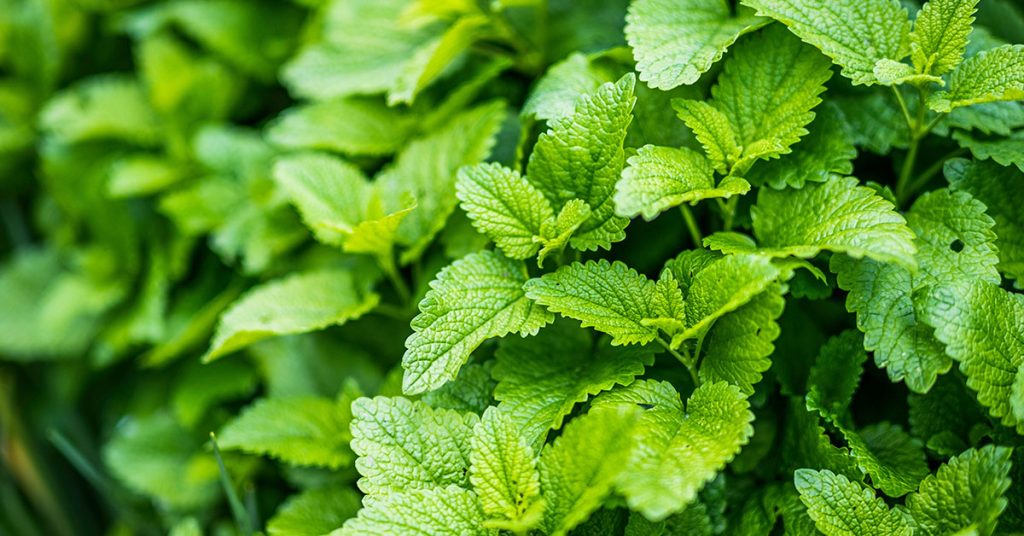
Lemon balm (Melissa officinalis) is a charming herb in the mint family that’s native to southern Europe and Central Asia. It gives off a gentle, lemony scent that’s uplifting and relaxing, which makes it a fantastic choice for seating areas where you want a calming, sensory atmosphere. But watch out—it can be invasive in the ground, so keeping it in a pot on the patio is ideal for containment.
Its small white flowers attract bees, butterflies, and other pollinators, making it great for encouraging garden biodiversity. I often find hoverflies and beneficial wasps visiting it too. Lemon balm can also offer tiny nesting spaces in its dense growth for insects like lacewings, which help keep aphid populations in check. Harvest it regularly to keep it from getting leggy and enjoy fresh leaves in iced tea or baked goods.
Rosemary

Rosemary (Salvia rosmarinus), native to the Mediterranean, is a hardy, aromatic shrub that thrives in containers with full sun and excellent drainage. It adds elegance to any patio with its upright, pine-like foliage and blue flowers that bloom intermittently through the warmer months. It’s not considered invasive but can get woody and expansive if left unchecked, so pruning helps keep it tidy and productive.
Rosemary is beloved by bees and hummingbirds, especially when in bloom, and it even acts as a mild pest deterrent for nearby plants. I always keep a rosemary pot near my tomatoes and peppers for that extra natural pest protection! Plus, it makes the entire patio smell like a Tuscan garden every time you brush past it—what a treat.
Thai Basil
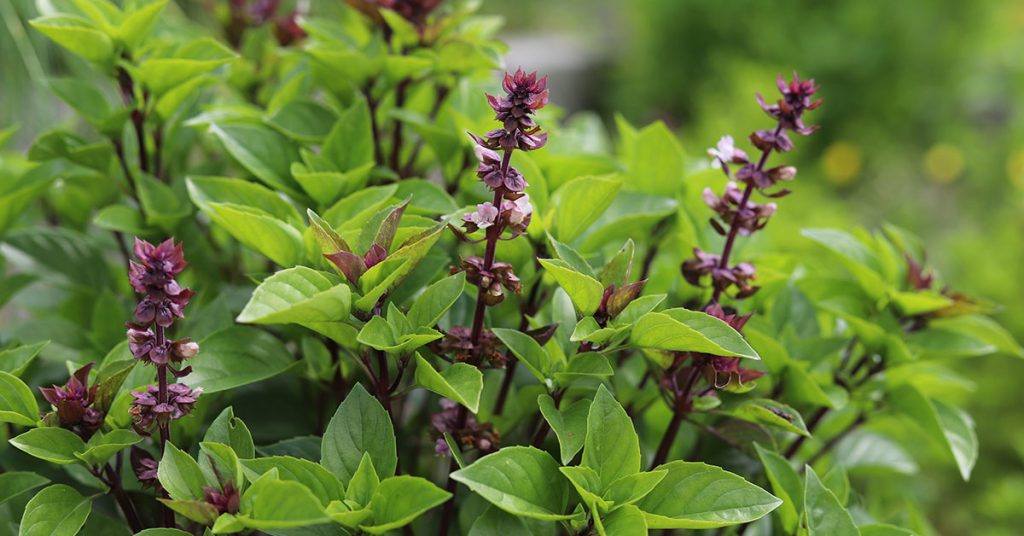
Thai basil (Ocimum basilicum var. thyrsiflora) brings both visual drama and culinary flair to your patio setup. With its purple stems and licorice-scented leaves, this Southeast Asian native loves warmth and sun. Unlike sweet basil, it holds up better in cooking and offers a punchy flavor to curries and stir-fries. It’s not invasive and thrives happily in containers.
Its purple blooms are absolute magnets for bees! I often leave a few stems to flower just to enjoy the buzzing activity. You’ll also find little bees and solitary pollinators exploring its blossoms throughout summer. Clip back frequently to prevent bolting and to keep those flavorful leaves coming strong.
Sage
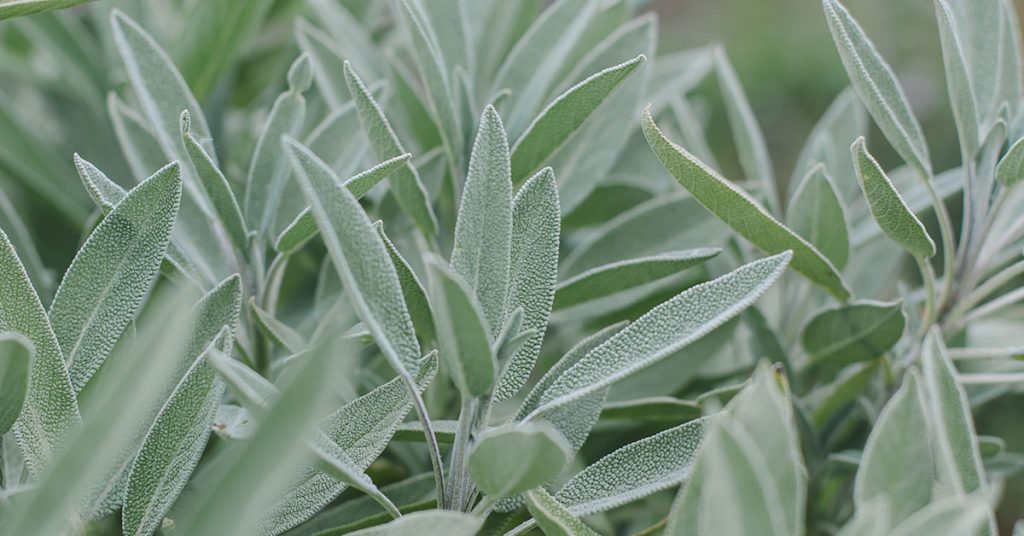
Sage (Salvia officinalis) is another Mediterranean herb that adds both beauty and resilience to your patio collection. Its velvety, silver-green leaves are drought-tolerant and smell wonderfully savory. It’s not invasive, but it can get bushy, so containers are a great way to give it boundaries while still letting it thrive.
What makes sage particularly exciting is how much the pollinators adore its purple-blue flower spikes. In my garden, bumblebees often hang out here, and the sturdy foliage offers protective spaces for beneficial insects. Try it in compound butters or as a crispy topping for fall soups—it’s as useful as it is attractive.
Chives
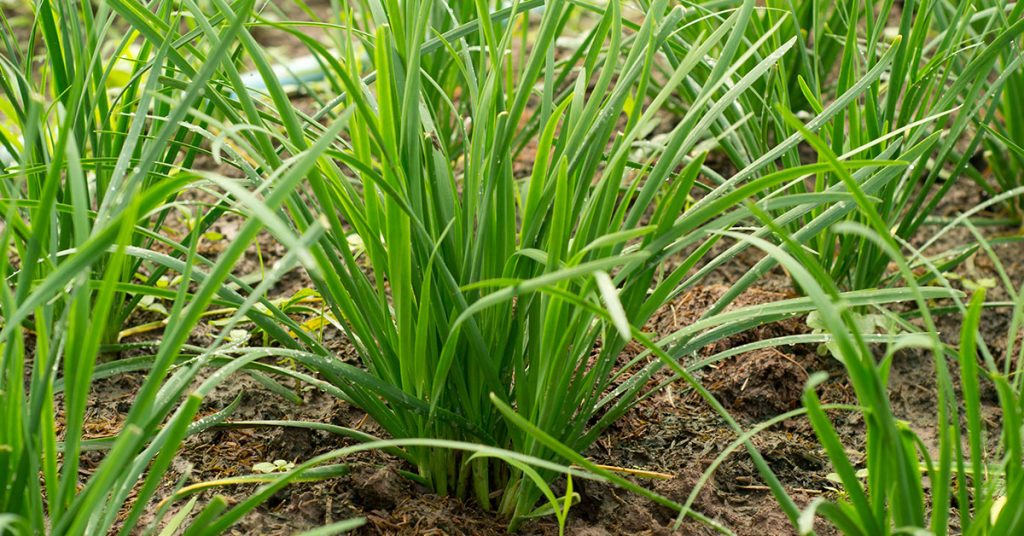
Chives (Allium schoenoprasum) are one of the most cheerful and easy-to-grow herbs for containers. Native to Europe and parts of Asia, they produce grassy leaves with a mild onion flavor and sprout adorable purple puffball flowers in late spring. They’re clumping, not invasive, but they will reseed if allowed to go to seed.
Bees love chive flowers. I sometimes grow extra just for the pollinators—and they’ll keep blooming if you deadhead the spent flowers. Chives also attract beneficial insects like parasitic wasps and hoverflies that help with pest control. Use the snipped greens in eggs, salads, or over baked potatoes!
Mint

Mint (Mentha spp.) is one of those herbs that every gardener loves—and fears—because of how aggressively it spreads in the ground. But in a pot on your patio? It’s perfection! Whether it’s spearmint, peppermint, or chocolate mint, these cooling, fragrant herbs are native to Europe and Asia and thrive in partial sun to full shade.
Mint flowers, though tiny, are a beacon for bees, and the dense foliage can provide nesting nooks for predatory insects like ground beetles. I keep mine in hanging baskets or wide pots to let them spill out attractively. Regular harvesting helps prevent flowering if you’re focused on leaf flavor, but letting a few bloom ensures some late-summer buzz!
Oregano
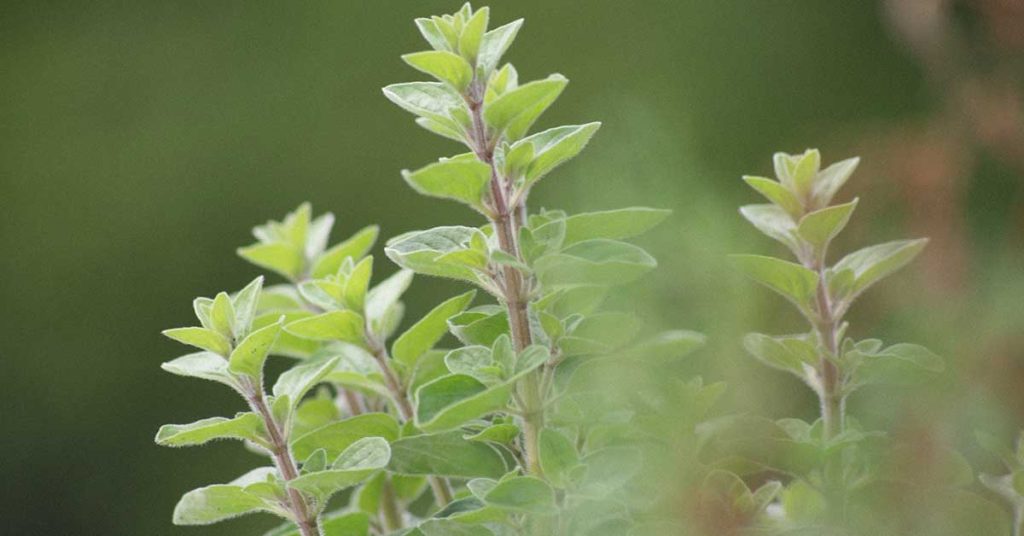
Oregano (Origanum vulgare), native to the Mediterranean and Western Asia, is a classic culinary herb that does wonderfully in patio containers. It loves warm sun and dry soil, making it a low-maintenance choice with high reward. It’s not usually invasive, but it can sprawl wide if you’re not pinching it back.
When oregano blooms, its tiny flowers are like an open invitation to bees and butterflies. I’ve even spotted hummingbirds giving it a quick visit! The fragrance also helps keep mosquitoes and aphids at bay, making it a smart plant to place near seating areas. Use it fresh or dried in pizza sauces, roasted vegetables, or homemade herb blends.
Cilantro
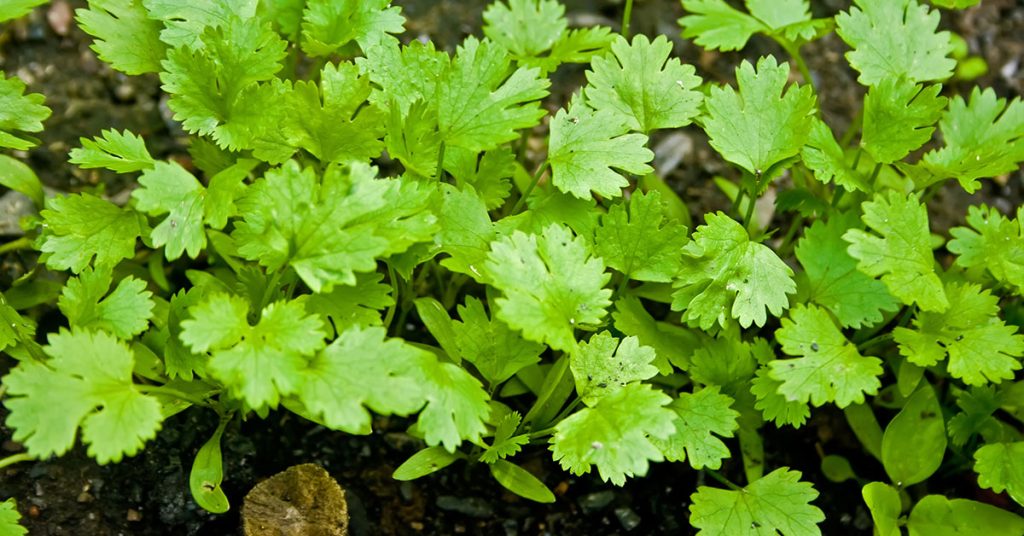
Cilantro (Coriandrum sativum), native to regions from southern Europe to southwestern Asia, is a cool-weather herb that grows quickly in containers. It bolts easily in summer, but even the flowers and seeds (coriander!) are useful and beautiful. It’s not invasive, but it does reseed readily if allowed to go to seed.
Once it starts flowering, cilantro becomes a favorite for beneficial hoverflies, bees, and parasitic wasps. I often let one plant go to seed just to enjoy the insect party it hosts. Harvest the leaves early and often, and sow new seeds every few weeks to keep a continuous supply going through cooler months.
Bay Laurel
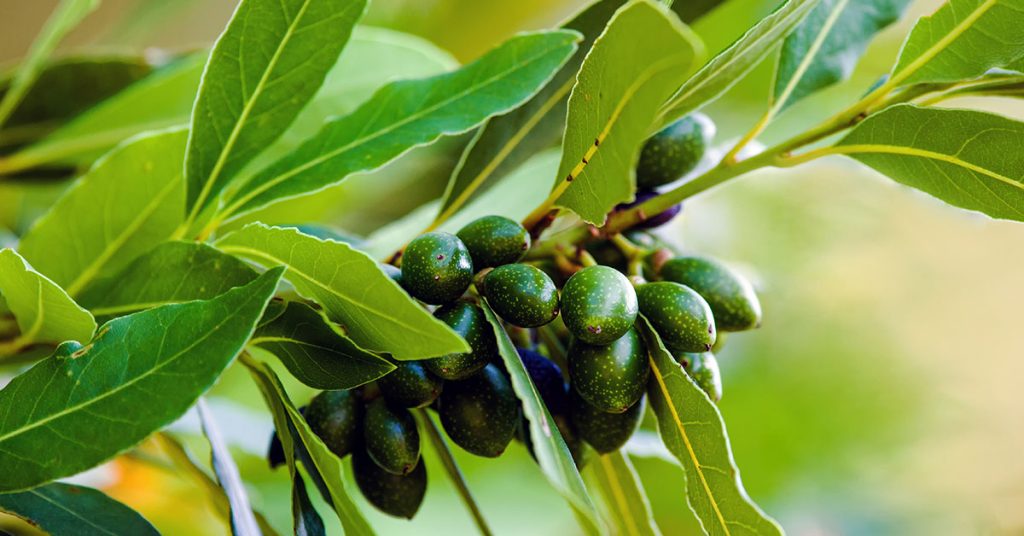
Bay laurel (Laurus nobilis), a Mediterranean evergreen shrub, grows beautifully in containers and can even be pruned into patio topiaries. Its dark, glossy leaves are the same ones you toss into soups and stews for that slow-building, rich aroma. It’s not invasive but does grow slowly and steadily.
The flowers are fairly inconspicuous, but the thick foliage makes a nice nesting site for little spiders and predatory insects. Bay is slow-growing, but it’s long-lived and incredibly satisfying to care for. Give it a sunny spot and some regular trimming, and you’ll have a steady source of bay leaves for years!
Parsley
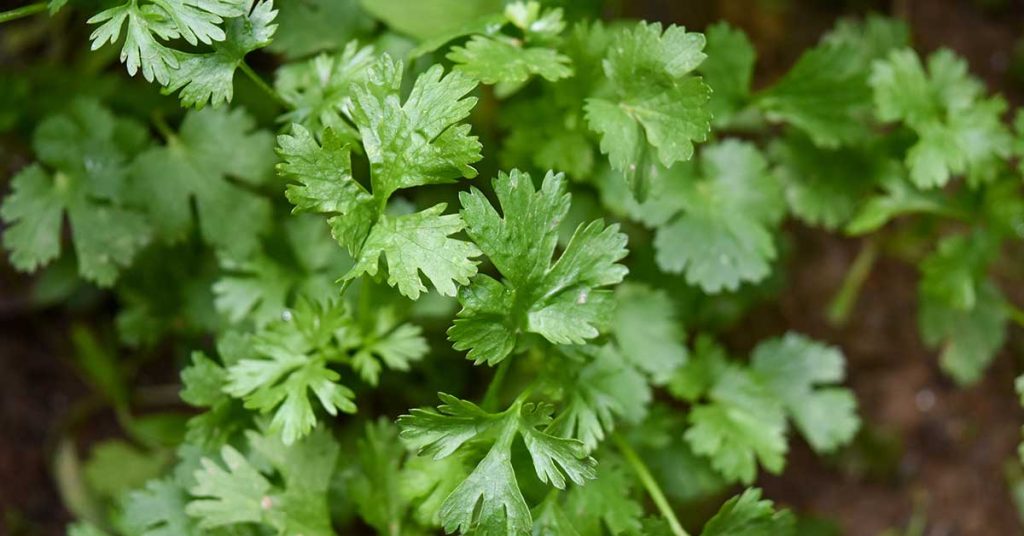
Parsley (Petroselinum crispum), native to the Mediterranean, is often underestimated as a patio plant, but it truly earns its place. Whether you grow curly or flat-leaf varieties, it performs well in pots and provides a rich green backdrop to flashier herbs. It isn’t invasive and is a biennial, meaning it’ll bloom in its second year.
Once it flowers, parsley becomes a magnet for swallowtail butterflies, which use it as a host plant for their caterpillars! I’ve watched in awe as they nest and grow—it’s such a joy to support them. Parsley also attracts ladybugs and other beneficial insects. It’s one of those plants that quietly does a lot behind the scenes.
Lemongrass
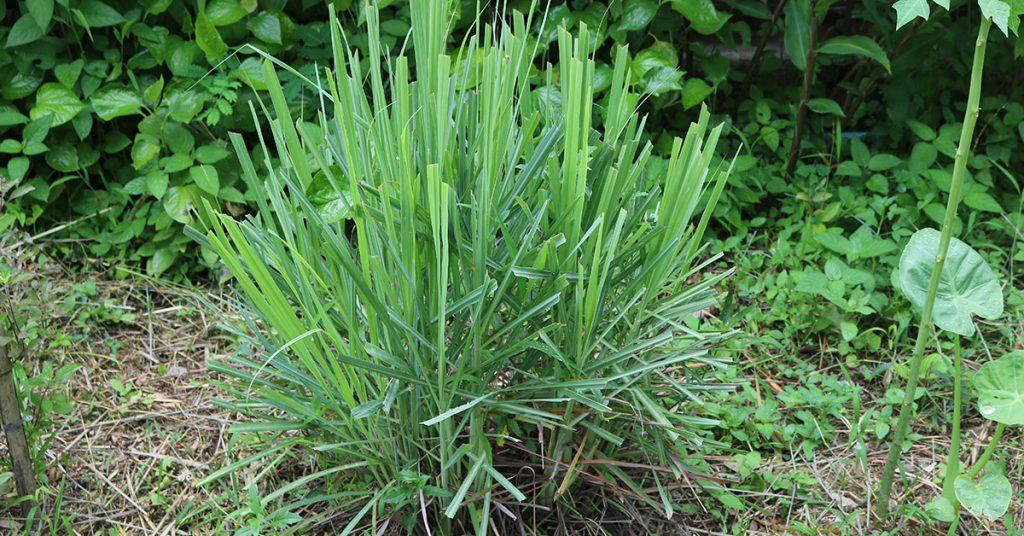
Lemongrass (Cymbopogon citratus) adds a tropical flair to any patio. Native to Southeast Asia, this tall, fragrant grass thrives in full sun and warm temperatures. It’s not invasive in containers, but in warm regions it can spread if planted directly in the ground.
Its lemony scent repels mosquitoes, and the arching blades create a cozy shelter for small beneficial insects. I keep one in a large pot near the patio table—it’s like having a natural bug barrier and cooking ingredient in one! The thick stalks are perfect for teas, curries, and infused broths.
Tarragon
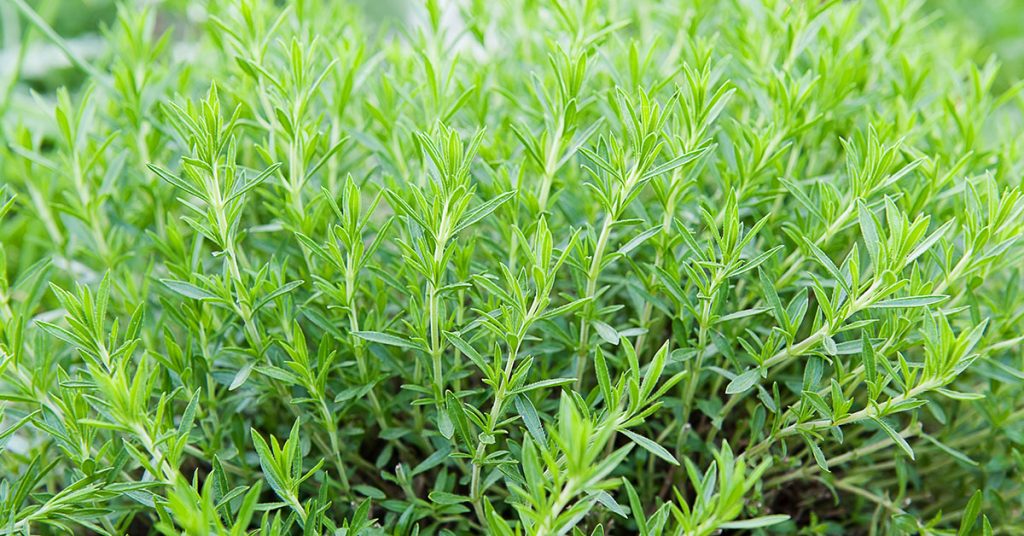
Tarragon (Artemisia dracunculus), especially the French variety, is a culinary gem with a light anise flavor. Native to Eurasia and not considered invasive, it prefers full sun and well-drained soil—perfect conditions for container growing. It doesn’t bloom as spectacularly as other herbs, but its feathery foliage adds lovely texture to herb arrangements.
It attracts some pollinators when in flower, but its real strength is as a companion plant—it tends to deter pests from nearby pots thanks to its aromatic oils. I love placing it next to basil or lettuce to help protect them. Tarragon is perennial in warm zones but treats container life well when brought inside in colder climates.
Marjoram
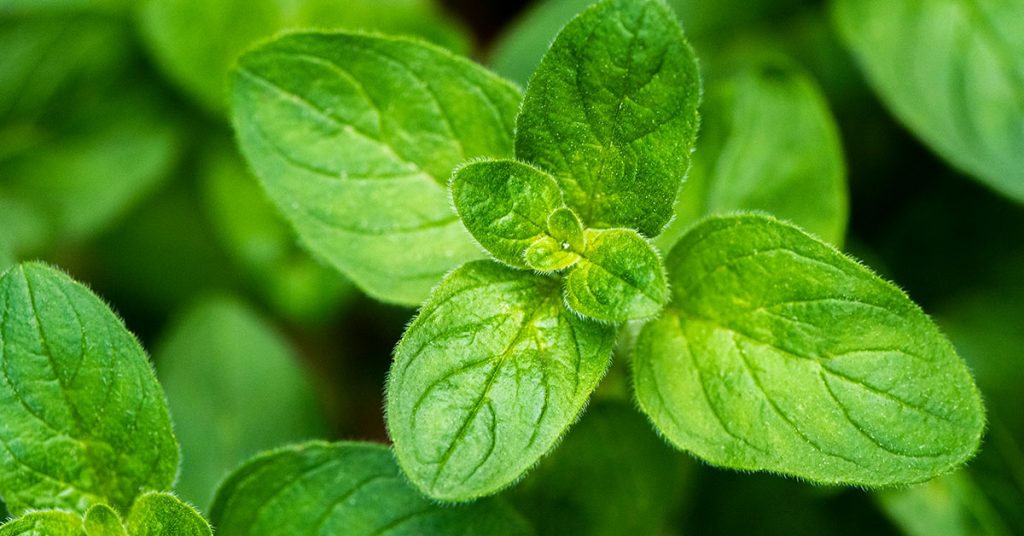
Marjoram (Origanum majorana) is a sweet and subtle cousin of oregano that thrives in patio pots. Native to the Mediterranean and not invasive, it appreciates dry, sunny conditions and makes a great low-maintenance herb for beginners. Its soft, rounded leaves are as pretty as they are flavorful.
Its pale blooms are delicate but still attractive to bees and small wasps. I find that it’s often the quietest but most consistent herb in my container lineup—it rarely demands anything and always delivers. Use marjoram in soups, stews, or even herbal vinegars for a light, floral lift.
Summer Savory
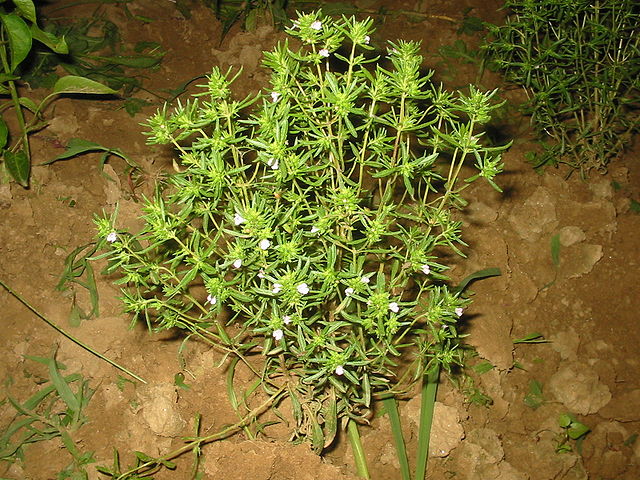
Summer savory (Satureja hortensis), native to southeastern Europe, is an annual herb that’s easy to grow in containers. It has a peppery flavor similar to thyme and does best with lots of sunlight and regular trimming. It’s not invasive and has a tidy growing habit, making it great for small patios.
The tiny flowers are subtle, but they attract an impressive range of tiny pollinators, especially during warm afternoons. I enjoy how quickly it matures—perfect if you’re impatient or planting later in the season! Use the leaves fresh or dried in bean dishes and meat rubs for that classic old-world flavor.
Lavender

Lavender (Lavandula angustifolia), a perennial native to the Mediterranean, is not just for show—it’s also a powerhouse herb. While its floral uses are well known, it also has culinary potential when used with a light hand in baked goods, teas, and infused syrups. Not invasive, but it can get woody over time in-ground, which makes container growing a neat solution.
Bees, butterflies, and even hummingbirds adore its fragrant purple flowers. I always keep lavender near seating areas for its soothing scent and the lovely pollinator show. Its silvery leaves also reflect sunlight, adding visual brightness to the patio. Prune after flowering to keep it compact and blooming.