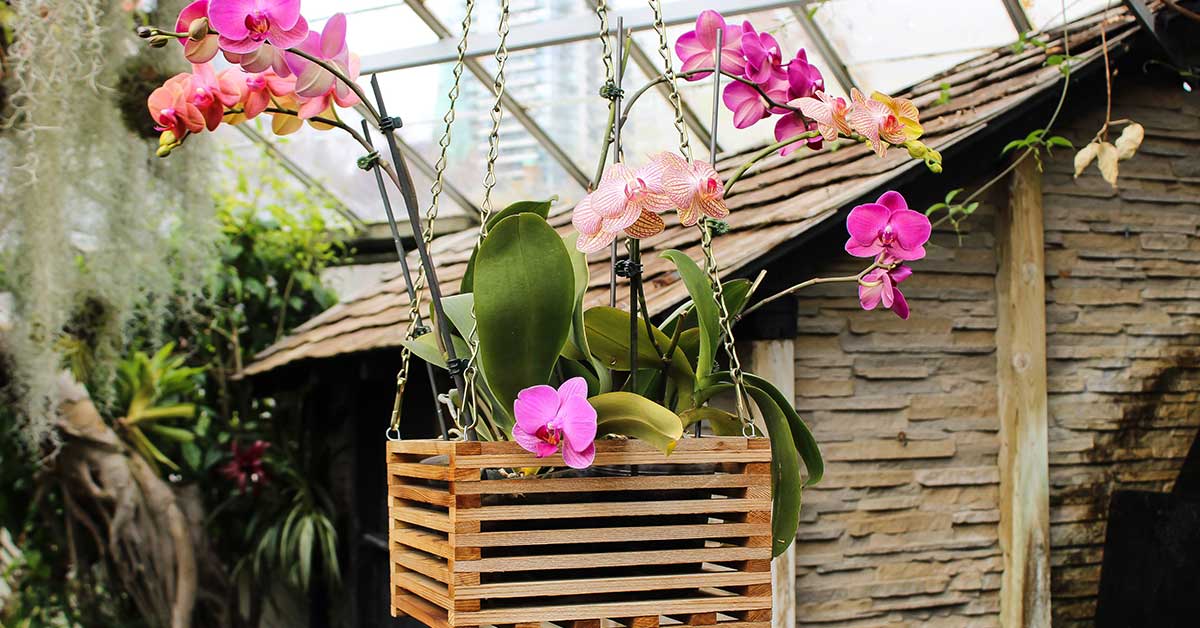

Orchids are some of the most captivating and rewarding houseplants, but let’s be honest—they can also be a little intimidating. You’re not alone if you’ve ever stood in front of one, wondering if it’s dying or just being dramatic! With their exotic roots and specific needs, orchids have a unique way of communicating distress. The trick is learning how to listen before it’s too late. If your orchid is suddenly refusing to bloom, dropping leaves, or turning strange colors, there’s probably a reason—and usually, it’s one you can fix.
I know how frustrating it is to nurture an orchid for months, only to watch it slowly decline. You try misting more, watering less, adjusting the light, and nothing seems to help. Don’t worry—you’re not doing it wrong. Orchids just have their own language, and once you learn to recognize the signs, you’ll feel so much more confident keeping them healthy and thriving. Here are ten clear signs your orchid is struggling—and what you can do to help it bounce back.
Leaves Are Wrinkled or Limp
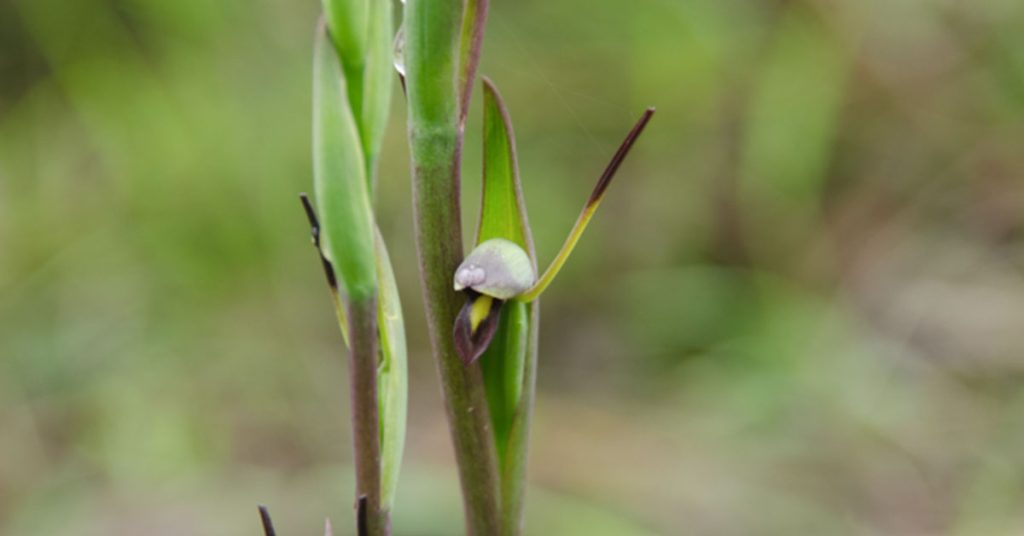
Wrinkled or floppy leaves are one of the first red flags that something’s off with your orchid’s hydration. While it’s easy to assume your plant is thirsty, this symptom can also point to root rot caused by too much water. Orchids, especially epiphytes like Phalaenopsis and Dendrobium, depend on healthy roots to absorb moisture—and if those roots are rotting, they can’t do their job.
Native to tropical Asia and parts of Australia, these orchids evolved to cling to tree trunks and absorb water through the air and bark—not soggy soil. If you’re seeing limp, accordion-like leaves, check the roots. Silvery-green, firm roots mean your plant is healthy. Mushy, dark roots mean it needs repotting and a break from the watering can. It’s a delicate balance—but once you get it right, those leaves perk back up beautifully.
Buds Are Dropping Before They Open
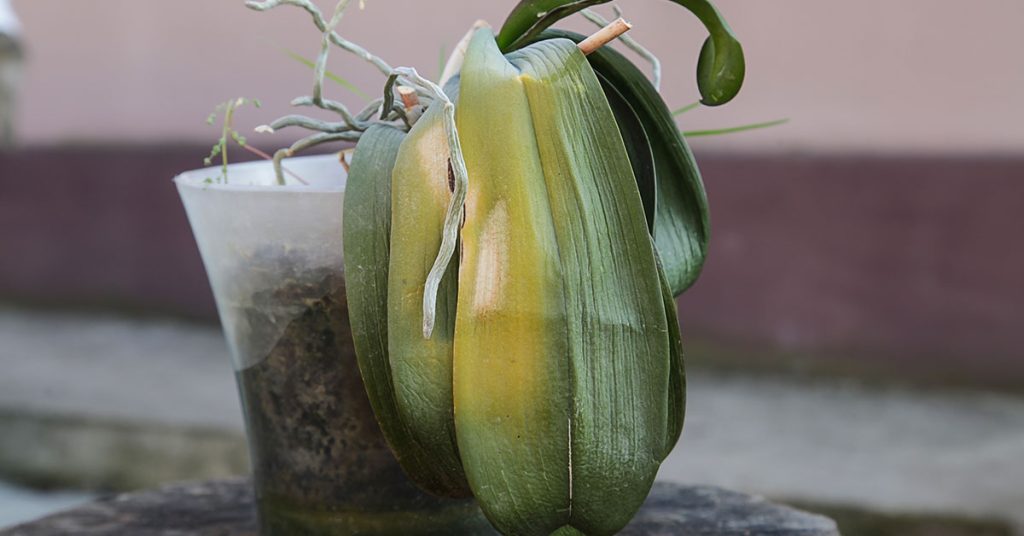
There’s nothing quite as heartbreaking as watching your orchid form flower buds… only to drop them before they bloom. This common issue, often called bud blast, usually results from sudden environmental changes—like a cold draft, a change in humidity, or moving the plant to a new location.
Orchids are sensitive to change and tend to react strongly to stress. If you’re moving your plant from a warm windowsill to a cooler room or changing its light exposure too drastically, it may shed its buds in self-defense. To prevent this, try to keep your orchid’s environment consistent—especially while it’s forming buds. Once it’s settled, it’ll reward you with long-lasting blooms!
Roots Are Brown or Mushy

Healthy orchid roots should be firm, plump, and either silvery-white when dry or green when wet. If you notice brown, mushy roots with a slimy texture or foul smell, it’s a sure sign of root rot—usually caused by overwatering or poor drainage. This is a serious issue, as orchids rely heavily on their aerial roots to absorb both water and oxygen.
If you’re growing Phalaenopsis, which is native to the humid forests of Southeast Asia, remember that it’s used to quick drying periods between rainfalls. Always grow it in a loose, chunky orchid mix—never traditional potting soil. If rot has already set in, don’t panic! Remove the plant from its pot, trim the dead roots, and let it dry for a day before repotting in fresh medium. It might take a while to recover, but orchids are more resilient than they let on.
Leaves Have Black or Yellow Spots
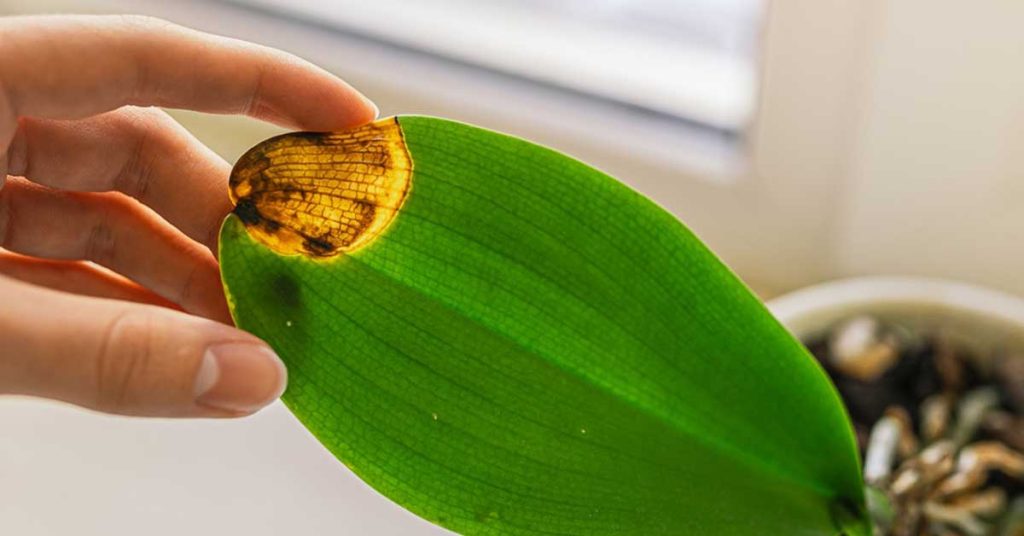
Discoloration on orchid leaves—especially black or yellow patches—can indicate bacterial or fungal infections. These are often caused by excess moisture on the leaves or poor air circulation. In some cases, sunburn can cause similar symptoms, especially if your plant was exposed to direct afternoon sun without being gradually acclimated.
Orchids like Cattleya and Oncidium are native to bright tropical regions but typically grow beneath a tree canopy, enjoying filtered sunlight. If you’re seeing splotches, try moving your orchid to a spot with indirect light and increase air movement around the plant. Prune off any damaged leaves and treat with a gentle fungicide if needed. Keeping your plant’s environment clean and consistent goes a long way toward preventing future flare-ups.
Flower Spikes Are Turning Yellow Early
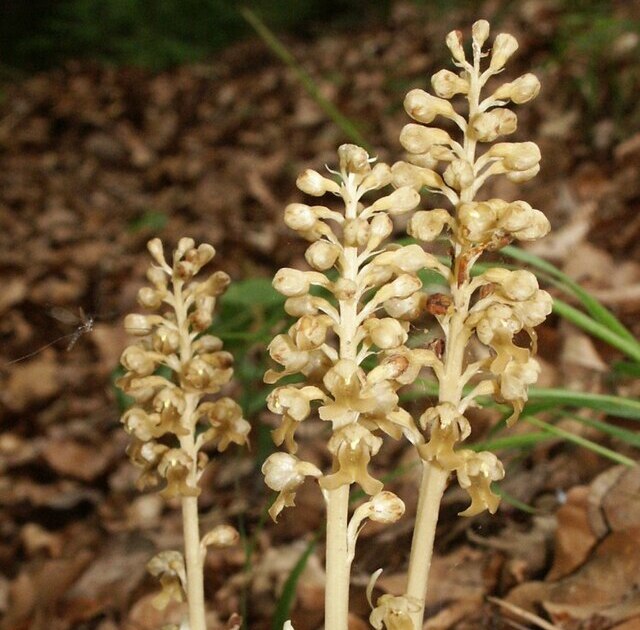
An orchid’s flower spike should stay green and upright for weeks, if not months, during and after blooming. If it begins to yellow and die back early—especially when the flowers are still fresh—it’s often a sign the plant is under too much stress or hasn’t stored enough energy to support prolonged blooming.
This might happen after a heavy blooming cycle, poor nutrition, or exposure to cold drafts. Feeding your orchid with a balanced, dilute fertilizer once or twice a month (especially during active growth) can help build energy reserves for flowering. And if the spike dies back naturally after blooming? Don’t worry—it’s normal for many orchids. Just trim it back to the base or to a node, depending on the variety, and wait for the next bloom cycle.
The Plant Feels Wobbly in Its Pot

If your orchid feels loose or unstable in its pot—even though it hasn’t been recently moved—it may be a sign that the roots have died back or the growing medium has broken down. This creates poor anchoring, reduced airflow, and a breeding ground for disease. A wobbly orchid is usually a distressed orchid.
Epiphytic orchids cling tightly to trees in their native habitats, so stability matters! If your plant is teetering or shifts easily when touched, it’s time to repot it in fresh orchid mix. Choose a snug pot, gently secure the plant with clips or a stake, and give it time to reestablish itself. Don’t forget—most orchids like being slightly root-bound, so there’s no need to size up dramatically.
Leaves Are Turning Red or Purple

Some orchids, particularly Phalaenopsis, may develop red or purple hues on their leaves when exposed to intense light. While this might look pretty, it’s usually a stress signal. The pigment anthocyanin acts as a kind of “sunblock” when plants are getting more light than they can handle. Too much light for too long can lead to permanent damage.
To keep things balanced, find a location with bright, indirect light—like an east-facing window with a sheer curtain. If your orchid is currently in a southern window and its leaves are changing color, try moving it back a few feet or filtering the light. They’ll still get enough energy for blooming, but without the risk of stress or sunburn.
No New Growth Is Appearing

When your orchid goes several months without showing signs of new leaves, roots, or spikes, it could be in dormancy—or it might be struggling. While some orchids naturally rest between bloom cycles, prolonged stagnation often signals poor nutrition, root damage, or insufficient light.
Dendrobium and Oncidium orchids in particular need a decent amount of light to kick-start growth. Evaluate your orchid’s light levels, and make sure it’s getting consistent but not direct sun. Fertilize with a diluted orchid food during the growing season and repot if the medium has broken down. Even a tired orchid can surprise you with a burst of life when given the right boost.
Sticky Residue on Leaves
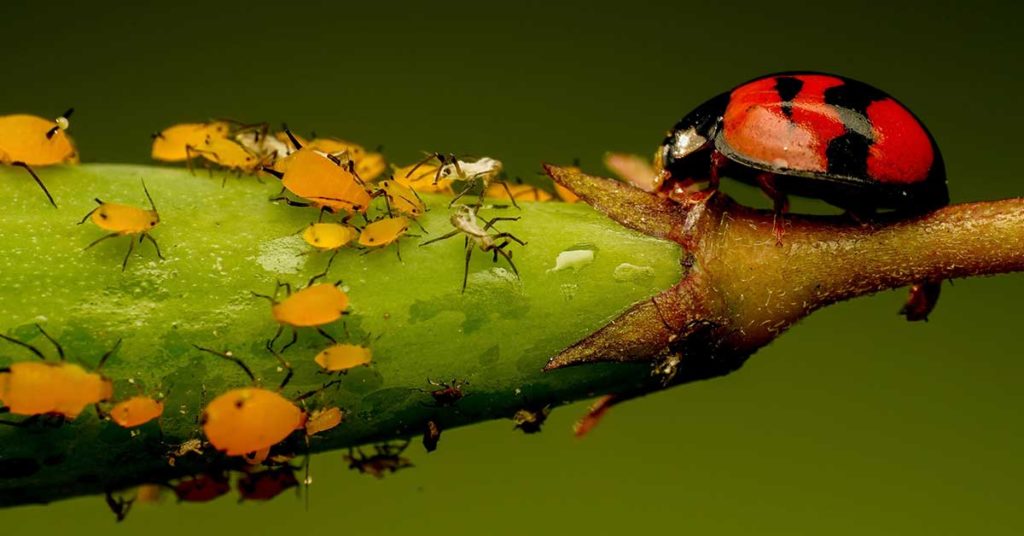
Sticky residue or a black sooty mold on your orchid’s leaves is often a sign of a pest infestation—usually aphids, scale, or mealybugs. These pests feed on the plant’s juices and excrete a sugary substance called honeydew, which encourages mold growth and blocks photosynthesis.
Check the undersides of leaves and around leaf joints for small bumps or cottony masses. Wipe the plant down with a diluted mix of dish soap and water or use insecticidal soap. For stubborn infestations, neem oil works well—but always test a small area first. Don’t forget to isolate your orchid if you notice pests; they can quickly spread to other nearby plants.
Blooms Are Twisted or Deformed

If your orchid’s flowers open with odd shapes, curling petals, or incomplete development, it could be a reaction to inconsistent watering, poor humidity, or exposure to ethylene gas (from nearby fruit bowls or car exhaust). It may also point to viral infection, though that’s less common.
Make sure you’re watering consistently—never letting the plant sit in standing water—and that it’s not placed too close to produce or heating vents. If viral infection is suspected and the deformity continues with future blooms, it’s best to dispose of the plant, as viruses can’t be cured and may spread to others. But in many cases, it’s just a hiccup in the environment that’s easily corrected.