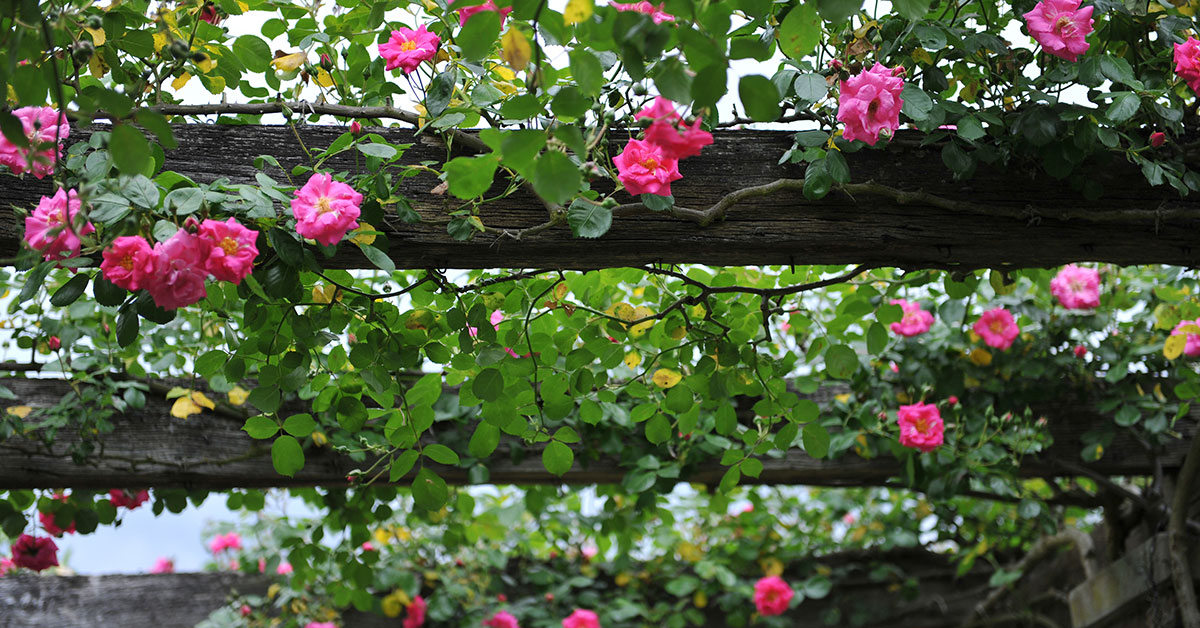

Vining plants have such an enchanting presence in the garden—they climb, drape, and swirl around trellises or porch posts like green poetry in motion. But as much as I adore their wild, reaching beauty, they also tend to send very clear signals when they’re not getting what they need. If your vines are looking less than vibrant, it might not just be the heat or lack of rain. These plants have their own way of saying, “Hey! I could use a little help over here!”
I know how frustrating it can be when a once-lush vine starts to stall out, turn yellow, or drop buds before blooming. You may wonder if it’s too much sun, not enough water, or maybe a root-bound pot. It’s such a bummer to watch your beautiful climbers struggle after all that training and tying! But the good news is most vining plants bounce back quickly with the right care. Here are ten signs your vining beauties need a little extra attention—and what you can do to help them thrive again.
They’re Not Climbing Like They Should

If your vine is sprawling sideways or staying in a tangled mess at the base of the trellis, it may be struggling to find its way. Many vines, especially twining types like morning glories and clematis, rely on support structures to guide their growth. If there’s nothing to wrap around—or if the support is too thick or smooth—they’ll stop climbing and slump into a heap.
Some vines, like passionflower (Passiflora incarnata, native to the southeastern U.S.), use tendrils and need something thin and grabbable like string or mesh. Others, like climbing hydrangea (Hydrangea anomala petiolaris, native to Asia), cling with aerial roots and need rough surfaces like wood or stone. When vines aren’t attaching, give them something to cling to and gently guide their tendrils upward. They’ll get back on track in no time!
Leaves Are Turning Yellow
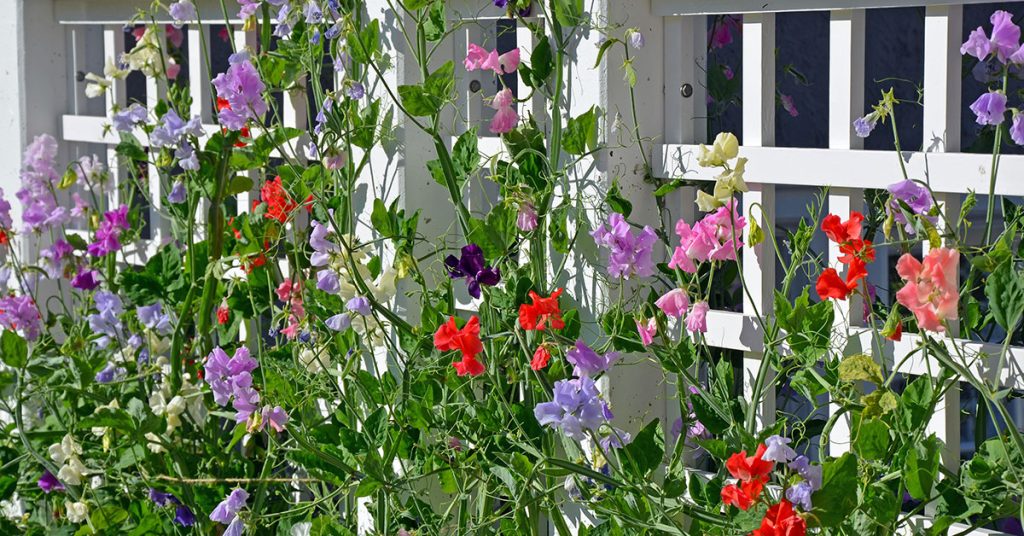
Yellowing leaves can be a sign of many things, but for vining plants, it often points to either overwatering, nutrient deficiency, or poor drainage. Vines like black-eyed Susan vine (Thunbergia alata) or sweet peas (Lathyrus odoratus) love regular moisture but hate soggy roots. Too much water can suffocate their root systems and cause the lower leaves to yellow and drop.
Alternatively, if your vine is in a container or nutrient-poor soil, it might be hungry. Magnesium, nitrogen, and iron deficiencies can all cause yellowing between the veins of the leaves. A balanced organic fertilizer or compost tea usually perks them up quickly. Keep an eye on your watering habits and feed gently when your vines start losing their green glow.
No Flowers—or Flowers That Fizzle Fast

When vines like honeysuckle (Lonicera sempervirens, native to the eastern U.S.) or trumpet vine (Campsis radicans) stop blooming or drop buds early, it’s usually a cry for better light, more nutrients, or proper pruning. Sometimes vines spend all their energy on leafy growth and forget to bloom entirely—especially if they’re over-fertilized with high-nitrogen feeds.
Make sure your flowering vines get at least six hours of sunlight daily and that you’re not over-pruning new wood. Some vines, like clematis, bloom on old wood, and trimming them at the wrong time can remove all the flower buds. It’s such a bummer to wait all season for a show that never arrives—so knowing your vine’s bloom habits is key to keeping it performing!
Tendrils Are Wilting or Browning

Tendrils are how many vines anchor themselves as they climb, and when they start to shrivel or turn brown, it’s often due to dehydration or sunscorch. Vines in containers are especially prone to this—by the time you notice a drooping tendril, the soil has probably gone bone-dry. Some vines will even drop their lower foliage if left dry too long.
If you see wilted tendrils or browning edges, check the soil moisture first. Vines like mandevilla (Mandevilla spp., native to South America) or cardinal climber (Ipomoea × multifida) love consistent water and need extra hydration during heatwaves. Try watering deeply and mulching the soil surface to help maintain moisture longer.
The Stem Looks Spindly or Weak
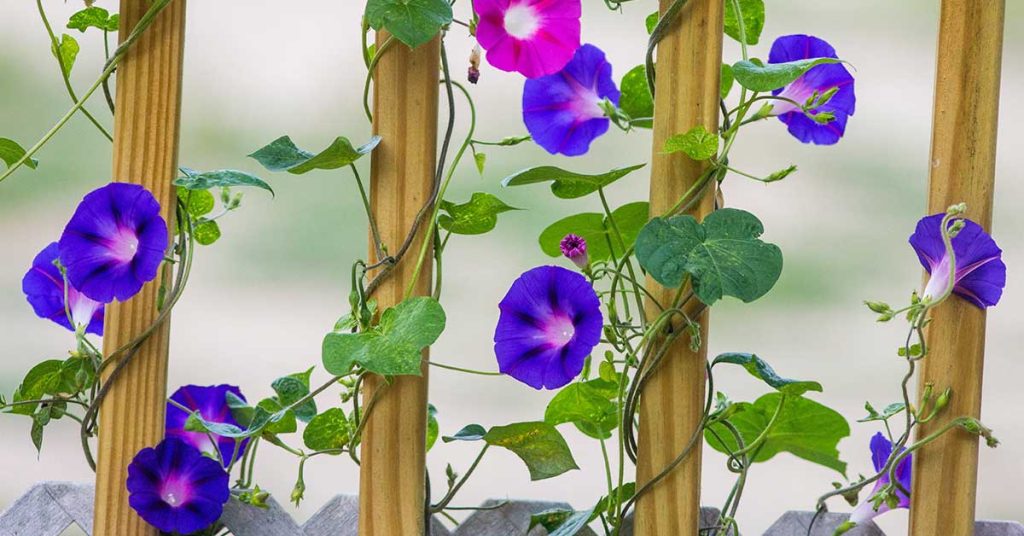
A weak, spindly vine usually means your plant isn’t getting enough light or is growing too quickly without enough support. This often happens with fast-growing annuals like morning glories or cypress vine—they shoot up quickly but collapse under their own weight without sturdy guides. You might also notice the plant stretching toward the light with thin, pale growth.
Try rotating containers or adjusting trellis placement to maximize light. If your vine is still young, pinch the tip to encourage branching and thicker stems. I like to use soft ties to support weak vines temporarily while they toughen up. A little structure goes a long way toward helping them become the vigorous climbers they were meant to be.
Pests Are Nesting in the Foliage
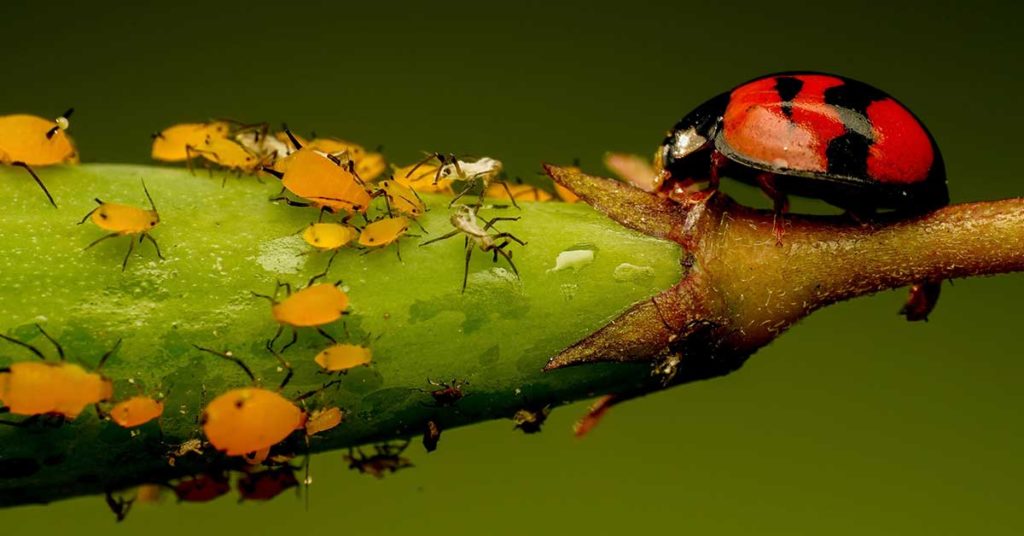
One of the downsides of a full, leafy vine is that it can hide entire insect colonies if you’re not checking regularly. Aphids, spider mites, and even caterpillars love nesting in the dense foliage of vining plants. I’ve had to deal with entire clusters of aphids tucked beneath leaves of my scarlet runner beans (Phaseolus coccineus) before I even noticed the sticky residue!
If you’re seeing curled leaves, sticky spots, or webbing, it’s time to inspect your vines up close. Most pests can be managed with a blast of water, neem oil, or introducing beneficial predators like ladybugs. Keep air circulation flowing and avoid overhead watering in the evening to prevent fungal outbreaks, which also love tight, moist vine canopies.
The Vine Is Root-Bound in Its Pot

Vines grown in containers need more frequent repotting than many gardeners realize. If your vine was thriving and suddenly stalls out—no new growth, dull foliage, and drying out quickly—it might be root-bound. Gently tip the pot and check: if roots are circling the bottom or popping out of the drainage holes, it’s time for a new home.
Plants like sweet potato vine (Ipomoea batatas) or nasturtiums (Tropaeolum majus) grow aggressively in pots and quickly outgrow their space. Transplanting into a slightly larger container with fresh soil can revive them fast. And don’t forget to tease out the roots a bit when you repot—it helps them spread into their new space more easily.
They’re Not Attracting Pollinators
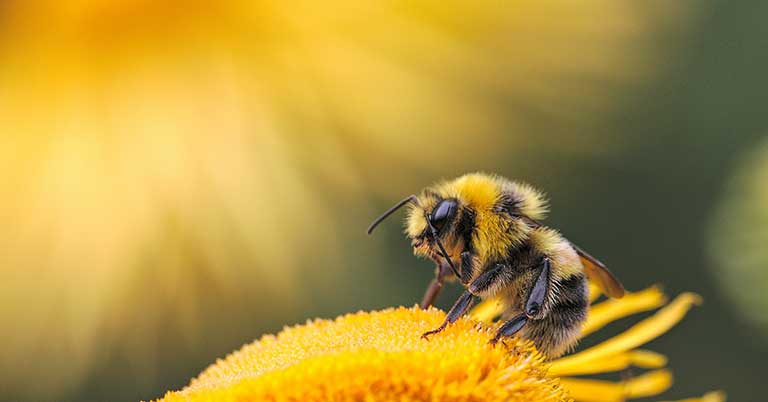
If you planted a flowering vine like passionflower or trumpet vine hoping to draw in hummingbirds and bees—but it’s quiet out there—it may be a sign your plant needs more sun, blooms, or diversity nearby. Pollinators rely on a steady supply of nectar and like plants that flower reliably and accessibly.
Try planting native vines that local pollinators are adapted to. For example, red honeysuckle (Lonicera sempervirens) is a hummingbird magnet in the eastern U.S. Adding companion flowers near the base—like calendula, bee balm, or coreopsis—can also help lure pollinators to the area. Once they find a good buffet, they tend to stick around!
New Growth Looks Twisted or Deformed

Twisted, curled, or stunted leaves at the growing tip can indicate environmental stress, pest damage, or herbicide drift from nearby yards or roadsides. It’s such a letdown when you’re waiting for a vine to take off, only to see it struggle with gnarled, crispy tips. In some cases, this also results from inconsistent watering or drastic temperature swings.
Inspect carefully for aphids, leafhoppers, or other sucking insects. If none are present, evaluate your location—are chemicals being sprayed nearby? Are temps fluctuating too rapidly? Give the vine a gentle prune to remove the deformed sections and encourage fresh, healthy growth. A layer of mulch and consistent care usually helps it bounce back.
The Base of the Vine Is Browning or Rotting
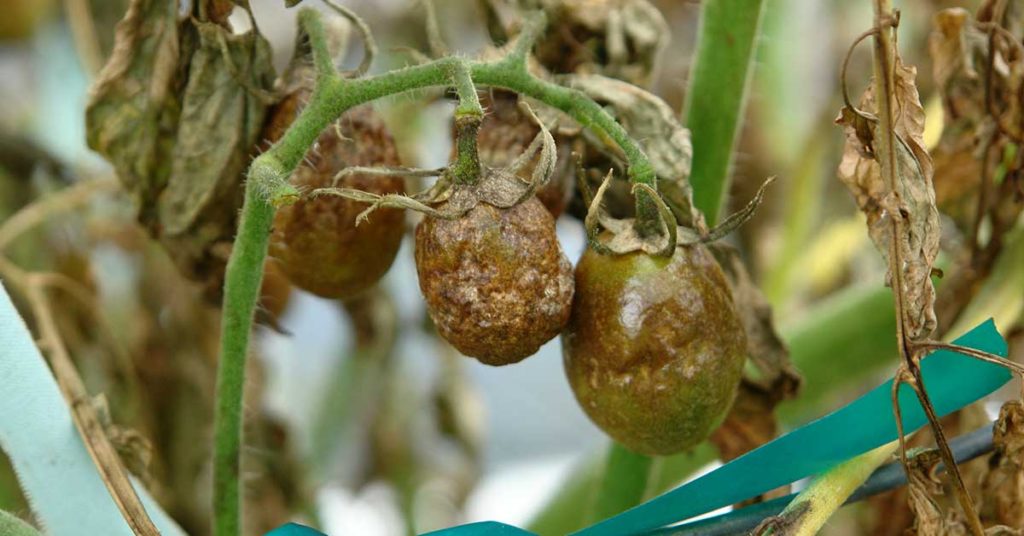
If the bottom of your vine is soft, mushy, or browning while the top still looks okay, you may be dealing with rot. Overwatering, poor drainage, or fungus can cause crown or stem rot—especially in vines like black-eyed Susan or moonflower that are grown in dense soil or crowded pots. It’s such a frustrating sight when the plant looks okay from the top but collapses from the base.
To save your vine, prune away affected sections and let the soil dry out slightly. Improve airflow and make sure your container or bed has excellent drainage. In some cases, a hydrogen peroxide solution or cinnamon powder at the base can help treat mild fungal infections. If the rot is too advanced, cut healthy top growth and try propagating it—vines root easily and often recover well from cuttings.