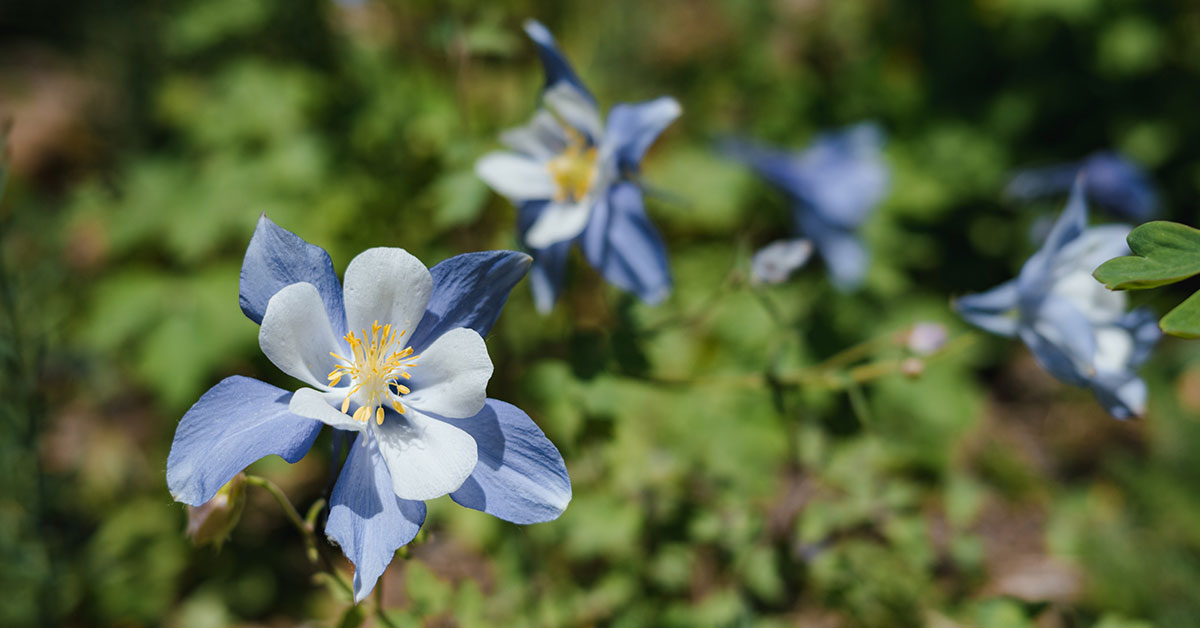

If you’ve ever watched a monarch butterfly land on a patch of milkweed or seen a goldfinch bobbing through a sea of native coneflowers, you know there’s something profoundly special about letting nature take the lead. I’ve found that some of the most magical, resilient, and rewarding parts of my garden are the areas where I’ve allowed native plants to thrive on their own terms. It’s such a relief not having to fight nature—and even better to watch it flourish when you let it breathe a little!
I know how tempting it is to keep things tidy. We’re used to thinking of gardening as a constant cycle of mowing, trimming, and weeding. But native plants often want to grow wild, and when they do, they create rich habitat, improve the soil, and support wildlife in ways no ornamental ever could. Letting go a little doesn’t mean giving up control—it means embracing a different kind of beauty, one that’s deeply rooted in the land beneath your feet. Here are ten reasons to let your native plants spread and do what they were born to do.
They Support Local Pollinators
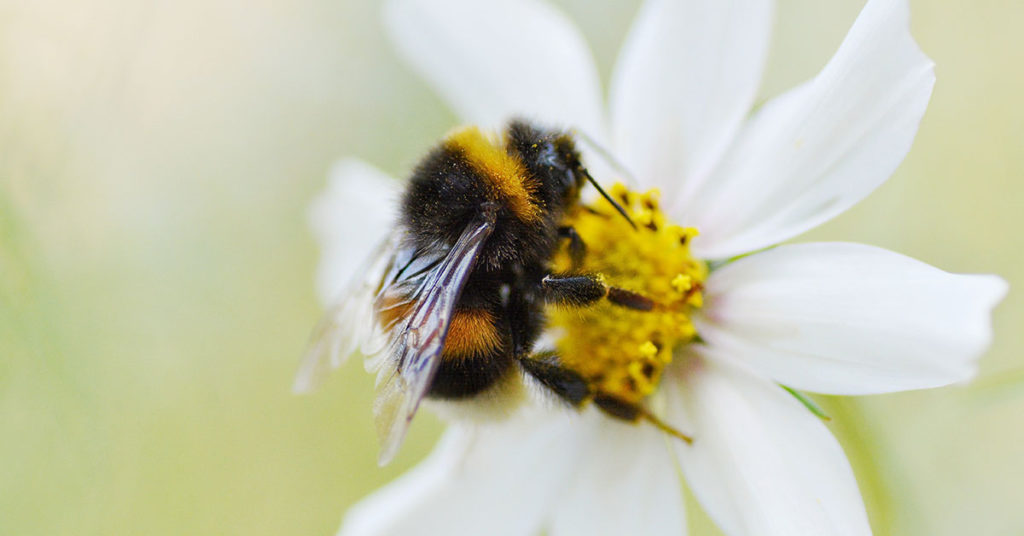
Native plants and native pollinators evolved together—so when you let those wildflowers and grasses go a little rogue, you’re offering the exact food and habitat our bees, butterflies, and hummingbirds need. I’ve noticed that when I let goldenrod, asters, or bee balm take over a corner of my yard, the place just buzzes with life. Bumblebees dive into the blooms, monarchs float through, and I often see native bees nesting nearby.
Plants like Monarda fistulosa (wild bergamot) and Asclepias tuberosa (butterfly weed) aren’t just beautiful—they’re lifelines for insects. These species are native to large parts of North America and are not considered invasive. In fact, their presence helps stabilize fragile pollinator populations that are struggling due to habitat loss. When you let these plants grow wild, you’re giving nature back a piece of its puzzle.
They Improve Soil Health Naturally

One of the most exciting things about native plants is their ability to work magic underground. Many have deep root systems that break up compacted soil, improve drainage, and increase the soil’s ability to retain water. Plants like Echinacea purpurea and Rudbeckia hirta send roots several feet into the ground—way deeper than most annuals or turf grass.
These roots help support soil microbes, fungi, and beneficial bacteria that keep your garden ecosystem thriving. Plus, they reduce erosion and bring up nutrients from lower soil levels. Letting natives grow without constant trimming or pulling allows this hidden network to develop over time, building healthier soil season after season. It’s the kind of slow, steady improvement you don’t always see right away—but wow, does it make a difference in the long run!
They Require Far Less Water
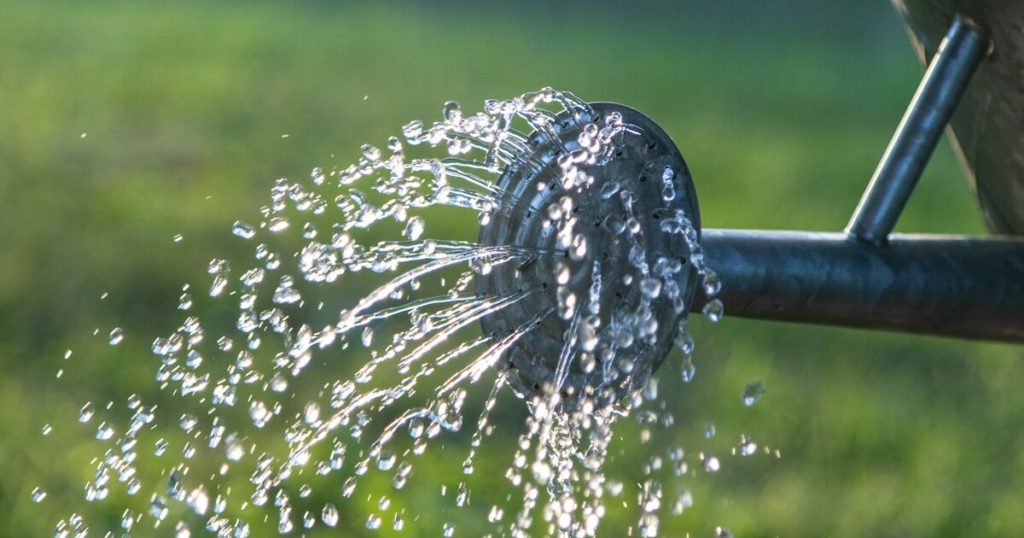
It’s such a bummer when you spend all summer dragging hoses around, trying to keep everything green during heatwaves. But native plants are used to your region’s rainfall and weather patterns, so once established, they need very little supplemental water—even in scorching summer conditions. That’s because many evolved with drought resilience built into their DNA.
Take Liatris spicata (blazing star) or Penstemon digitalis (foxglove beardtongue)—both are native to North America and thrive in dry, well-drained soils. Letting them naturalize means you’re not fighting against nature’s rhythm. Instead, your landscape adapts to seasonal patterns, saving water and reducing your workload without sacrificing beauty.
They Offer Essential Shelter and Nesting Sites
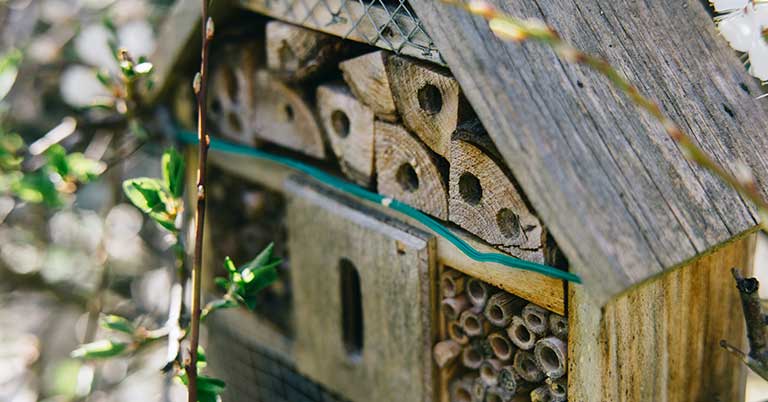
Beyond nectar and pollen, native plants provide vital habitat for birds, small mammals, and beneficial insects. Grasses like Schizachyrium scoparium (little bluestem) offer nesting material and protection for ground-nesting birds. I’ve even watched wrens weave dried grass blades into their nests from the very plants I let go untrimmed!
When you avoid cutting back seed heads or removing leaf litter too early in the season, you’re preserving crucial overwintering shelter for native bees and butterflies. It’s heartbreaking to think of all the beneficial insects we accidentally destroy during “cleanup.” Letting your natives grow wild—at least in part of your yard—creates a haven for so much life beyond what you might expect.
They Naturally Crowd Out Invasive Weeds
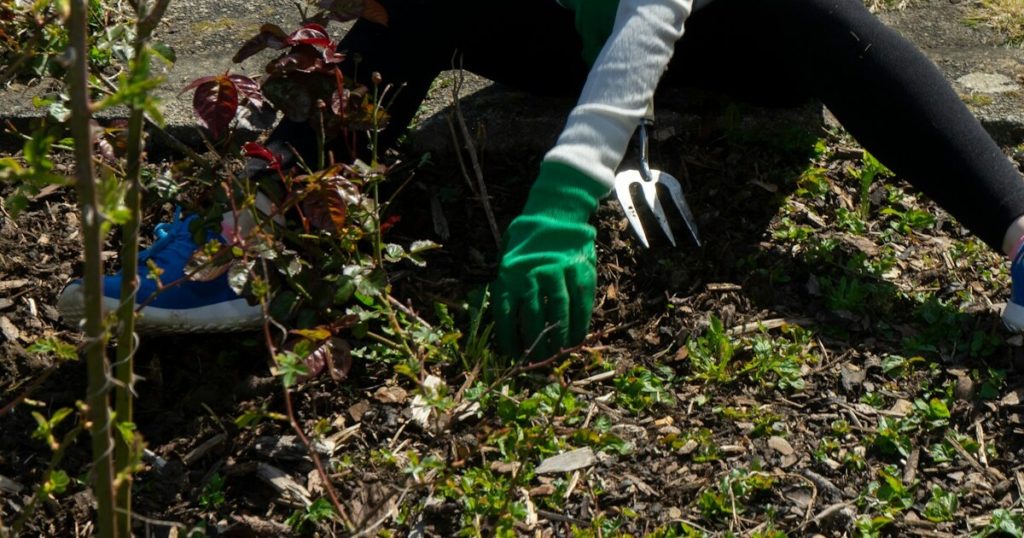
Here’s something I didn’t realize when I first started planting natives: when they’re allowed to spread and form dense colonies, they actually prevent weeds from gaining a foothold. Plants like Solidago canadensis (Canada goldenrod) and Symphyotrichum novae-angliae (New England aster) are vigorous enough to cover the ground and block light from pesky invaders like bindweed and thistle.
They aren’t invasive themselves—in fact, they’re native to broad parts of the continent—but their assertiveness works in your favor. Instead of battling weeds constantly, you get a thick, natural mulch of strong, healthy plants. It’s a beautiful way to fight back without chemicals, and one that saves you hours of pulling and stress.
They Attract Beneficial Predators
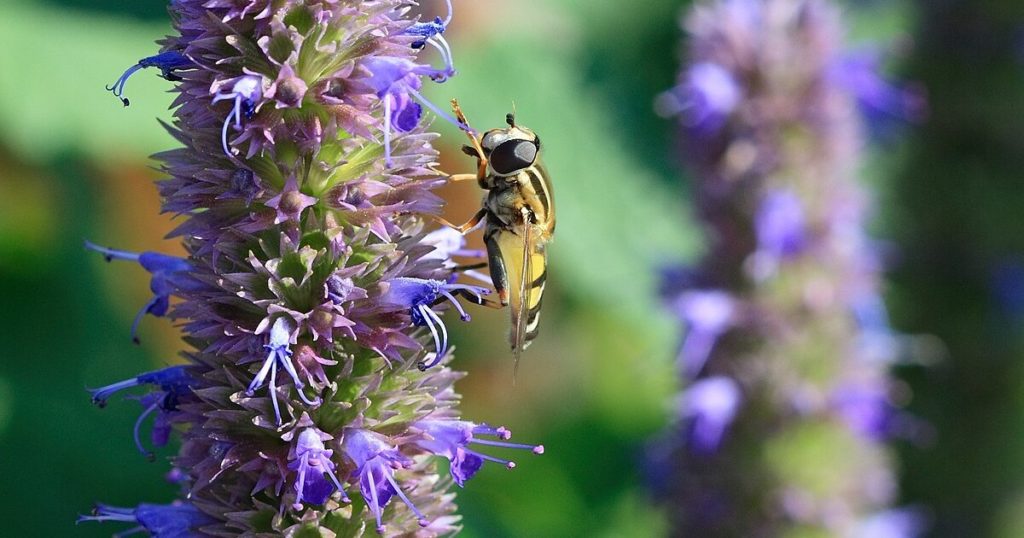
When native plants grow unchecked, they create complex plant structures that attract not only pollinators but also predatory insects and birds. I often see ladybugs hiding in the thick stems of milkweed, and hoverflies zipping around goldenrod blooms. These predators feed on aphids, mites, and caterpillars that can otherwise devastate your garden crops or ornamentals.
One of my favorite sightings is a dragonfly perched on a tall prairie grass—waiting patiently to snatch up mosquitoes midair! These ecosystems form naturally when you let natives do their thing. You don’t have to micromanage the food chain—it builds itself if you give it the space.
They Shift Beautifully With the Seasons
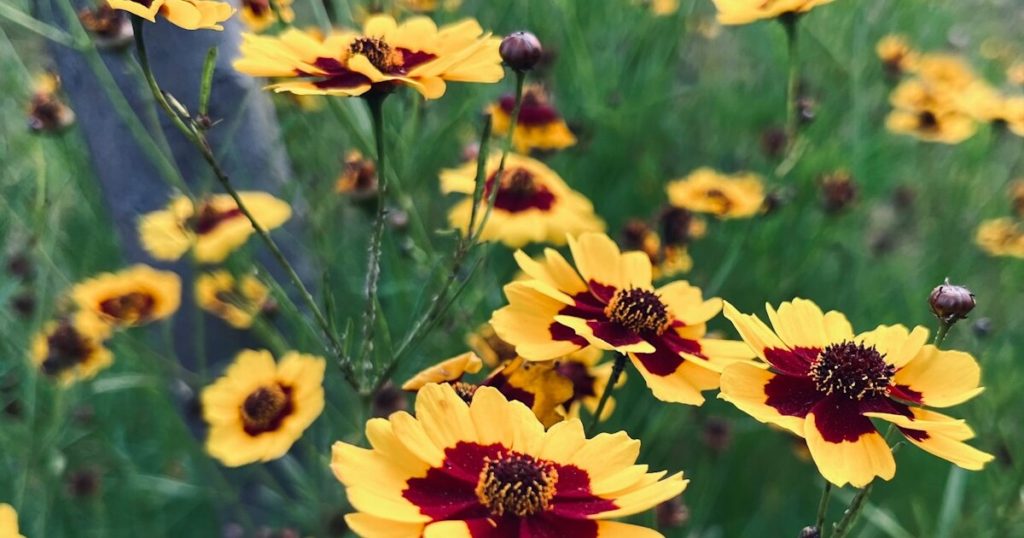
I used to think flower beds had to be perfectly timed and color-coordinated. But then I watched a native meadow evolve through a season—first with the delicate white blooms of fleabane, then the bright yellows of coreopsis, and finally the deep purples of late-season asters. It was so much more alive than anything I could’ve planned.
Native plants know how to pace themselves through the growing season. Letting them bloom, go to seed, and change with time creates a dynamic, layered garden that reflects the natural world around it. Even their fading leaves and seed heads have value—both as food for wildlife and as part of the landscape’s visual story.
They’re Resilient Against Local Pests and Diseases

There’s nothing worse than watching a prized plant wither away from blight or get devoured by pests. One of the biggest benefits of growing native plants is that they’re already adapted to local conditions, including regional pest and disease pressures. They don’t need constant babying, and they often bounce back from damage more quickly than non-native species.
For example, native columbine (Aquilegia canadensis) holds up much better than its fancy European cousins when facing leaf miners. And Amsonia tabernaemontana (bluestar) rarely suffers pest problems at all. Letting these plants establish and grow naturally gives them the chance to thrive on their own terms—without heavy inputs of fertilizers or sprays.
They Offer Seeds and Forage for Wildlife

When you let native plants go to seed, you’re feeding an entire cast of backyard wildlife. Goldfinches adore the seed heads of coneflowers and black-eyed Susans, and small mammals scavenge under tall grasses. Even overwintering butterflies rely on native seed heads and stems for refuge during the cold months.
Instead of rushing to “tidy up,” I’ve started leaving dried flower stalks in place well into winter—and the garden is anything but lifeless. Birds dart in and out, rustling through grasses and picking at seeds. It’s a little wild, a little messy, and absolutely full of life.
They Connect You to Your Region’s Natural History
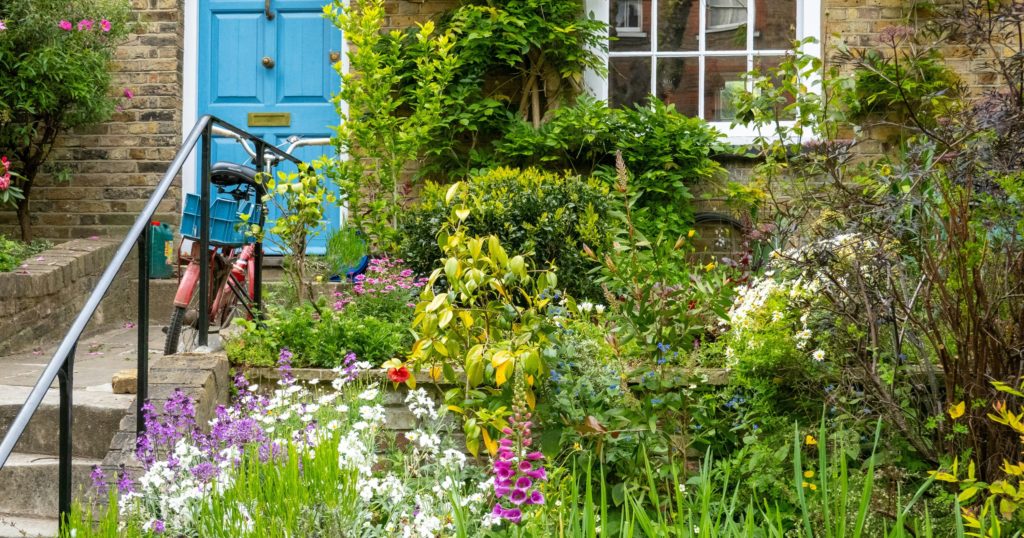
There’s something deeply grounding about tending the same species that once blanketed your region’s prairies, forests, or wetlands. Native plants offer a sense of place—they remind us that we’re part of a much larger story. Whether it’s the subtle vanilla scent of Clethra alnifolia (summersweet) in bloom or the familiar hum of bees on mountain mint, these plants hold history in their stems.
Growing them isn’t just gardening—it’s an act of ecological restoration. You’re rebuilding relationships that go back thousands of years, and your little patch of yard becomes part of a living network of native habitat. How amazing is that?