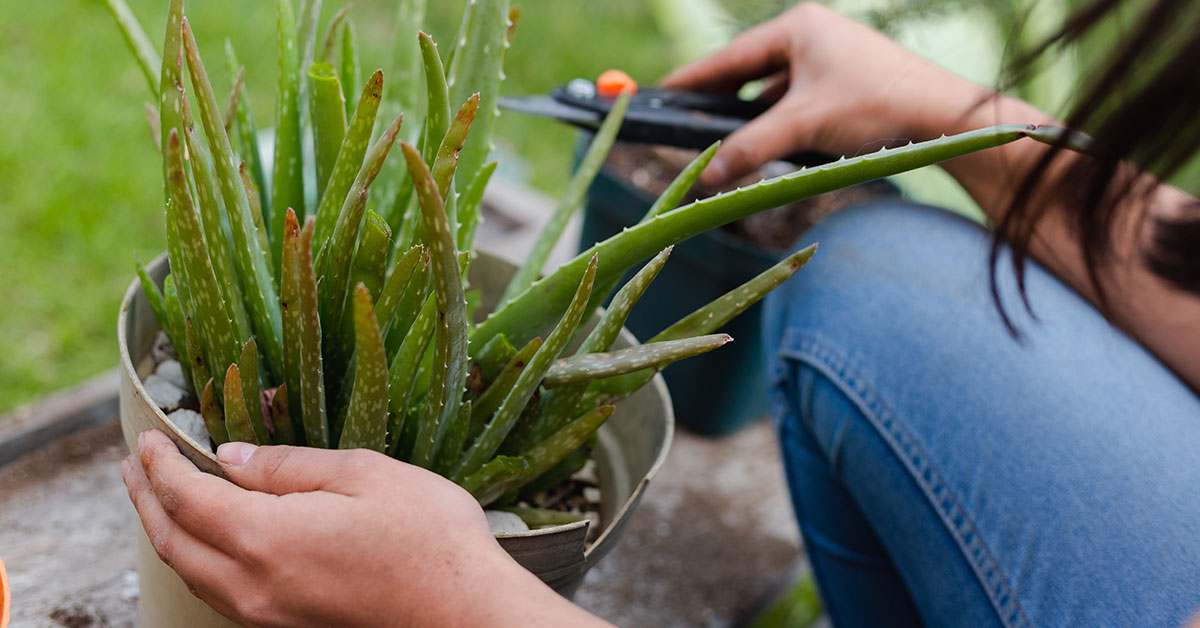

I absolutely adore aloe vera for its hardy nature and soothing gel, but one of the biggest thrills is watching those adorable pups—baby plants—appear around the mother rosette. It’s such a bummer when your aloe stays solitary for seasons, so I’m here to share everything I’ve learned about coaxing more offsets to ensure your collection multiplies. From mastering the right soil mix to gently encouraging division, these twelve strategies will help your aloe feel prolific!
I know how frustrating it can be to fuss over watering schedules and lighting, only to see no new growth at the base. Aloe vera hails from the Arabian Peninsula’s arid landscapes, so replicating those sun-drenched, well-drained conditions is key. Let’s dive into a dozen proven techniques—randomly ordered to keep things fresh—that will have your aloe overflowing with pups in no time!
Provide Bright, Indirect Light

Aloe vera thrives under strong, filtered sunshine—think bright windowsills or shaded patios. Insufficient light causes slow growth and deters pup production, while direct midday sun can scorch the leaves. I once tucked my aloe under a dense tree canopy and wondered why no offsets formed; moving it closer to dappled light had it happily sending out pups within weeks!
Native to rocky, semi-desert areas, aloe adapts to bright, harsh light but appreciates a buffer. Position your pots where they receive morning sun and afternoon shade, especially in hot climates. This balanced exposure mimics their native habitat, encouraging energy allocation to rosette growth and pup formation!
Use a Well-Draining Soil Mix
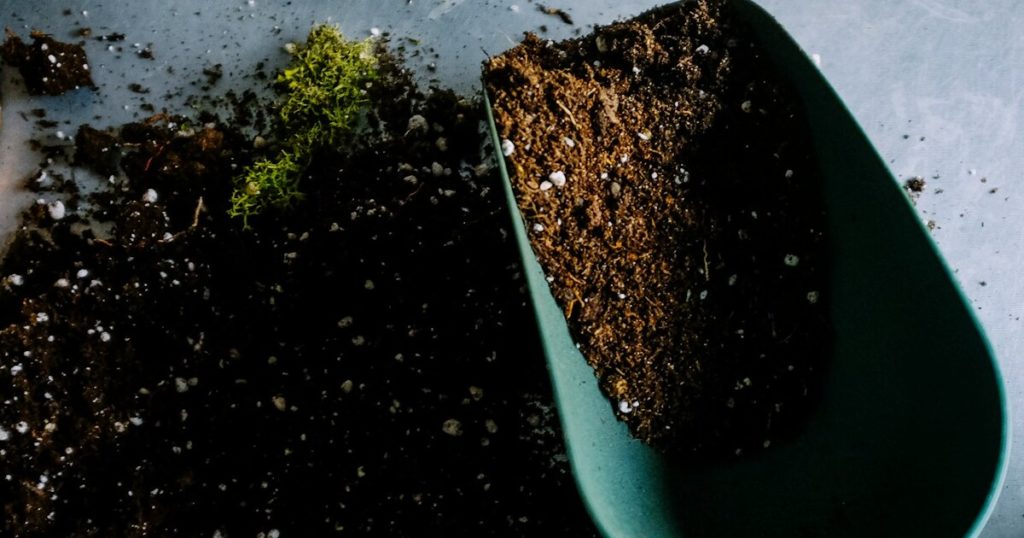
Nothing stunts pup growth like soggy roots. Aloe vera requires a specialized cactus or succulent mix—ideally a blend of coarse sand, perlite, and peat or coco coir. That structure ensures water drains swiftly, preventing root rot and creating a healthy root environment for offsets to develop.
I used to plant aloe in straight potting soil and suffered split bases and no pups. Once I switched to a gritty mix, the improved aeration had the mother plant vigorous and ready to produce numerous pups! Proper drainage is critical for letting roots breathe and sprout new plantlets.
Water Sparingly and Consistently
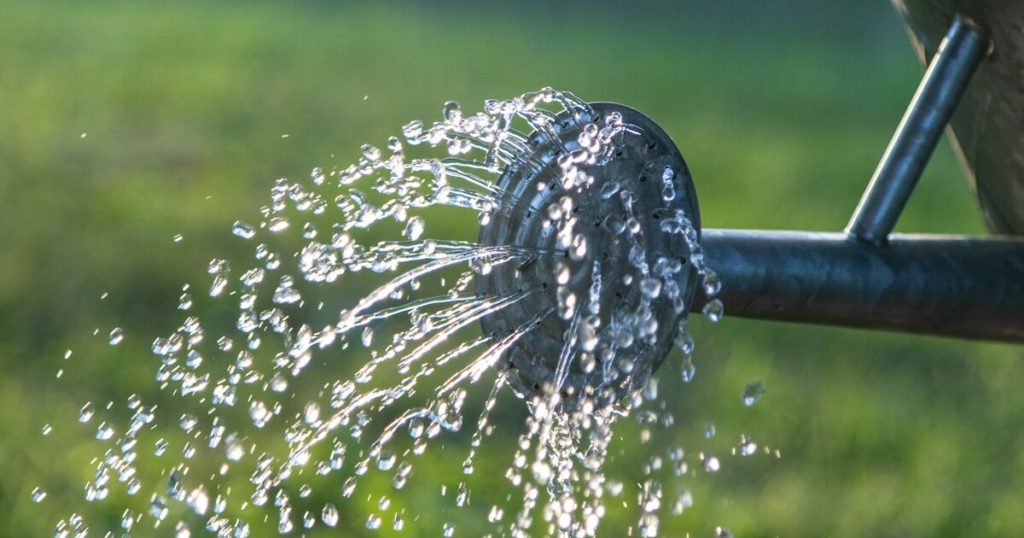
Overwatering is the enemy of pup production. Aloe stores water in its fleshy leaves, so a soak-and-dry approach works best: water thoroughly, then allow the top two inches of soil to dry before resuming. Erratic moisture levels stress the plant, causing it to focus on survival rather than multiplying.
I used to stick to a weekly watering schedule—big mistake! By checking soil moisture and watering only when dry, I saw my aloe throw out twice as many pups. This method simulates the intermittent rainfall of its native Arabian home, triggering offset growth rather than leaf swelling.
Fertilize Lightly in Growing Season
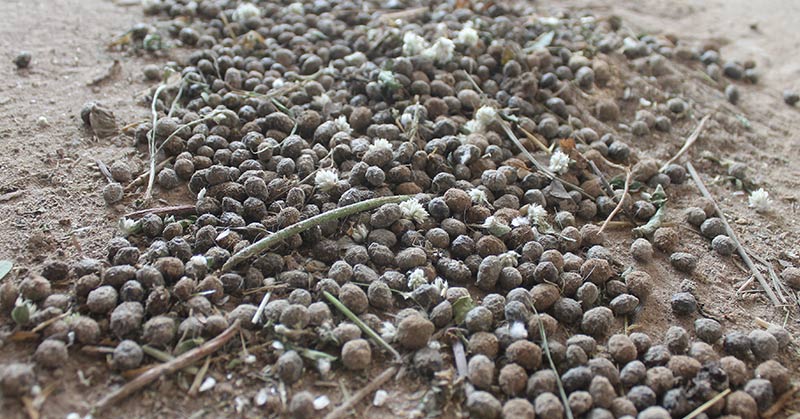
While heavy feeding leads to lush foliage, it can actually suppress puping. Use a diluted, balanced fertilizer (like a 10-10-10) once at the start of spring and again mid-summer, applying at half strength. This gentle boost supports overall health without pushing the plant into all-leaf mode.
One season I went overboard with compost tea and ended up with enormous leaves but zero pups! Scaling back to a light feed each season kept my aloe content and churning out offsets. Moderation is key to nudging energy into new rosettes.
Maintain Warm Temperatures

Aloe vera prefers daytime temperatures between 65–80°F (18–27°C) and won’t pup well if it feels chilled. Night temperatures under 50°F (10°C) can stall growth and even cause leaf collapse. During cooler months, consider moving potted aloes indoors or to a greenhouse space.
My first winter, I left an Aloe vera outside and lost all hope of pups—once I relocated it to a sunny, warm spot, baby plants started appearing like magic! Keeping them comfortable year-round replicates their native desert evenings and spicy days.
Repot Every 2–3 Years

Crowded roots can inhibit new pup formation. Every couple of years, gently lift your aloe, shake off old soil, trim any rotten roots, and repot into a slightly larger container. This refreshes the growing medium and gives space for pups to develop alongside the mother.
After I repotted my three-year-old aloe, I counted five fresh pups within autumn! Regular repotting ensures fresh nutrients and room for both roots and offsets to spread, avoiding the cramped conditions that discourage new rosettes.
Encourage Stress—Gently

Mimicking slight environmental stress can prompt aloe to reproduce vegetatively. Try withholding water a bit longer than usual (but not so long that leaves wrinkle badly) or exposing the plant to a few hours of cooler night air. This nudge tells the plant to propagate pups as a survival strategy.
I’m always cautious with stress, but a controlled bit of dryness followed by a good soak once in late summer resulted in more pups than any other year! The trick is balance—enough stimulus to trigger offsetting, but not so much that the plant suffers.
Divide Older Pups Carefully
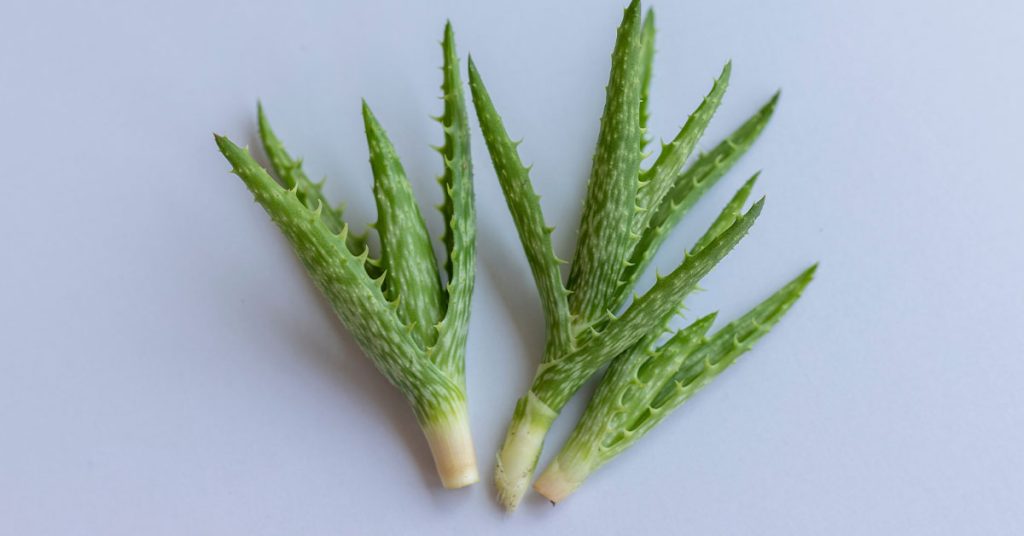
If your aloe already has a few pups clustered around the base, remove them gently to allow space for new ones. Use a sterile knife to sever the connecting rhizome, let the offsets callus for a day, then plant them individually. Dividing encourages the mother to produce more pups to replace those removed.
One of my favorite moments is the day I see tiny callused knobs ready to grow into full pups! Not only does this give me new plants, but it prompts the original to send up fresh offsets in response.
Choose a Mature Mother Plant
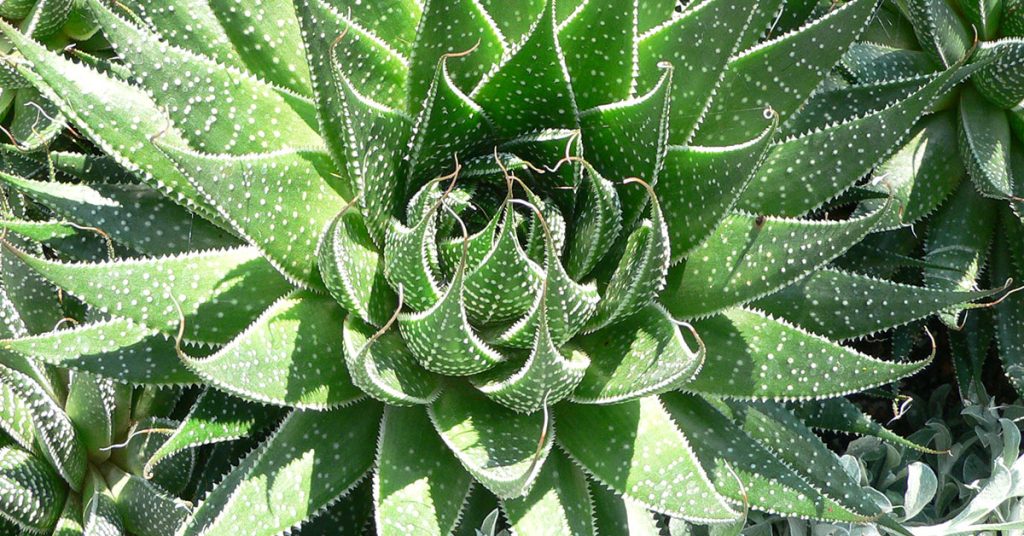
Young aloe rosettes seldom produce pups until they reach maturity—usually around 2–3 years old. If you’re starting with a tiny plant, focus on healthy growth first: stable leaves, no pests, and well-draining soil. Patience pays off when a mature, robust mother plant finally begins puping prolifically.
I once bought a petite aloe from a big-box store and got impatient—no pups in year one! By caring for it gently until year two, it burst into offset production like a dream. Timing your expectations helps you support natural growth cycles.
Prune Damaged Leaves Promptly
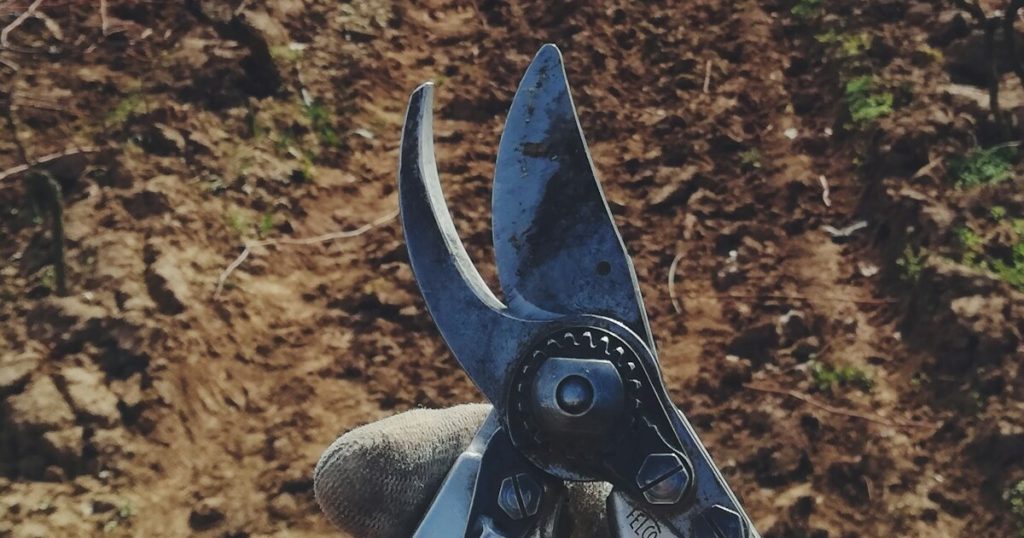
Yellowed or mushy leaves not only sap the plant’s vigor but also attract pests like mealybugs and fungus gnats that can harm root health. Snipping these off encourages the aloe to divert resources to fresh growth, including pups, and helps maintain an attractive appearance by your entrance or windowsill.
After I started clipping spent leaves as soon as they appeared, I noticed faster offset production and fewer pest problems. Keeping your aloe tidy and healthy is a direct path to more pups!
Provide Good Air Circulation
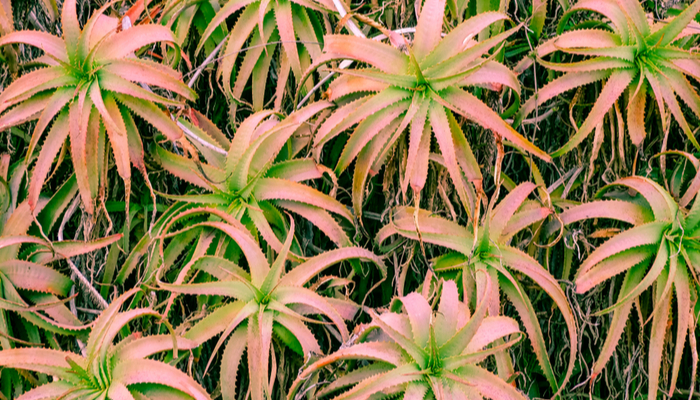
Stagnant air can foster fungal diseases harmful to aloe roots and pups. Place your plant where it enjoys a gentle breeze—near an open window or under a ceiling fan indoors. This helps the soil dry evenly after watering and prevents mold from forming at the base, where pups would emerge.
I once had an aloe under a shelf with zero airflow—mold took hold and stunted pup growth. Moving it into a breezier spot cleared the issue and encouraged a wave of new offsets. Fresh air is surprisingly crucial for propagating these succulents!
Use Rooting Hormone on Detached Pups

When you divide pups from the mother, dipping the cut end in a small amount of rooting hormone powder speeds their establishment and signals the plant to produce more offsets. After callusing for a day, press the hormonally-treated pup into fresh, gritty soil and water sparingly until roots take hold.
I always keep rooting hormone on hand—my divided pups root in half the usual time and encourage the parent plant to send out new pups to replace those given away. It’s a simple tip that multiplies both your baby plants and overall pup production!