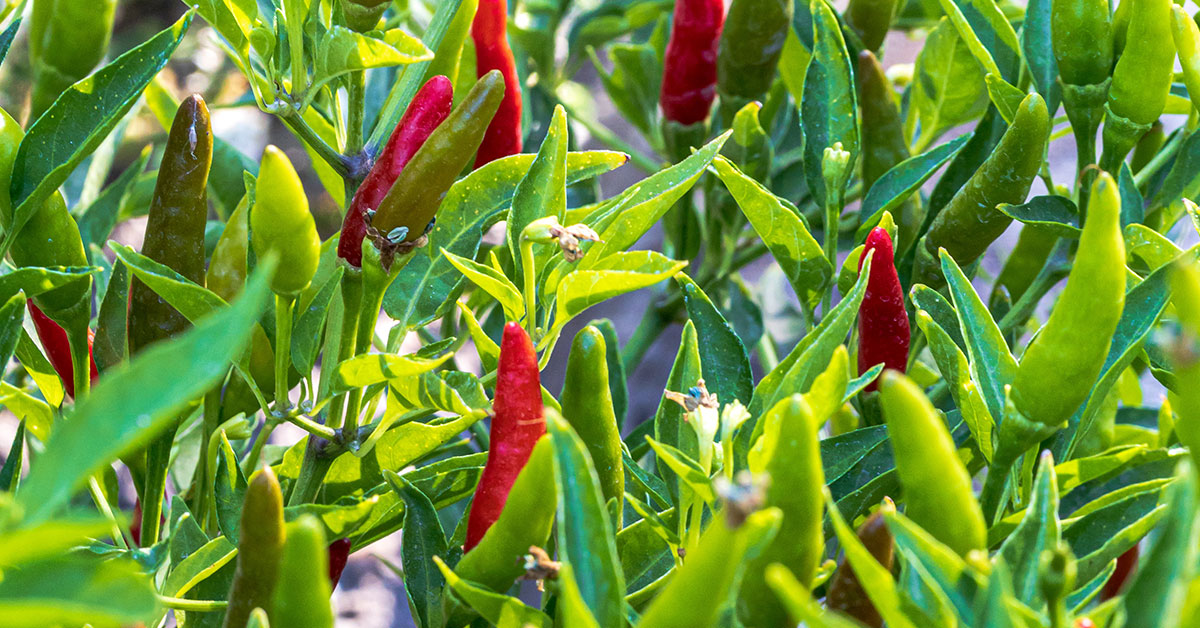

Growing peppers can be one of the most rewarding parts of a summer garden—those glossy pods are like little bursts of sunshine! But peppers can be a tad temperamental, and it’s so frustrating when your plants sulk instead of thriving. From planting missteps to skipping crucial care steps, there are plenty of pitfalls that can turn your pepper patch into a leaf-dropping disappointment.
I know how excited you are to see those first blossoms and taste your homegrown heat! Trust me, I’ve been there—picking up wilted seedlings or battling yellowing leaves. Let’s dive into eleven common mistakes pepper growers make so you can sidestep them and enjoy a bumper crop of vibrant, flavorful fruits.
Over-fertilizing in the Quest for Bigger Pods
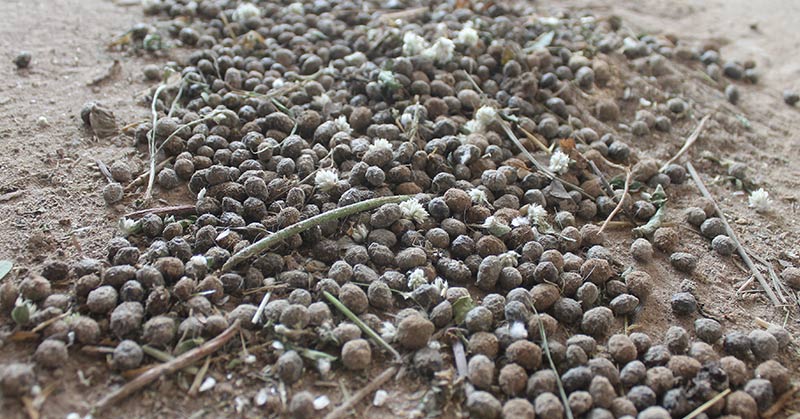
It can be tempting to douse your peppers with nitrogen-rich feeds, hoping for colossal fruits, but too much fertilizer causes plants to focus on lush foliage instead of flowering. Excessive nitrogen also makes peppers more susceptible to pests like aphids and spider mites that love tender new growth. I remember my first year feeding weekly—and ending up with massive green leaves and hardly any fruit!
Instead, aim for a balanced fertilizer once fruit set begins, or side-dress with compost and well-rotted manure. Peppers, native to Central and South America, evolved in organically rich soils with moderate nutrient levels; mimicking those conditions helps promote healthy flowering and fruiting. A little goes a long way!
Crowding Your Pepper Plants
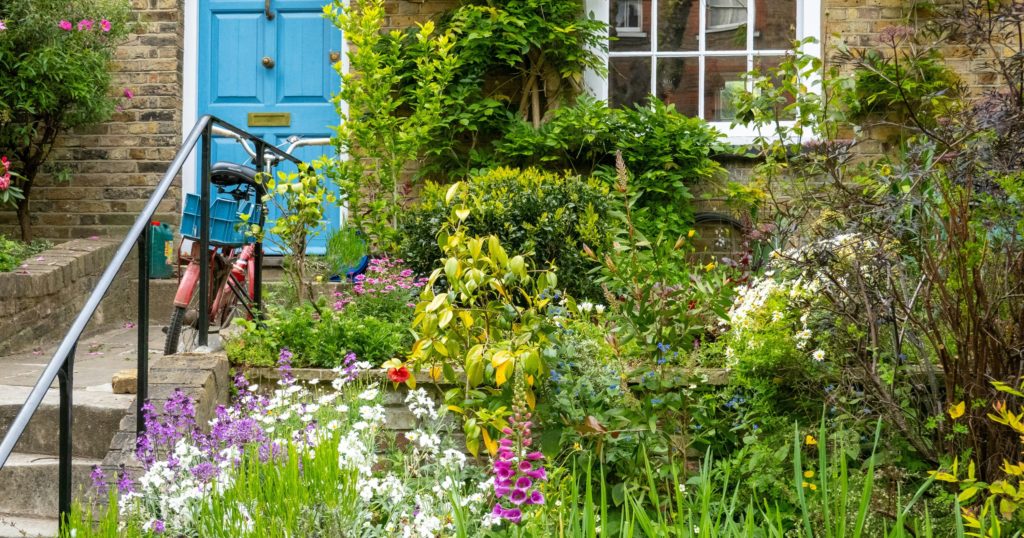
It’s such a bummer when seedlings grow into an entangled mess! Planting peppers too close together restricts airflow, leading to fungal diseases like powdery mildew. Crowded plants also compete for water and nutrients, resulting in smaller, weaker peppers. I once squeezed eight plants into a 4×4 bed—lesson learned when leaf spots took over.
Give each pepper at least 18–24 inches of space, depending on the variety. That room allows leaves to dry quickly after rain or watering and provides pollinators like native bees easy access to bright pepper blossoms. Proper spacing is a small step that pays off big in plant vigor and yield!
Neglecting Pest Monitoring
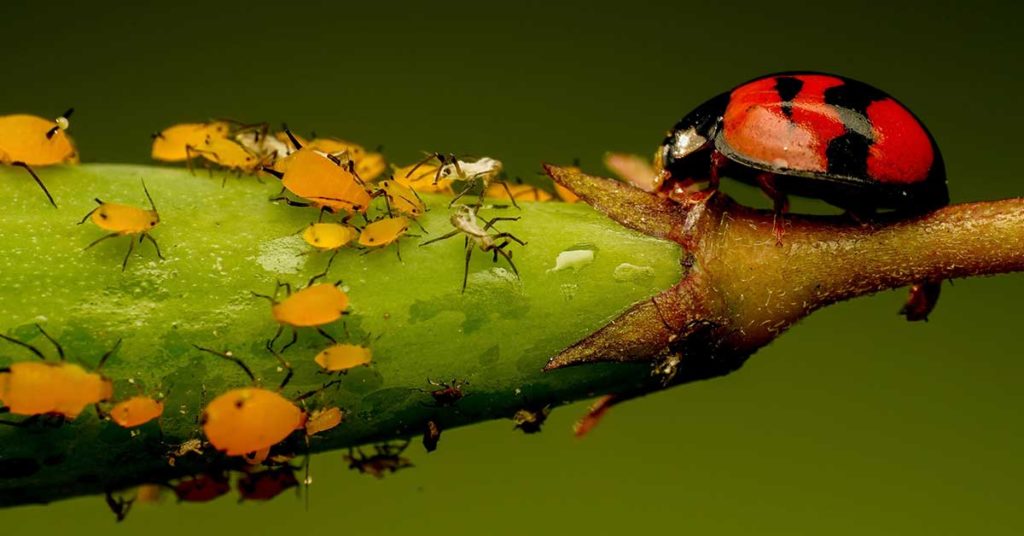
Peppers are magnets for pests like thrips, aphids, and hornworms, and waiting until you spot chewed pods means you’re already behind. Daily scouting—especially under lower leaves—helps you catch infestations early. I once lost half my harvest to flea beetles because I didn’t inspect my plants until holes were everywhere!
Encourage beneficial insects—ladybugs, lacewings, and parasitic wasps—by planting alyssum or dill nearby. These garden allies forage for pests and help keep your peppers healthy without resorting to harsh chemicals. It’s such a joy to see them nested in your garden, doing the heavy lifting for you!
Skipping the Hardening-Off Process

Jumping seedlings from indoors to the garden in one go shocks peppers, causing leaf scorch, stunted growth, and even plant death. Gradual acclimatization—starting with a few hours of morning sun and increasing time outdoors over a week—gives young plants a fighting chance. I still cringe thinking about the brown, wilted starts I lost by rushing this step!
Hardening off also toughens cell walls, making stems sturdier and better able to support those first pepper trusses. Treat your seedlings gently, and they’ll reward you with robust growth and a longer fruiting season.
Planting in Full Shade

While some lettuce might love dappled light, peppers demand at least six hours of direct sun to flower and set fruit. Shade results in leggy growth and reduced yields, leaving you with frustrated, floppy stalks. I’ve definitely learned to move shady pots to sunnier spots—even a few extra hours of sun made my peppers explode with blooms!
If you’re working with partial shade, choose smaller, early-maturing varieties and supplement with reflective mulches to bounce light back up. Remember, Capsicum species originated under the intense sun of Central America—bringing that brightness into your garden helps them feel right at home!
Failing to Support Heavy Fruit
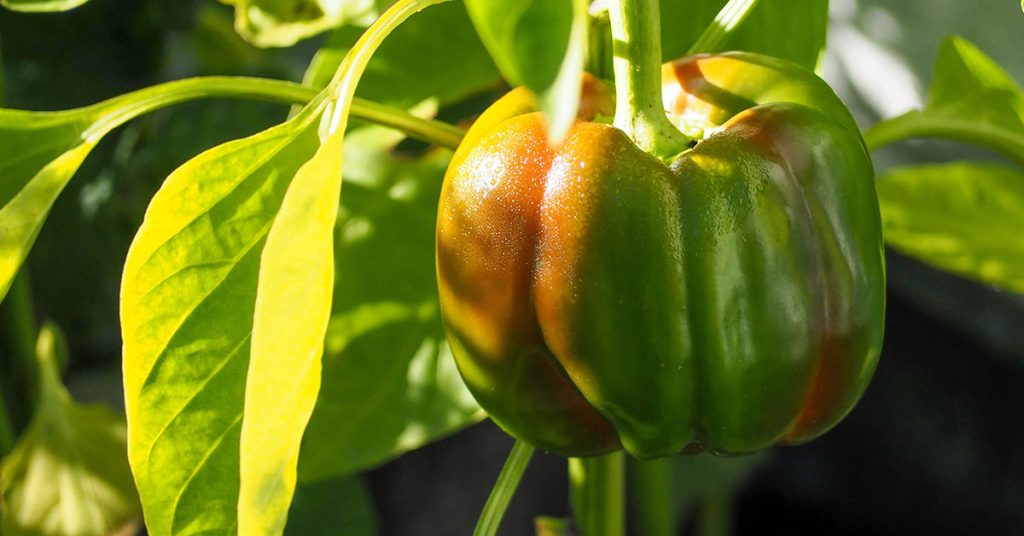
It’s so easy to overlook staking until those plump peppers weigh branches down, causing them to snap. Bell and chili varieties alike can produce pods heavy enough to split stems. I once lost an entire branch of fat Anaheim peppers when I forgot to tie it up after a rainstorm!
Install stakes or cages early—when plants are young—to avoid disturbing roots later. Tying branches loosely with soft twine lets them sway slightly in the breeze, strengthening stems and preventing breakage as fruits grow.
Not Rotating Crops Year to Year

Planting peppers in the same spot season after season invites soil-borne diseases like verticillium wilt and Phytophthora blight. These pathogens can build up in the soil and devastate successive pepper crops. I made the mistake of reusing a bed two years in a row and ended up with wilted seedlings and slim pickings!
Rotate peppers with unrelated families—legumes, onions, or corn—to interrupt disease cycles. This simple practice keeps soil healthier and reduces reliance on fungicides. Your garden will feel happier and more balanced!
Planting Too Early or Too Late
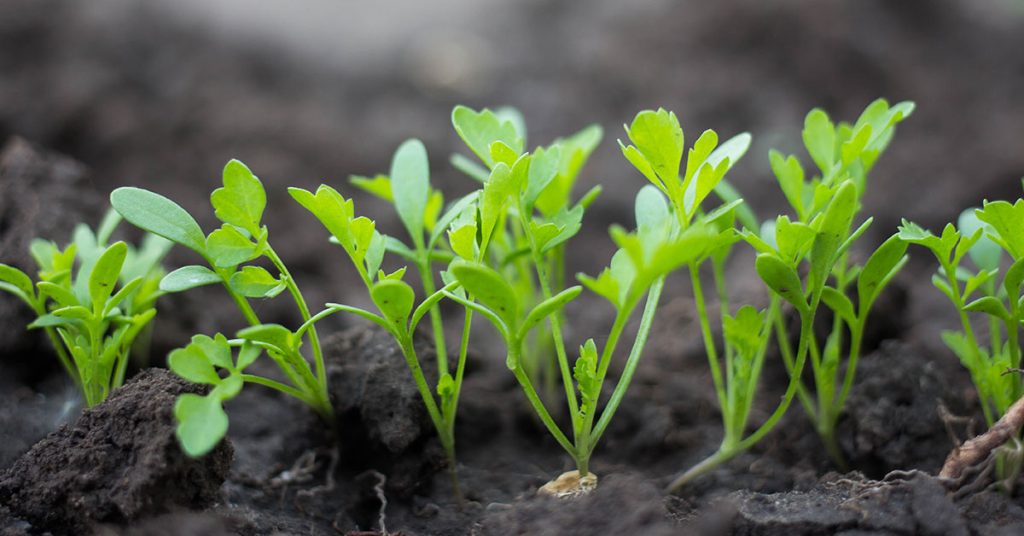
Peppers are warm-season plants; planting before nighttime temperatures consistently exceed 55°F (13°C) leads to stunted growth, while sowing too late shortens the harvest window before frost. I once set out tender seedlings in April and watched them shiver through chilly nights—no wonder they sulked!
Aim to transplant peppers two weeks after the last frost, and consider starting seeds indoors 8–10 weeks before that date. This timing gives plants enough maturity to set fruit when summer’s warmth arrives, avoiding barren midseason patches.
Ignoring Soil pH and Drainage
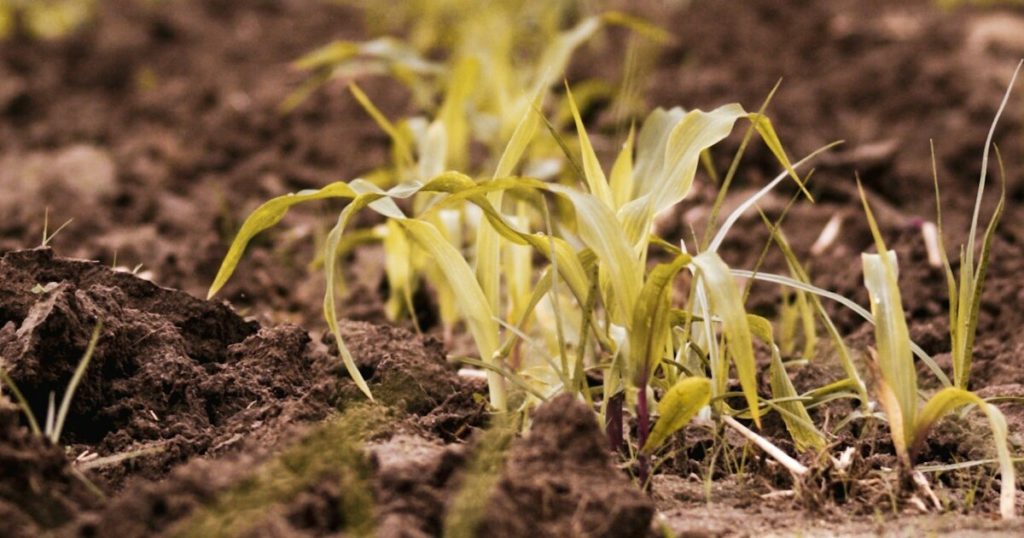
Heavy clay or overly acidic soils leave peppers waterlogged or starved of nutrients. Aim for a pH of 6.0–6.8 by testing your soil and amending with lime or sulfur as needed. Poor drainage invites root rot pathogens that throttle plants from below. I learned this the hard way when soggy beds turned my seedlings yellow overnight!
Incorporating organic matter—compost, aged manure, or coconut coir—improves both fertility and drainage. Raised beds or mounded rows also help water drain away from roots, creating the slightly drier conditions peppers adore.
Harvesting Improperly
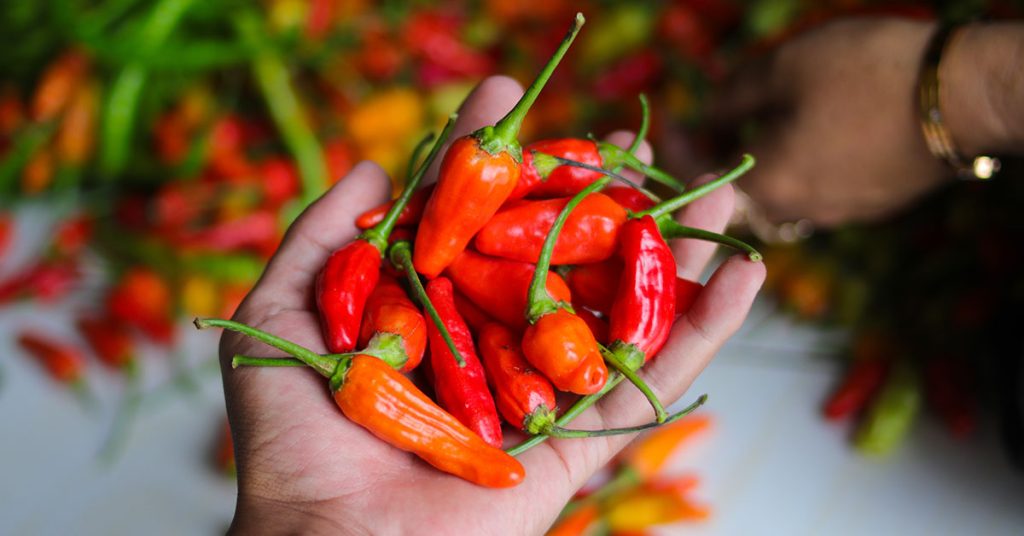
Picking peppers too early or pulling too hard can damage both fruit and plant. Immature pods lack full flavor and color, while yanking peppers off the stem risks tearing tissues and inviting disease. One year, my impatience left half my crop scarred and shriveled!
Use clean, sharp pruners to snip peppers just above the stem; this approach minimizes damage and encourages continuous production. If you’re aiming for red, yellow, or purple peppers, leave pods on the plant until they fully ripen—flavor and heat intensify with color!
Overwatering or Underwatering
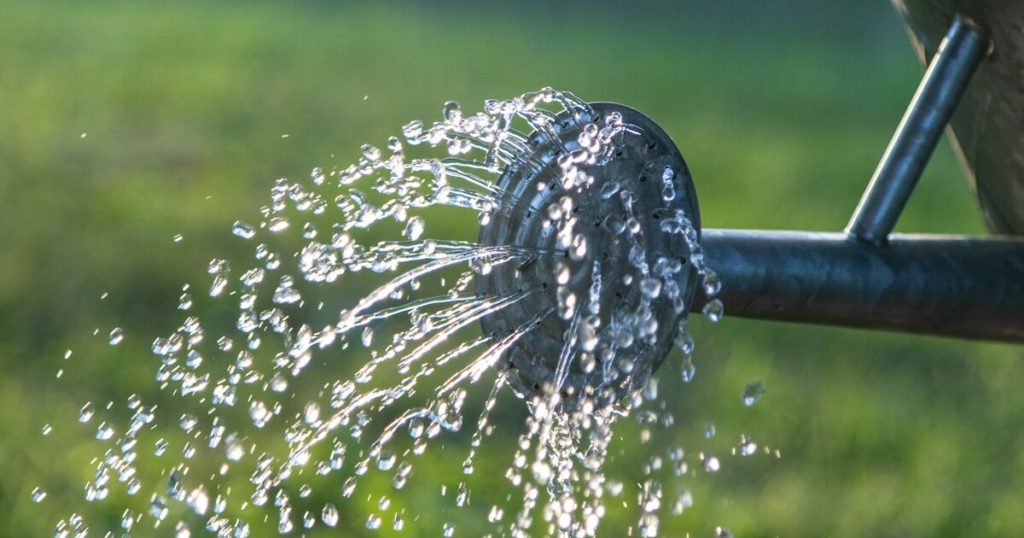
Both extremes stress pepper plants—too much water drowns roots, while drought triggers blossom drop and bitter-tasting fruits. I used to water on a strict schedule, only to awaken one morning to wilted leaves begging for moisture. Conversely, weeks of rain turned my beds into marshes!
Instead, aim for consistent moisture: water thoroughly when the top inch of soil feels dry, ideally with drip irrigation or soaker hoses to keep foliage dry. A layer of mulch further regulates soil moisture, reduces evaporation, and cools roots on hot afternoons.