

I still remember the first time I laid down a thick layer of shredded bark around my strawberries (Fragaria × ananassa, native to Europe and North America). I was so eager to see how it would help suppress weeds and keep the delicate fruit clean. It’s such a bummer when slugs find a cozy spot beneath the mulch, though—I learned quickly that mulch can be as much about pest management as it is about moisture retention! If you’ve ever watched earthworms wriggle up through a fresh mulch bed, you know there’s a whole hidden world beneath that brown layer waiting to be discovered.
In this article, I’m thrilled to share twelve detailed tips to ensure you choose and apply mulch in a way that maximizes benefits and minimizes headaches. We’ll cover everything from matching mulch types to specific plants—like using pine straw around blueberries (Vaccinium corymbosum, native to eastern North America)—to avoiding invasive materials that can sprout weeds. Along the way, I’ll let you in on how mulch influences soil temperature, fosters microbial life, and even becomes a nesting ground for beneficial creatures. So grab your gardening gloves and let’s dig in!
Choose Mulch Based on Native Plant Preferences
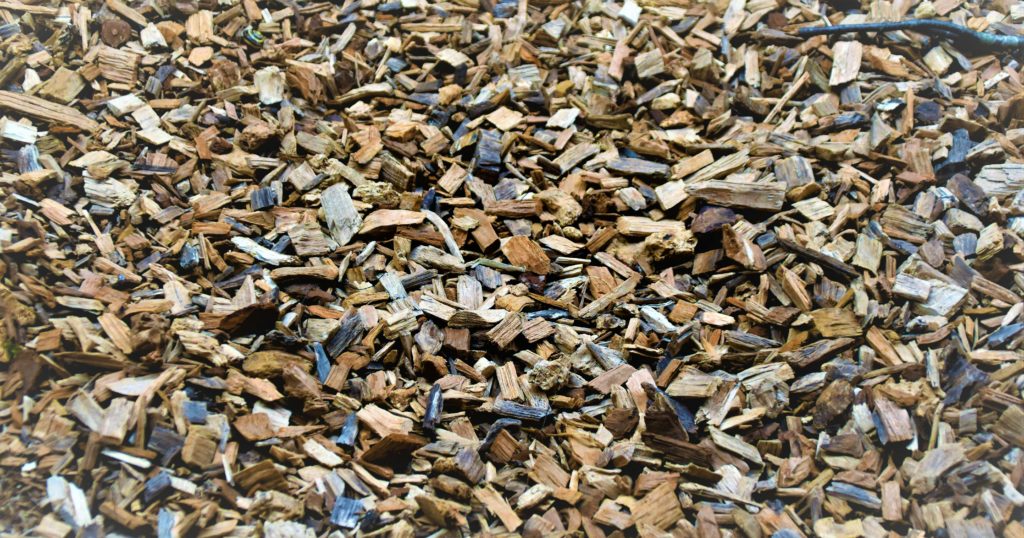
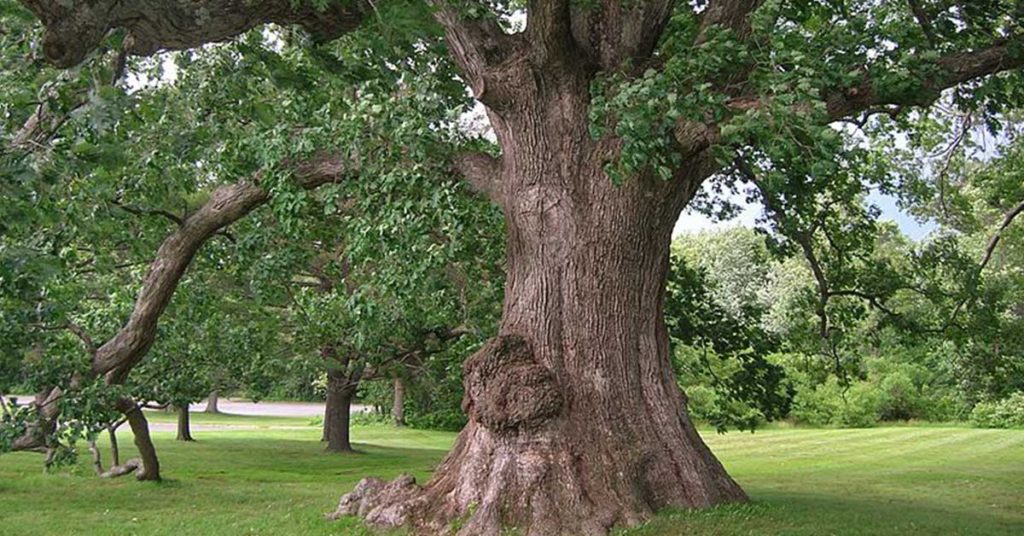
When selecting mulch for native plants, it’s wise to mimic the materials they evolved with in the wild. For instance, many oaks and hickories (Quercus and Carya species, both native across North America) thrive under a leaf mulch—because their woodland floors would naturally be blanketed by fallen leaves each autumn. I love watching woodpeckers flit through those leaf layers, looking for insects nestled beneath! By using aged leaf mulch around these trees and their understory companions, you’re imitating natural conditions that favor mycorrhizal fungi and beneficial microorganisms.
On the flip side, introducing foreign mulch materials—like rubber mulch or dyed wood chips—around native plants can disrupt that ecological balance. Imagine trying to grow woodland sedges (Carex species, native to moist shaded areas) under a mulch of pine bark fines: the acidity and texture won’t match what they’re used to. I made that mistake once with a patch of Carex pensylvanica and ended up with crispy, stunted foliage. Always ask yourself where your plant’s ancestors might have grown, and choose mulch that aligns with those native ecosystems!
Avoid Mulch Volcanoes Around Tree and Shrub Trunks
Overzealous gardeners sometimes pile mulch in thick mounds around tree trunks, creating what I affectionately call “mulch volcanoes.” It’s a well-intentioned but harmful habit—moist mulch pressed against bark can invite fungal pathogens like Armillaria (oak root fungus, native to North American woodlands) or Ganoderma (bracket fungi that like decaying wood). I once discovered a small colony of carpenter ants nesting under a mulch volcano at the base of my crabapple tree (Malus ioensis, native to the U.S. Midwest), and those pests had a field day tunneling into the trunk once decay set in!
Instead, aim for a gentle, even layer that extends outward but slopes away from the stem. Think of creating a “donut” rather than a mound: the mulch should be about 2–4 inches deep, tapering off as it approaches the trunk. This helps maintain proper air circulation against the bark and prevents water from pooling at the base. Not only does this protect trees like sugar maples (Acer saccharum, native to northeastern North America), but it also reduces hiding spots for rodents and moisture-loving insects that could harm the roots or chew at the cambium layer.
Be Mindful of Nitrogen Tie-Up With Fresh Wood Chips

Fresh wood chips—especially from hardwoods like oak (Quercus spp., native to North America)—can temporarily tie up nitrogen in the soil as they decompose. This happens because microbes tasked with breaking down the carbon-rich wood need nitrogen to do their work, temporarily robbing it from nearby plant roots. I once spread fresh oak chips around my tomato plants (Solanum lycopersicum, native to western South America), only to watch the leaves pale and the vines grow stunted. I felt so frustrated, wondering why my favorite Roma tomatoes suddenly looked so limp!
To avoid this, let wood chips age for at least six months before using them as mulch around nitrogen-hungry vegetables like peppers (Capsicum annuum, native to southern Mexico). Alternatively, top-dress fresh chips with a layer of composted manure or an all-purpose granular fertilizer to balance the nitrogen demand. That way, your soil microbes can feast on the wood chips without stealing nutrients from your prized plants, ensuring vigorous growth and bountiful harvests.
Use Mulches That Promote Beneficial Microbial Activity

Mulches rich in organic matter—like aged compost, shredded leaves, or well-rotted manure—create a thriving environment for beneficial microbes and earthworms. Take lettuce (Lactuca sativa, native to the Mediterranean) as an example: these cool-weather greens appreciate a soil full of aerobic bacteria and fungi that help make nutrients readily available. I love noticing how worms tunnel toward my lettuce beds when I apply a generous layer of compost as mulch—they’re practically begging to aerate the soil and deliver castings!
Even ornamental plants, like Native Eastern Red Columbine (Aquilegia canadensis, native to eastern North America), respond beautifully to a mulch that’s alive with microorganisms. Those microbes help break down mulch into humus, gradually releasing nutrients and improving soil structure. Avoid sterile mulches—like gravel or rubber—as they don’t actively feed the soil food web. While rock mulches might look tidy, you’ll miss out on the bustling underworld of critters working to keep your plants healthy. Trust me, when you see the vibrant growth in a bed mulched with compost, you’ll never want to go sterile again!
Consider Mulch That Prevents Soil Erosion and Runoff
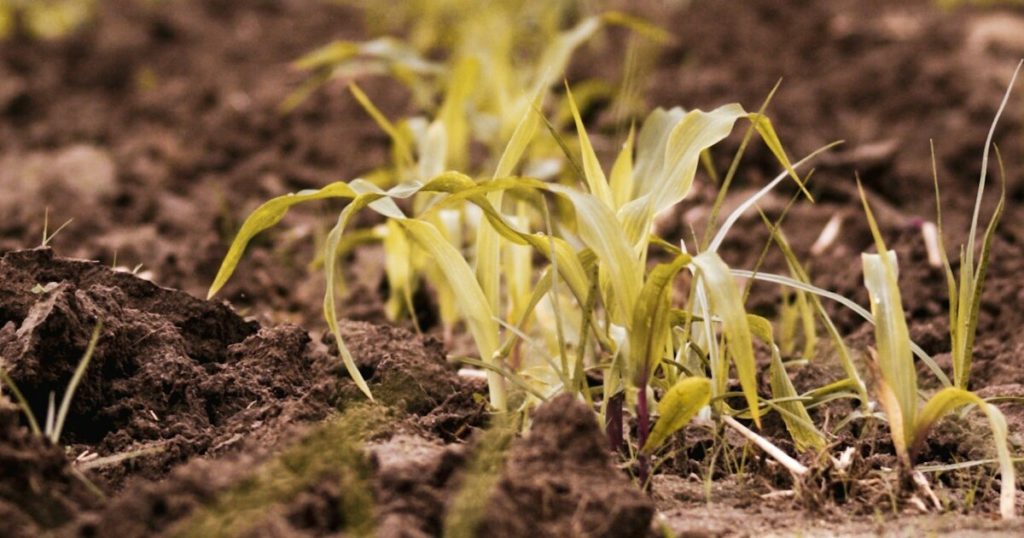
On sloped garden beds, erosion can wash away precious topsoil, leaving plants vulnerable. Straw mulch—derived from cereal grains like wheat or rye—is an excellent choice for stabilization. For instance, if you’re growing squash (Cucurbita pepo, native to North America) on a gentle slope, spreading a 3-inch layer of straw helps slow down heavy rains and retains soil structure. I discovered that after a torrential downpour, my straw-mulched pumpkin patch (Cucurbita maxima, native to Central America) looked practically unscathed, while nearby unmulched beds became miniature canyons!
Be cautious, though: straw from non-organic sources can harbor weed seeds. That’s why I always look for certified “weed-free” straw to avoid unintentionally introducing invasive grasses or foxtail (Setaria spp., native to tropical regions) into my garden. If you live in areas prone to invasive turf grasses, even a few seeds can spell big trouble. Instead, consider local agricultural byproducts—like pine straw from longleaf pines (Pinus palustris, native to the southeastern U.S.)—for sloping beds under acid-loving plants such as blueberries (Vaccinium corymbosum, native to eastern North America). Pine straw locks soil in place while gradually releasing acidity to support those southern favorites!
Match Mulch Composition to Soil pH Requirements

Different mulch materials break down at varying rates and can influence soil pH over time. Pine needles—originally shed by Eastern White Pine (Pinus strobus, native to northeastern North America)—add acidity as they decompose, making them ideal for plants like rhododendrons (Rhododendron spp., many species native to Asia) and azaleas (Rhododendron spp., native mostly to Asia and North America). I vividly recall the moment I saw my first azalea hybrid, grown in a bed mulched with pine needles, burst into bright pink bloom—it felt like watching a sunrise in miniature!
Conversely, wood ashes from hardwoods, which contain calcium carbonate, can neutralize overly acidic soils. If you’re growing lettuce—Lactuca sativa (native to Eurasia)—in a plot where the pH dipped below 6.0, a thin layer of well-cooled hardwood ash mixed into the top mulch helped raise the pH back into ideal ranges (6.0–7.0). But remember: don’t overdo it, or you’ll swing too far in the other direction, creating conditions more suitable for invasive weeds like lamb’s quarters (Chenopodium album, native to Europe and Asia). The key is moderation and regular pH testing so your plants—from snapdragons (Antirrhinum majus, native to Mediterranean regions) to spinach (Spinacia oleracea, native to Persia)—all get the soil environment they need!
Keep Mulch Depth Appropriate for Plant Types
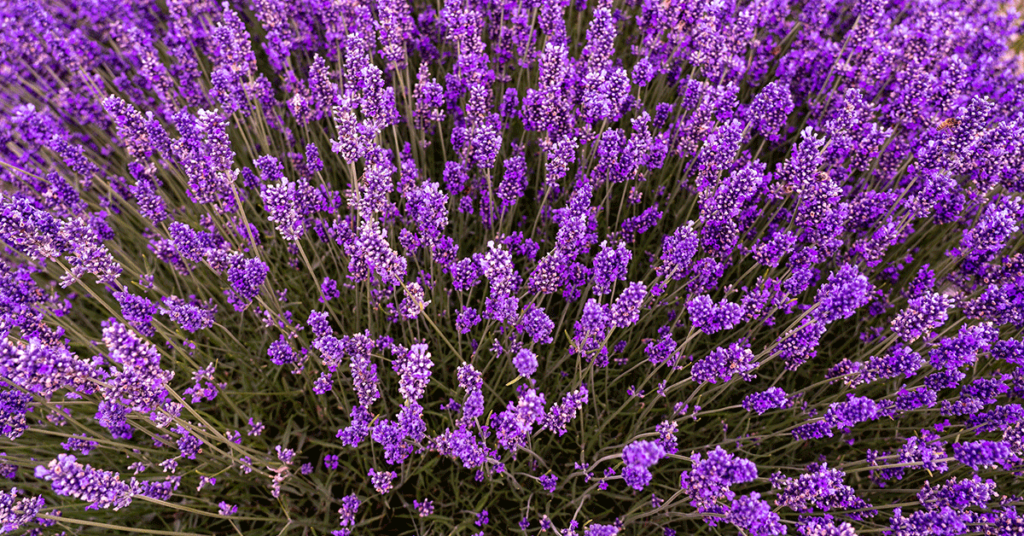
Mulching too deeply can suffocate plant roots, while too shallow a layer fails to deliver benefits. A 2–3 inch layer of shredded leaves works wonders for perennials like lavender (Lavandula angustifolia, native to the Mediterranean), helping conserve moisture and suppress weeds without smothering shallow roots. I still remember the first time I planted Bada Bing lavender in a raised bed and mulched with leaves; within weeks, I noticed better bloom retention, and the fragrant foliage never seemed to wilt under midday sun!
On the other hand, young seedlings—like cilantro (Coriandrum sativum, native to southwestern Asia)—need only a thin dusting of straw or chopped leaf mulch to protect them from direct sun without impeding germination. I once lost an entire batch of cilantro when I laid down a 4-inch layer of wood chips too early; the tiny seeds simply couldn’t push through to the surface. By contrast, for established shrubs—such as rose of Sharon (Hibiscus syriacus, native to East Asia)—a 3–4 inch layer of hardwood bark mulch provides insulation through winter without inviting moisture-related crown rot. Tailor your mulch depth to each plant’s needs to avoid disappointment and maximize health!
Watch for Mulches That Harbor Pests or Diseases

Certain mulch materials can become a safe haven for slugs, snails, and fungal pathogens. Cedar mulch—made from Eastern Red Cedar (Juniperus virginiana, native to central and eastern North America)—contains natural oils that repel many insects, but if it sits too long in shady, damp conditions, it can still develop fungal growth, like white mold, that splatters onto adjacent lower leaves of squash (Cucurbita maxima, native to Central America). I once found a slimy slug trail on fresh cedar mulch around my butternut squash, and within days, the vines showed signs of powdery mildew—an unwelcome double whammy!
Conversely, materials like cocoa bean hulls (a byproduct of Theobroma cacao, native to tropical Americas) smell wonderful—reminding me of chocolate chip cookies—but can be toxic to dogs and may encourage mold growth in humid climates. I had a neighbor whose dog nibbled at cocoa mulch beneath her roses (Rosa spp., various native origins), resulting in an unexpected trip to the vet! If you’re in a humid region prone to fungal issues—like sudden oak death (Phytophthora ramorum, originally from East Asia)—avoid cocoa mulch. Instead, opt for well-aged hardwood bark or straw that weathers without becoming a pathogen incubator, keeping both you and your pets safe!
Replenish Mulch at the Right Time of Year
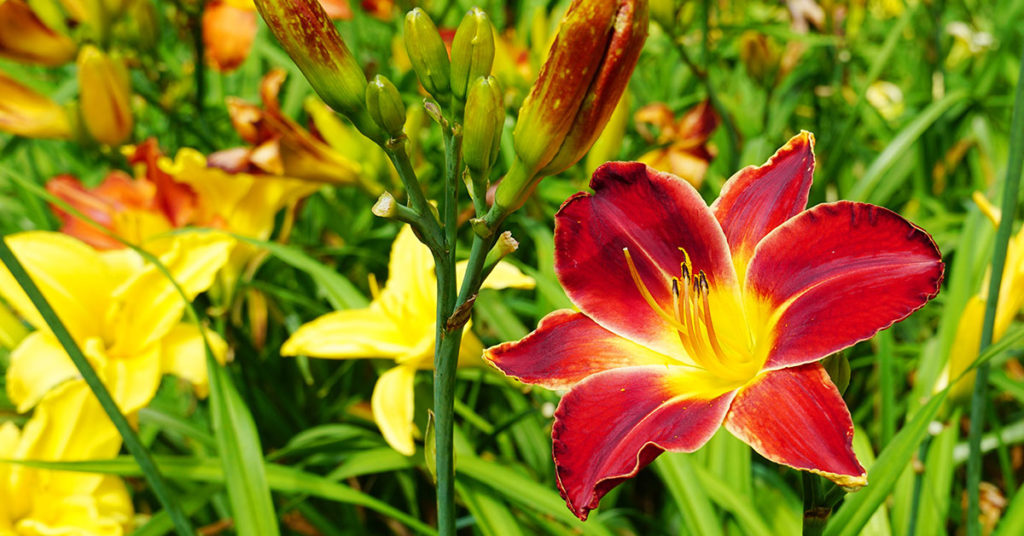
Timing matters when it comes to mulch application. In regions with harsh winters—like where I garden in USDA Zone 5—I wait until early spring is fully underway before topping up mulch around perennials such as daylilies (Hemerocallis spp., native to Asia). Applying mulch too early, when the ground is still frozen, can trap rodents like voles under the layer. I learned that lesson after finding a vole tunnel system under my icy mulch and waking to gnawed daylily crowns! By waiting until the soil thaws and warming begins, you reduce the risk of creating an inviting winter hideout.
In milder climates—USDA Zones 8–9—you can apply a fresh layer of mulch in late fall to protect tender roots of citrus trees (Citrus spp., native to Southeast Asia). I once laid down a 4-inch layer of pine bark fines around my young Valencia orange (Citrus × sinensis) in November, and that insulation made all the difference when a rare frost hit in December. However, avoid mulching too deeply during peak summer heat, as that can warm the soil excessively and stress shallow-rooted annuals like marigolds (Tagetes spp., native to Mexico). Monitor local weather patterns and match your mulch schedule accordingly!
Consider Using Living Mulch or Cover Crops
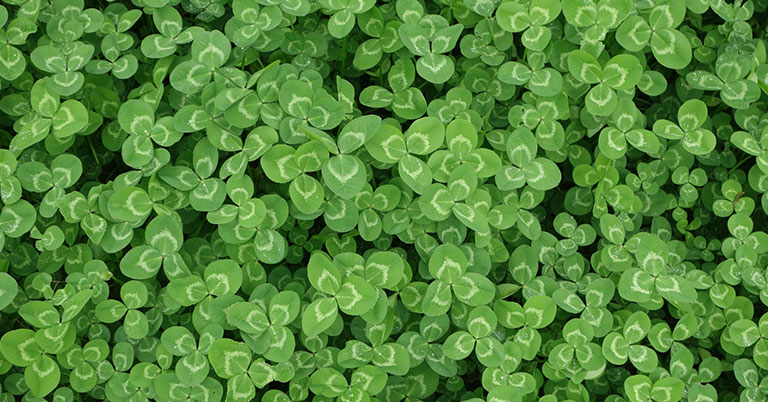
Rather than relying solely on dead organic mulches, planting a living mulch—such as clover (Trifolium repens, native to Europe and now naturalized widely)—can suppress weeds, fix nitrogen, and provide habitat for beneficial insects. I often sow crimson clover (Trifolium incarnatum, native to the Mediterranean) between rows of tomatoes (Solanum lycopersicum, native to western South America). The bright red blooms attract native bees and hoverflies, which prey on pest aphids attracted to the tomatoes. One of my favorite sights each spring is watching that crimson carpet buzz with pollinator activity!
Cover crops like buckwheat (Fagopyrum esculentum, native to Southeast Asia) also serve as dynamic mulches. After their fast-growing cycle, you can cut them down and leave the residue as a mulch layer that enriches the soil. When I trialed buckwheat between my squash (Cucurbita pepo, native to North America) rows, I not only suppressed weeds but also saw a jump in beneficial ground beetle populations that preyed on cucumber beetles. Just be careful: some cover crops can become smothering themselves if left uncut too long—like hairy vetch (Vicia villosa, native to Europe and Asia), which can tangle tomato vines if not mowed in time. Always match the cover crop’s growth habit to your garden’s needs!
Match Mulch Color to Desired Temperature Effects
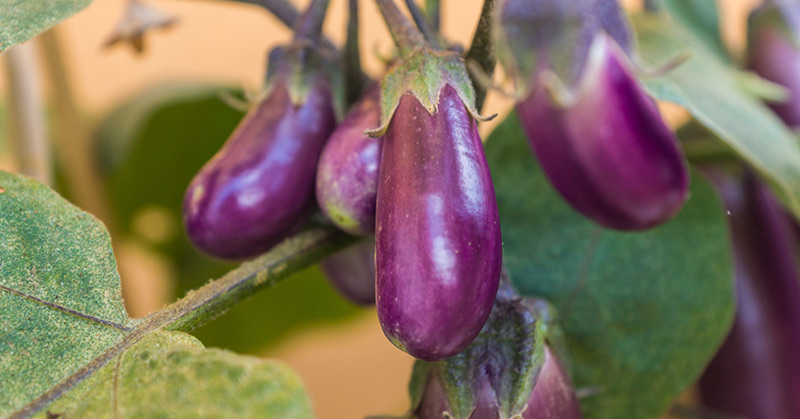
The color of mulch influences how much heat the soil absorbs. Dark-colored mulches—like black shredded hardwood bark—absorb more sunlight and can warm the soil earlier in spring. This can be beneficial for heat-loving plants like eggplants (Solanum melongena, native to India and Bangladesh) or peppers (Capsicum annuum, native to Central America), encouraging earlier root growth. I recall layering black mulch around my jalapeños one April, and within weeks, the soil felt noticeably warmer to the touch—perfect for jump-starting those tropical-origin plants in my temperate garden!
In contrast, light-colored mulches—such as straw or pine needles—reflect more light and keep soil temperatures cooler during scorching summer days. If you’re growing cool-season vegetables like broccoli (Brassica oleracea var. italica, native to the eastern Mediterranean) or kale (Brassica oleracea var. sabellica, native to the eastern Mediterranean), a lighter mulch helps prevent the soil from overheating and causing premature bolting. I once laid a thick straw layer around my broccoli patch in July, and even when daytime highs hit 90°F, the crowns remained firm and bolt-resistant. Pay attention to your region’s climate and your plants’ thermal needs when choosing mulch color!
Avoid Invasive or Weed-Infested Mulch Materials

Using mulch sourced from uncertified woodlots or large farms can inadvertently introduce invasive species. For example, English ivy (Hedera helix, native to Europe and a notorious invader in North America) sometimes hitchhikes in shredded bark or wood chip piles. I learned this the hard way when a batch of untested wood chips unleashed a small patch of ivy near my rose garden (Rosa rugosa, native to Asia)—a true nightmare to eradicate once those creeping vines took hold!
Similarly, straw that isn’t certified weed-free may bring in seeds of perennial weeds like Canada thistle (Cirsium arvense, native to Europe and Asia), which can establish a lasting presence. When I mistakenly mulched my asparagus bed (Asparagus officinalis, native to Europe, northern Africa, and western Asia) with uncertified straw, I ended up with prickly thistles competing for nutrients every spring. Avoid these pitfalls by sourcing mulch from reputable suppliers and, when in doubt, composting debris long enough to kill weed seeds before application.