

I absolutely love having blooms dancing on my windowsills, but summer’s relentless sun and soaring temperatures can turn those cheery petals into a casualty of heat stress. It’s such a bummer when you come home to find your once-vibrant flowers drooping or shedding buds simply because the room felt like an oven! Whether you live in a sun-baked climate or your home turns into a greenhouse by July, understanding which indoor flowering plants struggle with high heat can save you both heartbreak and time. Let’s explore a dozen favorite indoor bloomers that need a gentle, cool touch when summer temperatures peak.
As a gardener who’s nursed many a heat-stressed plant back to health, I know firsthand how disappointing it is to see precious blossoms wilt when things get too steamy. Each of these twelve indoor gems—ranging from the velvety African Violet to the fragrant Gardenia—originates from cooler, shaded habitats, so they’re not naturally equipped to handle blistering indoor heat. In each profile, I’ll share where the plant is native, whether it has any invasive tendencies (spoiler: most don’t invade indoors!), and tips on how to keep it comfortable when the thermostat spikes. Ready to keep those blossoms perky through the dog days of summer? Let’s dive in—randomized order (because variety is the spice of gardening life!), two paragraphs per plant, and plenty of friendly advice to help you succeed!
Fuchsia (Fuchsia magellanica and hybrids)

Fuchsia magellanica hails from the cool, damp rainforests of southern South America—Argentina and Chile—where temperatures rarely soar above the low 70s°F. With its pendulous, teardrop-shaped blooms in vivid pinks, purples, and reds, Fuchsia is a showstopper in shaded patios, and countless hybrids have been bred for indoor and outdoor charm. However, once indoor temperatures creep above 75°F, Fuchsia can sulk—dropping buds, wilting leaves, or simply refusing to bloom. Unlike some vigorous outdoor shrubs, cultivated Fuchsia hybrids rarely spread invasively in containers; you won’t find seedlings popping up uninvited, though it will gladly produce plenty of cuttings if you want more plants!
During cooler months, Fuchsia is a hummingbird magnet if you set it on a covered porch, but indoors, its tubular blossoms mainly attract small flying insects, like fungus gnats or occasional moths, if placed near open windows. In summer, I often spot spider mites and whiteflies congregating on the undersides of leaves when heat and dryness combine. To prevent these pests from nesting and chewing on delicate foliage, I mist the plant regularly with lukewarm water and keep it away from heating vents. Remember, tough coral-red or magenta blossoms mean your Fuchsia wants bright, indirect light—but if the air feels more like a sauna, move it to a cooler room or provide additional humidity to keep it perky!
African Violet (Saintpaulia ionantha)
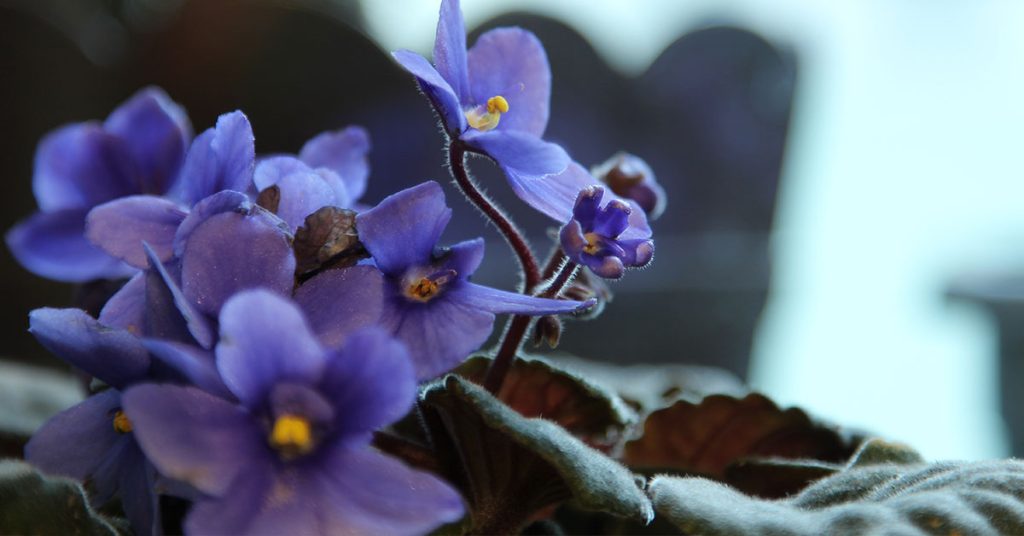
One of my favorite plants for brightening a shady corner is the African Violet, native to the cloud forests of Tanzania and Kenya. Its velvety leaves and clusters of lavender, pink, or white flowers can bloom nearly year-round—if you keep the temperature between 65°F and 75°F. Once the mercury climbs into the 80s°F, African Violets start suffering: their leaves curl, buds abort mid-formation, and the fuzzy texture can become a dust magnet, inviting mealybugs or thrips to take up residence. Fortunately, they’re not invasive in containers, but I do carefully remove any stray plantlets that root in spilled potting mix to maintain a tidy display.
Indoor wildlife sightings around African Violets are rare, but I’ve noticed aphids occasionally hitchhike in on nearby vegetables or herbs, seeking the violet’s tender new growth. If I spot tiny green or black aphids, I gently spray the leaves with a diluted insecticidal soap—always from below to protect those delicate blooms—and then wipe off any sticky honeydew they leave behind. Occasionally, fungus gnats hover about if the soil stays too moist in summer, so I let the topsoil dry slightly between waterings. Because I often place my African Violets on a north-facing windowsill, they enjoy bright but diffused light. If heatwaves hit, I relocate them to a cooler hallway or bathroom with indirect light, and that adjustment often saves the next bloom cycle!
Jasmine (Jasminum polyanthum)
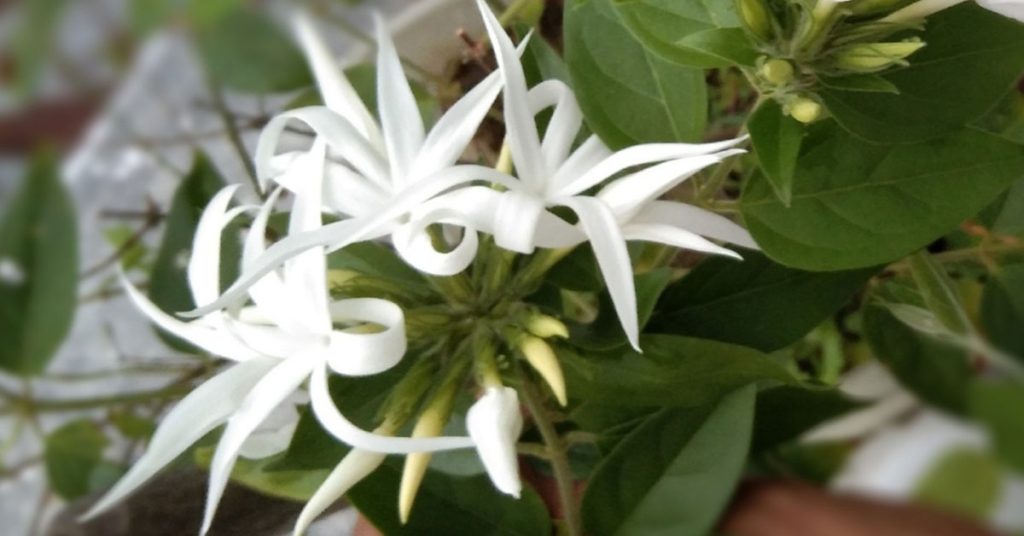
Jasminum polyanthum, also called pink jasmine or winter jasmine, is native to China and Myanmar, where it thrives in mild temperatures and cool mountain slopes. With its clusters of strongly scented, white star-shaped flowers and glossy green foliage, winter jasmine can be trained on indoor trellises—if you keep it cool. When indoor temperatures climb beyond 75°F in summer, jasmine becomes prone to dropping its buds before they open, and the foliage can scorch under too-intense sunlight. Though winter jasmine is vigorous, it rarely becomes invasive indoors; the only way it spreads is if you propagate cuttings in water or spare potting mix.
Wildlife interactions indoors are minimal, but if you move Jasminum outdoors during warm spells, you might see small native bees investigating the fragrant blooms, eager to sip their nectar. Indoors, be on the lookout for spider mites and scale insects during hot, dry summers—especially if you forget to mist the leaves. To prevent these pests from nesting, I place my jasmine near a cool window and keep humidity up by setting the pot on a tray of damp pebbles. If buds start to wither, I give it a cool evening in an unair-conditioned room to simulate its native mountain nights, and soon I’m rewarded with that intoxicating fragrance again!
Kalanchoe (Kalanchoe blossfeldiana)
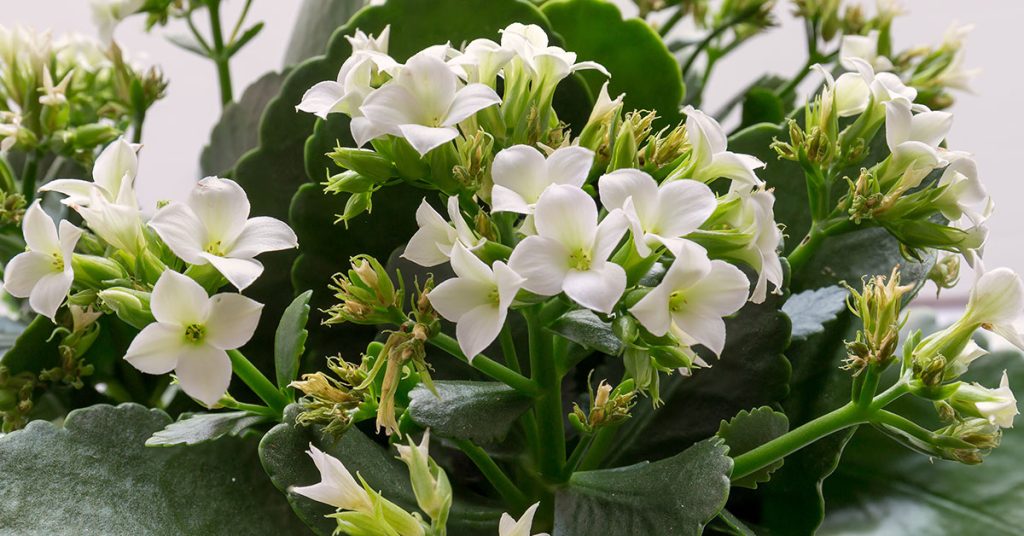
Kalanchoe blossfeldiana, native to the Madagascan highlands, is a succulent with clusters of small, bell-shaped flowers in red, pink, orange, or yellow. It’s a top pick for indoor growers because its waxy, succulent leaves store moisture during drier months. However, despite its succulent nature, Kalanchoe is surprisingly sensitive to sustained high heat—if daytime indoor temperatures exceed 80°F for several days, the plant’s cells can break down, causing wilted leaves or aborted flower buds. While Kalanchoe can self-propagate from leaf or stem cuttings, it rarely takes over your home—no invasiveness to worry about in containers, so long as you keep stray leaflets removed.
Kalanchoe’s nectar-rich blooms, if placed near a sunny window, can occasionally lure small hoverflies or parasitic wasps indoors—both beneficial insects that pollinate and tackle aphids. Yet, when heat builds, I’ve noticed aphid colonies establishing on the undersides of the fleshy leaves, sucking out precious sap. I combat this by wiping leaves with a damp cloth and applying neem oil, all while moving the pot to a cooler room with bright, indirect light. If you see the plant stretching (etiolation) away from the light source, it’s a sign it’s not only too hot but also seeking more moderate illumination. By keeping Kalanchoe in a room below 80°F and shielding it from harsh afternoon sun, you’ll preserve those cheerful clusters for weeks longer!
Gerbera Daisy (Gerbera jamesonii)
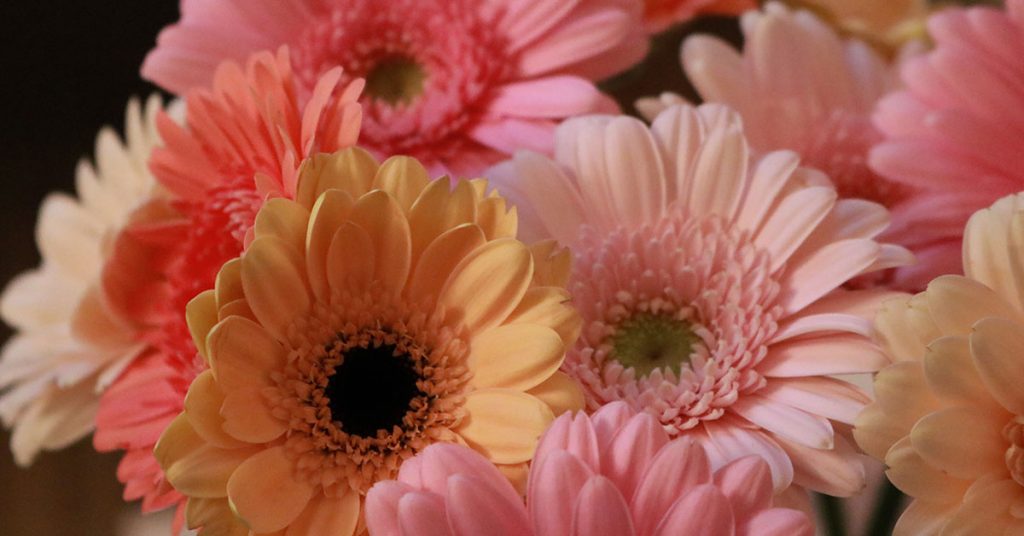
Gerbera jamesonii, originally from the sunny plains of South Africa’s Drakensberg Mountains, graces indoor spaces with bold blooms in red, pink, orange, yellow, and white. Its glitzy daisies perch atop long stalks, making it a go-to for indoor bouquets. Despite its origin in a warm region, it actually prefers cooler nights and consistent temperatures between 65°F and 75°F—anything above 80°F can cause bud drop and poor flowering. Gerbera isn’t considered invasive in pots, though it can reseed readily in garden beds outdoors. Indoors, it tends to stay contained as long as you deadhead spent blooms promptly.
During its blooming season, Gerbera daisies can draw in tiny pollinators—like small solitary bees—if you place it on a covered porch, but inside, those showy petals mainly risk attracting fungus gnats if the soil remains too moist in summer heat. I usually water from the saucer to avoid splashing water on the leaves and base, which can invite root rot or fungus. Aphids can be a problem too, especially when buds form quickly in warm conditions, so I scout weekly for sticky residue or curled leaves. If any aphids appear, I blast them off with a spray of lukewarm water and follow up with a light foliar feed to keep the Gerbera vigorous. An east-facing window offers bright morning light without scorching midday rays—perfect to keep those daisies perky when the heat climbs!
Amaryllis (Hippeastrum × hybridum)
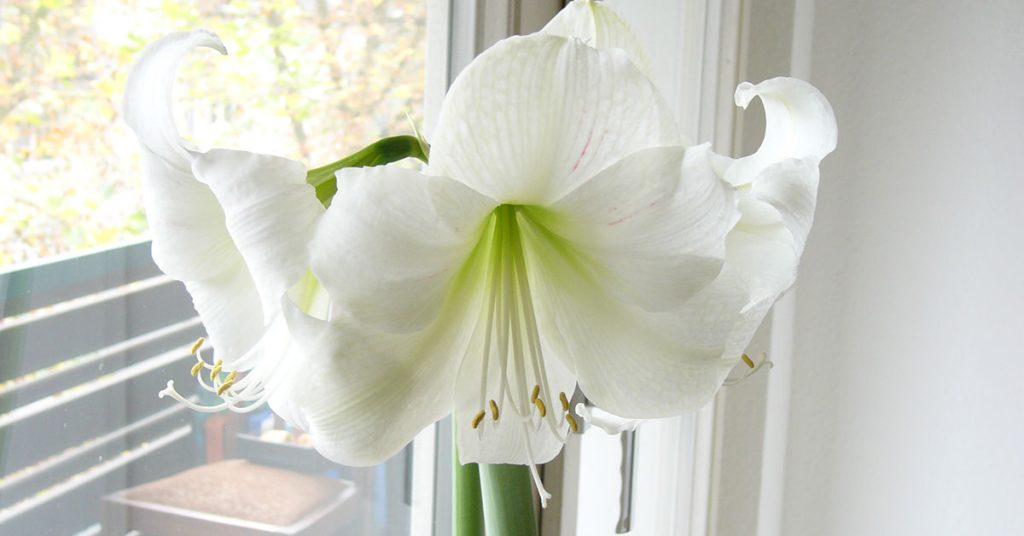
Amaryllis hybrids, descended from South American species like Hippeastrum reginae, are celebrated for their oversized, trumpet-shaped blooms in red, pink, white, and variegated patterns. Typically forced to bloom indoors in winter, many grow outdoors in summer—yet if you keep an Amaryllis indoors through summer, be mindful: temperatures above 80°F can cause leaves to yellow prematurely, and flower stalks can_withers before full bloom. Though amaryllises form offsets underground, they aren’t invasive indoors; you’ll only find new bulbs popping up in the pot if you leave them in deep, loose soil for several seasons.
Amaryllis flowers are big favorites among hummingbirds if planted on a sheltered balcony but indoors are much less likely to attract wildlife. However, they can host spider mites and mealybugs when stressed by heat. I recall one sweltering July when I came home to find mealybugs clustering in the leaf axils; I immediately isolated the plant, wiped each bug away with a cotton swab dipped in rubbing alcohol, and moved the pot to a cooler, slightly shadier spot. To avoid that scenario, I water Amaryllis sparingly when temperatures soar—letting the top inch of soil dry—and ensure it gets bright but indirect light. That way, when fall arrives and nights begin to cool, I have a vigorous bulb ready for forcing again!
Hibiscus (Hibiscus rosa-sinensis)

Hibiscus rosa-sinensis, commonly called tropical hibiscus, is native to East Asia but thrives in many warm regions worldwide. Its flamboyant, five-petaled flowers—ranging from deep crimson to sunshine yellow—can bloom nearly year-round in ideal conditions. Yet indoors, temperatures above 85°F can spell trouble: hibiscus petals scorch, leaves drop, and flower buds abort. While hardy hibiscus species can be invasive in some garden settings, tropical hibiscus grown as houseplants seldom spread; they remain a centerpiece, not a takeover threat.
When placed near a sunny window, hibiscus can attract hummingbirds and small butterflies if you move it outside for patio brightening. Indoors, though, it’s more likely to harbor whiteflies and spider mites when heat and low humidity combine. One summer, I found my hibiscus leaves dotted with whitefly eggs—tiny, oval, and translucent—along the leaf undersides. I treated them with insecticidal soap and gave the plant a cool bath, wiping both sides of each leaf. To prevent heat stress, I position my hibiscus near a north or east window, away from heating ducts, and keep indoor humidity above 50% by clustering it with other plants. That extra care ensures those huge, saucer-like flowers stay stunning despite July’s heat waves!
Peace Lily (Spathiphyllum wallisii)
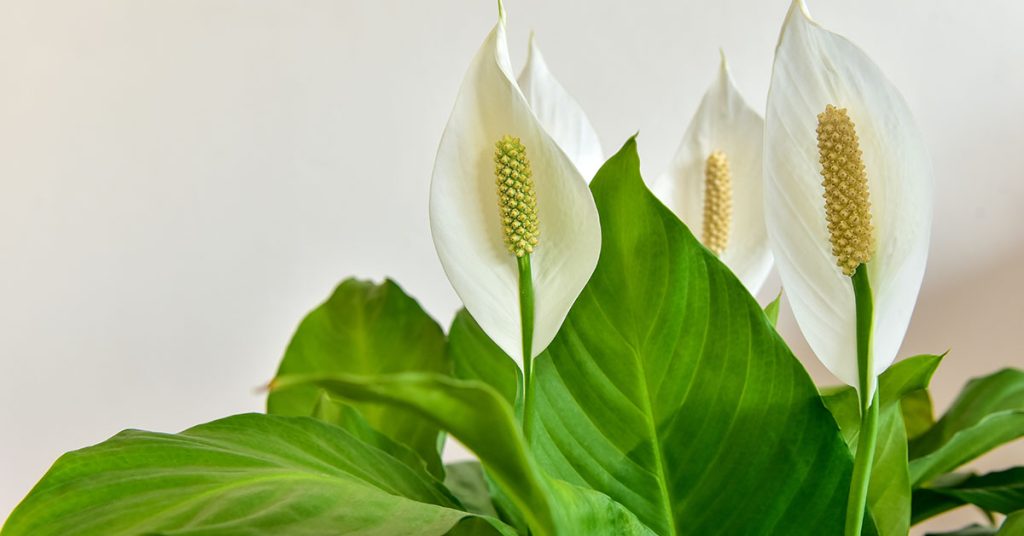
Spathiphyllum wallisii, affectionately called peace lily, is native to tropical rainforests of Central and South America—where consistent humidity and dappled sunlight are the norm. Its glossy green leaves and white hood-like spathes (often mistaken for flowers) brighten shady indoor corners. But once indoor temperatures climb above 80°F, peace lilies start drooping dramatically; their leaves wilt and their creamy-white spathes yellow prematurely. Fortunately, they’re not invasive; most container-grown peace lilies stay contained to that pot, though in tropical climates they can naturalize outdoors if dumped in garden beds.
When my peace lilies droop from heat, I can almost hear them gasping for a cool drink—so I move them away from direct sun into a more temperate spot and lightly mist the foliage. They rarely attract pollinators indoors, but during summer’s high humidity, I’ve noticed aphids or mealybugs settling at the base of new leaves. A quick wipe with a damp cloth and a gentle application of neem oil usually sends them packing. Peace lilies thrive in bright, indirect light, so in high-heat months, I keep them away from west- or south-facing windows and ensure good air circulation. That way, when temperatures dip a bit in autumn, their spathes will stand tall and proud once again!
Cyclamen (Cyclamen persicum)
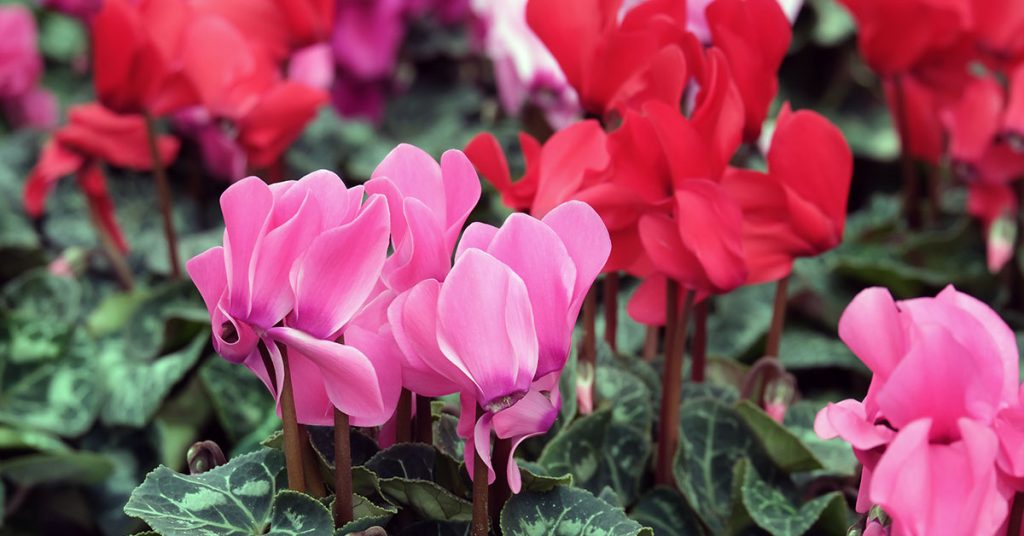
Cyclamen persicum, native to the cool, rocky soils of the Eastern Mediterranean—Turkey, Lebanon, and Syria—delights indoor gardeners with its upswept petals in pink, red, or white. In its native habitat, summer heat forces it into dormancy; indoors, temperatures above 75°F can cause leaves to yellow and flowers to shrivel prematurely. While cyclamen can self-seed outdoors in mild climates, it’s not invasive in containers—any volunteer seedlings are easy to remove when they appear. To keep cyclamen happy, I give it bright, indirect light and maintain cooler conditions around 60°F to 70°F for optimal blooming.
Indoor wildlife interactions are rare, but if you move cyclamen out to a shaded patio in spring, you may see small bees or hoverflies investigating its unusual blooms. Inside, cyclamen sometimes attract fungus gnats if the soil remains too damp; to avoid that, I water sparingly—at the rim of the pot—and let the top inch of soil dry slightly between waterings. In one particularly hot July, I noticed a family of mealybugs hiding among the roots just below the soil surface—an annoying surprise! I repotted the plant in fresh, airy medium and treated it with a mild insecticidal drench. Since then, whenever summer heat ramps up, I place cyclamen in a cooler room—often the laundry room or a north-facing bedroom—where the air stays crisp. Their nodding, butterfly-like blossoms are well worth the extra effort!
Begonia (Begonia × semperflorens-cultorum, Wax Begonia)
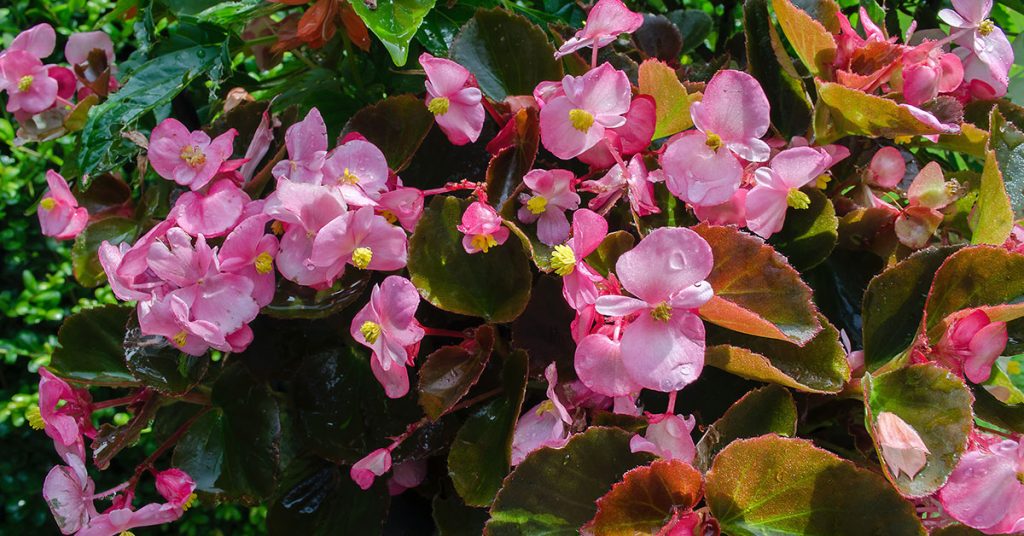
Begonia × semperflorens-cultorum, commonly called wax begonia, is a hybrid derived from begonias native to Africa, Asia, and the Americas. Its glossy leaves—sometimes dark bronze, other times variegated—and clusters of pink, red, or white flowers bring constant cheer to low-light spots. Despite its tropical ancestry, wax begonia can be surprisingly sensitive to indoor heat: above 80°F, its leaves yellow, flowers drop, and the plant may go dormant. Wax begonias aren’t invasive indoors—any new seedlings pop up only if you overwater and let bits of rhizome take root, but they’re easy to spot and remove.
Wax begonias can attract fungus gnats if their potting soil remains too damp during hot summer days; I’ve also battled root aphids that tunnel into the soil and suck sap from the base of the stems. My strategy is to repot in a light, well-draining mix, water from below to avoid wetting the foliage, and keep the plant in bright, indirect light away from heat vents. They rarely draw pollinators indoors, though if you place them outside in the spring, bees occasionally visit the nectar-rich flowers. When indoor heat soars, I move my wax begonias to the cool basement landing, ensuring they still receive bright, filtered light. That relocation usually revives blooms and keeps those pansy-like flowers coming through late summer!
Gardenia (Gardenia jasminoides)
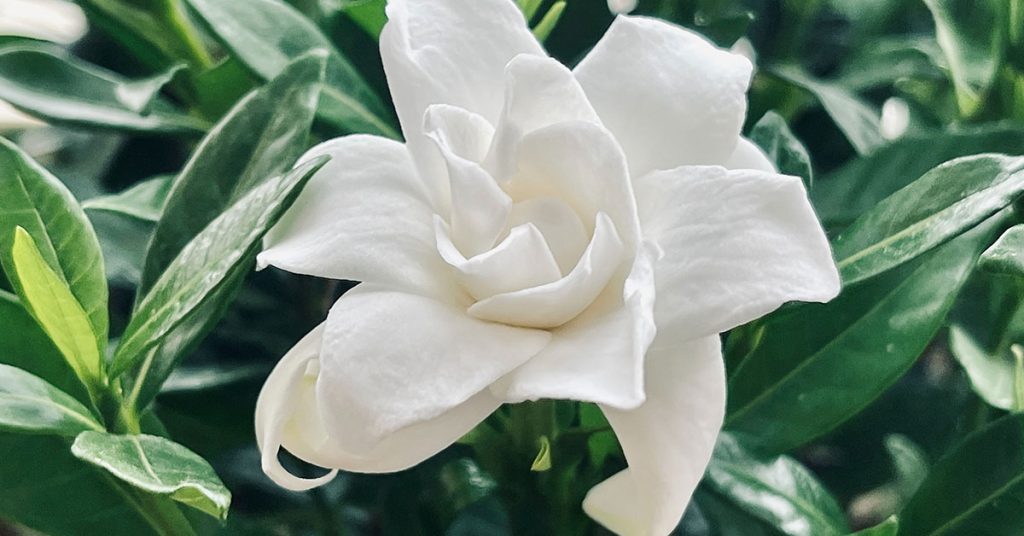
Gardenia jasminoides, known for its intoxicating, creamy white blooms, is native to tropical and subtropical Asia—China, Japan, and India. Often grown in bright indoor spots, gardenias need consistent moisture and cooler nights around 65°F to 70°F to set buds. Once indoor temperatures climb above 75°F in summer, gardenias sulk: buds drop before opening, leaves yellow, or the plant becomes susceptible to spider mites and whiteflies. Because gardenias prefer slightly acidic, well-draining soil, I often mix in ericaceous compost to keep pH between 5.0 and 6.0—any higher pH can lead to chlorosis, especially under heat stress. Gardenias don’t become invasive in pots, but they can naturalize in garden soils in warm climates when given the right acidity.
Though not typically indoor magnet plants for wildlife, if you move gardenias outdoors during summer, they attract hawkmoths and lesser sphinx moths at dusk—nocturnal pollinators drawn by the heavy fragrance. Indoors, keep an eye out for mealybugs nesting between dense, glossy leaves and beneath buds; a single wipedown with rubbing alcohol on a cotton swab can thwart an infestation before it spreads. I once lost half my buds to mealybugs during a blistering June, so now I inspect the foliage weekly and maintain higher humidity by clustering gardenias together on a tray of damp pebbles. Placing mine on an east-facing windowsill shields it from harsh afternoon rays, helping those lush, waxy petals stay pristine even when the room feels like a steam room!
Anthurium (Anthurium andraeanum)

Anthurium andraeanum, or flamingo flower, is native to the tropical rainforests of Colombia and Ecuador, where it grows under dense canopy in cool, moist air. Its glossy, heart-shaped leaves and bright red or pink spathes (often mistaken for petals) perched atop slender stems create a dramatic focal point. When indoor temperatures exceed 80°F, anthuriums often drop buds, develop brown leaf edges, or slow new growth drastically. This plant doesn’t become invasive in containers, but in tropical outdoor settings, its fleshy roots can creep into surrounding beds if left unchecked. A well-draining orchid mix or a blend with peat works best to prevent root rot, especially when indoor heat threatens to dry out the potting medium.
Anthuriums occasionally attract tiny hoverflies or small syrphid flies if you crack a window—these beneficial insects can help control sap-sucking pests like aphids. However, in a hot, stuffy room, spider mites and scale insects love to take up residence on the undersides of large leaves. To keep anthurium happy, I mist its broad leaves daily and provide bright, indirect light—no direct afternoon sun, which can scorch those delicate spathes. During a particularly sizzling July, I moved mine to a bathroom with ample natural light and hung a small fan to circulate air. That simple shift cut down on humidity spikes and heat stress, ultimately saving my anthurium’s glossy foliage and spathes from permanent damage!