

I’ll be honest—when my water bill skyrocketed last summer, I felt that familiar pang of frustration. Between balancing work, family, and trying to keep the garden alive, it’s such a bummer when every drip of water feels like a luxury! But then I discovered the world of drought-tolerant plants: hardy varieties that not only survive with minimal moisture but also reward you with beautiful blooms, pollinator splendor, and low-maintenance charm. In this article, I’m thrilled to share eleven of my absolute favorite drought-tolerant stars—each chosen for its ability to thrive on neglect, cut down on your water usage, and save you both time and cash.
As a gardener, I’ve battled scorching sun, cracked soil, and fickle summer storms, and through trial (and occasionally error!), I’ve found plants that practically love “forgetful” care. Whether you live in a parched climate or simply want to lighten your irrigation routine, these eleven choices—ranging from Mediterranean natives to North American prairie survivors—bring resilience, wildlife benefits, and irresistible beauty to your landscape. I can’t wait to tell you about them, so let’s dive into these drought-tolerant wonders (in no particular order) and discover why each one deserves a spot in your garden!
Salvia (Salvia greggii)
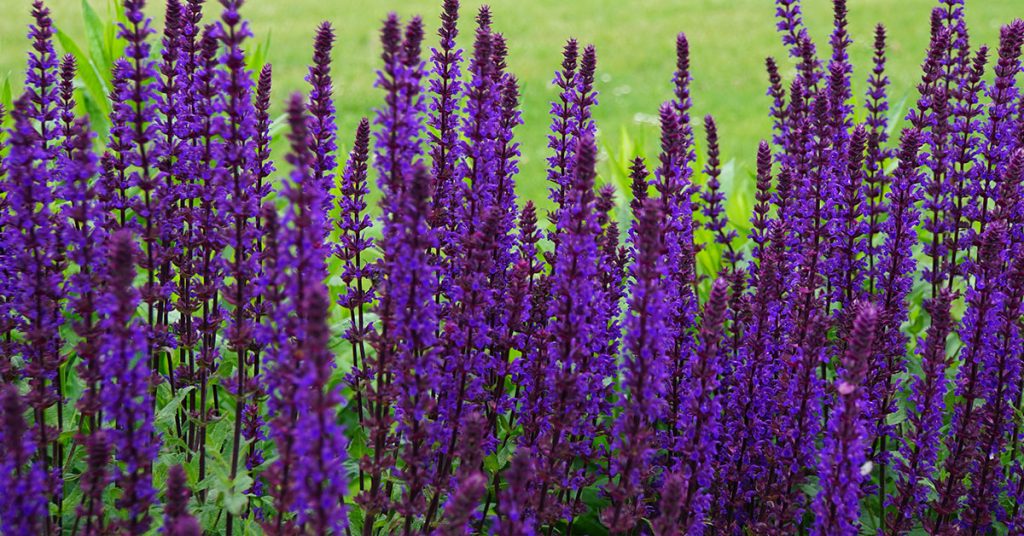
One of my favorite plants for hot, dry spots is Salvia greggii, also known as autumn sage. Native to the arid regions of Texas and Mexico, it’s perfectly adapted to long, sun-drenched days, surviving on surprisingly little supplemental water once established. The silvery-green foliage is covered with tubular blooms that come in fiery reds, soft pinks, and purples—depending on the cultivar—throughout much of the growing season. Though some Salvias can spread, S. greggii generally stays well-behaved and never shows up uninvited. Its woody stems add structure to rock gardens and borders, and I find pruning it back lightly after spring encourages a fresh flush of flowers for summer!
Beyond its toughness, Salvia greggii is a hummingbird magnet. I’ve spent many June afternoons sipping iced tea on the porch, watching ruby-throated hummingbirds dart among its blooms, their wings humming like tiny turbines. The long, narrow corollas are tailor-made for hummingbird beaks, but bees and butterflies also delight in its nectar. If you leave a few flower stalks unmown through winter, cavity-nesting bees—like small carpenter bees—sometimes establish nests in the hollow stems. It’s such a thrill to know that by choosing this resilient sage, I’m also providing habitat for pollinators that keep my entire garden healthy!
Agave (Agave americana)
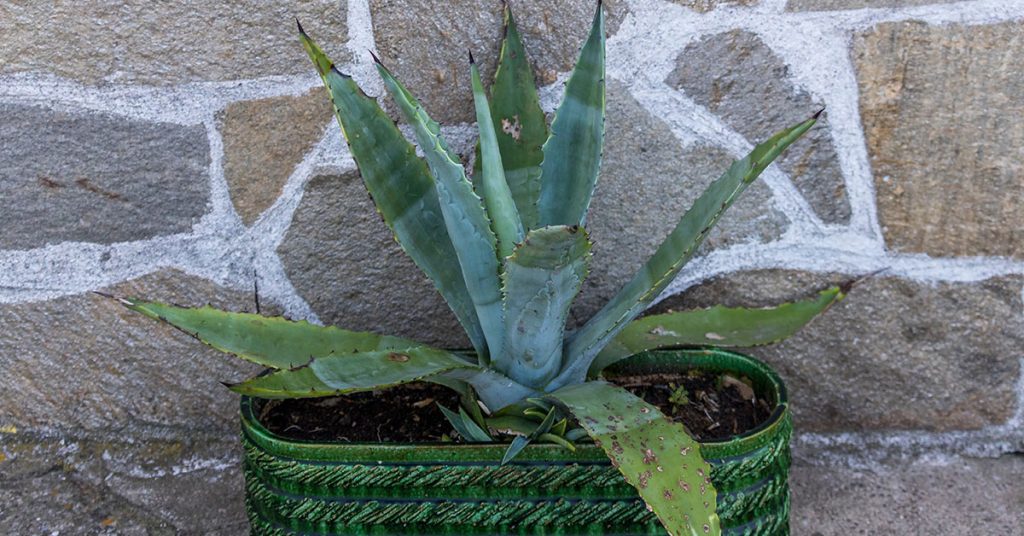
Agave americana, the iconic century plant, hails from arid regions of Mexico and Texas, where rainfall can be scarce for months on end. Its dramatic rosettes of blue-green, spiky leaves make a bold architectural statement in xeriscapes and container plantings. While it’s called “century plant” because of its slow life cycle, most Agaves bloom between 10 and 30 years—far sooner than a century! After it sends up its towering flower stalk (which can reach 20 feet when mature), the rosette typically dies back, leaving behind basal pups that can be transplanted. None of my neighbors have complained about Agave spreading invasively in my garden—its pups are easy to control if you give them space or remove extras by digging.
Agave americana doesn’t just tolerate drought; it uses Crassulacean Acid Metabolism (CAM) photosynthesis, opening stomata at night to conserve daytime moisture—a nifty adaptation from its desert origins. While it’s not host to nesting birds in the same way as some shrubs, birds often perch on its sturdy, upright flower stalks to scout the yard. Hummingbirds and bees sip nectar from the tubular blooms, and bats sometimes feed on agave pollen in warmer regions. Because its leaves store water, small rodents may nibble around the base during prolonged dry spells—something to watch for! Once I noticed tiny debarking around the center, I installed a simple wire mesh barrier for protection, and the pups soon flourished without interference.
Yarrow (Achillea millefolium)
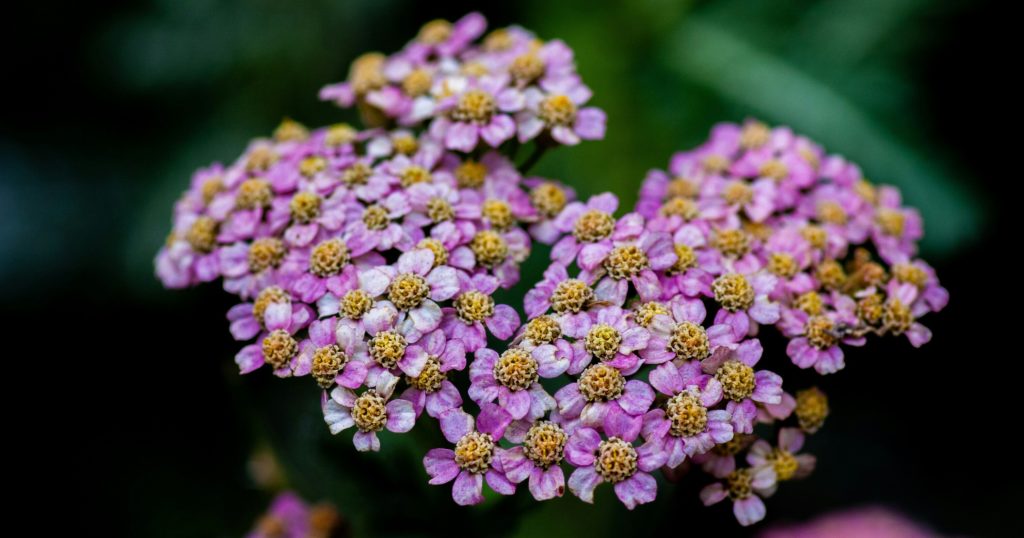
Yarrow (Achillea millefolium) is a North American native (and also found across Eurasia) often seen gracing prairies and roadsides with its flat-topped clusters of white, pink, or yellow flowers. Its fern-like, aromatic foliage emerges early in spring, and by June, the blooms open wide, alerting pollinators from miles away. This plant is famously drought tolerant—once established in well-draining soil, it rarely needs supplemental watering. A note of caution: in very fertile gardens, yarrow can become aggressive, self-seeding prolifically. That said, I’ve never considered it invasive in my Colorado garden; a light deadheading after the first flush easily keeps seedlings under control.
From a wildlife perspective, yarrow is a superstar. Beneficial insects like lady beetles, lacewings, and hoverflies flock to its umbels to feed on nectar and lay eggs—slurping up aphids before they can wreak havoc on nearby roses or vegetables. Ground-nesting bees sometimes excavate nests beneath its dense foliage, finding shelter amid the feathery leaves. Butterflies such as swallowtails and fritillaries savor its nectar. I can’t tell you how many times I’ve bent down to inspect the underside of a yarrow bloom to find clusters of predatory wasp eggs—nature’s pest control right in my backyard! Plus, deer and rabbits generally leave it alone, making it perfect for unprotected gardens.
Echinacea (Echinacea purpurea)

If you’ve ever wandered a North American prairie, you’re likely familiar with the iconic purple cone of Echinacea purpurea, commonly called coneflower. Native to the central and eastern United States, this perennial is as tough as they come—tolerating heat, drought, and poor soils with remarkable grace. The large daisy-like petals surround a spiky central cone that turns rust-orange as it matures. Though coneflower spreads somewhat by rhizomes, it’s not considered invasive in most climates. Because I hate to spend time pulling out unwelcome seedlings, I love that Echinacea complements well-behaved neighbors instead of taking over.
Beyond its low-water needs, Echinacea is a magnet for pollinators and beneficial wildlife. Bumblebees and native solitary bees dive into each flower head to gather pollen, while butterflies like monarchs and swallowtails sip the nectar. Once the petals fade, goldfinches and other seed-eaters perch on the sturdy stems, gleaning nourishment from the dried cones. I always leave a few seed heads standing for winter interest and bird habitat—watching small flocks of American goldfinches flit among them is one of my favorite cold-season delights. And since it’s resistant to deer browsing, Echinacea remains a reliable performer when hungry does wander by.
Yucca (Yucca filamentosa)
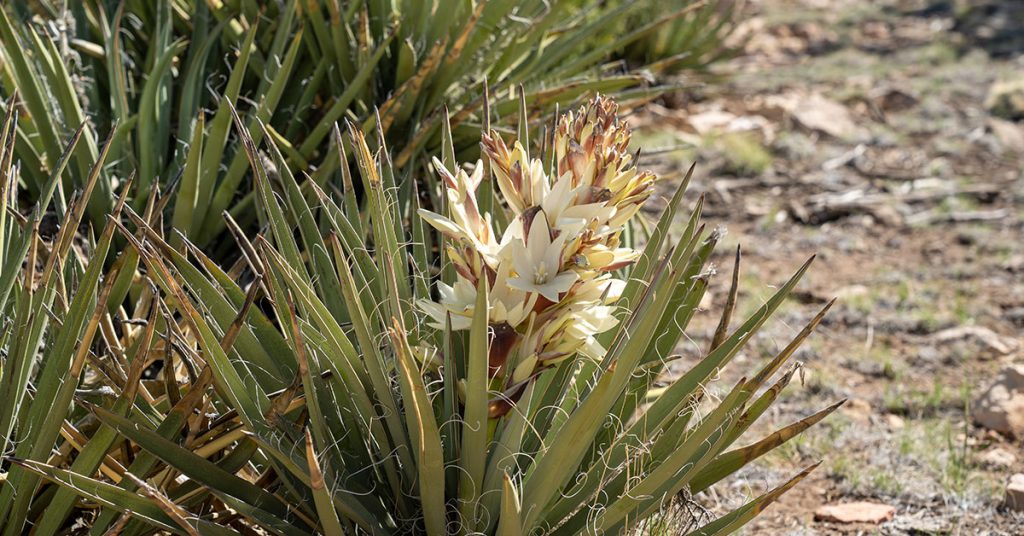
Yucca filamentosa, commonly known as Adam’s needle or yucca, is native to the eastern United States, thriving in sandy soils and coastal dunes where rain is scarce. Its stiff, sword-like leaves form a dramatic basal rosette that can reach three feet across, and in early summer, it sends up a towering stalk of creamy-white bell-shaped flowers. These architectural accents make yucca a natural focal point in dry gardens. While yucca can spread by underground rhizomes, it’s not typically considered invasive; I’ve never had it creep into my flower beds uninvited, though giving each clump space to grow is wise.
Yucca has a famous mutualism with the yucca moth (Tegeticula maculata), a relationship dating back millennia. The female moth pollinates the flowers while laying her eggs inside—they’re the only insect that can navigate the yucca’s pollen chamber. Once the larvae hatch, they feed on some of the developing seeds, yet leave enough seeds for the plant to reproduce. This delicate dance ensures both species’ survival! Hummingbirds occasionally perch on the flower stalks, but it’s primarily the nocturnal moths that visit. Small birds, like sparrows, may nest at the base of older, dried rosettes, finding camouflage among the fibrous leaf margins. I once discovered a wren’s nest tucked under a dying uprooted clump—proof that even dramatic desert-dwellers can provide cozy habitat!
Lavender (Lavandula angustifolia)
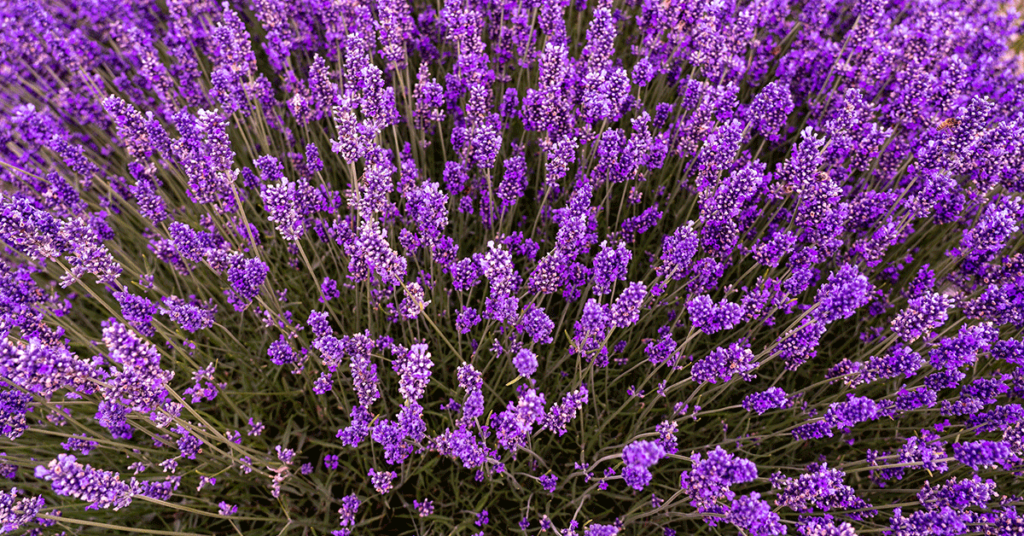
Whenever I think “drought-tolerant,” I can’t help but smile at lavender fields in Provence, France—rows of silvery-green foliage crowned with fragrant purple spikes. Lavandula angustifolia, or English lavender, is native to the Mediterranean region, where rock-strewn soils bake under the sun. This hardy perennial flourishes with minimal water once established; in fact, overwatering can lead to root rot. Lavender spreads modestly, forming neat mounds about two feet wide, but it’s not invasive if you plant it in well-draining soil and give it adequate air circulation. In my garden, I prune back the older wood each spring to encourage vigorous new growth and prevent the center from becoming woody.
Lavender’s real magic unfolds in the pollinator realm. Bumblebees, honeybees, and native solitary bees all vie for the nectar hidden deep within each bloom. I’ve spent countless mornings wandering the garden, breathing in that intoxicating scent while watching bees buzz from flower to flower. Butterflies—particularly swallowtails and skippers—also visit, and hummingbirds occasionally investigate! As blooms fade, I harvest the flower spikes for fragrant sachets or culinary uses, knowing I’m supporting wildlife every step of the way. Lavender’s resinous foliage also deters deer and rabbits, so I can rest easy that my investment—both time and water—is well protected from hungry browsers.
Lantana (Lantana camara)

Lantana camara, native to tropical regions of the Americas, brings kaleidoscopic clusters of red, orange, yellow, and pink blooms throughout summer and into fall. In warmer climates (USDA zones 9–11), it behaves as a sprawling shrub or groundcover; in cooler regions, it can be grown as an annual or overwintered indoors. But a word of caution: in many parts of the world—especially Australia and parts of Africa—Lantana camara is considered invasive, capable of overtaking pastureland and outcompeting natives. In my garden, I grown Lantana in large containers with well-draining soil to keep it contained, trimming back any wayward shoots in spring to prevent accidental spread.
Despite that caveat, Lantana is a butterfly magnet! Swallowtails, monarchs, and painted ladies flock to its fragrant umbels, sipping nectar while adding a burst of color to my patio. Hummingbirds occasionally investigate, though they often prefer tubular flowers. The rough, aromatic foliage emits a pungent scent when crushed—some gardeners say it repels deer and rabbits, though results vary. If you’re planting in the ground, choose sterile or non-invasive cultivars recommended for your region. I once watched a small flock of finches feasting on the black berries formed later in the season; though these berries can be mildly toxic to humans, birds seem unfazed. By providing consistent blooms, Lantana does wonders to keep pollinators and wildlife engaged from June through frost!
Russian Sage (Perovskia atriplicifolia)
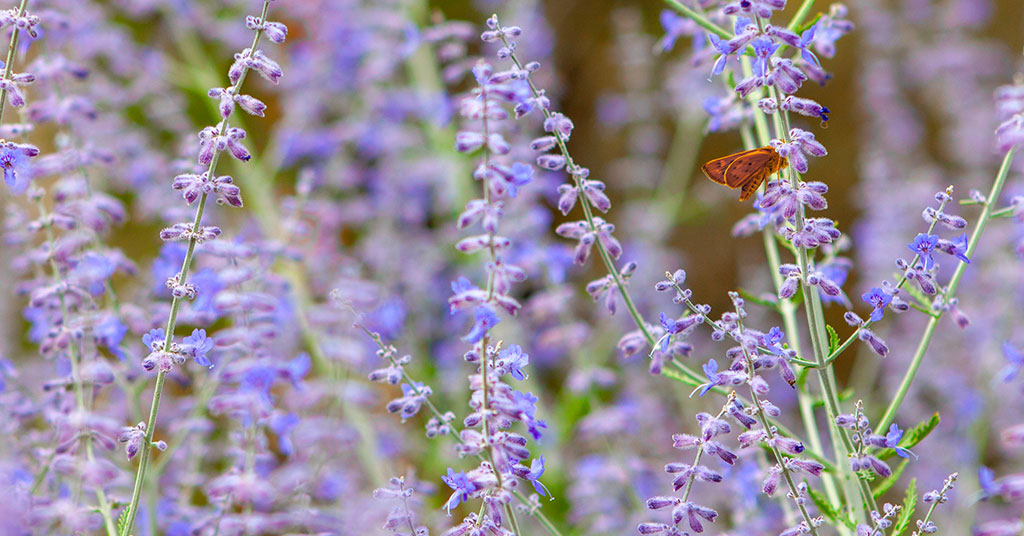
Russian sage is one of those plants I always recommend to fellow gardeners facing harsh summers and poor soils. Native to Central Asia—particularly Afghanistan, Pakistan, and Tibet—Perovskia atriplicifolia sports silvery foliage and airy spires of lavender-blue flowers from mid-summer onward. It thrives in full sun, tolerates a variety of soils (even alkaline or sandy), and once it’s established, you can forget about watering for weeks! Though it can self-seed in some gardens, I’ve never seen it become invasive in my yard; it tends to stay where you plant it, forming neat, mounding clumps up to three feet tall and three feet wide.
Beyond its drought tolerance, Russian sage is an absolute pollinator favorite. Bumblebees, honeybees, and native mason bees dive into the flowers, their buzzing amplified against the mounded foliage. In cooler evenings, you might even spot hummingbirds investigating the blooms—though they usually visit when other nectar sources diminish. Ground-dwelling beneficial insects, like lady beetles, find refuge among its lower branches, scouting for aphids on nearby shrubs. Plus, deer and rabbits often avoid it, likely due to the aromatic oils in its leaves. I love how its silvery stems provide winter interest, too—snow dusted over its structure looks like a scene from a fairy tale!
Penstemon (Penstemon digitalis)
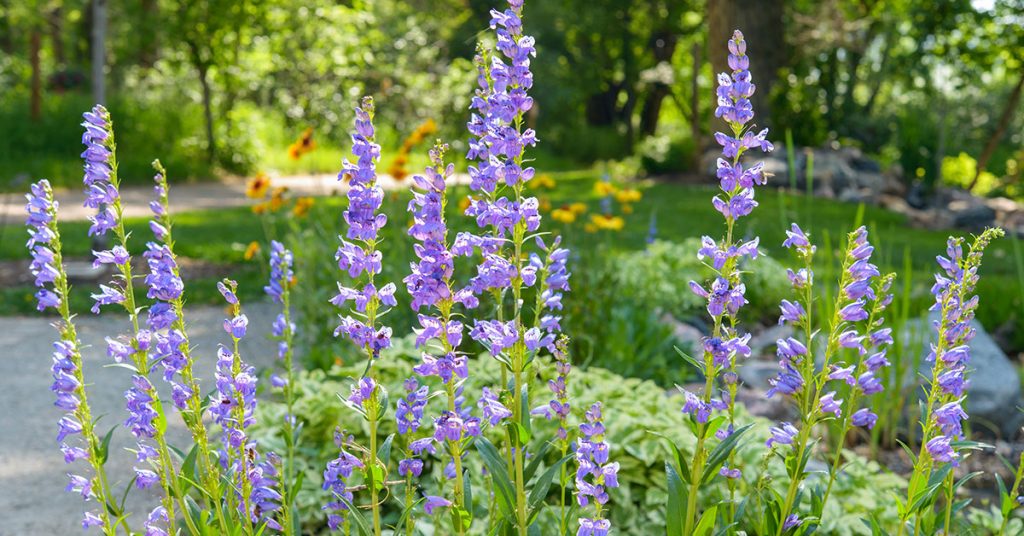
Penstemon digitalis, commonly called foxglove beardtongue, is native to prairies and open woodlands in eastern and central North America. Its upright spikes of white to pale pink tubular flowers appear in late spring to early summer, and the gray-green foliage remains attractive throughout summer, even under drought stress. This plant isn’t invasive; it self-seeds lightly but rarely becomes a nuisance. I’m always thrilled when I spot new seedlings pop up near the parent plant, knowing they’ll fill in gaps and add continuity to the border—but if you prefer a tidier look, simply deadhead spent blooms before seeds mature.
From a wildlife perspective, Penstemon digitalis is a hummingbird favorite—those tubular blossoms are perfectly shaped for their feeding! Bumblebees and long-tongued bees also venture deep into the corollas to collect nectar and pollen. In early seasons, cavity-nesting bees sometimes nest in tiny holes at the base of the stems. I once found a small colony of mining bees seeking refuge under a row of Penstemon, and I left a few stems in place over winter for them. Since deer usually ignore Penstemon, I feel confident planting it in vulnerable areas. Its upright structure also provides a dramatic vertical accent, drawing the eye and offering a delightful surprise for wildlife throughout summer!
Sedum (Sedum spectabile)
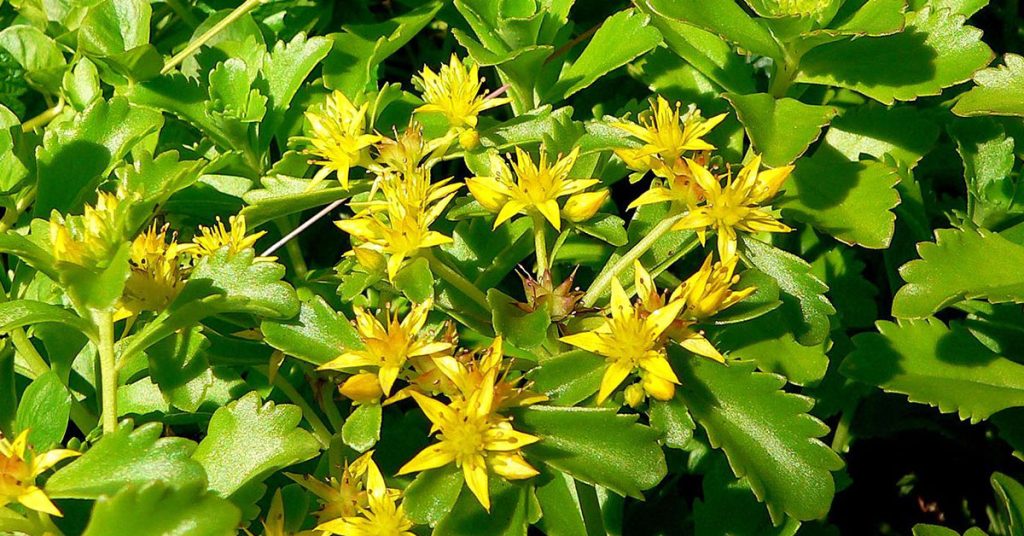
Sedum spectabile, often called showy stonecrop or ice plant, hails from Eastern Asia—China and Korea—where it colonizes rocky slopes and sandy soils. Its fleshy, succulent leaves store water, making it incredibly forgiving in hot, arid conditions. By late summer, flat-topped clusters of rosy-pink flowers top sturdy stems about 1–2 feet tall, standing resilient even under drought stress. While Sedum spectabile spreads gradually via rhizomes, it’s not generally invasive; any wayward shoots are easy to remove with a quick tug. I love slipping a piece into rocky crevices or along dry garden edges, where it cascades gracefully.
Sedum’s late-summer blooms are a lifeline for pollinators when many other species have faded. Bees—especially honeybees and bumblebees—buzz over the nectar-rich flowers, sometimes sending vibrations through entire patches as they forage. Butterflies like painted ladies and satyrs also alight on the clusters, sipping at dusk when temperatures cool. In autumn, those flat flower heads provide a perching spot for lady beetles hunting aphids on neighboring plants. Even into winter, the sturdy seed heads offer perches for small birds like sparrows, which glean any seeds or overwintering insects. I often pause to admire how Sedum remains unflinching in August sun, a testament to its desert-honed resilience!
Rosemary (Rosmarinus officinalis)

Rosmarinus officinalis, or rosemary, is another Mediterranean darling that thrives on neglect once established. Native to coastal regions of the Mediterranean, its needle-like evergreen leaves release a heady aroma when brushed by summer breezes. In addition to its culinary fame, rosemary’s tolerance for poor, rocky soils and prolonged dry spells make it a go-to in drought-tolerant landscapes. While some varieties can become woody over time, most remain compact shrubs up to three feet tall and wide, rarely proving invasive. A yearly light pruning after flowering keeps it shapely and encourages fresh new growth.
Wildlife adores rosemary, particularly pollinators. Honeybees swarm its early spring to mid-summer blooms—each tiny pale-blue flower packed with nectar. I’ve watched bumblebees clinging upside-down under the blooms, their pollen-laden legs shaking in delight. Occasionally, small birds like finches perch among the branches, sheltering from wind and gleaning any leftover seeds or insects. Cavity-nesting bees sometimes excavate nests in the soft soil beneath the shrub, taking advantage of the dappled shade it provides. Deer tend to avoid rosemary, perhaps deterred by its pungent oils—a relief when hungry does roam the perimeter. I often harvest sprigs from my sprawling rosemary bush, mindful that each cut branch still supports wildlife in my garden!