
Father’s Day is a time to honor the special men in our lives—those who have guided us, taught us, and supported us through thick and thin. One of my favorite ways to show appreciation is by gifting a beautiful bouquet or potted flower that speaks to dads with a green thumb (or those who simply enjoy a burst of color!). I know how it feels to want something meaningful yet low-maintenance, something that can bring joy both on the day itself and well beyond. Whether your dad loves tending to his vegetable patch, has always wanted a striking accent plant, or simply delights in bright summer blooms, this list of 14 flowers has something for every dad’s taste.
As a gardener who’s had more than my share of trial-and-error (I still cringe remembering when slugs devoured my first hostas!), I understand the frustration of picking the wrong plant for a sunny spot or choosing an invasive variety by mistake. That’s why each flower below comes with insights into its native origins, potential invasiveness, and the ways it interacts with pollinators and beneficial insects—like bees nesting nearby or butterflies fluttering in. Expect two in-depth paragraphs on each flower, bursting with gardening tips, empathy for common pitfalls, and a gardener’s excitement for sharing something special. So grab a cup of coffee, and let’s explore these 15 fantastic flowers that will make any dad’s heart bloom this Father’s Day!
Hydrangeas
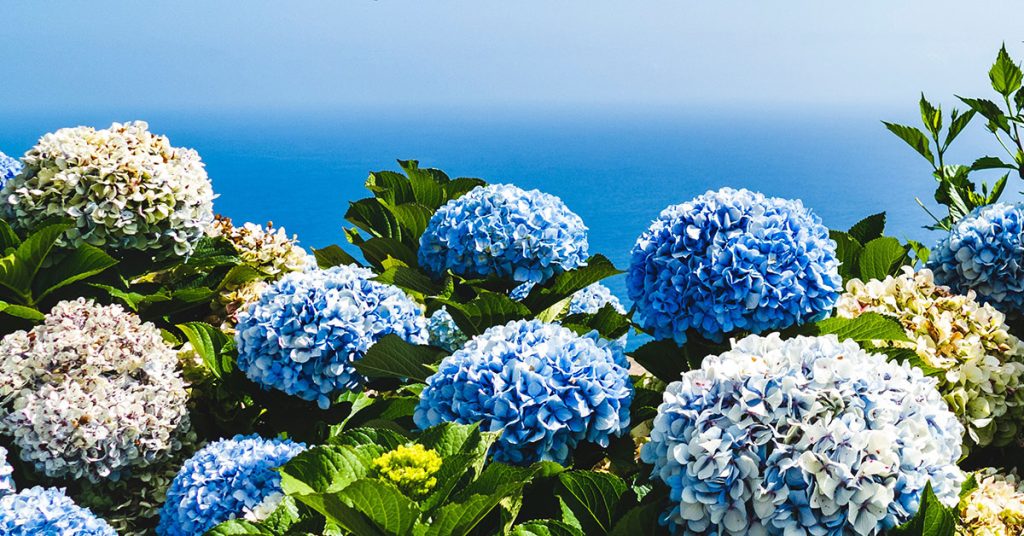
Hydrangeas make a grand statement with their voluminous blooms that can be blue, pink, white, or even green-tinted. Native to Asia and the Americas, most garden varieties—like Hydrangea macrophylla—originate from Japan. These shrubs aren’t generally invasive, though some aggressive species like Hydrangea paniculata can spread quickly if left unchecked. My first hydrangea bloom after two seasons felt like a minor triumph—those clusters of petals are simply unforgettable. To grow them successfully, ensure they have well-draining soil and receive morning sun with afternoon shade; too much scorching heat can cause wilting, and too little sun may result in weak blooms.
Hydrangeas’ large flower heads attract a variety of pollinators, including bees, hoverflies, and butterflies. Bumblebees love probing the smaller sterile florets for nectar, while hoverflies (which are excellent aphid predators) often hang out nearby. Underneath the shrub’s broad leaves, ground beetles and spiders find shelter, curbing slug and caterpillar populations. If you’re concerned about nutrient balance, keep in mind that soil pH affects flower color in many hydrangea varieties—more acidic soil yields blue blooms, while alkaline soil leans toward pink. A midseason mulching with organic compost helps maintain moisture through June’s warmer days and provides slow-release nutrients to keep dads grinning at every lush cluster of blossoms.
Zinnias
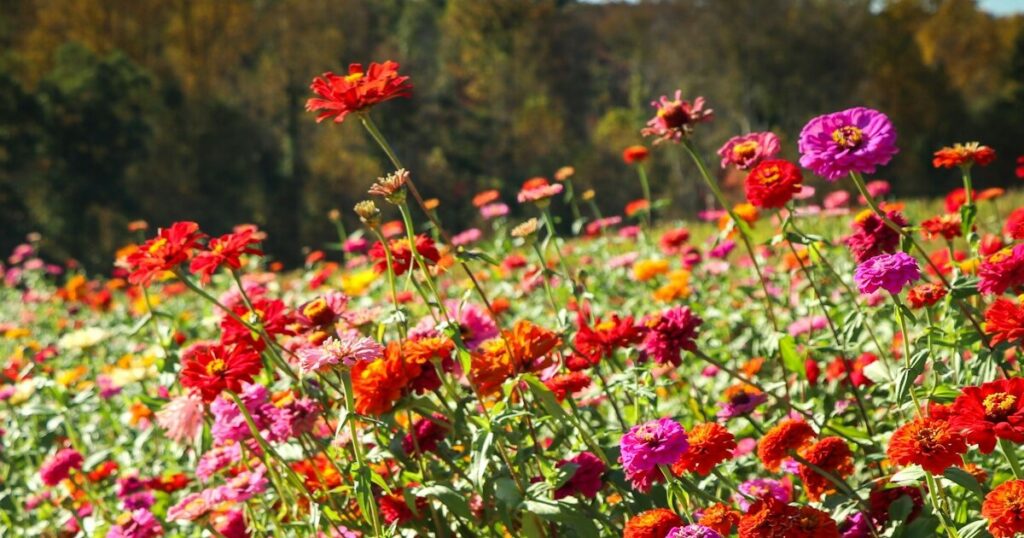
Zinnias are a quintessential summer flower, offering vibrant color splashes that last from June through fall. Native to Mexico and parts of Central America, these annuals aren’t invasive in most regions—they self-seed readily but rarely become a nuisance. When I first planted zinnias, I was delighted by how quickly the seeds sprouted into sturdy plants with bright, daisy-like heads. They thrive in full sun and well-draining soil: just sow seeds directly after the last frost, watch them germinate in 7–10 days, and then enjoy a steady parade of blooms.
What makes zinnias truly special for Father’s Day is their magnetism to pollinators. Honeybees, bumblebees, and even solitary mason bees flock to zinnia centers, collecting pollen and gently bobbing between petals. Butterflies such as monarchs and swallowtails perch proudly on zinnias to sip nectar, adding graceful fluttering movement to any garden. Because zinnias attract both pollinators and beneficial predators like lady beetles (which hunt aphids), they help create a balanced, thriving mini-ecosystem. Deadheading spent flowers regularly encourages new blossoms, ensuring that every glance at the garden brings fresh pops of color to celebrate dad’s special day.
Roses

Roses have long been a classic gift for Father’s Day—particularly those cultivars that showcase strong, spicy scents and bold colors. Found worldwide, roses (Rosa spp.) are native to Asia, Europe, North America, and northwest Africa. Most modern garden roses aren’t invasive, though wild rose species can escape into hedgerows if not tended. My father-in-law’s favorite is a deep crimson hybrid tea rose that I helped him prune last June; the satisfaction of coaxing new buds from those thorny canes was a shared triumph. For best results, roses need at least six hours of direct sun, rich loamy soil, and consistent moisture without waterlogging.
Classic roses attract a wide array of insects: honeybees tour their open-center varieties, while some old-fashioned fragrant types draw bumblebees, hoverflies, and even solitary wasps that prey on aphids. Under the rose bush’s canopy, ground beetles and small spiders find refuge, scouting for slugs and snails. It’s such a bummer when black spot or powdery mildew shows up, so be prepared to remove any infected foliage promptly and ensure good air circulation by spacing plants at least two feet apart. By mid-June, after a thorough spring feeding of compost or aged manure, dads can delight in daily rose picks for vases—each head bursting with color and a symphony of pollinator visits.
Lavender

Lavender (Lavandula angustifolia) is a timeless favorite, loved for its wonderfully calming fragrance and silvery foliage. Native to the Mediterranean region, lavender isn’t considered invasive in most climates, provided you give it well-draining, sandy soil and plenty of sun. When I first introduced lavender into my garden, I was amazed by how quickly it adapted—within one season, I had robust square stems topped with violet-purple spikes. Its drought tolerance makes it remarkably low-maintenance, an excellent choice for dads who appreciate a hardy, aromatic perennial.
One of the most exhilarating things about lavender is its magnetism to pollinators in June. Honeybees and bumblebees hum so loudly around lavender spikes that you can hear them from a few feet away! Native solitary bees also carve nesting holes in the ground nearby, drawn by the aromatic scent. Hoverflies alight on tiny florets, hunting aphids on adjacent plants. Beneath those gray-green leaves, beneficial ground beetles find cool refuge, adding another layer of natural pest control. Harvesting lavender blooms for sachets or drying them for arrangements brings that same essence of June right into the home—making it a heartfelt gift to dads who value both beauty and utility.
Chrysanthemums

Chrysanthemums, often called “mums,” are hearty perennials native to East Asia and northeastern Europe. While many mums sold in stores are hybrids (Chrysanthemum × morifolium), their wild ancestors (Chrysanthemum indicum) are not typically invasive. I still remember when I first gardened with mums: their lacy foliage and late-blooming heads provided a glorious transition from summer to autumn. For a Father’s Day gift, early-blooming varieties—like the garden mums that start budding in June—add a touch of anticipation to the season. Plant them in well-draining, fertile soil with morning sun and afternoon shade, especially in hotter climates.
Mums are a magnet for beneficial insects: native bees, honeybees, and syrphid flies (hoverflies) flock to their tightly clustered florets, collecting nectar and pollen. Lady beetles and lacewings also frequent mums, drawn by any aphid colonies that might settle on the foliage. Mum leaves make cozy hiding spots for ground beetles, which patrol nearby beds searching for slugs or cutworms. Because chrysanthemums can host rust and powdery mildew, keep an eye on foliage—prune away any diseased leaves to prevent spread. In late June, you’ll see buds swell each day; when they open, they’ll offer dads a brilliant show of yellow, red, or bi-colored stars that last weeks and complement any outdoor celebration.
Sunflowers
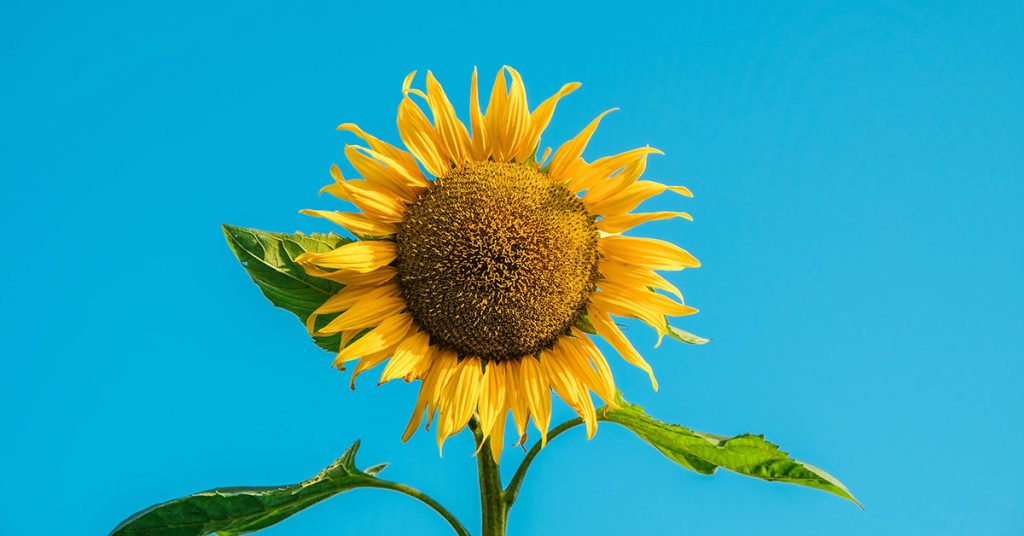
Sunflowers (Helianthus annuus) are the embodiment of summertime cheer, with towering stalks and radiant yellow-faced blooms. They hail from central North America and have become naturalized across many regions, but they’re not generally invasive in home gardens—just watch for volunteer seedlings if you compost sunflower hulls. When I planted my first patch of sunflowers for a mid-June display, I was blown away by how quickly they skyrocketed in height, often eclipsing six feet within weeks. Full sun and well-draining soil rich in organic matter ensure the best growth.
One of the most delightful aspects of sunflowers is their relationship with pollinators. Wild bees—especially bumblebees—love gathering pollen from the large central disks, while butterflies such as monarchs may bask briefly on the petals. As seed heads form by late summer, you may notice goldfinches and sparrows perching on the stalks to nibble on seeds, providing inadvertent seed dispersal. The broad leaves create a microhabitat underneath where ground beetles, spiders, and other beneficial predators patrol for aphids and caterpillars. For a Father’s Day gift, choose dwarf or medium varieties if space is limited; otherwise, normal-height sunflowers make an impressive statement, symbolizing admiration and adoration.
Peonies
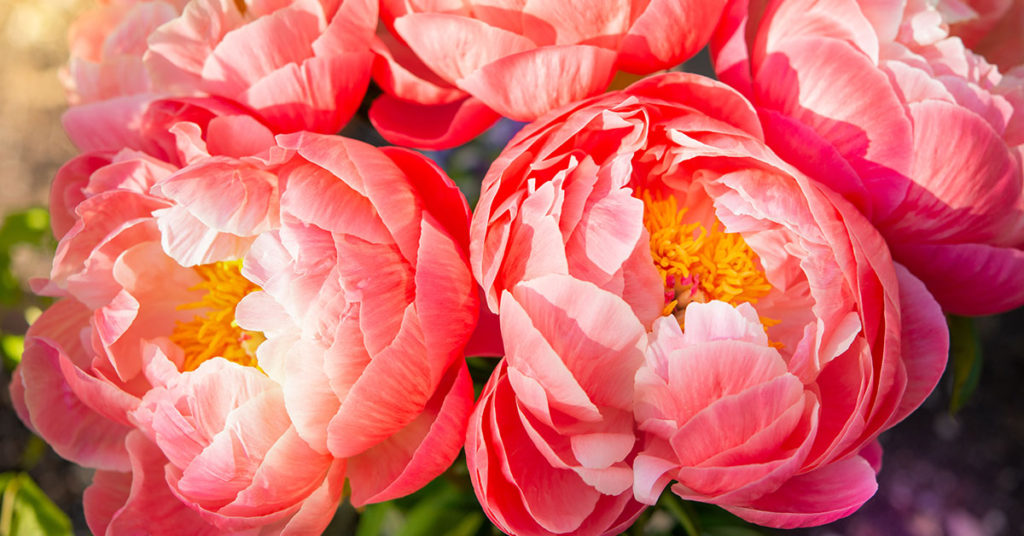
Peonies (Paeonia lactiflora), native to Asia and Europe, rank high on many gardeners’ lists for their sumptuous, fragrant blooms. Although they aren’t invasive, peonies prefer undisturbed locations—transplanting can be tricky once established, so choose a sunny spot with rich soil early on. One of my first successes with peonies was a coral-colored ‘Bartzella’ hybrid—it returned bigger and bolder each June, filling my backyard with its ethereal fragrance. These perennials thrive in full sun to light shade, and when planted at the correct depth (eyes about 1 inch below soil), they can bloom reliably for decades.
When peonies burst open around Father’s Day, their large blossoms attract bumblebees and carpenter bees, which work deep into the flower’s core to collect pollen. Hoverflies and occasionally small butterflies like skippers also land on petals, savoring sweet floral nectar. Beneath these blooms, ground beetles and rove beetles scuttle about, controlling slugs and other pests drawn to the moist soil. It’s heartbreaking when botrytis blight strikes—brown spots on petals or blackened stems—but with good air circulation and prompt removal of infected blooms, you can usually keep peonies healthy. Gifting a potted peony to dad means he can enjoy that heavenly fragrance and joyful pollinator activity year after year.
Snapdragons
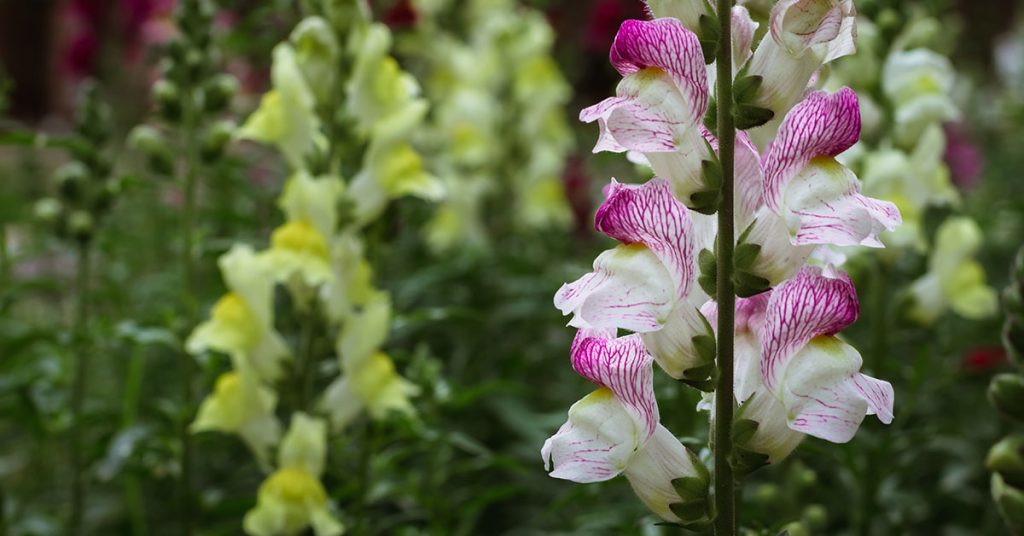
Snapdragons (Antirrhinum majus) are charming annuals or short-lived perennials native to the Mediterranean region. They’re not invasive in most climates, though leaving spent seed pods can result in volunteers the next season. I fell in love with snapdragons when I first pinned open a fresh bloom—the way each flower resembles a little dragon’s mouth is simply enchanting! These plants prefer cooler nighttime temperatures and full sun with well-draining soil; in June, be sure to water regularly so they don’t wilt in the midday sun.
The unique tubular blossoms of snapdragons attract hummingbirds and long-tongued bees—such as bumblebees—who grip the lower “jaw” and push down to access nectar, causing the flower to “snap” open. Syrphid flies and butterflies, too, often explore these blooms, making snapdragons excellent companions for vegetable plots and flower borders. Their erect stems also provide perching sites for tiny predatory wasps and beneficial spiders that hunt aphids and caterpillars. By removing faded flowers and pinching back spent spikes, you encourage a second flush of blooms—perfect for a Father’s Day bouquet that keeps giving.
Gladiolus

Gladiolus (Gladiolus spp.), often called “glads,” are striking corm-based perennials native to South Africa and parts of the Mediterranean. Some species—especially Gladiolus italicus—can naturalize in temperate climates, but most garden hybrids are non-invasive if you remove any seedpods before they mature. My dad’s favorite gladiolus variety is ‘Priscilla,’ whose peach and cream blossoms stand tall above his vegetable beds. Gladiolus corms should be planted about 4 inches deep in well-draining soil, in a spot that receives full sun and protection from strong winds.
Gladiolus flowers attract a variety of pollinators: butterflies, like swallowtails and skippers, often alight on their open florets, while bumblebees forage for nectar deep in the flower’s tube. Their sword-like leaves create sheltered microhabitats for ground beetles and spiders, which keep slug and caterpillar populations in check. After June blooms fade, cut the flower spikes back to about 2 inches above the corms to encourage strong corm development for next year. For humid regions where corm rot can be an issue, avoid overhead watering and provide excellent drainage by amending soil with coarse sand or fine gravel. A Father’s Day gift of potted gladiolus provides both immediate beauty and the promise of grand spires next season.
Dahlias
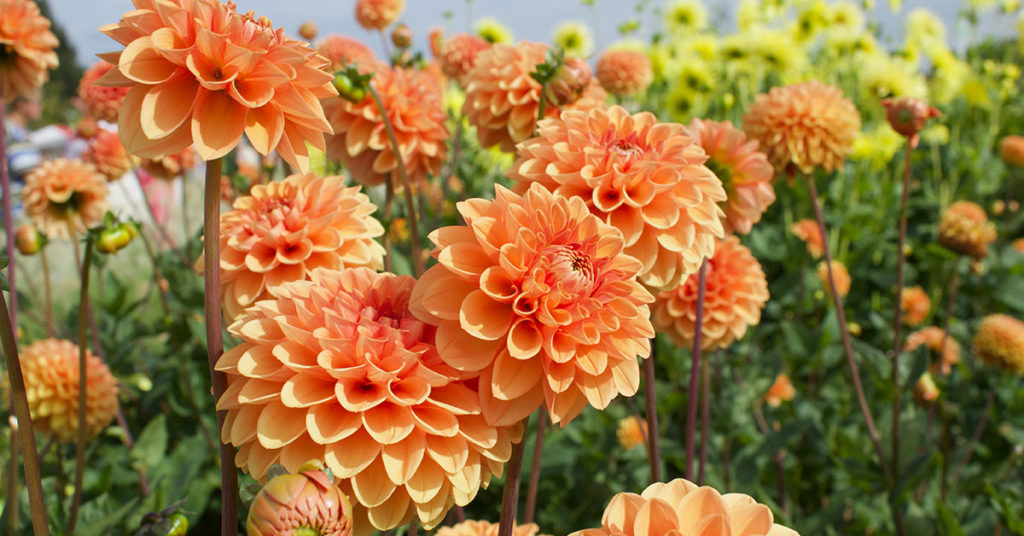
Dahlias (Dahlia spp.) are vibrant tuberous perennials native to Mexico and Central America. While they aren’t typically invasive, their tubers can multiply rapidly, so gardeners must dig and divide clumps every few years. I still recall the excitement of my first dahlia bloom in mid-June: a bold, yellow café-au-lait dahlia that towered above my zinnias and cosmos. For best results, plant dahlias in full sun with rich, well-draining soil; incorporate plenty of compost at planting time and stake taller varieties immediately to prevent wind damage.
Dahlias attract an impressive array of pollinators and beneficials: bumblebees flit between their large open-faced blooms, while honeybees gather pollen from flatter varieties. Syrphid flies hover near the petals, searching for aphids, and small butterflies—like painted ladies—stop by for nectar. Under the lush foliage, ground beetles, lacewings, and predatory wasps patrol for slugs and caterpillars. To ensure a second wave of blooms, deadhead spent flowers regularly and pinch back leggy shoots. Gifting a collection of small dahlia tubers for Father’s Day allows dads to experiment with color palettes and enjoy a profusion of blooms all summer long.
Marigolds
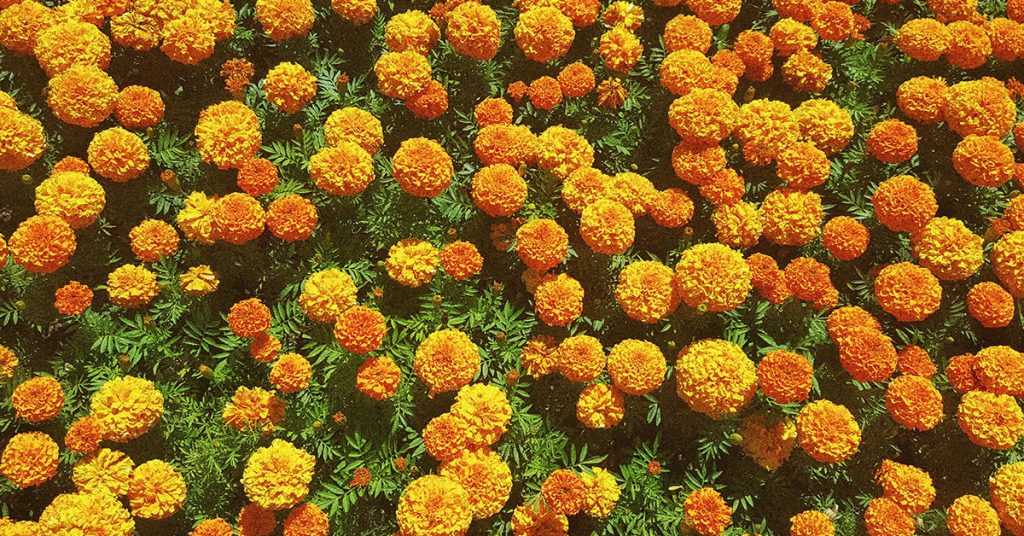
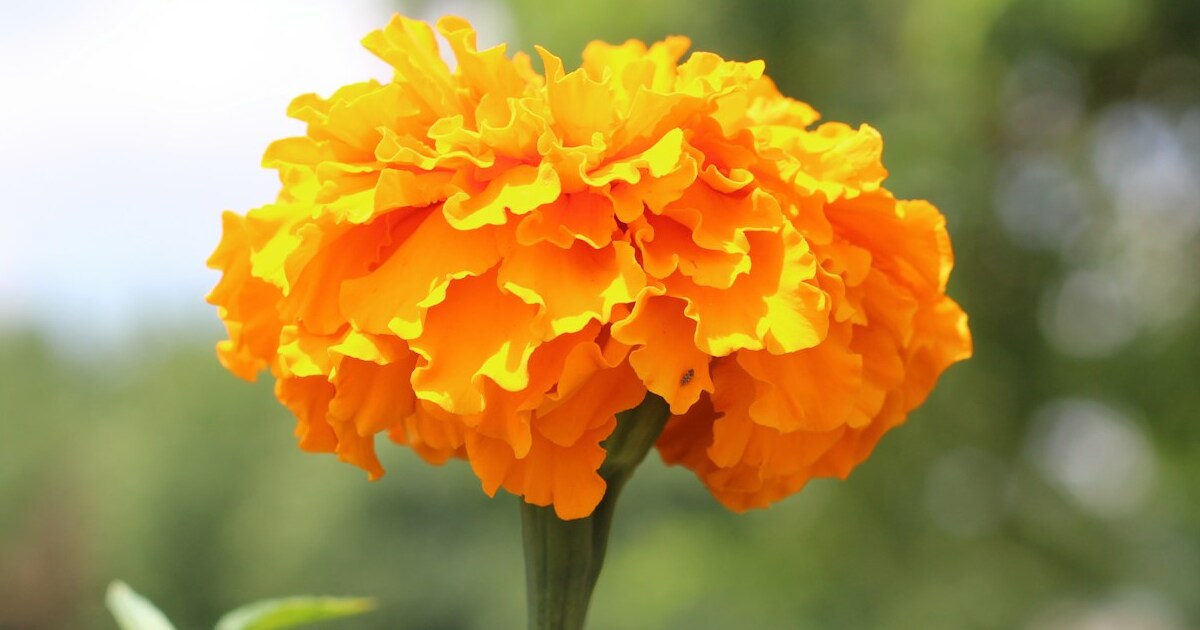
Marigolds (Tagetes spp.) are robust annuals native to Mexico and Central America, available in vibrant shades of gold, orange, and mahogany. Though they self-seed easily, they aren’t truly invasive in most gardens—just pull stray seedlings if you prefer a tidier look. I remember planting marigolds last June as “companion plants” around tomatoes; their pungent scent discouraged nematodes and certain beetles, and I had the added joy of seeing their bright blooms pop up between vegetable rows. Marigolds thrive in full sun and well-draining soil, and they handle heat like champs—ideal for a late-spring planting ahead of Father’s Day.
One major draw of marigolds is their ability to attract beneficial insects: hoverflies (syrphid flies) swoop in to feed on small aphids drawn to marigolds, providing natural pest control. Tachinid flies, which parasitize caterpillars, also patrol near marigold clusters. Sudden soldier beetles (Cantharidae) and predatory wasps often shelter under the foliage, helping to minimize slug and cutworm pressure. Just watch out for spider mites on the undersides of leaves in droughty June conditions—mist occasionally or use a soaker hose to keep foliage clean. A cheerful bouquet of marigolds for Father’s Day not only brightens a room but also sends a subtle message of natural pest management prowess!
Irises
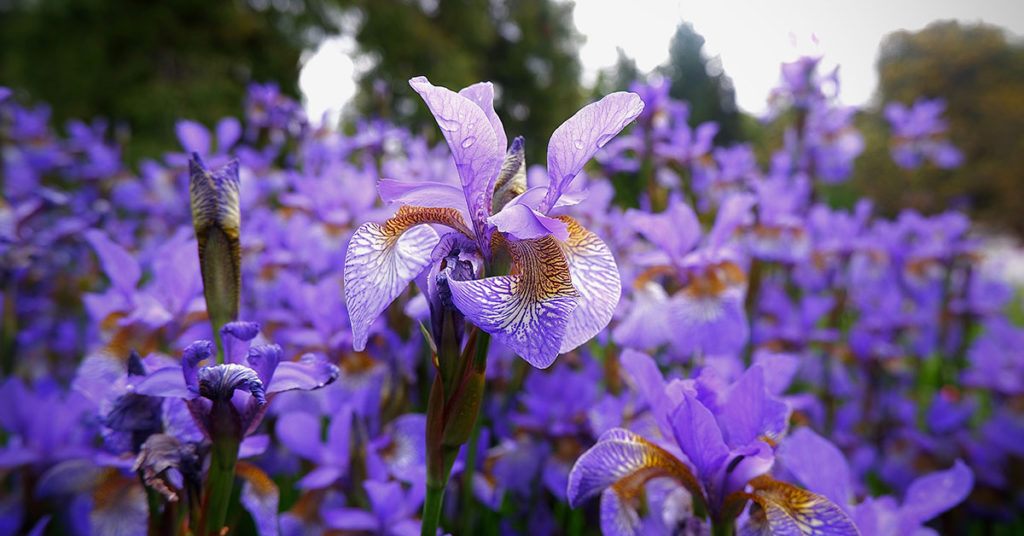
Irises (Iris spp.) are elegant perennials native to temperate regions of the Northern Hemisphere, with diverse species ranging from yellow flag iris (Iris pseudacorus) to bearded iris hybrids (Iris × germanica). While Iris pseudacorus can be invasive near waterways, most garden bearded irises remain well-behaved if their rhizomes are divided every few years. I still remember the first time I planted bearded irises—a clump of ‘Beverly Sills’—in late spring. By mid-June, their papery petals unfurled, revealing peachy-pink blooms that contrasted beautifully with the deep green foliage.
Irises attract a range of pollinators, including bumblebees that push into the falls (lower petals) to access nectar, while smaller bees and wasps explore crevices for pollen. The sword-like leaves beneath provide shelter for ground beetles, spiders, and lacewings that hunt slugs and aphids. In June, it’s common to see hummingbird moths hovering around certain iris species, adding a magical touch to any garden. If you notice rhizomes becoming crowded or blooms diminishing, dig and divide every three years: replant new divisions with buds just above the soil surface in well-draining beds. A bouquet of iris for Father’s Day not only exudes elegance but also signals a gardener’s attention to structure and pollinator support.
Gerbera Daisies
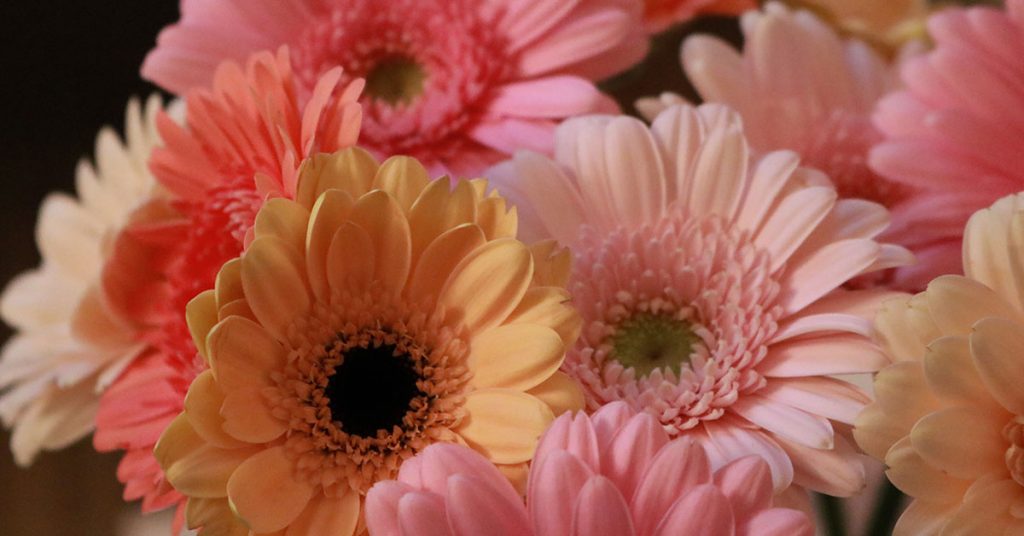
Gerbera daisies (Gerbera jamesonii) are perennials native to South Africa, known for their large, cheerful rosettes of petals in shades of red, pink, yellow, and white. They aren’t invasive, but they do require well-draining soil—preferably mixed with peat-free compost to hold moisture without becoming soggy. I first fell in love with gerberas when I planted a batch in mid-June: within weeks, bright daisy heads popped up above clumps of glossy green leaves. These perennials thrive in full sun to partial shade, but in hotter climates, a little afternoon shelter is beneficial.
One of the joys of gerberas is how they attract pollinators: honeybees and bumblebees love landing on their broad petal platforms, collecting both nectar and decorative pollen that often clings to their fuzzy legs. Smaller solitary bees and hoverflies also visit, helping to keep aphid populations down. Under bright petals, beneficial ground beetles find a cool refuge from June’s midday heat and patrol for slugs and caterpillars. If you notice brown edges on petals or stunted growth, ensure they’re not sitting in water—gerberas hate “wet feet.” For a Father’s Day arrangement that’s both bold and low-maintenance, gerbera daisies deliver a burst of happiness that lasts well into summer.
Orchids (Phalaenopsis)

Phalaenopsis orchids, commonly called moth orchids, are epiphytic perennials native to Southeast Asia, New Guinea, and Australia. While orchids themselves aren’t invasive in temperate gardens, they must be grown in a special bark or sphagnum moss mix to mimic their natural air-rooted environment. My first orchid gift for dad was a potted Phalaenopsis that bloomed spectacularly in mid-June—those long arching stems dotted with delicate blooms felt almost too elegant for words! As long as they receive bright indirect light, good humidity, and moderate temperatures, these orchids can rebloom year after year.
Phalaenopsis orchids’ intricate blossoms attract tiny bees and moths in their native habitats, though in most home settings, they rely on hand pollination for seed production. The large, waxy petals offer landing pads for minute predatory wasps and hoverflies that may swoop in to investigate small scale insects. Although indoor orchids aren’t typically part of the garden ecosystem, having an orchid bloom bring that tropical flair and herald Father’s Day with sophistication. Just be cautious: some orchids can harbor mealybugs or scale insects, so inspect leaves regularly and wipe them clean with diluted alcohol. An orchid’s enduring elegance and long-lasting blooms make it a standout gift to honor dad’s refined taste.