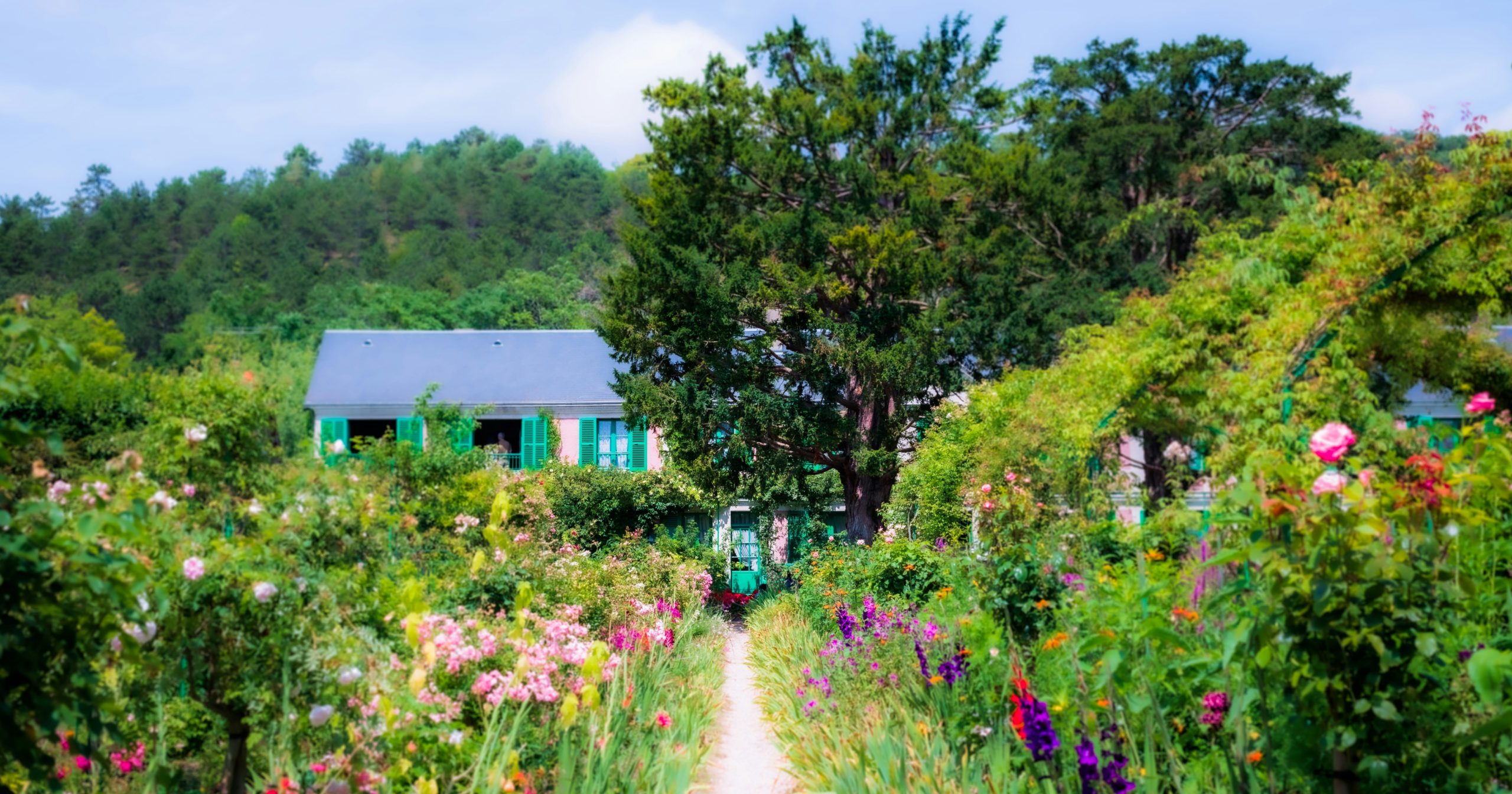

June in the garden is like the overture for summer’s grand symphony—everything is cranking into high gear! As a gardener who’s eagerly awaited that first warm week, I know how thrilling it is to see seedlings sprout, flowers burst into bloom, and the promise of fresh produce beckoning. But June also brings its own set of hurdles: rising temperatures, relentless weeds, and the chance for pests to overrun tender new growth. Last June, I remember rushing to protect my kale crop from an unexpected aphid invasion—so trust me, you’re not alone if it feels like you’re barely keeping up. In this article, I’ll share 12 essential tips to help you stay ahead of the curve and keep your garden thriving all month long.
Each tip below offers thorough guidance, diving into everything from selecting the right mulch to nurturing beneficial insects that patrol for pests. Wherever possible, I’ll talk about which plants or materials are native versus potentially invasive, and highlight behaviors—like nesting or pollination—that can make or break your success. Think of me as your gardening buddy, eager to share the knowledge I’ve picked up (and mistakes I’ve learned from!) over many Junes. So grab your favorite gardening gloves, and let’s get started—there’s no time to waste when June’s garden is calling!
Divide And Transplant Perennials

Dividing and transplanting perennials in June can rejuvenate overgrown clumps and free up space for new plantings. Many perennials, such as Echinacea purpurea (purple coneflower) and Rudbeckia fulgida (black-eyed Susan), are native to North America and spread via rhizomes. Dividing them every few years prevents overcrowding and maintains vigor. I remember last June, digging up a massive hosta clump—though hostas are native to Asia and can become invasive if left unchecked—and dividing it into smaller sections. Each division had ample roots and shoots, ensuring a quick re-establishment in fresh soil.
When you transplant, ensure each division has several healthy shoots and a robust root system. Replant immediately at the same depth as before, spacing divisions according to their mature size. After planting, water thoroughly to settle soil around roots, then mulch to retain moisture. Using native mulch, like shredded oak leaves, can support ground-dwelling insects such as ground beetles and spiders that hunt slugs and snails. Just be mindful not to introduce invasive species via mulch; avoid straw or hay sourced from fields with noxious weed seeds. By dividing and moving perennials in June, you’re giving them the best chance to establish before summer heat intensifies.
Mulch To Retain Moisture And Suppress Weeds
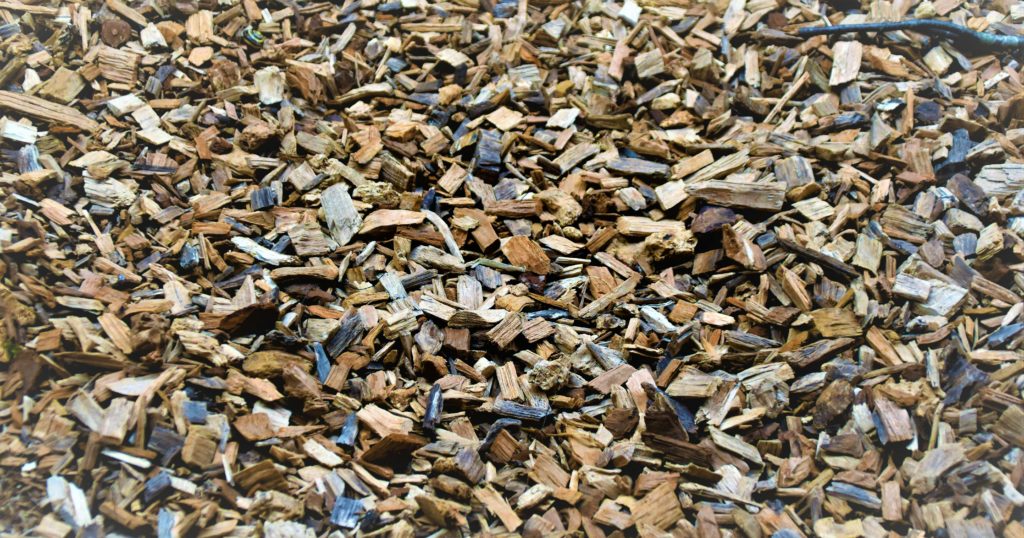
Applying a 2 to 3-inch layer of organic mulch in June is like giving your garden a refreshing spa treatment. When soil begins to heat up, mulch helps keep roots cool and conserves water, reducing the need for frequent watering. I love using shredded hardwood bark, which slowly breaks down to enrich the soil without harboring weed seeds. Spread mulch around plants—leaving a small gap around each stem so moisture doesn’t collect and invite rot—and watch how your tomatoes and peppers thrive, even during mid-June heat waves.
Certain mulches also benefit beneficial insects. For example, leaves from native oaks and maples break down into crumbly humus that supports ground-beetle larvae, lacewings, and solitary bees that nest just below the soil surface. If you use straw, ensure it’s weed-free—hay often has grass seeds that sprout unwanted volunteers. Avoid synthetic landscape fabrics that block airflow and create heat traps. By choosing a natural mulch and applying it in June, you’re conserving moisture, suppressing weeds, and encouraging a mini-ecosystem of helpful predators that patrol for pests.
Plant Heat-Loving Vegetables

June is prime time to plant veggies that love warmth—think okra, sweet potatoes, and southern peas. Okra, native to West Africa, thrives when direct-sown once soil temperatures exceed 65°F. I sow seeds a full inch deep, spacing them 12 inches apart, and within two weeks, I’m greeted by sturdy seedlings. These plants attract native bees and hummingbirds to their vibrant hibiscus-like flowers, turning a simple veggie bed into a buzzing wildlife spectacle. Make sure to remove spent pods to prevent volunteer seedlings that could pop up next year.
Sweet potato slips, originating from Central and South America, do best when planted into mounded rows in well-draining soil. Their trailing vines shade the ground, suppressing weeds and providing shelter for ground beetles that hunt slugs. Keep an eye on the soil; these roots dislike waterlogged conditions. By October, you’ll be harvesting golden-fleshed roots, rewarding you for a June planting. Southern peas, like black-eyed peas (also from West Africa), require minimal care. Their small white blooms attract bumblebees and butterflies, and the vines provide cover for beneficial parasitic wasps. When June planting succeeds, you’ll have a bountiful harvest before frost.
Support Beneficial Pollinators And Nesting Areas
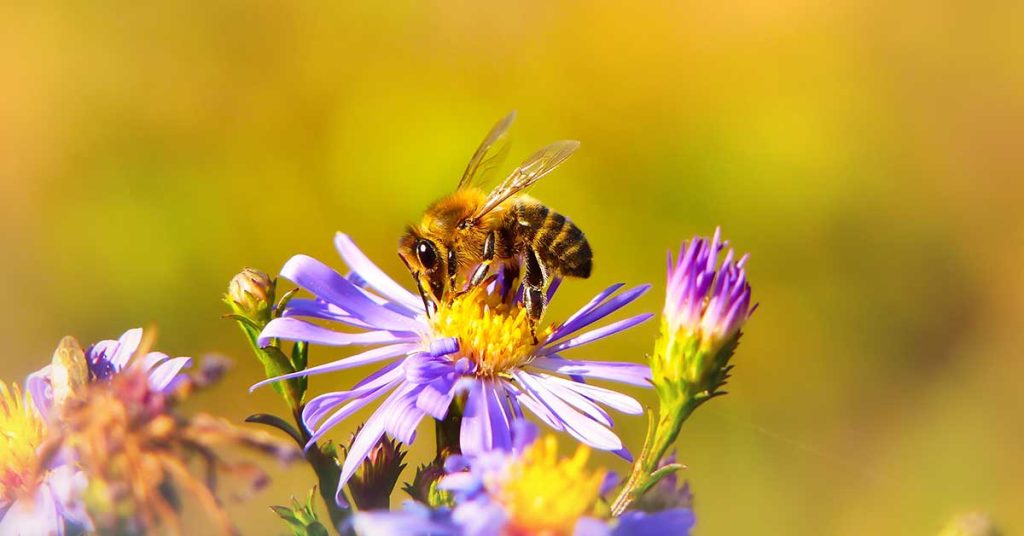
Creating nesting areas for native pollinators in June enhances fruit set and keeps pest populations in check. Leaving a small patch of bare, sandy soil supports ground-nesting bees such as digger bees and Colletes species. Last June, I noticed masked bees busily excavating tunnels beneath a bed of monarda leaves—Monarda fistulosa is native to North America and bustles with activity. By mid-morning, these bees were off visiting nearby strawberries and cucumbers, greatly improving pollination.
In addition to bare ground, providing small brush piles or deadwood in a corner of the garden invites predatory insects, spiders, and ground beetles that hunt slugs, caterpillars, and aphids. These beneficial predators are crucial in June’s high insect activity. Just be sure any wood you use is sourced locally to avoid introducing invasive beetles like the emerald ash borer. Maintaining diverse habitats—some open ground, some sheltered areas—encourages a balanced ecosystem. When predatory insects nest close by, you’ll find far fewer pests chewing on your prized vegetables and flowering plants.
Scout For Pests Daily
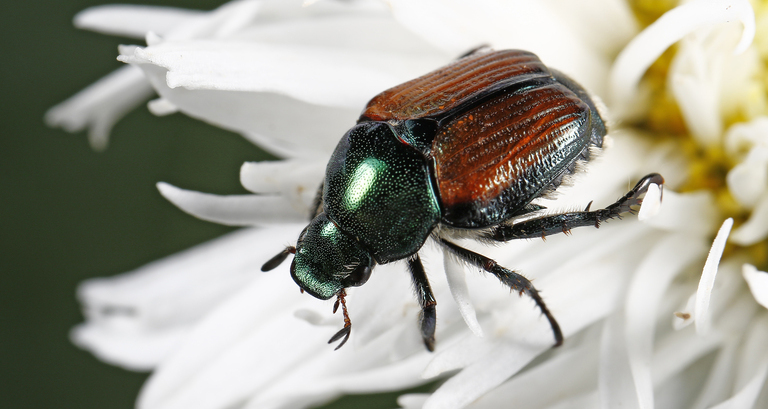
Daily pest scouting in June can prevent small problems from becoming catastrophic. I still recall finding tomato hornworm eggs on my heirloom plants last June—catching them early meant handpicking caterpillars before they grew into destructive monsters. Check the undersides of leaves for aphid clusters and look for the shiny eggs of Japanese beetles on roses and beans. Early detection allows you to intervene with minimal effort—whether by squishing, spraying with organic soap, or using row covers.
Integrating companion plants that attract beneficial predators helps keep pests in check. For instance, yarrow (Achillea millefolium), native to many regions, draws parasitic wasps that lay eggs inside caterpillars and aphids. I have a small patch of yarrow near my vegetable garden, and every June, I see wasps patrolling for hosts. Just be cautious with certain ornamentals: butterfly bush (Buddleja davidii) draws butterflies but can be invasive in some areas. If you do plant it, choose sterile cultivars and deadhead spent blooms. Vigilance in June ensures that pest issues are nipped in the bud, so your plants remain healthy and resilient.
Water Wisely To Prevent Stress
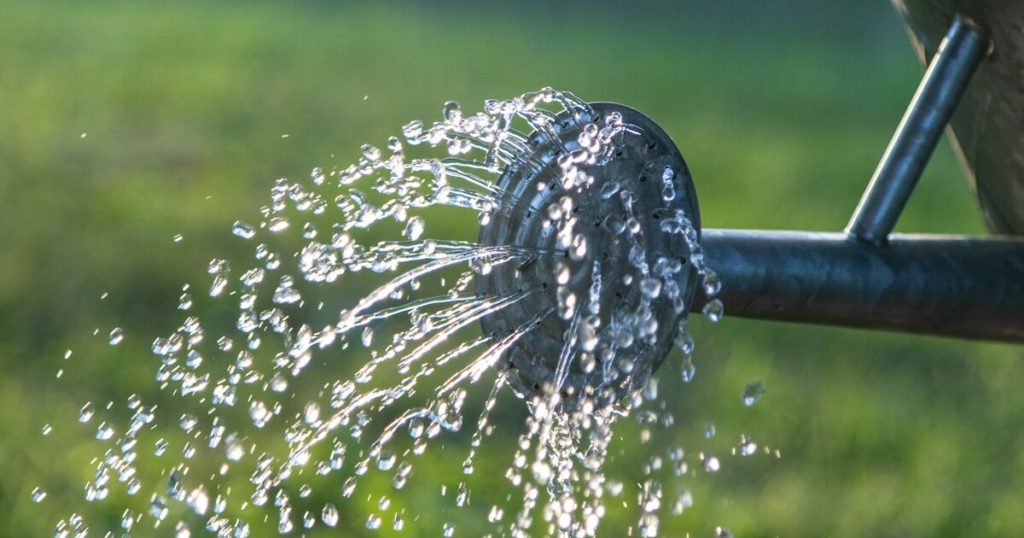
In June, watering wisely is crucial because rising temperatures can stress plants rapidly. Instead of light, frequent sprinkles that encourage shallow roots, aim for deep, measured waterings—about 1 to 1.5 inches per week—to promote strong root systems. I use a rain gauge to track natural rainfall and supplement as needed. Watering early in the morning gives plants time to absorb moisture before midday heat, reducing evaporation. I once watered in the late afternoon and watched droplets evaporate before reaching the soil—lesson learned!
Utilizing drip irrigation or soaker hoses in June reduces leaf wetness and minimizes fungal issues, particularly on tomatoes and cucurbits. Collecting rainwater in barrels also helps ensure you’re not delivering chlorinated tap water, which can disrupt soil microbes. When I let tap water sit overnight in open containers, chlorine dissipates, making it gentler on my rose bushes and lettuce beds. Just be mindful: non-native moisture-loving plants like bamboo can run amok if overwatered. By tailoring your watering routine in June, you’ll keep plants vigorous without encouraging invasive species or creating conditions ripe for fungal outbreaks.
Monitor Soil Health And Amend As Needed

Healthy soil is the lifeblood of a thriving garden, and June is an excellent time to evaluate its condition. Dig a small hole beside a bed to 6–8 inches deep—if the soil is compacted or poorly draining, it’s time to amend. I often mix in aged compost or coconut coir to improve structure and moisture retention. Last June, my tomato plants struggled in heavy clay, so I added coarse sand and compost; within weeks, they sprang back to life, producing abundant blooms and fruit.
Testing soil pH in June helps you address imbalances before they stunt growth. Blueberries, for example, love acidic soil (pH 4.5–5.5), whereas beets and lettuce prefer around pH 6.5. A simple test kit can reveal nitrogen, phosphorus, and potassium levels, guiding your midseason amendments. If nitrogen is low, a light sidedressing of compost or aged manure (sourced from a reputable local farm to avoid invasive weed seeds) can give hungry plants a boost. Conversely, if pH is off, adding lime (to raise pH) or elemental sulfur (to lower it) can correct deficiencies. By keeping an eye on soil health in June, you set the stage for vigorous growth through summer.
Weed Relentlessly To Reduce Competition
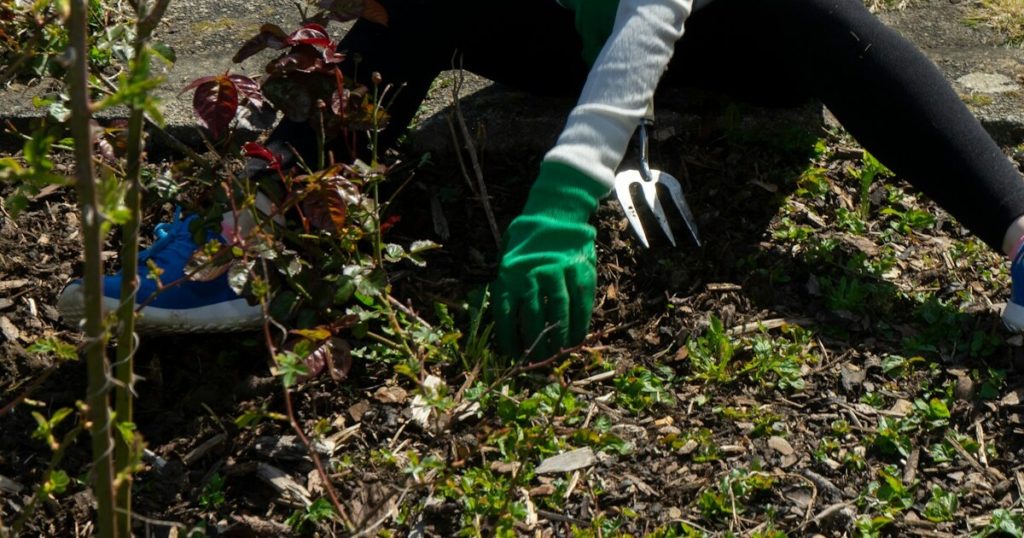
June weeds germinate rapidly, and if you let them flourish, they’ll steal water and nutrients from your prized plants. I remember first planting a new raised bed, only to see chickweed blanket the soil within a week—talk about frustrating! To stay ahead, weed early in the morning or late afternoon when soil is still slightly damp; it makes pulling roots easier. Hoeing between rows nips seedlings before they establish deep roots.
Using cover crops and groundcovers between vegetable rows can dramatically reduce weed pressure. Planting white Dutch clover—native to Europe but well-adapted to many regions—helps fix nitrogen and suppress weeds with its dense foliage. However, some clovers spread aggressively, so monitor and pull runners if they threaten to crowd out nearby beds. When you pair vigilant weeding with strategic groundcovers, your garden stays cultivated rather than overrun, giving your crops the resources they need to flourish in June’s rapid growth season.
Deadhead To Encourage Continued Blooms
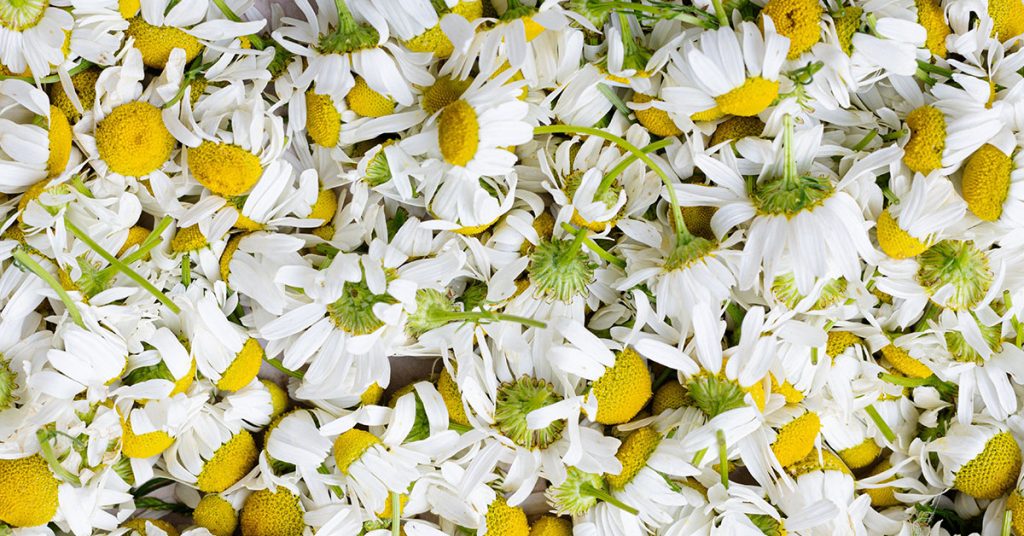
Deadheading spent flowers is a simple chore with big payoffs. When you remove faded blossoms from annuals like petunias, perennials like Echinacea purpurea (purple coneflower), or non-native impatiens (which can self-seed prolifically in shady areas), you’re telling the plant to focus energy on producing new blooms rather than setting seed. I find it so satisfying to walk through the garden each morning, pinching off tired petals—it’s almost meditative! Plus, deadheading reduces disease risk by removing decaying petals that can harbor fungal spores.
Some plants serve double duty when left to seed later in the season: for instance, black-eyed Susans (Rudbeckia fulgida) hold seedheads that feed goldfinches in winter. But in June, you want nonstop color. For non-native impatiens, deadheading prevents little seedlings from popping up in your hosta beds. Just be thorough—look under leaves and check every stem, because missing a few pods can lead to unwanted volunteers. By staying diligent with deadheading in June, you keep your garden vibrant and balanced, delighting both human and pollinator visitors.
Fertilize Established Plants Carefully
By mid-June, established perennials, annuals, and vegetables can benefit from a gentle nutrient boost. If you applied a slow-release organic fertilizer or rich compost in spring, you might only need a light sidedressing now. I like working compost around the drip line of tomato plants, which recharges the soil without risking a nitrogen burn. One year, I overdid it with a synthetic fertilizer and ended up with floppy, lush foliage on my lupines—few flowers resulted! Moderation is key.
Choose amendment sources that won’t introduce invasive species. Well-aged manure from a local, trusted farm can add nitrogen, phosphorus, and potassium without weed seeds. Avoid fresh manure rich in salts or synthetic chemicals that harm soil microbes. For perennials like roses, a balanced organic granular fertilizer applied in early June can support new blooms without encouraging spindly growth. When you fertilize responsibly this month, your garden gains vigor and resilience without the setbacks of overfertilization.
Support Beneficial Nesting Areas

Providing nesting spots for beneficial insects transforms your garden into a self-regulating ecosystem. In June, solitary bees such as mason bees (Osmia spp.) emerge and seek sites to lay eggs. Leaving small patches of bare, sandy soil near flowering plants like Monarda fistulosa (native bee balm) allows these pollinators to dig burrows and raise the next generation. I’ve watched masked bees populate a sunny patch last June, then observed increased pollination in nearby strawberries and peas—a rewarding sight!
Creating brush piles or leaving small logs in a quiet corner invites predatory insects like ground beetles and spiders to take up residence. These beneficial predators patrol for slugs, cutworms, and aphids, reducing pest pressure. Just be sure any wood or brush you use isn’t infested with invasive pests—buy local firewood or gather deadwood from your own yard. By fostering nesting habitats, you’ll see fewer pests on your tomatoes and cucumbers, and more pollinators visiting your summer blooms—making June’s garden a buzzing, balanced haven.
Support Tall Bloomers To Prevent Flopping

Tall bloomers like lupines (Lupinus polyphyllus) and delphiniums add dramatic vertical interest, but without support they can flop over, shading lower plants and risking stem breakage. In early June, once stems reach six inches, install stakes or cages to guide their upward growth. I recall a June when heavy rain sent my delphiniums sprawling—if only I’d placed bamboo stakes sooner! Supporting these plants enhances air circulation, reducing fungal issues in humid conditions.
Many tall perennials—like Lupinus, native to North America—also serve as pollinator magnets, drawing bees to their colorful spires. However, some non-natives, such as Verbena bonariensis cultivars, can self-seed aggressively and become invasive in warmer regions. If you do plant them, deadhead spent blossoms before seed formation to contain volunteers. Properly supported, these tall bloomers create a canopy where beneficial insects such as parasitic wasps and predatory lacewings perch, keeping pests like aphids in check. By staking early in June, your garden retains its structure, and pollinator activity flourishes unhindered.