
Gardening in June can feel like you’ve missed your window—especially when you walk through the neighborhood and see lush tomato vines already heavy with fruit. But I’m here to tell you that there’s still plenty of time! As an avid gardener who’s been scrambling to fill beds many a June, I’ve discovered that a variety of vegetables actually do quite well when sown or transplanted in this month. You just need to know which ones handle warm soil, how to manage the heat, and the little tricks to ensure you still get a robust harvest. I’ll dive into each of these 15 vegetables with plenty of detail: where they’re from, whether they can become invasive, how they attract beneficial insects, and what to watch out for as they mature. Consider this your “June Jumpstart” guide—packed with the enthusiasm of someone who’s been exactly where you are right now!
Starting these vegetables now means paying attention to soil fertility, moisture, and heat tolerance. Some veggies love the summer sun and will sprint toward maturity, while others appreciate a bit of shade or regular mulching to keep their roots cool. Throughout these sections, I’ll share tips on bed preparation, pest prevention, and companion plant pairings—because nothing beats harvesting fresh produce when it feels like your season has already slipped away. So grab your favorite gardening gloves and let’s dive into the 14 vegetables you can still confidently plant in June!
Okra

Okra is such a delight when started in June, particularly if you live where summer heats quickly. Native to West Africa, Abelmoschus esculentus has been cultivated for centuries and travels through history to India and the Americas. While most modern okra varieties aren’t considered invasive, if you leave abundant seed pods to dry and scatter, they can volunteer in unexpected spots the following year. For a June planting, sow seeds directly once night temperatures stay above 65°F—plant seeds an inch deep and space them about 12 inches apart. Germination typically occurs within 7 to 14 days if the soil is warm, and soon those tall, branching plants will tower over neighboring seedlings.
When okra blooms, its hibiscus-like flowers attract native bees, honeybees, and even hummingbirds to their bright, star-shaped petals. Those pollinators do the heavy lifting to set pods, and I love watching bumblebees crawl deep into each blossom in the early morning. The plants’ sturdy stalks create vertical interest in the garden and offer a perch for predatory wasps and spiders hunting pests like aphids and stink bugs. Just keep an eye out for verticillium wilt and powdery mildew as temperatures climb—rotating beds and providing good airflow by spacing plants properly will help you avoid common diseases. By late August or September, you’ll be picking tender pods for fried gumbo or pickling—proof that June-sown okra is well worth the effort!
Swiss Chard
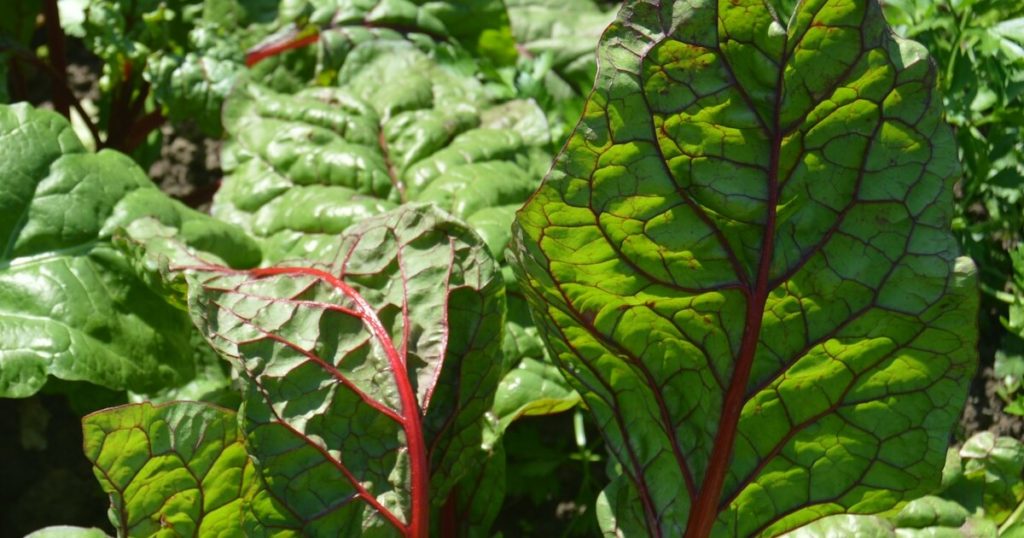
Swiss chard’s lush, crinkled leaves are a staple in my garden, no matter what time of year. Originating in the coastal Mediterranean region, chard has thrived since ancient times without becoming invasive in most home gardens. It handles heat surprisingly well, making it perfect for a June sowing. I usually direct-sow seeds about ½ inch deep, spacing rows 12 to 18 inches apart. Within 7 to 14 days, seedlings appear and quickly form strong leaves. Chard matures in roughly 50 to 60 days, so if you mulch around the plants to conserve moisture and regulate soil temperature, you’ll have harvestable greens by late summer.
When chard bolts and sends up its flower stalks, bees swarm to the clusters of small, greenish-yellow blossoms, busily collecting nectar and pollen. Even before flowering, the broad leaves offer a sheltered environment where beneficial insects like ground beetles, lacewings, and ladybugs can hide and feast on aphids. One of my fondest garden memories is discovering a praying mantis egg case tucked under a chard leaf—nature’s own pest control at work! Since chard is tolerant of slightly salty or alkaline soils, it’s a forgiving crop if you’re still amending beds in June. Just watch for leaf miners; if you spot those telltale white tunnels, consider floating row covers until you’re ready to harvest.
Carrots

I absolutely love the thrill of harvesting tender June-sown carrots in early fall. Native to Persia (modern-day Iran and Afghanistan) and first domesticated over a millennium ago, carrots are now a staple in gardens worldwide. Cultivated carrots (Daucus carota subsp. sativus) aren’t invasive, though their wild relatives sometimes pop up along disturbed roadsides. For a June planting, moisture is everything—dry soil leads to forked or split roots. Sow seeds roughly ¼ inch deep in rows spaced 12 inches apart. Germination can take anywhere from 10 to 21 days, depending on how warm your soil is—cooler soils slow things down, so I always keep newly sown beds consistently moist with gentle, frequent waterings.
When carrots eventually bolt and form umbels of tiny white flowers, they become powerful magnets for parasitic wasps, hoverflies, and a variety of native bees, all of which help control aphids elsewhere in the garden. Even before they flower, carrot’s feathery foliage serves as ground cover for predatory ground beetles and spiders that hunt slugs and cutworms. To keep carrot flies at bay, I plant carrots beside onions—the strong onion scent deters those pests effectively! By late summer or early autumn—around 60 to 80 days after sowing—you’ll be pulling sweet, crunchy roots from the soil. Late-season carrots often develop an almost honeyed flavor as nighttime temperatures drop, making them a real treat for stews or fresh salads.
Winter Squash
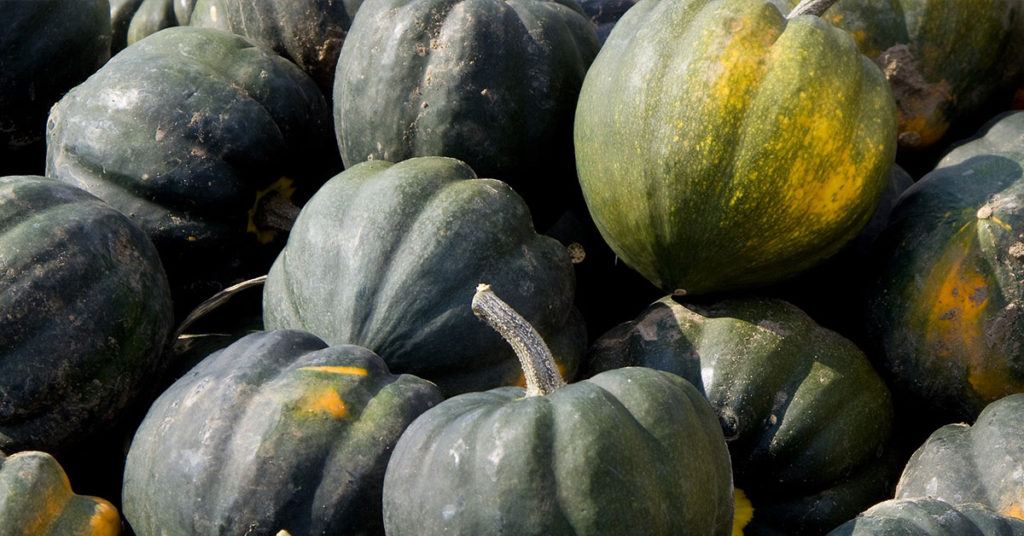
Winter squash, beloved for its long storage life, hails from Mesoamerica—the same region that gifted us summer squash and pumpkins. Varieties like butternut, acorn, and kabocha take longer to mature than summer squash—often 90 to 120 days—so if you’re planting in June, pick early-maturing cultivars. Once soil temperatures consistently exceed 70°F, sow seeds 1 to 2 inches deep in mounded hills. Place 3 to 4 seeds per hill, then thin to 2 or 3 strong seedlings once they show a couple of true leaves. Space hills 4 to 6 feet apart, because winter squash vines can spread aggressively if untrained. Their dense foliage naturally suppresses weeds and shades the soil, helping to conserve precious moisture during hot July and August weeks.
When winter squash flowers open, the large yellow blooms attract honeybees, bumblebees, and squash bees, whose pollination is key to set heavy fruit. I’ll never tire of watching a buzz pollination in action—bumblebees vibrating at just the right frequency to shake pollen loose! Underneath those vines, a mini ecosystem thrives: ground beetles, rove beetles, and spiders patrol for slugs, cutworms, and other pests. Still, powdery mildew can develop toward late summer if airflow is restricted, so I prune a few lower leaves to improve circulation. By early October or mid-September—depending on how quickly your variety matures—you’ll be harvesting sweet, dense squash that can last for months in storage. Planting in June might seem late for winter squash, but if you choose wisely, the payoff in autumn is huge!
Summer Squash
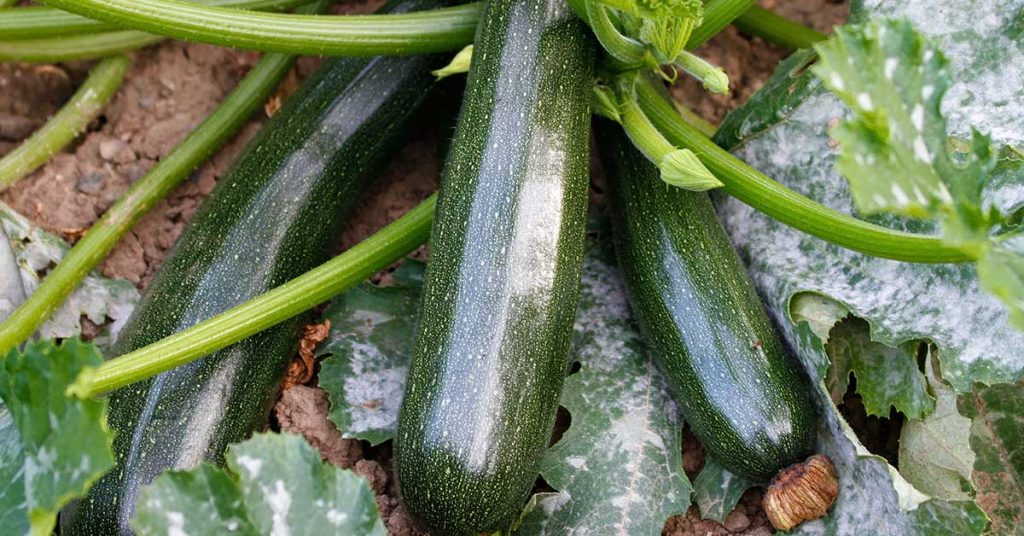
Summer squash, including zucchini and yellow crookneck, originates from Mesoamerica and was cultivated by Aztecs and Mayans long before Europeans arrived. Unlike some wild gourds, these cultivated varieties aren’t invasive, but their vigorous vines can sprawl if left unchecked. For a June sowing, direct-seed 2 to 3 seeds per hill about 1 inch deep, spacing hills 3 to 4 feet apart. Germination usually occurs in a week when the soil warms above 70°F. Once seedlings are established, thin to 2 strong plants per hill. The key is rich, well-draining soil amended with compost—these plants are heavy feeders and appreciate consistent moisture, especially in June’s first heat waves.
Summer squash flowers—large, yellow blooms—are magnets for bees: honeybees, bumblebees, and solitary bees flock to collect nectar and pollen. Because squash produce separate male and female flowers, you need pollinators to ensure fruit set; otherwise, tiny cucuzza-like fruits may abort. Underneath those broad leaves, natural predators like lacewings and parasitic wasps find refuge and feast on aphids or caterpillars that might attempt to settle. I always interplant nasturtiums or marigolds nearby to distract pests like squash bugs, which can be relentless. Once blooms fade, you’ll be harvesting tender zucchini and yellow squash in mid-July—pick daily to keep the plants producing in abundance, and enjoy the unfailing summer bounty.
Pole Beans
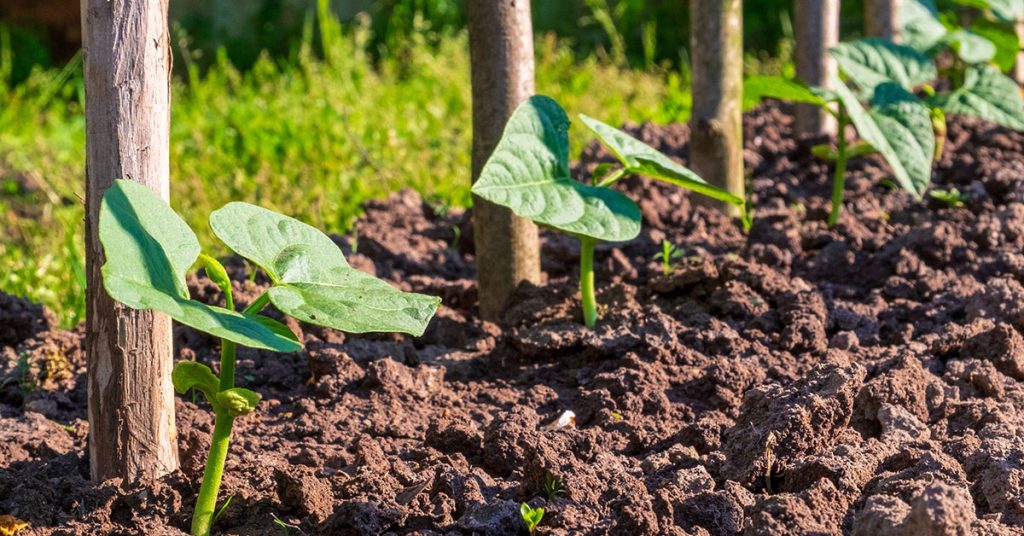
Pole beans, the climbing cousins of bush beans, trace their origins to South and Central America. They aren’t invasive, but if you leave dried pods on the vines, volunteer plants may appear next spring. For a June planting, install sturdy trellises, fences, or teepees and sow seeds 1 inch deep at the base, spacing seeds 4 to 6 inches apart. Germination occurs in about 7 to 10 days when soil temperatures are warm. As vines emerge, guide them toward their supports—once they latch on, they’ll climb quickly. Pole beans free up garden space by growing vertically, making them ideal if you’re short on real estate but want a continuous bean harvest.
Pole bean flowers—clusters of pink, purple, or white blossoms—attract bumblebees, carpenter bees, and other native bees that ensure pods form. The vines’ dense foliage also provides habitat for beneficial insects such as lacewings and minute pirate bugs, which feed on aphids lurking on young shoots. I once spotted a garden spider building its web between two bean vines, enjoying the steady supply of trapped garden pests! Underneath the vines, cool soil benefits successive plantings of cool-season greens if you’re planning a fall crop. Watch out for Mexican bean beetles, which can skeletonize leaves in no time—handpick or shake them off early in the morning. In about 60 to 70 days, those tender green pods will be ready to pick, making pole beans a rewarding June endeavor.
Chinese Cabbage
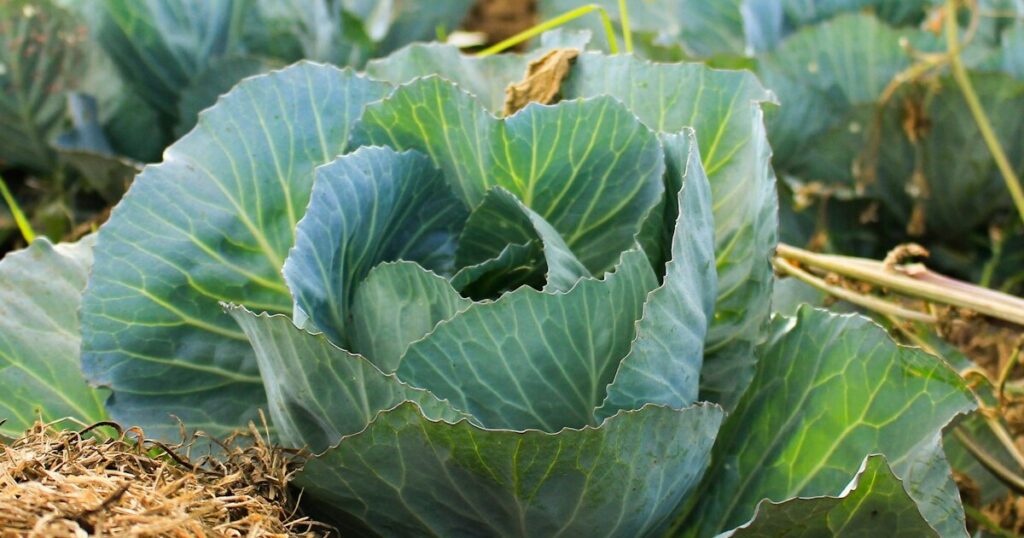
Chinese cabbage (Napa cabbage), part of the mustard family, has been cultivated in East Asia for over a thousand years. Its wild relatives include bittercress and shepherd’s purse, but Napas themselves aren’t invasive in home gardens. Timing is critical for a June planting—if temperatures soar, cabbages can bolt prematurely. I recommend starting seeds indoors in May or purchasing healthy transplants. When seedlings reach 4 to 6 true leaves, transplant them into holes spaced 12 to 18 inches apart, always ensuring soil moisture remains consistent. Providing light afternoon shade (a sheer row cover works wonders) helps prevent heat stress and bolting.
When Napa cabbages bolt and flower, they produce yellow umbels that attract hoverflies, native bees, and even pollen-feeding beetles. Though bolting means leaves become bitter, those blossoms help build up beneficial insect populations for surrounding crops. Before flowering, the dense rosettes of leaves create a sheltered micro-environment where predatory wasps and lacewings patrol for aphids and caterpillars. I often interplant Napa with dill or cilantro to lure in beneficial wasps that parasitize common brassica pests. In about 60 to 70 days, you’ll harvest firm, crisp cabbage heads perfect for kimchi, slaws, or stir-fries—showing that June can still be a great time to plant brassicas if you keep them cool and well-watered.
Sweet Potatoes
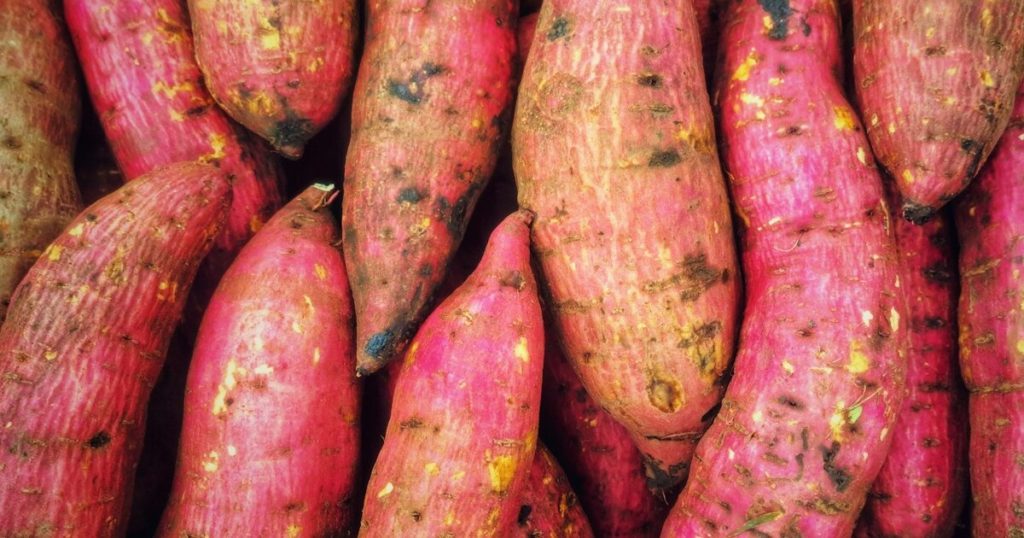
Sweet potatoes, native to Central and South America, have been cultivated by indigenous peoples for over 5,000 years. Though closely related to weedy morning glory species, Ipomoea batatas itself isn’t typically invasive in temperate gardens. When planting in June, use slips (vine cuttings) rather than seeds—slips planted now develop robust vines that spread quickly. Arrange slips 12 to 18 inches apart on mounded rows, ensuring the soil drains well; sweet potatoes hate standing water. By mid-June, when nightly lows stay above 65°F, slips root rapidly, sending out long trailing vines that cover the bed in lush greenery.
Those vines produce small white or lavender blossoms in mid-summer, attracting bees and butterflies—though we’re mainly growing for the starchy roots underground. The dense foliage acts as a living mulch, shading the soil and preventing weeds while providing cover for ground beetles and spiders that hunt slugs and cutworms. I love how sweet potato beds become a little wildlife haven, supporting a balanced micro-ecosystem. Still, watch for signs of root-knot nematodes; a quick soil test before planting is wise if you’ve had nematode issues in the past. By late September or October—about 90 to 100 days after planting—those roots will be ready to harvest, offering sweet, vibrant flesh for autumn baking and storage.
Beets
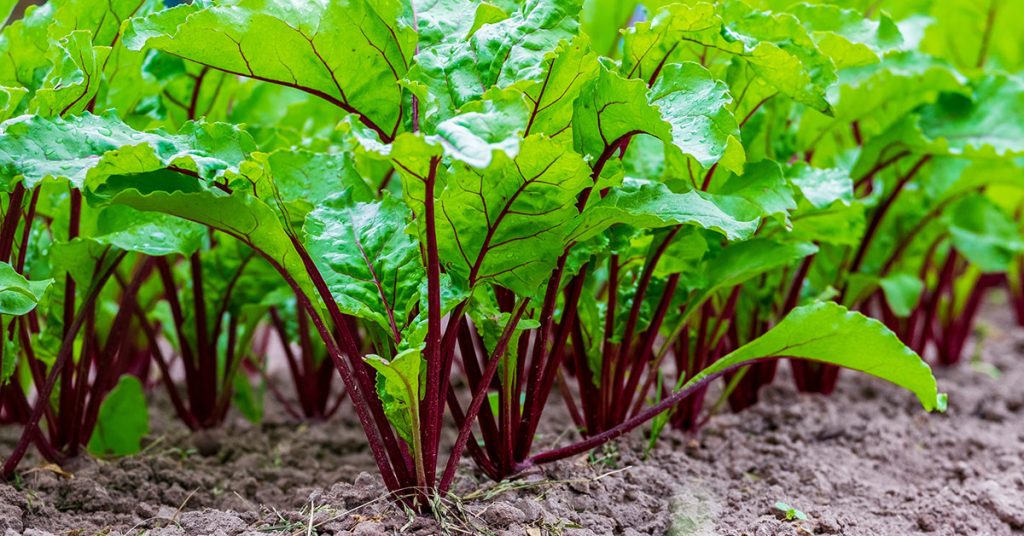
Beets, native to the Mediterranean, have been cultivated for both their roots and greens since ancient times. Although Beta vulgaris itself isn’t invasive, its wild ancestor, sea beet, can sometimes colonize edges of the garden. For a June sowing, beets need consistently moist, well-tilled soil—dry conditions lead to unsightly split roots. Sow seeds about ½ inch deep in rows spaced 12 inches apart. Expect germination in 7 to 14 days when soil temperatures hover between 60°F and 70°F. Once seedlings reach a couple of inches tall, thin them to 3 inches apart so each root has sufficient room to expand.
If you let beets bolt and flower (often in an attempt to save seeds), you’ll be treated to umbels of tiny white or yellow blossoms that attract flies, hoverflies, bees, and parasitic wasps. These beneficial visitors patrol for aphids on beets and neighboring crops, providing natural pest control. Even before the plants flower, their rosette of edible leaves offers cover for ground-dwelling predators, like rove beetles and ground beetles, which hunt slugs and cutworms. Interplanting beets with onions can deter flea beetles, which otherwise love to chew holes in tender beet foliage. In roughly 60 to 80 days, you’ll enjoy sweet, crisp roots—whether as baby beets in about 50 days or full-size harvests a bit later—proving June is an acceptable time to sow these versatile veggies.
Pumpkins
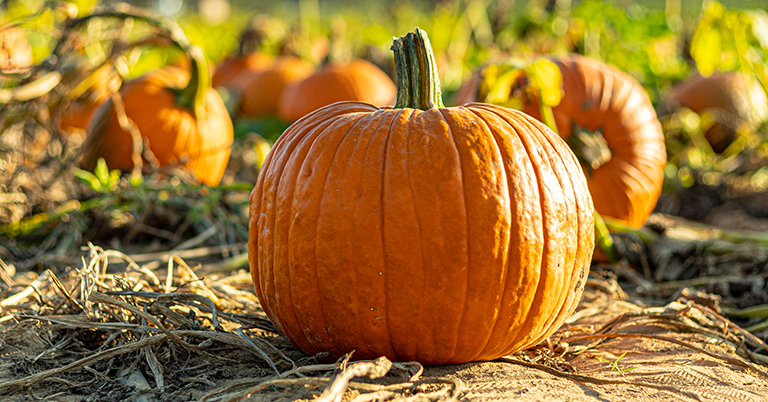
One of my favorite late-season planting challenges is pumpkins. These giants originate from Mesoamerica, where indigenous peoples have cultivated various Cucurbita species for thousands of years. While most pumpkin varieties aren’t considered invasive in a typical home garden, they do have sprawling vines that can overtake space if left unchecked. For a June planting, choose fast-maturing varieties like ‘Jack Be Little’ or ‘Baby Bear,’ which mature in about 90 days. Plant seeds 1 inch deep and space hills 4 to 6 feet apart, amending the soil with plenty of compost and ensuring good drainage. Water deeply but infrequently to encourage strong root development and help prevent rot.
Pumpkin vines produce large, bright blossoms that are magnets for honeybees, bumblebees, and native bees. Watching pollinators crawl deep into each flower is a treat—knowing they’re doing all the work that results in hefty gourds! Under the vines, beneficial insects like ground beetles and spiders find shelter, helping control slugs and other pests. However, keep an eye out for squash vine borers and powdery mildew, especially as temperatures climb. I’ve found that interplanting nasturtiums or marigolds near pumpkin beds can lure aphids away and help with overall pest management. By mid-September, you’ll be carving jack-o’-lanterns or roasting seeds—proof that starting pumpkins in June is absolutely worth the effort!
Bush Beans
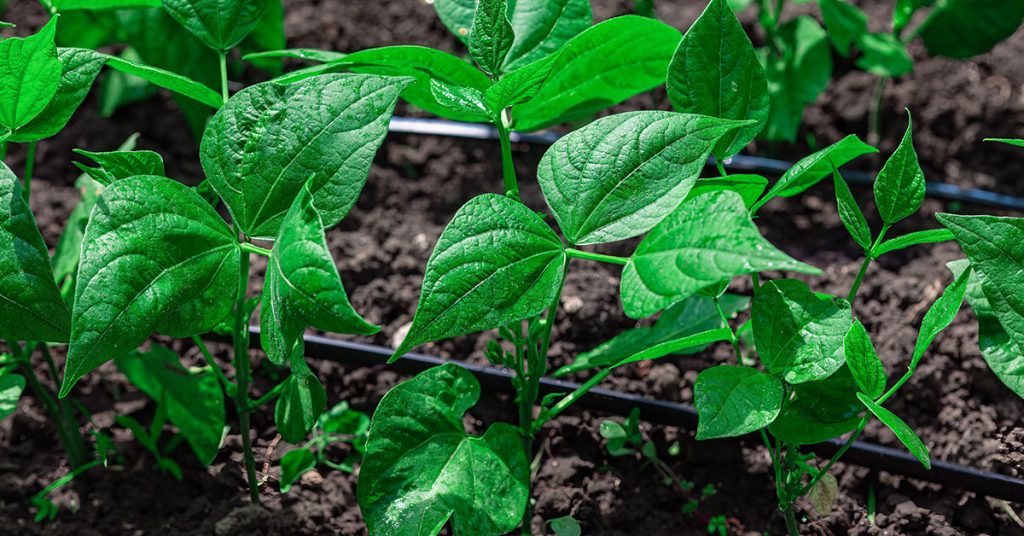
Bush beans, with their neat, upright plants, are perfect for June sowing when space is at a premium. First domesticated in South America more than 7,000 years ago, these beans aren’t invasive but will self-seed if you allow pods to dry on the vine. Direct-sow seeds 1 to 1.5 inches deep in rows 18 to 24 inches apart, spacing seeds 2 to 4 inches apart. Germination occurs quickly—usually within 7 to 10 days—when soil temperatures exceed 60°F. Once the seedlings emerge, thin to 4 inches apart, and keep soil consistently moist for vigorous growth and pod development.
When bush beans bloom, they produce clusters of small white, pink, or purple flowers that, while not the showiest, still attract bees. More importantly, the plants’ bushy foliage provides shade that suppresses weeds and conserves moisture—crucial in June’s heat. Those shaded beds become home to lacewings, lady beetles, and minute pirate bugs that patrol for aphids and thrips. I once saved a bean bed from thrip damage simply by encouraging lacewings with a nearby patch of alyssum. After about 50 to 60 days, you’ll be harvesting tender, snap-ready beans, and can even succession-sow for a late-season pick if your frost date is well into October.
Kale
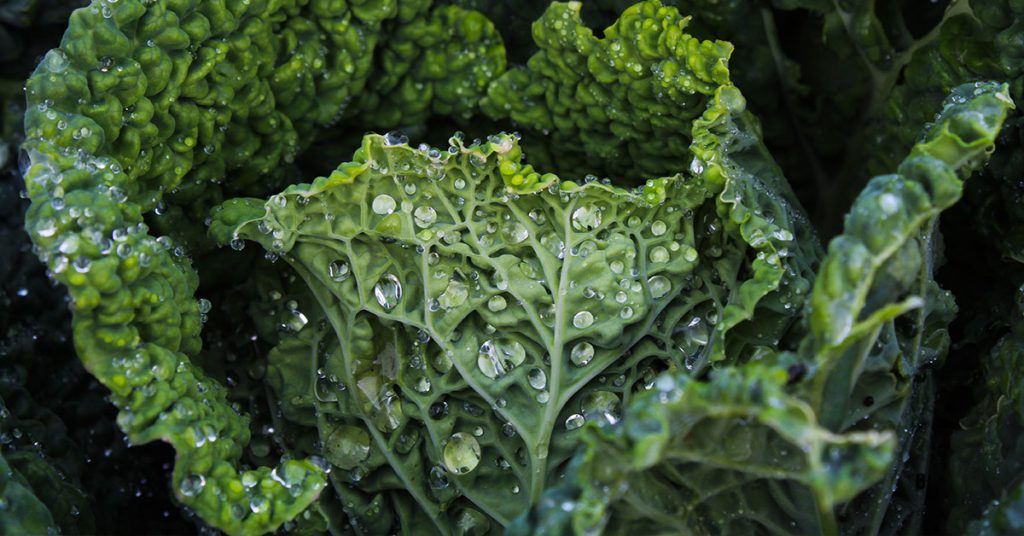
Kale, a hardy member of the Brassica family, originated in the eastern Mediterranean and was prized by the Romans for its nutritious leaves. Unlike some wild mustard relatives, most kale varieties aren’t invasive in home gardens. For a June planting, you can direct-sow seeds about ¼ inch deep into well-prepared beds, spacing them 12 to 18 inches apart. Germination usually occurs within 5 to 10 days if soil temperatures remain between 60°F and 70°F. In hotter regions, I prefer starting seeds in shaded flats and transplanting seedlings when they’re 4 to 6 leaves tall, which helps prevent bolting caused by intense midday sun.
When kale bolts in cooler weather, it produces delicate white or lavender blooms that attract bees, syrphid flies, and butterflies—boosting pollination for other garden crops. Before flowering, the curly or flat leaves themselves provide continuous habitat for predatory ground beetles and spiders that seek out slugs and caterpillars. Kale’s thick leaves also resist drought better than lettuce or spinach, making it more forgiving when June heat intensifies. Keep an eye out for cabbage aphids lurking in leaf axils—if you spot those, a good blast of water from the hose often dislodges them. In about 55 to 65 days, you’ll be harvesting nutrient-dense kale for salads, smoothies, or sautéed sides—an exciting reward for planting in June!
Collard Greens
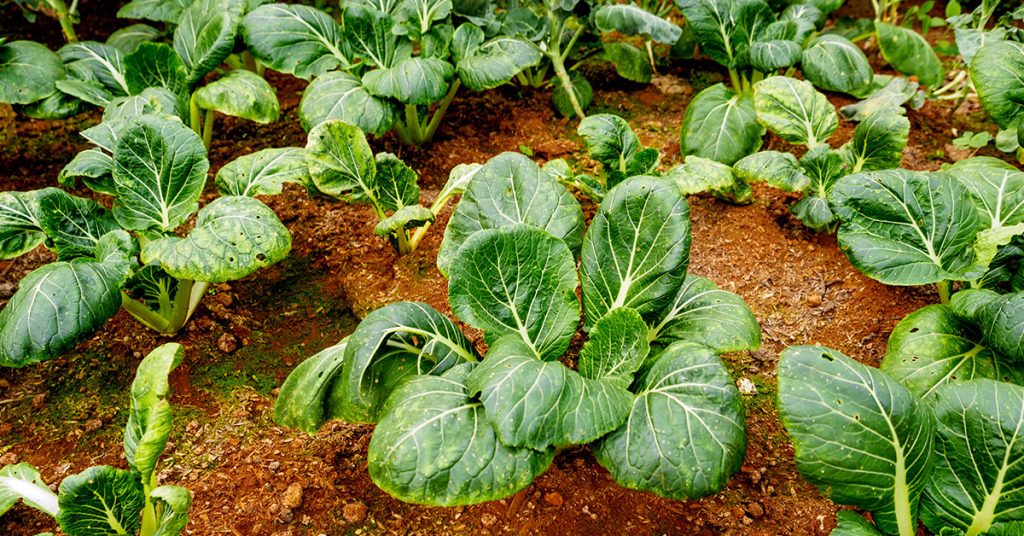
Collard greens, a staple of Southern U.S. kitchens, trace their lineage back to ancient Greece and Rome, though they became especially popular in the American South. As a cultivar of Brassica oleracea (the same species as cabbage and kale), collards aren’t typically invasive. To plant in June, start seeds indoors or purchase transplants. If sowing directly, plant seeds about ½ inch deep in early June and thin to 18 inches apart once seedlings reach a few inches tall. Collards enjoy warm soil and take about 60 days to mature—just be mindful that extreme heat can hasten bolting, so apply mulch to help keep roots cool and moist.
When collards bolt, they produce clusters of tiny yellow flowers that attract native bees, hoverflies, and butterflies—bolstering your garden’s overall pollinator population. Before flowering, their large, upright leaves create a shaded mini-habitat where minute pirate bugs and lady beetles patrol for aphids and caterpillars. I recall one summer when a flock of tiny silver-spotted skipper butterflies visited my collard patch every morning—pure garden magic! Be vigilant for cabbage worms; if you catch these small green caterpillars early, you can handpick them or temporarily use row covers until plants begin to head. By late August, you’ll enjoy sweet, tender collard leaves—perfect for soulful stews and sautéed greens—showing that collards planted in June can thrive when given shade and steady water.
Cucumbers
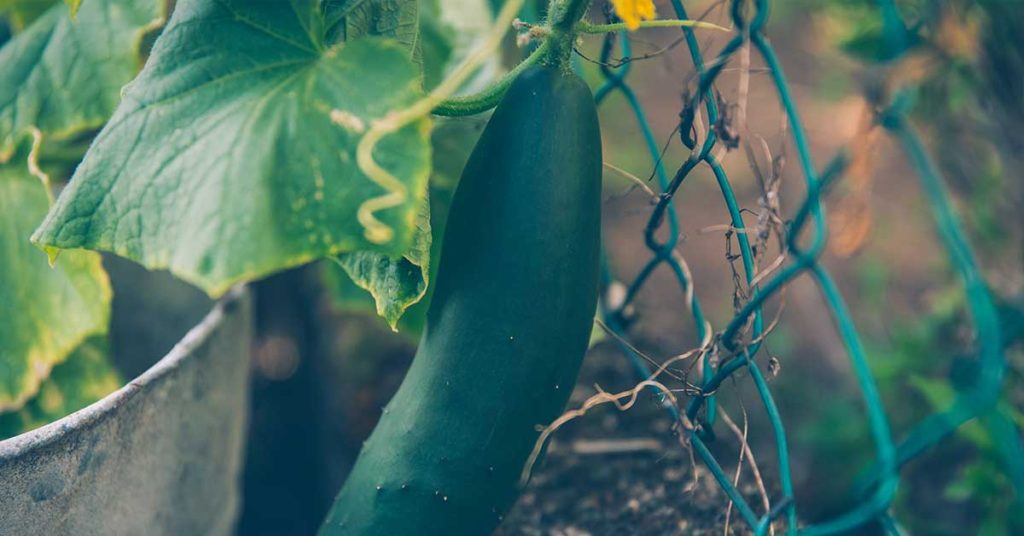
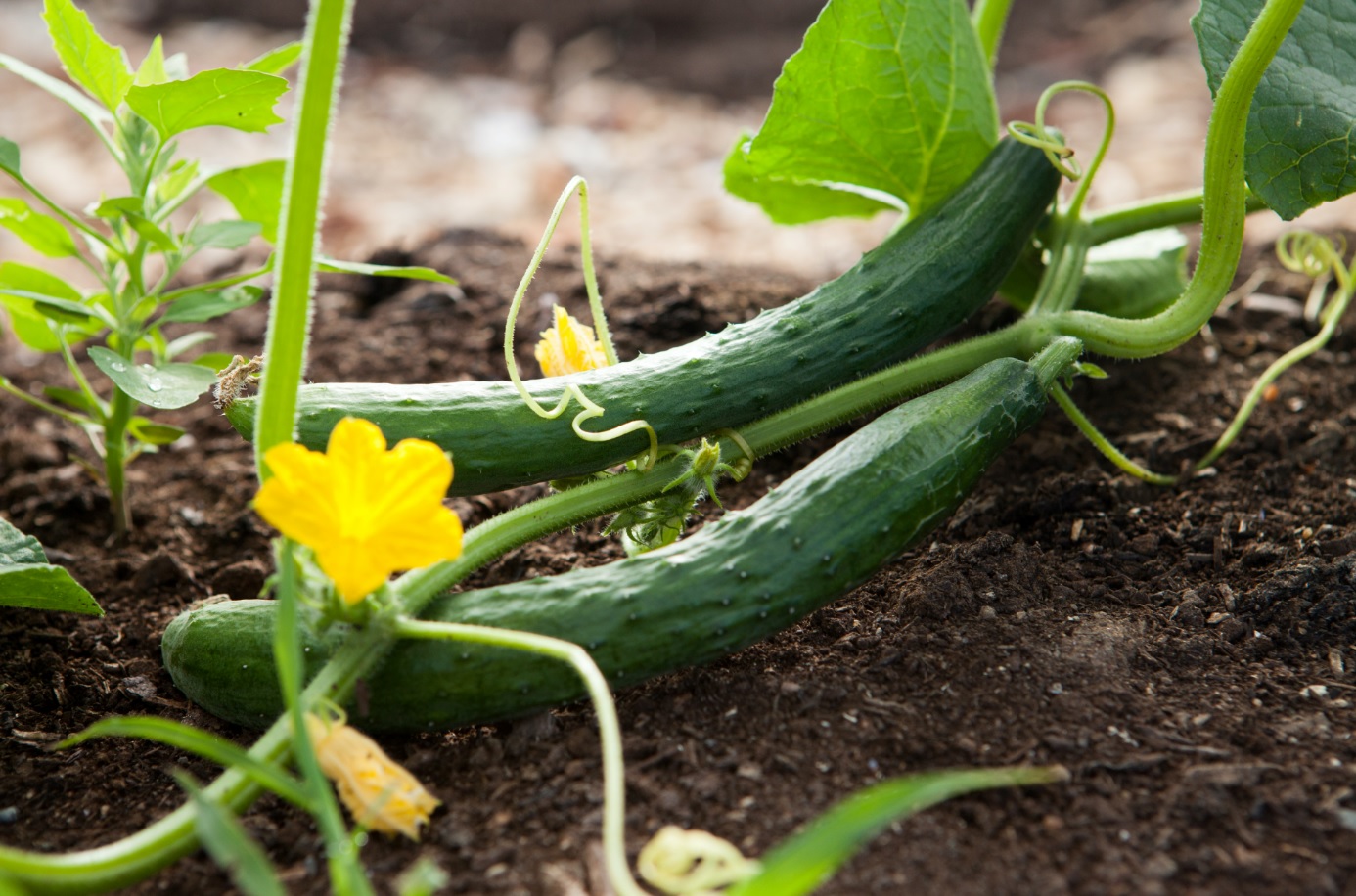
Cucumbers, first domesticated in India over 2,000 years ago from their wild Mesoamerican ancestors, are now cherished worldwide for their crisp, juicy fruits. Cultivated cucumber varieties aren’t invasive in a typical garden, but stray seeds can sprout volunteers if compost containing cucumber scraps isn’t fully composted. To plant in June, choose disease-resistant, fast-maturing varieties like ‘Marketmore 76’ or ‘Bush Champion.’ Direct-sow seeds 1 inch deep, spacing them 2 feet apart if you’ll train vines onto a trellis or 3 feet apart if allowing them to sprawl. Germination usually takes 7 to 10 days when soil temperatures exceed 70°F.
When cucumbers bloom, their bright yellow flowers beckon honeybees, bumblebees, and solitary bees to gorge on nectar—ensuring excellent fruit set. Under those vines, lacewings, parasitic wasps, and predatory mites thrive, hunting aphids and spider mites that might otherwise damage young leaves. If cucumber beetles are problematic in your area, I recommend using floating row covers early on and removing them once the first flowers appear so pollinators can enter freely. I’ve seen bumblebees navigate dense cucumber vines with determination to reach every blossom—nature’s little gymnasts! By late July or early August, you’ll be harvesting crisp, refreshing cucumbers—perfect for salads, pickles, or a cool snack straight from the vine.