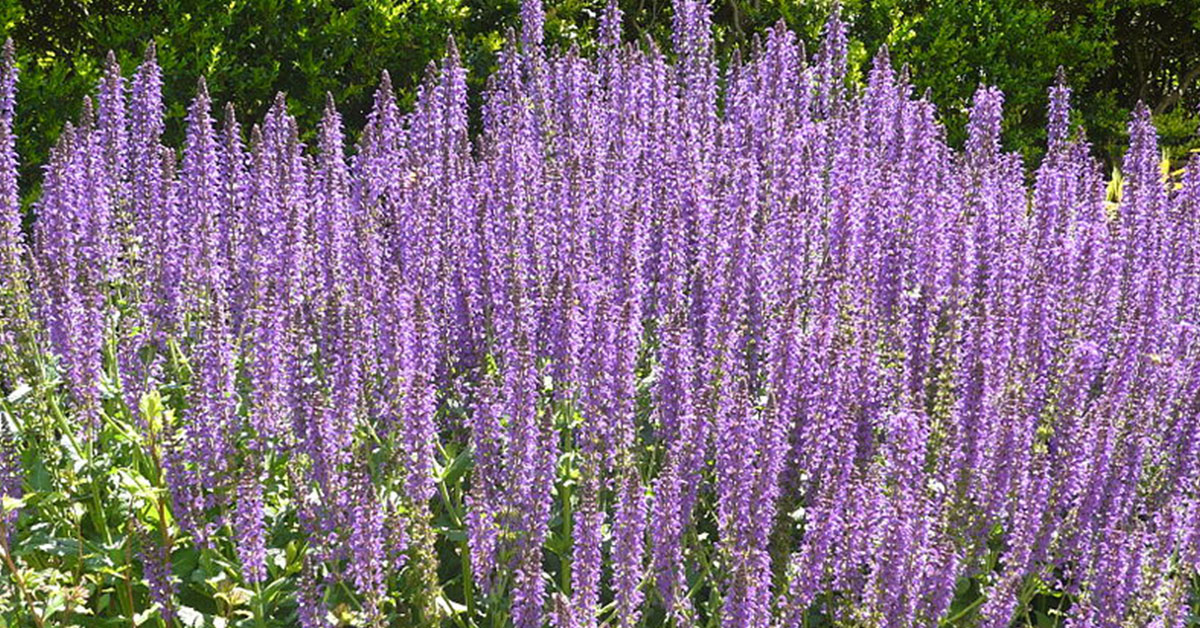

Planting lavender and salvia side by side is like hosting a fragrant garden party—you get billowing purple spikes, hummingbird visits, and that heady Mediterranean aroma all in one spot! But I know how discouraging it can be when one plant sulks or mildew creeps in. Over the years, I’ve learned which tweaks make these two perennials truly thrive together in harmony.
By honoring their native roots—lavender hailing from rocky Mediterranean hillsides and salvias ranging from Central and South America to the Mediterranean—you’ll give each plant exactly what it craves. From soil adjustments to pruning tricks and pollinator strategies, these ten tips will help you cultivate a stunning, buzzing duo that delights senses and wildlife alike!
Scout Early for Pests and Diseases
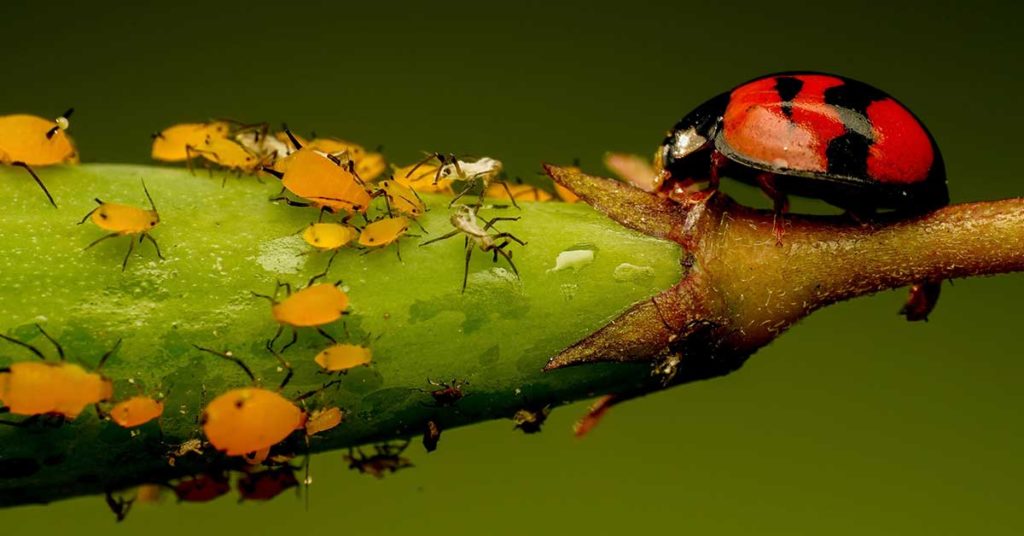
Lavender, though drought-tolerant and relatively pest-resistant, can suffer root rot in poorly drained beds, while salvia sometimes attracts aphids, whiteflies, or powdery mildew. It’s such a bummer to watch aphid clusters suck sap from tender salvia leaves or find lavender stems turning mushy!
Walk your garden weekly—peek under salvia leaves for sticky residue or mealybugs and probe lavender’s base for firmness. Early detection means you can rinse pests off with a gentle spray of water, introduce ladybugs, or apply neem oil before issues spread, saving you time—and heartbreak—later!
Water Sparingly and Thoughtfully
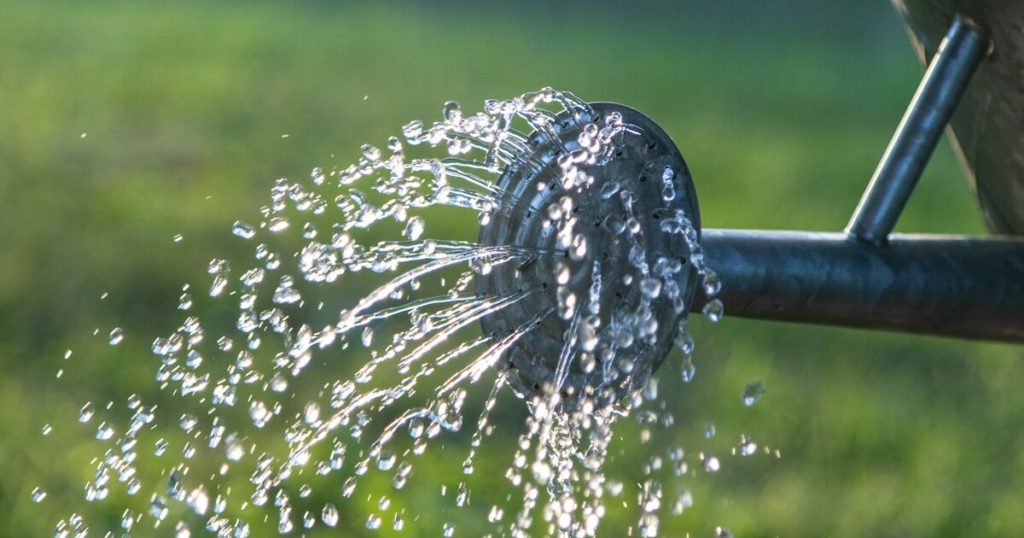
Both lavender and salvia resent constant sogginess. Lavender’s roots evolved in rocky, dry soils of Provence, and while salvia appreciates moisture during establishment, overwatering leads to soft stems and fungal attacks. I once overzealously watered my salvia on a hot afternoon, only to come back to limp foliage!
Aim for an infrequent, deep soaking: let the top inch of soil dry before watering again. Early-morning watering is ideal, as leaves dry quickly and disease risk falls. Your lavender will deepen its essential oils in response to mild drought stress, and your salvia will reward you with sturdy, vigorous growth!
Select Complementary Varieties
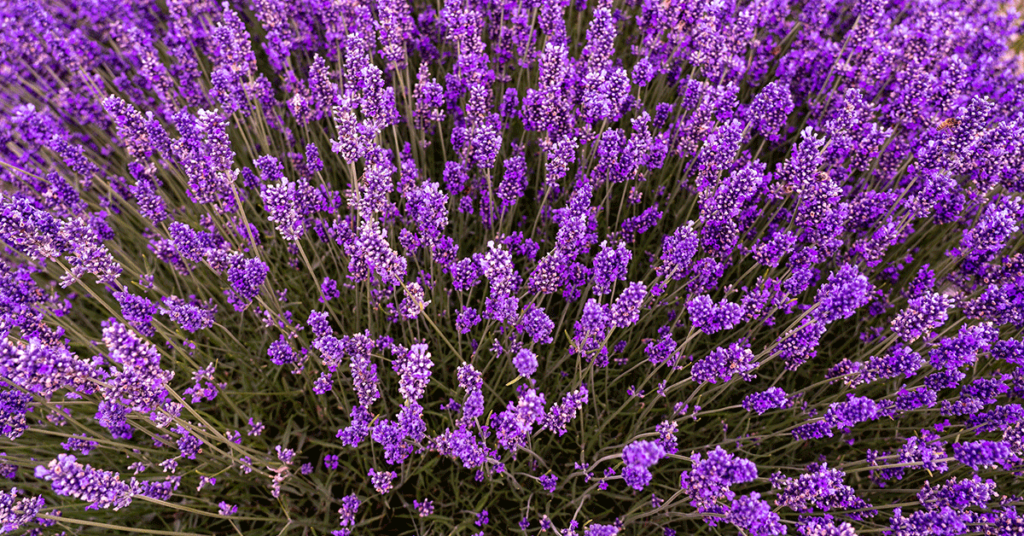
Lavender boasts types like English (Lavandula angustifolia), French (L. dentata), and Spanish (L. stoechas), each with unique hardiness and flower shape. Salvias run the gamut from low-growing Salvia nemorosa cultivars to tall, hummingbird-magnet Salvia guaranitica. Mismatched heights or bloom times can leave one plant overshadowed.
For a balanced display, pair English lavender (12–18″ tall) with mid-height salvias around 18–24″, like Salvia × sylvestris ‘May Night.’ I once paired Spanish lavender (about 15″) with compact Salvia nemorosa ‘Caradonna,’ and the deep purple stems of ‘Caradonna’ echoed the lavender’s blooms beautifully—truly one of my favorite combos!
Mulch Carefully to Suppress Weeds
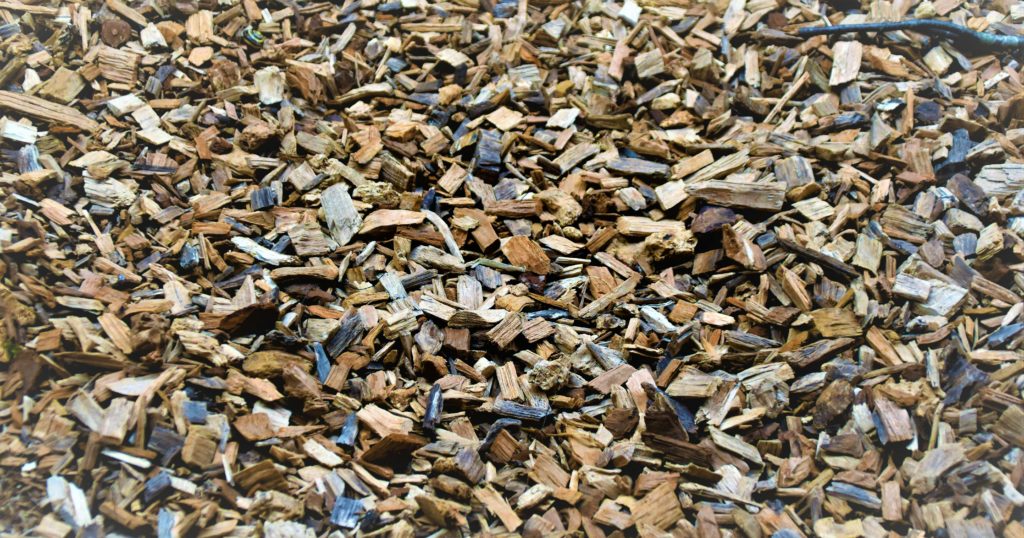
A light gravel or pine-needle mulch mimics lavender’s native terrain and helps suppress weeds that compete for water. But piling mulch thickly against stems invites moisture buildup, leading to rot in both species. I learned this the hard way when my lavender crowns sat in damp mulch all winter!
Keep mulch a couple of inches away from the base—just enough to shade weed seeds and reflect heat into the soil. That way, your lavender roots stay crisp and salvias avoid soggy crowns, and you spend less time weeding and more time enjoying blooms.
Ensure Full Sun Exposure

Lavender and most salvias crave at least six hours of direct sun. In shady nooks, lavender becomes leggy with sparse blooms, and salvia’s rich hues fade, producing flimsy stems. I once trialed a north-facing bed and got two sad, spindly plants!
If your garden has variable sun patterns, consider containers you can move to chase sunlight. Under bright sun, lavender’s fragrant oils intensify, and salvias burst into their truest colors—plus pollinators, from bees to hummingbirds, will flock to that sunny hotspot!
Amend Soil for Excellent Drainage

Lavender thrives in sandy, rocky soils that replicate Mediterranean slopes, and while salvia tolerates richer loams, both hate waterlogged roots. Heavy clay beds spell root rot and poor growth. I once planted mine in unamended clay and felt their misery all season!
Before planting, mix in coarse sand, horticultural grit, or fine gravel with existing soil—about 30–50% amendment. You can fold in a bit of well-aged compost for nutrients without turning the bed into a sponge. Your lavender will develop tight, vigorous root balls, and your salvia will stand tall, not flop.
Mind Soil pH Requirements
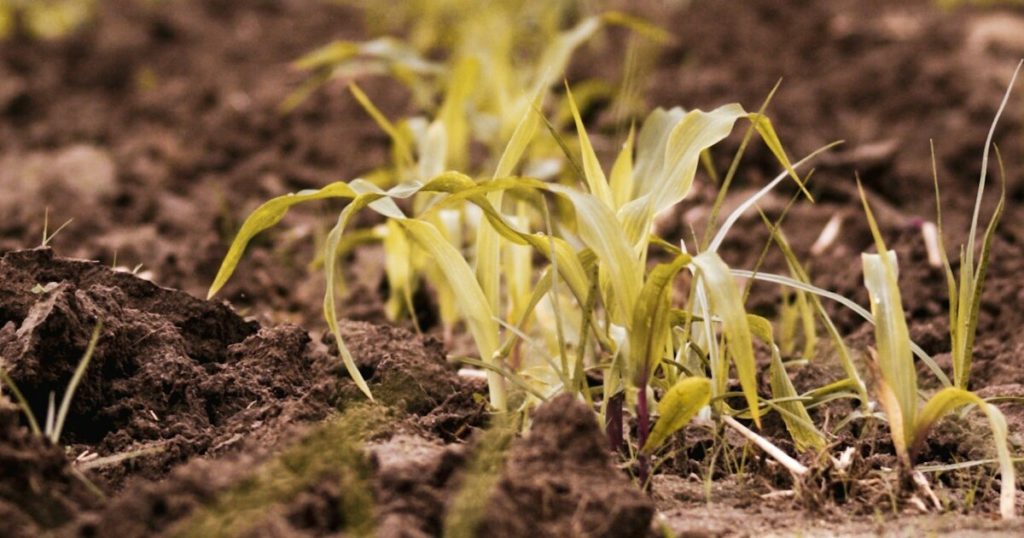
English lavender prefers mildly alkaline soils (pH 7.0–8.0), whereas many salvias flourish in neutral to slightly acidic ground (pH 6.0–7.0). Skip a simple soil test, and you risk nutrient deficiencies—lavender could show poor flowering, and salvia’s foliage might yellow.
Use a home pH kit or send a sample to a lab. If your bed skews acidic, add lime or crushed oyster shell; if overly alkaline, incorporate sulfur or peat moss sparingly. Balanced pH ensures both plants absorb phosphorus and other vital minerals, leading to lush growth and those captivating scents we gardeners adore!
Provide Adequate Spacing
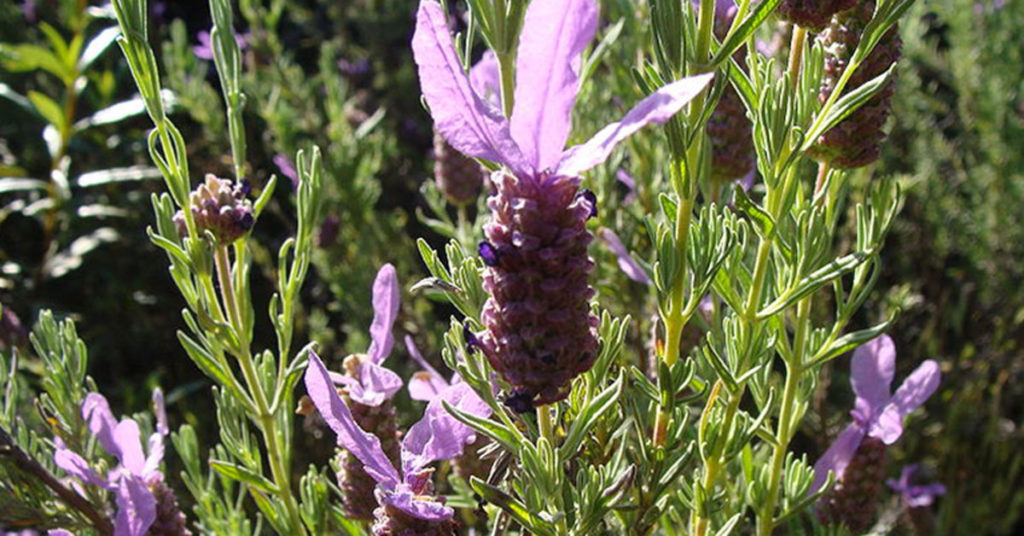
Lavender forms mounding clumps up to 2–3 feet wide, while salvias vary from clumping to sprawling. Overcrowding restricts airflow, inviting gray mold on lavender and powdery mildew on salvia—such a chore to remedy!
Allow at least 18–24″ between lavender crowns and 12–18″ around salvia plants. This breathing room prevents disease, makes maintenance easier, and lets you admire each plant’s unique structure. I learned the value of spacing after my first cramped bed turned into a tangled tangle that summer!
Encourage Pollinators by Allowing Some Blooms
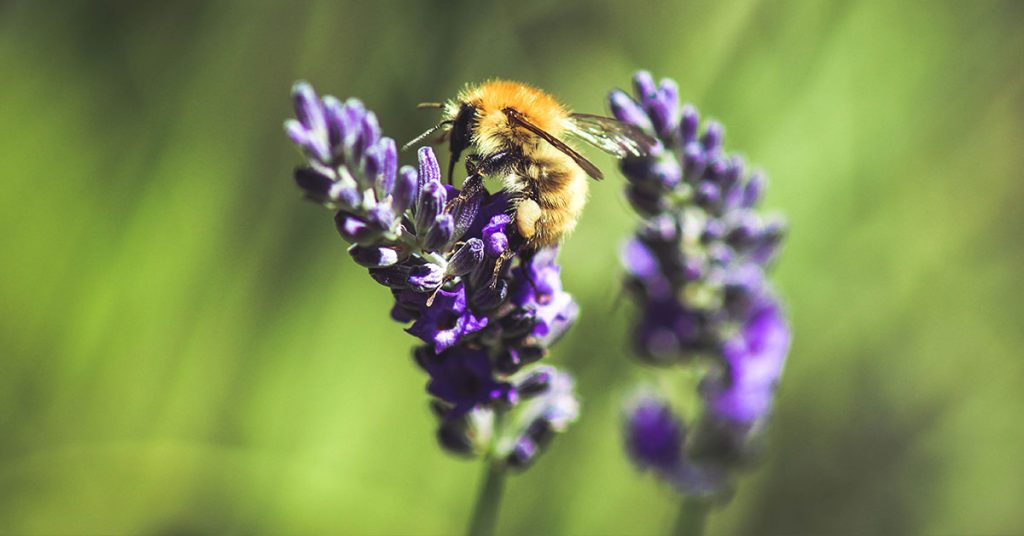
Lavender’s fragrant flower spikes attract ground-nesting miner bees and honeybees, while salvia’s tubular blossoms are irresistible to hummingbirds and butterflies. If you deadhead every bloom, you’ll miss out on nature’s own garden show!
Let a few flower spikes remain after the main bloom to provide late-season nectar. You’ll delight in watching bumblebees burrow into lavender blooms and hummingbirds dart around salvia—every day feels like a visit to a wildflower meadow!
Prune at the Right Time and Manner
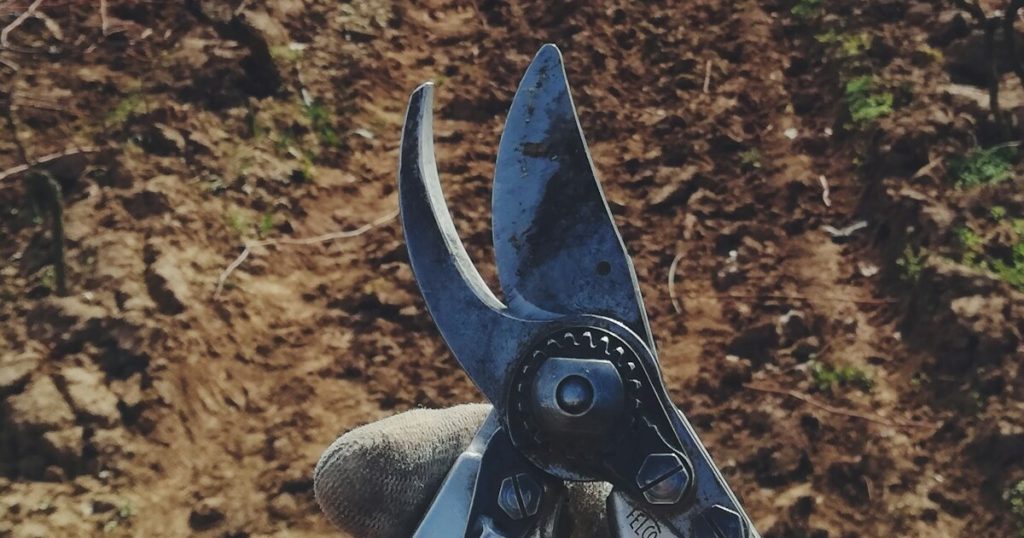
Lavender benefits from a spring trim—cut back about one-third of last year’s growth after new shoots appear, but avoid cutting into old, woody stems or you risk no regrowth. Salvia, on the other hand, often thrives on deadheading—snipping spent flower spikes encourages a second bloom.
For lavender, use sharp shears to shape a gentle dome and stimulate fresh growth. For salvia, snip just above a pair of healthy leaves once blooms fade. I love the excitement of seeing fresh salvia buds form weeks later—bonus blossoms are the best reward!