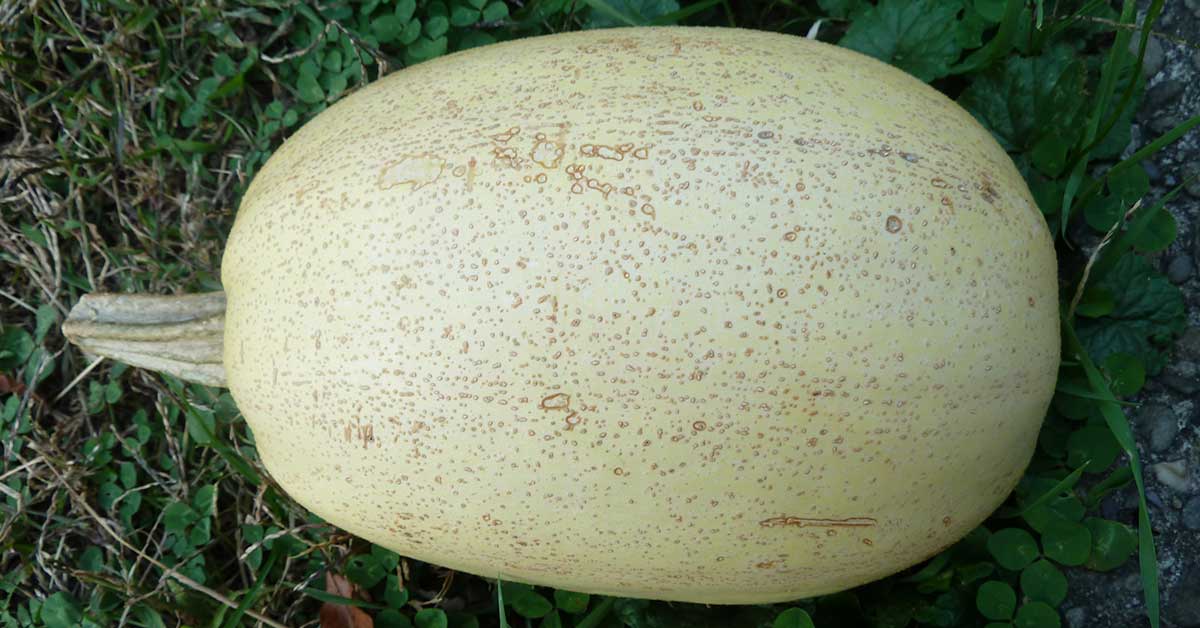

I know how frustrating it is to plant spaghetti squash only to end up with tiny, underwhelming fruits—especially after you’ve dreamt of those generous, noodle-like strands on your plate! Getting truly big, flavorful squash takes more than just tossing seeds in the soil; it demands thoughtful preparation, consistent care, and a few insider tricks that can make all the difference.
As a gardener who loves watching vines sprawl and produce spectacular harvests, I’m excited to share these 11 tips. From soil prep to pollinator encouragement, each tip will help you coax those vines into growing hefty, delicious squash. Let’s dive in and set you up for a bountiful autumn harvest!
Ensure Full Sun Exposure

Spaghetti squash (a cultivar of Cucurbita pepo native to the Americas) thrives in bright, direct sunlight—aim for at least six to eight hours daily. It isn’t invasive, but it does need room to spread, so pick the sunniest spot you have! Morning light warms the leaves, spurring photosynthesis, while afternoon sun encourages firm fruit development.
I once tucked a tray of young squash seedlings in partial shade and marveled at their stunted growth compared to those planted in full sun—lesson learned! If your garden has a shady corner, consider installing reflective surfaces or rotating containers to follow the sun throughout the day.
Choose the Right Variety
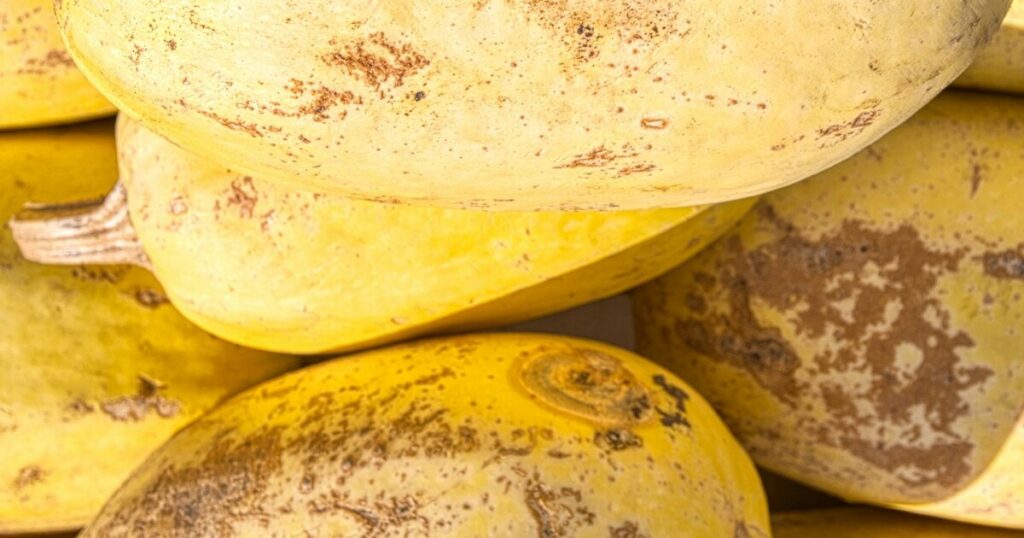
Not all spaghetti squash are created equal—‘Vegetable Spaghetti’ and ‘Triumph’ tend to produce larger fruits, while smaller heirlooms may cap out at tennis-ball size. These cultivars, originating from North and Central America, remain well-behaved in the garden without any invasive tendencies, but their genetics make all the difference for size!
One of my favorite discoveries was comparing two varieties side by side: the difference in fruit girth was astonishing. Always check seed catalogs for days-to-maturity and expected fruit weight; choosing a longer-season, big-fruiting type sets you up for success.
Attract Pollinators
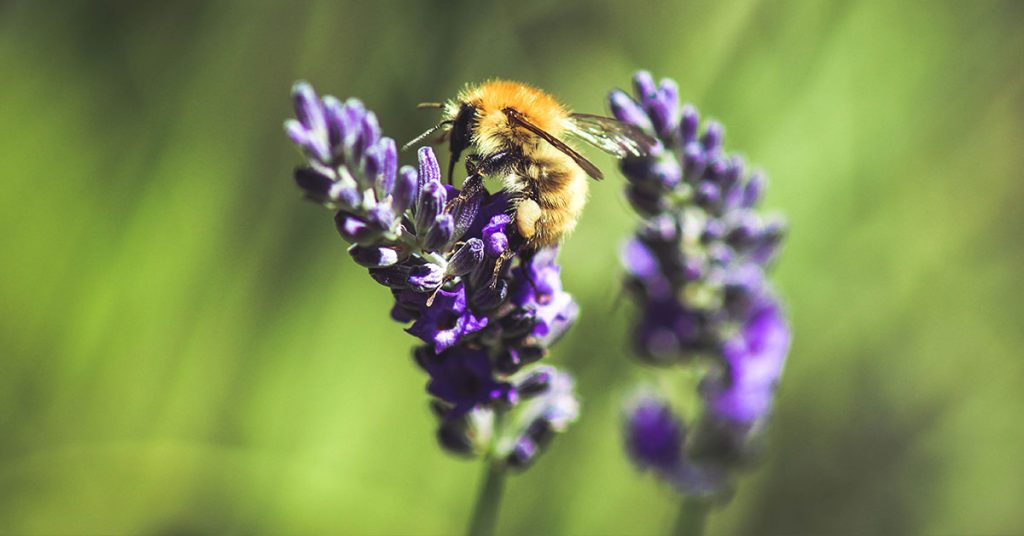
Spaghetti squash plants produce separate male and female flowers that open in the early morning—without pollinators, those female blossoms won’t set fruit! By planting pollinator-friendly companions like lavender, borage, or calendula nearby, you’ll draw in bees, hoverflies, and even solitary wasps that help with pollination.
I’ve watched tiny sweat bees nesting in bare patches of soil beneath squash vines, emerging daily to forage on bright yellow blooms—it’s like having a personal pollination service in your backyard! If natural visitors are scarce, gently transfer pollen with a soft paintbrush between male and female flowers for optimal fruit set.
Mulch to Retain Moisture
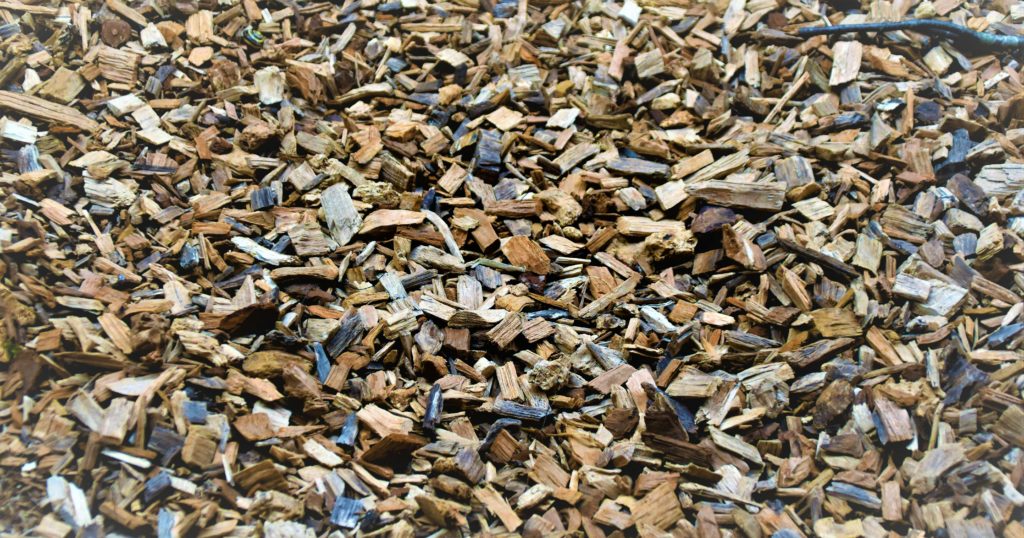
Your squash roots need steady moisture to grow dense vines and plump fruits, but soggy soil can rot roots. A two- to three-inch layer of organic mulch—straw, shredded leaves, or compost—helps regulate soil temperature, reduce evaporation, and suppress weeds that compete for water.
When I first tried bare soil, summer heat baked the roots and stressed the plants—mulching was a game-changer! Plus, the mulch creates a soft palette under the vine where ground-nesting bees can safely build their nests, boosting pollinator habitat right at your feet.
Harvest at Peak Maturity
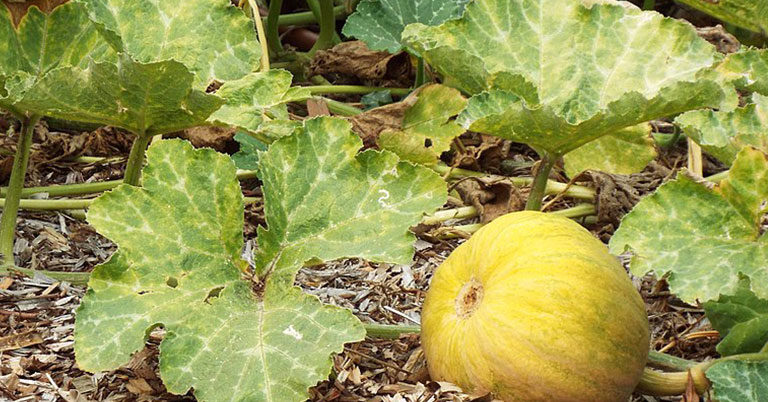
Knowing when to pick makes a huge difference: spaghetti squash skins should be hard, with no green patches, before harvest (usually 80–100 days from planting, depending on variety). Immature fruits tend to be smaller and have less pulp to shred, so resist the urge to pick early—even if you’re eager to taste them!
I recall one season where I harvested too soon and ended up with underdeveloped strands—so disappointing! Test maturity by tapping the rind: a dull sound indicates readiness, whereas a hollow knock suggests it’s still too green.
Prepare Rich, Well-Drained Soil

Spaghetti squash loves fertile, loamy soil with a pH between 6.0 and 6.8. Work in plenty of compost or well-aged manure before planting to ensure a slow-release supply of nutrients—this supports vigorous vine growth and large fruit sets. Avoid water-logged spots, as standing moisture can invite root-rotting pathogens.
After enriching my garden bed, I planted a test hill of squash and watched it shoot up with lush foliage and promising buds within weeks! Good drainage paired with fertile soil is the foundation of any big-fruiting squash endeavor.
Support Heavy Fruits

As your squash ripen, their weight can strain vines and lead to breakage—especially if they’re near the end of a long runner. Gently cradle each developing fruit in a sling made from scrap fabric or netting tied to a sturdy trellis or overhead support, distributing the load and keeping fruits off damp ground where rot can start.
I rigged simple hammocks for my largest squash one season and was thrilled to see them swell without damaging the vine—plus, they stayed cleaner, with less mud splatter! This technique is especially useful in small gardens where space encourages vertical growing.
Start Seeds Indoors Early

In cooler climates, giving seeds a head start indoors 2–3 weeks before outdoor planting can extend your growing season. Use biodegradable pots to avoid disturbing roots at transplant time. Once danger of frost has passed and soil temperatures reach at least 60 °F, harden off seedlings gradually before moving them outdoors.
Watching seedlings unfurl strong leaves inside under grow lights gave me a jump on the season and resulted in earlier, bigger squash! Indoor starting also lets you cull weaker plants and transplant only the most vigorous specimens.
Monitor for Pests and Diseases
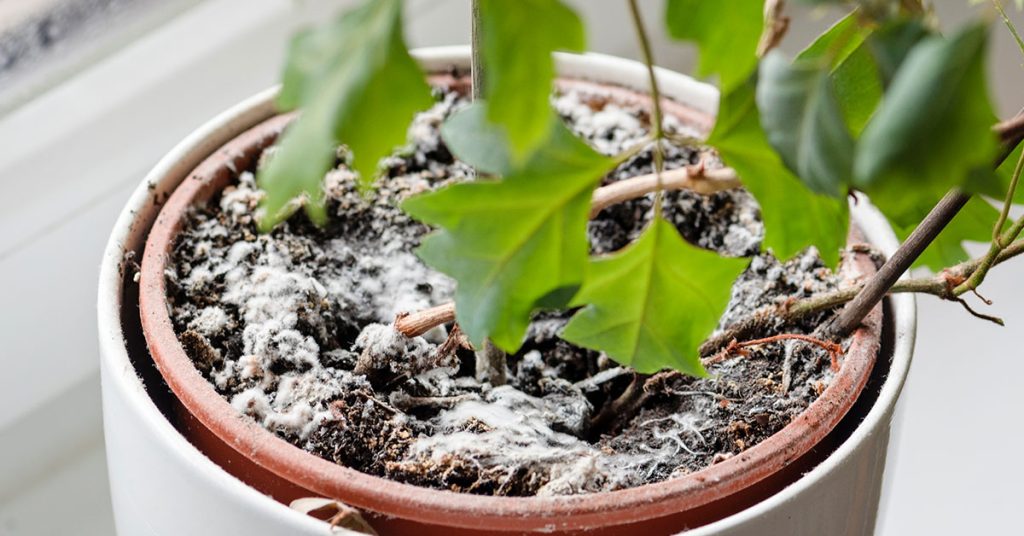
Squash vine borers, powdery mildew, and squash bugs can all hit spaghetti squash—if left unchecked, they stunt vine growth and shrink fruits. Inspect stems at dawn for borer entry holes, prune off mildewed leaves promptly, and pick squash bug eggs from leaf undersides to keep populations low.
It’s such a bummer when pests take over your garden, but early detection makes all the difference! Companion planting with herbs like basil or mint can help deter some pests, and encouraging ladybugs and lacewings by growing alyssum or dill provides natural biocontrol.
Fertilize Appropriately
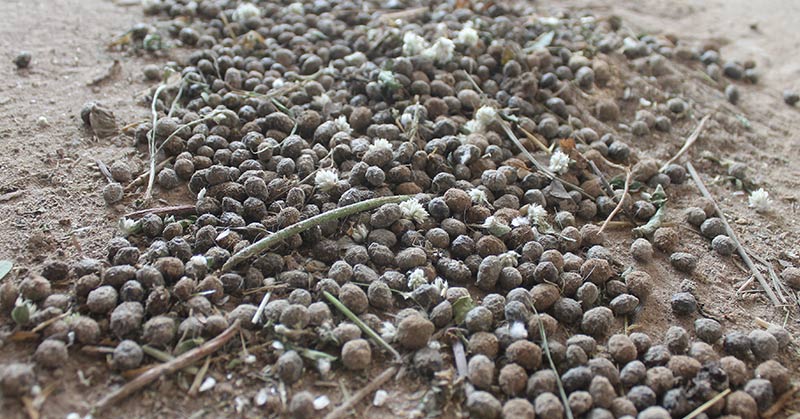
Once vines have six true leaves, side-dress with a balanced organic fertilizer or compost tea every 3–4 weeks to support the heavy nutrient demands of fruit production. Too much nitrogen early on encourages leaf growth at the expense of squash size, so switch to phosphorus-rich feeding when fruits begin to form.
I learned the hard way that a single heavy feeding at the wrong time led to vines thicker than my arm but tiny fruits—so stay attentive to growth stages! Tailoring your fertilization to vine and fruit development ensures energy goes where it counts most.
Provide Ample Space
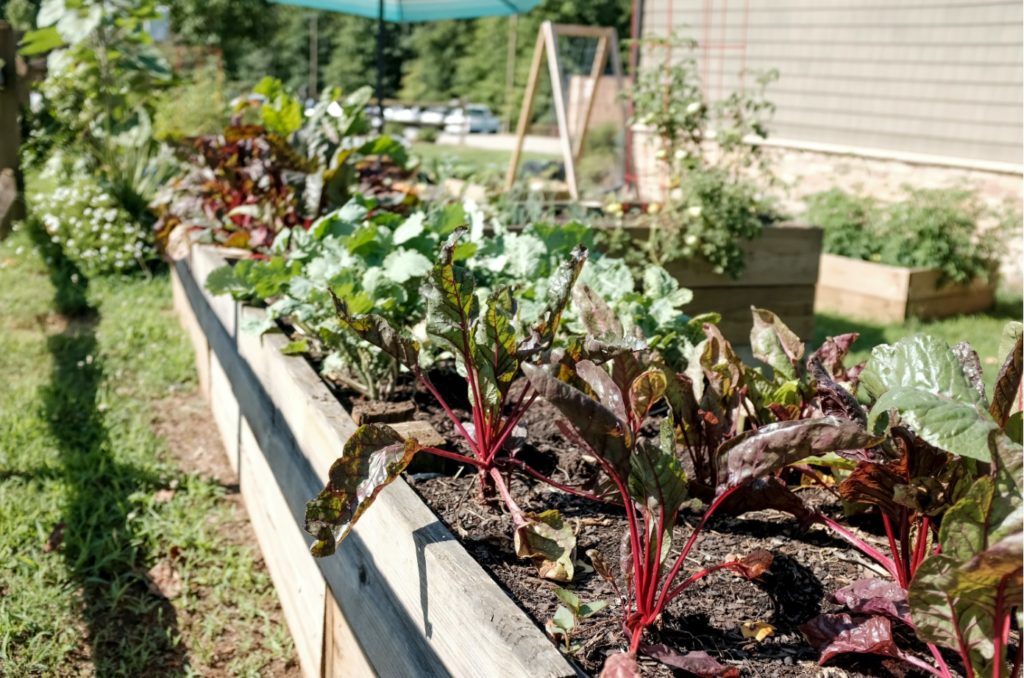
Spaghetti squash vines can stretch 10–15 feet, so give each plant its own hill or designate wide rows at least 4–6 feet apart. This spacing reduces competition for light, nutrients, and air circulation—airflow is vital to prevent fungal diseases and supports sturdy vine growth.
My garden’s busiest season taught me that overcrowded squash never produce the giants I crave—spacious hills always win! If space is tight, consider training runners on mulch-covered pathways or vertical supports to maximize area without constricting the vines.