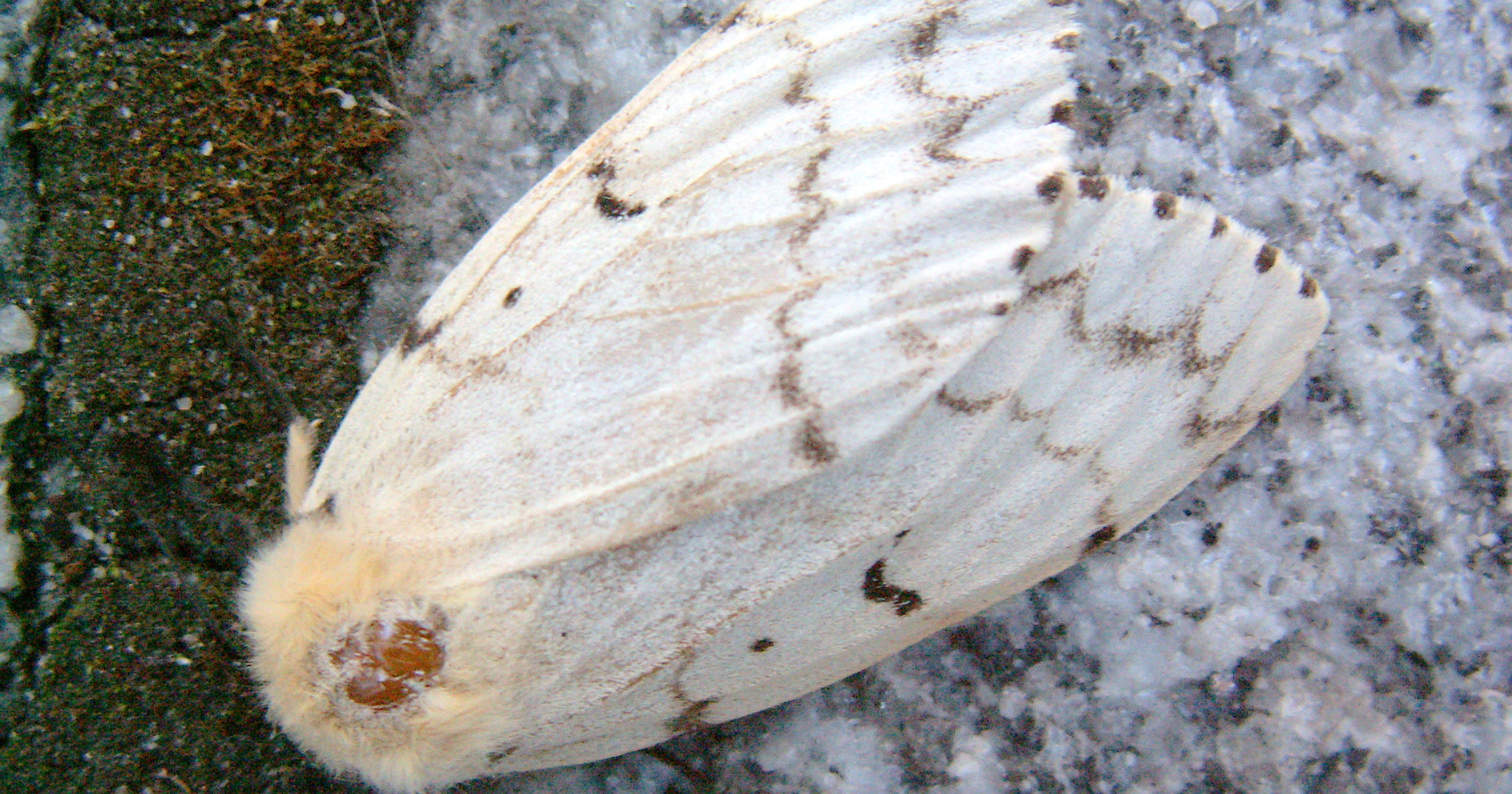

There’s something truly enchanting about an evening garden alive with the flutter of moth wings under a moonlit sky. While bees and butterflies get most of the daytime glory, moths play a vital role as nocturnal pollinators, visiting scents that only unfurl after sundown. If you’ve ever felt the tug of disappointment at a silent, lifeless patio after dusk, you’re not alone—it’s such a bummer when your garden goes quiet just as the world of night-fliers awakens!
Crafting a moth‐friendly oasis is all about choosing the right perennials—plants that emit heady evening fragrances, sport pale or tubular blooms, and provide resting places or larval host foliage. As a gardener who’s spent countless twilight hours coaxing Luna moths and sphinx moths into my beds, I can’t wait to share eleven of my favorite night‐blooming, moth‐magnetizing perennials. Let’s dive in and turn your garden into a glowing nocturnal haven!
Anise Hyssop (Agastache foeniculum)
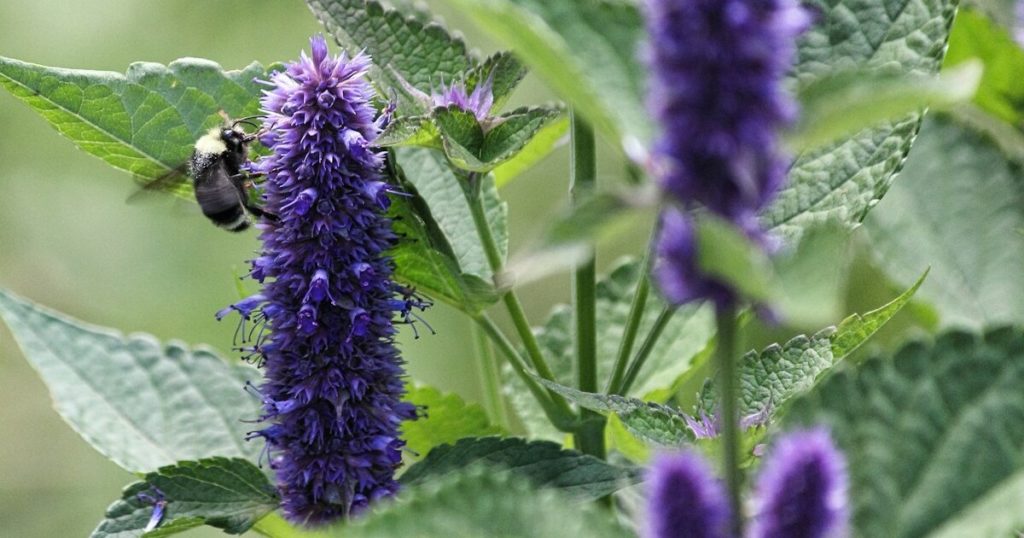
Agastache foeniculum, native to the northern plains and prairies of North America and non-invasive, boasts spires of lavender‐blue flowers that release a sweet, licorice‐tinged scent as dusk settles. Hummingbird moths and clearwing moths are frequent visitors, sipping nectar deep within each tubular bloom. I’ve watched their hovering wings beat so fast they blur, bringing my garden to life when the sun goes down!
Besides its fragrant allure, anise hyssop’s foliage provides shelter for caterpillars of certain sphinx moth species. By planting in clumps near a softly lit seating area, you’ll offer resting nooks where adult moths can pause between feeding bouts—and home to emerging larvae when eggs are laid.
Four O’Clocks (Mirabilis jalapa)
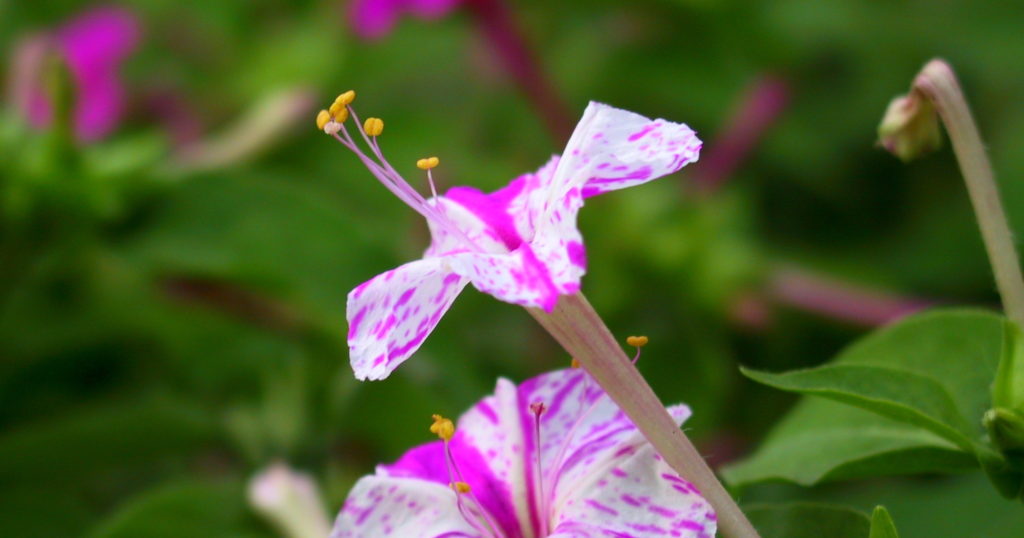
Mirabilis jalapa, native to Central America and non-invasive, earns its common name by unfurling its trumpet-shaped blooms in late afternoon, maintaining their color and perfume well into the night. Sphinx moths, including the gorgeous white-lined sphinx, are irresistibly drawn to the velvety petals and copious nectar. One of my favorite moments is standing among these blossoms, listening to the gentle hum of moth wings!
Once established, four o’clocks self-sow readily but remain well-behaved in most gardens. Their broad leaves also serve as daytime roosts for resting moths and provide a food source for some caterpillar species—making them multi-purpose additions to your nocturnal palette.
Garden Phlox (Phlox paniculata)

Garden phlox, a native of eastern North America and non-invasive, lights up summer evenings with large, billowy clusters of pink, white, or lavender flowers. At dusk, the air around phlox plants becomes thick with the fragrance that draws in silver-spotted skipper moths and hummingbird moths alike! When I first smelled its spicy-sweet perfume wafting across my patio, I knew phlox would be a perennial centerpiece of my evening display.
Phlox also offers broad platforms for moths to land on as they sip nectar, and its tall stems provide discreet cover for resting adults. To keep your phlox blooming through the season—and supporting continuous moth traffic—deadhead spent blooms and maintain even moisture around the roots.
Evening Primrose (Oenothera biennis)
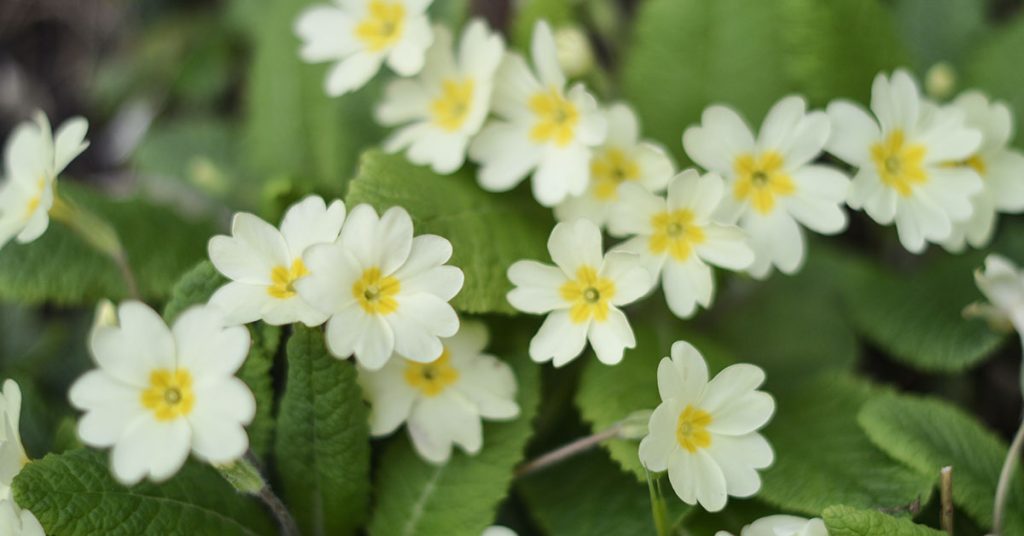
Oenothera biennis, commonly called evening primrose, is native to North America and non-invasive, with delicate yellow blooms that unfurl at twilight. These single, open-faced blossoms give hungry moths full access to pollen and nectar, making them one of the first stops for hawk moths as daylight wanes. I love how each bloom lasts just one night, creating a dynamic, ever-changing display for your nocturnal guests!
Beyond their evening appeal, primrose pods feed caterpillars of the Sphinx moth family, supporting the full lifecycle of these beautiful pollinators. Scatter seeds in a sunny border or allow volunteers to naturalize between stones for a carefree, moth-friendly patch.
Japanese Honeysuckle (Lonicera japonica)

Lonicera japonica, native to East Asia and invasive in many regions, coils attractively over arbors and fences, shedding a powerful, sweet perfume at dusk. Luna moths and various hawk moths can’t resist its tubular white-and-yellow blossoms—though beware, this vine can overtake native plants if left unchecked!
If you choose this honeysuckle, contain it by training on a trellis and pruning annually. Its semievergreen foliage also offers day-time hiding spots for moths and safe egg-laying sites for species like the hummingbird hawk moth.
Butterfly Bush (Buddleja davidii)
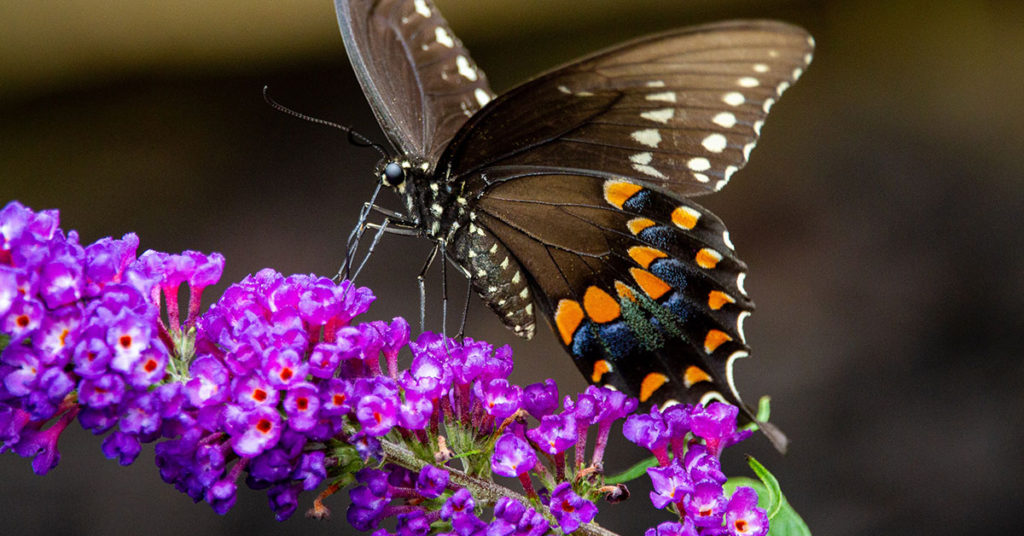
Buddleja davidii, native to China and invasive in some areas, is famed for its summer-long flower clusters that continue releasing fragrance into early evening. While best known for attracting butterflies, its nectar-rich blooms also lure nocturnal moths like the elephant hawk moth—sometimes nesting in the leaf axils!
To minimize invasiveness, deadhead spent flower clusters before seeds mature and consider planting sterile cultivars. The dense panicles provide both dining and daytime resting perches for moths, enhancing evening garden activity.
Night-Blooming Jasmine (Cestrum nocturnum)
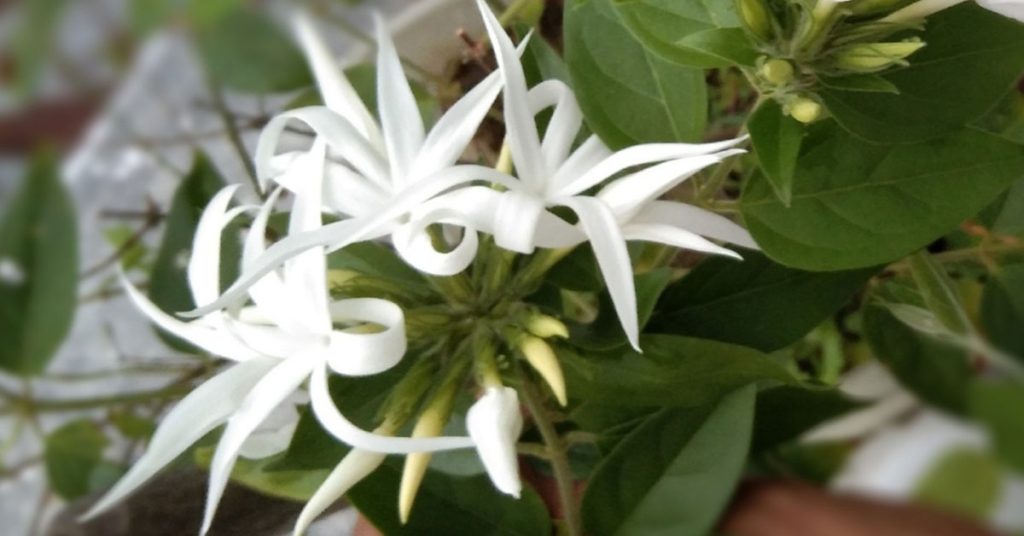
Cestrum nocturnum, or night-blooming jasmine, hails from the West Indies and can naturalize in warm climates, though it’s not typically invasive in temperate gardens. When its small tubular flowers open at night, they emit a heady, jasmine-sweet scent that acts like a beacon for sphinx moths. I still recall the first evening I smelled it wafting down my walkway—pure magic!
Its evergreen leaves also provide shelter for adult moths during the day, and the heavy bloom cycle in midsummer ensures a steady supply of nectar for your late-night visitors. Plant in a protected, slightly shaded spot to mimic its understory origin.
Foxglove Beardtongue (Penstemon digitalis)
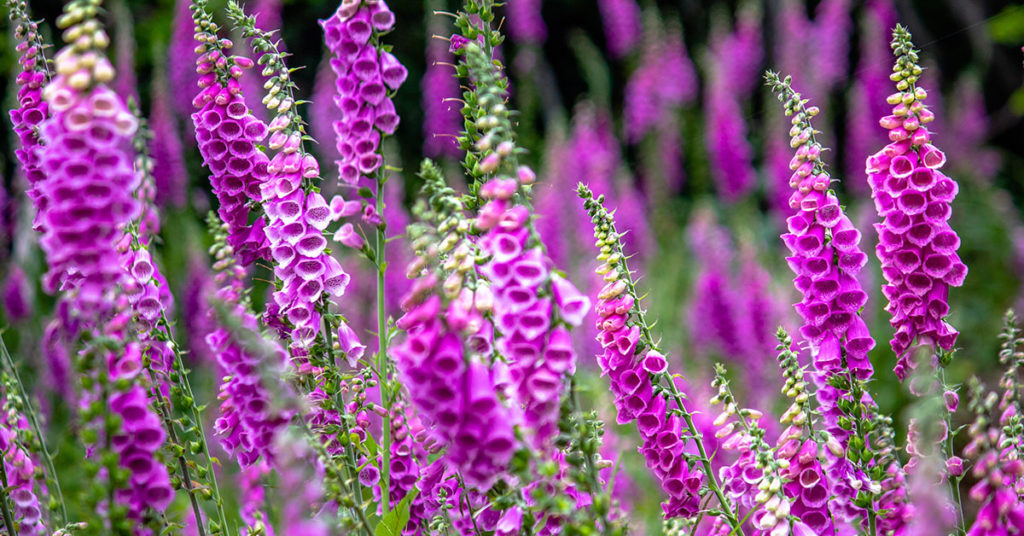
Penstemon digitalis, native to eastern North America and non-invasive, offers tall spires of white to pale pink tubular flowers in late spring and early summer. As dusk falls, these blossoms glow softly and beckon hummingbird and clearwing moths, which hover at the open throat to drink sweet nectar. Watching their long proboscises unfurl is one of the simple joys of evening gardening!
The sturdy stems also make excellent perches for resting moths between feeding bouts. Since penstemon is drought-tolerant once established, it’s an excellent choice for low-maintenance moth gardens—just be sure to plant in well-drained soil to prevent crown rot.
Common Valerian (Valeriana officinalis)
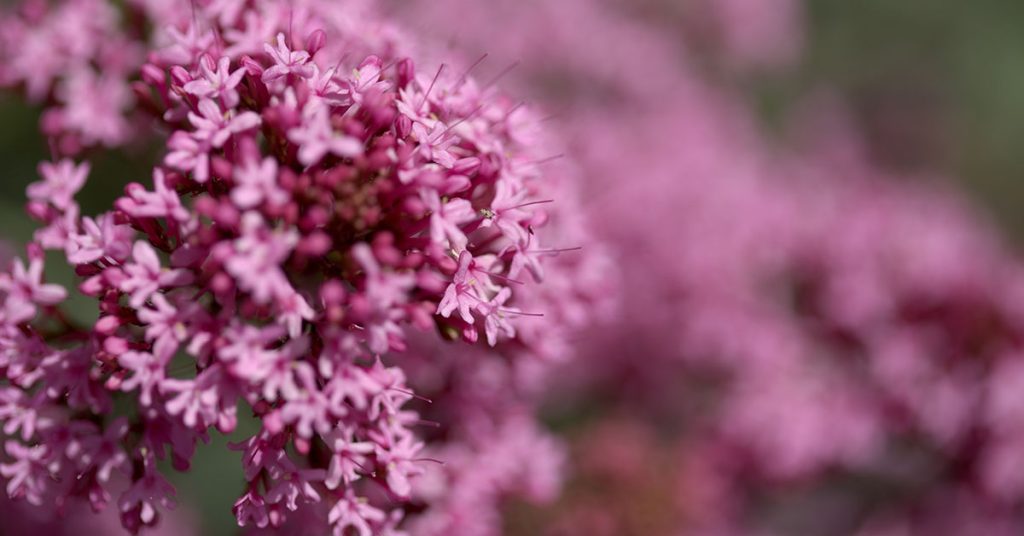
Valeriana officinalis, native to Europe and parts of Asia and non-invasive, produces dense clusters of sweetly scented white to pink flowers in midsummer. Moths of various families flock to its nectar at dusk, and the strong scent even carries across the garden to guide hungry night-fliers. I delight in seeing handfuls of moths settling on valerian umbels—like attending a secret garden soirée!
Beyond its pollinator draw, valerian foliage hosts caterpillars of some noctuid moths, supporting local biodiversity. Keep your plants happy with regular watering and a sunny to partly shaded location, then watch as the valerian becomes a moth magnet.
Moonflower (Ipomoea alba)

Ipomoea alba, known as moonflower, is native to tropical regions of Central and South America and can behave invasively in warm climates. Those enormous, fragrant white blooms unfurl only after dark, reaching up to six inches across—perfect feeding platforms for Luna moths and sphinx moths!
To control its spread, pull out stray runners promptly and grow in containers or along a dedicated trellis. The large leaves also serve as daytime resting sites for moths, and the vine’s rapid growth means you’ll have a lush, fragrant nighttime display in no time.
Dame’s Rocket (Hesperis matronalis)
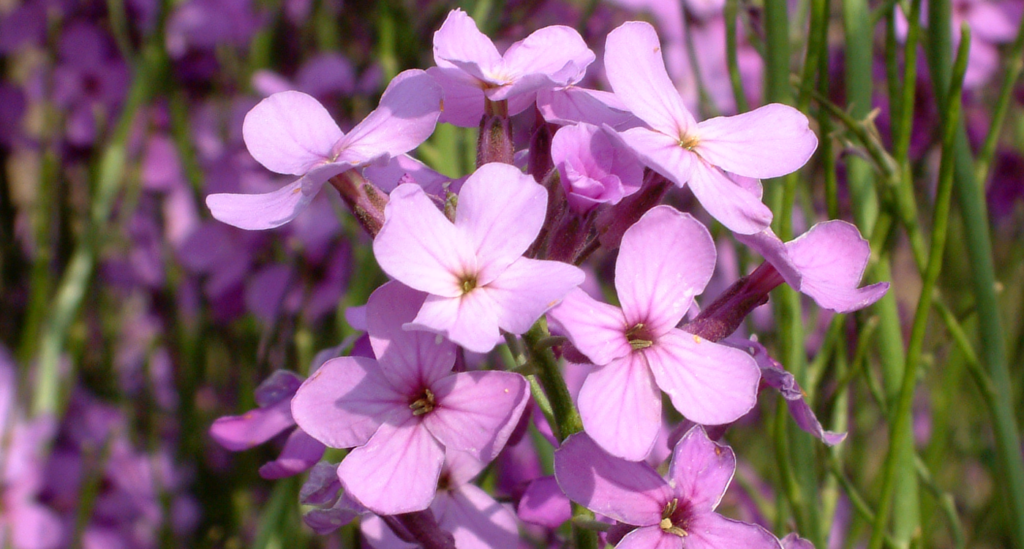
Hesperis matronalis, native to Europe and invasive in parts of North America, blooms in late spring with clusters of fragrant lavender, pink, or white four-petaled flowers. As dusk deepens, the fragrance intensifies, attracting swift-flying moths like silver-striped hawk moths. I first fell in love with this plant when my backyard was suddenly alive with moths, all drawn by its irresistible scent!
Because it can self-seed prolifically, deadhead after flowering to prevent unwanted spread. Its tall, erect habit also offers sturdy roosts for resting moths and a reliable bloom period early in the season.