

Growing zucchini (Cucurbita pepo) can be incredibly rewarding—imagine plump, glossy fruits ready for salads, stir-fries, or those irresistible zucchini breads! But it’s such a bummer when your plants struggle, producing few fruits or becoming disease magnets. As someone who’s wrestled with wilted leaves, pollination woes, and voracious squash bugs, I’m excited to share the pitfalls I’ve learned to avoid.
Whether you’re a first-time grower or a seasoned vegetable gardener, sidestepping these eleven common mistakes will set you on the path to a thriving zucchini patch. Let’s dive in and transform your garden into a zucchini powerhouse!
Ignoring Male vs. Female Flowers
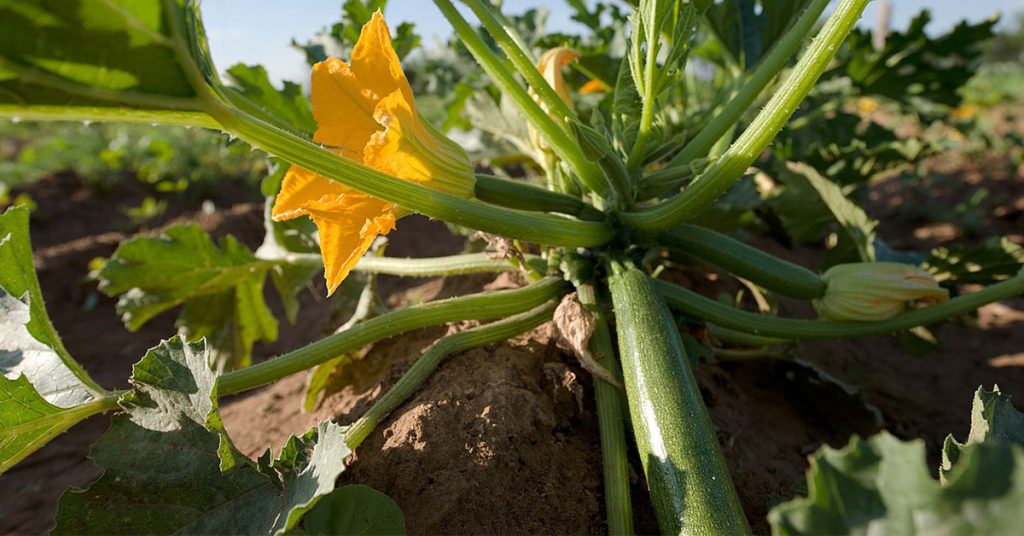
It’s crucial to understand that zucchini plants produce separate male and female blooms—female flowers have a tiny fruit at the base, while males perch on slender stems. I once impatiently snipped off male flowers, thinking they were extras, only to find my female blooms dropping off without pollinators!
To encourage fruit set, leave plenty of male flowers on the plant or hand-pollinate by transferring pollen from male anthers to female stigmas with a paintbrush. Since zucchini is native to the Americas and non-invasive, fostering these blooms supports both your harvest and local pollinator populations—especially squash bees that nest in bare soil near plants!
Planting Too Close Together

Overcrowding zucchini might seem efficient, but it stifles airflow and leads to mildew or rot. I learned this the hard way when my once-bustling patch turned into a soggy maze of tangled vines, with powdery mildew racing across every leaf!
Space standard zucchini at least 24–36 inches apart and bush varieties 18–24 inches apart. This gives each plant room for sprawling leaves, encourages pollinator access, and reduces humidity around the vines—key to healthy growth and robust fruit production.
Skipping Soil Preparation

Zucchini thrives in rich, loose soil. Early on, I planted directly into my garden’s compacted clay and was devastated by stunted runners and tiny fruits. It’s such a relief to dig in aged compost and a handful of balanced organic fertilizer before planting!
Aim for a loamy, well-draining mix amended with compost or aged manure. A slightly acidic to neutral pH (6.0–7.0) suits zucchini best. With proper soil prep, you’re feeding beneficial earthworms and microbes that help your plants develop strong roots and abundant fruit.
Neglecting Pollinator Support
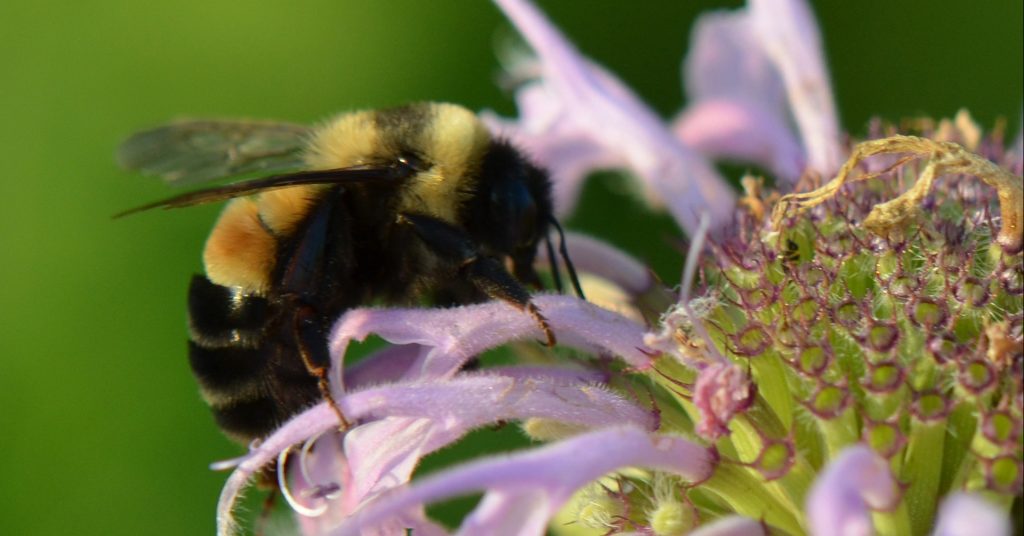
Zucchini depends on bees and other pollinators to transfer pollen—without them, your female flowers won’t set fruit. I once watched dozens of eager honeybees flit past my squash patch never landing, because all my blooms were tucked under dense foliage!
Keep a patch of pollinator-friendly flowers nearby—borage, calendula, or native coneflowers (Echinacea spp.)—and avoid spraying insecticides when flowers are open. This invites pollinators to nest, forage, and find your zucchini blooms easily, boosting fruit yield dramatically.
Planting in Shady Spots

Zucchini is a sun worshipper, needing at least six to eight hours of direct light daily. I tucked my plants near a tall hedge for “convenience,” only to see them stretch leggy and never flower properly!
Choose a sunny, open location free from overhead shade. If full sun isn’t possible, opt for bush varieties that tolerate part-sun, but remember: more sun equals more flowers, more pollinators, and more delicious zucchini on your table!
Overfertilizing with Nitrogen
While zucchini loves nutrients, too much nitrogen turns foliage into a lush green jungle—and delays flowering and fruiting. I giddily added extra compost tea each week, resulting in robust vines that stubbornly refused to bloom!
Stick to a balanced fertilizer (e.g., 10-10-10) applied at planting and again when flowers form. This ensures steady growth without the vegetative excess—your plants will focus on making tasty squash instead of endless leaves.
Inconsistent Watering Practices

Water stress—either drought or waterlogging—can cause blossom drop, misshapen fruit, or even root rot. I once went on vacation and returned to soggy pots of zucchini seedlings, some rotted at the crown!
Aim for deep, consistent soakings: about an inch of water per week, delivered at the base of the plant. Mulch around the stems to conserve moisture and discourage weeds. Your zucchinis will reward you with firm, well-formed fruits rather than bitter or pitted ones.
Failing to Rotate Crops

Planting zucchini (a member of the Cucurbitaceae family) in the same spot year after year invites soil-borne diseases and pests—think squashes wilting from powdery mildew or bearing flea beetle damage!
Rotate your cucurbits with unrelated crops (like legumes or brassicas) on a three-year cycle. This simple practice starves out host-specific pathogens and keeps your soil ecosystem balanced for healthier future zucchini crops.
Not Harvesting Early and Often
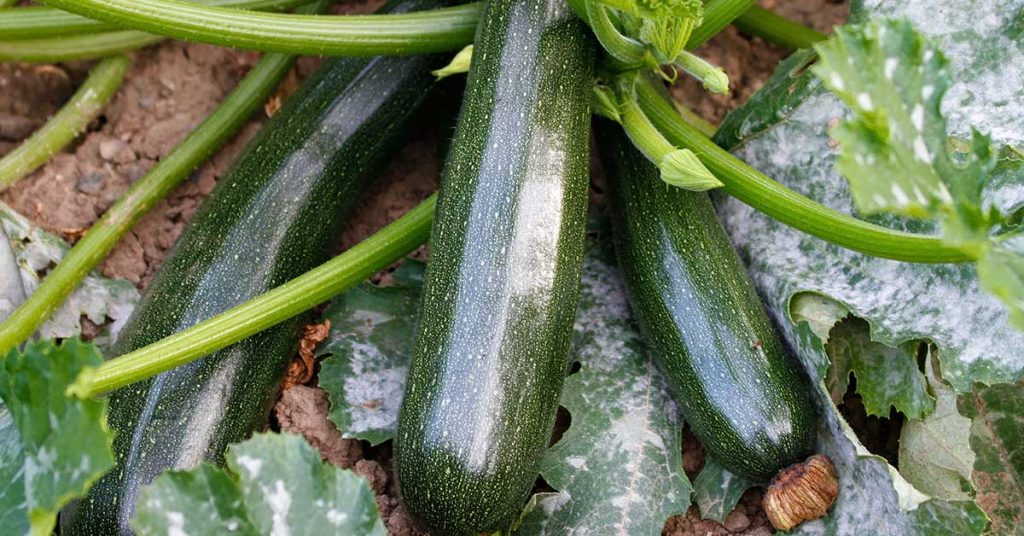
Letting squash grow too large can slow plant productivity and invite pests. I left one giant zucchini on the vine as an experiment—only to discover it became soft, seedy, and a magnet for vine borers!
Harvest when fruits are 6–8 inches long and glossy. Regular picking encourages the plant to produce more blossoms and babies. Plus, younger zucchini have better flavor and texture—perfect for everything from spiralized “noodles” to crispy fritters!
Overlooking Pest Monitoring
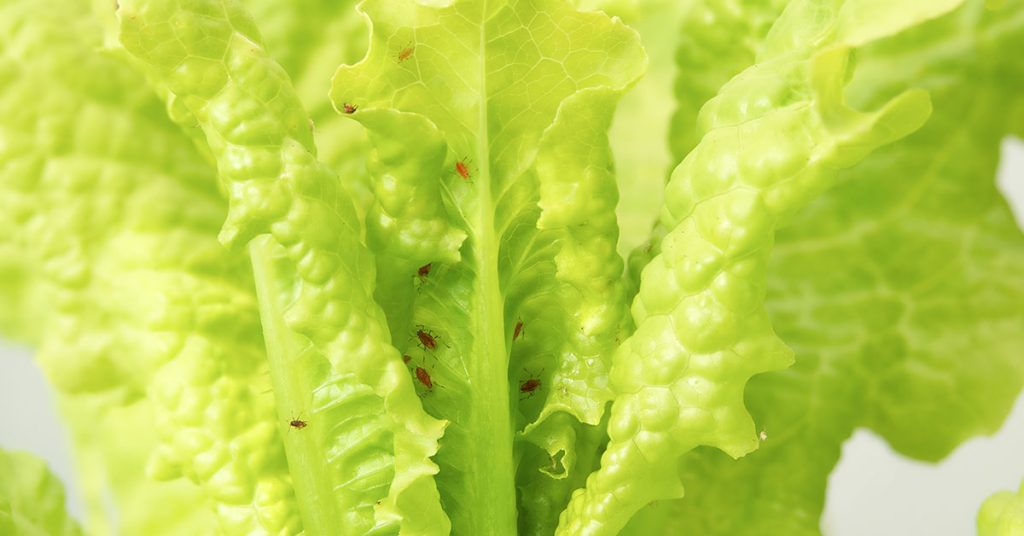
Zucchini attracts squash bugs, vine borers, aphids, and more. Early on, I ignored a few squash bug eggs under a leaf and ended up with an entire generation decimating my plants!
Inspect leaves and stems weekly, removing egg clusters and hand-picking adult pests. Encourage beneficials—lacewings, ladybugs, and parasitic wasps—by providing habitat and flowers. Quick action prevents infestations and keeps your zucchini patch thriving.
Sowing Seeds at the Wrong Depth

Planting seeds too deep (more than 1 inch) or too shallow (barely covered) can lead to poor germination and uneven stands. I once sowed my seeds too deep, only to wait two weeks for sparse sprouts that were leggy and weak!
Plant zucchini seeds about ½–1 inch deep in warm soil (above 60°F). Keep the bed evenly moist until seedlings emerge, then thin to proper spacing. Uniform, vigorous seedlings set the stage for a bountiful harvest and strong, resilient vines.