
Gardening should be a joyful escape—digging in rich soil, planting vibrant blooms, and watching life unfurl at your fingertips! But it’s such a bummer when a simple pruning session turns into a painful lesson in plant chemistry. Some seemingly innocent garden denizens harbor potent irritants that can leave you with blisters, rashes, or worse if you’re not careful.
Whether you’re taming a wild patch or curating ornamental beds, recognizing the plants that pose skin-damage risks is crucial. I’ve learned the hard way that gloves and sleeves aren’t always enough—knowing what you’re up against lets you plan ahead, suit up properly, and still enjoy every moment with your green friends without ending up sidelined by a nasty rash.
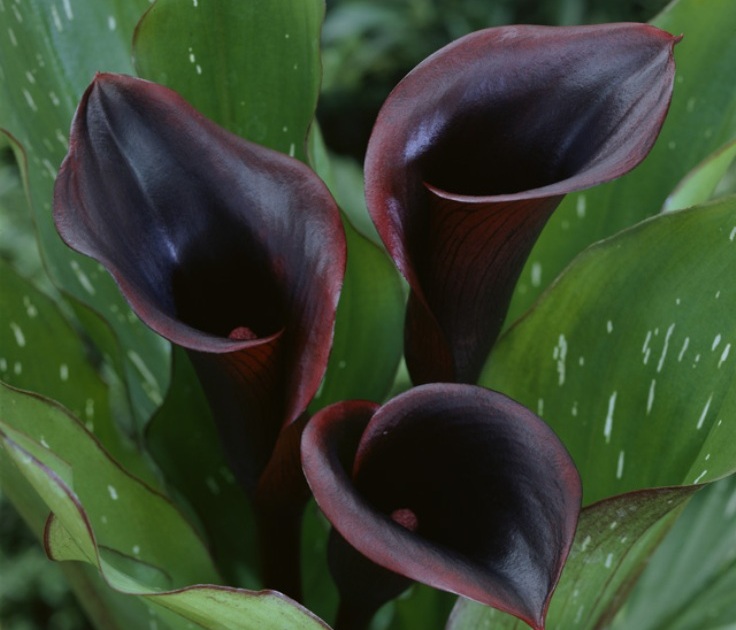
Calla Lily (Zantedeschia spp.)
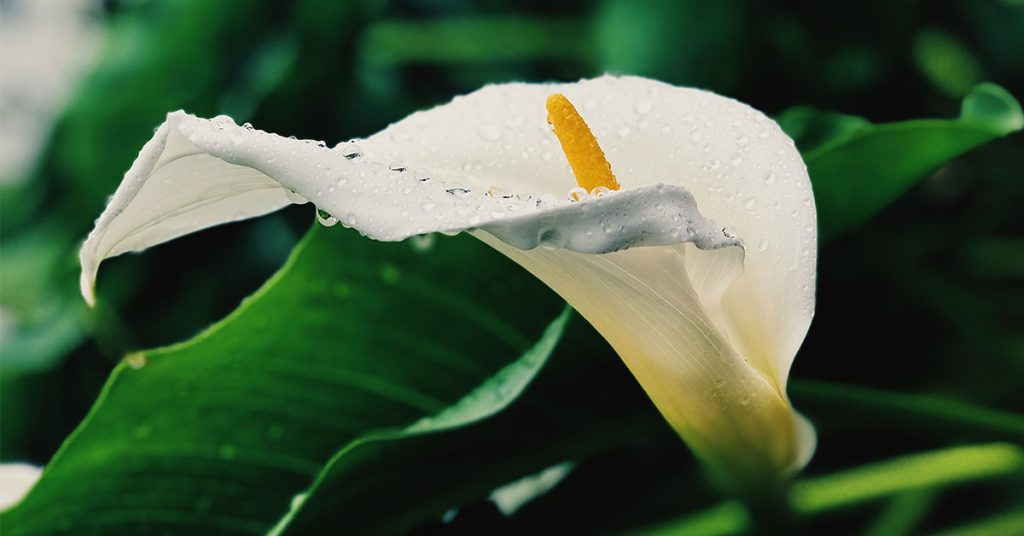
Originating from southern Africa and generally non-invasive, calla lilies are prized for their sculptural, trumpet-shaped blooms. Yet inside those elegant spathes lurks water-soluble calcium oxalate crystals that can cause burning and swelling if sap contacts skin!
I once admired a cluster of callas so much I reached in without gloves—only to spend the afternoon dabbing anti-itch cream on stinging welts. Now I treat each stem like a miniature cactus, clipping flowers with pruners and wearing gauntlets to keep those sneaky crystals at bay!
Giant Hogweed (Heracleum mantegazzianum)

This colossal plant hails from the Caucasus region and has become aggressively invasive in many temperate zones. Standing over ten feet tall, its umbrella-sized flower heads hide sap packed with furanocoumarins that sensitize your skin to sunlight—resulting in burns so severe they can scar for life!
After an ill-fated attempt to remove a volunteer hogweed shoot without full coverage, I learned to mist foliage with targeted herbicide at dusk—when UV rays are low—and wear every scrap of protective clothing. Trust me, approaching this botanical giant demands extreme caution!
Lantana camara

Native to tropical America and notorious for invasiveness in warm climates, lantana camara sports rough, aromatic leaves that secrete oils capable of causing contact dermatitis. Handling its colorful flower clusters without gloves often leads to stinging, red patches that itch relentlessly!
I’ve pruned lantana in light shirts—only to regret it within hours as my arms burned. Nowadays, I slip into sturdy sleeves and long gloves before any trimming, and I dispose of cuttings in sealed bags to keep the irritating oils contained.
Buttercup (Ranunculus acris)

Native to Europe and naturalized—sometimes invasive—in meadows worldwide, buttercup exudes ranunculin, which converts to skin-irritating protoanemonin on contact. Brushing past its glossy leaves often leaves gardeners with a burning rash and small blisters!
When I planted a wildflower border, I underestimated these cheerful yellow blossoms—only to find myself dabbing calamine lotion after an unlucky brush. Now I deadhead buttercups with long-handled shears and remove debris promptly to minimize accidental contact.
Common Rue (Ruta graveolens)
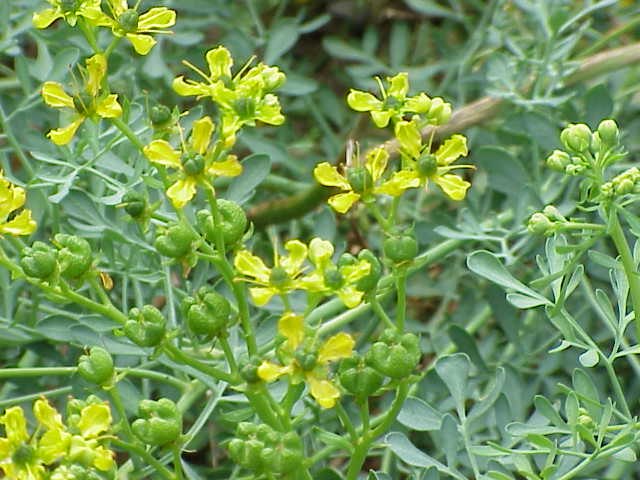
Hailing from the Mediterranean and non-invasive in most gardens, rue’s bluish foliage hides furanocoumarins similar to those in hogweed. Even a brief sap smear can lead to phytophotodermatitis—painful blisters triggered by sunlight!
I adore rue’s lacy texture, but only handle it with finger guards and eye protection. If I brush against it accidentally, I wash immediately and avoid sun exposure for several hours to prevent those notorious blisters.
Garden Spurge (Euphorbia lathyris)
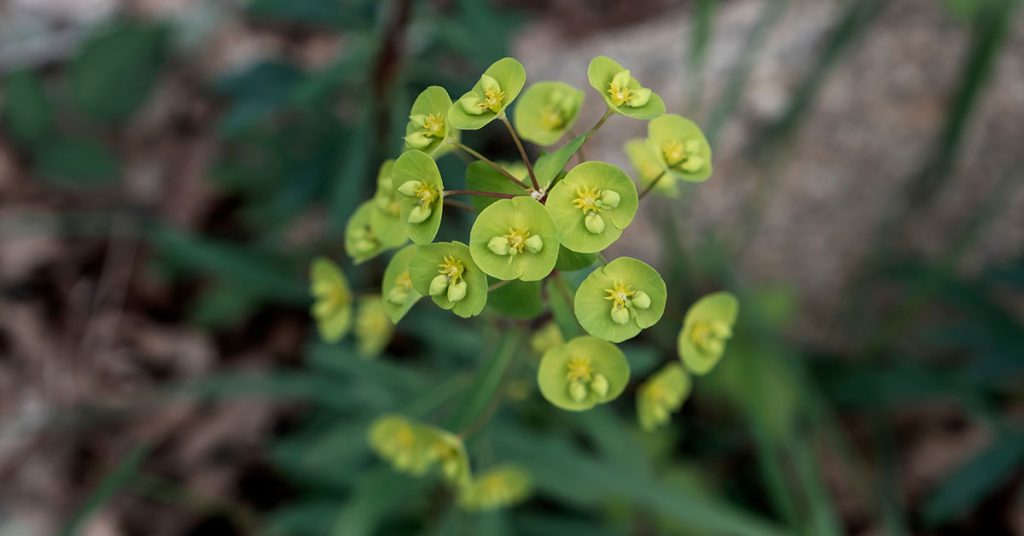
Also called mole plant, garden spurge originates from Eurasia and has escaped cultivation in many regions. Its milky latex contains diterpenes that inflame skin, causing redness, itching, and blistering on exposed areas!
While dividing spurge clumps, I once felt a stinging sensation through my gloves—sap had squirted onto my forearm. Now I wear gauntlets and rinse any exposed skin thoroughly with soap and water to neutralize the irritant.
Cow Parsnip (Heracleum maximum)

A North American native and non-invasive in its natural range, cow parsnip resembles its giant cousin but is slightly smaller. Yet its sap still carries furanocoumarins capable of triggering severe sun-activated burns!
During a trail-clearing project, I grabbed a cow parsnip stalk and returned home with blistered arms. Ever since, I identify its broad, deeply lobed leaves and thick, hairy stems before stepping in—then suit up with long sleeves and gloves for any removal.
Greater Celandine (Chelidonium majus)
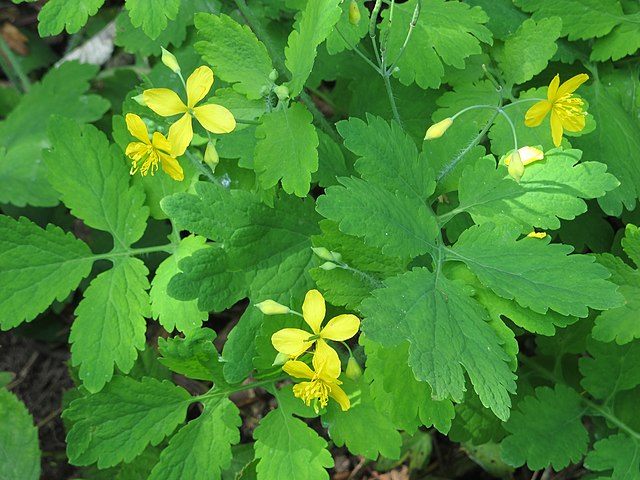
Originally from Europe and invasive in parts of North America, greater celandine oozes bright orange sap when cut—an irritant that causes red, itchy patches and sometimes weeping blisters!
I once thought its cheerful, buttercup-like flowers would be harmless, only to discover painful welts after careless pruning. Now I handle celandine only with heavy nitrile gloves and long sleeves, and I rinse tools right away to avoid cross-contamination.
Bracken Fern (Pteridium aquilinum)
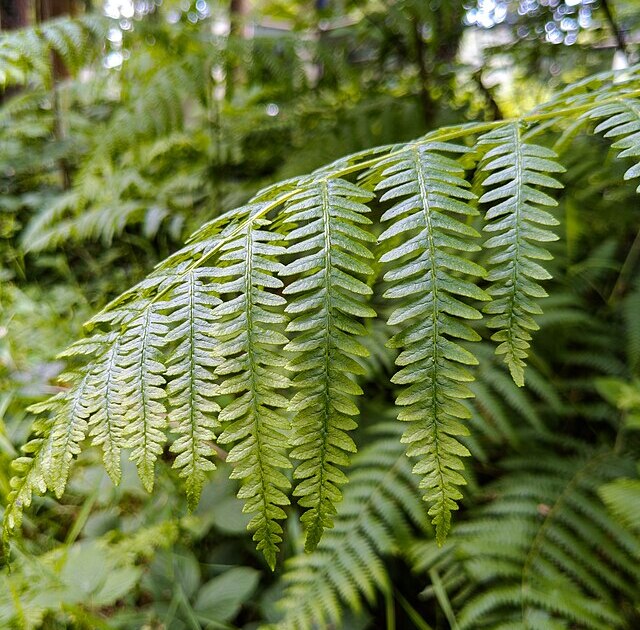
A cosmopolitan species native in many regions—and invasive in others—bracken fern’s young fronds contain tiny hairs and chemical irritants that can inflame skin on contact. Repeated brushing against a dense bracken patch often leads to persistent rash!
To clear bracken, I squash new fiddleheads before they unfurl, wearing arm-length gauntlets to avoid contact. Regular monitoring prevents those entangling thickets that snag skin and release more irritants.
Poison Sumac (Toxicodendron vernix)
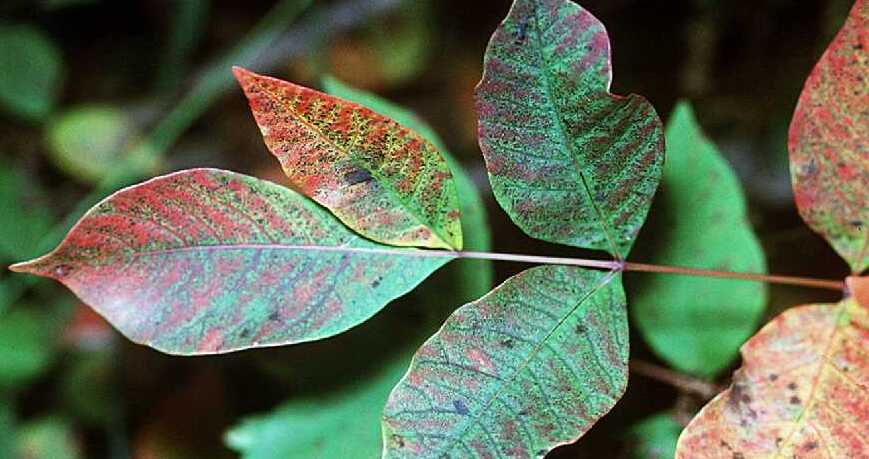
Thriving in eastern North American wetlands, poison sumac’s drooping clusters of leaflets look innocuous until you disturb its sap. With urushiol levels even higher than poison ivy, it causes severe blistering and swelling that may need medical attention!
I keep my distance from shrubs with nine to thirteen smooth-edged leaflets and shiny stems. When surveying wetland margins, I don full waterproof gear and rinse with cold water immediately if sap exposure is suspected.
Poison Ivy (Toxicodendron radicans)
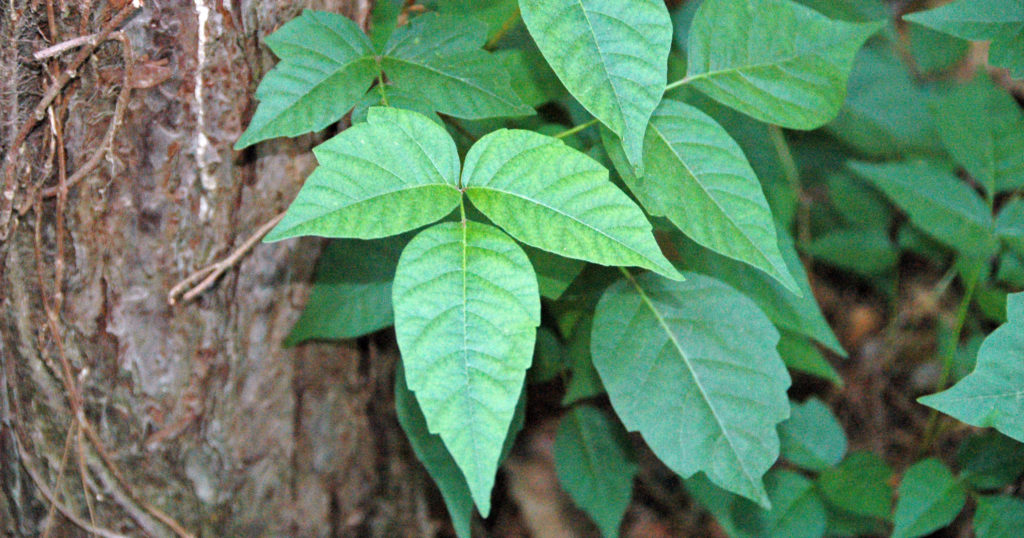
A notorious North American native (non-invasive outside its habitats), poison ivy’s trifoliate leaves conceal urushiol oil that triggers intensely itchy rashes in most people. Even dead vines or smoke from burned plants spread the irritant!
I’ve trained myself to spot the glossy, three-leaf clusters and hairlike aerial roots. Pruning or removal always entails disposable sleeves, gloves, and sealed disposal bags to contain every trace of urushiol.
Poison Oak (Toxicodendron diversilobum)
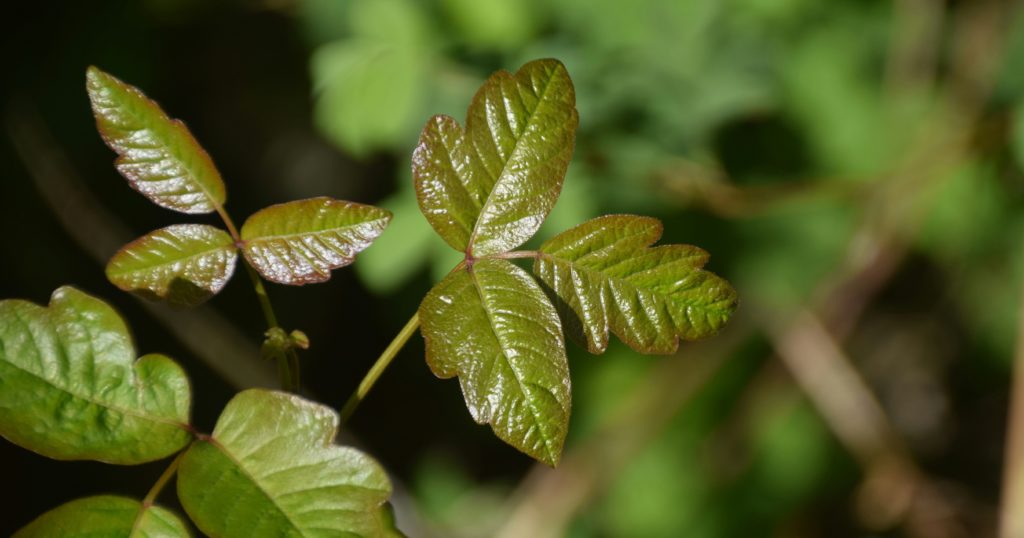
Native to western North America and non-invasive elsewhere, poison oak’s oak-like lobed leaves release urushiol upon contact, leading to blistering rashes that can last for weeks! Even vestigial vines cling to branches long after dormancy, posing risks during brush clearing.
As a gardener, I learned to avoid its compound leaves and small clusters of green-white berries. If work near poison oak is unavoidable, barrier creams and full-body coverage are my first line of defense—followed by immediate washing to flush away any lingering oil.