

I know how excited you get when you spot a dazzling display of colorful annuals at your local garden center—but not all showy blooms are pollinator-friendly! It’s such a bummer when you fill your beds with what look like perfect flowers, only to find your garden eerily quiet of buzzing bees and fluttering butterflies. In this article, we’ll shine a light on fifteen popular garden center staples that, despite their beauty, offer little or no value to our vital pollinators.
From sterile double blossoms to deeply ruffled petals that block nectar access, each of these plants presents barriers—big or small—to bees, hoverflies, and other beneficial insects. I’ve learned the hard way that swapping out a few of these “pollinator‐proof” varieties for friendlier alternatives can transform my garden into a humming haven. Let’s explore why these fifteen favorites fall short and how you can adapt your choices for happier, healthier pollinators!
Camellia japonica
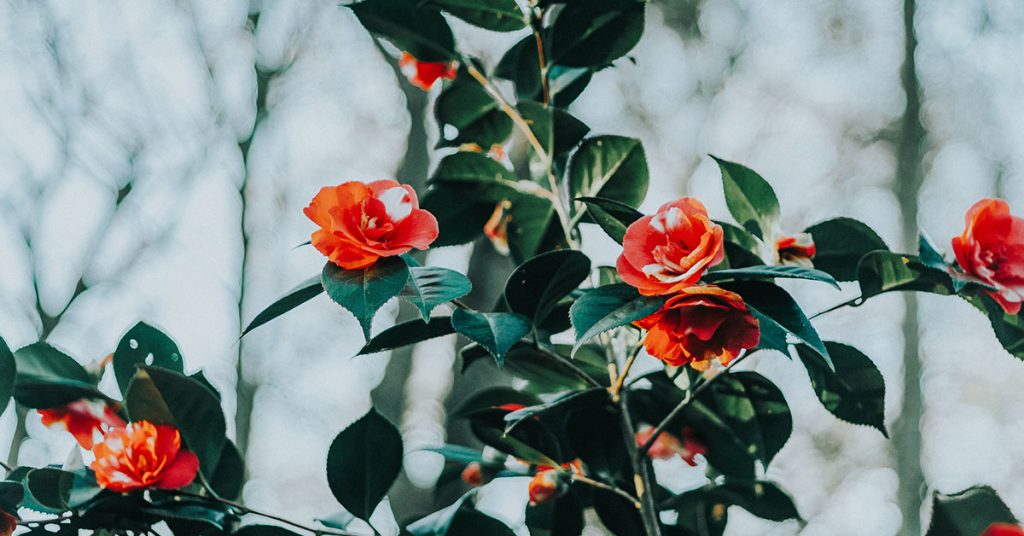
Camellia japonica, native to Japan and Korea, graces gardens with its lush, rose‐like blooms every winter—but those densely layered petals leave little room for bees to reach the nectar. I once planted several camellias hoping to brighten the frosty months, only to notice not a single honeybee investigating the blossoms!
Because many modern cultivars are sterile or heavily double‐flowered, they produce little to no pollen, offering scant resources for early‐emerging pollinators. While these shrubs aren’t invasive in temperate regions, they’re best appreciated for their beauty rather than their ecological value.
Calla Lily (Zantedeschia spp.)
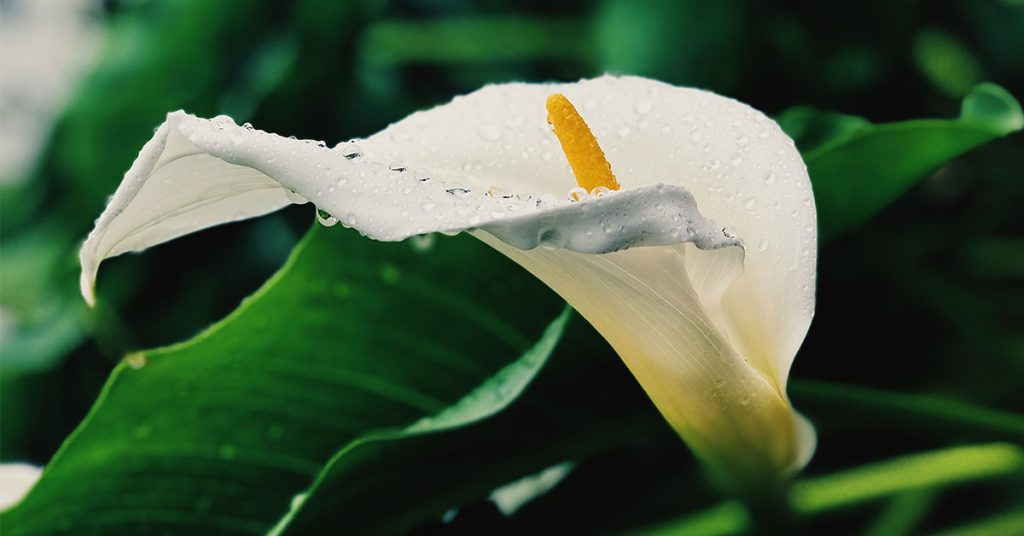
Calla lilies, native to southern Africa and generally non‐invasive, captivate with their sleek, trumpet‐shaped spathes. But beneath that elegant exterior lies a deep tunnel that many smaller bees simply can’t navigate. I remember watching large carpenter bees investigate one, only to give up in frustration when they couldn’t reach the nectar chamber!
Moreover, hybrid callas often have sterile blooms, meaning no pollen is available even if a bug could get inside. They’re fantastic as cut flowers, but in the garden they’re more of a sculptural statement than a pollinator banquet.
Double Zinnia (Zinnia elegans)
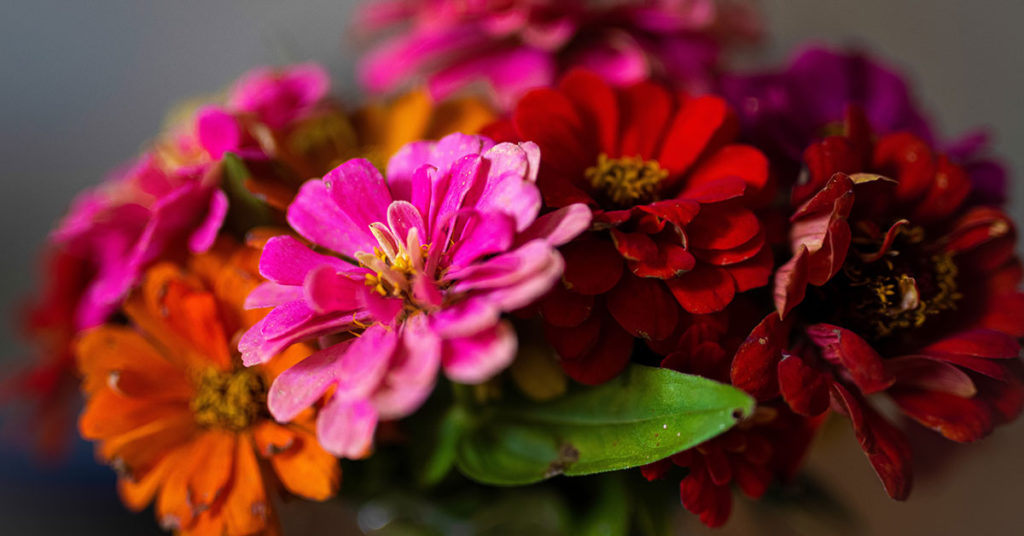
Classic single zinnias are pollinator magnets, but the double‐flowered hybrids popular at garden centers can thwart even the most determined hoverfly. Native to Mexico and Central America and non‐invasive, double zinnias pack so many petals around their central disk that pollen and nectar become nearly inaccessible.
If you’ve ever noticed bees leaving zinnia beds empty‐winged, double forms are likely the culprit. Opt for single‐petaled varieties instead—your local syrphid flies and sweat bees will thank you!
Hydrangea macrophylla (Mophead)

Mophead hydrangeas, native to Japan and non‐invasive, dazzle with their giant heads of pink, blue, or white blooms. Yet most of those rounded clusters are comprised of showy sterile florets, with fertile flowers hidden or absent. I planted hydrangeas for summer color but found my bee hotel across the yard far busier than the shrubs themselves!
While mopheads offer fabulous garden structure, they contribute little to pollen or nectar supplies. Lacecap hydrangeas (with their open central florets) are a better choice for pollinator support if you can’t resist adding hydrangeas to your beds.
Lobelia erinus
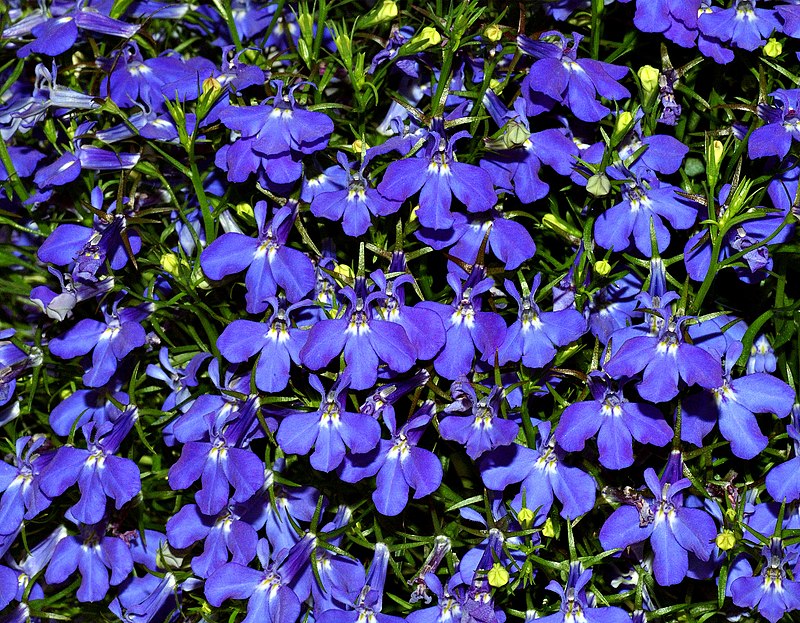
Trailing lobelia, native to southern Africa and generally non‐invasive, packs containers with cascades of tiny blue flowers—but those tubular blooms are often too deep and narrow for many native bees. I once watched my bumblebee squad circle lobelia plants in vain, unable to insert their tongues!
These petite tubes favor long‐tongued butterflies more than short‐tongued bees, so while they’re lovely for borders, don’t expect a lot of buzz. For container color with pollinator appeal, try calibrachoa or single‐flowered petunias instead.
Florist’s Chrysanthemum (Chrysanthemum × morifolium)
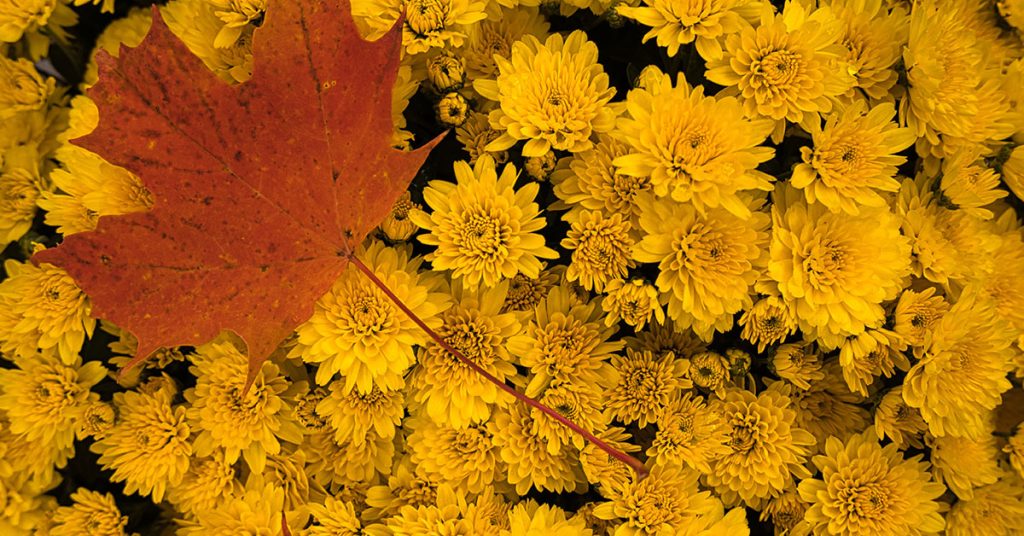
Chrysanthemums forced for fall color at garden centers are often bred for large, pompom blooms that hide any pollen-rich disk flowers. Native to East Asia and invasive in some regions, florist’s mums are striking on autumn porches but nearly sterile in garden settings.
When I scattered seeds of local goldenrod (Solidago spp.) nearby, pollinators flocked to its tiny florets far more eagerly than to my mum display. If you crave chrysanthemums, seek out single‐headed, open‐center varieties or autumn‐blooming native asters instead.
Hybrid Tea Rose (Rosa × hybrida)
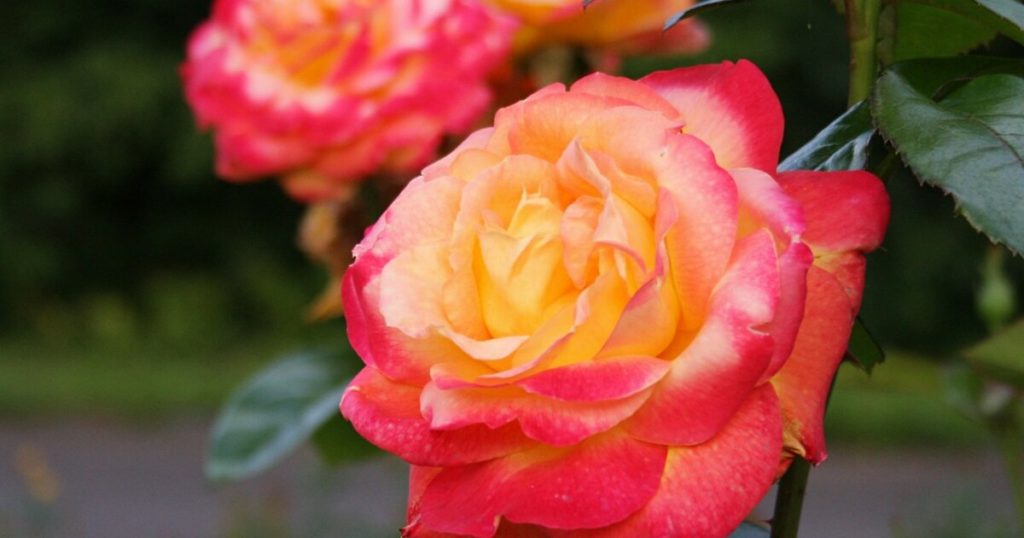
Hybrid tea roses, beloved for their classic blooms, trace their heritage to European rose breeding but are generally non‐invasive. However, many modern cultivars are double‐flowered and have had their pollen stripped out in favor of petal count and fragrance. I’ve pruned and pampered these beauties, only to see bees bypass them entirely for nearby wild roses!
Single‐petaled or old‐garden rose varieties offer accessible stamens and sweet nectar, so if you want rose fragrance plus pollinator action, choose simpler forms like ‘Therese Bugnet’ or species roses instead.
Wax Begonia (Begonia × semperflorens‐cultorum)
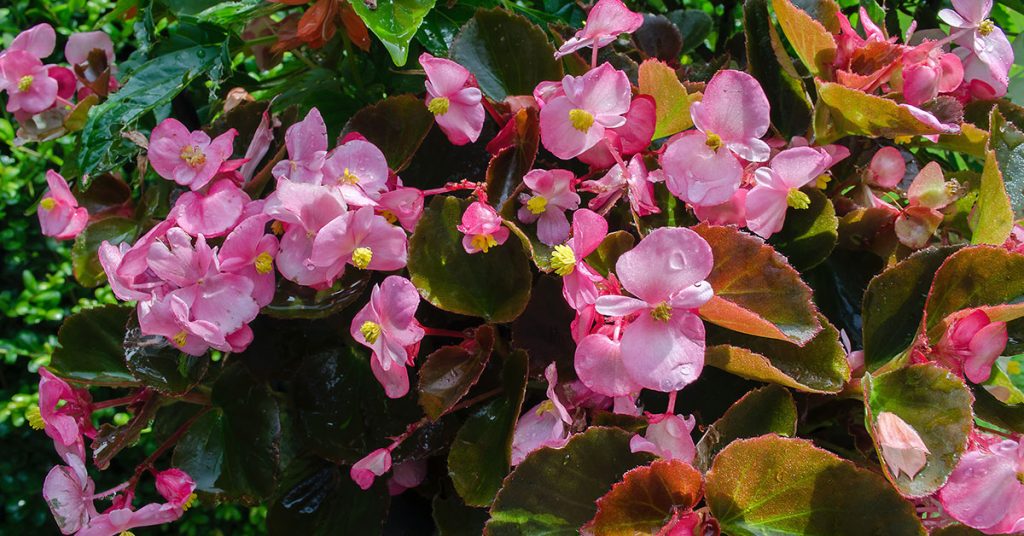
Wax begonias, a hybrid complex derived from South American and Asian species and non‐invasive in most climates, charm with shiny leaves and delicate blooms. Yet their tiny, frilly flowers lack significant nectar and have few, inconspicuous stamens.
I used wax begonias to brighten shady corners, but while their petals were pretty, I rarely saw a bee investigate. In low‐light spots, opt for shade‐tolerant natives like woodland phlox (Phlox divaricata) to keep early pollinators fueled.
Peony (Paeonia officinalis ‘Double‐flowered’)
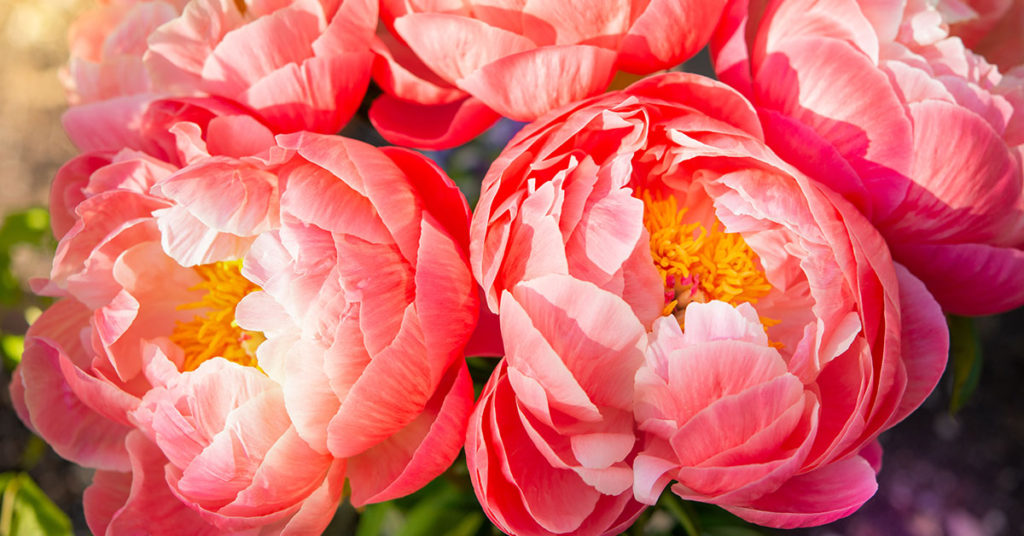
Double‐flowered peonies descend from European and Asian species and are non‐invasive, but the lush, many‐petaled blooms of garden varieties can hide sterile centers. When my double‐flowered peonies unfurled, I expected buzzing bumblebees—but instead, I saw only the occasional wasp poking about!
Single‐flowered peony varieties or species types (like Paeonia lactiflora) reveal their stamen clusters fully, providing ample pollen and nectar. If you adore peonies, look for those simpler forms to share the love with pollinators.
Decorative Dahlia (Dahlia × pinnata)
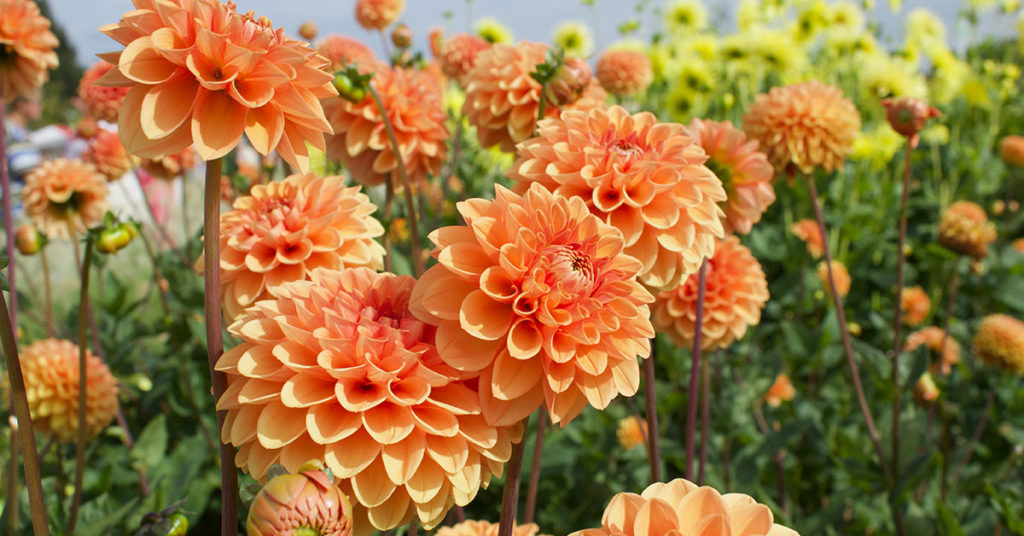
Decorative dahlias—hybrids of Mexican wild species, non‐invasive in cultivation—win prizes with their explosion of ray florets, but bees struggle to find the hidden disk flowers. My garden’s bed of decorative dahlias was quiet as a graveyard until I planted some single‐flowered cactus dahlias nearby!
For dahlia lovers, single or semi‐double varieties expose the fertile florets at the center, turning the plants into reliable lunch stops for pollinators seeking nectar and pollen.
Zonal Geranium (Pelargonium × hortorum)
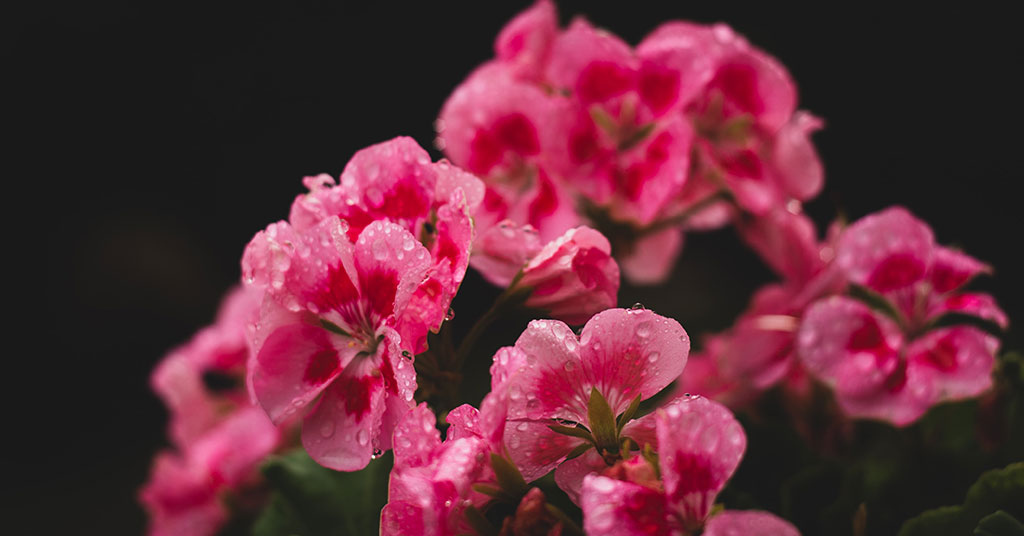
Zonal geraniums, originally from South Africa and generally non‐invasive, have ruffled, clustered blooms that are mainly sterile in many modern cultivars. I’d often spot solitary long‐tongued butterflies sipping at a few accessible flowers, but bees mostly flew on by.
If you can’t resist geranium color, try ivy‐leaf geraniums (Pelargonium peltatum) with simpler blooms, or mix in single‐flowered salvias to keep bees buzzing around your containers.
Cyclamen persicum

Persian cyclamen, from the Mediterranean region and non‐invasive when potted, opens up charming nodding blossoms—but their inverted form and hidden nectar glands leave most bees scratching their heads. I once hosted a pollinator workshop and realized that nobody could coax a honeybee into those downturned bells!
For winter interest with pollinator potential, consider planting early‐blooming shrubs like witch hazel (Hamamelis virginiana, native to North America, non‐invasive) instead, which offer easily accessible nectar in cooler months.
Double Petunia (Petunia × atkinsiana)
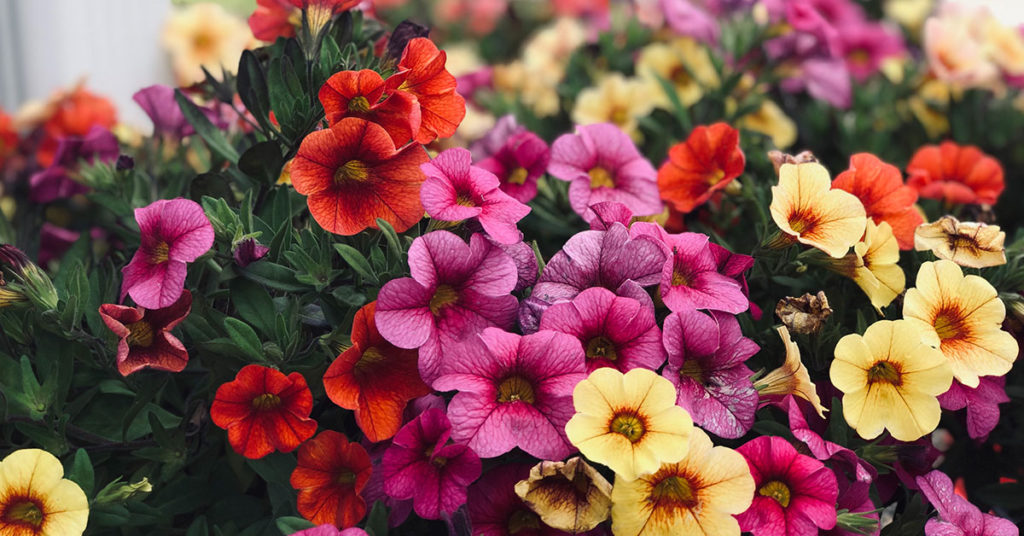
Double petunias, hybrids of South American species and non‐invasive, pack breathtaking ruffles into each bloom, but those extra petals block the floral tube’s opening. I remember trying to attract hummingbirds and bees with a hanging basket of double petunias—only the occasional moth dropped by!
Switch to single‐flowered petunia cultivars or calibrachoas for similar color palettes with open corollas. Your local sweat bees and hoverflies will delight in the easy access.
Double Impatiens (Impatiens walleriana)
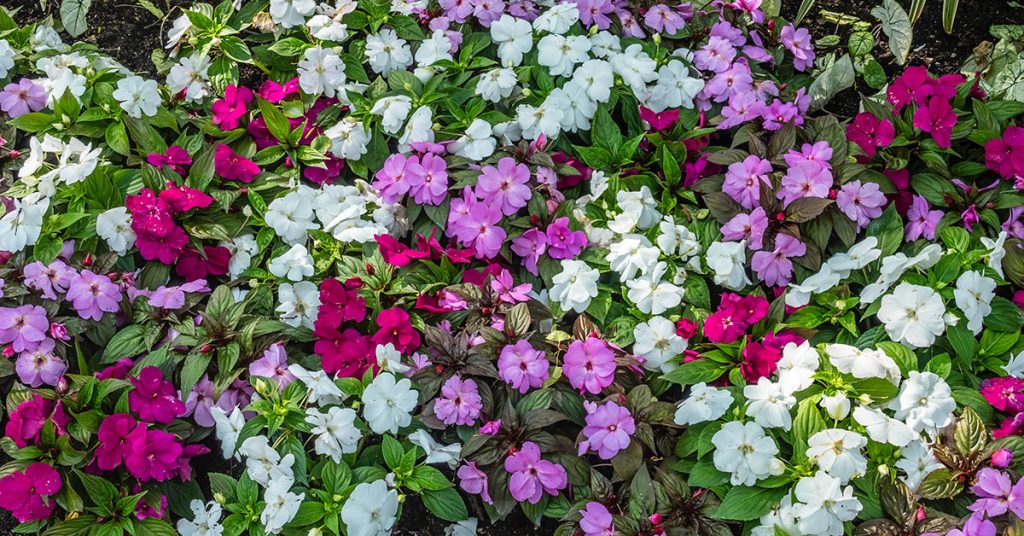
Double impatiens, native to East Africa and non‐invasive, spread charming cascades of blooms in shade, yet their doubled petals obscure the nectar spur. I used them extensively under my arbor and noticed that while foliage thrived, there was hardly a pollinator in sight.
Classic single‐flowered impatiens or New Guinea impatiens (Impatiens hawkeri), with simpler blossoms, offer accessible nectar chambers for small bees and butterflies fluttering through shady beds.
Double Marigold (Tagetes erecta)
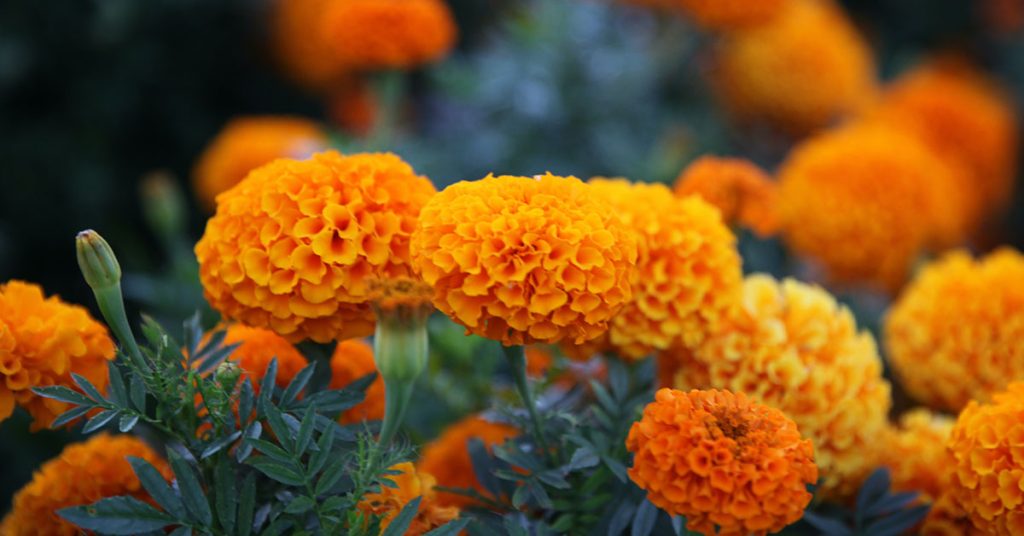
African marigolds, native to Mexico and non‐invasive, are celebrated for pest‐deterrent properties but double forms can hide the tiny central florets that bees love. My vegetable patch was edged with double marigolds one season, yet my usual hoverfly patrols were noticeably reduced!
French marigolds (Tagetes patula) and single‐flowered marigold varieties expose their disk flowers fully, making them far more inviting dinner stops for pollinators seeking pollen and nectar.