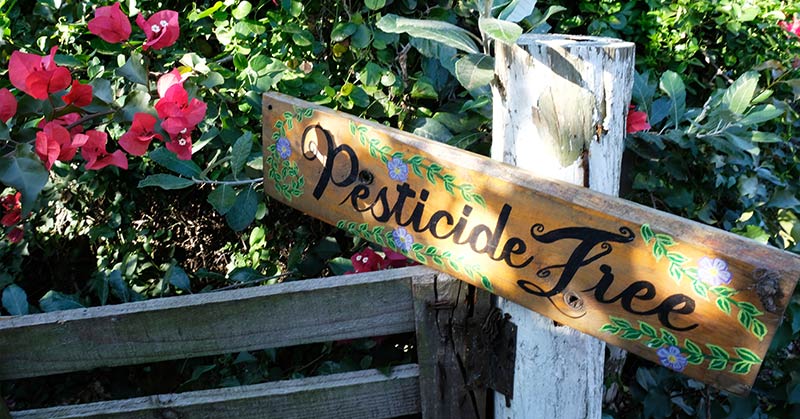

Gardening is all about nurturing life, from the tiniest microbes in the soil to the busiest pollinators darting between blooms. While pesticides promise quick fixes, they often come with hidden costs that can undermine your garden’s long-term health. Avoiding these chemicals can feel daunting at first, but the rewards—vibrant plants, flourishing wildlife, and richer harvests—make it one of my favorite eco-friendly strategies!
I know how tempting a spray bottle can be when pests invade, but trust me: taking a more natural route not only solves immediate problems but also builds resilience against future challenges. Let’s explore nine compelling reasons to skip the pesticides and embrace a cleaner, greener garden.
Increased Resilience to Stress

When you forgo pesticides, plants bolster their own defense systems, becoming hardier over time. Chemical sprays can weaken natural protective pathways, leaving foliage more susceptible to heat, drought, or disease. By letting plants develop their innate resistance, you cultivate a sturdier garden that weathers environmental stresses with greater ease!
Take lavender (Lavandula angustifolia) for example: native to the Mediterranean region and non-invasive, this fragrant perennial thrives in poor soils and dry conditions when left undisturbed. In my garden, lavender planted without pesticides developed deeper root systems and withstood summer heat waves far better than its chemically treated counterparts—proof that resilience is built, not sprayed on!
Encouraging Natural Pest Control
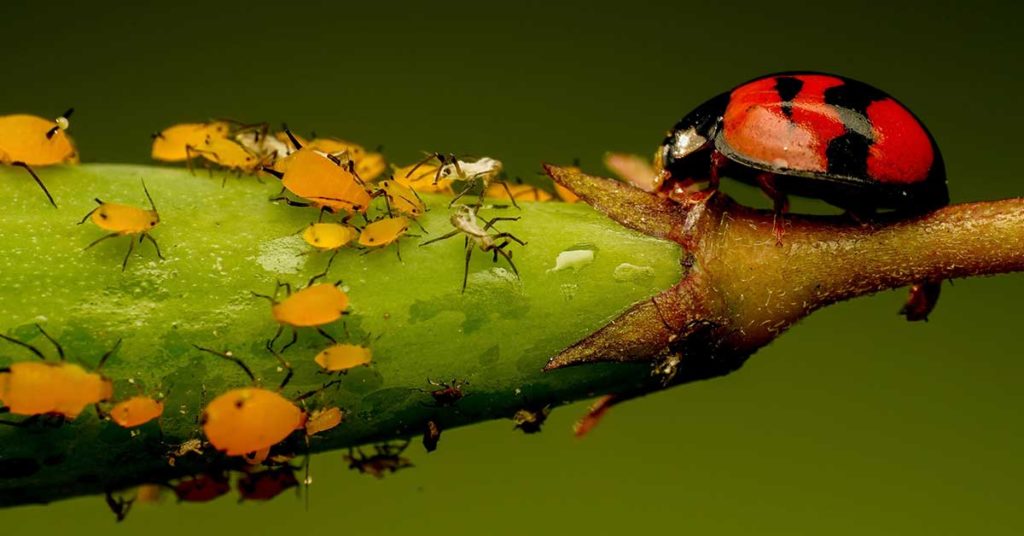
Skipping pesticides invites an army of beneficial predators to move in. Ladybugs, lacewings, and predatory beetles feast on common pests like aphids and caterpillars, keeping populations in check without you lifting a finger. It’s such a delight to spot a lacewing larva munching on mealybugs rather than reaching for a harsh spray!
I plant dill (Anethum graveolens) — native to southwestern Asia and non-invasive — around my vegetable beds partly to lure these helpful insects. As dill flowers form, I see hoverflies and parasitic wasps patrol the area, dramatically reducing pest outbreaks. Let nature handle the heavy lifting while you sit back and enjoy the show!
Preservation of Native Flora
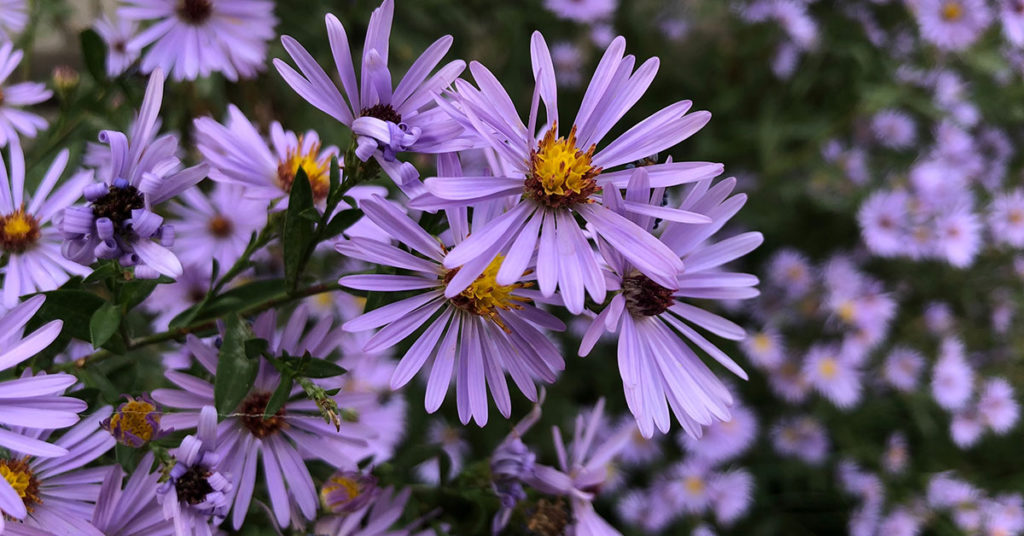
Broad-spectrum pesticides don’t discriminate: they can harm wildflowers and understory plants that support local ecosystems. By avoiding these chemicals, you protect native species from collateral damage and help maintain the delicate balance of your region’s plant communities.
For instance, I’ve observed how asters (Symphyotrichum novae-angliae), native to eastern North America and non-invasive, bounce back more quickly from environmental pressures when pesticides aren’t used nearby. Their vibrant late-season blooms feed migrating monarchs and other butterflies—an essential service that could be disrupted by indiscriminate spraying!
Greater Biodiversity of Beneficial Insects
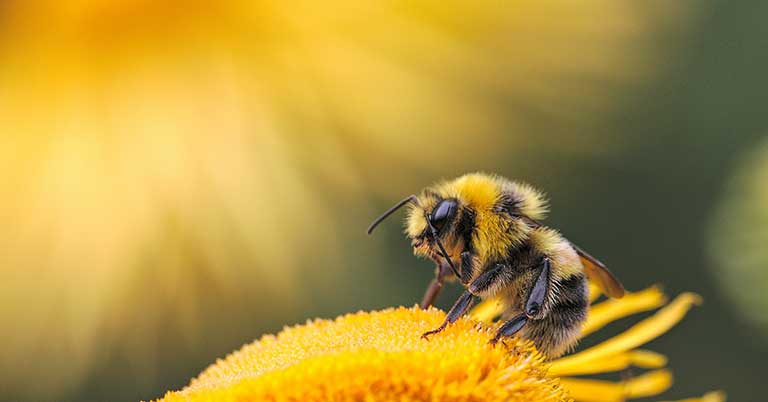
A pesticide-free garden buzzes with life! Pollinators like bees and butterflies aren’t the only beneficiaries—ground beetles, predatory mites, and even tiny springtails thrive when chemical stressors are absent. This broader biodiversity keeps pests in check and ensures essential processes like decomposition and nutrient cycling continue unimpeded.
In my compost area, I often find springtails feeding on decaying matter, enriching the humus that nourishes my sunflowers (Helianthus annuus, native to North America, non-invasive). Without pesticides, these soil engineers multiply, speeding up compost breakdown and delivering richer soil to my beds!
Cost Savings Over Time

While pesticides bring a hefty upfront price tag, natural pest management often costs far less. Companion planting, organic amendments, and biological controls require minimal investment and, once established, can offer lasting protection season after season. Your wallet—and the planet—will thank you!
I used to buy chemical fungicides for my tomatoes (Solanum lycopersicum, native to western South America, sometimes weedy), but after switching to crop rotation and adding compost tea treatments, my annual chemical bill vanished. The modest cost of mulching with straw and planting basil nearby paid for itself in healthier, more abundant harvests!
Healthier Soil Microbes

Pesticides can decimate beneficial soil fungi and bacteria that decompose organic matter and improve nutrient uptake. In a pesticide-free garden, microorganisms flourish, creating rich, crumbly soil that feeds plants naturally. It’s such a thrill to dig into earth that smells sweet and teems with life!
I regularly grow peas (Pisum sativum, native to the Mediterranean region, non-invasive) as a green manure crop. When left unsprayed, their roots host nitrogen-fixing bacteria that elevate soil fertility for subsequent plantings. The result? Lush growth without a pinch of synthetic fertilizer!
Safer for Pets and Wildlife
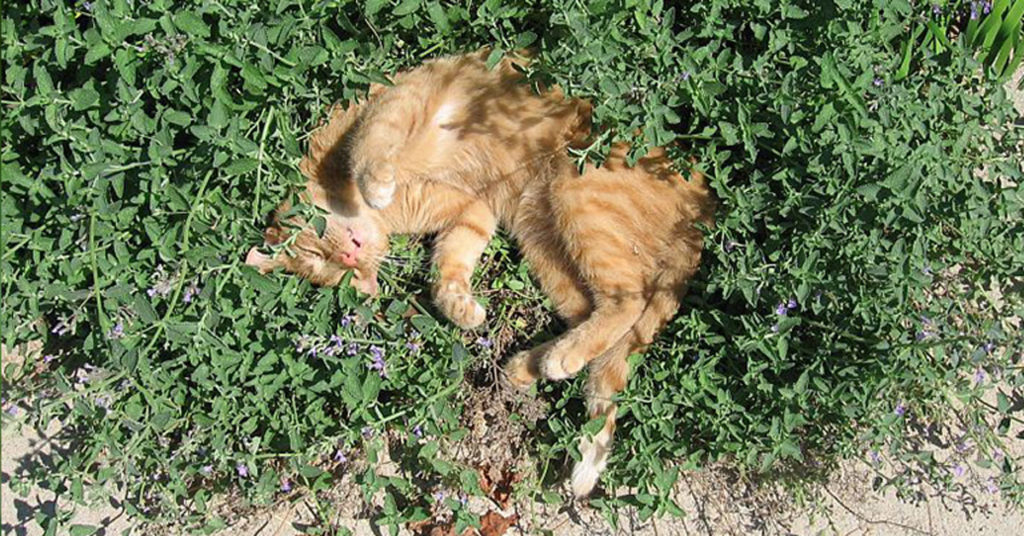
Our furry and feathered friends often explore every nook of the yard, putting them at risk if chemicals are present. Avoiding pesticides keeps curious pets—and visiting wildlife—safe from accidental poisoning. It’s heartwarming to watch squirrels forage among the flower beds without worrying about toxic residues!
I chose to surround my garden with catnip (Nepeta cataria), native to Europe and Asia and naturalized (but not invasive) in many regions, to keep my cats entertained without risk. When I garden pesticide-free, they happily bat at the minty-leaved stalks, and I rest easy knowing they’re not ingesting harmful substances.
Improved Crop Quality and Flavor
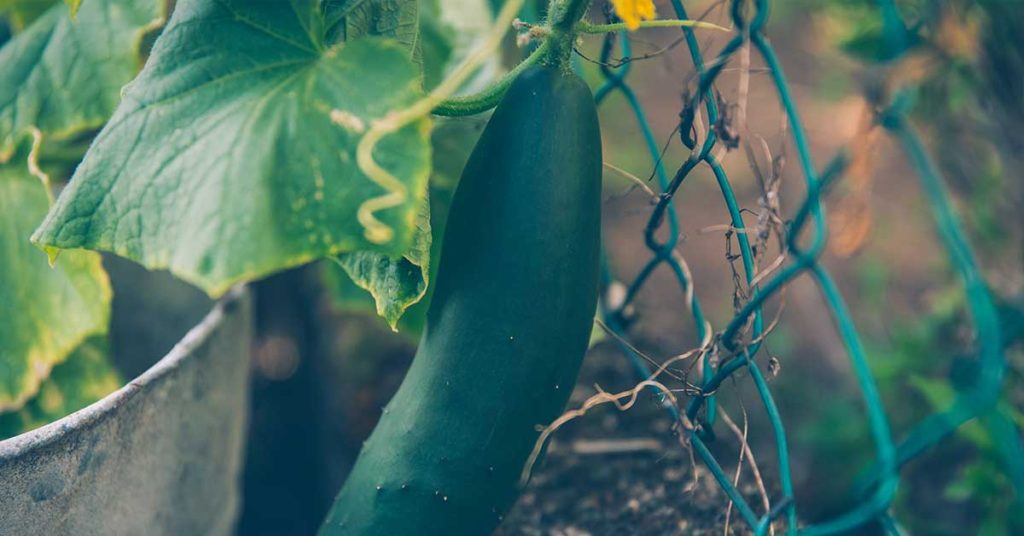
Plants grown without chemical sprays often develop more complex flavors and nutrient profiles. Stress from moderate, natural pest pressure can even stimulate the production of beneficial phytonutrients. I’ve tasted the difference in my homegrown cucumbers (Cucumis sativus, native to India, non-invasive)—they’re crisper and sweeter than any store-bought variety!
When I stopped using broad-spectrum insecticides, my strawberries (Fragaria × ananassa, native to Europe and North America hybrids, non-invasive) ripened with deeper red hues and an unforgettable fragrance. Every bite feels like a celebration of pure, unadulterated flavor!
Reduced Chemical Resistance
Just like bacteria can become resistant to antibiotics, pests can develop tolerance to pesticides over time, leading to “superbugs” that laugh in the face of chemical control. By rotating to organic strategies—companion planting, trap crops, and targeted handpicking—you keep pest populations from adapting and keep your garden in balance!
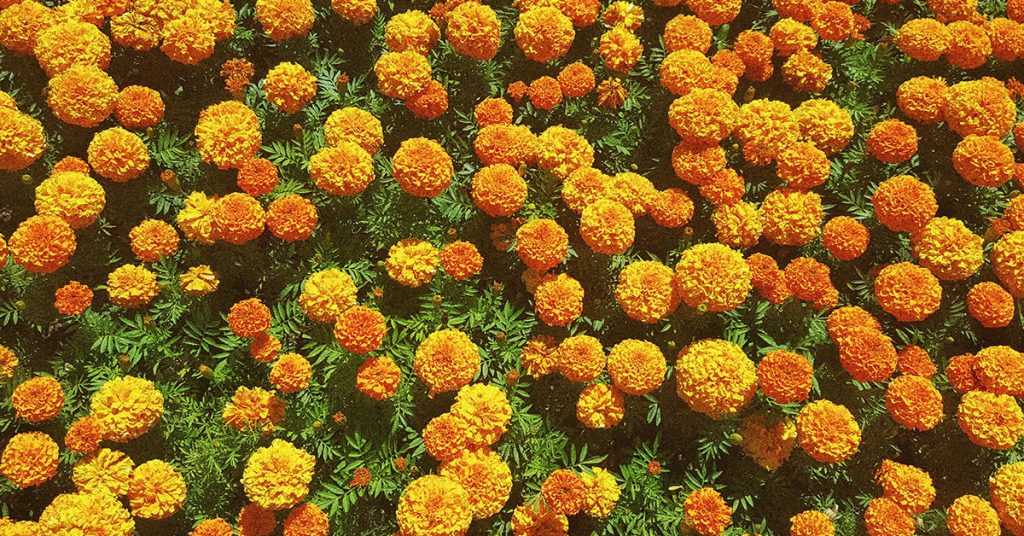
For instance, I once battled cucumber beetles on my zucchini (Cucurbita pepo, native to the Americas, non-invasive). After a few seasons of chemical use, those beetles shrugged off every spray. Switching to row covers and planting marigolds (Tagetes patula, native to Mexico and Guatemala, non-invasive) as a trap crop broke the cycle, restoring control without a single drop of pesticide!